
Health
Mask Wearing Now Compulsory to Curb Covid-19 – FG

By Mathew Dadiya, Abuja
The Federal Government, Thursday announced that it would enforce wearing of masks in markets and other places that are difficult to maintain social distancing to contain the spread of the Covid19-19 in the country.
The government warned that patients with mild symptoms are very highly infectious, and mild symptoms in one person could be deadly infection in another.
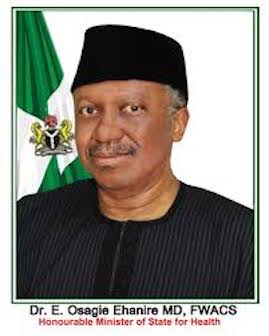
Speaking at the daily briefing of the Presidential Taskforce on COVID-19, the Director-General of the National Center for Disease Control (NCDC), Dr Chikwe Ihekweazu, who spoke alongside the Secretary to the Government of the Federation, Boss Mustapha, the Ministers of Health, Dr Osagie Ehanire, Foreign Affairs Geoffrey Onyeama and other members of the team, said the decision became necessary following the rate at which the virus was spreading.
Dr Ihekweazu said: “Where physical distancing is quite difficult, like in markets, we will be firmer about prescribing the use of masks.”
He reiterated his earlier call for Nigerians to stop stigmatization of discharged patients as it will prevent people from willing coming out to test.
The NCDC boss said: “We should stop stigmatising COVID-19 patients. If we stigmatise patients, people will choose not to be tested and the virus might go unchecked and this lockdown will continue.
In these times, what unites us is more than what divides us.”
Ihekweazu who said every Friday by 6pm, the number of tests done by the center will be made public.
The Minister of Foreign Affairs, Geoffrey Onyeama said Nigerians has selected two airlines that will bring back Nigerians stranded in various countries around the world.
Onyeama said that due to the high numbers, and limited mandatory-isolation spaces in Nigeria, the evacuations would be done in batches.
He said, “We‘ve received all the numbers from our various embassies around the world. We‘ve selected two airlines that‘ll be responsible for fetching them. Numbers are high and we don’t have isolation spaces for everyone at same time. So we‘ll have to stagger the repatriation.”
Earlier, the Minister of Health, Dr Osagie Ehanire, said, “We need people to stay where they are,” reiterating that one of the objectives of the lockdown was to prevent people from moving around and carrying the virus to other places.
According to him, “That is why we recommend the suspension of close contact between grandchildren and grandparents, at this time.
“Our valuable health workers are urged to adhere to all government instructions and regulations; always utilise personal protective equipment (PPE); maintain a high index of suspicion for COVID-19; and protect yourselves, your loved ones and your colleagues.”
The minister also warned that private facilities treating cases without accreditation risk being sanctioned.
“I shall use this opportunity to again strongly advise health professionals against private or secret management of people who have COVID-19 outside of accredited health facilities. We cannot afford avoidable morbidity and mortality,” Ehanire stated.
“Private facilities must obtain accreditation to treat this highly infectious disease. Practitioners engaging in unauthorised treatment of COVID-19, run the risk of being shut down for decontamination.
“This next phase of our strategy, due to the available evidence of community transmission in Nigeria, now focuses on the community. There will be more community testing and social mobilisation at the grassroots to ensure physical distancing and advisories on the use of masks or improvised face coverings like handkerchiefs or scarves over the mouth and nose, to reduce risk of transmission. Again, the revised case definition for testing includes: All patients with acute respiratory distress syndrome;
Contacts of people confirmed to have COVID-19, with fever and respiratory tract symptoms; Persons with fever and respiratory tract symptoms of unknown cause.”
The World Bank Group, global partners and countries on Saturday announced continued progress toward the goal of delivering affordable and quality health services to 1.5 billion people by 2030.
A statement by the World Bank Online Media Briefing Centre said 15 countries introduced National Health Compacts, outlining practical five-year reforms aimed to expand primary healthcare, improve affordability and support job-rich economic growth.
The statement said that since the goal was set in April 2024, the Bank and partners had supported countries to provide quality and affordable care to 375 million people.
It said work was underway with roughly 45 countries to scale proven primary care approaches that strengthen health outcomes while generating employment across health workforces, local supply chains and supporting industries.
“This progress comes as governments confront aging populations, rising chronic disease, and financial pressures.”
The statement said the 2025 Global Monitoring Report released at the Tokyo Universal Health Coverage (UHC) High-Level Forum showed that 4.6 billion people globally still lacked access to essential health services.
It said the report also revealed that 2.1 billion people faced financial hardship due to health expenses.
“These challenges underscored the need for long-term, coordinated reforms that help countries build more resilient and equitable health systems.”
World Bank Group President, Ajay Banga, is quoted in the statement as saying, “strong primary healthcare systems are central to both health protection and economic growth.
“Strong primary health systems do more than safeguard health, they support jobs and economic opportunity.
“Countries are stepping forward with clear priorities, and we are working alongside them to deliver practical solutions at scale.”
According to the statement, the 15 countries that introduced National Health Compacts at the forum in Tokyo are Bangladesh, Egypt, Ethiopia, Fiji, Indonesia, Mexico, Morocco, Nigeria, Philippines, Sierra Leone, Syria, Tajikistan, Uganda, Uzbekistan and Zambia.
The statement said the compacts, which were endorsed at the highest levels of government, outlined five-year, country-led reforms aimed at expanding the reach and quality of primary healthcare, improving financial protection and strengthening health workforces.
“They also align Health and Finance Ministries behind measurable targets, provide a roadmap for coordinated action and guide support from development partners across country-led priorities.”
It said key commitments by countries include mobilising new financing, growing and digitally enabling their health workforce, modernising health facilities, expanding insurance coverage, and digitising service delivery.
“For example, in terms of boosting regional manufacturing of health products and technologies, Nigeria will train 10,000 pharmaceutical and biotech professionals and establish Centres of Excellence.
“Nigeria will also provide tax incentives to expand local production of vaccines, medicines, diagnostic and health technologies, strengthen regulatory agencies through digital systems and global alignment.”
It said that to help countries advance their compacts and broader reforms, the World Bank Group, Gavi and the Global Fund announced aligned financing, including two billion dollars in co-financing with each institution.
The statement added that philanthropic partners working through the Global Financing Facility and the Health Systems Transformation and Resilience Fund aim to mobilise up to 410 million dollars for critical health areas.
It said Seed Global Health was working with compact countries to build capacity and provide support for assessment, planning and policy development, with a focus on advanced health workforce development.
The statement said Japan, the United Kingdom and other partners were also providing technical assistance.
“Japan, WHO and the World Bank jointly launched a Universal Health Coverage Knowledge Hub to support countries with practical evidence-based solutions and peer learning.”
It said the UHC High-Level Forum, co-hosted by the Japanese Government, the WHO, and the World Bank Group, brought together ministers of health and finance, business leaders, philanthropies, global health agencies and civil society.

The UN Women has reaffirmed its commitment to strengthening policy frameworks, enhancing digital safety, and promoting accountability for online harms in Nigeria.
Deputy Executive Director for Normative Support, UNWomen, Nyara Gumbonzvanda, said this at a press conference on Saturday in Abuja.
The press conference was on Gumbonzvanda’s high-level mission to Nigeria and commemoration of the 2025 16 Days of Activism Against Gender-Based Violence (GBV).
She said that the visit was to deepen partnerships, reinforce national leadership, and accelerate collective action to advance gender equality and the empowerment of women and girls in Nigeria.
“A critical area of concern remains technology-facilitated GBV, which is rising globally and nationally.
“Between 16 per cent and 58 per cent of women worldwide experience some form of online or technology-facilitated GBV, depending on the region.
“UN Women is supporting the government and stakeholders in strengthening policy frameworks, enhancing digital safety, and promoting accountability for online harms,” she said.
She commended the National Assembly’s commitment to strengthening legislation that protects women and girls and advance women’s participation in governance, and called for effective legal frameworks and inclusive governance.
Gumbonzvanda decried low representation of women at the National Assembly, which she said stood at only 3.8 per cent, far below the global average of 27.2 per cent.
She, therefore, emphasised the need for legislative reforms such as affirmative action, quotas, and the proposed special seats bill, which she described as globally recognised tools to accelerate women’s participation.
”This is critical because globally, nearly one in three women experiences physical or sexual violence in their lifetime.
”Effective legal frameworks and inclusive governance are essential to reversing this trend,” she said.
On insecurity in Nigeria, she called for the release of abducted girls and reaffirm the need to ensure that every girl has the right to security and education.
She listed the impact of UN Women’s work in communities, including the commissioning of new WASH facilities.
She said that there was also rehabilitation of agro-processing centre in Kwali to improve women’s safety, reduce time burdens, and expand income-generating opportunities.
”UN Wornen will continue to mobilise partnerships across government, development partners, and the private sector to ensure that frontline organisations and national institutions have the resources required to deliver lasting change,” she said.
On her part, Beatrice Eyong, UN Country Representative to Nigeria and ECOWAS, commended the media for amplifying issues affecting women and girls in the country.
From Mike Tayese, Yenagoa
The Association of Public Health Physicians of Nigeria (APHPN), has ascribed the current wave of movement of medical workers in the country abroad to insecurity and desire for better Welfare packages.
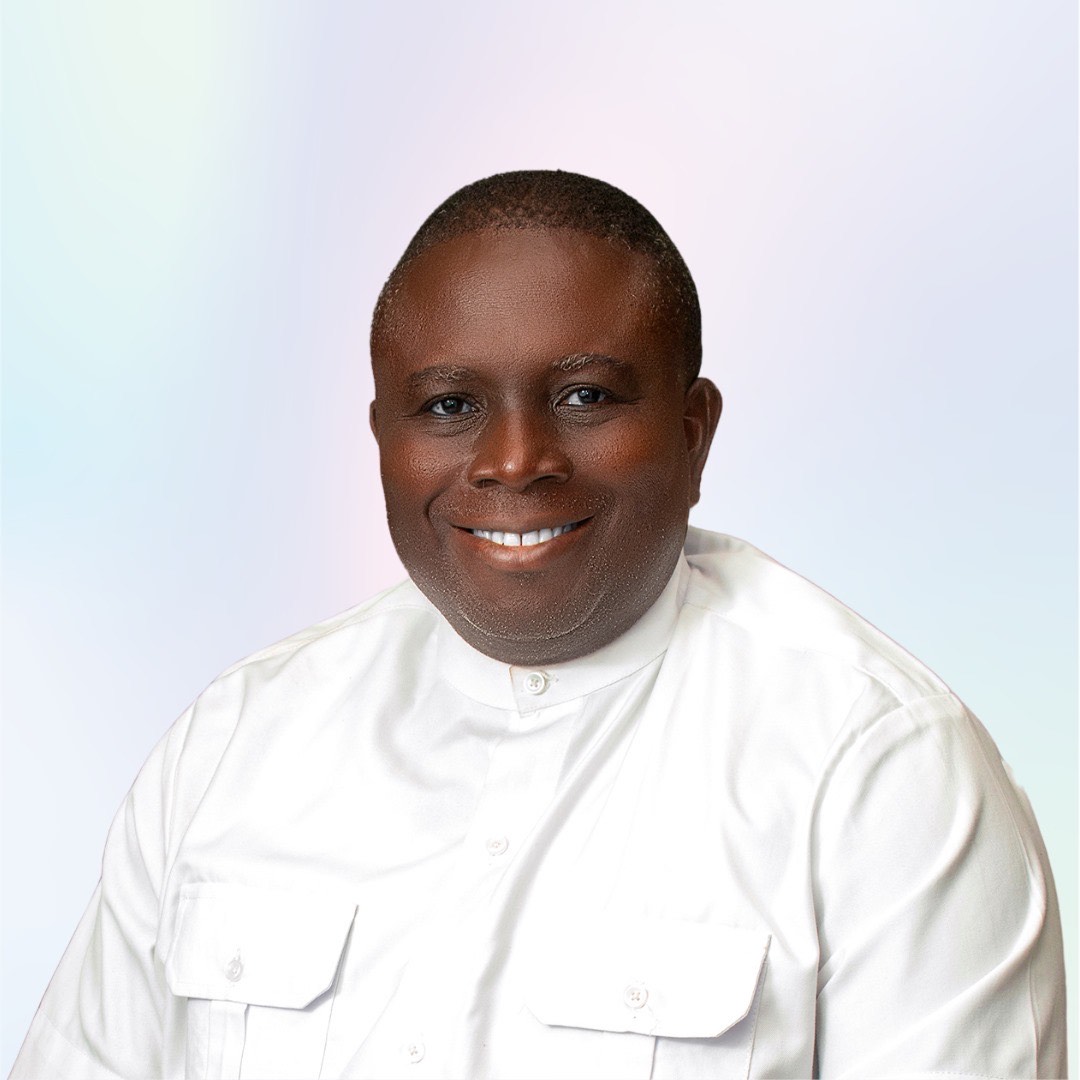
The National President of APHPN) Dr.
Terfa Kene, while speaking during his three day visit to Bayelsa State to seek support to enhance public health delivery in the state, urged other medical workers who are still in Nigeria to work for the improvement of public health in the country.Dr. Kene, also stated that once salaries of the health workers are improved and insecurity issues tackled, the challenge of migration of medical personnel would stop, adding that his mission to Bayelsa State is to ensure proper implementation of Primary Health Centre adoption.
He said: “There are factors responsible for people who are japa from the county. One of the factors is where they want to go, the health system is well advanced and people want to go and practice there and we may not have control over those interests.
“If the issue of insecurity is addressed, people will not want to run away from their locations. If the salaries of health officials are improved, then we would also know that you have that intended capacity. It’s not just addressing one component, there are several others that the government needs to work on and address, once they are addressed, the issue of migration will be reversed.
“Yes there is japa, but then it’s not everybody that is leaving the country, so those that are here, we should make our contribution as public health physicians.”
Dr. Kene, who also supervised the Medical Outreach for the people of Agbere community in Sagbama local government organised by APHPN, and visited some health agencies in the state, Bayelsa Health Insurance Scheme (BHIS), and the State Coordinator of World Health Organization, said the government need both the infrastructure, human personnel and medications to ensure well-being of the people.
He said: “When we are talking about the development agency of the government, we are talking about PHC, we are talking about health insurance, we are talking about the ministry of health, we are talking about other organs of government that have to do with public health.
“The important thing is that we build relationships with the local Communities by making an impact in contributing to public health in the entire Nigeria not just only Bayelsa state, that is why we organized medical outreach in the Agbere community. We are covering both the primary Healthcare center and cottage hospital nearby.” He said.
Also Speaking, the Chairman of APHPN in Bayelsa State, Dr. Enebipamo Amba-Ambaiowei, said a s public health physicians, they have a duty to provide healthcare, engage and make impact amongst members of the Communities.
He said why they carry out the medical outreach is to help the rural dwellers improve their healthcare and lives generally, adding that over hundred people were attended to during the outreach.
A beneficiary, Akali Anthony, said he had challenges of malaria and diabetes, but after medical screening he was administered with drugs, which saved him the high cost of affording them.



Alesa: Move Begins in Rivers to Kick out Fand Frabbing, Fraud
ShareBy David, Torough Abuja Land grabbing and fraudulent sale of lands may suffer a setback in Rivers State as government-approved...


ShareNNPCL’s New Culture of Transparency, Discipline Strengthens Financial Performance By Enam Obiosio The Nigerian National Petroleum Company Limited (NNPCL) is...


Nigeria: Leadership as Red-Carpet Exchange Programme
ShareBy Ebuka Ukoh Nigeria surprises people who believe leadership involves duty. You watch a government hold an economic summit in...


FG, ICPC Launch Sweeping Audit of N36trn Road Contracts
ShareBy Tony Obiechina, Abuja The Independent Corrupt Practices and Other Related Offences Commission (ICPC) and the Federal Ministry of Works...

Jaiz Bank, IILM Sign Agreement as Africa’s First Primary Dealer
ShareBy Tony Obiechina, Abuja Jaiz Bank, Nigeria’s pioneer non-interest bank, has signed an agreement with the International Islamic Liquidity Management...


NLC threatens Nationwide Protest over Insecurity
ShareThe Nigeria Labour Congress (NLC) has announced plans to hold a nationwide protest on Dec. 17 over insecurity in the...


Shettima Reaffirms Nigeria’s Commitment to Regional Stability
ShareVice-President, Kashim Shettima, on Monday reaffirmed Nigeria’s continued commitment to regional peace and stability. Shettima gave the assurance during the...


NNPC Ltd Received $185m, N14.9bn from Frontier Exploration Fund – NUPRC
ShareThe Nigerian Upstream Petroleum Regulatory Commission has disclosed that over $185m and N14.9bn have so far been released to the...

2026 FIFA World Cup Finals without Super Eagles, Painful
ShareWhen the roll call of 48 national football teams that will participate in the 2026 FIFA World Cup finals taking...


Group Backs Tinubu, Urges Sule to Run for Senate
ShareFrom Abel Zwanke, Lafia The Chief Executive Officer of the Community Initiative for Character Moulding and Entrepreneurship Development (CiCMED) and...