
NEWS
Mental Health Day: WHO Raises the Alarm over 12bn Loss of Work Per Hour Globally

By Laide Akinboade, Abuja
The World Health Organisation (WHO) has raised alarm over the loss of 12 billion works per hour globally each year.
WHO Regional Director for Africa, Dr Matshidiso Moeti disclosed this in a Message in commemoration of World Mental Health Day 2024 in Abuja.
The loss of man hours each year costs the global economy around $1 trillion.
The theme of 2024 celebration is “Healthy Minds at Work, Prioritizing Mental Health in the Workplace”
The statement reads, “Each year on October 10th, the World Health Organization joins the global community to mark World Mental Health Day, raising awareness of mental health issues worldwide and mobilizing efforts to support mental well-being.
“This year’s theme, “It is Time to Prioritize Mental Health in the Workplace,” underscores the crucial role of work in shaping our lives. A healthy work environment not only provides structure and purpose, but also fosters social connections, giving individuals a sense of personal value and identity.
“However, workplaces can also be significant sources of stress, negatively affecting both physical and mental health. Factors such as discrimination, poor working conditions, being underpaid or undervalued, harassment, bullying, and lack of control can all contribute to mental health challenges at work. Certain workers, such as those in health and emergency services, low-paid or insecure jobs, and casual labour, are particularly vulnerable due to limited support, job security, and legal protections.
“On the flip side, poor mental health can lead to reduced productivity, absenteeism, and higher staff turnover. Depression and anxiety result in the loss of approximately 12 billion work hours globally each year, costing the global economy around $1 trillion.
“Additionally, people with severe mental health conditions are often excluded from employment or face inequality and stigma in the workplace. Despite these challenges, only 8 of the 47 countries in the WHO African Region reported having mental health promotion programs in workplaces by 2020, and only 3 had active collaborations between mental health services and labour departments.
“Urgent action is needed to protect, promote, and support mental health in the workplace. WHO, through its guidelines on mental health at work and in collaboration with the International Labor Organization, recommends key actions for governments, employers, and other stakeholders. These include managing workplace psychosocial risks, promoting mental health through training, supporting employees with mental health conditions, and creating work environments conducive to well-being”.
She urged the Governments to, “Review and implement employment and health policies that ensure parity between mental and physical health in collaboration with workers’ organizations.
“Align employment laws with international human rights treaties to prevent discrimination against workers with mental health conditions.
“Establish pathways between health, social, and employment services to facilitate supported employment and return-to-work programs.
“Build capacity in primary care, occupational health, and mental health services to address mental health conditions at work”.
She called on Employers to, “Incorporate mental health as a core component of occupational safety and health systems.
“Develop specific mental health policies and programs based on WHO recommendations, including training for managers and workers.
“Equip managers to identify and address stressors, support their teams, and manage their own stress.
“Offer reasonable accommodations to support workers with mental health conditions”.
Advising individuals, to, “Prioritize our mental health, learn stress management techniques, and strive for a balanced lifestyle.
“Recognize signs when mental health is declining and seek support from trusted individuals, colleagues, or health professionals”.
She said, “As we celebrate World Mental Health Day, let’s commit to investing in mental health in the workplace—because investing in people is the best investment any organization can make. A mentally healthy workforce is engaged, innovative, motivated, and productive, contributing to the success of any organization”.
By Raphael Atuu, Abuja
As Barrister Henry Okeke Says The gathering provided another opportunity for Nigerians to reflect on the political ideals, leadership.
Stakeholders in the Nigeria Project have called for renewed commitment to national unity, peaceful coexistence, responsible leadership and national cohesion as Nigeria continues to navigate its changing political landscape.
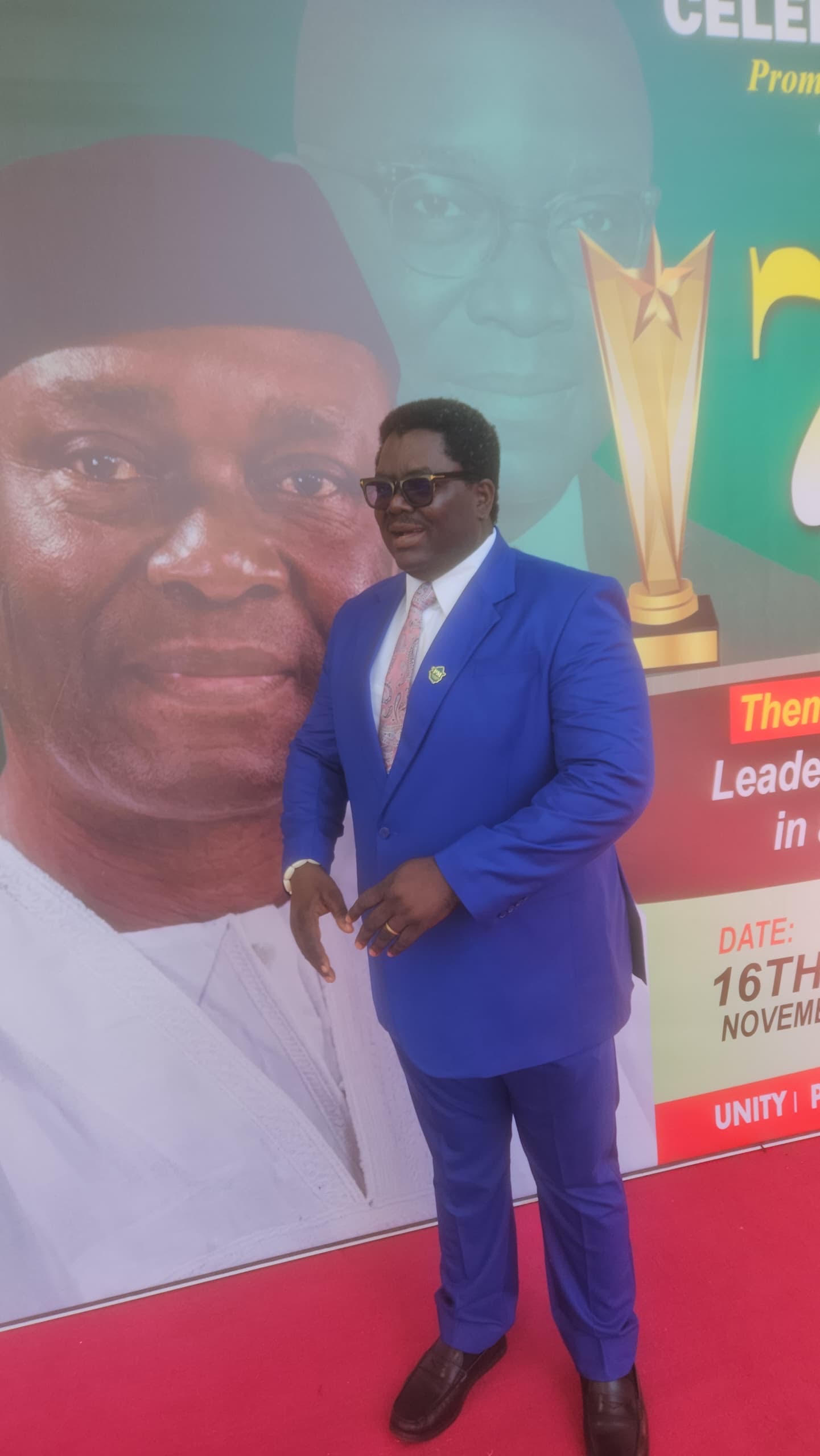
The call was made at the 7th Dr. Nnamdi Azikiwe Annual Award Lecture held in Abuja to commemorate the posthumous 122nd birthday anniversary of Nigeria’s first President, Dr.
Nnamdi Azikiwe.The annual lecture, which attracted stakeholders from different sectors of the country, focused on the theme: “Preserving the Unity of Leadership, Peace and National Cohesion in a Changing Political Landscape.”
Speaking on the significance of the occasion, one of the participants Barrister Henry Okeke said the gathering provided another opportunity for Nigerians to reflect on the political ideals, leadership philosophy and enduring contributions of the late nationalist to the development of Nigeria.
He noted that Dr. Azikiwe, popularly known as Zik of Africa, remained an important figure in Nigeria’s political history whose vision of a united, prosperous and independent nation should continue to inspire present and future generations.
According to him, the challenges confronting Nigeria require leaders and citizens to embrace dialogue, tolerance, patriotism and collective responsibility rather than allow political, ethnic and other differences to undermine the country’s unity.
He further stressed that the ideals of Zikism, which promote nationalism, unity, intellectual development, self-determination and service to humanity, remain relevant to contemporary Nigeria.
“I believe in the Zikism philosophy because the vision of Dr. Nnamdi Azikiwe was built around a united Nigeria where every citizen, irrespective of background, could contribute to national development,” he said.
He urged Nigerians, particularly political leaders, to draw lessons from the life and leadership principles of the late statesman by placing national interest above personal and political considerations.
The participant also maintained that preserving Nigeria’s unity requires deliberate efforts from government, political parties, traditional institutions, civil society organisations and ordinary citizens.
He said the annual lecture should not merely serve as a ceremonial gathering but should provide an avenue for meaningful discussions and practical solutions to the country’s leadership and developmental challenges.
Dr. Nnamdi Azikiwe remains one of Nigeria’s foremost nationalists and founding fathers, having played a significant role in the struggle for independence and the political evolution of the country.
The annual award lecture continues to provide a platform for celebrating his legacy and encouraging Nigerians to uphold the principles of national unity, peace, justice and democratic leadership. said the gathering provided another opportunity for Nigerians to reflect on the political ideals, leadership philosophy and enduring contributions of the late nationalist to the development of Nigeria.
He noted that Dr. Azikiwe, popularly known as Zik of Africa, remained an important figure in Nigeria’s political history whose vision of a united, prosperous and independent nation should continue to inspire present and future generations.
According to him, the challenges confronting Nigeria require leaders and citizens to embrace dialogue, tolerance, patriotism and collective responsibility rather than allow political, ethnic and other differences to undermine the country’s unity.
He further stressed that the ideals of Zikism, which promote nationalism, unity, intellectual development, self-determination and service to humanity, remain relevant to contemporary Nigeria.
“I believe in the Zikism philosophy because the vision of Dr. Nnamdi Azikiwe was built around a united Nigeria where every citizen, irrespective of background, could contribute to national development,” he said.
He urged Nigerians, particularly political leaders, to draw lessons from the life and leadership principles of the late statesman by placing national interest above personal and political considerations.
The participant also maintained that preserving Nigeria’s unity requires deliberate efforts from government, political parties, traditional institutions, civil society organisations and ordinary citizens.
He said the annual lecture should not merely serve as a ceremonial gathering but should provide an avenue for meaningful discussions and practical solutions to the country’s leadership and developmental challenges.
Dr. Nnamdi Azikiwe remains one of Nigeria’s foremost nationalists and founding fathers, having played a significant role in the struggle for independence and the political evolution of the country.
The annual award lecture continues to provide a platform for celebrating his legacy and encouraging Nigerians to uphold the principles of national unity, peace, justice and democratic leadership.
By Orjime Moses Abuja
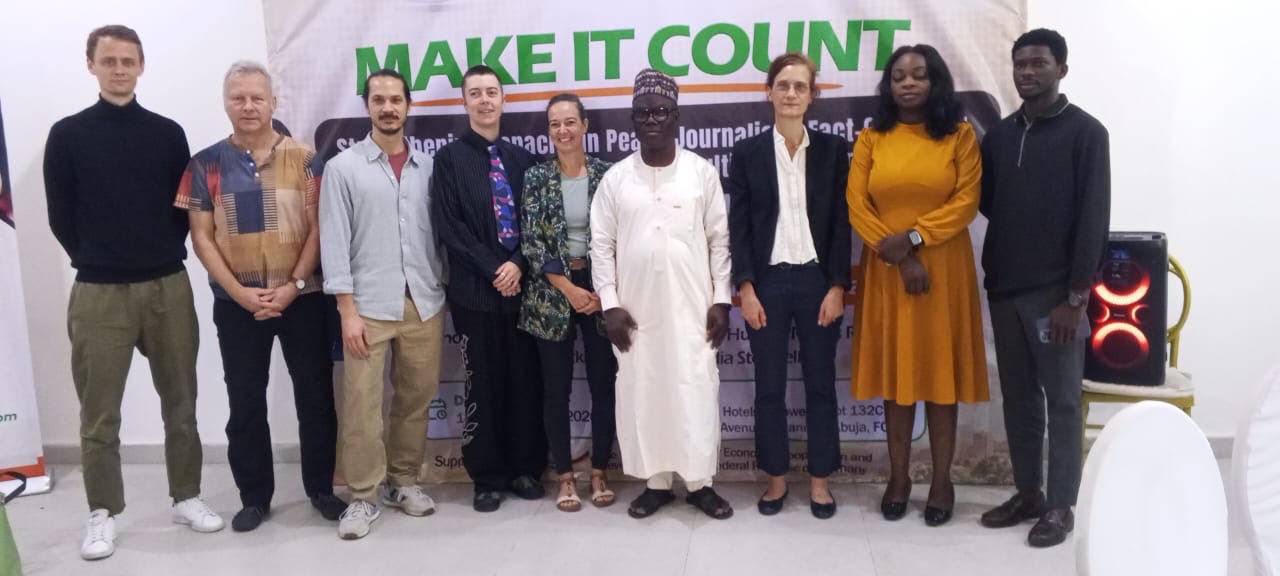
As Nigeria prepares for the 2027 general elections, the Resource Centre for Human Rights and Civic Education (CHRICED) has commenced a six-day media training programme for 36 journalists aimed at strengthening fact-checking, peace journalism and responsible reporting.
The Executive Director of CHRICED, Dr Ibrahim M.
Zikirullahi said the training was designed to equip media professionals with the skills to counter misinformation, disinformation and inflammatory narratives capable of undermining democratic stability and public trust.Zikirullahi stated this on Monday at the opening of the training programme, organised by CHRICED Radio and Television in collaboration with Germany based WeltFilme, with support from the Federal Ministry for Economic Cooperation and Development (BMZ) of Germany, in Abuja.
He said the quality of information available to citizens would play a critical role in determining the credibility of the 2027 general elections, warning that election periods often witness increased misinformation and attempts to manipulate public opinion.
According to him, journalists and media organisations have a responsibility to ensure that citizens make informed electoral choices based on verified information rather than falsehoods.
“Through responsible reporting, rigorous fact-checking, and ethical journalism, the media can help ensure that citizens make informed choices based on facts rather than falsehoods,” he said.
He explained that participants would receive training in peace journalism, fact-checking, investigative reporting, human rights reporting, source verification, multimedia storytelling and television production.
The CHRICED executive director described the competencies as essential for journalists navigating an increasingly complex information environment while maintaining professional integrity and public trust.
He urged participants to use the training to strengthen their professional capacity and contribute to peaceful campaigns, credible elections, human rights protection and democratic governance.
Also speaking, the Head of Development Cooperation at the German Embassy in Nigeria, Dr Karin Jansen, said a free, independent and diverse media landscape remained essential to democratic governance.
Jansen, who welcomed the 36 participants drawn from CHRICED, independent media organisations and media houses across Nigeria, said journalists had an important role in informing citizens, shaping public debate and holding institutions accountable.
She expressed concern over the growing spread of fake news and disinformation, stressing that fact-based and responsible journalism was increasingly important in strengthening public trust.
She said peace journalism could help address conflicts and social tensions by promoting balanced reporting, accommodating different perspectives and explaining the underlying causes of conflicts.
“Peace journalism can help address these challenges by promoting balanced reporting, giving space to different perspectives and encouraging a better understanding of the underlying causes of conflict,” she said.
Jansen explained that the Make It Count project, supported by BMZ, was part of Germany’s efforts to strengthen independent media, freedom of expression and human rights-based journalism in Nigeria.
She added that the initiative placed particular emphasis on improving journalists’ capacities in television journalism, peace-sensitive reporting and technical production.
The German diplomat encouraged participants to share experiences, build professional networks and apply the knowledge acquired to improve reporting in their respective organisations and communities.
The six-day training, holding from November 16 to 21 at Rollins Hotels and Towers, Gwarinpa, Abuja, is expected to strengthen journalists’ capacity to produce accurate, balanced and impactful reports.
Agriculture
Livestock Ministry Defends Abuja Headquarters Acquisition, Insists Due Process Was Followed
By Raphael Atuu, Abuja
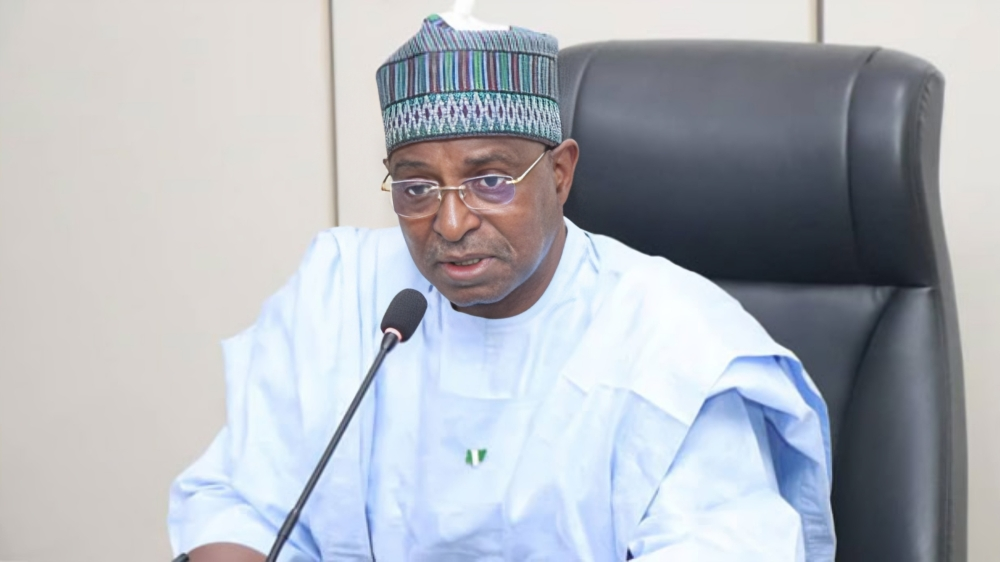
The Federal Ministry of Livestock Development has defended the acquisition of its headquarters building located along Aminu Kano Crescent, Wuse II, Abuja, insisting that the transaction followed established government approval and procurement procedures.
The Ministry described recent media publications questioning the acquisition as misleading and a misrepresentation of the facts, stressing that all necessary government authorisations were obtained before the transaction was concluded.
In a press statement issued by its head Press and Public Relations Unit,Henrietta Okokon, the Ministry maintained that suggestions that the acquisition was carried out without the required government approval were factually incorrect.
According to the Ministry, the transaction was conducted in line with the prescribed administrative and procurement framework, with the requisite approvals secured from the appropriate government authorities.
The Ministry also clarified the status of the estate firm involved in the transaction, Osas & Oseji Estate Surveyors & Valuers, stating that the company is duly registered and remains active, as confirmed by records of the Corporate Affairs Commission (CAC).
It further stated that the Honourable Minister of Livestock Development, Idi Mukhtar Maiha, and the Permanent Secretary, Dr. Chinyere Ijeoma Akujobi, ensured that the entire process complied with established government procedures and administrative requirements.
The Ministry explained that the acquisition was necessitated by the urgent need for suitable office accommodation following the establishment of the Federal Ministry of Livestock Development.
It noted that providing an appropriate operational environment was essential to enabling the Ministry to effectively discharge its statutory responsibilities and coordinate its activities.
The establishment of the Ministry is part of the Federal Government’s efforts to reposition the livestock sector, address longstanding challenges affecting livestock production and improve its contribution to national economic development.
With its mandate covering livestock development, the Ministry is expected to play significant roles in promoting investment, improving productivity, creating employment opportunities and strengthening the country’s livestock value chain.
It stressed that adequate office accommodation was therefore necessary to support its administrative operations and the effective implementation of its programmes.
Reaffirming its commitment to transparency and accountability, the Ministry stated that it remains guided by the principles of due process, prudent management of public resources and institutional responsibility.
It added that all relevant documents and records relating to the acquisition are available to duly authorised government oversight and audit institutions for verification.
The Ministry maintained that it would continue to uphold transparency in its activities and ensure that public resources are managed in accordance with established government regulations.




Stakeholders Celebrate Zikism at 7th Nnamdi Azikiwe Annual Award Lecture in Abuja.
ShareBy Raphael Atuu, Abuja As Barrister Henry Okeke Says The gathering provided another opportunity for Nigerians to reflect on the...

2027 Elections: CHRICED Trains 36 Journalists To Combat Fake News, Promote Peaceful Polls
ShareBy Orjime Moses Abuja As Nigeria prepares for the 2027 general elections, the Resource Centre for Human Rights and Civic...

Livestock Ministry Defends Abuja Headquarters Acquisition, Insists Due Process Was Followed
ShareBy Raphael Atuu, Abuja The Federal Ministry of Livestock Development has defended the acquisition of its headquarters building located along...

World Diabetes Day: FAAF Advocates Early Detection, Affordable Care
ShareBy David Torough, Abuja The Florence Ayodele Ajao Foundation (FAAF) has called for increased awareness and early detection of diabetes...


WHO Recommends Multiple Daily Insulin Injections to Manage Type 1 Diabetes
ShareThe World Health Organisation has recommended that people with type 1 diabetes receive insulin injections several times per day, with...
Benue Begs Newly Inducted Doctors to Return Home, Tackle Shortage of Medical Personnel
ShareFrom Attah Ede, Makurdi The Benue State Government has told the newly inducted medical doctors of Benue origin to return...
World Diabetes Day: Nigeria Must Fix Food Environment to Curb Diabetes Burden, Says CAPPA
ShareFrom Mike Tayese, Yenagoa As the world marks World Diabetes Day 2026 on November 14, under the theme “Early Action...

Pope Says Inca Heartland ‘Suffering’ as Villages Empty
SharePope Leo XIV warned Saturday that the heartland of the ancient Inca Empire was “suffering,” as the remote, poverty-stricken communities...
Pope Says Inca Heartland ‘Suffering’ as Villages Empty
SharePope Leo XIV warned Saturday that the heartland of the ancient Inca Empire was “suffering,” as the remote, poverty-stricken communities...
Kaduna Civil Service Union, Backs Tinubu, Uba Sani for 2027
ShareFrom Shabanyan Kantiok, Kaduna The Nigeria Civil Service Union (NCSU), Kaduna State Council, has passed a vote of confidence in...