
DEFENCE
Assessing Gen. Shaibu’s First 100 Days as Army Chief

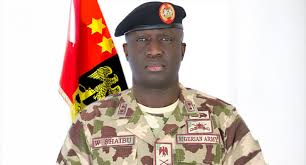
By Sumaila Ogbaje
When Lt.-Gen. Waidi Shaibu became the 25th Chief of Army Staff (COAS) on Oct. 30, 2025, expectations were immediate, intense, and uncompromising.
He assumed command amid a highly complex security landscape.
For instance, the North-East continues to grapple with a protracted insurgency, while the North-West faces escalating banditry and kidnappings.
At the same time, persistent farmer-herder clashes in the North-Central and separatist tensions in the South-East, combined with widespread insecurity, have tested both operational capacity and public confidence.
For any new Army Chief, the first 100 days rarely produce dramatic battlefield victories.
Instead, they reveal leadership style, command priorities, and strategic direction.
In Shaibu’s case, his early tenure shows a command philosophy anchored on visibility, operational consistency, urgency, and troop welfare.
Shaibu inherited not just an Army at war, but one under intense scrutiny.
Meanwhile, communities affected by violence demanded relief, political leaders faced pressure, and frontline troops contended with adaptive adversaries exploiting terrain, intelligence gaps, and logistical weaknesses.
Thus, his immediate challenge was to establish authority and credibility; internally among officers and soldiers, and externally with a watchful public.
Leadership by presence has defined his early approach.
Shaibu visited frontline formations in the North-West and North-East, engaging with troops, inspecting bases, and holding candid discussions with field commanders.
During one early visit, he told soldiers: “Failure is not an option. The Nigerian Army must take the fight to the enemy and sustain the pressure”.
He also emphasised discipline and accountability.
“Success in internal security operations comes not from headline victories but from sustained, consistent operations.
“Every officer and soldier must understand that excellence is non-negotiable, but it cannot be demanded without the tools to achieve it,” Shaibu said.
For troops operating under austere and often dangerous conditions, such visibility and direct communication carry significant weight.
It signals that leadership understands the risks and sacrifices inherent in frontline duty, boosting morale and reinforcing performance expectations.
Within military circles, these visits have been widely interpreted as a reminder that initiative, accountability, and operational excellence matter at every level.
Unlike some transitions accompanied by sweeping doctrinal pronouncements, Shaibu’s approach has been restrained in rhetoric but firm in execution.
Instead of unveiling entirely new strategies, he has focused on tightening existing operations, closing gaps, and enforcing discipline.
Commanders have been directed to prioritise sustained operations over episodic offensives, with emphasis on denying armed groups freedom of action, disrupting logistics networks, and degrading command structures.
Intelligence-led operations have been repeatedly highlighted.
Shaibu stressed the need to “reduce predictability and adapt tactics to evolving threats,” reflecting an understanding of the fragmented and adaptive nature of Nigeria’s security challenges.
Troop welfare, logistics, and equipment have also been central to his messaging.
Shaibu openly acknowledged constraints, from equipment shortages and maintenance backlogs to supply chain inefficiencies.
“You cannot demand excellence from soldiers without giving them the tools to succeed,” he told officers and troops during one visit.
Although systemic logistics challenges cannot realistically be resolved within 100 days, his early emphasis on these issues has resonated within the ranks, signalling that welfare and sustainment are now core command priorities.
Professionalism and discipline remain non-negotiable pillars.
Troops are reminded to adhere to rules of engagement and respect civilian populations, especially in complex internal security operations where the line between combatant and non-combatant is blurred.
Shaibu noted, “Operational success and public trust are inseparable. The Nigerian Army must protect civilians even as it neutralizes threats”.
Civil-military relations and strategic communication have also been emphasised.
At a time of heightened public scrutiny, the Army under Shaibu has sought to balance operational secrecy with transparency, explaining actions that affect civilians and reinforcing that modern conflicts are fought not just on the battlefield but also in the court of public opinion.
Albeit early momentum, entrenched challenges remain.
Nigeria’s vast terrain, multiple threat groups, intelligence gaps, and resource constraints continue to shape operations.
Analysts caution that leadership tone and presence alone cannot secure durable gains.
Therefore, institutional reforms, improved inter-agency coordination, intelligence fusion, technological upgrades, and sustained political support are critical.
A military scholar and Publisher of OurNigeria News Magazine, Dr Sani Abubakar describes Shaibu’s early tenure as “reassuring and energising”.
He praises the COAS’s combat credibility, operational boldness, and focus on troop welfare.
According to Abubakar, Shaibu’s operational philosophy centres on sustained dominance of the battlespace, intelligence-led targeting, and uncompromising control of reclaimed terrain, principles critical to breaking cycles of retreat and resurgence by armed groups.
Among the early gains cited by Abubakar are the neutralisation of numerous terrorist elements and the surrender of others weakened by sustained pressure.
He also commends Shaibu’s emphasis on sound administration, especially fairness and transparency in postings and appointments, which is gradually restoring confidence within the officer corps and rank and file.
Reflecting on Shaibu’s career, Abubakar said, “He is a thoroughbred, no-nonsense officer who led from the front and was unflinching in confronting Boko Haram terrorists.
“His insistence on integrity, accountability, and merit-based leadership comes from experience at every level of command”.
Looking ahead, Abubakar advises deeper investment in human intelligence (HUMINT) and greater use of unmanned aerial vehicles (UAVs).
He also stresses the need for a sustained focus on security sector governance reforms; measures he says are essential for efficiency and professionalism within the Army.
At 100 days, Shaibu’s tenure is defined more by direction than outcomes.
Communities affected by violence will now judge him by tangible results; fewer attacks, improved protection, and restored public confidence.
Officers and soldiers will assess whether leadership intent is matched by resources, reforms, and consistent follow-through.
Ultimately, whether this early momentum yields lasting security gains will depend on how effectively intent is translated into institutional capacity and sustained action.
For now, the clock is ticking, and the mission is far from over. (NAN)
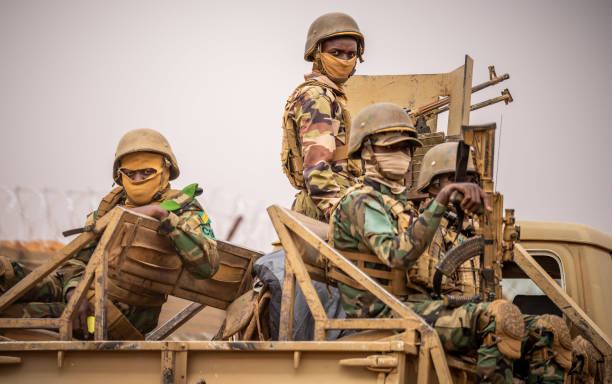
The Nigerian Army has reiterated the need for intensified training to enhance operational effectiveness and sustain battlefield readiness across all formations.
The Director, Support Services, Defence Headquarters, Maj.-Gen. Isiaka Olatunji, said this at the opening of the 2026 Guards Brigade Corporals and Below Competition on Monday in Abuja.
Olatunji said training remained the backbone of military efficiency, stressing that no army could succeed in contemporary security operations without continuous skill development and rigorous field exercises.
He explained that the competition was designed to test the physical, mental and tactical proficiency of junior soldiers who form the backbone of operational execution within the Nigerian Army.
He said “we must train harder to ensure operational effectiveness. Training is not optional; it is essential for survival and success on the battlefield.”
According to him, corporals and below represent the category of personnel who directly execute missions in the field, often in close contact with adversaries.
“You are the ones who execute missions. You come face to face with the enemy at the tactical level,” he added.
The director noted that the exercise would strengthen resilience, discipline, teamwork and combat readiness among participating troops.
He said the Guards Brigade, known for its ceremonial and operational responsibilities in the Federal Capital Territory, remained a critical formation in the defence architecture of the country.
Olatunji urged participants to embrace the training opportunities provided by the competition, describing excellence as “a product of continuous challenge and discipline.”
He also charged troops to uphold professionalism and demonstrate a high level of competence throughout the exercise.
On his part, the Commander, Guards Brigade, Brig.-Gen. Adebisi Onasanya, said “the competition aligns with the Chief of Army Staff’s vision of building a more adaptive, resilient and combat-ready force.”
Onasanya said the exercise would assess weapon handling skills, physical fitness and decision-making abilities of participants.
He added that the outcome of the competition would contribute significantly to determining troop readiness for operational deployments.
The annual Guards Brigade Corporals and Below Competition brings together units for intensive drills and tactical exercises, aimed at improving efficiency and professionalism within the Nigerian Army.
Inspector General of Police, Olatunji Disu, academics and other security professionals have advocated transition from heavy reliance on physical personnel to technology innovation in tackling insecurity in the country.
They stated the position in Abuja on Monday, at an event to celebrate Peter Olumuji, who bagged a Doctors of Philosophy (PhD) in Security and Strategic Studies, from Nasarawa State University, Keffi.
Olumuji is the Secretary of the FCT Administration Command and Control Centre.
The centre was established to improve security in the FCT by collating and analysing security intelligence feeds from drones, Closed-Circuit Television cameras and other technological devices.
The IGP, who chaired the event, said academic certification was crucial for modern security personnel and urged officers to get certified for the specialised roles they perform.
He commended Olumuji, fondly called “Mr Sharp Sharp”, for always getting any job assigned to him done with speed.
“He is a paragon of honesty and professional persistence. Whenever there is a task, he stays on your neck to ensure it is completed.
“I learned this from him: start a job, put a plan to it, and follow it to the end,” he said.
The Vice-Chancellor of Bingham University, Prof. Haruna Ayuba, who supervised Olumuji’s thesis, said that the security and strategic studies programme was vital to winning the war against insecurity.
Ayuba said, “Training experts at this level is now essential to nip security challenges in the bud”.
He praised the celebrant’s dedication to genuine learning saying; “while some students wanted to get a degree by any means, Olumuji was ready to learn.
“We didn’t just work together; we published research papers together,” Ayuba noted.
Similarly, Dr Stephen Okore of the Nigerian Army University, Biu, stressed the need for professionalism in security agencies to ensure competency in tackling insecurity.
Okore described Olumuji as a “gentleman and a good leader” who served as their class governor throughout their master’s and PhD programmes.
On his part, Adamu Gwary, Director of the FCTA Security Services Department, said that Olumuji’s academic achievement was the outcome of FCT Minister Nyesom Wike’s transformation of the FCT security architecture.
Gwary noted that the department was being increasingly populated by holders of PhD, which he said would inject logical thinking in tackling security challenges in the FCT.
“This means that security matters will be handled with innovative responsiveness.
“With the current security situation, this intellectual capacity will ensure that the security department provides the needed expertise in tackling insecurity,” he said.
Responding, Olumuji said that his doctoral research underscored the need for a critical shift in Nigeria’s security strategy.
He emphasised the need for the transition from heavy reliance on physical personnel to the integration of advanced technology.
“By introducing more technology, we reduce the reliance on manpower.
“This is more effective in saving the lives of our gallant men and women in the military and law enforcement, who face risks in the field,” he said.
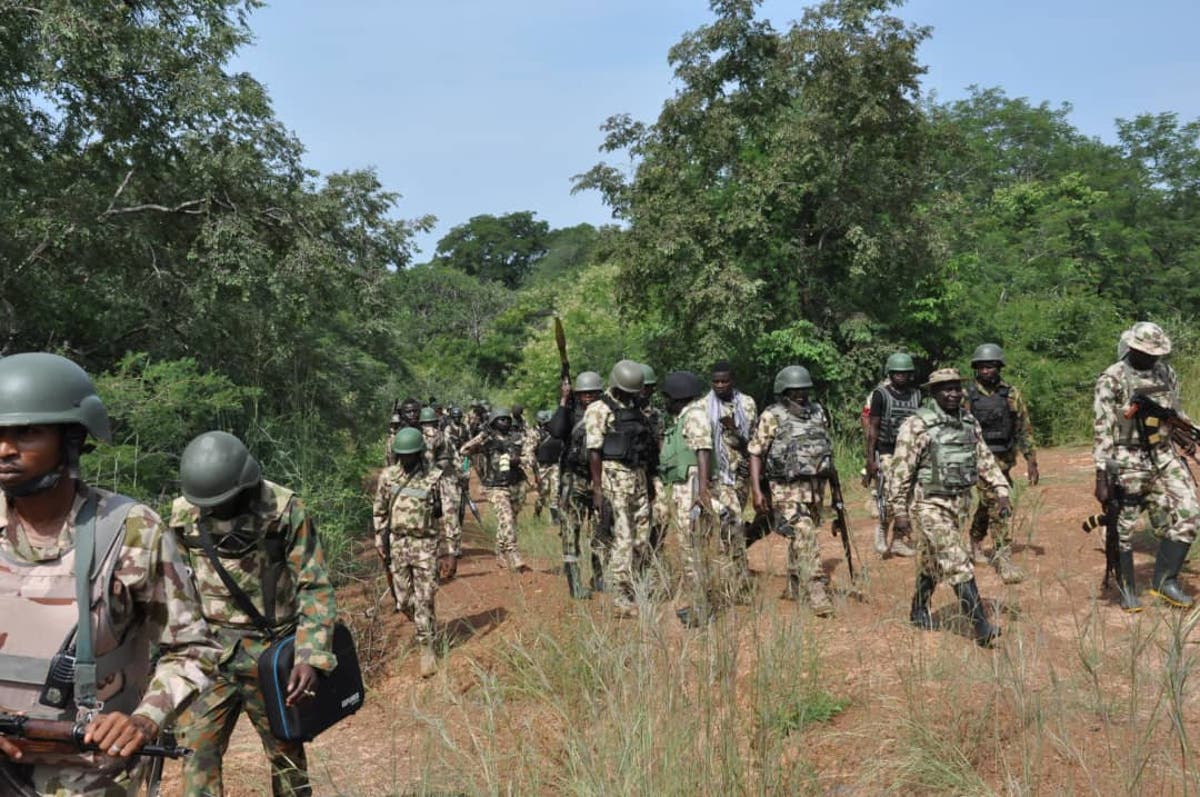
The Nigerian Army said troops recorded major operational gains, including interception of suspected logistics supplies, foiling terrorist attacks and rescuing kidnapped victims across theatres in the last 24 hours.
Operational report on Monday, revealed that troops of Operation Hadin Kai (OPHK) intercepted a truck conveying large quantities of medical supplies suspected to be meant for terrorist elements in the North-East.
The report said the interception occurred at a checkpoint in Nguru, Yobe, where the driver initially presented a waybill for beverages and household items.
According to the report, a detailed search revealed hundreds of cartons of drugs, including antibiotics, injections, bandages and other medical items.
The report said the driver and three occupants were apprehended, adding that the suspect later confessed the consignment was bound for the Republic of Chad through Geidam.
“In a related development, troops arrested a suspected ISWAP/JAS terrorist in Ngamdu, Borno, who confessed he was sent from Jilli to procure food items for insurgents.
“The suspect disclosed that terrorists were currently converging around Gubio and Magumeri areas.
“Troops also arrested two suspected terrorist collaborators in Monguno, who were allegedly facilitating movement of a terrorist’s family members.
“Items recovered from them included mobile phones, cash and other personal effects, while a woman and her three children linked to a terrorist kingpin were later apprehended,” the report said.
It also revealed that troops foiled an attempted infiltration by terrorists in Askira Uba Local Government Area of Borno.
The report added that troops engaged the insurgents during an ambush, forcing them to flee and abandoning weapons and other items, adding that follow-up operations led to rescue of three kidnapped victims from a terrorist enclave.
“In Bama Local Government Area, troops destroyed a terrorist camp during clearance operations, forcing insurgents to withdraw under pressure.
“Similarly, troops of Operation Safe Haven recovered weapons from suspects during stop-and-search operations in Plateau.
“They also arrested a suspected gunrunner and rescued additional kidnapped victims in Bauchi following exploitation of earlier airstrikes.
“In the Federal Capital Territory, troops conducting anti-illegal mining operations raided a site in Gwagwalada, recovering mining equipment, while suspects fled,” it added.
In the Southern part of the country, the report said troops of Operation Delta Safe responded to a communal clash in Delta, restoring normalcy after one person was killed.
It said troops also intensified anti-illegal bunkering operations in Rivers, destroying illegal refining sites and recovering large volumes of stolen crude oil and refined products.
Military authorities reiterated their commitment to sustaining offensive operations, disrupting logistics networks and ensuring security across the country.



Otu, Retired Naval Chief Bag UNICAL Honorary Degrees
ShareFrom Ene Asuquo, Calabar The Governor of Cross River State, Prince Bassey Otu, has been conferred with an honorary doctorate...


Children Registration Gives Legal Identity, Says Benjamins-Laniyi
ShareBy Laide Akinboade, Abuja The Federal Capital Territory (FCT), Mandate Secretary, of women Affairs secretariat, Dr. Adedayo Benjamins-Laniyi on Monday...
Otu, Retired Naval Chief Bag UNICAL Honorary Degrees
ShareFrom Ene Asuquo, Calabar The Governor of Cross River State, Prince Bassey Otu, has been conferred with an honorary doctorate...
Misuse of Antibiotics Driving Drug-resistant TB – Expert
ShareA Professor of Paediatrics, Nnamdi Onyire said the growing misuse of antibiotics in treating common cough is fuelling the emergence...

New FRSC Sector Commander Pledges to Strengthen Road Safety Operations in Delta
ShareThe new Sector Commander, Federal Road Safety Corps (FRSC), Delta Sector Command, said he would consolidate on existing achievements while...

Police Arrest Officers, Drivers, POS Operators for Abduction, Extortion in Edo
ShareFrom Ikhazuagbe Ojeikere, Benin Operatives of the Edo State Police Command said four of its officers and three others have...

NDLEA Arrest Five Suspects with Illicit Drugs worth N724.5m in Edo
ShareFrom Ikhazuagbe Ojeikere, Benin The Edo State Command of the National Drug Law Enforcement Agency (NDLEA) has intercepted 7,245kilograms of...
Fadahunsi Rolls Out Food Items, Others in Osun East
ShareFrom Ayinde Akintade, Osogbo In a massive effort to tackle hunger and hardship, Senator Francis Adenigba Fadahunsi, representing Osun East...


Road Projects: Kaduna Targets Improved Access to FUAS, ABU
ShareKaduna State Government has intensified road infrastructure development at the Federal University of Applied Sciences, Kachia, and Ahmadu Bello University...


UNIABUJA to Graduate 12,624 Students at 29th, 30th Convocation Ceremonies
ShareA total of 12,624 students are set to graduate as the University of Abuja holds its combined 29th and 30th...