
NEWS
Akpabio Congratulates Nigeria’s Golden Girls, Flamingos

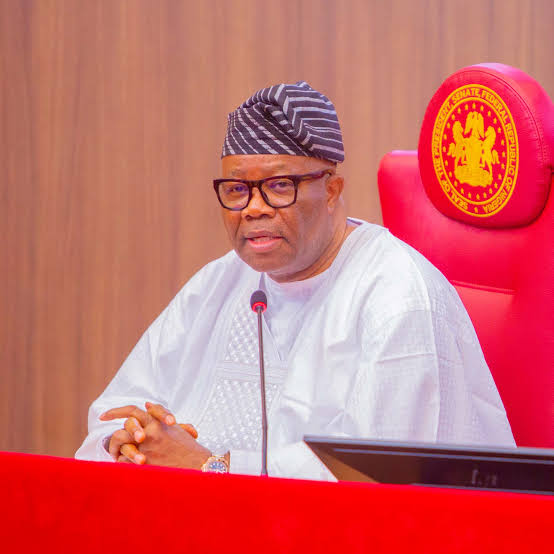
The President of the Senate, Godswill Akpabio has sent a hearty congratulations to the Nigerian Under-17 Women’s National Team on their historic triumph at the FIFA U-17 Women’s World Cup!
A statement from Akpabio Media Office signed by Anietie Ekong quoted the Senate President as describing the World Cup winning team as “Nigeria’s Golden Girls” who have made the nation proud.
“By achieving this remarkable feat, you have made Nigeria the first African nation to win the FIFA U-17 Women’s World Cup.
This is not just a victory for Nigerian football; it is a proud moment for the entire African continent.“You have demonstrated extraordinary talent, determination, resilience and the true Nigerian spirit. Your victory is a testament to the hard work of the players, coaches and everyone who contributed to this remarkable achievement.
“Your courage, determination, discipline, teamwork and fighting spirit have brought immense joy and honour to our nation. You have demonstrated that with talent, hard work and belief, no dream is beyond reach.
“You have not only won a trophy; you have won the hearts of millions of Nigerians and inspired a generation of young girls to dream big, believe in themselves and reach for greatness. You are our pride, our champions and our Golden Girls!
“You have raised the Nigerian flag high and inspired millions of young girls across Africa to dream bigger. You are more than champions; you are history makers!
“To the players, coaches, technical crew and everyone behind this historic success, congratulations!
“The world has heard our victory song!” Akpabio said.
By Julius Tambaya, Abuja
The Nigeria Customs Service (NCS) generated a total of N1.419 trillion in revenue between September and October 2026, while recording seizures of prohibited and restricted goods with a combined duty-paid value exceeding N8.
1bn.The figures were disclosed by the NCS National Public Relations Officer, Abdullahi Maiwada, during a joint security press briefing held last week at the National Counter-Terrorism Centre, under the Office of the National Security Adviser.
In a statement issued on Sunday, Maiwada said the revenue performance reflected the service’s ongoing efforts to facilitate legitimate trade, improve cargo clearance procedures and strengthen revenue generation through digital initiatives and collaboration with stakeholders.
According to him, the service collected N697bn in September and N722bn in October, bringing its total revenue for the two-month period to approximately N1.4tn.
He explained that the NCS processed 9,195 Pre-Arrival Assessment Reports and 99,839 Single Goods Declarations within the period.
A breakdown showed that 2,102 PAARs were processed in September, compared with 7,093 in October. Similarly, the number of SGDs rose from 48,832 in September to 51,007 in October.
Maiwada also highlighted improvements in export trade facilitation, particularly at the Lilypond Export Command, noting the contribution of ongoing measures to promote non-oil exports.
He said the service had continued to strengthen enforcement operations, resulting in the interception of prohibited and restricted items valued at more than N8.1bn in duty-paid terms.
The seized items included illicit drugs, pharmaceutical products, prohibited goods and petroleum products.
He added that the NCS was working with relevant regulatory and security agencies to ensure the proper handling and disposal of confiscated items.
On its anti-money laundering and counter-financing of terrorism responsibilities, Maiwada disclosed that the service was participating in an ongoing World Customs Organisation Mentoring Mission inaugurated on October 19, 2026.
The four-week programme, scheduled to run until November 13, is aimed at strengthening the capacity of customs officers to identify, investigate and tackle trade-based money laundering and other illicit financial activities linked to cross-border trade.
As part of the initiative, the NCS held engagements with six relevant agencies between October 27 and 29. The agencies included the Economic and Financial Crimes Commission, the Nigeria Financial Intelligence Unit and the National Counter-Terrorism Centre.
Maiwada further disclosed that the service had transitioned to an electronic currency declaration platform to improve transparency, strengthen monitoring and enhance the detection of illicit financial flows across Nigeria’s borders.
He said the various initiatives demonstrated the service’s commitment to balancing trade facilitation, revenue generation and national security.
By Tony Obiechina, Abuja
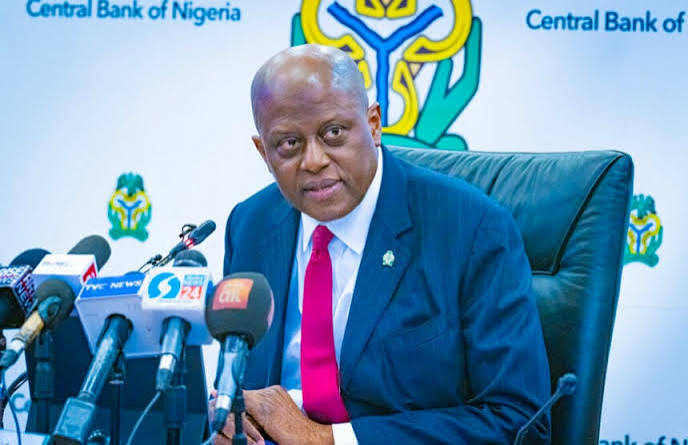
The Central Bank of Nigeria (CBN) has introduced a comprehensive regulatory framework for non-security virtual assets service providers (VASPs), including stablecoins and deposit money tokens dealers, as part of its sustained regulatory measures to strengthen its oversight of emerging digital financial services in the country.
This was contained in the Bank’s circular with Ref.
No PSP/DIR/PUB/CIR/001/004 dated November 5, 2026 and signed by its Director.Payments System Policy Department, Musa Jimoh, indicated that the new regulations established licensing, authorisation and supervisory requirements for virtual asset issuers and service providers operating in or targeting the Nigerian market and were designed to promote responsible innovation, strengthen the integrity of the financial system and provide an appropriate regulatory framework for emerging digital payment instruments.
Under the new framework titled ‘Regulations for the Operations of Non-Security Virtual Assets in Nigeria’, stablecoin issuers, virtual asset service providers and other regulated operators will be subject to requirements covering licensing, capital adequacy, reserve backing, liquidity and redemption arrangements.
While also prescribing standards for corporate governance, risk management, internal controls, cybersecurity and operational resilience, the framework also directed the operators to comply with requirements for safeguarding customer assets, making appropriate disclosures and establishing effective complaints management systems.
In addition, the framework also introduced measures to address financial crime risks associated with digital asset transactions, including anti-money laundering and counter-terrorist financing obligations, sanctions screening, transaction monitoring and blockchain analytics.
The framework also mandates virtual asset service providers to comply with the Travel Rule and conduct due diligence on counterparties, particularly other virtual asset service providers involved in transactions.
The latest regulations apply to individuals and organisations conducting regulated activities in or from Nigeria, directing such activities at Nigerian customers or undertaking operations that could materially affect the country’s payment system, financial system, foreign exchange market or financial stability.
According to the apex bank the requirements could apply irrespective of whether an operator maintains a physical presence in the country, which implies that foreign virtual asset operators targeting Nigerian customers or undertaking activities with material implications for the country’s financial system may also fall within the regulatory framework.
The CBN clarified, however, that the new regulations did overrule the statutory responsibilities of the Securities and Exchange Commission (SEC) or other competent authorities, stressing that activities involving security virtual assets, securities, investment contracts and other capital-market products would remain subject to the applicable capital-market regulatory framework.
The framework further provides that where an activity involves both non-security virtual assets and matters under another regulator’s jurisdiction, operators are required to obtain the relevant approvals from each competent authority.
The apex bank mandated all the affected financial institutions, issuers, service providers, operators and other stakeholders to familiarize themselves with the regulations and ensure strict compliance with the applicable licensing, prudential, operational, reporting and technology requirements.
As a deterrent to abuses, the framework also provides for regulatory enforcement, administrative sanctions and orderly wind-down arrangements for operators unable to continue their regulated activities.
From Sylvia Udegbunam, Enugu
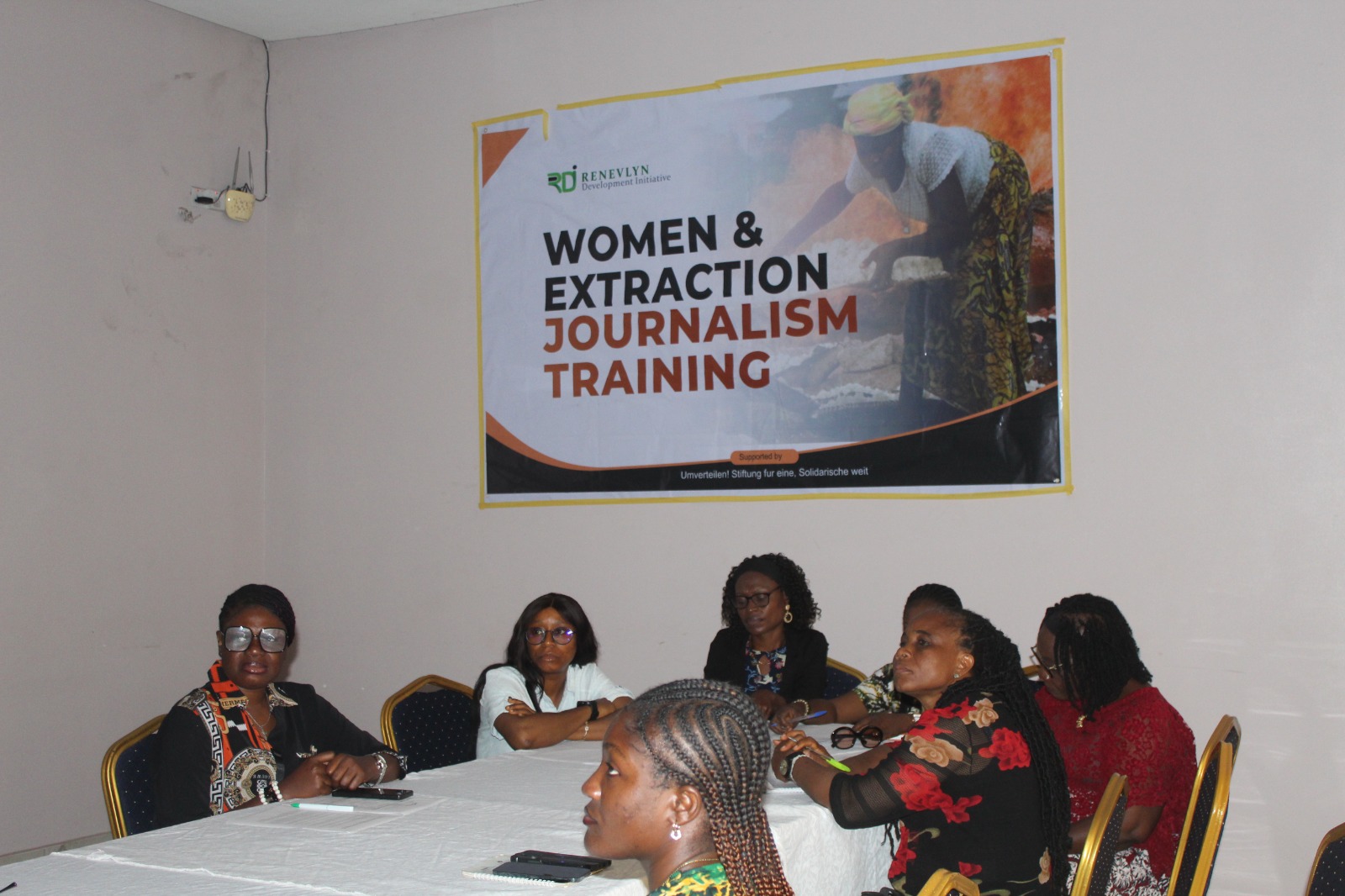
A non-governmental organisation, Renevlyn Development Initiatives, has called on women journalists in Enugu State to intensify investigative and gender-sensitive reporting on the environmental and socio-economic impacts of extractive activities on women in host communities.
The Executive Director of the organisation, Philip Jakpor, made the call during a one-day training on Agenda for Women and Extractive Journalism held at Hotel Sylvia, Independence Layout, Enugu, with the theme, “Empowering Women Journalists for Effective Reporting of Extractive Impacts in Nigeria.
”Jakpor stressed that discussions on extractive activities in Nigeria, particularly in Enugu State, would remain incomplete without addressing the devastating environmental consequences of coal mining.
He noted that women in host communities bear a disproportionate burden of mining activities because of their roles as caregivers, providers and major users of natural resources, including land and water.
He regretted that despite bearing much of the consequences of environmental degradation, women are often excluded from decision-making processes and policies concerning extractive activities in their communities.
He therefore urged female journalists to adopt gender-sensitive reporting approaches that amplify, document and adequately present the experiences of affected women.
Earlier, the Project Officer of Renevlyn Development Initiatives, Tracy Ohovwore, acknowledged the contributions of journalists in drawing attention to environmental challenges but observed that the specific experiences of women affected by extractive activities remained largely underreported.
She raised concerns over pollution in Iva Valley, Akwuke, Onyeama, Okpara and Awhum, alleging that the Ekulu and Nyaba rivers, which residents depend on for domestic water, had been contaminated by wastewater containing heavy metals, including arsenic, cadmium, lead and mercury.
Also speaking, the Executive Director of New Life Community Care Initiative (NELCCI), Mrs Florence Ifeanyi Aneke, said environmental degradation undermines community development by threatening livelihoods, food security, healthcare, education and access to clean water.
She added that pollution and land destruction could expose women to serious health risks, including reproductive health challenges, while increasing the economic hardship faced by families.
Aneke called on the Enugu State Government to harness the state’s natural resources in ways that create economic opportunities without destroying the environment or imposing further hardship on host communities.
She also advocated compensation for affected communities, particularly women and persons with disabilities, while urging the government to ensure their active participation in decisions concerning extractive activities.
In her contribution, a journalist, Ebere Ekeopara, shared her experiences growing up in a coal-mining community, highlighting poor remuneration for miners, health hazards and the impact of mining activities on women and family livelihoods.
She urged journalists to go beyond routine reporting through sustained investigative journalism that identifies environmental hazards, establishes institutional responsibilities and examines available interventions for affected communities.


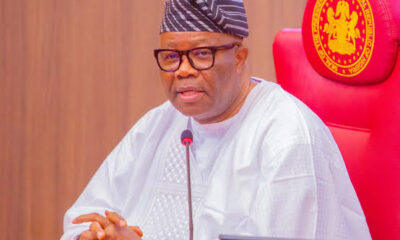

Akpabio Congratulates Nigeria’s Golden Girls, Flamingos
ShareThe President of the Senate, Godswill Akpabio has sent a hearty congratulations to the Nigerian Under-17 Women’s National Team on...
Customs Generates N1.4tn Revenue in Two Months
ShareBy Julius Tambaya, Abuja The Nigeria Customs Service (NCS) generated a total of N1.419 trillion in revenue between September and...
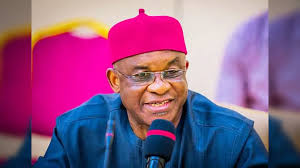

ADC Crisis: Court Battle Threatens Opposition’s 2027 Game Plan
ShareBy David Torough, Abuja The crisis rocking the African Democratic Congress (ADC) has intensified following the Federal High Court judgment...


FG Secures $200m World Bank Support to Boost Aquaculture
ShareBy David Torough, Abuja Nigeria’s annual fish supply deficit has exceeded 2.2 million tonnes, forcing the country to spend close...
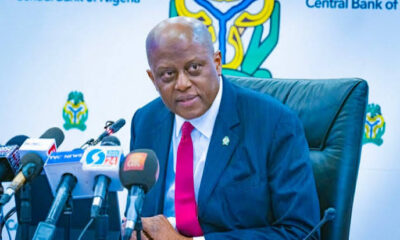

CBN Introduces New Regulatory Framework for Non-Security VASPs, others
ShareBy Tony Obiechina, Abuja The Central Bank of Nigeria (CBN) has introduced a comprehensive regulatory framework for non-security virtual assets...
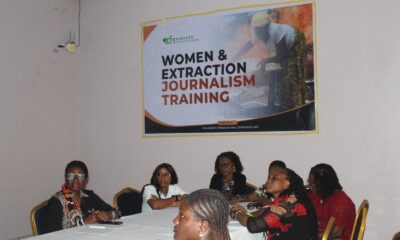

Group tasks Women Journalists on Reporting Impact of Coal Mining in Enugu
ShareFrom Sylvia Udegbunam, Enugu A non-governmental organisation, Renevlyn Development Initiatives, has called on women journalists in Enugu State to intensify...


RMAFC Chairman Tasks Directors, Others on Accountability, Productivity
ShareBy Tony Obiechina, Abuja The Chairman of the Revenue Mobilisation, Allocation and Fiscal Commission (RMAFC), Dr. Mohammed Bello Shehu has...

NDLEA Secures 18 Convictions, Arrests 130 Suspects in Kaduna
ShareThe National Drug Law Enforcement Agency (NDLEA), Kaduna State Command, said it secured 18 convictions and arrested 130 suspects for...
Gen Z No Longer Think for Themselves, Ayra Starr’s Mother Blames Social Media
ShareNene Aderibigbe, mother of Nigerian singer Ayra Starr, has criticised the influence of social media on Gen Z, claiming that...


Davido, Chioma Arrive in Style for Zlatan, Davita’s Wedding in Morocco
ShareNigerian music star, Davido, and his wife, Chioma Adeleke, have arrived in style in Marrakesh, Morocco, for the wedding celebration...