
NEWS
Lagos Thugs, London Protesters and the Chaos before the Ballot


By Adeola Akinremi
On Thursday, 12 November, two incidents with red flags for the 2027 elections emerged. In London, the Independent National Electoral Commission (INEC) Chairman, Professor Joash Amupitan was detained in his car by a group of protesters.
In Lagos, thugs invaded a meeting venue, where supporters of the National Democratic Party (NDC) gathered for a town hall.The Lagos and London incidents are not the same, but together they portend an increasingly fraught electoral season. They are early indicators of where we are headed if nothing is done to arrest them. The grievance in London concerned duplicate entries, AI-generated photographs and fake polling units in INEC’s preliminary voters’ register.
For this, the protesters circled Amupitan’s car and prevented him from leaving Chatham House, where he had gone to give a presentation. They got what they wanted: an election umpire embarrassed on a foreign stage.The irony is that Amupitan had already conceded much of their case. On 9 November, he disclosed that the commission had removed 1,608,660 invalid registrations and identified 54 people across ten states for possible disciplinary action or prosecution. At Chatham House, he also acknowledged that transmission glitches in the 2023 elections had eroded trust in the commission.
I’d say that Amupitan’s candour deserves applause. But a commission that discovers more than 1.6 million invalid entries in its own register has handed its critics a case, and the distrust that follows does not stay confined to demonstrations outside think tanks. The danger is that when citizens doubt the count will be fair, some will conclude that the contest must be settled by other means. That is where London ends and Lagos begins.
The kind of political violence Lagos witnessed on Thursday has happened so often that it has become a motif of our existence in this country: an enduring injury, a simmering sadness, an ambient terror. As supporters of the NDC gathered for their town hall, thugs descended on them, destroying property and hunting down those in attendance. As long as this continues, the Nigeria of our dreams will remain a mirage.
We have been here before. The 2011 general elections produced one of the deadliest outbreaks of post-election violence in the country’s history. After Goodluck Jonathan defeated Muhammadu Buhari, who would later become president, rioting erupted across major northern cities. Machetes and guns were freely used, and reports put the toll at more than 200 killed and 40,000 displaced. In February 2023, Oyibo Chukwu, the Labour Party’s senatorial candidate in Enugu East, was killed when his convoy was attacked days before the national election.
The catalogue is lengthening. The African Centre for Security, Governance and Development counts 70 election-related attacks and 27 deaths so far in 2026. The Nigeria Civil Society Situation Room, drawing on the CLEEN Foundation’s threat assessment, also reports 27 deaths in the first ten months of the year and names campaign rallies and party offices as principal targets. The counts differ in method, but they agree on direction.
Nigerians, to their credit, still want to vote. A September survey by Yiaga Africa found that while 84 per cent of Nigerians of voting age are keen to vote in 2027, about 61 per cent worry about their safety because of the risk of election violence. That gap between wanting to vote and fearing to is the first real cost of normalised violence, and it is paid before a single ballot is cast.
The course can still be reversed, but only if we stop treating the thug as a freelance nuisance. Researchers who have studied Nigeria’s thug networks link them to elected officials, political financiers and armed groups. Thugs, in other words, have backers, and backers have names.
First, the state’s response must be firm and even-handed. It must go beyond the tired quarrel over whether a party obtained a permit for its rally, meeting or town hall. When campaign events become dangerous, turnout on Election Day falls, because voters who fear the rally will also fear the polling unit.
Second, the police must act before the violence, not after it. Those who profit from violence learn that it works, and what works escalates. Political actors are already testing their strategies for 2027, thugs included, and the police must sharpen their intelligence to anticipate them rather than merely count the casualties.
Third, accountability must reach the sponsor, not stop at the implementers. Every election season, a handful of young men are paraded before cameras while the men who paid them return to their campaign councils untouched. The National Assembly has toyed for years with an electoral offences commission and has never found the urgency to establish one. Until those behind the violence answers in court for the mayhem the bankrolled, violence will remain what it has long been in our politics: a cheap and dependable campaign expense.
Fourth, INEC must win back the argument the London protesters won. Removing 1.6 million invalid entries is a beginning; publishing the cleaned register in a form that citizens and parties can audit, polling unit by polling unit, is the end. Trust does not return through press conferences. It returns when voters can check for themselves that the ghosts are gone and the phantom polling units have been struck off.
The two incidents of November 12 must be read together because they feed each other. A register that cannot be trusted makes violence look rational to the desperate; violence that goes unpunished makes a clean register irrelevant to the frightened. Break either link and the cycle weakens. Leave both intact, and 2027 may be settled by those other means, long before INEC announces a single result.
Adeola Akinremi is a public policy advisor, strategic communications expert, and the founder and CEO of Hintells, an AI-powered intelligence platform serving global businesses and diplomatic missions in Washington, D.C. He has extensive multilateral experience advising on governance, economic and policy reforms across global markets and can be reached at: adeola@hintells.com
NEWS
Stakeholders Excited as WAHO Finalises Training Institutions Service Availability Mapping in ECOWAS Region
By David Torough
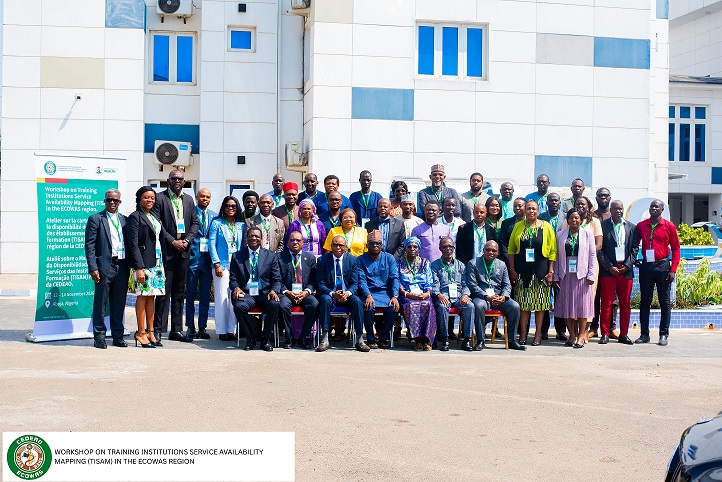
A three-day regional workshop devoted to finalising the Training Institutions Service Availability Mapping (TISAM) initiative in West Africa, ended in Nigeria’s capital, Abuja on Saturday, with the President of Senegal and current Chairman of ECOWAS, Bassirou Diomaye Faye, expressing satisfaction with the quality of discussions, the commitment demonstrated by every participant and the results achieved.
The Chair of ECOWAS, who was represented at the closing ceremony by Professor Awa Seck, recalled that at the opening of deliberations, participants and stakeholders had reaffirmed their common determination to strengthen excellence in health professional education through the development of major strategic tools, which are essential to gaining a precise understanding of the training capacities and needs of each of the Member States.
“Today, we can take satisfaction in the significant progress achieved through the expertise, dedication and collaborative spirit that have characterised our discussions. Our work has enabled us to compile important information on the availability of health training institutions and the services they provide, particularly their training programmes. This represents an important step towards improving our understanding of the training capacities available within our region,” she declared.
She however noted that beyond the documents and technical outputs produced, the greatest achievement of the workshop “lies in the spirit of collaboration that it has strengthened among us. Representatives of training institutions, Ministries of Health and other stakeholders have worked together constructively under WAHO. This collaborative approach is essential to strengthening regional integration and improving the quality of health professional education across our Community.
Professor Seck further reminded stakeholders that the conclusion of the workshop should not mark the end of their commitment but rather, it should represent an important milestone towards the effective utilisation of the information collected and the continuous updating of the mapping tools we are developing.
“We must ensure that the achievements of this workshop are sustained and translated into practical improvements in health professional education,” she said.
Also speaking, a representative of the Deans of Faculties of Health Sciences in West Africa, Professor Cyriaque Debe, noted that the commitment of participants and the intensity of work in the workshop was a clear demonstration of the shared determination by member countries to develop appropriate responses to the challenges facing health professional education within the region.
Prof Debe, who commended the Director-General of WAHO, Professor Palokinam T. PITCHE, and the Nigeria Government “for this important initiative,” also appreciated the facilitators, experts and resource persons for the quality of their contributions and their willingness to share their knowledge and experiences, noted that the three days had been particularly enriching in terms of learning, constructive discussions and the exchange of experiences.
“Beyond the technical presentations, this workshop has provided a genuine platform for dialogue among representatives of different countries and institutions. I particularly commend the quality of interactions between participants and facilitators, the spirit of mutual understanding, the willingness to collaborate and the atmosphere of fraternity and solidarity that characterised our discussions,” he said.
According to him, one of the most important lessons from this workshop was that TISAM is not simply an exercise in collecting information about health training institutions, (but) “it is a strategic instrument for governance, planning and evidence-based decision-making. It will enable our countries and institutions to better understand their training capacities, identify existing gaps, guide investments and anticipate future health workforce requirements.”
To ensure that the ECOWAS region fully benefits from the achievements of the workshop, Debe emphasised three priorities: “First, we must preserve and regularly update the data collected. Second, we must translate our recommendations into concrete actions and institutional commitments and; Third, we must strengthen regional cooperation through the sharing of expertise, pooling of resources and development of partnerships between universities and health training institutions.”
He reaffirmed the readiness of the Deans of Faculties of Health Sciences, to support the initiative and contribute to implementing the recommendations arising from our deliberations.
Professor Debe also reminded the participants that no single country or institution can independently address all the challenges associated with developing the health workforce, stressing, “it is through solidarity, complementarity and shared responsibility that we will build an ECOWAS region capable of training competent health professionals who can respond effectively to the needs of our populations.”
In his remarks, the representative of the West African Postgraduate Medical and Professional Colleges, Professor Yao Tettey, said it was important that academic institutions, professional regulatory bodies and the West African Colleges have all participated in this exercise.
He emphasised that the mapping exercise must remain dynamic, stressing that it should not be treated as an activity that we undertake once and then forget.
While encouraging the representatives of the West African Colleges participating in the workshop to take the initiative back to their respective colleges, Professor Tettey said, “each college should consider undertaking a mapping exercise covering its accredited institutions and training programmes. The resulting information should be made available on the colleges’ websites so that students, professionals, regulators and other interested persons can easily access it.”
He also advised that whenever a new institution or programme receives accreditation, the information should be updated accordingly. He equally encouraged WAHO to ensure that the regional mapping database is regularly updated, adding that professional regulatory bodies and accreditation authorities should be encouraged to provide information whenever new institutions are accredited or changes occur in existing programmes.
President-elect of the Regional Council for the Training of Health Professionals in the ECOWAS Region, Professor John Mulbah, in his closing remarks, noted that over the past three days, the participants had engaged in rigorous, constructive and forward-looking deliberations on a subject that lies at the very heart of health system resilience in West Africa: the comprehensive mapping of health training institutions and service availability across the ECOWAS region.
According to him, “a strong, equitable and responsive health workforce begins with accurate data, harmonised standards and strategic alignment between what our institutions teach and what our health systems urgently need.”
He explained that the insights generated and the frameworks refined during the workshop represented “a decisive step towards bridging training gaps and strengthening regional integration in health professional education.”
He also commended WAHO “for continuously demonstrating that regional solidarity is one of our greatest assets in addressing shared health challenges.”
Prof Mulbah believed that the true benefit of the workshop would be seen in “how effectively we translate its outcomes into stronger training capacities, improved healthcare delivery and better health outcomes for every citizen of the ECOWAS Community.”
The DG of WAHO, Professor Palokinam T. PITCHE, represented at the closing ceremony by Professor Joseph Olorunda, noted that what the participants had accomplished during the three-day workshop had required considerable intellectual effort, commitment and technical expertise.
“Sometimes, when we talk about data, we tend to regard it simply as information collected and recorded in a database. However, through this exercise, we have demonstrated how data can be transformed into evidence that informs policy decisions. Without reliable data, our planning will be inadequate. Without reliable data, our decisions may fail to address the real needs of our populations. Without reliable data, it becomes extremely difficult to plan effectively for the future. That is why the work we have undertaken here is so important,” he explained.
On the next phase of TISAM, the WAH boss said, “Our immediate priority is to finalise the inventory of health training institutions across the ECOWAS region. We will consolidate the information collected and develop a comprehensive inventory organised by country, institution and training programme. When this work is completed, we will have a regional resource that will enable people to access information about health training opportunities across our Member States.”
“For example, someone living in Guinea-Bissau will be able to obtain information about training institutions and programmes available in Senegal, Nigeria, Ghana. Rather than searching through different sources for fragmented information, we want to establish a coordinated system that brings together reliable information about health training institutions across West Africa. This will enable students, professionals, academic institutions and policymakers to make better-informed decisions,” he added.
Professor Pitche also spoke about promoting the sharing of skills and expertise, stressing the need to recognise the enormous potential that exists within ECOWAS region with its highly experienced professionals, including those who have retired from active service but still possess valuable knowledge and expertise.
“These professionals can continue contributing to health professional education as consultants, facilitators and resource persons. We must create opportunities to transfer skills, knowledge and expertise from one country to another. Nigeria, for example, has a large number of universities, yet the demand for higher education continues to exceed available capacity,” he noted.
On the validation and accessibility of the regional inventory, the WAGO DG declared that the work does not end with the three-day workshop, as he told the participants, “We will continue consolidating the information collected, and we may need to call upon your expertise again during the validation phase.”
Our objective is to develop a reliable regional inventory that can be made accessible through an online platform. Whether someone is in West Africa, Europe, America or Asia, they should be able to access information about health training institutions within our region.As we continue working on harmonised training curricula, specialised training programmes and strategies for health workforce motivation and retention, this inventory will provide another important source of information,” he said.
Declaring the workshop closed, Nigeria’s coordinating Minister of Health and Social Welfare, Professor Muhammad Ali Pate, represented by Dr. Datum Longji, noted that for years, there had been concerns about health workforce shortages in West Africa as though they were a mystery.
“We have lamented the migration of our doctors, nurses and midwives. We have highlighted the shortage of health professionals in our rural communities. We have expressed concerns about the quality of professional training. But how can we effectively address a problem that we have not fully understood or mapped?
“Today, through TISAM, we have taken an important step towards changing that situation. Over the past three days, you have done much more than attend a workshop. You have helped build a mirror for our region.
He said the product of the workshop represented “a mirror that enables us to see, clearly and objectively, where our health training institutions are located and where they are lacking. A mirror that shows us the programmes they offer and the areas where training quality is strong or requires improvement. A mirror that helps us understand how many students our institutions admit, train and graduate. A mirror that reveals where teaching personnel, clinical training facilities, laboratories and equipment are adequate and where significant gaps remain.”
Describing data as power and evidence as power, the minister told the workshop participants, “today, through your collective efforts, you have given West Africa an important instrument for making informed decisions.’
On the significance of the TISAM workshop, the minister explained that the outcome of the exercise “matters to every young student in West Africa who dreams of becoming a health professional.
According to him, “We can harmonise professional training standards so that qualifications obtained in one ECOWAS Member State are recognised and respected across the region. Above all, we can produce not merely more health professionals, but better-trained professionals. Professionals who are competent, confident and committed to serving the populations that need them most.
While calling for the adoption of initiatives aimed at addressing health workforce migration, such as creating conditions that encourage japada — “the return of our skilled professionals,” the minister said, “We must strengthen our training institutions, improve working conditions and create opportunities that enable health professionals to build rewarding careers within our region.”
He disclosed that the administration of President Bola Ahmed Tinubu, Nigeria was taking concrete steps to strengthen the health workforce by doubling training quotas, recruiting more than 30,000 healthcare workers and strengthening quality assurance mechanisms.
“These measures demonstrate our determination to expand training opportunities and improve the quality of healthcare delivery,” he said.
Having completed the difficult task of mapping the region’s training capacities, the minister called on member states to undertake the even more demanding and important task of building stronger institutions and translating evidence into action, by ensuring that the information generated through TISAM informs national policies, institutional investments and regional cooperation.
The true success of this initiative will be measured by the improvements it brings to health professional education and healthcare delivery across West Africa.
By Solomon Iorpev
By the time you stand on the hills that cradle Benue’s valleys, or watch the Benue River and its tributaries carve life into the land, you begin to understand why the name “Benue” is more than a geographic reference.
It is a memory. It is a struggle. It is resilience. It is a people. And like all enduring stories, Benue’s is best told not only by dates and administrative changes, but by the lived experience of its citizens—farmers, mothers, teachers, entrepreneurs, youth leaders, security agents, and public servants—who have repeatedly rebuilt hope from the ground up.Sixty-six years after Nigeria’s political awakening as a nation and decades after Benue’s own journey into statehood shaped its identity, Benue State remains a theatre of ambition and hard decisions.
The story of the state is not simply one of governance; it is one of persistence in the face of challenges; from economic pressures, to security threats, and the continuous demand for improved public services. Yet through every era, Benue has also been defined by its agricultural richness, cultural diversity, and the determination of its people to translate potential into prosperity.Today, as the Benue story runs through the corridors of governance led by the Alia administration, the state’s path from creation to the present demands a careful look: where Benue began, how it evolved, the turning points that transformed policy and development, and how recent leadership has tried to convert longstanding aspirations into measurable outcomes, especially in agriculture, security, health, education, economic development, youth and women empowerment, and community-driven governance.
Benue’s origin is deeply rooted in the broader history of Nigeria’s regional and administrative evolution. Long before it became formally recognized as a state, the Benue region was home to diverse communities whose livelihoods were tied to farming, trading, and cultural exchange across river basins and savannah landscapes. The Benue valley became a natural corridor for settlement, commerce, and agricultural production, laying an economic base long before modern bureaucratic structures took shape.
As Nigeria moved through constitutional reforms and administrative restructuring, the path to state creation became a significant political milestone. When Benue finally emerged as a distinct state entity, 1976, it did not arrive empty, it arrived with people who had already organized their lives around land, seasons, local markets, and community institutions. In this sense, Benue’s creation was not merely political; it was the formal recognition of a living society.
The early years of statehood reflected typical challenges for new governments military and civilian alike: building infrastructure, creating administrative structures, developing education and health systems, and establishing workable local government administration. However, Benue’s advantage has always been its agricultural strength and human capacity. The state’s soils, climate patterns, and farming culture meant that development could not be sustained on theory alone; it had to be anchored on productivity and employment.
For decades, Benue’s governance and development cycles were influenced by Nigeria’s broader national realities: shifts in economic policy, changes in federal-state relations, periods of economic downturns, and security and social pressures. Like many states, Benue experienced growth spurts, followed by constraints. Infrastructure expansions often faced maintenance deficits. Education and health programs sometimes expanded in scope but were pressured by funding limitations. Meanwhile, the agricultural system, though naturally robust, was challenged by input constraints, and in some periods, the effects of communal tensions and insecurity. Yet the state continued to expand its institutional presence.
By the time Benue entered the era of modern democratic governance, it had grown beyond the early struggle of “building the state” into the more complex work of “building development”, where policy must translate into outcomes and where public trust depends on visible improvements.
The Alia era: Re-Aligning Benue with Practical Development
Against this historical background, the leadership of Governor Hyacinth Alia has been widely understood as an attempt to bring renewed focus to the core responsibilities of government: improving living standards, securing lives and property, strengthening human development sectors, and enabling the economy to generate more jobs and opportunities.
But leadership, especially in a state like Benue where agriculture is the economy’s heartbeat and security is a constant concern, must be judged by both strategy and execution. The Alia administration’s approach has emphasized several pillars, agriculture, security, health, education, economic development, supported by effective policy formulation and meaningful grassroots involvement. While every administration has its objectives, the distinguishing feature of the Alia era, as many development observers describe it, lies in the tight connection between policy and implementation, and the insistence that governance must not remain in boardrooms alone. And I’ll look at a few sectors.
Agriculture: Restoring Benue’s Food and Income Engine
As I have emphasized time and again, agriculture has always been Benue’s identity. The difference, however, is whether the system produces prosperity at scale for ordinary farmers. In the Alia-led administration, agriculture has been treated not as a political slogan but as an essential platform for economic stability. This is reflected though the timely interventions with farm inputs and subsidized rates, interventions through the Agro-Climatic Resilience in Semi-Arid Landscapes (ACReASAL) and the Rural access and Agricultural Marketing Project (RAAMP) and so on.
The Idea is to take advantage of Benue’s agricultural produce like grains, root crops, vegetables, and livestock-related activities, to improve productivity for immediate benefits: more food security, higher farm incomes, and reduced pressure on unemployment among youth. The informs why Governor Alia ensures that the state’s farmers receive the required support in practical terms: timely access to fertilizer at subsidized rates, improved seeds, extension services, storage facilities, and structured markets that reduce exploitation by middlemen.
In recent years, the government’s focus has been aimed at strengthening agricultural value chains, encouraging not only cultivation but processing and storage, where value can be captured rather than lost. When farmers can grow and also sell at fair prices, their income rises and spending power grows, stimulating local businesses and trade. This has given birth to the National Food City Complex recently approved by the Benue State Security Council on a thirty hectare land space spanning Otukpo, Obi and Ado local government areas.
The Alia led administration is very much aware that agriculture in Benue State cannot be separated from land security and farming stability. If farmers cannot access their farms safely, productivity declines. This link means that agricultural development must run alongside security strategies. Thus, the Alia administration’s agricultural posture has sought to restore productivity while reinforcing the environment that allows farming to thrive, through policy direction and improved support mechanisms that reach beyond the state capital and into farming communities.
In the past, insecurity in parts of Benue had threatened livelihoods and created fear among communities. The farmer’s greatest worry was not just the weather, it was whether the path to the farm would be safe, whether communities will experience attacks, and whether children will grow up in peace. The Governor therefore considers Security, not only about responding to threats; but about preventing them, strengthening community resilience, improving intelligence cooperation, and ensuring that policing and protection efforts are coordinated and sustained. The Alia administration’s emphasis on security has been widely associated with strengthened efforts to protect lives and property, collaboration with security agencies, especially the federal government which is yielding several results. From the Durable Solutions to the North Central Zonal Security Summit and everything in between including the 5 division military headquarters deployed by the Federal government and the distribution vehicles and motor bikes to security agencies.
Health: Moving from Access to Better Outcomes
Health is one of the most visible measures of government performance. A state may have plans and budgets, but the reality of healthcare is measured in hospitals and clinics: availability of medicines, functionality of primary healthcare centers, maternal and child health outcomes, and the ability of health workers to deliver consistent services.
Under the Alia administration, health policy has been directed toward improving service delivery and ensuring that healthcare access is not limited to those who can afford private options. This is visible in the reactivation of the Benue State Teaching hospital, the rehabilitation and construction of over 325 primary centers across the state. As I write this article, steps are underway to fix the secondary health care, the General Hospitals.
The Health initiatives under this administration, focuses on strengthening primary healthcare, supporting healthcare workers, improving referral systems, and ensuring that preventable diseases are tackled through routine programs and public health campaigns. We are very much aware that maternal health, immunization, and the treatment of common illnesses are central to human development. When women and children receive timely care, the ripple effect is immediate: fewer deaths, improved school attendance, better nutrition, and stronger family wellbeing.
Education: Building Human Capital for Economic Growth
Education remains the strongest investment a government can make in both social stability and future economic competitiveness. Benue’s demographic composition includes a large youth population—meaning education is not merely a social service; it is economic strategy. The Alia administration’s education agenda, as observed by many residents, has sought to enhance the quality of education through improvements in learning environments, capacity support for teachers, and renewed emphasis on curriculum implementation and school management. The government is currently implementing the repositioning of primary school system in the state. High rise buildings in all government owned primary education schools. Employment of over 9000 teachers. Introduction of modern teaching techniques. Enforcement of free eduction for basic 1 to 9, etc.
The Alia led administration its ration is mindful that by strengthening education systems, the state can produce the skilled workforce needed for industrial growth, public service capacity, and the long-term transformation of the local economy.
Economic Development: Turning Resources into Jobs
Beyond sectors like agriculture, education, and health, economic development determines whether citizens feel progress in daily life. Economic development is not only about building roads or launching projects; it is about enabling business activity and creating jobs that reduce poverty. The Benue economy, like many subnational economies,depends on agriculture, trade, transportation networks, and the ability of people to participate in markets. Therefore, economic development initiatives must improve the environment for enterprise and reduce barriers that discourage investment.
In the Alia-led era, economic development has been approached through practical policy and project execution aimed at improving opportunities for businesses, encouraging local production, and supporting growth in community markets and value chains. When governance supports entrepreneurship and ensures that infrastructure and regulations are enabling rather than burdensome, employment expands and youth can build livelihoods without leaving their communities in search of survival. The Zeva beer factory, the fruit concentrate and fruit juice companies, the resuscitation of the Taraku Mills, the Dan Agbese printing and Publishing Corporation and many more are the steps the Alia led administration has taken to bring about the needed economic development in the state.
In conclusion, Nigeria’s 66-year story is not a story of perfection, it is a story of progress amid challenges. Benue State as a subnational within its time of creation from 1976 to date has achieved a great deal: institutional development, agricultural recognition, expansions in education and health efforts, growing economic activity, and strengthened public administration over time. The Alia administration, in particular, is intensifying progress by focusing on key sectors that directly impact residents’ lives. Benue’s story is indeed a national lesson in resilience. From its creation and early administrative evolution to its present development aspirations, Benue has remained grounded in its people and their capacity to adapt.
As Benue moves down the road, as a subnational of Nigeria which is 66, the story is no longer only about where the state came from, it is about where it is going. In the Alia-led era, governance has been framed around practical results: strengthening agriculture, improving security, advancing health and education, expanding economic opportunity and ensuring that policies are formulated with effectiveness and delivered through grassroots involvement.
The Benue story, therefore, is still being written, by farmers, teachers, health workers, and youth who aspire to build careers. Leaders must therefore keep delivering hope in measurable ways as Benue is no longer a young state searching for identity. It is a state with a living history, and a future that depends on continuous commitment, intelligent policy, and people-centered governance as been provided by His Excellency, Rev. Fr. Dr. Hyacinth Iormem Alia.
Hon. Chief Solomon Iorpev, commissioner, Information & Orientation, Benue State.
By Tony Obiechina, Abuja
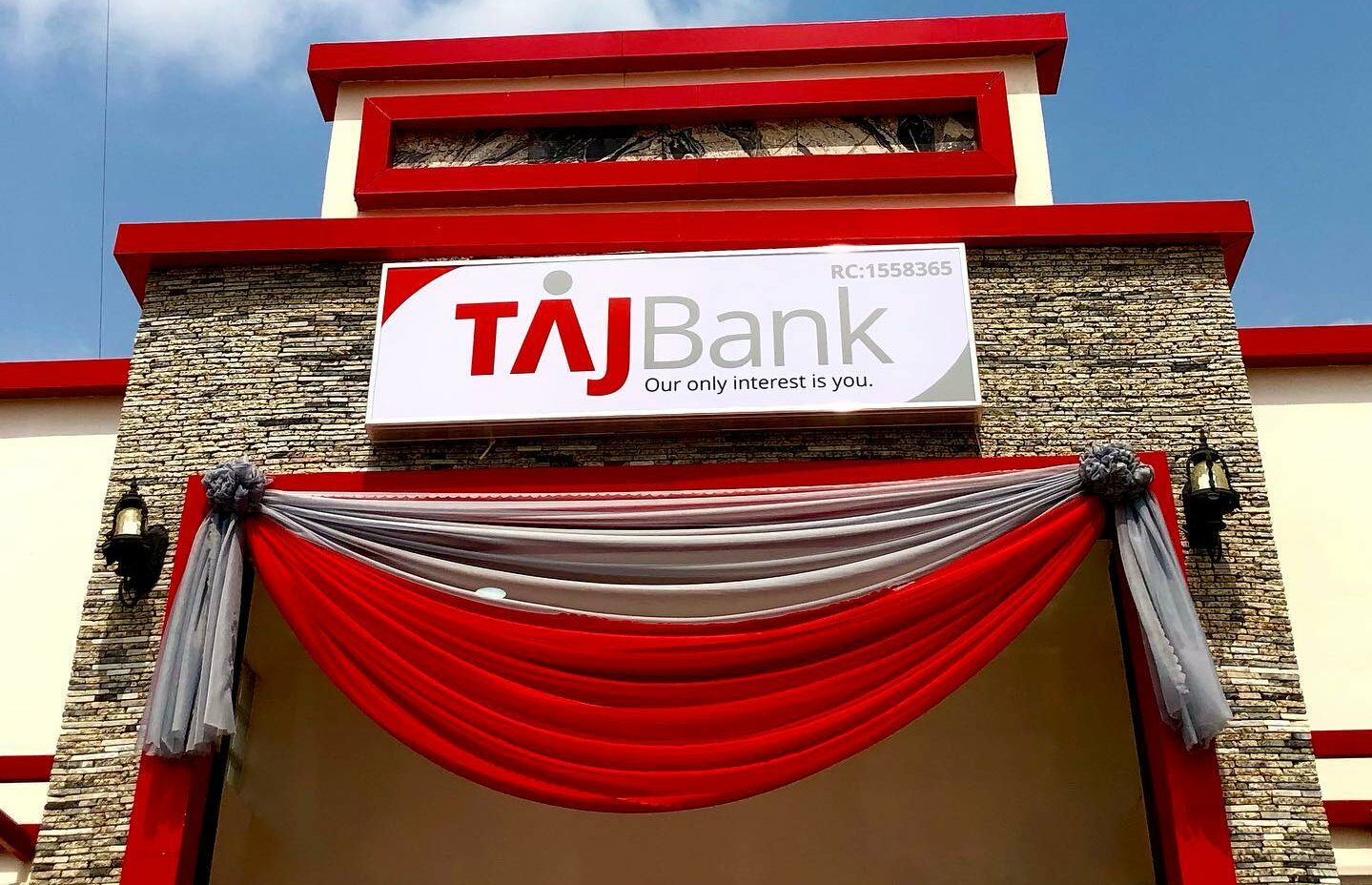
TAJBank Limited, Nigeria’s largest non-interest bank, has, for the fifth consecutive time, won the Non-Interest Bank of the Year Award at the BusinessDay Media Limited’s Banks and Other Financial Institutions (BAFI) Awards 2026.
The Founder and Managing Director of TAJBank, Hamid Joda, said the recognition reinforced the bank’s responsibility to widen access to non-interest banking and deliver transparent and customer-focused financial services that meet the needs of individuals, businesses and underserved communities.
Joda, according to a statement issued at the weekend by the bank’s Head of Marketing Communications, Isiaka Wakili, thanked the management of BusinessDay Media Ltd for recognising TAJBank’s contributions to the nation’s non-interest banking industry.
“We are deeply honoured to receive the Non-Interest Bank of the Year Award at the 2026 BAFI Awards. This recognition belongs to our Board of Directors, management, dedicated staff and most importantly, our valued customers, whose confidence continues to inspire us.
“We see this award not merely as a celebration of our achievements, but as a renewed call to deepen financial inclusion, strengthen our commitment to ethical banking and develop innovative solutions that meet the evolving needs of our customers,” Joda said.
In his remarks, the Co-Founder/Executive Director of TAJBank, Mr. Sheriff Idi, said the award reflected the bank’s progress in building a distinctive identity in Nigeria’s financial services industry.
He noted that TAJBank had continued to strengthen its market position through customer-focused solutions, operational innovation and a business model designed to meet the diverse financial needs of its growing clientele.
He said the award would spur the bank to consolidate its gains, explore new growth opportunities and deliver greater value to customers while reinforcing its position in the nation’s non-interest banking sector.
The Publisher/CEO of BusinessDay Media Ltd, Frank Aigbogun, in a statement, noted that “to be recognised as Non-Interest Bank of the Year “is to be acknowledged as an institution demonstrating that banking can simultaneously deliver profitability, trust, and responsible financial stewardship.”
Aigbogun said in a financial landscape increasingly shaped by questions of sustainability, ethics and long-term trust, TAJBank had distinguished itself as one of Nigeria’s most dynamic and credible non-interest financial institutions.




Lagos Thugs, London Protesters and the Chaos before the Ballot
ShareBy Adeola Akinremi On Thursday, 12 November, two incidents with red flags for the 2027 elections emerged. In London, the...

Stakeholders Excited as WAHO Finalises Training Institutions Service Availability Mapping in ECOWAS Region
ShareBy David Torough A three-day regional workshop devoted to finalising the Training Institutions Service Availability Mapping (TISAM) initiative in West...


66 Years of Nigeria’s Journey: The Benue Story—From Creation to the Alia Era and Beyond
ShareBy Solomon Iorpev By the time you stand on the hills that cradle Benue’s valleys, or watch the Benue River...


Let Benue People Judge Alia on Performance, Not Political Rhetoric – Akwaya
ShareIn this edition of Viewpoint, we engage Dr. Cletus Akwaya, former Benue State Commissioner for Information and former Special Adviser...


TAJBank Wins Best Non-Interest Bank Award
ShareBy Tony Obiechina, Abuja TAJBank Limited, Nigeria’s largest non-interest bank, has, for the fifth consecutive time, won the Non-Interest Bank...
Katsina Beats 35 States, Tops Nigeria in Climate Governance
ShareBy David Torough, Abuja Katsina State has emerged Nigeria’s number one state in climate governance and implementation for 2026, marking...


2027: Tinubu Unveils Five-Year War against Insecurity
ShareBy David Torough, Abuja The All Progressives Congress Presidential Campaign Council (APC-PCC) has unveiled details of President Bola Tinubu’s Five-Year...


Rotary Club Targets Improved Healthcare, Education In Abuja
ShareBy Moses Orjime, Abuja The Rotary Club of Abuja Gwarinpa has pledged to strengthen its humanitarian interventions in its host...


Will new entrant, ESDIAC, ease Nigerians’ international call worries?
ShareBy David Torough After decades of frustration in accessing telephone services, Nigerians were relieved when in 2001, the then President...


AHF Launches Comic Book on Menstrual Health Education in Abuja
ShareFrom Attah Ede, Makurdi The Aids Healthcare Foundation (AHF) Nigeria, has revealed that nearly 2 billion people menstruate, with 500...