
OPINION
Drug War, the President Is Right After All

By Emmanuel Onwubiko
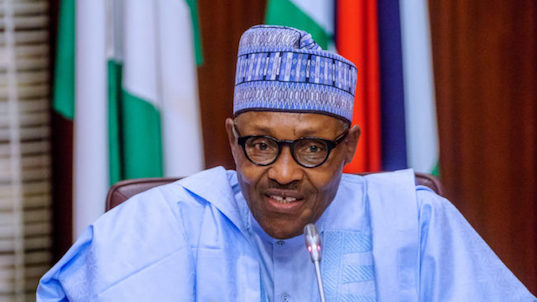
In his second term and indeed final tenure of office as the civilian President of the World’s largest black nation known as Nigeria, Muhammadu Buhari, a retired infantry General and a Veteran of two wars (Civil war and war against Maitasine Islamists from Cameroun), made a great choice of who should head the rapidly deteriorating National Drugs law Enforcement Agency (NDLEA) with his appointment of the erstwhile military Administrator of Lagos State Major General Buba Marwa (rtd).
The previous holder of that position picked by President Buhari in 2015 almost succeeded in destroying what was left of that anti-hard drugs fighting institution.
NDLEA used to be effective when IGPs Fulani Kwajafa and Ogbonnaya Onovo headed it at different times. But it later became a nest of crooks. The last person to occupy the position, although not a crook but throughout his tenure there was a lack of accountability to Nigerians.Having said that, let me quickly warn that the current Chairman of the NDLEA who has a military background and was loved by the Lagos/Ibadan media for been media savvy needs to know that his position is not a media popularity contest, but his achievements would be assessed based on empirical evidence of successful arrests, prosecution, conviction and the institutionalization of a law-based mechanism that is characterized by transparency and accountability.
So his success or failure will not be benchmarked by how many of these media trials he authorizes his officers to conduct each time a suspect is arrested. Marwa should read section 36 (5) of the 1999 constitution and section 6 of the same Grund Norm.
These Constitutional provisions state as follows: section 36 (5) “Every person who is charged with a criminal offence shall be presumed to be innocent until he is proved guilty; Provided that nothing in this section shall invalidate any law by reason only that the law imposes upon any such person the burden of proving particular facts.
Section (6) The judicial powers vested in accordance with the foregoing provisions of this section – (a) shall extend, notwithstanding anything to the contrary in this constitution, to all inherent powers and sanctions of a court of law (b) shall extend, to all matters between persons, or between government or authority and to any persons in Nigeria, and to all actions and proceedings relating thereto, for the determination of any question as to the civil rights and obligations of that person; (c) shall not except as otherwise provided by this Constitution, extend to any issue or question as to whether any act of omission by any authority or person or as to whether any law or any judicial decision is in conformity with the Fundamental Objectives and Directive Principles of State Policy set out in Chapter II of this Constitution; (d) shall not, as from the date when this section comes into force, extend to any action or proceedings relating to any existing law made on or after 15th January, 1966 for determining any issue or question as to the competence of any authority or person to make any such law. Section 6 is basically about the judicial powers of the Federation domiciled in the courts of law and not court of public opinion or gossip Newspapers.
Coming back to the theme of this commentary, I must state that the report in the media crediting the President as stating that drug war is much more complex than war on terror is semantically, logically and existentially accurate. Mr. President has never being this philosophically deep. Perhaps the writer of that speech must have been in a very sober mood.
And so, on June 26th 2021, Nigeria’s President Muhammadu Buhari identified drug trafficking and abuse as more threatening to the stability of the nation than banditry and insurgency that are prevalent in some parts of Nigeria.
The president, declared that drug abuse has become so endemic in the country now that it already stretches across three generations of grandparents, parents and their wards.
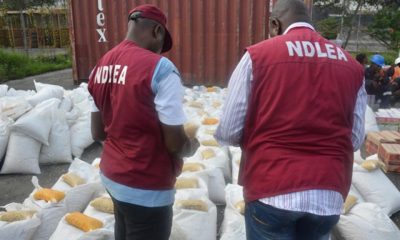
This is just as the media reported that the National Drug Law Enforcement Agency (NDLEA), has disclosed that within the last five months, no fewer than 2,180 suspected traffickers including five drug barons had been nabbed across the country.
President Buhari, who was represented by the Secretary to the Government of the Federation, Mr Boss Mustapha, spoke at the launch of the War Against Drug Abuse (WADA), an initiative of the NDLEA to mark the United Nations International Day Against Drug Abuse and Illicit Drug Trafficking themed: “Share Facts on Drugs. Save Lives.”
According to the president, it is a war that is destroying three generations, because there were clips of some grandparents on drugs, parents on drugs, and by extension, their wards and children had also taken to drugs.
“So, this is a war that is targeting three generations in a stretch. So, it is more deadly than even the security challenges that we are having in this country and I believe strongly that every effort must be put in place to ensure that we deal with the issues of substance abuse and trafficking and manufacture so that we can get to the root cause of the mirage of insecurity problems that are confronting this nation and I believe strongly, with every bit of conviction, that if we are able to deal with the issues of drug abuse, substantially, our security challenges will drastically reduce as we walk towards a drug free Nigeria.”
The President also charged the NDLEA to intensify efforts at ridding the vast forests of the Southwest and South-South regions of the country of criminal elements, who had made the places their hideouts, from where they launch criminal onslaughts as well as for farming marijuana.
President Buhari said: “I am directing the NDLEA to develop a robust risk-communication and community engagement strategy that will not only disseminate the four pillars of the plan to responsible entities, but also deal with destroying production sites and laboratories, break the supply chain, discourage drug use and prosecute offenders as well as traffickers, rehabilitate addicts and enforcement of relevant laws.
“I want to particularly draw the attention of the agency to the fact that the use of many of our forests as criminal hideouts is because large swathes of cannabis plantations are hidden deep within those forests, especially, in the Southwest and the South-South.
“You may, therefore, need to drive these criminal elements from such hideouts, because they use it for the growth of these plants and also as a repository for criminal elements to conclude and plan their adventures on our people”.
He, however, called on all families, schools, civil society organisations, professional associations, religious organisations, the academia, community leaders and individuals to work for the common good in order to rid their communities of drug use and trafficking.
“As your President, I will continue to address underlying causes of drug abuse, including poverty reduction, for which my pledge for lifting 100 million Nigerians out of poverty in the next 10 years and strengthened by the recently developed National Poverty Reduction with Growth Strategy signposts my unwavering commitment.
I am tempted to assist President Buhari to adumbrate further and better evidential proofs to demonstrate how so accurate he is on this his very well written and delivered national speech on the wider implications of hard drugs.
First, it is not in doubt that most Countries around the World often put measures in place to check the proliferation of drugs trafficking due to the fundamental truism that drugs affect mostly the Young Population who are at the stage that is scientifically and economically rated as the years of highest National Economic productively.
The productivity of the Youngest Population of Nigeria, obviously, is the driving force of both the formal and informal sectors of Nigeria’s economy.
It therefore implies that if the greater percentage of young people are hooked on hard drugs or are in the business of assisting older drug barons to traffick hard drugs, then the economic wellbeing of Nigeria will shrink significantly and most of the Youths engaged in the crime of drug trafficking when caught may spend the greater fraction of their lives in detention facilities. Already, many young Nigerians have been executed in many Asian nations whereby drug trafficking is a capital offence.
Also, it is globally and statistically proven that most takers and consumers of hard drugs are young people.
These drug habits lead to diverse ramifications, sociologically, psychologically and other wise.
Two cases locally demonstrate the above.
Assuming without accepting hook, line and sinker, the illegal public parade of the 21 year old student of University of Lagos Chidinma Ojukwu about the alleged murder of the middle age media entrepreneur Mr. Usifo Asaga in Lagos, what is a lesson from those shenanigans is the aspect of hard drugs and the science surrounding the altering of the mind of youngsters to commit unimaginable crime that if they are in their conscious mind without hard drugs, they may ordinarily never commit such alleged heinous crime.
Let us take the case of a very popular drug amongst Youths of Nigeria known as tramadol.
Scientists have these warnings for us:
Addiction and misuse: This drug can lead to addiction and misuse, which can result in overdose and death. To help avoid these problems, take this drug exactly as prescribed by your doctor. If you have any concerns about this warning, talk with your doctor.
Slowed or stopped breathing: This drug can slow or stop your breathing. If this isn’t treated immediately, it can cause death. This risk is highest within three days of starting the drug or increasing your dosage.
Accidental ingestion: If anyone, especially children, takes a dose of this drug by accident even once, it can cause death. This drug should be stored out of reach of children.
Life-threatening effects for children: In some cases, children’s bodies can process this drug too quickly. This can lead to slowed breathing and death. This drug shouldn’t be used in children younger than 12 years of age. It should also not be used in children younger than 18 years of age who have certain risk factors, or who have just had a tonsillectomy or adenoidectomy.
Neonatal opioid withdrawal syndrome: If you use this medication for a long time while you’re pregnant, it can cause withdrawal in your baby. Withdrawal in your baby can lead to death. Symptoms of withdrawal can include irritability, hyperactivity, unusual sleep patterns, and a high-pitched cry. They can also include tremor, vomiting, diarrhea, and failure to gain weight.
Interactions with certain drugs: Taking tramadol with certain drugs can cause varied serious effects. These effects include increased tramadol levels, possibly leading to seizures and serotonin syndrome. They also include reduced effectiveness of tramadol, and opioid withdrawal symptoms. The drugs that can cause these effects include amiodarone, quinidine, erythromycin, ketoconazole, ritonavir, and similar medications.
Interactions with benzodiazepines: Taking tramadol with benzodiazepines and other similar drugs can cause very serious effects. These effects can include severe fatigue, slowed breathing, coma, and death. (healthline.com).
Just read the report carried in today’s The Guardian newspaper of Nigeria of a young student who jumped to his death after taking some identified hard drug.
The Guardian, the flagship of African media space, reports that a 400-level optometry student of Abia State University, Uturu, has been confirmed dead after jumping down from a three-storey building.
He was reported to be on drugs when he jumped from his lodge called Favour Lodge located off the campus on Saturday evening.
Reports by students revealed that the deceased, identified as Francis Chibuike, in the video recorded after he took a hard drug known as Colorado, was unable to contain its effect.
According to some students, his friends reportedly locked him in the room and went in search of cassava flakes known as garri to restore him back to consciousness, but the deceased went through the balcony and jumped down from the building with blood gushing out from his head before they returned.
A student from the school, Paul Udo, in his Facebook post, said the deceased jumped from the stairs with head shattered beyond medical help.
Another student, Nnadi Thyword, while commenting on the incident, said: “Come to think of it; he is a medical student and ought not to be told the dangers of these drugs. It is doubtful to say that those who take these drugs don’t know the negative effects. This is simply an addiction.”
In the video made available to The Guardian yesterday, the student recording the video, who appeared to own the apartment, where Francis had taken the substance, was heard saying: “I told you not to take it, but you did. I told you I don’t like it. ”
According to a news publication, the Chief Security Officer (CSO) of the institution, Navy Commander ThankGod Evulobi (retired), confirmed the incident, describing it as one of the consequences of hard drugs.
According to him, the deceased, who is from Imo State, drugged himself and told his friends that he was going out only for him to jump out from the window.
Aside this aforementioned story, stories abound of several cases of suicides by young students which are attributable to the consequences of intake of hard drugs. Some jumped into the Lagos lagoon. Others simply took poisons and died.
Fortunately, Nigeria is not found wanting in the area of policy development on how the theme of hard drugs is textually and contextually formulated.
Nigeria has immensely benefitted from the technical assistance it is getting from the United Nations office on drugs and crime.
The partnership between Nigeria and that United Nations agency is about one of the most effective models that other sectors need to follow.
However, institutionally, Nigeria needs to upgrade the NDLEA to become much more focused on the much needed coordinated war against hard drugs that won’t be basically media centred and mere popularity contest.
But rather, there is the need for better investments in the area of rehabilitation of drugs users. A good institution like the NYSC especially under the current wonderful leadership of Brigadier General Shuaibu Ibrahim should be consulted and a sustainable working partnership entered between NDLEA and NYSC to confront the hydra-headed monster of drugs intakes and trafficking especially because the National Youth Service Corps scheme has become a very successful functional brand in the Country that focuses on youngsters.
Hundreds of thousands of youngsters who are hooked on drugs have had to waste away as criminals and murderers because the Nigerian system has failed them because it has always been focused on being on the front pages of Newspapers than on how many drug users have been rehabilitated.
I have had to read through the executive summary of the policy document prepared by Nigeria on the strategy for combating hard drugs menace that covers the year 2021 to 2025.
I must say that if the beautifully written policy document is effectively implemented, then I believe the majority of our Youths misled into embracing the use of hard drugs, will see the futility in so doing and resolve to stay far away from such life damaging habits and also deny drugs barons the recruitment markets for traffickers.
NDLEA should focus also on enlightening youngsters on the dangers of the use and trafficking of hard drugs making use of credible civil rights platforms such as the one that yours Faithfully coordinates called Human Rights Writers Association of Nigeria.
A bird’s eye view or synopsis of this policy document will convince us that our problem is not the lack of written texts but rather the bureaucratic bottlenecks slowing down the institutional mechanisms for the effective delivery of these aims and objectives of combating hard drugs which sociologically impacts Nigeria much more than terrorism.
The terrorism of hard drugs needs to be confronted and NDLEA needs funding and operational independence if we must attain these lofty goals. It can’t be going cap in handing begging for funds and receiving paltry allocation through the justice ministry as if it is a boys Brigade organisation. The job of NDLEA is very critical.
Before I forget, here are snippets of the policy document aforementioned.
“The overall goal of NDCMP 2021–2025 is to improve health and security for everyone living in Nigeria. It is based on the premise that the problems arising from drug supply and consumption are not limited to people who use drugs, but have wider health, social and economic consequences on the family, community and nation. The Plan contains four strategic pillars that culminate in an integrated multi-sectoral strategic and operational plan to comprehensively address drug issues in Nigeria. The pillars are: Supply Reduction; Drug Demand Reduction; Access to Controlled Medicines for Medical and Scientific Purposes; and Governance and Coordination. Each of the strategic pillars is anchored in one or two MDAs of the Government that will be responsible for achieving desired outcomes.”
“The desired result of the Supply Reduction strategic pillar is to reduce production and supply of illicit drugs, including illicit narcotics, precursors, psychotropic substances, and other nationally and internationally controlled drugs. The five desired outcomes are: 1) Increased disruption of drug trafficking; 2) Making drug trade unprofitable; 3) Reduced diversion from licit to illicit uses of narcotics, psychotropic substances and precursors; 4) Reduced illicit production of amphetamine-type stimulants (ATS) and new psychoactive substances (NPS); and 5) Reduced cannabis cultivation. NDLEA is the lead agency for this strategic pillar.”
“The strategic pillar on Drug Demand Reduction builds on the sensitization, advocacy, prevention and treatment programmes carried out in the previous NDCMP cycle. The desired outcome is a reduction in demand for drugs, as measured in four areas: 1) Reduced use of drugs (prevention and sensitization); 2) Reduced dependence on drugs (treatment); 3) Reduced harm caused by drug use; and 4) Improved services. NDLEA, FMOH, NAFDAC and NACA are the lead organizations for this pillar.”
The strategic pillar on Access to Controlled Medicines for Medical and Scientific Purposes is meant to address the problem of a lack of availability of controlled medicines for genuine patients and its severe impact on the health and wellness of Nigerians. This pillar, therefore, seeks improved access and appropriate use of controlled medicines, measured by: 1) Increased accessibility, affordability and availability of controlled medicines in public and private health facilities; 2) Rational use of controlled medicines; 3) Health systems strengthening for accessibility, availability and affordability; and 4) Preventing diversion of controlled medicines. FMOH and NAFDAC are the lead organizations for this pillar.”
By and large, I repeat that President Muhammadu Buhari struck the most melodious right Chord on this issue. I so submit. Except to say that I’m still dancing to the melodious tunes of the President’s most philosophically written speech in 6 years.
Emmanuel Onwubiko is head of the Human Rights Writers Association of Nigeria (HURIWA) and was a federal commissioner at the National Human Rights commission of Nigeria.





By Tochukwu Jimo Obi
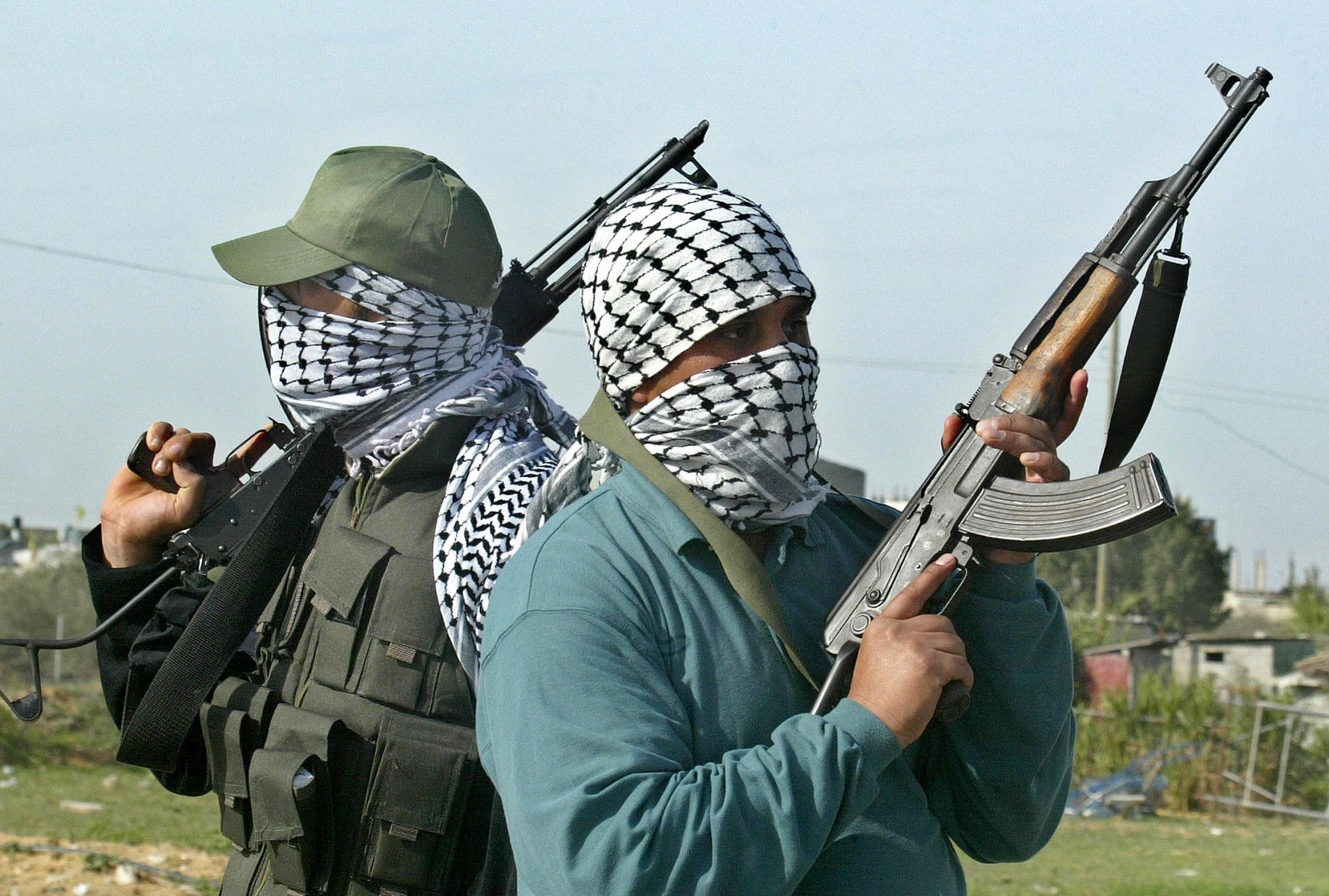
The recent kidnapping of students and teachers in Oriire Local Government Area of Oyo State has once again exposed the frightening state of insecurity confronting Nigeria. Condemnations have continued to trail Friday’s bandits’ attack on three schools in the area, where an unspecified number of students and teachers were abducted, while two persons were reportedly killed.
The tragedy has left families devastated and communities gripped by fear, as another painful chapter is added to the growing list of violent attacks across the country.The attack, which occurred on May 16, saw armed bandits storm the community and abduct staff, students, and pupils from three schools; Community Grammar School, Baptist Nursery and Primary School, and L.
A. Primary School. Eyewitness accounts revealed that the attackers operated for hours without resistance, moving freely through the area while terrified residents watched helplessly. The incident has raised serious concerns about the safety of schools and the preparedness of security agencies to respond swiftly to emergencies.Worst of all, one of the teachers kidnapped during the attack was reportedly beheaded by the terrorists, a horrifying development that has deepened public outrage. Such brutality underscores the dangerous evolution of criminal activities in Nigeria, where terrorists and bandits now operate with alarming boldness and cruelty. The gruesome killing has further strengthened calls for urgent and decisive action from government authorities at all levels.
This unfortunate incident of school attacks is happening yet again despite repeated assurances from security agencies that schools across the country are safe. Nigerians have continued to hear promises of improved intelligence gathering, stronger patrols, and enhanced protection for vulnerable communities, yet attacks persist with devastating consequences. The contradiction between official assurances and the reality on the ground has weakened public confidence in the nation’s security architecture.
Another disturbing trend is that insecurity is rapidly spreading into the South-West region, an area once considered relatively safer compared to other parts of the country. Reports of Lakurawa terrorists and other armed groups establishing footholds in parts of the region have heightened fears that criminal networks are expanding their operations unchecked. The Oyo school kidnapping has therefore become more than a local tragedy; it is a warning sign that no region in Nigeria can afford to feel immune from terrorism and banditry.
Every now and then, government officials continue to assure citizens that security agencies are on top of the situation, yet many innocent people are still being killed and abducted with little or no arrests made afterward. More troubling is the fact that these attacks reportedly lasted for over two hours without any intervention from security operatives. This glaring security failure leaves Nigerians asking difficult but necessary questions about the nation’s emergency response capabilities.
How could terrorists, moving in large numbers on motorbikes, invade communities, abduct many people, and still escape without being tracked, stopped, or pursued effectively? What then are the military aircraft and advanced security equipment acquired with public funds meant for if they cannot be quickly deployed during emergencies? These are questions that citizens deserve answers to, especially as insecurity continues to consume lives and livelihoods across the country.
The Oyo incident has once again strengthened arguments for the establishment of state police across Nigeria. It is now obvious and evidently clear that the country’s centralized security structure requires urgent decentralization, similar to what operates in many secure nations around the world. State policing, if properly regulated and managed, could improve intelligence gathering, rapid response, and community-based security operations, particularly in rural areas that are often neglected under the current system.
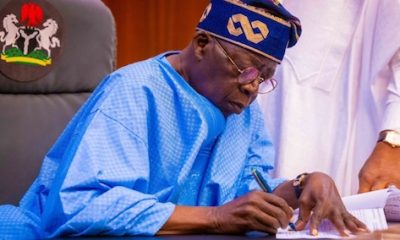
It is no longer enough for leaders to merely condemn these attacks without taking concrete and sustained actions to secure the nation. President Bola Tinubu, as Commander-in-Chief of the Armed Forces, must urgently engage all stakeholders in the security sector, including international partners where necessary, to ensure that these terrorists are decisively defeated.
Government must also ensure that budgeted funds meant for security agencies, especially for the purchase of military hardware and equipment, are fully released and properly utilized. Beyond military action, authorities must intensify efforts to prevent the recruitment of vulnerable youths into criminal and terrorist groups. Nigerians are tired of mourning innocent victims. These killings must stop.
Tochukwu Jimo Obi, a concerned Nigerian writes from Obosi Anambra state.
By Fortune Abang
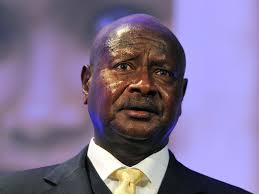
Uganda’s President Yoweri Museveni, 81, sworn in for a seventh term after nearly four decades in power, has once again intensified debate over gerontocracy and political succession in Africa.
Museveni, who first assumed office in 1986, has now extended his rule into a fifth decade, making him one of the world’s longest-serving heads of state.
His latest mandate, expected to run until 2031, follows the January 2026 election in which he secured about 71.65 per cent of the vote, according to official results, defeating opposition leader Robert Kyagulanyi, popularly known as Bobi Wine.
His continued stay in power has been enabled by key constitutional changes over time, including the removal of presidential term limits in 2005 and the abolition of the presidential age ceiling in 2017, reforms that effectively removed legal restrictions on tenure.
Across Africa, analysts say Uganda reflects a broader governance pattern in which long-serving leaders consolidate authority over extended periods.
Comparable examples often cited include Cameroon’s Paul Biya, in power since 1982, and Congo-Brazzaville’s Denis Sassou Nguesso, who first assumed office in 1979, both of whom have also presided over decades of uninterrupted or repeatedly renewed rule.
While Museveni’s supporters argue that his leadership has provided continuity and relative stability in a region frequently affected by conflict, critics say prolonged incumbency has gradually narrowed political competition and weakened institutional independence.
Uganda has maintained a degree of internal stability and played active roles in regional diplomacy and security operations in East and Central Africa.
Supporters point to these outcomes as evidence that long-term leadership can deliver policy continuity and state cohesion.
However, opposition voices and analysts argue that stability has come at a democratic cost, pointing to declining electoral competitiveness, constrained civic space and increasing centralisation of power around the executive.
The debate intensified after the removal of presidential term limits in 2005, followed by the scrapping of the age ceiling in 2017, which together removed two major constitutional barriers to leadership rotation.
These changes have been widely cited by governance analysts as pivotal in reshaping Uganda’s democratic structure.
In the January 2026 election, Museveni again defeated Bobi Wine, who garnered roughly 24.7 per cent of the vote, amid allegations from the opposition of irregularities and political repression during the electoral process.
Supporters of Museveni argue that his long rule has enabled economic transformation, infrastructure development and strengthened Uganda’s role in regional diplomacy.
Some regional leaders, including Burundi’s President Évariste Ndayishimiye, have previously described him as a stabilising figure in East Africa, crediting Uganda with supporting peace processes and regional cooperation.
Yet, critics argue that prolonged rule risks institutional stagnation, where governance structures become overly dependent on individual leadership rather than strong, independent institutions.
Analysts warn that this can weaken succession systems and limit democratic renewal.
A foreign policy analyst, speaking anonymously, said prolonged leadership can normalise “institutional dependence on individuals rather than systems,” arguing that such conditions undermine long-term democratic consolidation.
“No nation can sustainably develop when power remains concentrated in the same hands for decades while institutions fail to mature independently,” he said.
Beyond Uganda, Africa continues to record some of the world’s longest-serving leaders, reinforcing concerns about generational turnover in governance.
In several of these systems, electoral competition remains limited and constitutional reforms have often coincided with extended presidential tenure.
Foreign affairs commentator Collins Nweke argues that the central issue is not age itself, but accountability and leadership renewal, noting that political systems weaken when succession is delayed or constrained.
Other analysts emphasise the importance of civic awareness and institutional safeguards, particularly term limits, which they describe as critical tools for preventing excessive concentration of power.
A diplomat, also speaking on condition of anonymity, called for stronger electoral transparency mechanisms, including credible voter registration systems, independent election management bodies, and robust domestic and international observation frameworks.
An academic, who spoke on condition of anonymity, said stronger civic awareness could help societies resist unconstitutional tenure elongation.
“When citizens are politically informed and organised, sit-tight ambitions lose legitimacy and public support,” he said.
Museveni’s seventh term therefore reflects a wider continental tension between political continuity and democratic renewal, raising questions about whether African democracies are evolving toward stronger institutions or settling into prolonged cycles of personalised rule.
For supporters, his leadership represents stability in a volatile region.
For critics, it signals the entrenchment of gerontocracy and weakening democratic competition.
Between these positions lies a structural challenge that extends beyond Uganda; whether institutions in African states are strong enough to outlast individuals and guarantee orderly political succession. (NAN)
By Bart Nnaji
Africa’s energy journey is often portrayed as a stark choice between climate responsibility and development. In reality, the continent faces a more nuanced challenge: finding a fair, gradual energy transition that matches its unique needs and ambitions.
Technology and innovation can drive this change, helping secure affordable and sustainable energy for all.In the coming decades, Africa’s population is expected to soar to nearly 2.5 billion. Cities will grow. Industries will expand. Digital connections will multiply. The demand for energy will increase significantly.
Right now, expecting Africa to abandon fossil fuels overnight is neither realistic nor fair. In the near future, fossil fuels remain crucial for base power that is reliable, and affordable. In particular, natural gas is key transition fuel that will remain the base power solution for the next decade. Africa must not embrace renewable energy primarily when they have abundance of fossil fuel for their industrialization as other emerging and emerged nations have done. A just energy transition recognises these realities and seeks ways to build cleaner, more resilient systems over time.Technology as the Enabler of Africa’s Energy Future
Exciting new technologies are already reshaping Africa’s energy landscape:
Decentralised solutions, like mini-grids, off-grid solar, and batteries, bring electricity to places traditional grids can’t reach. By 2030, these distributed renewables could provide most new connections in underserved communities.
Smart grids and AI-driven management can reduce waste. They help utilities serve people better.
Modern batteries ensure that solar and wind energy can be delivered steadily, even when the sun isn’t shining or the wind isn’t blowing.
Decentralised approaches are essential to Africa’s path toward universal energy access. While technology is not a fix-all solution, it is a crucial enabler of efficiency, resilience, and affordability, shaping Africa’s energy future.
African entrepreneurs are leading much of this change. They’re developing solutions that meet local needs, such as pay-as-you-go solar, community-run mini-grids, and mobile payment platforms. These innovations don’t just bring power; they create jobs, build skills, and reap economic benefits for the continent.
But innovation alone isn’t enough. Investment is critical. According to the International Energy Agency, Africa needs about $90 billion annually to achieve a successful energy transition, but current funding falls short. Governments can help by setting clear, supportive policies that attract investment and make projects more affordable. Organisations like the African Development Bank say grid investment must rise dramatically, and clean energy spending should double by 2030 to keep up with growing demand.
From Energy Access to Economic and Human Impact
Reliable energy is more than just a technical necessity – it’s what fuels industrial growth. Picture the continent’s factories buzzing with activity, transport networks connecting people and goods, and data centres powering a vibrant digital economy.
Expanding decentralised solutions brings light to places that have been left in the dark for too long. It’s about giving children a place to study at night, helping clinics store vaccines safely, and empowering entrepreneurs to launch new businesses.
Of course, none of this works in isolation. Supportive policies, strong regulations, and partnerships between governments and private companies are essential. When African countries harmonise their rules and work together, they can create bigger markets. This draws even more investment and innovation.
Ultimately, Africa’s energy transition must be shaped by Africans themselves. The path forward is about collaboration, pragmatism, and investing in homegrown solutions. Africa’s mobile phone revolution showed the world how quickly the continent can leapfrog old systems. The same can happen with energy; by embracing flexible, tech-driven models that serve today’s and tomorrow’s needs.
Now is the time to come together to act boldly and invest in Africa’s energy future. By uniting efforts, we can turn potential into progress, ensuring resilient, inclusive, and sustainable energy for generations to come. Let’s power Africa’s future, together.
Prof. Bart O. Nnaji FAS, FA Eng. CON, NNOM – Founder/Chairman, Geometric Power Limited and former Nigerian Minister of Power



Tinubu To Commission Fruit Juice Factories, BIPC Motorcycle Assembly Plant In Benue
ShareFrom Attah Ede, Makurdi President Ahmed Bola Tinubu is set to visit Benue State to commission the newly built ultra modern Bensono Concentrate Plant, Benva Juice Factory, and the Motorcycle Assembly...


Dangote Refinery Surpasses Capacity Target, Eyes 1.4m bpd Expansion
ShareBy David Torough, Abuja Dangote Petroleum Refinery and Petrochemicals has achieved a major operational milestone by increasing its crude oil processing capacity to 700,000 barrels...

Alia Appoints New Acting Head of Service in Benue
ShareFrom Attah Ede, Makurdi Benue State Governor, Rev Fr .Hyacinth Alia has approved the appointment of Dr. Ihu Eunice Ogbenyi as new Acting Head of Service (HoS)...
Oshonaike Hails Steady Progress of Nigerian Table Tennis Players
ShareSeven-time Olympian Olufunke Oshonaike said Nigerian table tennis players are making steady progress in spite of the challenges they face in competing...

Poland Bans Smartphones in Primary Schools
SharePoland plans to ban mobile phones in all primary schools from next academic year under draft legislation approved by the government on Tuesday. The...
Reps Minority Picks Ugochinyere as New Leader
ShareBy Ubong Ukpong, Abuja Following the defection of the former minority Leader of the House of Representatives, Kingsley Chinda, the minority caucus has nominated Hon. Ikenga...
Kano Revokes Private School Licences over Sexual Abuse
ShareFrom Aliyu Askira, Kano The Ungogo Local Government Area of Kano State has withdrawn the licences of all private schools within its jurisdiction following allegations that...


CBN Approves Regular Commercial Operations for Abbey Mortgage Bank
ShareBy Tony Obiechina, Abuja Abbey Mortgage Bank Plc, one of Nigeria’s longest‑standing primary mortgage banks, has secured regulatory approval from...


Owo Church Massacre: Court Sentences Four to Death for Terrorism
ShareBy David Torough, Abuja More than three years after the gruesome attack on St. Francis Xavier Catholic Church, Owo, Ondo...
Terrorists Abduct Adelabu’s Sister, Twin Sons, kidnap Six Students in Zamfara
ShareBy Eze Okechukwu, Abuja and Ifeanyichukwu Nwannah, Gusau The nation’s worsening insecurity came into sharp focus on Wednesday, as separate incidents of...