
Foreign News
UK Removes Tariffs on all Imports from Ukraine

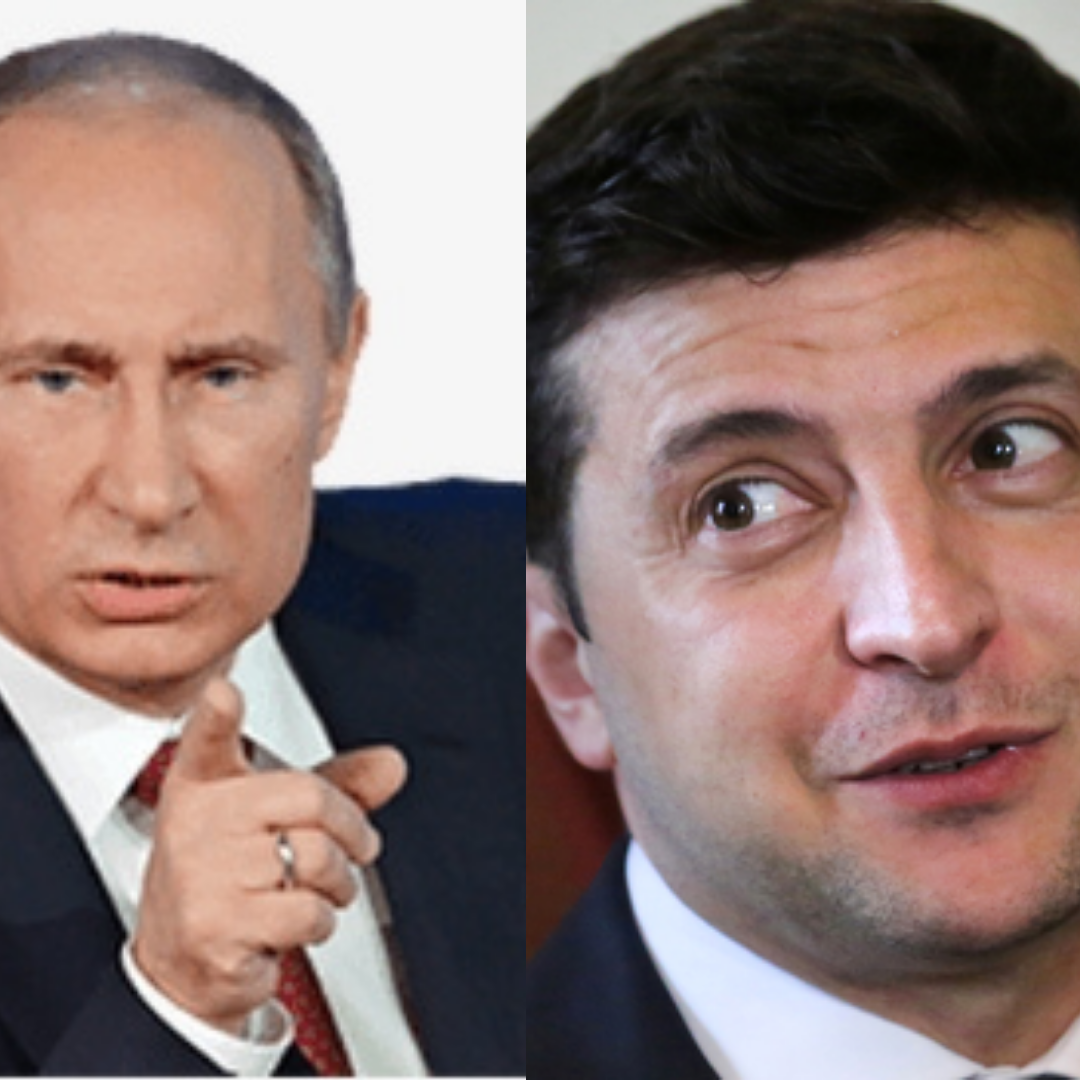
The United Kingdom (UK) says it will cut tariffs on all goods imported from Ukraine to zero.
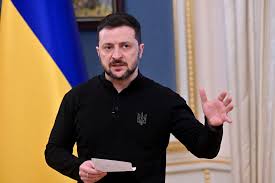
In an announcement on Monday evening, the government said the move came in response to a direct request from Ukrainian President Volodymyr Zelensky to support his country’s economy.
According to the statement, removing tariffs on key Ukrainian exports, including barley, honey, tinned tomatoes, and poultry, will help Ukrainian businesses and producers when they need it most.
“All tariffs on goods imported from Ukraine will now be reduced to zero and all quotas will be removed under the free trade agreement, providing Ukraine economic support in their hour of need,” the statement reads.
“The prime minister pledged to cut tariffs to support Ukraine’s economy through this crisis when he visited Kyiv earlier this month.”
Speaking on the development, Anne-Marie Trevelyan, UK international trade secretary, said: “The UK will continue to do everything in its power to support Ukraine’s fight against Putin’s brutal and unprovoked invasion and help ensure the long-term security and prosperity of Ukraine and its people.”
“We stand unwaveringly with Ukraine in this ongoing fight and will work to ensure Ukraine survives and thrives as a free and sovereign nation.”
In addition, the UK government announced an export ban on products and technology that Russia could use to “repress” the people of Ukraine
The ban will target goods such as interception and monitoring equipment and “will close any existing loopholes to ensure that Russia is not buying these goods from the UK”.
Last week, the UK said it would increase current tariff sanctions against Russia and added more products facing import bans.



By Eze Okechukwu, Abuja
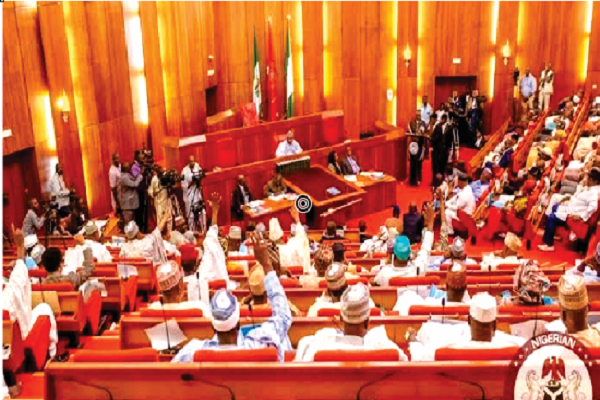
The Senate yesterday ordered mandatory health screening for every international passenger arriving Nigeria airports, seaports, land borders as Ebola resurfaces in the Democratic Republic of Congo with a scare case reported in the FCT.
The resolution followed an urgent motion by Senator Francis Fadahunsi, who warned that with Lassa fever already ravaging states, Nigeria cannot afford another outbreak.
“Protecting our entry points is far cheaper than managing Ebola,” Fadahunsi told the chamber.
Lawmakers insisted screening must be total and indiscriminate — no exemptions based on nationality or departure country because infected travellers can transit through safe-listed nations.
Senator Diket Plang raised the stakes further, demanding immediate funding for NCDC and Port Health Services, including release of withheld funds and emergency budget.
Senate President Godswill Akpabio said the Federal Government has started releasing Ebola response funds but ordered relevant committees to track every kobo.
“Ascertain whether the funds were released and judiciously utilised. Any outstanding debt must be released by the Finance Ministry without delay,” Akpabio directed.
At least 72 civilians who had been prospecting for gold in a border region of Sudan have been killed in air strikes, a regional rights group said.
Emergency Lawyers, based in the Sudanese capital, Khartoum, said jets targeted the so-called artisanal miners at a popular gold mining site on Saturday.
Neither the Egyptian government nor the de facto Sudanese authorities have so far commented.
Cairo has previously faced accusations of deadly strikes on gold prospectors as part of a crackdown on illicit activity along its southern border.
Emergency Lawyers noted the previous alleged attacks and said they represented not only a violation of Sudan’s sovereign territory but demonstrated the government’s lack of control over the region.
“The deliberate targeting of unarmed civilians violates international humanitarian law and the right to life,” it said in a statement on Sunday. “These acts may constitute war crimes.”
It noted that its death toll was provisional and could rise.
The Paris-based Sudan Tribune reported that the death toll could far exceed the number reported by Emergency Lawyers, citing a survivor of Saturday’s attack who said many more people had been injured.
Eyewitnesses said the attack began around 06:00 local time (04:00 GMT), with the aircraft firing more than five missiles directly at the miners’ camps, destroying them and excavation pits with people still inside, the newspaper wrote.
The Sudan Tribune reported claims in June that Egyptian forces had used drones and artillery to target artisanal mining sites in the same region, killing several, after sporadic incidents of Egyptian border guards of burning equipment, torching temporary shelters, and firing live ammunition to disperse mine workers.
Days later, Egypt’s border agency announced that it and the military had begun a sweeping security campaign along the border to foil illegal migration, drug smuggling and illegal mining.
At the same time, Sudan’s de facto leader announced an investigation into the alleged strikes, which were said to have killed dozens.
Gold lies at the core of the border tensions.
Sudan’s ongoing civil war has led to a surge in artisanal mining – and often risky practice conducted by civilians with rudimentary tools and without official permission – particularly in remote areas near its borders.
Gold-rich areas lie along porous borders in terrain historically associated with cross-border smuggling routes, with artisanally mined gold potentially feeding into those channels.
Egypt’s border force said in June that it had seized 86 tonnes of gold ore along with amateur prospecting equipment.
Artisanal mining has also reportedly continued in Sudan’s conflict zones and smuggled gold may be a source of income for armed insurgent groups.
This has raised concerns of illicit Sudanese gold undermining the legitimate Egyptian gold market.
Several German fighter jets will take part in the Northern Atlantic Treaty Organisation (NATO) annual nuclear defence exercise this week as troops from 17 countries take part in the Steadfast Noon drill.
The German Air Force said three Tornado jets will take part in the exercise hosted by Italy, which starts Tuesday and runs for about a week and a half.
The jets are normally stationed in Büchel in the German state of Rhineland-Palatinate.
NATO has not revealed the exercise scenario but said its scale would be comparable to last year’s drill, which involved around 2,000 personnel and more than 70 aircraft.
Last week, NATO’s head of nuclear policy, Nassima Barrows, said the exercise was designed to demonstrate the alliance’s readiness and ability to defend its territory.
No real nuclear weapons will be used, she added.
NATO said the exercise was not linked to current events or directed at any specific country.
Military experts say the drills, held regularly in October, include practising the safe transport of weapons from underground storage facilities to aircraft and mounting them on fighter jets.
Only practice bombs without real nuclear warheads are used during the drills.




Delta Moves to Deploy Doctors to Underserved Rural Communities
ShareFrom Francis Sadhere, Delta The Delta State Government has unveiled plans to deploy more doctors and other medical personnel to...
BTOCARES: Ondo Families, Students, Farmers Celebrate as Tunji-Ojo’s Intervention Eases Hardship
ShareBy David Torough, Abuja Beneficiaries of the BTOCARES humanitarian initiative in Ondo State have expressed gratitude to the Minister of...
Prosperity Cup Organizers Mourn Bayelsa Boat Mishap Victims
ShareFrom Mike Tayese, Yenagoa The organisers of Nigeria’s biggest grassroots football spectacle, the Bayelsa Governor’s Football Tournament, popularly known as...


HIV/AIDS: 20 Per Cent of People Living with Don’t Know Their Status – FG
ShareBy Laide Akinboade, Abuja Director-General of Nigeria’s National Agency for the Control of AIDS (NACA) is Dr. Temitope Ilori, on...


INEC Tasks Media on Fight against Electoral Misinformation Ahead 2027
ShareBy Orjime Moses, Abuja The Independent National Electoral Commission (INEC) has urged journalists, media organisations and social media users to...
No Plans to Increase Electricity Tariff – Tegbe
ShareThe Minister of Power, Joseph Tegbe has assured Nigerians that there will be no increase in electricity tariffs in 2027,...

FCCPC Shuts Lagos Estate Firm over Property Breach
ShareThe Federal Competition and Consumer Protection Commission has shut the business premises of Meridian Park Real Estate Company in Lagos...


CBN, NCC Raise the Alarm over AI-powered Attacks
ShareThe Central Bank of Nigeria (CBN) and the Nigerian Communications Commission (NCC) have raised the alarm over the growing threat...
Since 2015, Nigeria Has Changed Governments, Not Its Governance
ShareBy Isaac Asabor Since the All-Progressives Congress (APC) assumed political leadership of Nigeria in 2015, the country has witnessed two...


Tiv People Must Not Become Strangers In Their Ancestral Homeland – SAN
ShareVows legal, political action against alleged encroachment on Tiv territories By Orjime Moses, Abuja A Senior Advocate of Nigeria (SAN),...