
NEWS
Abia Moves to Curb Building Collapses with Stricter Engineering Oversight


From Chidi Precious, Umuahia
In a bid to stem the tide of building collapses and align infrastructure development with global best practices, the Abia State Government has reiterated its commitment to enforcing engineering standards and engaging only qualified professionals in the built environment.
During an official visit by the Abia State Technical Committee of the Council for the Regulation of Engineering in Nigeria (COREN), the State Commissioner for Lands and Housing, Hon. Chaka Chukwumerije, represented by the Ministry’s Permanent Secretary, Town Planner Ukeje Ukpabi, stated that all ongoing projects in the state are being supervised by certified structural engineers.“We are committed to applying international standards in infrastructure development,” the Commissioner said. “All building projects are overseen by qualified experts to minimize, if not eliminate, incidents of structural failure.”This assurance came as the COREN delegation, led by Victor Ejikeme Ihediwa, Chairman of the Abia State Technical Committee, paid a courtesy visit to the ministry to highlight COREN’s regulatory functions and to solicit stronger collaboration in implementing engineering standards across the state.Abia State, like several others in Nigeria, has witnessed tragic building collapses in recent years. In 2024, a three-storey building in Ukwa West Local Government Area collapsed, prompting the state to inaugurate a Committee of Inquiry and charge it with developing a robust building control framework.COREN, established under Decree 55 of 1970 and now backed by the Engineers (Registration, etc.) (Amendment) Act, 2018, is empowered to regulate engineering education, training, and practice. At the state level, this mandate is executed by the State Technical Committee (STC) and State Expatriate Monitoring Committee (SEMC).With political will from the Otti-led administration and technical backing from COREN, Abia may soon set a benchmark for safe, sustainable engineering practices in Nigeria.Ihediwa stated that the Abia STC—formally inaugurated by COREN President, Engr. Prof. Sadiq Z. Abubakar, on February 27, 2025 is tasked with: Monitoring engineering practice across sectors, Enforcing codes and standards, Sensitizing practitioners and the public and Prosecuting violations of the engineering law.The committee, according to him, draws its members from key institutions including the Ministries of Works, Development Control Agency, the Nigerian Police Force, and Nigerian Immigration Service, as well as professional engineering bodies and academia.Ihediwa urged the state government to ensure that only COREN-licensed professionals handle engineering projects, especially in the built environment. He also emphasized the need for continued capacity building, urging regular training for engineers to keep up with evolving technological standards.The visit, which climaxed with mutual assurances of cooperation between COREN and the Ministry of Lands and Housing, also saw both parties agree to strengthen enforcement mechanisms, improve public awareness, and engage skilled engineering personnel in line with COREN’s operational guidelines.Other members of ASTC present include Aneto Ephraim (CSP), Onyeike Onyeike, Dike Okorie and Ministry management staff, Kelechi Obasi and others.
- From Seyi Tayese, Yenagoa
The National Conference of Ijaw Traditional Rulers and Elders (N-CITRE-INC) has suspended the Ijaw National Congress (INC) elections till further notice.
The N-CITRE, after its meeting in Yenagoa deliberated extensively on all issues that led to the impasse in the INC elections, including petitions received.
The group, therefore, unanimously agreed to suspend the conduct of the INC elections and directed the electoral committee to stop all forms of electoral duties.
N-CITRE, which is empowered by the INC constitution to resolve all disputes, has also set up a seven-man Dispute Resolution Committee (DRC) to investigate all petitions.
The resolutions read in part ‘’ That the elections into the National Executive Council of the Ijaw National Congress (NE-INC), which were rescheduled for Monday, 13th April, 2026, by the National Electoral Committee, Ijaw National Congress(N-ELECO-INC), have been temporarily suspended until N-CITRE directs further after all pending disputes have been settled. N-CITRE-INC, as the appointing authority for N-ELECO-INC, also holds the constitutional power to resolve all disputes within the Congress
‘’ Consequently, N-ELECO-INC has been directed to stop performing any electoral functions until otherwise subsequently directed by N-CITRE.’’
The N-CITRE has directed the DRC to resolve the lingering dispute and probe all petitions, including the petitions against the n-ELECO- INC.
The DRC is headed by HRM, King Bubaraye Dakolo Agada IV, Ibenanaowei of Ekpetiama Kingdom, Chairman of Bayelsa Traditional Rulers Council, and Chairman of N-CITRE.
Other members are HRM, King Dr. Brig-Gen Bright Ateke Fiboinumama (Rtd), Chief Dr. Silas Eneyo (representing Eastern Zone), Dr. Loveth Ige (representing Central Zone), HRM, Pere Luke Kalanama III, HRM, Dr. Ekiomi Oweigbe John (Gbisa I) representing Western Zone, and Zonal Chairman of N-CITRE.
N-CITRE, which reminded all stakeholders of the principle of honesty that guides the Ijaws, therefore appealed for cooperation to achieve peace.

By David Torough, Abuja
Stakeholders at the 2026 Academic Staff Union of Polytechnics (ASUP) International Conference in Bida have called for urgent adoption of digital economy strategies and strengthened governance systems as critical tools for achieving inclusive and sustainable growth in developing nations.
Delivering the lead paper at the conference held at the Federal Polytechnic Bida, Professor Jonathan Atsua Ikughur emphasized that while technological advancement has transformed global systems, many developing countries, including Nigeria, have yet to fully harness its benefits due to weak institutions and inconsistent policy implementation.
He contrasted the inefficiencies of the past—marked by long banking queues, unreliable communication systems, and risky cash transactions with the current opportunities offered by digital innovation, noting that such advancements can significantly reduce economic and social costs.
Ikughur stressed that development must be viewed beyond mere economic growth, encompassing equitable resource distribution, improved living standards, and social well-being.
He warned that without deliberate planning and strong governance, many nations risk remaining trapped in poverty, inequality, and economic stagnation.
Painting a sobering picture of Nigeria’s development challenges, he cited high poverty and unemployment rates, weak institutional capacity, corruption, and overreliance on borrowing as major constraints to growth despite the country’s abundant natural resources.
The professor identified poor infrastructure, weak judicial systems, lack of transparency, and low investment in human capital as common features of many developing economies.
He urged policymakers to adopt data-driven strategies that integrate digital innovation with governance reforms to drive long-term prosperity.
Complementing this perspective, a research paper presented by Dr. Bolaji Tunde Matemilola highlighted the growing impact of digital financial inclusion on firms in emerging economies.
The study, which examined 475 firms across 15 countries, found that digital financial inclusion significantly boosts firms’ access to credit and drives business growth by reducing borrowing costs and information gaps.
However, the study also raised concerns about rising corporate debt levels, noting that while increased access to finance supports expansion, it may pose sustainability risks if not properly managed.
In his keynote address, Niger State Commissioner for Local Government and Chieftaincy Affairs, Hon. Muazu Hamidu Jantabo, described the digital economy as both a policy imperative and a generational opportunity for Africa.
He noted that digital transformation, when supported by strong governance, can reduce transaction costs, enhance transparency, and expand economic participation.
Jantabo highlighted ongoing reforms in Niger State, including investments in broadband infrastructure, digital literacy programmes, and e-governance systems aimed at improving service delivery and accountability.
He stressed that digitalization must be inclusive, warning that uneven access—particularly in rural areas—could deepen existing inequalities.
He further underscored the role of local governments as critical drivers of grassroots digital transformation, noting ongoing efforts to digitize administrative processes, improve revenue systems, and strengthen community engagement.
Earlier in his welcome address, ASUP Bida Chapter Chairman, Comrade Kolo Joshua, described the conference theme as timely, noting that the combination of digital economy and good governance remains essential for sustainable development in developing nations.
Across presentations, speakers converged on a common message: that digital transformation alone is insufficient without strong institutions, transparency, and accountability.
They called for coordinated efforts among governments, academia, and the private sector to align innovation with inclusive policies.
“The task before us is not just to embrace change,” Ikughur noted, “but to deliberately harness it for the collective good.”
NEWS
Digital Economy, Good Governance Key to Unlocking Inclusive Growth in Developing Nations — Expert
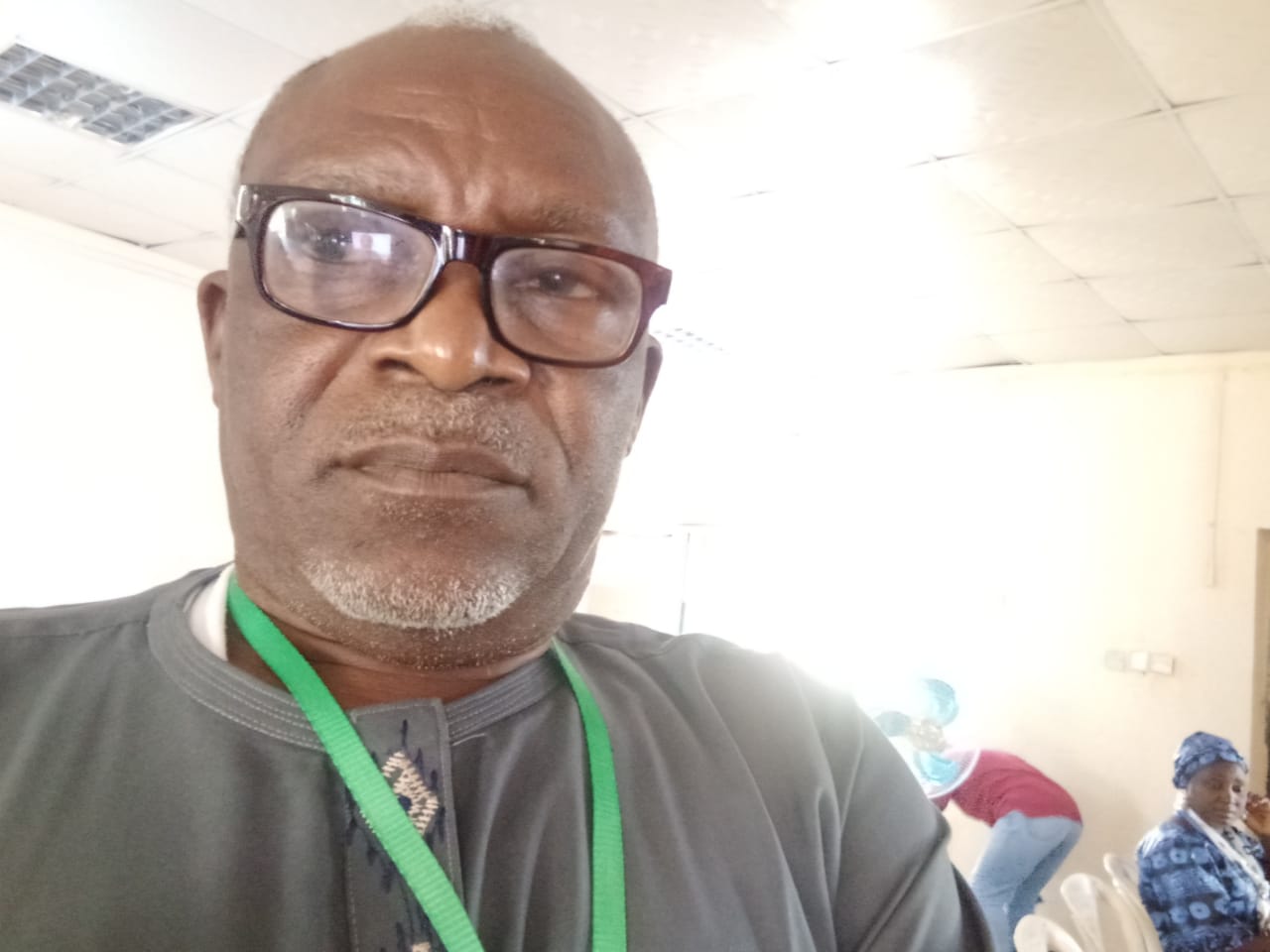
By David Torough, Abuja
At the 2026 Academic Staff Union of Polytechnics (ASUP) National Conference held at the Federal Polytechnic Bida, Professor Jonathan Atsua Ikughur delivered a compelling call for developing countries to embrace the digital economy and strengthen governance systems as essential drivers of inclusive and sustainable growth.
Presenting his lead paper, the statistician from Joseph Sarwuan Tarka University, Makurdi, reflected on the rapid transformation brought about by technological advancement, contrasting today’s digital ease with a past marked by inefficiencies—long banking queues, unreliable telecommunications, and risky cash-based trade journeys.
According to him, these historical constraints imposed heavy economic and social costs that digital innovation now has the capacity to eliminate.Ikughur argued that while change is inevitable, developing countries like Nigeria have yet to fully harness the transformative power of digitalization due to weak institutional frameworks and inconsistent development planning.
He emphasized that development must go beyond economic growth to include equitable distribution of resources, improved living standards, and social well-being.
Citing global perspectives, the professor described development as a multidimensional process encompassing economic, social, cultural, and political progress.
He warned that without deliberate policies and long-term planning, countries risk remaining trapped in cycles of poverty, inequality and stagnation.
Highlighting Nigeria’s development indicators, Ikughur painted a sobering picture: high poverty rates, unemployment, population pressure, and weak institutional capacity continue to hinder progress.
He noted that despite abundant natural resources, poor governance, corruption, and lack of economic diversification have limited the country’s growth potential.
The paper identified key characteristics of many developing nations, including weak judicial systems, lack of transparency, inadequate infrastructure, and low investment in human capital and innovation.
These challenges, he said, are compounded by poor policy implementation and overreliance on borrowing.
Ikughur stressed that sustainable development requires a balanced approach that integrates economic growth, environmental protection, and social inclusion.
He pointed to the United Nations Sustainable Development Goals (SDGs) as a global framework guiding nations toward poverty reduction, improved health and education, climate action, and inclusive economic participation.
According to him, digital technologies can play a pivotal role in achieving these goals by improving service delivery, enhancing transparency, and fostering innovation.
He however, warned that without good governance, characterized by accountability, strong institutions, and anti-corruption measures, the benefits of digital transformation may not be fully realized.
He urged policymakers, academics and stakeholders to develop clear, data-driven national strategies that align digital innovation with governance reforms.
Such efforts, he said, are crucial for building resilient economies, reducing inequality, and ensuring long-term prosperity in developing countries.
“The task before us,” Ikughur noted, “is to understand the changing world and deliberately harness its opportunities for the collective good.”



President Tinubu commissions 60 megawatts gas turbine, other projects in bayelsa
ShareFrom Mike Tayese, Yenagoa The much awaited 60 megawatts Gas Turbine embarked upon by the administration of Governor Douye Diri...


Ijaw Traditional Rulers, elders suspend INC elections
Share The National Conference of Ijaw Traditional Rulers and Elders (N-CITRE-INC) has suspended the Ijaw National Congress (INC) elections till...


Experts Advocate Digital Economy, Governance Reforms as Pathway to Inclusive Growth
ShareBy David Torough, Abuja Stakeholders at the 2026 Academic Staff Union of Polytechnics (ASUP) International Conference in Bida have called...


Digital Economy, Good Governance Key to Unlocking Inclusive Growth in Developing Nations — Expert
ShareBy David Torough, Abuja At the 2026 Academic Staff Union of Polytechnics (ASUP) National Conference held at the Federal Polytechnic...


UNILAG Alumni awards scholarship to 28 indigent students
ShareBy Laide Akinboade, Abuja The University of Lagos Alumni Association, Federal Capital Territory (FCT), chapter on Thursday, awarded scholarship to...


JAMB Releases 2026 UTME Examination Slips for Candidates
ShareThe Joint Admissions and Matriculation Board (JAMB) has announced that candidates who registered for the 2026 Unified Tertiary Matriculation Examination (UTME) can now print...
Lobi Stars Target Promotion to NPFL in 2026/2027 Season
ShareThe Chairman of Lobi Stars Football Club of Makurdi, Simon Ikya, said the club’s sole target is to gain promotion...


Gambia Appoints British Barrister to Prosecute Gruesome Jammeh-era Crimes
ShareBritish barrister Martin Hackett has been appointed as The Gambia’s first special prosecutor to try those responsible for human rights abuses carried out...


Court Frees Terror Victim, Jails another 10 Years
ShareJustice Peter Lifu of the Federal High Court, Abuja, on Thursday, sentenced a Boko Haram victim, Ali Kolo, to nine years’ imprisonment...

Lassa Fever Deaths Rise in Nigeria —NCDC
ShareThe Nigeria Centre for Disease Control and Prevention (NCDC), said Lassa fever fatalities have risen sharply in 2026, in spite of a decline in...