
NEWS
FG, ASUU Reach Truce after 17 Years of Strikes


By Tony Obiechina, Abuja
The Federal Government and the Academic Staff Union of Universities (ASUU) have signed a landmark agreement to comprehensively review the remuneration and welfare of university academics, a move expected to bring an end to 17 years of recurrent industrial unrest in Nigeria’s public universities.
The agreement, unveiled by the Minister of Education, Dr.
Tunji Alausa, follows prolonged negotiations that began in 2009 and have been marked by repeated strikes and disruptions to academic calendars nationwide.Central to the pact is a major overhaul of academic staff pay and allowances, approved by the National Salaries, Incomes and Wages Commission (NSIWC), with implementation scheduled to commence on January 1, 2026.
Under the new framework, university academics in federal tertiary institutions will receive a 40 per cent upward review of their emoluments. According to Dr Alausa, the increase is designed to boost morale, improve service delivery, enhance global competitiveness, and stem the persistent brain drain that has undermined Nigeria’s higher education system.
The revised structure retains the Consolidated University Academic Staff Salary (CONUASS) while introducing a newly consolidated Academic Tools Allowance (CATA). Government officials clarified that the bulk of the 40 per cent increase will be delivered through the CATA component, which is exclusive to university academics.
The Consolidated Academic Tools Allowance is designed to cover critical professional needs, including journal publications, conference attendance, internet access, learned society memberships, and book allowances. These provisions, the government said, are essential to effective teaching, cutting-edge research, and meaningful international academic engagement.
By consolidating these benefits, the agreement aims to directly strengthen research output and teaching quality, rather than treating academic tools as ad hoc or discretionary perks.
Another key feature of the deal is the restructuring of Earned Academic Allowances. The nine categories of these allowances have now been clearly defined, transparently earned, and strictly tied to specific academic duties. They include postgraduate supervision, fieldwork, clinical responsibilities, moderation, examination duties, and leadership roles within the university system.
The government noted that this approach promotes productivity, accountability, and fairness, ensuring that payments are directly linked to measurable academic work.
In a first for the sector, the Federal Government has also approved a dedicated Professorial Cadre Allowance for senior academics. The allowance applies strictly to full-time Professors and Readers, in recognition of their expanded scholarly, administrative, and research responsibilities.
Under the new structure, Professors will earn N1.74 million annually—equivalent to N140,000 monthly—while Readers will receive N840,000 per annum, or N70,000 monthly. The allowance is intended to support research coordination, academic documentation, correspondence, and administrative efficiency.
Describing the intervention as “structural, practical, and transformative,” Dr Alausa said it would enable senior academics to focus more effectively on teaching, mentorship, innovation, and global knowledge production.
Government officials expressed optimism that the agreement would establish a durable foundation for industrial harmony in federal universities by addressing long-standing remuneration and welfare grievances that have repeatedly disrupted academic activities.
Dr Alausa reaffirmed the Federal Government’s commitment to the faithful implementation of the agreement and sustained engagement with stakeholders, describing the pact as a decisive step towards resolving a crisis that has plagued Nigeria’s tertiary education sector for nearly two decades.
 | ReplyForwardAdd reaction |
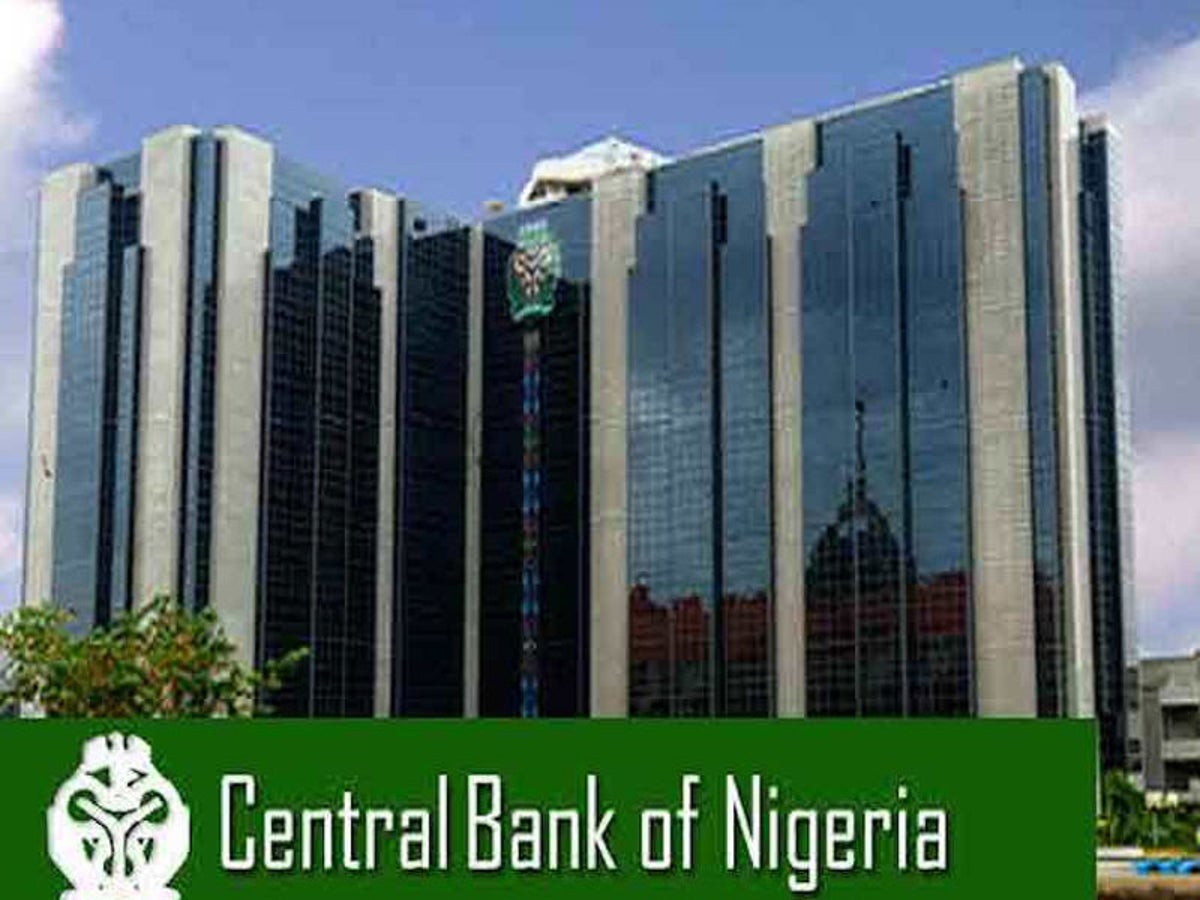
The Central Bank of Nigeria (CBN) and leading economists have projected stronger economic growth and lower inflation in 2026, citing improved macroeconomic fundamentals and reform impacts.
The projection was made on Thursday at a hybrid roundtable organised by the Chartered Institute of Bankers of Nigeria Centre for Financial Studies with B.
Adedipe Associates.The Lagos event was the theme ’12th Edition National Economic Outlook: Implications for Businesses in Nigeria in 2026′.
CBN Deputy Governor, Economic Policy Directorate, Dr Muhammad Abdullahi, said real GDP growth was projected at 4.49 per cent in 2026.
He added that inflation was expected to moderate to 12.
94 per cent, reflecting easing pressures and reform outcomes.Abdullahi said the outlook was supported by non-oil sector expansion, improved crude oil output, rising private investment and a more stable macroeconomic environment.
He said Nigeria recorded a balance of payments surplus of about 3.81 billion dollars in 2025, reversing deficits from the previous two years.
According to him, foreign exchange conditions would remain broadly stable due to FX reforms, higher oil receipts, diaspora remittances and stronger investor confidence.
“External reserves are projected to exceed 50 billion dollars in 2026,” he said, adding that inflation would continue easing.
He attributed the trend to lower food and energy pressures and the lagged effects of monetary tightening.
Abdullahi, represented by Dr Victor Oboh, Director, Monetary Policy, said the apex bank would sustain reforms to strengthen price stability and external sector resilience.
He urged banks to expand credit to productive sectors, including manufacturing, agribusiness and small and medium enterprises.
Keynote speaker, Prof. Biodun Adedipe, Chief Consultant of B. Adedipe Associates Ltd ., said the economy was expected to perform better in 2026 than in 2025.
He described 2026 as a stabilisation year marked by exchange rate stability, declining inflation, rising reserves and strong stock market performance.
Adedipe said Nigerians were already feeling reform impacts, noting easing prices of some staple foods.
He called for sustained policies to boost production, particularly agriculture, to further reduce inflation.
Also speaking, Dr Baba Musa, President of the Nigerian Economic Society, said Nigeria’s economic fundamentals were improving, but outcomes depended on reform execution.
“Effective monetary, fiscal and tax reforms will determine 2026 outcomes,” he said, urging businesses to invest in capacity, technology and markets.
Earlier, Prof. Pius Olanrewaju, Chairman, Council of the CIBN, said the forum set the tone for economic policy dialogue in 2026.
He said new tax reforms effective Jan. 1 would broaden the tax base, strengthen public finances and reduce oil dependence, while protecting small businesses and low-income earners.
| ReplyReply allForwardAdd reaction |

The Nigerian Midstream and Downstream Petroleum Regulatory Authority (NMDPRA) said the daily domestic supply of Premium Motor Spirit (PMS) rose to 74.2 million liters/day (ml/d) in December 2025.
This is relative to the 71.5 million litres/day supplied in November 2025.
The NMDPRA made this known in its Factsheet Report for December 2025 released on Thursday.
The report contains key statistics on the midstream and downstream petroleum operations in Nigeria.
It revealed that consumption of PMS, also known as fuel, increased to 63.7 million litres/day in December 2025, from the 52.9 million litres/day recorded in November 2025.
According to the report, Dangote Refinery showed strong capacity utilisation for the month of December, reaching a maximum of 71 per cent utilisation.
It said that the Dangote Refinery’s PMS domestic supply increased from 19.47ml/d in November 2025 to an average supply of 32.012ml/d in December 2025, with an initial plan of 50ml/d for December.
It said that Automotive Gas Oil (Diesel) domestic supply decreased to 17.9ml/d in December 2025 from the 20.4ml/d recorded in November 2025, while daily consumption increased to 16.4ml/d in December 2025, from the 15.4ml/d recorded in November 2025.
The report revealed that Liquefied Petroleum Gas (LPG) domestic supply also increased to 5.2mt/d in December 2025 from the 5.0mt/day recorded in November 2025.
The NMDPRA fact sheet however disclosed that the four national oil refineries recorded zero production within the period under review.
It said that there were no production activities in the Port Harcourt Refinery as the refinery remained on shut down mode.
“However, evacuation of prior AGO produced while the refinery was operational before May 24, 2025 averaged 0.247 million litres/day.”
Meanwhile, it said that the Warri and Kaduna Refineries remained on shut down.
On performance of Modular Refineries, the report said that the Waltersmith (Train 2) 5,000bpsd completed pre-commissioning in December, and hydrocarbons would be introduced by Jan. 2026.
According to the report, the refinery’s average capacity utilisation is at 63.24 per cent, while Average AGO supply is 0.051 million litres/day.
“Edo Refinery’s average capacity utilisation is 85.43 per cent, and average AGO supply is 0.052ml/d.
“ARADEL’s average capacity utilisation was 53.89%l per cent and average AGO supply was 0.289ml/d,” it said.
The report revealed that total AGO supply from the three modular refineries averaged 0.392ml/d, adding that other products from the modular refineries were Naphtha, HHK, fuel oil and MDO.
The report showed Daily Consumption Benchmarks for 2025 as – PMS, 50ml/d; Diesel 14ml/d; Aviation Fuel (ATK) 3ml/d and Cooking Gas, 3,900mt/d.
It showed Daily Consumption (truck out) of key Petroleum Products as – PMS, 63.7ml/d; Diesel, 16.4ml/d; Aviation Fuel (ATK), 2.7ml/d and Cooking Gas, 4,380 mt/day.

By Tony Obiechina, Abuja
Nigeria’s headline inflation rate rose to 15.15 per cent in December 2025, reflecting a moderation in price pressures compared with the previous month, the National Bureau of Statistics (NBS) has said.
The Statistician-General of the Federation and Chief Executive Officer of the NBS, Prince Adeyemi Adeniran, disclosed this on Thursday in Abuja while releasing the Consumer Price Index (CPI) report for December 2025.
According to the report, the CPI increased to 131.2 points in December 2025, representing a 0.7-point rise from November.
The figures are based on the newly rebased CPI, with 2024 adopted as the new base year and 2023 as the weight reference period, following the recent rebasing exercise.
On a month-on-month basis, headline inflation stood at 0.54 per cent in December, down from 1.22 per cent recorded in November 2025, indicating a slowdown in the pace of price increases. Food Prices Decline Month-on-Month Food inflation eased significantly during the month.On a year-on-year basis, food inflation stood at 10.84 per cent, while on a month-on-month basis it declined by 0.36 per cent, compared to an increase of 1.13 per cent in November. The NBS attributed the decline to falling average prices of staple food items such as tomatoes, garri, eggs, potatoes, carrots, millet, vegetables, plantain, beans, wheat grain, pepper and fresh onions. Core Inflation at 18.63%Core inflation, which excludes volatile agricultural produce and energy prices, stood at 18.63 per cent year-on-year in December 2025.
On a month-on-month basis, core inflation fell to 0.58 per cent from 1.28 per cent in November. Among the newly introduced indices, energy inflation rose sharply by 2.74 per cent, while farm produce declined by 0.41 per cent. Services and goods recorded moderate increases of 0.15 per cent and 0.64 per cent respectively.
Urban, Rural Inflation TrendsUrban inflation stood at 14.85 per cent year-on-year, with a month-on-month increase of 0.99 per cent, slightly higher than November’s 0.95 per cent. In contrast, rural inflation was recorded at 14.56 per cent year-on-year, while month-on-month inflation declined by 0.55 per cent, compared to a 1.88 per cent increase in November. States with Highest and Lowest Inflation At the state level, Abia (19.03%), Ogun (18.80%) and Katsina (18.66%) recorded the highest headline inflation rates on a year-on-year basis. Sokoto (8.61%), Plateau (9.05%) and Kaduna (10.38%) recorded the lowest.
On a month-on-month basis, inflation rose most sharply in Cross River (3.11%), Abia (2.63%) and Delta (2.53%), while Ondo (-3.74%), Gombe (-3.02%) and Jigawa (-1.96%) recorded declines. For food inflation, Yobe (15.25%), Ogun (14.12%) and Abuja (13.24%) recorded the highest year-on-year increases, while Akwa Ibom (4.34%), Sokoto (4.62%) and Plateau (6.19%) posted the slowest rise. Month-on-month food inflation was highest in Imo (3.19%), Nasarawa (3.16%) and Yobe (1.18%), while Plateau (-2.76%), Rivers (-2.50%) and Zamfara (-1.93%) recorded declines.
The NBS cautioned that state-level comparisons should be interpreted carefully, as CPI weights vary based on consumption patterns across states and locations.
| ReplyReply allForwardAdd reaction |


Most Kidnapping, Violence in Ekpoma Carried Out By Locals – Okpebholo
ShareThe Edo State Governor, Senator Monday Okpebholo, has alleged that many of those involved in criminal activities in Ekpoma, Esan...


INEC Urges Peaceful Rivers Assembly By-elections
ShareThe Independent National Electoral Commission (INEC) has urged stakeholders to promote peace and ensure credible Rivers House of Assembly by-elections...


Remembering Fallen Heroes Must Transcend Wreath Laying, Speech Making – ADC
ShareAfrican Democratic Congress (ADC) has said that remembering the fallen heroes in Nigeria must transcend mere laying of wreaths and...


CBN, Economists Project Faster Growth, Lower Inflation in 2026
ShareThe Central Bank of Nigeria (CBN) and leading economists have projected stronger economic growth and lower inflation in 2026, citing...

PMS Daily Domestic Supply hits 74.2m Liters in December – NMDPRA
ShareThe Nigerian Midstream and Downstream Petroleum Regulatory Authority (NMDPRA) said the daily domestic supply of Premium Motor Spirit (PMS) rose...

Inflation Drops to 15.15 Per Cent in December – NBS
ShareBy Tony Obiechina, Abuja Nigeria’s headline inflation rate rose to 15.15 per cent in December 2025, reflecting a moderation in...
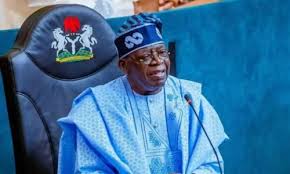

Armed Forces Day 2026: Tinubu, Shettima, Akpabio, Others Honor Fallen Heroes
ShareFrom Attah Ede, Makurdi, Ene Asuquo, Calabar, Sylvia Udegbunam, Enugu, Francis Sadhere, Delta and Mike Tayese, Yenagoa Nigeria on January...


US Visa Shockwave: Trump Order May Delay Five Thousand Intending Nigerian Immigrants
ShareNo fewer than 5,000 intending Nigerian immigrants to the United States may be delayed following the new visa restrictions imposed...

AFCON 2025: Nigeria Remains Proud of You, FG Tells Super Eagles
ShareThe Federal Government has commended the Super Eagles for their performance at the 2025 Africa Cup of Nations, assuring the...

Yusuf does not Need Kwankwaso’s Endorsement to Join APC – NNPP
ShareThe New Nigeria Peoples Party (NNPP) said Gov. Abba Yusuf of Kano does not need Sen. Rabiu Kwankwaso’s endorsement to...