
INTERVIEWS
Nigeria not a Failed State – Finance Minister

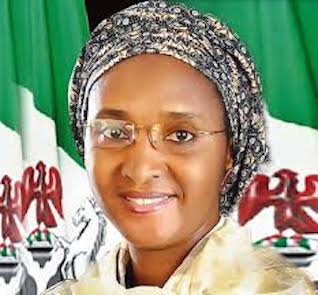
Minister of Finance, Budget and National Planning, Mrs Zainab Ahmed recently bared her mind on steps the Federal Government has put in place to revamp the nation’s economy. In this interview with BBC’s Zeinab Badawi on HARDtalk, the Minister spoke on her plans to avert a financial meltdown, as well as ensure stability, among others in the country. Excerpts of the interview is reproduced here by Tony Obiechina, Acting Business Editor
We are hearing warnings of a third COVID-19 wave in Africa, where only about 1% of the population has been vaccinated. What is the situation like in Nigeria?
Thankfully for us, COVID-19 pandemic has been well contained.
So far, what we’ve seen in terms of the numbers is that it is declining in Nigeria. In the past three months, the decline rate is about 23%. So, it’s a good story for us. We’re continuing the vigilance of trying to make sure that another variant that would be more devastating than the one we have had does not come into Nigeria. So, it’s well contained, and we’re hopeful that it will not escalate.All right. Well, glad to hear that. Let’s look at the economic crisis, though, unleashed on the whole of the continent because of the global economic downturn as a result of the pandemic. So, here you are in Nigeria, food prices have gone up by nearly a quarter, we’ve seen the naira devalued by a third against the US dollar in the past year; half your population is living in poverty or vulnerable. We’ve seen economic growth has really been downgraded, very, very sluggish. Your country, frankly, is at breaking point economically.
There has been a lot of challenges occasioned by the COVID-19, and, in our case, also by the crash in the crude oil price. But we’ve done a lot as a government to contain the COVID-19 pandemic, to reduce the impact on the economy, as well as to provide alternative sources of revenue to the oil and gas industry. And we took, very early, a number of fiscal measures that helped to mitigate the impact on the Nigerian economy.
We reviewed our medium-term-plans, we reviewed the budget, scaled everything down. We had to increase borrowing, because we needed to invest more in the health-care sector, knowing very well that if the pandemic breaks out beyond controlled levels for Nigeria, it will have been more devastating for us. So, it was well controlled, and we have been able to rein in a number of measures that helped us rein in the slide in the economy. So, we did go into recession in the third quarter of 2020, but we exited recession in the fourth quarter. We reported a positive growth in the fourth quarter. We also reported a positive growth in the first quarter of 2021. Our projection is that, by the end of 2021, Nigeria we will end up with a growth rate of 3%. Our target is to grow to a 7% growth rate in the medium-term basis, and we’re well on the way. Inflation has been increasing until about two months ago. For 19 months, it has been increasing, but we have seen it plateau. So, for two months now, it has begun to decline. The CPI also is on the decline. So the indicators, to us, are good.
There’s no doubt that you are taking these emergency measures and perhaps the narrative is being presented in such a way that you are, “Look, there’s this terrible crisis that all countries are experiencing.” But the fact of the matter is, this is a bit of a decoy. There were structural deficiencies in the Nigerian economy, long-standing, nothing to do with COVID-19, and your government has failed miserably so far to deliver. For example, Buhari, when he came to power, the president, in 2015 said, “Look, I’m going to deliver economic growth rates of 10% per year, I’m going to create 12 million jobs,” he said. We’ve seen unemployment quadruple. So, actually, his economic vision is not being delivered, is it?
Well, that is not true. The president came into power in 2015 and immediately, a couple of months after, we had a crash in the crude oil price. There was a time that the crude oil price went to as low as $28 per barrel. And this was following an administration that had put up a revenue that was up to $100 per barrel, averaging about $70 per barrel. So, Mr. President faced his first recession within the first year of his first term. Again, we now have a second recession in the second year of his term, this time around caused by the COVID-19 pandemic. We have to now reassess our plans and try to contain the slide in the economy so that it doesn’t go back. The first recession was about 12 months. We turned the economy around by reflating it, despite the low turnout. The investments that we have done in infrastructure and in social development supersedes. So, it is far greater than the investments that had been done by the last administration. So, we must give Mr. President that credit. At a time when we had little revenue, we were able to do much, much more.
OK, but that’s the point I’m making, the structural deficiencies which are long standing. You quite rightly say there’s drop in Brent crude oil prices, but you’re so dependent on oil; 80% of your export earnings and half of government revenues come from oil, because you are too dependent on oil. And that is why you suffer like this. And that, frankly, is something that you’ve known for a very long time and yet still fail to do anything about.
You’re right, the country depends on oil revenues for export and still does, but we have done a lot in terms of diversifying the country’s revenue base. Right now, we have a contribution of 55% revenue from the non-oil sector to oil sector’s 45%. Before, it used to range from 60-70% from the oil sector. So, we have other sectors of the economy that are growing and growing on a steady and consistent basis. So, we are looking at alternatives to export, because that is where we have the greatest problem. We are encouraging non-oil export, giving a lot of incentives for exports from agriculture and the mining sector. And there are several incentives that have been put in place to encourage exports, so that we can have an alternative source of foreign exchange to the oil industry. But in terms of diversification of the economy, the oil and gas sector today contributes 9% to Nigeria’s GDP, so the economy is well diversified. We just need to expand those other sectors, make sure that they are sustained.
Well, okay. So, agriculture is the biggest employer of people in Nigeria. Governments in Africa, including yours, pledged to spend 10% of the public accounts every year, the annual budget. What do you spend on agriculture in Nigeria? It’s nowhere near 10%, is it?
It is not yet 10%, but it is significant enough to have made consistent improvement in the agricultural sector. Now, also we’re trying to move away from just government spending on agriculture and concentrating on providing incentives so that agriculture moves from subsistence agriculture to agribusiness, where a lot of processing is done…Sure, and manufacturing is enhanced, so that we are adding value to our products.
But the broad point I want to make here, and I quote Iseoluwa Akintunde, who’s an expert on Nigeria from the British think-tank Chatham House, “For decades, the mantra of economic diversification characterised attempts to reverse Nigeria’s dependence on oil with little real progress.” And he says that the decline in GDP from oil gives new urgency to this issue.
So, are you really dealing with this issue with real urgency that it needs? because he’s right, we’ve heard about this for decades.
You are right, this has been said for decades. But, check the numbers.
The contribution of revenue in the country today is largely from the non-oil sector, that is what has changed. If you look at our budget, if you look at the actual budget performance, you’ll find that the non-oil revenue is contributing 55%. It used to be 30%, 35%. So, things are changing not as fast as we want them to be, but we’re pushing to make sure that the investments in the Nigerian economy is both from the private sector as well as from the government, with government acting as an enabler for the private sector to invest where the private sector sees benefit.
All right. You know very well that investment needs stability, and that is something that Nigeria cannot offer -security. Since 2009 in the north-east, 3.5 million people displaced, 50,000 killed because of the activities of extremist groups like Boko Haram. In the north-west, kidnappings, ransoms, 11,000 killed. You’re seeing the group known as the Biafra secessionists in the south-east also creating a great deal of instability for the country. You know, whichever way you look, Nigeria’s got insecurity to have to deal with, and it’s getting out of hand.
It is a very difficult situation, a very challenging one of great concern to the president and all of us that are in government. But, we’ve also put in place a number of measures that is designed to turn things around. Very recently, Mr. President changed the service chiefs, and also more recently you will see some of the successes that the military is recording in terms of the fight against the insurgents. There are also efforts to begin to address in terms of engagements with other pockets of groups that have concerns regarding the Nigerian economy. There is a lot of discussions in the country about how we must stay together and work out our differences, rather than trying to cause chaos and fragmentation within the polity. Nobody is going to gain if Nigeria is fragmented, and government is not the only one that is in the forefront of this. There are a lot of very highly placed citizens as well as youths that are now speaking up. Yesterday, we had a youth conference in Abuja, and there was a lot of discussions around security and the youths, whose future it is that we are working and planning on, are also taking charge on leading the narrative. We cannot have the security crisis going out of hand in Nigeria.
All right, but let me tell you what Robert Rotberg, president of the World Peace Foundation in the US, and John Campbell, a former American ambassador to Nigeria, say, “The government is unable to keep its citizens safe and secure. Nigeria has become a fully failed state of critical geographical concern.” They’re not mincing their words, are they? They’re right.
They are wrong; we are not a failed state, There is a government at the centre, there are governments in each of our 36 states, the governments are in control of those states and regions, and the federal government is in full control. So, we have pockets of security crisis, like the insurgency in the north…northeast, like IPOB also trying to cause crisis in the southeastern part of the country. That doesn’t make us a failed state. Which country in the world or in Africa today is not having a security crisis? We have a security crisis, but this is a government that has come to a grip and has a strong hold on the security situation.
Yet this is another example of President Buhari over-promising and under-delivering. He said in 2015 that Boko Haram had been technically defeated. And now, look at what’s going on. You’ve still got all the kidnappings and ransoms and the killings going on in the north-east, because of Boko Haram.
Boko Haram is in the north-east. When the president took over, there were 23 local governments in the north-east that were threatened. So, many of them were completely taken over by the insurgents. There’s none right now that’s taken over by the insurgents. They come in from the bushes, they attack, they run away and hide. At that time, we had people who hoisted their flags in some of those local governments. There is none that the insurgents have taken over now. So, that is progress.
The president’s own party is angry about the security situation. Senator Smart Adeyemi from the ruling APC said in April this year, “Insecurity is threatening us. The nation is on fire. “The president must rise to the occasion and bring in people to save this country, or else we will be consumed. We cannot keep quiet any longer.” These are the president’s own party members saying this.
That is Adeyemi, one party member. Our country is not on fire. We have security challenges, but the government is in control of the situation. They are very unfortunate incidents that happened, but this has very much reduced and improved, and things are getting better, really getting better, if you just check what has been happening in the past three to four weeks.
So, you talked about the 36 states in Nigeria, but there was a meeting recently by governors from about 17 southern states, and they made proposals for restructuring, for greater decentralisation, to devolve, you know, some of the fund decision-making to the states. And let me tell you what Professor Wole Soyinka said, the celebrated literature laureate, Nobel Prize winner. He said, “If Nigeria fails to decentralise, and I mean to decentralise as fast as possible, manifestly and not as rhetoric, then Nigeria cannot stay together.” You’ve got to do something about the way the states are allowed to take decisions with security and how they spend their money and all the rest of it.
Nigeria is a democracy in every true sense of the word. We have a constitutional review process going on right now. There is an effort by the parliament going into every state of the federation. Every Nigerian is able to come to that process and give their views. At the end of the day, there will be maybe a referendum or some decision on how best to amend the constitution. That’s an ongoing process, and we should watch that process closely and see how it unfolds. If the majority of Nigerians want a devolution, like you give an example, then that is what will happen. Their parliaments at the state level will take that decision, and then the constitution can be amended. We’re implementing the constitution as it is, and we’re implementing it to follow the rule of law, because that’s one very clear suggestion that’s being made, a proposal to keep a lid on the kind of insecurity that we’ve been discussing which is affecting large parts of the country.
Yes, you are right. So, you are leading an initiative to try to bring greater safety to Nigeria’s schools. You have said that 62,000 schools are vulnerable to kidnappings and the kind of activities that we’ve seen with the Chibok girls a few years ago. So, this is the Safe Schools Initiative to counter the many kidnappings of young people. So, what exactly are you trying to do?
We have brought all the stakeholders in the country together, and we’re asking every state to give us its own statistics of where it has the most vulnerability. We have a general assessment, and also what they think is best in their environment. We need to do so to secure the schools. It’s an initiative that is meant to grow up a plan that shows the various segments of schools and also to raise financing on the back of that plan. The federal government will put its own resources, the states will put its own resources, and we hope we will be able to find partners and friends that will also support by electing to do any of the activities that is defined in that plan.
Talking of the abductions from schools and so on, we know that, in the north-east, Boko Haram have been behind a lot of these kidnappings. Can you confirm whether the Boko Haram leader, Abubakar Shekau, is indeed dead? Because there are reliable reports that say he is indeed no longer alive. Can you confirm that?
No, I will not want to do that. But, I can tell you that I’ve seen very reliable security reports that said Shekau is dead.
You’ve also had a bit of a political crisis. We’ve discussed the health, the social and the economic crisis, but when we saw what happened in October last year; when we saw young people protesting against police brutality, called the End SARS movement, and they’re talking about the Special Anti-Robbery Squad, around a dozen people killed. That really does show the disconnect, doesn’t it? between the youth of Nigeria and the government?
The youths rose at that time, they spoke, and they were heard. And I must say that I have not seen, as long as I can remember, any action by government as swift as that. Because the issues that they put on the table were addressed almost immediately by the president. Because there were concerns that some of the things that were reported to happen should not be happening and cannot happen, so that unit was immediately disbanded. There were engagements with these youths, and a number of youth engagement, employment, entrepreneurship programmes that have been put in place now to be able to support the youths that are not employed alternative sources of work or income that will help them to sustain themselves on a day-to-day basis. It was a very negative time, but it had its positive results, because it gave us an opportunity to reach respect and make some changes in the police force as well as engage the youth. But, there’s still a huge disaffection; a sense of disaffection amongst Nigeria’s youth.
I mean 125 million people in Nigeria are under the age of 25. One young activist, who’s 22 years of age, Rina Oduwale, says young people are just generally alienated from the government and old people are not willing to let go of power. I mean, the disaffection still runs quite widely.
I can imagine that, but you know what? We passed a law that is called Not Too Young To Run. And that’s a law that says that we can have a president that is from the age of 25 years old. You can contest elected office of either the state governor or the president, and also there’s a youths progressive forum that is under the ruling party. These is a call for the youths to be given a certain proportion of leadership positions, cutting across the states and the federal government ministries, departments and agencies. So, there are discussions going on. The youths are being heard. The dialogue that we’re having is making us understand more what the youths are expecting, what they need in terms of support, also that they can grow to leadership positions.
But you still have a president who’s well into his 70s, nevertheless. So, the principle may be there that you can be a young person and become president, but it’s not going to happen, it seems, for a long time.
But, what stops the electorates from putting in place a 30- or 35-year-old president in 2023? Nothing, because there’s a law that allows it now.
But President Buhari is out of touch. Let me just give you an example. In June, he said on Twitter, he gave a tweet talking about those behind the unrest in the south-east of the country. He said, “We will treat them in the language they understand.” Now, that triggered a huge problem. Twitter removed the tweet, because they said it violated its hate-speech policy. And what do the Nigerian authorities do? They impose a ban on Twitter. And this has led to widespread criticism, particularly amongst young people in the country and also abroad. He’s out of touch, isn’t he?
No, he is not. Those same youths complain when the IPOB leader is saying “Kill those policemen, bomb their stations across northern Nigeria as well.”
What about the Twitter ban? Because a lot of people said this was a bad move. The American embassy in Nigeria said the ban undermines Nigerians’ ability to exercise freedom of expression and sends a poor message to its citizens, investors and business. This looks bad.
We have other social media that are active in the country these days. There’s Facebook, there’s WhatsApp, and we are currently also in discussions with Twitter on how to come back to operate in Nigeria. We’re not taking them off completely. It was just to send a message that, whatever they do, if they had been removing tweets from the IPOB leader that is asking for policemen and soldiers to be killed, then there would have been a balance. But, they were not doing that.
Finally, Finance Minister, Nigeria’s population is currently about 214 million. It’s projected to increase to 400 million by 2050. Will Nigeria be a superpower then, or will it be so overcome by all the kind of challenges we’ve been discussing that it won’t be?
We have an opportunity to take advantage of our growing demography. The advantage that we have is that about 60% of our population is youth, and the Nigerian youth is vibrant. They’re innovative. They live in the IT world, in the new digital world that is the current reality of today. So, all we have to do is to support them and allow them to bring in their creative skills. Nigeria will grow, and we will be one of the countries in the world to be a contender in terms of IT. And also there are a lot of Nigerians in the IT space, in the digital space all over the world that are doing extremely well.



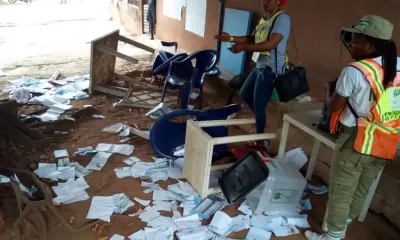


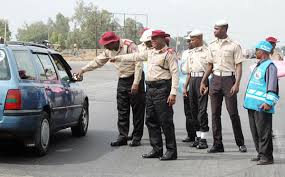
Motorists in Kaduna, Kano and Katsina States have lamented that most roads in the states are now killing zones due to their bad state.
A cross section of the motorists and other critical stakeholders made the lamentation in separate interviews in a survey on the state of roads across Nigeria.
Findings revealed some of the road in the state, though motorable, are potholes-ridden, hence record recurring road traffic crashes.
It was also found out that such obnoxious road accidents often resulted in colossal loss of lives and property.
In Kaduna State, Suleiman Bature, Secretary, Kaduna State chapter of the National Union of Road Transport Workers (NURTW), urged the authorities concerned with road maintenance in the state to wake up from their ‘deep slumber.
’He said,”This is considering the deteriorating condition of some roads across the state and the attendant fatal consequences.”
Bature made the call on Friday in an interview in Kaduna.
He said although there were ongoing efforts by the State and Federal government to rehabilitate roads in the State, the slow pace of work made it difficult for motorists to operate.
Bature said: “One would not say the government is completely negligent but they have to wake up from their slumber.
“Before now, there used to be routine maintenance especially after the rainy season due to potholes that emerge on the roads but now we don’t even know what is happening with FERMA.
“You should know that we have articulated vehicles that carry heavy loads and ply these roads as such, it is expected that at least, FERMA should carry out maintenance every six months but that is not the case”.
Francis Bisallah, an Urban and Regional Planning expert based in Kaduna noted that corruption on the part of some contractors was the bane of bad roads in parts of the country.
Bisallah said; “Sometimes, the government is not to blame but some of these contractors who get mobilised yet would refuse to carry out good jobs.
“Some of the contractors who carry out the projects unfortunately use substandard material and that is why after a few months, some of the roads start giving way.
“Government should have a strong monitoring mechanism to ensure standardization when it comes to road construction to avoid fast deterioration of new or rehabilitated roads”.
Sa’idu Gambo, a commercial driver at Kawo park on his part told newsmen that the poor state of the roads had a negative impact on their vehicles as they always have to visit the mechanic after every major trip.
“One can hardly travel on our roads without having to go for one or two repairs at the mechanics due to the deteriorating nature of the roads.
“We urge the authorities to, as a matter of urgency, rehabilitate the roads to curb the high rate of road crashes and loss of lives,” he said.
A staff of FERMA, who sought anonymity, said that the Agency was limited to commenting on projects in the State until she had permission from headquarters, adding, “we only work based on instructions from above.”
In Kafanchan, motorists and passengers alike have called for regular maintenance of roads by relevant agencies to address the deteriorating state of roads in the state.
They made this known in separate interviews in Kafanchan, headquarters of Jema’a Local Government Area.
Adamu Sambo, a commercial driver, said roads that were not adequately and regularly maintained often develop potholes and cracks which can cause accidents.
“To me, the number one cause of bad roads in our state is lack of maintenance, because if they were being properly maintained they wouldn’t be in bad shape.
“No matter how well you construct a road, if you don’t look after it, you are going to have issues,” he stated.
Another commercial driver, Monday Bitrus, made a case for the rehabilitation of the Kafanchan-Kwoi road, which, he said, has become a nightmare for motorists.
“That road has been in a bad shape for some years now. So, I am appealing to the government of the day to fix the road as it is a major road,” he said.
On his part, Solomon Hosea, a passenger, who said that as the yuletide approaches, there was the need to repair bad roads to ensure safety of passengers.
In Katsina State, some motorists and passengers have decried the bad condition of the Kafur-Zaria road, urging the Federal Government to hasten its rehabilitation to reduce crashes recorded on a daily basis.
They made the appeal in an interview in Katsina.
A motorist, Malam Muhammad Abubakar, whose vehicle got punched on the road, said in spite of the ongoing road’s rehabilitation, which he described as too slow, stressed the need for its dualisation.
Another driver, Abubakar Aliyu, said the Federal Government should do the needful, explaining that though the road is busy during the day, it is a dangerous area at night because of its condition.
“The road is a busy road and requires dualisation, because at least over 1,000 vehicles, both commercial and private, ply it daily.
“Whenever I pass through this road, especially from Kafinsoli-Matazu-Musawa, and from Kafur-Dabai, my vehicle must be taken to a mechanic for a check up.
“Do we continue like this? Always going to the mechanic after passing through the road?.
” The road actually needs to be fixed to save people’s lives as a result of incessant crashes due to its bad condition,” he said.
A commercial vehicle driver, Aliyu Abdulsalam, said that whenever he was going to Kaduna with passengers, he always found it difficult because of the condition of the roads.
He, therefore, called for the speedy completion of the rehabilitation in order to reduce the frequent crashes on it.
He also urged the Federal Government to complete the Katsina-Kano road that linked the state and the country with Niger Republic and other parts of the West African countries.
A passenger, Malam Dahiru Abubakar, said that the dualisation of the Katsina part of the road needs to be completed.
He explained that in some cases, criminals take advantage of the bad road conditions to block it and robb passengers, especially at night.
Abubakar said that if the road was repaired, the rate at which armed robbers attack passengers would be reduced.
He said that would also assist to ease transportation of farm produce by farmers and other traders to other states of the federation.
In a related development, the Katsina State Safety and Road Traffic Authority (KASSAROTA), has warned the public against dumping of sand or waste on roads.
Its Director-General, retired Maj. Yahaya Garba-Rimi, made the appeal, through his Public Relations Officer, Marwan Abubakar.
He said that the call was aimed at maintaining the cleanliness and safety of the state’s roads.
He emphasised the importance of safe practices and compliance with traffic laws to foster a secure road environment.
Garba-Rimi, particularly called on individuals who wash motorcycles, tricycles, or cars on the roads, to cease from such practices, as that violates existing regulations.
The director-general also warned traders who place goods on roads and pedestrian walkways to immediately relocate their businesses, because those pathways were meant exclusively for public passage and vehicular movements.
He called on all motorists and residents to support the authority’s initiatives by observing its guidelines.
In Kano State, motorists have also urged the authorities concerned to take urgent steps to fix the deplorable roads in and around the state.
The motorists, who spoke to newsmen in Kano called for the repair and completion of Gwarzo-Dayi , Kano-Maiduguri, Kano-Zaria roads and some bad township roads in the metropolis.
A driver, Isa Musa, who called for the repair and completion of some of the important roads, lamented that motorists spend several hours on bad spots.
According to him, the situation called for urgent attention to relieve motorists of untold hardship they go through.
Another motorist, Abba Malam, said that the terrible state of some of the roads had continued to be a source of great concern to road users, especially motorists.
He added that the dilapidated roads had affected human and vehicular movements within and outside the city, thereby causing serious traffic congestion along the roads.
According to him,the failure of the Kano State Road Maintenance Agency (KARMA) and Federal Road Maintenance Agency (FERMA) to repair the affected roads had been responsible for the increasing number of accidents being recorded in the city on a daily basis.
“You hardly drive your car within the city without going through bad portion of roads,” he said
A resident, Lawan Shehu, said that there was an urgent need for the state government to do something about the roads, most of which, he said, were in a bad state of roads and had become worrisome to Kano residents.
“There are some areas where a distance, which should not last for more than five minutes, now takes between 10 minutes and 15 minutes,” Shehu said.
Aminu Abdul, a trader, also appealed to the state government to renovate the roads in Dakata, Kurna, ring road, Pansheka, Kumbotso and Kawo.
“Most of the roads in the city need to be rehabilitated. Indeed, most of the patched potholes have gone bad, thus making it difficult for motorists to move easily,” he said.
Isaac Aliyu, a legal practitioner, attributed the problem to the lack of maintenance, funding ,corruption and mismanagement.
He also said that over-reliance on federal government funding, climate change and weather-related damage could also be attributed to the state of the roads in the country.
Aliyu, who called for more investment in infrastructure, also advised the Federal Government to enter into Public Private Partnership (PPP) for infrastructure development in the country.
Bala Nura , a member of Kano Civil Society Forum, called for increased funding and budget allocation for road maintenance in the country.
Nura further called for decentralisation of road management to state and local governments and regular maintenance, repair schedules and improved traffic management and enforcement.
A staff of the Kano State Road Maintenance Agency (KARMA) said that the state government had spent enormous resources on repair of township roads and interventions on federal roads.
He said that the agency rehabilitated over 30 roads and evacuated drains in the metropolis.
According to him, the roads rehabilitated include Aminu Kano Way,Lodge road,Tarauni road,Airport road and Kano Government House, among others.
The Federal Government had recently inaugurated “Operation Free Our Roads”.
The project is a joint initiative between the Federal Ministry of Works and FERMA as part of the government’s efforts to put citizens first by fixing the roads.
The projects executed under the different interventions include, Patching of potholes, pavement strengthening, rRepairs of failed sections, limited rehabilitation, bridge/culverts construction and general maintenance, among others..(NAN)
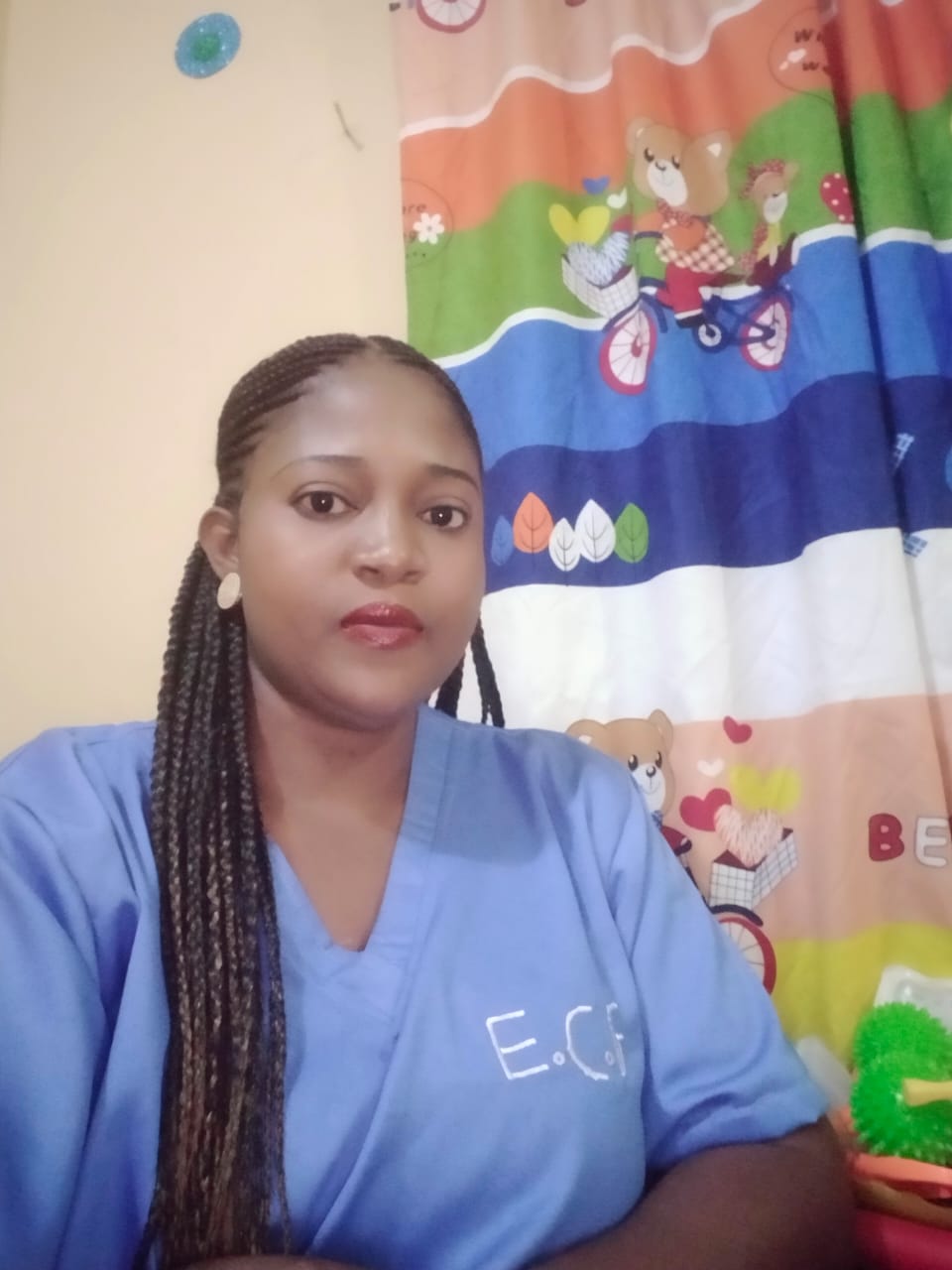
Raising a child with special needs in Nigeria can be extremely tiring for most parents. They also have to deal with strange ideas and theories about what caused their child’s condition, which leads to being excluded from society.
In a recent interview with DAILY ASSET News Editor, Prosper Okoye, the Executive Director of Elsali Care Foundation, Goodnews Emeka-Agadah, discussed the severe consequences faced by these children and shared her secret for managing the stress of caring for them, among other topics.
What is your foundation about?
Elsali Care Foundation was born out of a passionate drive that began during my national youth service days.
At that time, I encountered parents with children who had special needs, and many of them were unaware of their child’s condition or the care they required. Consequently, they would confine their children at home, awaiting their eventual death.I was able to offer assistance in some cases due to my familiarity with the conditions affecting such children, as I had a cousin who had a child with cerebral palsy, a kind of special need. Regrettably, society has yet to comprehend the distinctiveness of these children. My cousin lost her marriage due to her child’s condition, as people attributed the child’s condition to her own wrongdoing, claiming it was retribution catching up with her.
After completing my service, I joined a non-governmental organization that catered to orphans and vulnerable children, but they provided no support for children with special needs.
Upon observation, I discovered that there are numerous such children in society, and their parents are struggling. Many of these parents are unaware of their child’s condition or where to seek help. It was at this point that I told myself, “I possess significant knowledge about this condition, so let me step in and assist them.” That is how the foundation was established.
We advocate for these children since they are vulnerable and unable to advocate for themselves. We are consistently present for them, providing them with protection. Our primary focus is helping these children realize their potential.
Because we’ve known that when they receive proper care from an early age, there can be a significant improvement that enables them to maximize their potential and lead fulfilling lives.
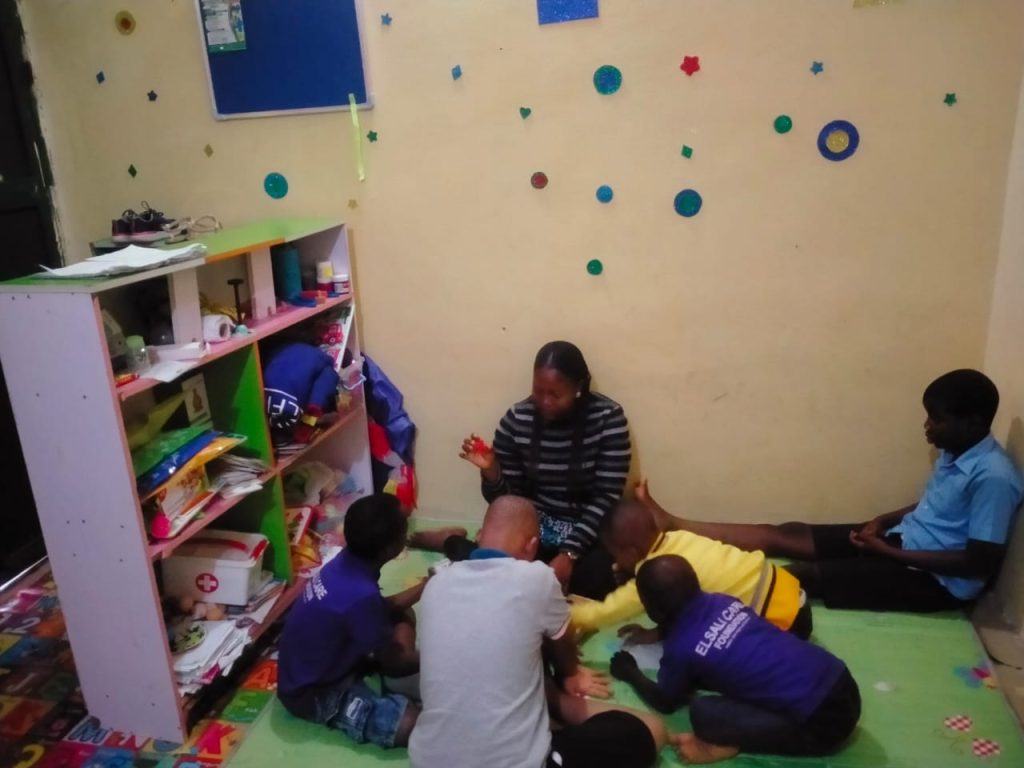
We offer them clinical therapy, educational support, occupational therapy, physical therapy, and behavioral therapy.
We also aim to incorporate vocational support, as it is through this avenue that they can acquire skills to become more valuable members of society. However, currently, we do not possess the capacity to do so.
How can we identify a child with special needs?
Special needs is a term that encompasses both physical and neurodevelopmental disabilities. In our foundation, we primarily focus on children with neurodevelopmental disabilities, such as autism, Attention-deficit/hyperactivity disorder (ADHD), learning disorders and others.
In more concrete terms, although very unfortunate, society often perceives children with special needs as unintelligent because some may have difficulty speaking, while others may exhibit hyperactive and destructive behaviors.
Regarding physical disabilities, we refer to children who are physically impaired, deaf, or nonverbal.
How do you support orphans since you don’t have a home in your facility?
Apart from the special school center, the foundation takes part in community programs. During these programs, we come across some children who, just by looking at them physically, we know need help. And when we dig deeper, we find out that their parents have passed away, and they live with their relatives.
These are another group of children we work with. We assist them through the relatives they live with. For those who are not attending school, we help them get back into school.
Honestly, when it comes to providing for their nutritional needs, I must say we do very little due to lack of funds.
They appear undernourished, but in our small way, we provide them with some provisions through their caregivers because you can’t talk about children without considering their caregivers.
What has the journey been like so far?
We’ve been working behind the scenes since 2013, and we have many memorable success stories. Actually, every child we help is memorable because when we first meet them, their situation is very sad.
Sometimes it’s so bad that we can’t help but cry, especially when we see their parents’ tears and frustration.
Most parents tell us that their child was born healthy, just like any other child. But around the age of one or two, the child starts losing all their thinking and learning abilities.
The parents feel very frustrated and wonder if it’s some kind of magic or curse from their village. But after talking to them, they start to understand over time.
Despite the financial burden and surprisingly, the negative attitude from the public, we keep going because of the many successes we’ve achieved over the years.
For instance, when we go to some places to raise awareness about this condition, we often face rejection because people think these special children don’t belong there.
But they don’t understand that other children, in fact everyone else should learn how to relate to and treat children with special needs.
These children face discrimination from their own relatives and other children who should be their friends.
Some schools don’t want to accept them, and even when they do, they keep them separate from the other children.
We object to this unfair treatment and try to make people understand that they need to think like the special child does to understand why they act the way they do.
We have an amazing story of a 15-year-old child with Down syndrome. When he first came to us, he couldn’t do anything. We started helping him by teaching him to use the toilet because it was so bad that he would eat his own waste if left alone.
We also did many other therapies with him, and within just a few months, he started improving some of his behaviors. We even managed to help him stop using diapers.
There are other numerous success stories like this one. Indeed, just knowing that we could help a child and ease the burden for their parents brings us a lot of happiness and fulfillment.
What exactly could cause a child who is born without any issues to experience regression?
It is a neuro-developmental issue. It’s similar to when we have malaria and experience certain symptoms. For some children with autism, we notice these symptoms, which we refer to as red flags, as they grow up.
It is a condition that exists within them and influences their behavior, not something caused by external factors like their village people.
Some regressions can be attributed to a lack of essential vitamins or the presence of excessive mercury in their bodies. Others may be linked to low levels of certain microorganisms.
While ongoing research is being conducted, some regressions can be traced back to genetic conditions.
Additionally, problems during delivery, such as improper handling or prolonged labor, can also contribute to regression. The age of the parents can also play a role. Older parents have a higher likelihood of having a child with Down syndrome.
How do you cope with exhaustion while taking care of these children?
The issue of children born with special needs is of utmost importance to address as a matter of public concern. Approximately 10 out of every 50 children born each year are likely to have some form of special needs.
Furthermore, it is expensive and challenging to solely provide care for these children, even for parents with substantial resources.
We face numerous challenges as an organization, but the primary one is the lack of public awareness, which leads to stigmatization.
We require assistance in raising awareness to inform the public that these children with special needs are just as human as anyone else. They have emotions and experience pain.
Additionally, there is a need for improved implementation of policies by the government. While laws and policies exist to prevent discrimination, there is a lack of mechanisms for effective implementation.
Furthermore, we lack sufficient personnel in this field. Several individuals have come to work and volunteer to help the children, but they often cannot stay due to the demanding and strenuous nature of the work. In some cases, it is because the remuneration is not adequate for them, but we can’t help it because of the unavailability of funds.
For me, what prevents exhaustion is the love I have for what I do. If I were not motivated by financial gain, working with children with special needs would still be a job I would choose and strive to excel at. I see them as my own children.
However, I cannot do this job alone; we need stakeholders to assist us in extending these services to rural areas and other hard-to-reach places.
We require funds to train and motivate individuals to join us in the mission of reaching out to these special children, as it is not their fault that they were born this way.
It is also crucial to train parents on how to raise these children.
We must raise awareness in society to create more inclusive opportunities in schools, workplaces, and all other spheres of society.
We need more partnerships.
Children with special needs can grow up to become professionals, although they may lean more towards artistic pursuits and display greater inventiveness. Many celebrated musicians and footballers, such as Ronaldo, were actually children with special needs. Therefore, early interventions are crucial as the brains are still developing.
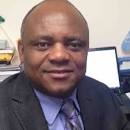
In light of the soaring cost of living as a result of petroleum products’ hike in price and other economic woes, many Nigerians have embarked on a quest to leave the country in search of greener pastures abroad. In this interview with Prosper Okoye, the news editor of DAILY ASSET, migration expert Dr.
Emeka Obiezu discusses the intricacies that drive the Japa syndrome. Dr. Emeka, who is also the Chairman of the Civil Society Migration Network (CSOnetMADE), sheds light on the realities surrounding Nigeria’s migration landscape.DAILY ASSET: Japa has become a daydream for most people. How has this impacted migration in Nigeria?
Dr. Emeka Obiezu: It is evident.
The entire migration trend revolves around sustaining one’s livelihood and fulfilling their dreams. We refer to this as the driving force behind migration. The primary reason people leave or desire to leave is because they are living in an unfavorable environment and they believe that another place offers better prospects and the fulfillment of what they lack in their current situation. Nigeria has consistently witnessed a migration trend driven by economic motives, such as the lack of opportunities, unemployment, job insecurity, and even threats to personal safety and property. This is not unique to Nigeria; it is a common feature in migration trends worldwide. Out of the 281 million international migrants, 169 million are labor migrants who move primarily due to economic reasons. This means that there are either no immediate job prospects or their current employment is unsatisfactory or lacks job security. It could also involve changing jobs that motivate their move. The trend suggests that if the economic conditions in their home country improve, the migration curve will decline. However, if the opportunities remain stagnant, the graph will also remain stable, and if the lack of opportunities increases, the migration outflow will rise accordingly. Therefore, the concept of “japa” is merely a way of encapsulating the prevailing economic conditions in Nigeria and the lack of opportunities that drive the migration curve upward. Although there are other factors involved, they are intertwined. For instance, the anticipation of the outcome of the 2023 election has already instilled fear and anxiety, leading to uncertainties about the future for many Nigerians. This intensifies the desire to find a better place before the situation worsens or they become trapped here. Unfortunately, the outcome of the election did not improve matters. The implications of the political landscape reverberate through the economy. As you can see, even someone who had no prior plans to travel suddenly wants to leave this week, as the resources they have, including transport fare, are no longer sufficient. This has a ripple effect on every other aspect of life.DAILY ASSET: What could be the implication of this trend?
Dr. Emeka: There are so many things that could come out of it. One is to look at it in terms of nation-building. If we have a high percentage of workforce outflow, then it would adversely impact the nation-building of the country in terms of jobs and quality of job. What is really disheartening is that the rise in the flow rate is higher for skilled workers and professionals. Like I heard one of the doctors’ associations demanding the new president to declare a state of emergency in the health sector, and that is just them. The labour union is on the street, and so many other sectors are also crying of losing their best. One of the presidential candidates use the term from consumption to production, so I don’t know if the skilled work population leaves whether we would achieve production against consumption. Well, the one sitting now did not campaign on that, so that may not be his concern. There is always a flip-up from the other end, Nigeria benefits so much from the diaspora engagement. We hope, this is a question of hope because diaspora remittances translate to the desire of the diaspora to contribute to nation-building and the availability to do that. We have had a good report in terms of how our diaspora is interested in giving back to the community, and so if we still maintain over $23 billion as our inflow from our diaspora, maybe this number of people that are going out may increase that poll in terms of higher remittances coming back home. If the diaspora also ventures from their different field it can also reflect in nation-building in such a way that it does amount to a complete loss.
DAILY ASSET: How would you evaluate the Nigeria Migration System?
Dr. Emeka: Our lives as migrants and actors of migrants are characterized by dynamics. We live in the moment; in other words, today speaks for itself. Not that we have cut off completely from our past, but we use today to judge how the past was utilized well, and whether the present is active enough or the future is venturing at all.
Having been in the migration sphere in the last few years, I could, in fairness, identify progress in the management of migration in Nigeria. In other words, there are more conscious efforts by actors to come together. The coming together of different stakeholders to think through what could be the best options for situations around is helping us to gain more insight and experiences from people who have worked in different spaces of migration outside our own space. It also helps us to squarely address the issues at hand. Nigeria has also come up with instruments to help in the management of migration. The policies that were made before 2018 are being reviewed, and some action plans have been developed for their implementation. Some have even gone a step further by establishing memoranda of understanding and operating procedures that would guide implementers. Migration governance instruments are a key element in managing migration. When we have all those instruments that we can fall back on, it helps both the implementers and the advocates to have something to refer to, either to push for more things or to measure what has been done. So, in that direction, I would say yes we have made progress. But, have we done enough to say that we have our migration issues under control? Not yet. I think what needs to be desired in that direction is what I call committed ownership of the migration issues in terms of framing the question, designing the plan, and following through with the implementation. Somehow, it would be fair to say that our migration governance is reactive. The reason I say that is because what we do now is spurred by what others do, particularly international partners, either governments or international organizations, who raise issues and we follow suit. For instance, the major trend in migration governance up until now has been the issue of return, readmission, and reintegration. This is because the Western world is trying to clean their environment of what they call unwanted persons, that is, migrants who are in irregular status. Because they want to push them away, they get in touch with us saying they want to return our people and ask what they should do to accomplish that. Then we tell them to design a package that when they come back, it will help them reintegrate into economic activities and others. They buy into it for their own interest and begin to design various projects and programs around it. That is what we have been pursuing for a number of years now, which is why I can say that it is reactive. Another reactive aspect of it is when our people are stuck in Libya or some other place, and then we rush in to see what we can do about it. However, we could have taken proactive migration governance that looks at the development issues that are the root causes of this movement. We have not done enough because it requires political will, which has to translate into the financial budget. We have experts who design policies, but they end up in the political space because there is no political will to implement them. Somebody says political will is simply defined as putting your mouth where your money is or putting your money where your mouth is. In other words, if I say this, there is something to back it. I would want to see an intentional act done by Nigeria’s migration governance, to say in the next quarter, we are going to do intentional advocacy or policy that will align with the government’s national development policy plan to say, “Do this or do that,” and we can observe the number of people it would help prevent from migrating. For instance, we can consciously create specific job opportunities targeting demographics that we know are prone to migrate and provide them with those opportunities. By doing so, we can assess how many would benefit from it and how many would choose not to leave. If we begin to implement such measures, we can say that we are holding our migration governance to a radical, proactive approach that allows us to design it instead of merely following the fallout from other places.
DAILY ASSET: There appears to be a deliberate effort by certain countries to keep Nigerians away from their country. What are your thoughts on this? And how can one leave wisely, as you always advise?
Dr. Emeka: I can explain that with a simple example. If you want to visit a friend, what would be the wise thing for you to do if I ask you that question?
DAILY ASSET: I don’t answer questions (chuckles).
Dr. Emeka: Alright. The wise thing to do is to call up your friend and confirm if they are available. Then the person will inform you how to get to their house and any specific instructions, such as having dogs in the house and how to ensure they don’t come after you. You would also discuss the duration of your visit and the purpose of your visit. All these details should be discussed and agreed upon before you embark on your journey. That is the right way to visit someone, even if it is a family member.
Migration is a human right for every person. You can move whenever and for any reason you want to move. However, entering the place you are going to is also the human right of another person. They need to know who is coming, what they are coming to do, and how long they intend to stay. Therefore, for this action to be completed, there must be a relationship between the person who is moving and the person receiving them. That is why we advise that the wise way to move is to obtain all the necessary documents that will enable the migrant to do so legally and safely.
So, how do you begin? Firstly, you need to identify yourself by obtaining a passport. With your passport, let’s say you, as a Nigerian, want to go to Country B. In order to enter Country B, you need to inquire about the requirements set by Country B for entry and the purpose of your visit. Based on that, they may inform you that you need a work visa, for example. To obtain a work visa, you will be given the requirements, and once you fulfill them, you can obtain the visa at the embassy of Country B.
However, having a visa to enter the country does not automatically guarantee your entry. The immigration officer at the border needs to confirm your identity and the purpose of your visit. They may also specify the conditions and duration of your stay. For instance, if you are given a 30-minute stay, it is your responsibility for the sake of your dignity and credibility to leave once the time is over. If, for any reason, you decide to overstay, thinking that the place is comfortable and you prefer to stay a bit longer, you would be violating the agreement and entering an irregular status.
The issue of a deliberate effort to prevent people from entering certain countries is one of the reasons why irregular migration thrives. If I want to enter your country and you don’t want me to, I may be unable to obtain a visa or face harsh conditions if I do. In such situations, someone may approach me and suggest an alternative way to enter the country without going through those procedures. This creates opportunities for individuals engaged in smuggling operations. However, it doesn’t benefit anyone. It doesn’t benefit the country, nor does it benefit the migrant involved. It exposes the migrant to various dangers and makes it difficult for the country to manage its resources.
As migration actors, we urge countries and everyone involved in the migration issue to make the pathways for regular migration as accessible as possible. Furthermore, we appeal that for those who are already in a country and are in an irregular status, instead of detaining or deporting them, opportunities should be created for them to regularize their status. This approach preserves their dignity and enables them to contribute positively to their home country and help those they left behind.
DAILY ASSET: Are there strategies in place by the government or civil society associations to assist those affected by conflict and victims?
Dr. Emeka: One of the primary elements of migration governance is to protect migrants throughout the entire migration process, from their decision to leave to their eventual return. The human rights of migrants are of utmost importance, and we work towards ensuring their protection. This is because they are human beings and every individual’s rights should be safeguarded regardless of their status. There are several measures in place. For refugees, there is the 1951 Convention on the Status of Refugees that provides protection. For migrants, there is a convention on migrants’ rights and the rights of their families. The International Labour Organization has established labour policies to prevent discrimination and promote fair recruitment, among others. Nigeria has also signed international conventions and developed national policies and programs to protect migrant workers. One example is the establishment of NAPTIP (National Agency for the Prohibition of Trafficking in Persons). Their responsibilities include combating human trafficking, rescuing and protecting victims, and prosecuting offenders. Some instrumental policies include the National Migration Policy and the National Policy on Labour Migration. These initiatives provide opportunities for protecting migrant workers and preventing exploitation in various ways.
DAILY ASSET: How effective are these policies?
Dr. Emeka: The effectiveness of these policies depends on the individuals and entities responsible for their implementation. The challenge we face with policies is their execution, and this is not unique to Nigeria. It is a global governance issue. Some actors may argue that policies are put in place by the government but do not lead to any tangible outcomes. However, as advocates, we see these policies as a means to hold the government accountable. We persistently push for their implementation until at least one migrant receives the intended protection. To some extent, the Nigerian government is improving its efforts to protect migrants, particularly those who are returning. We are establishing bilateral relationships with other countries to ensure that there are no detentions, reduce deportations, and provide opportunities for voluntary return with dignity. Therefore, the implementation of these policies is gradually taking shape.
DAILY ASSET: The increasing number of returnees is a cause for concern. Does your organization engage in any initiatives to support their reintegration into society?
Dr. Emeka: The reason why numbers are highlighted in the media is because there is now a structured process in place for documenting and managing these returns. These efforts are aimed at organizing the return processes. Reintegration is a crucial component of the return process, enabling individuals who have completed a migration cycle to reintegrate into their local communities in a sustainable manner. The goal is to ensure that they do not face the same fears or economic and political pressures that compelled them to migrate in the first place.
This is known as sustainable reintegration, and it begins even before the person returns. They are made aware of the conditions in their country of return and are provided with orientation and available opportunities. These opportunities may include education, vocational training, and business training. We focus on both individual and community reintegration. Individual reintegration addresses the specific needs of each person and follows their journey until they are able to rebuild their lives in a sustainable manner.
Community reintegration involves bringing together a group and engaging the receiving community. The community plays an active role, designing and managing projects that address the needs of potential migrants and aim to reduce irregular migration.
As a civil society organization, our network comprises over 240 organizations, many of which are grassroots actors. These organizations implement various projects, such as providing shelters. In fact, the first male shelter designed to receive returnees was built by a member of our network, the Patriotic Citizen Initiative. Our members collaborate with the government based on their areas of focus. Some provide psychosocial support, guidance, shelter, family tracing, and monitoring of the reintegration process. Together, they form the return and reintegration working community within Nigeria’s migration governance framework. This collaboration occurs at different levels, including the federal level, monitoring and evaluation groups, and other governance structures that bring actors together to coordinate our activities.
DAILY ASSET: There have been allegations that shelter homes for returnees in Nigeria are poorly managed, and that individuals who leave these shelters are worse off than when they entered. What is your honest assessment of the shelter homes in Nigeria?
DR. Emeka: If these are mere allegations, they should be treated as such unless there is substantial evidence to support them. Therefore, I won’t comment directly on those specific allegations. However, it is important to recognize that institutions are operated by human beings, and there may be instances where human weaknesses such as neglect or abuse occur. It is crucial to ensure that both civil society organizations and government actors maintain oversight of these centers to prevent any form of abuse or compromise of the beneficiaries. From my personal experience, the shelter homes I have worked with have been exceptional in their operations.
DAILY ASSET: Alright, is the Nigerian Migration policy keeping pace with the current migration reality?
Dr. Emeka: The Nigerian migration policy was formulated in 2015, and it did not anticipate the specific circumstances of 2023 since it could not predict the future. Therefore, it served the purpose at the time of its creation. However, the policy was not designed to be permanent and unchangeable. It included provisions for review, allowing for adjustments based on evolving policies. The review process is currently underway, taking into account the present experiences and dynamics of migration trends. This review has involved a wide range of actors contributing to the development of different processes. The ultimate aim is to address both evident and underlying issues related to migration. It is important to acknowledge that as human beings, our actions are limited by our knowledge and vision. Nonetheless, we strive to do our best and ensure that our policies align with the realities we are encountering.
DAILY ASSET: Finally, what would you recommend that the new administration prioritize?
Dr. Emeka: My advice is for all Nigerians, whether it’s the government or individuals, to work towards building a better Nigeria. The current state of migration reflects the fact that Nigeria is not favorable for many people, and we cannot deny this reality. It is not unpatriotic to acknowledge that Nigeria is not favorable to many individuals. Having experienced Nigeria outside of the country, I have witnessed the longing and regret in the eyes of those who left and wish they had stayed. They left because Nigeria is not favorable to them. It is the responsibility of everyone, whether in private or public spaces, to contribute to creating a favorable environment. Key aspects to address include security, job opportunities, social life, social services, social insurance, and everything that ensures basic comfort for individuals. This is my suggestion and recommendation to all Nigerians. We cannot achieve this overnight, but if people observe a clear direction of progress, it will be encouraging and may dissuade some individuals from undertaking forced migration. Our ultimate goal is to make migration a choice, not a necessity. Currently, it is viewed as a necessity because people feel trapped and believe that if they don’t leave, they don’t know what will happen. We are desperately seeking any opportunity to escape the limited space we feel confined in.
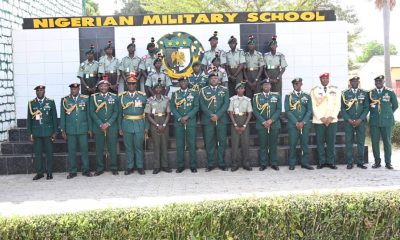

COAS Urges NMS Students to Uphold Discipline, Excellence, Promises Better Learning Environment
ShareBy David Torough, Abuja The Chief of Army Staff (COAS), Lieutenant General Waidi Shaibu, has charged students of the Nigerian...


Gov Adeleke Didn’t Join APC Because Osun People Already Hated the Party – Jackson Ojo
Share…Says Defectors to Ruling Party Will Regret By Mike Odiakose, Abuja A former chieftain of the All Progressives Congress (APC),...


COAS Charges 3,439 New Army Recruits on Loyalty, Discipline
ShareBy David Torough, Abuja The Chief of Army Staff (COAS), Lieutenant General Waidi Shaibu (NAM), has charged 3,439 newly trained...


CBN Revamps Agric Guarantee Scheme, Targets Smallholder Farmers
Share The Central Bank of Nigeria (CBN) has launched a major overhaul of the Agricultural Credit Guarantee Scheme Fund (ACGSF),...
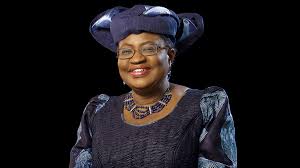

Okonjo-Iweala, Others Urge Youths to Drive Reforms, Strengthen Civic Action
ShareNational leaders have challenged youths to lead Nigeria’s renewal, warning that meaningful change now depends on young citizens organizing, demanding...
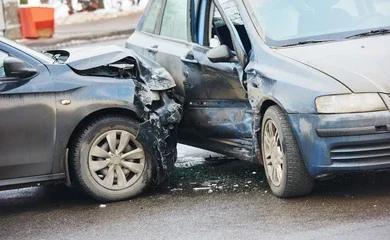

Eight Students Die, Three Injure in Jos Road Crash
ShareFrom Jude Dangwam, Jos The Vice Chancellor of the University of Jos, Prof. Ishaya Tanko has confirmed the sad death...


ShareUNICEF Hails Bayelsa as Champion of Primary Healthcare Devt in Nigeria From Mike Tayese, Yenagoa The United Nations Children’s Fund...

EFCC Seeks Stronger Alliance with CSOs, Media in Anti-corruption Fight
ShareThe Economic and Financial Crimes Commission (EFCC) has called for deeper collaboration with Civil Society Organisations (CSOs) and the media...

ShareMutfwang Pledges Support for Minister of Defence in Fight against Insecurity From Jude Dangwam, Jos Plateau State Governor, Caleb Mutfwang,...


FRSC Deploys New Sector Commander to Benue
ShareThe Federal Road Safety Corps (FRSC) on Thursday, announced the deployment of Corps Commander (CC) Kehinde Dahunsi as new commander...