
NEWS
PMS Daily Domestic Supply hits 74.2m Liters in December – NMDPRA


The Nigerian Midstream and Downstream Petroleum Regulatory Authority (NMDPRA) said the daily domestic supply of Premium Motor Spirit (PMS) rose to 74.2 million liters/day (ml/d) in December 2025.
This is relative to the 71.5 million litres/day supplied in November 2025.
The NMDPRA made this known in its Factsheet Report for December 2025 released on Thursday.
The report contains key statistics on the midstream and downstream petroleum operations in Nigeria.
It revealed that consumption of PMS, also known as fuel, increased to 63.7 million litres/day in December 2025, from the 52.9 million litres/day recorded in November 2025.
According to the report, Dangote Refinery showed strong capacity utilisation for the month of December, reaching a maximum of 71 per cent utilisation.
It said that the Dangote Refinery’s PMS domestic supply increased from 19.47ml/d in November 2025 to an average supply of 32.012ml/d in December 2025, with an initial plan of 50ml/d for December.
It said that Automotive Gas Oil (Diesel) domestic supply decreased to 17.9ml/d in December 2025 from the 20.4ml/d recorded in November 2025, while daily consumption increased to 16.4ml/d in December 2025, from the 15.4ml/d recorded in November 2025.
The report revealed that Liquefied Petroleum Gas (LPG) domestic supply also increased to 5.2mt/d in December 2025 from the 5.0mt/day recorded in November 2025.
The NMDPRA fact sheet however disclosed that the four national oil refineries recorded zero production within the period under review.
It said that there were no production activities in the Port Harcourt Refinery as the refinery remained on shut down mode.
“However, evacuation of prior AGO produced while the refinery was operational before May 24, 2025 averaged 0.247 million litres/day.”
Meanwhile, it said that the Warri and Kaduna Refineries remained on shut down.
On performance of Modular Refineries, the report said that the Waltersmith (Train 2) 5,000bpsd completed pre-commissioning in December, and hydrocarbons would be introduced by Jan. 2026.
According to the report, the refinery’s average capacity utilisation is at 63.24 per cent, while Average AGO supply is 0.051 million litres/day.
“Edo Refinery’s average capacity utilisation is 85.43 per cent, and average AGO supply is 0.052ml/d.
“ARADEL’s average capacity utilisation was 53.89%l per cent and average AGO supply was 0.289ml/d,” it said.
The report revealed that total AGO supply from the three modular refineries averaged 0.392ml/d, adding that other products from the modular refineries were Naphtha, HHK, fuel oil and MDO.
The report showed Daily Consumption Benchmarks for 2025 as – PMS, 50ml/d; Diesel 14ml/d; Aviation Fuel (ATK) 3ml/d and Cooking Gas, 3,900mt/d.
It showed Daily Consumption (truck out) of key Petroleum Products as – PMS, 63.7ml/d; Diesel, 16.4ml/d; Aviation Fuel (ATK), 2.7ml/d and Cooking Gas, 4,380 mt/day.

By Tony Obiechina, Abuja
Nigeria’s headline inflation rate rose to 15.15 per cent in December 2025, reflecting a moderation in price pressures compared with the previous month, the National Bureau of Statistics (NBS) has said.
The Statistician-General of the Federation and Chief Executive Officer of the NBS, Prince Adeyemi Adeniran, disclosed this on Thursday in Abuja while releasing the Consumer Price Index (CPI) report for December 2025.
According to the report, the CPI increased to 131.2 points in December 2025, representing a 0.7-point rise from November.
The figures are based on the newly rebased CPI, with 2024 adopted as the new base year and 2023 as the weight reference period, following the recent rebasing exercise.
On a month-on-month basis, headline inflation stood at 0.54 per cent in December, down from 1.22 per cent recorded in November 2025, indicating a slowdown in the pace of price increases. Food Prices Decline Month-on-Month Food inflation eased significantly during the month.On a year-on-year basis, food inflation stood at 10.84 per cent, while on a month-on-month basis it declined by 0.36 per cent, compared to an increase of 1.13 per cent in November. The NBS attributed the decline to falling average prices of staple food items such as tomatoes, garri, eggs, potatoes, carrots, millet, vegetables, plantain, beans, wheat grain, pepper and fresh onions. Core Inflation at 18.63%Core inflation, which excludes volatile agricultural produce and energy prices, stood at 18.63 per cent year-on-year in December 2025.
On a month-on-month basis, core inflation fell to 0.58 per cent from 1.28 per cent in November. Among the newly introduced indices, energy inflation rose sharply by 2.74 per cent, while farm produce declined by 0.41 per cent. Services and goods recorded moderate increases of 0.15 per cent and 0.64 per cent respectively.
Urban, Rural Inflation TrendsUrban inflation stood at 14.85 per cent year-on-year, with a month-on-month increase of 0.99 per cent, slightly higher than November’s 0.95 per cent. In contrast, rural inflation was recorded at 14.56 per cent year-on-year, while month-on-month inflation declined by 0.55 per cent, compared to a 1.88 per cent increase in November. States with Highest and Lowest Inflation At the state level, Abia (19.03%), Ogun (18.80%) and Katsina (18.66%) recorded the highest headline inflation rates on a year-on-year basis. Sokoto (8.61%), Plateau (9.05%) and Kaduna (10.38%) recorded the lowest.
On a month-on-month basis, inflation rose most sharply in Cross River (3.11%), Abia (2.63%) and Delta (2.53%), while Ondo (-3.74%), Gombe (-3.02%) and Jigawa (-1.96%) recorded declines. For food inflation, Yobe (15.25%), Ogun (14.12%) and Abuja (13.24%) recorded the highest year-on-year increases, while Akwa Ibom (4.34%), Sokoto (4.62%) and Plateau (6.19%) posted the slowest rise. Month-on-month food inflation was highest in Imo (3.19%), Nasarawa (3.16%) and Yobe (1.18%), while Plateau (-2.76%), Rivers (-2.50%) and Zamfara (-1.93%) recorded declines.
The NBS cautioned that state-level comparisons should be interpreted carefully, as CPI weights vary based on consumption patterns across states and locations.
 | ReplyReply allForwardAdd reaction |
From Attah Ede, Makurdi, Ene Asuquo, Calabar, Sylvia Udegbunam, Enugu, Francis Sadhere, Delta and Mike Tayese, Yenagoa
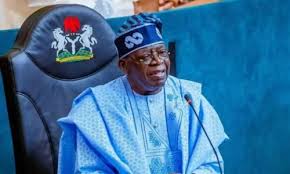
Nigeria on January 15 joined the global community to honour fallen heroes and celebrate serving personnel of the Armed Forces during the Armed Forces Celebration and Remembrance Day, with solemn ceremonies held across states, prayers offered for peace, and renewed calls for sustained support for military families.
Formerly known as the Armed Forces Remembrance Day, the event was renamed to also recognise serving officers whose gallant efforts continue to preserve the nation’s territorial integrity.
In Nigeria, the date is set aside annually to remember officers who laid down their lives during the First and Second World Wars, the Nigerian Civil War, peacekeeping missions and internal security operations, while also honouring veterans still alive.
Across states, activities began with special religious services, including Jumma’at prayers at central mosques and interdenominational Christian services in churches, followed by ceremonial parades, inspections of guards of honour, wreath-laying at cenotaphs, twenty-one gunshot salutes and the release of pigeons to symbolise peace.
At one of the ceremonies, Governor Alia said the occasion was a reminder of the values for which the fallen heroes served — unity, discipline, service and respect for human life. He commended the Nigerian Armed Forces for their sacrifices and urged greater support for the families left behind. Special prayers were offered by Christian and Muslim clerics, while the governor inspected the guard of honour and participated in the symbolic release of pigeons.
In Enugu State, Governor Peter Mbah described the remembrance as a moral obligation that must go beyond annual rituals. Laying wreaths at the cenotaph of the Unknown Soldier, Mbah said the pain of losing a soldier does not end on the battlefield but lives on in the homes and hearts of families.
“When a soldier falls, the loss enters homes and settles into families. Grief is carried for a lifetime by spouses, parents and children who grow up holding memories instead of hands,” he said, stressing that to remember the fallen is also to care for the living. He called for consistent and compassionate support for military families and urged Nigerians to embrace dialogue, restraint and shared responsibility as foundations for lasting peace.
The ceremony in Enugu was attended by the Deputy Governor, members of the State Executive Council, lawmakers, service commanders, traditional rulers, the Military Widows Association, the Officers’ Wives Association and other stakeholders. Highpoints included wreath-laying by senior military and security chiefs, representatives of widows, and the Speaker of the State House of Assembly, as well as a free medical outreach and refreshments for the public.
Speaking on behalf of military widows, Sarah Charles Ugwuabonyi, President of the Military Widows Association of Nigeria, Enugu State chapter, commended the state government for its welfare initiatives but appealed for jobs and skills acquisition programmes to further empower widows and their families.
In Bayelsa State, Governor Douye Diri described the Armed Forces as the bedrock of national security and called the celebration a renewed act of solidarity with heroes who sacrificed to protect and unify Nigeria. He thanked the President and military leadership for improving conditions of service and urged corporate organisations and individuals to support the armed forces through partnerships.
Diri reaffirmed his administration’s commitment to improving welfare, citing the recent completion of residential accommodation for the Nigerian Army’s 16 Brigade. He also proposed collaboration between the state and the armed forces in large-scale agriculture, following the model of Nigerian Army Farms and Ranches Limited, to boost food security and sustainable livelihoods. Wreaths were laid at the tomb of the Unknown Soldier by the governor, legislative and judicial heads, service commanders, traditional rulers and representatives of widows.
In Ogun State, Governor Dapo Abiodun reaffirmed his commitment to the welfare of families of fallen heroes during the 2026 Armed Forces Remembrance Day celebration at the Arcade Ground, Abeokuta. Represented by his deputy, Noimot Salako-Oyedele, Abiodun pledged continued support for veterans and families, noting that Nigeria’s unity and integration were products of their patriotism.
He described the event as a joint celebration of serving officers, fallen heroes and those maimed in the line of duty, urging Nigerians to show compassion and practical support to families who paid the ultimate price for peace and stability.
Dignitaries at ceremonies nationwide included governors and their deputies, speakers of state assemblies, chief judges, service chiefs, security heads, lawmakers, traditional rulers, veterans and widows of fallen heroes.
As wreaths were laid and prayers offered, speakers across states echoed a common message: that the sacrifices of Nigeria’s Armed Forces must never be forgotten, and that honouring the fallen must always be matched with care for the living, unity of purpose and a collective commitment to peace and security.
| ReplyReply allForwardAdd reaction |

No fewer than 5,000 intending Nigerian immigrants to the United States may be delayed following the new visa restrictions imposed on Nigeria and 74 other countries by President Donald Trump on Wednesday.
Data from the US consulate in Lagos show that 5,626 immigrant visas were issued in 2023, up from 4,219 in 2022—an increase of 1,407 visas within a year.
An analysis indicates that at least 5,000 immigrant visas granted to Nigerians annually could be affected by the latest measure, which seeks to restrict the entry of foreigners intending to live in the United States.
Additionally, a total of 70,621 Nigerians were issued U.S. immigrant and non-immigrant visas in 2024.
A breakdown reveals that 63,313 non-immigrant visas were issued to Nigerians, with Abuja accounting for 30,222, while 33,091 were issued in Lagos. Also, 7,308 persons obtained US immigrant visas during the period.
Confirming the development, a State Department spokesperson said, “The State Department is pausing immigrant visa processing for 75 countries.”
The pause will begin on January 21 and will continue indefinitely until the review is complete.
The policy forms part of a wider entry suspension affecting countries regarded by Washington as posing screening and vetting difficulties or producing migrants who rely excessively on public benefits.
The latest development comes barely a week after the Trump administration imposed a visa bond requirement of up to $15,000 on nationals from 38 countries, including Nigeria, effective January 21, 2026.
The policy targets countries with high visa overstay rates and security concerns.
The State Department in a post on X on Wednesday announced the pause of immigrant visa processing from 75 countries, which it claimed the migrants take welfare from the American people at unacceptable rates.
The post read, “The State Department will pause immigrant visa processing from 75 countries whose migrants take welfare from the American people at unacceptable rates. The freeze will remain active until the U.S. can ensure that new immigrants will not extract wealth from the American people.
‘’The pause impacts dozens of countries – including Somalia, Haiti, Iran, and Eritrea – whose immigrants often become public charges on the United States upon arrival. We are working to ensure the generosity
The affected countries include 27 African countries, 22 Asian countries, 8 European countries, 13 North American and Caribbean countries, three South American countries and one Oceania.
They are Algeria, Cameroon, Cape Verde, Cote d’Ivoire, Democratic Republic of the Congo, Egypt, Eritrea, Ethiopia, Gambia, Ghana, Guinea, Liberia, Libya, Morocco, Nigeria, Republic of Congo, Rwanda, Senegal, Sierra Leone, Somalia, South Sudan, Sudan, Tanzania, Togo, Tunisia, Uganda and Yemen.
Others are Afghanistan, Armenia, Azerbaijan, Bangladesh, Bhutan, Burma, Cambodia, Georgia, Iran, Iraq, Jordan, Kazakhstan, Kuwait, Kyrgyzstan, Laos, Lebanon, Mongolia, Nepal, Pakistan, Syria, Thailand and Uzbekistan.
Also on the list are Albania, Belarus, Bosnia, Kosovo, Macedonia, Moldova, Montenegro, Russia, Antigua and Barbuda, Bahamas, Barbados, Belize, Cuba, Dominica, Grenada, Guatemala, Haiti, Jamaica, Nicaragua, Saint Kitts and Nevis, Saint Lucia, Saint Vincent, Grenadines, Brazil, Colombia, Uruguay and Fiji.
State Department data show that global immigrant visa issuance climbed to 612,258 in 2024, up from 562,976 in 2023. Non-immigrant visa issuance also rose from 10,438,327 in 2023 to 10,969,936 in 2024.
The report further puts the global migrant visa issuance at 240,526 for the year 2020; 285,069 in 2021; 493,448 in 2022; 562,976 in 2023, and 612,258 in 2024.
Non-immigrant categories for 2020 were recorded as 4,013,210; 2, 792,083 for 2021; 6,815,120 in 2022; 10,438,327 in 2023, while 10,969,936 were recorded in 2024.
Meanwhile, in December, the US previously announced a partial visa ban on Nigeria alongside other countries.
In relation to Nigeria, the US policy cited persistent security challenges and overstays on temporary visas.
Referencing radical extremist activity in parts of the country, the proclamation stated that such conditions “create substantial screening and vetting difficulties. “It also referenced overstay rates contained in US government reports.
Consequently, the proclamation ordered that “the entry into the United States of nationals of Nigeria as immigrants, and as non-immigrants on B-1, B-2, B-1/B-2, F, M, and J visas, is hereby suspended.”
It further directed consular officers to reduce the validity period for any other non-immigrant visas issued to Nigerian nationals.
The State Department stressed that visas already issued before the effective date of the proclamation would not be revoked under the new policy.
However, Nigerians outside the United States without valid visas at the time of implementation would be directly affected by the entry suspension.
Reacting to the restriction, former Nigerian Ambassador to Mexico, Ogbole Amedu-Ode, described the sweeping ban as a contradiction of America’s long-standing advocacy for the free movement of people and ideas.
He criticised the scale of the measure, stating that it is unbecoming to ban 75 countries’ citizens from travelling to the United States.
According to him, “Migration and immigration are as old as the human race, and for the US under Donald Trump to begin to rev up the anti-migration, anti-immigration policies which we are witnessing now is not helping to solve matters as far as human-to-human contacts are concerned.”
Ex-Ambassador Godknows Igali acknowledged Washington’s sovereign right to set its immigration policies, but urged the US to weigh the implications for bilateral relations.
He emphasised Nigerians’ positive contributions to US society, noting, “Nigerians have given a good account of themselves in the US, very disciplined, very hardworking. Almost all Nigerians are doing very well in the US. So, they are not a liability to the system.”
He urged sustained diplomacy, saying, “We advise the Nigerian Ministry of Foreign Affairs to sustain discussion with them so that Nigeria can be removed from that list.”
Foreign affairs analyst Charles Onunaiju said the latest restriction reflects a deeper shift in US domestic politics and global posture.
“If you look at the United States and see what’s going on there with the so-called ICE picking up people in the streets, you could see chaos in US cities with these issues about immigration. So, it is not a surprise the extent to which the United States could go,” he said.
Onunaiju warned that the present period “is not a normal time” in US foreign relations, observing that even close allies have been affected
“Recently, the United States imposed a visa ban on key European officials. So, I think the worst has not happened yet. There could be more tightening. People should anticipate that. Trump campaigned and won on the basis of extremist anti-immigration posturing, and he is leveraging that.”
He added that Nigerians should “prepare for the worst”, stressing that the US President had recently stated that he did not recognise international law and was guided only by his “private morality.”
“We have to acknowledge that this is not a normal time and anything is possible between the United States and the rest of the world.”
Ex-ambassador Rasheed Akinkoulie observed that the sweeping ban did not apply to Nigerians applying for visas, arguing that the conditions are simply more stringent, citing the $15,000 visa bond.
‘’Government officials and diplomats who have to travel to the USA are still granted visas without any problem.”


PMS Daily Domestic Supply hits 74.2m Liters in December – NMDPRA
ShareThe Nigerian Midstream and Downstream Petroleum Regulatory Authority (NMDPRA) said the daily domestic supply of Premium Motor Spirit (PMS) rose...

Inflation Drops to 15.15 Per Cent in December – NBS
ShareBy Tony Obiechina, Abuja Nigeria’s headline inflation rate rose to 15.15 per cent in December 2025, reflecting a moderation in...

Armed Forces Day 2026: Tinubu, Shettima, Akpabio, Others Honor Fallen Heroes
ShareFrom Attah Ede, Makurdi, Ene Asuquo, Calabar, Sylvia Udegbunam, Enugu, Francis Sadhere, Delta and Mike Tayese, Yenagoa Nigeria on January...


US Visa Shockwave: Trump Order May Delay Five Thousand Intending Nigerian Immigrants
ShareNo fewer than 5,000 intending Nigerian immigrants to the United States may be delayed following the new visa restrictions imposed...

AFCON 2025: Nigeria Remains Proud of You, FG Tells Super Eagles
ShareThe Federal Government has commended the Super Eagles for their performance at the 2025 Africa Cup of Nations, assuring the...

Yusuf does not Need Kwankwaso’s Endorsement to Join APC – NNPP
ShareThe New Nigeria Peoples Party (NNPP) said Gov. Abba Yusuf of Kano does not need Sen. Rabiu Kwankwaso’s endorsement to...


2027: ADC Ready to Take over Zamfara — Official
ShareKabiru Garba, Zamfara Chairman of the African Democratic Congress (ADC) says the party is ready to take over Zamfara from...


Bandits Release 24 Kogi Worshippers after Ransom Talks
ShareFrom Joseph Amedu, Lokoja No fewer than 24 parishioners abducted from a branch of Ecclesiastical Church Winning All(ECWA) Church at...


FG, ASUU Reach Truce after 17 Years of Strikes
ShareBy Tony Obiechina, Abuja The Federal Government and the Academic Staff Union of Universities (ASUU) have signed a landmark agreement...


WAFCON 2026: Super Falcons to Know Group Foes Today
ShareHolders Nigeria’s Super Falcons will discover their group opponents at the 2026 Women’s Africa Cup of Nations on Thursday. The...