
NEWS
Sen Nwoko Holds Strategic Discussion with African Presidents on Devt, Unity

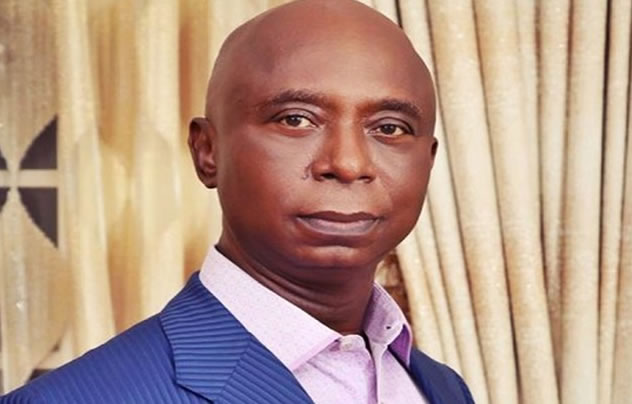
From Abel Zwànke, Lafia
Senator Ned Nwoko, representing Delta North Senatorial District has lent credence to President Adama Barrow of the Gambia for his leadership and visionary proposal for advocating the adoption of a common African currency.
The significant and strategic discussion meeting according to Michael Ogar Gabriel, Media Consultant to Senator Ned Nwoko in a statement, aligns with Senator Nwoko’s legislative efforts, including his bill on the prohibition of foreign currencies for domestic transactions in Nigeria.
President Barrow’s detailed presentation was centered on the economic and regional benefits of a unified African currency, including enhanced trade, reduced dependence on foreign financial systems, and improved economic stability across the continent.
The meeting which senator Nwoko considered as coming at a critical time when African nations are exploring innovative solutions to boost cooperation and unlock the continent’s economic potential also deliberated on the active involvement of other African leaders in the these conversations that is reflecting on the unwavering dedication to shaping a prosperous and united Africa
Speaking further on the alignment between President Barrow’s proposal and Senator Nwoko legislative work, Senator Nwoko hailed the initiative which he saw as a forward-thinking strategy to achieve deeper African integration and foster economic resilience.
“This aligns perfectly with my ongoing efforts to prohibit the use of foreign currencies for domestic transactions in Nigeria. A common African currency would not only strengthen intra-African trade but also promote economic self-reliance and unity across the continent.”
Senator Nwoko reaffirmed his commitment to supporting initiatives that drive economic integration and shared prosperity in Africa. He expressed optimism that such collaborative engagements would accelerate the implementation of policies to foster economic growth, reduce poverty, and enhance regional stability.
It also featured key figures, including the Gambia’s Minister of Foreign Affairs, the Minister in the Office of the President, signifying the high-level commitment to advancing African unity and development.
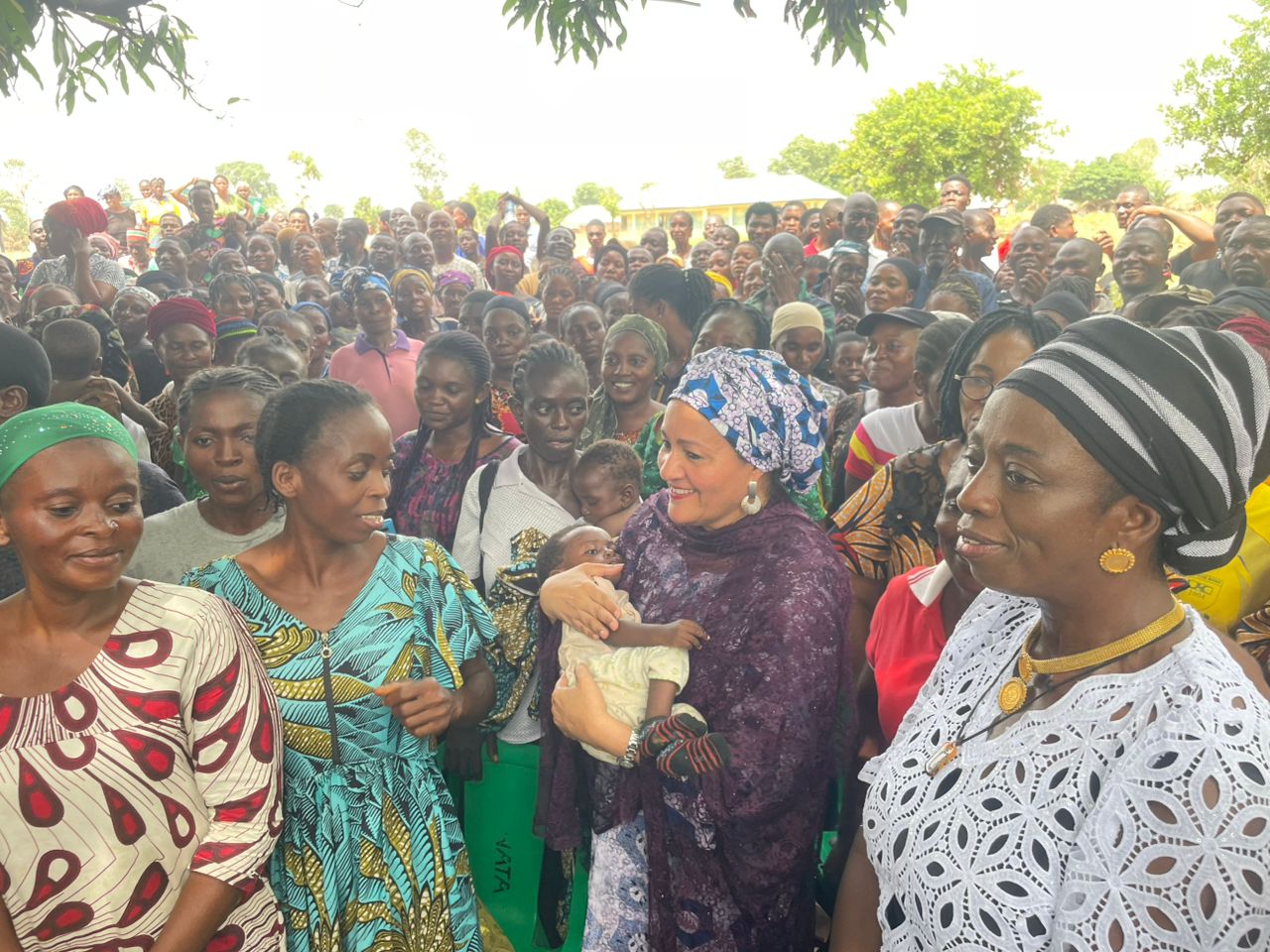
From Attah Ede Makurdi
United Nations Deputy Secretary-General Dr. Amina Mohammed, on Friday condemned the incessant conflicts killings in Nigeria, particularly in Benue State, saying that it continue to cause wider pressures felt in very immediate ways, shaping the context in which communities are pursuing peace, recovery and resilience, progress, priorities and potentials.
Dr Mohammed made the remarks when she visited Yelewata and Mega camp Internally Displaced Persons(IDPs) in Mbayongo in Guma LGA of the State.
She particularly expressed condolences to the families of those killed in the recent attacks in Benue State, including in Mbalom, in Gwer East Local Government Area, and in Yelwata, and expressed solidarity with all affected communities, including those newly
displaced.
She lamented that at the moment, there is profound global uncertainty, as conflict, climate shocks, economic pressures and displacement are
converging and placing growing strain on communities around the world.
She noted that the war in Iran is a stark reminder of how quickly conflict can escalate, with consequences that reverberate far beyond any one country or region, stating thay UN welcomes the ceasefire as an important step towards deescalation and diplomacy.
According to her, across the region, these intersecting pressures
are testing resilience, deepening vulnerabilities and reinforcing the importance of inclusive development, strong institutions and social
cohesion.
The former Nigeria Minister for Environment observed that in spite of these challenging times, the direction, Benue State Government is setting deserves recognition, noting that the state 2026 Budget of Rural Development,
Livelihood Support and Sustained Growth sends an important signal of commitment to improving lives, expanding opportunity and anchoring development where it matters most.
Said she, “the human toll of insecurity is profound. Itdisrupts lives, weakens livelihoods, erodes trust and undermines the foundations for peace and development.
“What is required is not only a security
response, but a broader commitment to
peacebuilding that starts at the grassroots—strengthening early warning and early response, rebuilding trust across communities, and creating the conditions for reconciliation to take root”.
Dr. Amina stressed that Benue holds enormous potential as Nigeria’s
food basket, which plays a critical role
not only in feeding the country, but in
generating livelihoods, enterprise and broader prosperity.
The UN Deputy Secretary-General acknowledged the efforts being made to pursue durable solutions for displaced families—including through access to agricultural land and opportunities for self-reliance—reflect the kind of joined-up leadership this moment demands.
“This is how the Sustainable Development Goals, SDG are advanced in practice through integrated action that connects humanitarian response to long-term development, restores agency, reduces dependency and leaves no one behind.
“With sustained leadership, stronger partnerships and continued investment in livelihoods and value chains, Benue is well placed to translate its assets into more inclusive and resilient growth.
“The United Nations stands ready to support these efforts in ways that are practical, coordinated and aligned behind State priorities.Insecurity, reconciliation and peacebuilding.
“Justice and accountability are also essential.Without them, peace remains fragile and reconciliation incomplete.
We must also be mindful of the risks that come when complex crises are reduced to narrow or simplified narratives.
“Oversimplified narratives can inflame tensions, strain the social fabric and make the work of peacebuilding and reconciliation even harder.
“This is why responsible leadership, careful language and a commitment to dialogue and social cohesion are so important at this moment.
“Benue’s launch of the BRACE-UP initiative is an important step in bringing unenrolled children into school and protecting every child’s right to education. In communities affected by conflict and displacement, this imperative becomes even greater.
“Children who have already experienced
disruption and loss must not be left further behind, and continued support will be essential to ensure their safe integration into host schools and their access to learning materials and opportunity, She emphasized.
Speaking on the significance of the visit the United Nations Children’s Fund, UNICEF, Representative in Nigeria, Wafaa Saeed Abdelatef, said, “it is about the partnership between the United Nations team led by the Deputy Secretary General and the state government bringing hope, sustainable development to bring change. So we affirm our commitment to support to the state. And we really acknowledge the leadership of the Governor of the state”.
In his remark, Benue State Governor, Rev Fr Hyacinth Alia, noted that as the food basket of the nation, the state stability is directly linked to the stability of Nigeria’s food systems and, indeed, West Africa’s broader supply chains.
According to him, Benue people also at the frontline of complex challenges; farmer–herder conflicts, climate-induced vulnerabilities, and the realities of over 500,000 internally displaced persons across our communities”.
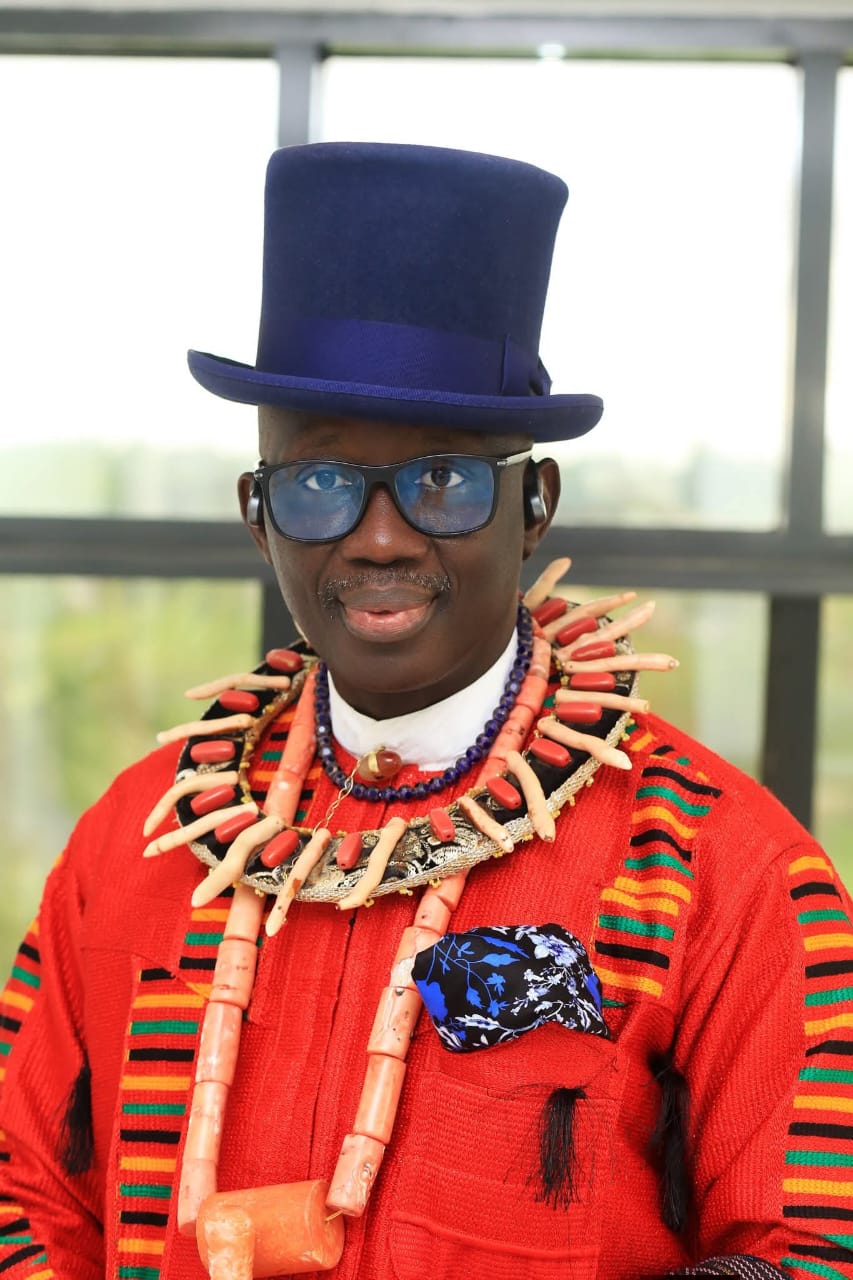
- From Seyi Tayese, Yenagoa
The National Conference of Ijaw Traditional Rulers and Elders (N-CITRE-INC) has suspended the Ijaw National Congress (INC) elections till further notice.
The N-CITRE, after its meeting in Yenagoa deliberated extensively on all issues that led to the impasse in the INC elections, including petitions received.
The group, therefore, unanimously agreed to suspend the conduct of the INC elections and directed the electoral committee to stop all forms of electoral duties.
N-CITRE, which is empowered by the INC constitution to resolve all disputes, has also set up a seven-man Dispute Resolution Committee (DRC) to investigate all petitions.
The resolutions read in part ‘’ That the elections into the National Executive Council of the Ijaw National Congress (NE-INC), which were rescheduled for Monday, 13th April, 2026, by the National Electoral Committee, Ijaw National Congress(N-ELECO-INC), have been temporarily suspended until N-CITRE directs further after all pending disputes have been settled. N-CITRE-INC, as the appointing authority for N-ELECO-INC, also holds the constitutional power to resolve all disputes within the Congress
‘’ Consequently, N-ELECO-INC has been directed to stop performing any electoral functions until otherwise subsequently directed by N-CITRE.’’
The N-CITRE has directed the DRC to resolve the lingering dispute and probe all petitions, including the petitions against the n-ELECO- INC.
The DRC is headed by HRM, King Bubaraye Dakolo Agada IV, Ibenanaowei of Ekpetiama Kingdom, Chairman of Bayelsa Traditional Rulers Council, and Chairman of N-CITRE.
Other members are HRM, King Dr. Brig-Gen Bright Ateke Fiboinumama (Rtd), Chief Dr. Silas Eneyo (representing Eastern Zone), Dr. Loveth Ige (representing Central Zone), HRM, Pere Luke Kalanama III, HRM, Dr. Ekiomi Oweigbe John (Gbisa I) representing Western Zone, and Zonal Chairman of N-CITRE.
N-CITRE, which reminded all stakeholders of the principle of honesty that guides the Ijaws, therefore appealed for cooperation to achieve peace.
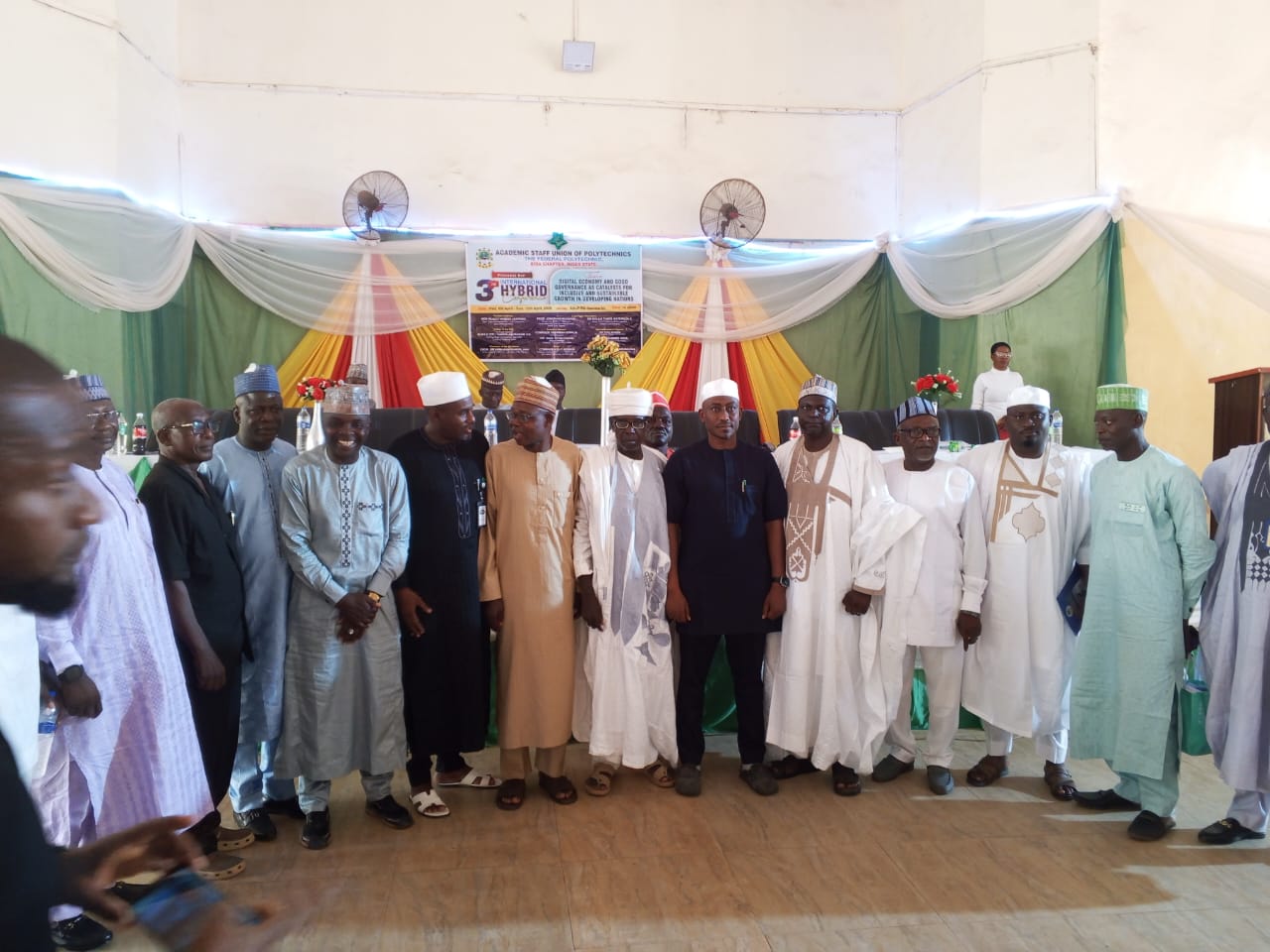
By David Torough, Abuja
Stakeholders at the 2026 Academic Staff Union of Polytechnics (ASUP) International Conference in Bida have called for urgent adoption of digital economy strategies and strengthened governance systems as critical tools for achieving inclusive and sustainable growth in developing nations.
Delivering the lead paper at the conference held at the Federal Polytechnic Bida, Professor Jonathan Atsua Ikughur emphasized that while technological advancement has transformed global systems, many developing countries, including Nigeria, have yet to fully harness its benefits due to weak institutions and inconsistent policy implementation.
He contrasted the inefficiencies of the past—marked by long banking queues, unreliable communication systems, and risky cash transactions with the current opportunities offered by digital innovation, noting that such advancements can significantly reduce economic and social costs.
Ikughur stressed that development must be viewed beyond mere economic growth, encompassing equitable resource distribution, improved living standards, and social well-being.
He warned that without deliberate planning and strong governance, many nations risk remaining trapped in poverty, inequality, and economic stagnation.
Painting a sobering picture of Nigeria’s development challenges, he cited high poverty and unemployment rates, weak institutional capacity, corruption, and overreliance on borrowing as major constraints to growth despite the country’s abundant natural resources.
The professor identified poor infrastructure, weak judicial systems, lack of transparency, and low investment in human capital as common features of many developing economies.
He urged policymakers to adopt data-driven strategies that integrate digital innovation with governance reforms to drive long-term prosperity.
Complementing this perspective, a research paper presented by Dr. Bolaji Tunde Matemilola highlighted the growing impact of digital financial inclusion on firms in emerging economies.
The study, which examined 475 firms across 15 countries, found that digital financial inclusion significantly boosts firms’ access to credit and drives business growth by reducing borrowing costs and information gaps.
However, the study also raised concerns about rising corporate debt levels, noting that while increased access to finance supports expansion, it may pose sustainability risks if not properly managed.
In his keynote address, Niger State Commissioner for Local Government and Chieftaincy Affairs, Hon. Muazu Hamidu Jantabo, described the digital economy as both a policy imperative and a generational opportunity for Africa.
He noted that digital transformation, when supported by strong governance, can reduce transaction costs, enhance transparency, and expand economic participation.
Jantabo highlighted ongoing reforms in Niger State, including investments in broadband infrastructure, digital literacy programmes, and e-governance systems aimed at improving service delivery and accountability.
He stressed that digitalization must be inclusive, warning that uneven access—particularly in rural areas—could deepen existing inequalities.
He further underscored the role of local governments as critical drivers of grassroots digital transformation, noting ongoing efforts to digitize administrative processes, improve revenue systems, and strengthen community engagement.
Earlier in his welcome address, ASUP Bida Chapter Chairman, Comrade Kolo Joshua, described the conference theme as timely, noting that the combination of digital economy and good governance remains essential for sustainable development in developing nations.
Across presentations, speakers converged on a common message: that digital transformation alone is insufficient without strong institutions, transparency, and accountability.
They called for coordinated efforts among governments, academia, and the private sector to align innovation with inclusive policies.
“The task before us is not just to embrace change,” Ikughur noted, “but to deliberately harness it for the collective good.”

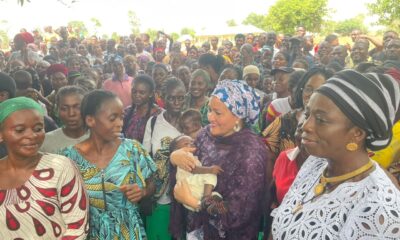

UN Secretary General Visits Benue Condemns Incessant Attacks On Communities, Killings.
ShareFrom Attah Ede Makurdi United Nations Deputy Secretary-General Dr. Amina Mohammed, on Friday condemned the incessant conflicts killings in Nigeria,...


President Tinubu commissions 60 megawatts gas turbine, other projects in bayelsa
ShareFrom Mike Tayese, Yenagoa The much awaited 60 megawatts Gas Turbine embarked upon by the administration of Governor Douye Diri...
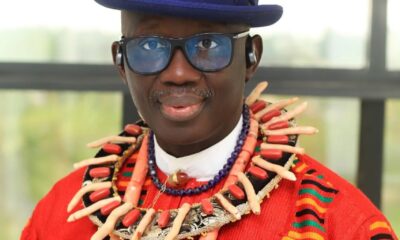

Ijaw Traditional Rulers, elders suspend INC elections
Share The National Conference of Ijaw Traditional Rulers and Elders (N-CITRE-INC) has suspended the Ijaw National Congress (INC) elections till...
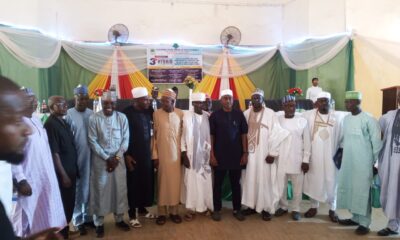

Experts Advocate Digital Economy, Governance Reforms as Pathway to Inclusive Growth
ShareBy David Torough, Abuja Stakeholders at the 2026 Academic Staff Union of Polytechnics (ASUP) International Conference in Bida have called...

Digital Economy, Good Governance Key to Unlocking Inclusive Growth in Developing Nations — Expert
ShareBy David Torough, Abuja At the 2026 Academic Staff Union of Polytechnics (ASUP) National Conference held at the Federal Polytechnic...
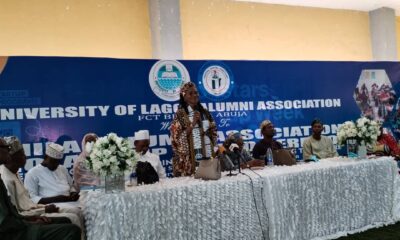

UNILAG Alumni awards scholarship to 28 indigent students
ShareBy Laide Akinboade, Abuja The University of Lagos Alumni Association, Federal Capital Territory (FCT), chapter on Thursday, awarded scholarship to...


JAMB Releases 2026 UTME Examination Slips for Candidates
ShareThe Joint Admissions and Matriculation Board (JAMB) has announced that candidates who registered for the 2026 Unified Tertiary Matriculation Examination (UTME) can now print...
Lobi Stars Target Promotion to NPFL in 2026/2027 Season
ShareThe Chairman of Lobi Stars Football Club of Makurdi, Simon Ikya, said the club’s sole target is to gain promotion...


Gambia Appoints British Barrister to Prosecute Gruesome Jammeh-era Crimes
ShareBritish barrister Martin Hackett has been appointed as The Gambia’s first special prosecutor to try those responsible for human rights abuses carried out...


Court Frees Terror Victim, Jails another 10 Years
ShareJustice Peter Lifu of the Federal High Court, Abuja, on Thursday, sentenced a Boko Haram victim, Ali Kolo, to nine years’ imprisonment...