
Metro
Tinubu Seeks Collective Action on Regional Cooperation in Africa

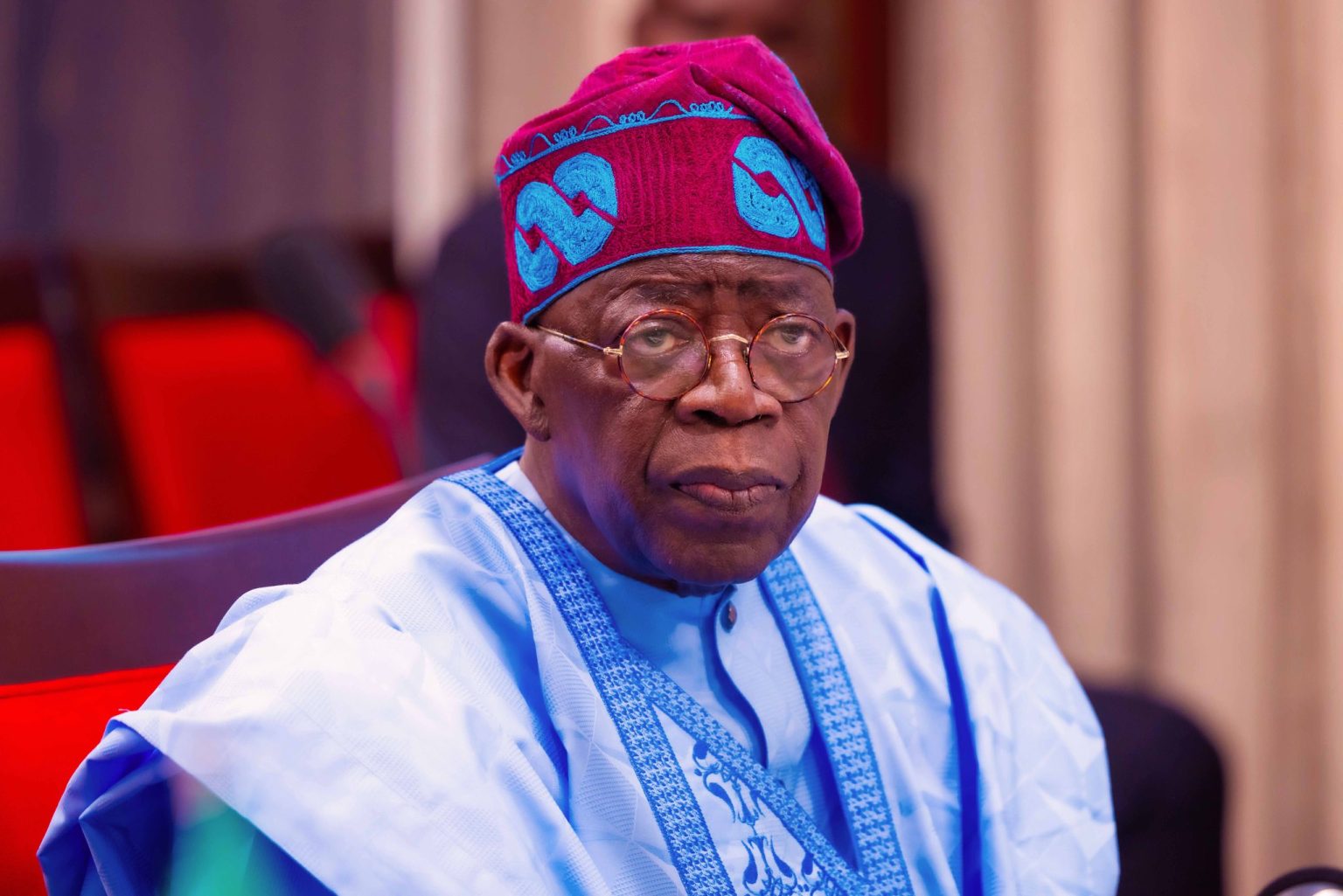
President Bola Tinubu on Monday in Abuja called for collective action and regional cooperation among African countries in actualizing transformative development on the continent.
Tinubu, represented by Vice-President Kashim Shettima, made the call while declaring open the Fourth Annual Meeting of Africa Sovereign Investors Forum (ASIF), hosted by Nigeria Sovereign Investment Authority (NSIA).
He said that shrewd utilisation of sovereign wealth funds was crucial in the ongoing efforts to close the infrastructure gap, build climate change resilience and create job opportunities for the growing youth population on the continent.
The president said that the forum’s meeting, with the theme: “Leveraging African Sovereign Wealth Funds to Mobilise Global Capital for Transformative Development in Africa,” was timely.
According to him, the meeting is holding at a time the world is witnessing rapid transformation and is under pressure to think outside the box.
Tinubu said that it was time to position the continent to seize the opportunities rooted in the wave of global change.
He urged African nations to take a cue from evolving sovereign wealth funds across the world, which had moved beyond serving as mere fiscal buffers to becoming architects of national transformation.
“Our future lies not in working in silos but in pursuing regional cooperation and collective ambition.
“Our sovereign wealth funds must become the anchors for pan-African investment platforms that de-risk projects, standardise processes and deliver sustainable outcomes at scale. This is not just a strategy. This is a necessity,” he stated.
The president acknowledged the fact that Africa is currently facing a development dilemma, as it contends with limited fiscal space, amid growing expectations and demands for long-term capital to fuel inclusive and sustainable growth.
He, however, identified creativity as a solution to the puzzle.
“There can be no greater inspiration to re-imagine how we invest in setting up critical infrastructure, strengthening our climate resilience, promoting food security through agricultural innovation, supporting micro, small and medium enterprises or embracing digital economy to create jobs and expand opportunity.
“None of these is possible without catalytic institutions that combine strategic foresight with sound financial discipline.
“This is why the Nigeria Sovereign Investment Authority stands not only as a steward of our sovereign capital but as a vehicle for the delivery of strategic infrastructure.
“It is a catalyst in our national quest to redeem renewable energy, healthcare, agriculture and much more. It is also a hub for pioneering innovative capital mobilisation solutions tailored to the realities of our continent,” he said.
Tinubu noted that ASIF had the pan-African apparatus to harness the collective strength of the continent’s sovereign investment institutions, just as he maintained that the time to act was now.
“We must act and act now to close the infrastructure gap, build resilience to climate change and create jobs for our expanding youth population.
“This is precisely why platforms like the Africa Sovereign Investors Forum are not just relevant but essential.
“ASIF offers a pan-African mechanism to harness the collective strength of our sovereign investment institutions.
“It gives us the power to share knowledge, co-invest across borders and speak with a unified voice in the global financial ecosystem.
“Through this kind of collaboration, we will attract the scale of capital required to unlock Africa’s latent potential,” he stated.
The Managing Director of NSIA, Mr Aminu Umar-Sadiq, said that the meeting would focus on how African sovereign wealth funds could achieve three things through effective domestic, continental and global partnerships.
The first one, Umar-Sadiq said, was how Africa could offer the right balance between the risk-takers and the conservative investors managing wealth for future generations in Africa.
“Secondly, how we can collectively co-create a sustainable investment vehicle that can mobilise global capital at scale to channel towards propositions that offer as much emphasis on commercial returns.
“Thirdly, how we can position ourselves as the preferred financial and strategic partners of choice, with the right blend of domestic influence and capital for global investors seeking market exposure in our respective sovereigns,” he said.
The managing director said it was ASIF’s hope that the forum would serve as the catalyst to turn the ‘perfect blend of expertise’ into actionable, transformative outcomes.
Minister of Finance and Coordinating Minister of the Economy, Mr Wale Edun, listed priorities for the stakeholders at the forum.
Edun said that the priorities included: capital mobilisation at scale, regional and intercontinental collaboration, human capital and policy alignment, saying that they were critical for transformative development across the continent.
He said that the ASIF meeting would birth significant transactions that could mobilise the required resources, drive economic transformation across Africa, forge impactful partnerships and build a sustainable future.
President of AfreximBank, Prof. Benedict Oramah, emphasised the need for stakeholders to keep African sovereign wealth funds on the continent by investing in domestic markets.
Oramah noted that the forum could help reshape Africa’s development financing in a manner that would give the continent greater opportunity to determine its developmental trajectory.
Also speaking, Chairman of African Sovereign Investors Forum (ASIF), Mr Obaid Amrane, expressed the forum’s commitment to facilitating the participation of sovereign investors in Africa’s transformation.
He said that in just three years, ASIF had made significant strides in enhancing Africa’s global positioning and closing the infrastructure funding gaps across the continent.
A Pan-African activist, Prof. P.L.O. Lumumba, called on leaders across Africa to leverage huge resources domiciled in the continent to invest in the future of the unborn generations.
According to him, it is an intergenerational duty for political and economic leaders on the continent to cater for unborn generations.
Lumumba noted that Africa’s resources were inexhaustible and that leaders must invest in the future of the generations to come. (NAN)
President Bola Tinubu on Monday in Abuja called for collective action and regional cooperation among African countries in actualising transformative development on the continent.
Tinubu, represented by Vice-President Kashim Shettima, made the call while declaring open the Fourth Annual Meeting of Africa Sovereign Investors Forum (ASIF), hosted by Nigeria Sovereign Investment Authority (NSIA).
He said that shrewd utilisation of sovereign wealth funds was crucial in the ongoing efforts to close the infrastructure gap, build climate change resilience and create job opportunities for the growing youth population on the continent.
The president said that the forum’s meeting, with the theme: “Leveraging African Sovereign Wealth Funds to Mobilise Global Capital for Transformative Development in Africa,” was timely.
According to him, the meeting is holding at a time the world is witnessing rapid transformation and is under pressure to think outside the box.
Tinubu said that it was time to position the continent to seize the opportunities rooted in the wave of global change.
He urged African nations to take a cue from evolving sovereign wealth funds across the world, which had moved beyond serving as mere fiscal buffers to becoming architects of national transformation.
“Our future lies not in working in silos but in pursuing regional cooperation and collective ambition.
“Our sovereign wealth funds must become the anchors for pan-African investment platforms that de-risk projects, standardise processes and deliver sustainable outcomes at scale. This is not just a strategy. This is a necessity,” he stated.
The president acknowledged the fact that Africa is currently facing a development dilemma, as it contends with limited fiscal space, amid growing expectations and demands for long-term capital to fuel inclusive and sustainable growth.
He, however, identified creativity as a solution to the puzzle.
“There can be no greater inspiration to re-imagine how we invest in setting up critical infrastructure, strengthening our climate resilience, promoting food security through agricultural innovation, supporting micro, small and medium enterprises or embracing digital economy to create jobs and expand opportunity.
“None of these is possible without catalytic institutions that combine strategic foresight with sound financial discipline.
“This is why the Nigeria Sovereign Investment Authority stands not only as a steward of our sovereign capital but as a vehicle for the delivery of strategic infrastructure.
“It is a catalyst in our national quest to redeem renewable energy, healthcare, agriculture and much more. It is also a hub for pioneering innovative capital mobilisation solutions tailored to the realities of our continent,” he said.
Tinubu noted that ASIF had the pan-African apparatus to harness the collective strength of the continent’s sovereign investment institutions, just as he maintained that the time to act was now.
“We must act and act now to close the infrastructure gap, build resilience to climate change and create jobs for our expanding youth population.
“This is precisely why platforms like the Africa Sovereign Investors Forum are not just relevant but essential.
“ASIF offers a pan-African mechanism to harness the collective strength of our sovereign investment institutions.
“It gives us the power to share knowledge, co-invest across borders and speak with a unified voice in the global financial ecosystem.
“Through this kind of collaboration, we will attract the scale of capital required to unlock Africa’s latent potential,” he stated.
The Managing Director of NSIA, Mr Aminu Umar-Sadiq, said that the meeting would focus on how African sovereign wealth funds could achieve three things through effective domestic, continental and global partnerships.
The first one, Umar-Sadiq said, was how Africa could offer the right balance between the risk-takers and the conservative investors managing wealth for future generations in Africa.
“Secondly, how we can collectively co-create a sustainable investment vehicle that can mobilise global capital at scale to channel towards propositions that offer as much emphasis on commercial returns.
“Thirdly, how we can position ourselves as the preferred financial and strategic partners of choice, with the right blend of domestic influence and capital for global investors seeking market exposure in our respective sovereigns,” he said.
The managing director said it was ASIF’s hope that the forum would serve as the catalyst to turn the ‘perfect blend of expertise’ into actionable, transformative outcomes.
Minister of Finance and Coordinating Minister of the Economy, Mr Wale Edun, listed priorities for the stakeholders at the forum.
Edun said that the priorities included: capital mobilisation at scale, regional and intercontinental collaboration, human capital and policy alignment, saying that they were critical for transformative development across the continent.
He said that the ASIF meeting would birth significant transactions that could mobilise the required resources, drive economic transformation across Africa, forge impactful partnerships and build a sustainable future.
President of AfreximBank, Prof. Benedict Oramah, emphasised the need for stakeholders to keep African sovereign wealth funds on the continent by investing in domestic markets.
Oramah noted that the forum could help reshape Africa’s development financing in a manner that would give the continent greater opportunity to determine its developmental trajectory.
Also speaking, Chairman of African Sovereign Investors Forum (ASIF), Mr Obaid Amrane, expressed the forum’s commitment to facilitating the participation of sovereign investors in Africa’s transformation.
He said that in just three years, ASIF had made significant strides in enhancing Africa’s global positioning and closing the infrastructure funding gaps across the continent.
A Pan-African activist, Prof. P.L.O. Lumumba, called on leaders across Africa to leverage huge resources domiciled in the continent to invest in the future of the unborn generations.
According to him, it is an intergenerational duty for political and economic leaders on the continent to cater for unborn generations.
Lumumba noted that Africa’s resources were inexhaustible and that leaders must invest in the future of the generations to come. (NAN)

A study has linked Sexual Violence Against Children (SVAC) to 290,000 deaths worldwide, predominantly from suicide, HIV/AIDS, and type 2 diabetes in 2023.
It also linked Intimate Partner Violence (IPV) to 145,000 deaths, mostly from homicide, suicide and HIV/AIDS in 2023.
The study, published on Wednesday on the website of The Lancet was titled ‘Disease burden attributable to IPV against females and SVAC,1990 to 2023: a systematic analysis for the Global Burden of Disease Study 2023.
Funded by the Gates Foundation, it was carried out by researchers at the Institute for Health Metrics and Evaluation (IHME) at the University Of Washington School Of Medicine.
It estimated the prevalence and burden of IPV and SVAC in 204 countries, assessing data by age and sex and identified 14 health consequences linked to SVAC and eight to IPV.
It stated that IPV and SVAC were major contributors to the global health burden, affecting a wide range of individual health outcomes, with mental health disorders accounting for the largest share of disease burden among survivors.
Globally, the study revealed that among women aged 15 to 49, IPV and SVAC were among the leading causes of premature death and disability.
It said that IPV and SVAC ranked fourth and fifth, respectively, for all health risks for premature death and disability, and among men, SVAC ranked 11th.
The study linked SVAC to 14 health conditions, including suicide, substance use disorders, and diabetes and linked IPV to eight negative health outcomes, including mental health conditions, physical injuries, and HIV.
It said among SVAC’s 14 negative health outcomes, mental health disorders, especially anxiety among women and schizophrenia among men, contributed most to lost healthy years.
This is alongside self-harm, while substance use disorders were also significant, especially among males in high-income locations.
The study estimated that in 2023, 608 million females aged 15 and older had ever been exposed to IPV, while one billion individuals aged 15 and older had experienced sexual violence during childhood.
It added that these exposures together contributed to more than 50 million Disability-Adjusted Life Years (DALYs) globally, 32.2 million from SVAC and 18.5 million from IPV.
DALYs represent the total years of healthy life lost due to both premature mortality and years lived with disability.
It estimated that nearly 30,000 women were killed by their partners in 2023 alone, indicating an urgent need for enhanced protection for at-risk individuals.
The report revealed that countries with the highest age-standardised prevalence of IPV were primarily located within the Sub-Saharan Africa and the Southeast Asia, East Asia, and Oceania super-regions.
In Nigeria, the study revealed that deaths among women linked to IPV rose from 1,940 in 1990 to 7,410 in 2023, while deaths linked to SVAC increased from 1,010 to 4,800.
For males, deaths linked to SVAC rose from 1,490 in 1990 to 4,960 in 2023.
The report urged global and national leaders to treat IPV and SVAC as urgent public health priorities, backed by sustained funding and survivor-focused interventions.
It also emphasised that targeted interventions should be designed and implemented to address variations in exposure, while ensuring universal access for all survivors.
According to the report, the findings also reveal a rarely discussed link between SVAC and chronic diseases such as diabetes and asthma.
“Emerging evidence suggests that exposure to violence during childhood might contribute to the development of these conditions through mechanisms including chronic stress and inflammation, pathways known to influence metabolic and immune function,” it stated.

The Court of Appeal in Abuja, on Thursday, affirmed a judgment barring the Directorate of Road Traffic Services and Vehicle Inspection Officers from stopping motorists, confiscating vehicles, or imposing fines on road users.
In a unanimous decision, a three-member panel held that there was no basis to overturn the Federal High Court’s ruling of October 16, 2024, which prohibited VIO officials from harassing motorists.
The appeal filed by the VIO was dismissed for lacking merit in the lead judgment delivered by Justice Oyejoju Oyewumi.
Justice Nkeonye Maha of the Federal High Court had earlier ruled that no law empowered VIO officials to stop, impound, confiscate, seize, or impose fines on motorists.
The ruling followed a fundamental rights suit marked FHC/ABJ/CS/1695/2023, filed by public interest lawyer Abubakar Marshal.
Marshal told the court that VIO operatives forcefully stopped him at Jabi District on December 12, 2023, and confiscated his vehicle without lawful justification.
He asked the court to declare their actions wrongful, oppressive, unlawful, and a gross violation of his fundamental rights.
In granting the reliefs sought, Justice Maha restrained the DRTS, its agents, and assigns from impounding or confiscating vehicles or imposing fines on motorists, describing such actions as oppressive and unlawful.
The court also issued a perpetual injunction preventing further violations of Nigerians’ rights to freedom of movement, presumption of innocence, and the right to own property.
The judge held that only a court of competent jurisdiction could impose sanctions or fines on motorists.
She further ruled that the respondents had violated the applicant’s constitutional right to own property under section 42 of the 1999 Constitution (as amended) and Article 14 of the African Charter on Human and Peoples’ Rights.
The court held that the respondents lacked statutory powers to impound vehicles or impose fines, stressing that doing so breached motorists’ rights to fair hearing, freedom of movement, and presumption of innocence under Sections 6(6)(b), 36(1), 36(8), 36(12), 41 and 42 of the Constitution, as well as Articles 2, 7(3), 12 and 14 of the African Charter.
Marshal, represented by a legal team led by Femi Falana (SAN), had sought N500 million in general and aggravated damages and an apology in three national newspapers.
The court instead awarded N2.5 million in damages.
The respondents included the DRTS, its Director, the Abuja Area Commander, identified as Mr. Leo, the team leader, Solomon Onoja, and the Minister of the Federal Capital Territory.
Dissatisfied with the ruling, they lodged an appeal, which the Court of Appeal dismissed on Thursday, thereby affirming the lower court’s decision.

The Federal Road Safety Corps (FRSC) has confirmed that two persons lost their lives in a multiple accident involving 11 vehicles along the Enugu-Port Harcourt Expressway on Wednesday.
The Sector Commander of FRSC, Enugu State Command, Franklin Agbakoba, confirmed the incident to newsmen in Enugu shortly after rescue operations by operatives of the corps.
Agbakoba said that no fewer than nine males got injured as a result of the multiple accident, which involved 30 people comprising 26 males and four females.
He said that the multiple accident happened at about 11:45a.m within the Port Harcourt bound axis of the expressway and precisely within the New Garki axis of the road in Enugu State.
The sector commander said that the multiple accident involved four trucks, two trailers, one sienna, one tipper, one Hiace bus, one Mini-Bus and one Jeep.
According to him, within 10 minutes of the unfortunate incident, officers and men of the FRSC Ozalla Unit Command stationed along the road and started the rescue operations.
“The injured victims were taken to the National Orthopaedic Hospital, Enugu and the University of Nigeria Teaching Hospital (UNTH), Ozalla by the FRSC Zebra 32 Ambulance team stationed along the expressway.
“Also, the obstructions were cleared by the FRSC and the Enugu State Traffic Management Authority (ESTMA) towed the trucks.
“The FRSC Unit Commander, Ozalla; the Divisional Police Officer (DPO), Ozalla and military men coordinated the rescue operation,” he said.
The sector commander said that causative factors that led to the multiple accident included speed and route violations and loss of control.



COAS Urges NMS Students to Uphold Discipline, Excellence, Promises Better Learning Environment
ShareBy David Torough, Abuja The Chief of Army Staff (COAS), Lieutenant General Waidi Shaibu, has charged students of the Nigerian...


Gov Adeleke Didn’t Join APC Because Osun People Already Hated the Party – Jackson Ojo
Share…Says Defectors to Ruling Party Will Regret By Mike Odiakose, Abuja A former chieftain of the All Progressives Congress (APC),...


COAS Charges 3,439 New Army Recruits on Loyalty, Discipline
ShareBy David Torough, Abuja The Chief of Army Staff (COAS), Lieutenant General Waidi Shaibu (NAM), has charged 3,439 newly trained...


CBN Revamps Agric Guarantee Scheme, Targets Smallholder Farmers
Share The Central Bank of Nigeria (CBN) has launched a major overhaul of the Agricultural Credit Guarantee Scheme Fund (ACGSF),...

Okonjo-Iweala, Others Urge Youths to Drive Reforms, Strengthen Civic Action
ShareNational leaders have challenged youths to lead Nigeria’s renewal, warning that meaningful change now depends on young citizens organizing, demanding...


Eight Students Die, Three Injure in Jos Road Crash
ShareFrom Jude Dangwam, Jos The Vice Chancellor of the University of Jos, Prof. Ishaya Tanko has confirmed the sad death...


ShareUNICEF Hails Bayelsa as Champion of Primary Healthcare Devt in Nigeria From Mike Tayese, Yenagoa The United Nations Children’s Fund...

EFCC Seeks Stronger Alliance with CSOs, Media in Anti-corruption Fight
ShareThe Economic and Financial Crimes Commission (EFCC) has called for deeper collaboration with Civil Society Organisations (CSOs) and the media...

ShareMutfwang Pledges Support for Minister of Defence in Fight against Insecurity From Jude Dangwam, Jos Plateau State Governor, Caleb Mutfwang,...


FRSC Deploys New Sector Commander to Benue
ShareThe Federal Road Safety Corps (FRSC) on Thursday, announced the deployment of Corps Commander (CC) Kehinde Dahunsi as new commander...