
Education
TETFUND Spends N12bn on Training of Nigerian Researchers – Chairman


By Joseph Amah, Abuja
Tertiary Education Trust Fund said it invested N12 billion in training researchers across 12 universities in Nigeria in the year 2021 as part of the agency’s mandate of funding the educational sector in the country.
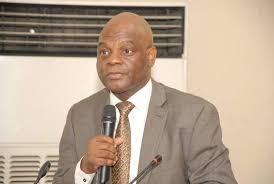
The Chairman, Board of Trustees of TETFUND, Kashim Imam, made this disclosure on Monday in Maiduguri during an interactive forum with a theme: “improving education tax collection in the post-pandemic era” organised to improve education tax remittance through the Federal inland Revenue Service.
In his welcome address, Kashim Imam stated that TETFUND has ongoing projects in 226 institutions out of the 245 higher institutions in the country.
He listed some of the projects to include laboratories, engineering workshops, lecture theaters, and lecture halls among other infrastructural projects are among the one hundred thousand projects being undertaken in the 2021 intervention funds.
“There are 226 higher institutions where we are undertaking one hundred thousand projects from the 2021 intervention fund of TETFUND. These projects are funded from the revenue we generate in the year 2021.
We had a revenue target of five hundred billion naira but we could only realise two hundred billion naira out of which we are using to fund these projects in the Nigerian Universities, polytechnics, and colleges of education.
“Borno State alone has seven tertiary institutions and we have projects ongoing in these seven institutions including the newly established federal polytechnic Monguno whom we gave a takeoff grant of two billion naira.”
He added, “Apart from infrastructures and physical projects, we also sponsor academics and fund research works. As at the year 2021, we invested twelve billion naira to fund research in twelve Universities, one billion naira per University.
“We have also given scholarships to lecturers to further their studies for masters and PhD programs but we have resolved as an agency and duly informed the vice-chancellors of the universities that it does not make sense to spend money training lecturers abroad when we can use that money to better our education institutions.
“So we only send lecturers abroad for studies when the specialty is not available in Nigerian Universities or on unique specialties. Kashim added.
Also speaking, the FIRS Coordinating Director, Tax Operating Group, Kabir Abba, said the agency has devised new strategies to improve the tax collection and that the service will ensure all taxable companies and contractors remit their taxes before being considered for award of contracts in any of the tertiary institutions across the country.


By Tony Obiechina, Abuja
The Federal Government has intensified efforts to strengthen education, innovation, and human capital development with a series of initiatives spanning student entrepreneurship, foreign scholarships, and examination reforms.
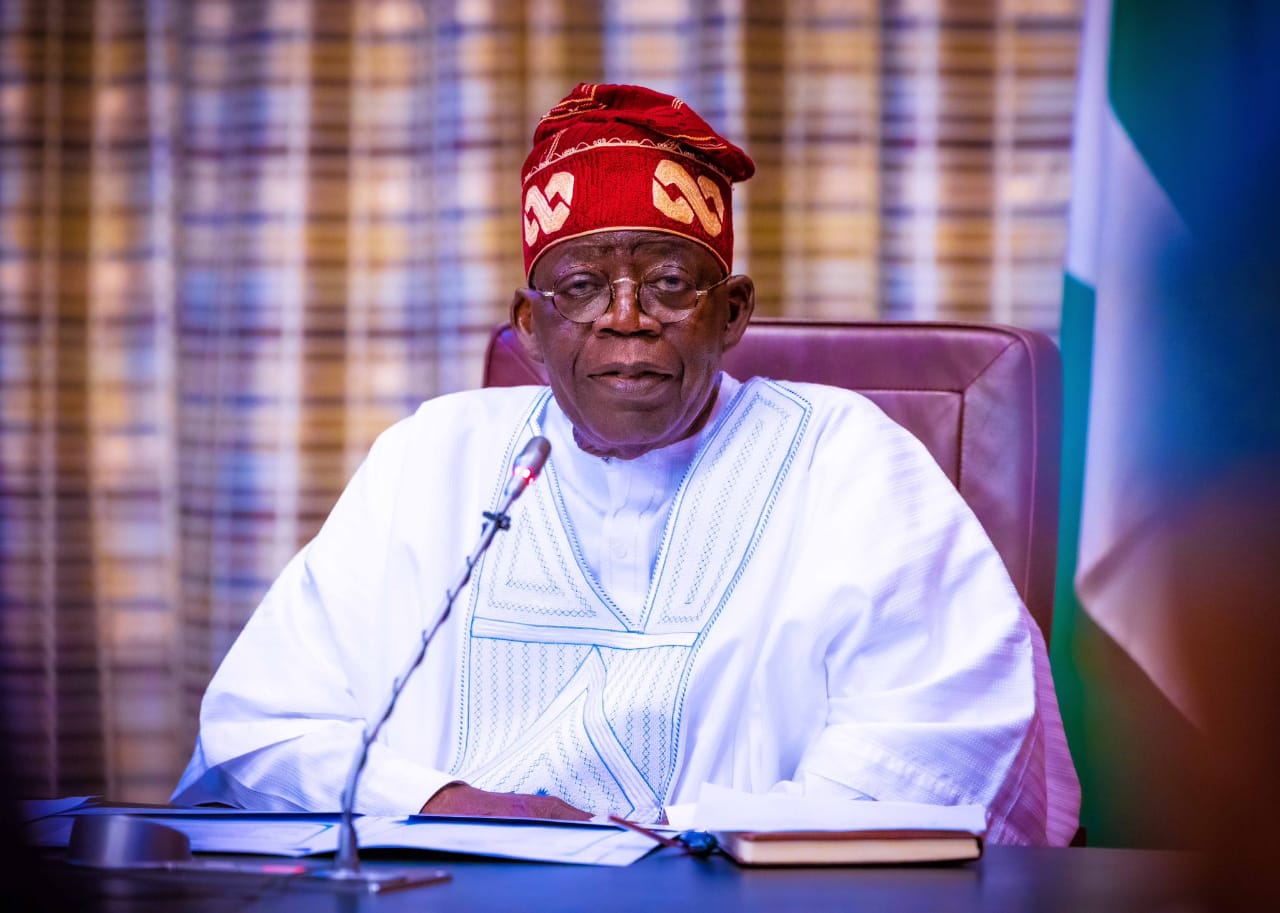
In a major boost for youth innovation, the administration of Bola Tinubu has shortlisted 65 student innovators from over 30,000 applicants across 404 tertiary institutions for the final stage of the Student Venture Capital Grant (SVCG).
The programme, implemented by the Federal Ministry of Education in partnership with the Bank of Industry, offers up to N50 million in equity-free funding to commercially viable student-led ventures.Minister of Education, Maruf Alausa, described the initiative as a strategic investment in future job creators, noting that the finalists will undergo an intensive bootcamp from March 26 to 29, 2026. The programme will culminate in an awards ceremony where successful beneficiaries will be announced.
Parallel to this, the Niger Delta Development Commission has opened applications for its 2026/2027 Foreign Master’s Postgraduate Scholarship Programme. Targeted at candidates from oil-producing states, the fully funded scheme aims to equip young Nigerians with global skills relevant to local content development.
Eligible applicants must possess at least a second-class upper degree, be under 40 years, and secure admission into a recognised overseas university. The selection process includes a computer-based test in Rivers State and multiple verification stages. Applications opened on March 23 and will close on April 19, 2026.
Meanwhile, the Joint Admissions and Matriculation Board has directed candidates for the 2026 Unified Tertiary Matriculation Examination (UTME) to print their mock examination notification slips ahead of the March 28 test.
JAMB Registrar, Is-haq Oloyede, announced key reforms, including the trial of a new test engine and the extension of the mock examination duration from two to four hours. The exercise will now be conducted in two sessions on the same day to better familiarise candidates with the Computer-Based Test system.
The board also warned that participation is mandatory for candidates who opted for the mock, stressing that absence could attract sanctions. The main UTME is scheduled to begin on April 16, 2026, with enhanced security measures in collaboration with the Nigeria Security and Civil Defence Corps.
Collectively, the initiatives signal a coordinated push by the Federal Government to promote innovation, expand educational opportunities, and modernise assessment systems in line with global standards.
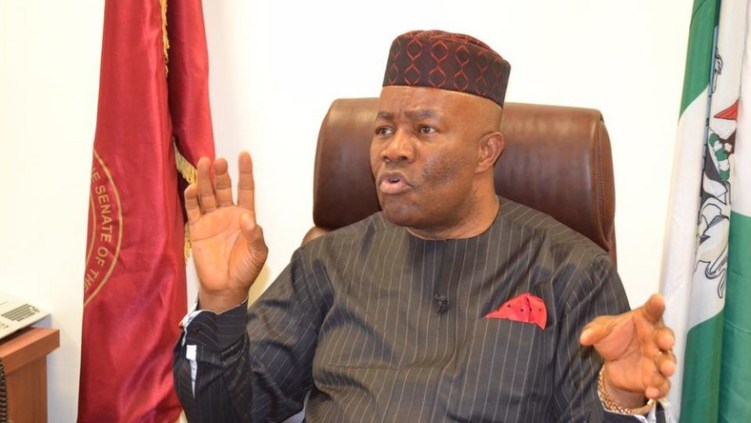
Senate President, Godswill Akpabio, on Friday, reiterated the importance of education, even as he announced a personal donation of N100 million to support the educational and empowerment initiatives of the Senator representing Enugu West, Senator Osita Ngwu.
Ngwu announced on Friday a scholarship and bursary award of N250 million to approximately 5000 students of Enugu West Senatorial District under his Enugu West Academy (EWA).
Akpabio, who was the special guest at the event held in Enugu, described himself as a “proud and passionate in-law” of Enugu State.
Akpabio, visibly moved by the scale of the “Enugu West Academy”—which reportedly trains nearly 9,000 participants—pointed out that such grassroots investments are the remedy to criminality and poverty.
“I came here thinking I would leave within an hour for another function, but seeing the magnitude of what is happening, I told my pilot to stand down,” Akpabio told the cheering crowd. “This is an uncommon project. While some are giving out clay pots and burial materials, implying their people should die, Osita is doling out hope and telling children to go to school”, he said
Akpabio used the occasion to reaffirm his deep ancestral and academic ties to the state, stressing that his late uncle, Dr. I.U. Akpabio, served as the Minister of Education in the former Eastern Region and played a pivotal role in the founding of the University of Nigeria, Nsukka (UNN).
“I am an honorary scholar and a PhD holder from the University of Nigeria. There is a hall named after my family there,” he stated. He also acknowledged his wife’s role in the state’s development, noting that as a daughter of the soil, she was currently on the ground preparing for the upcoming visit of the First Lady of the Federation, Senator Oluremi Tinubu.
In a lighthearted yet firm address to the Speaker of the Enugu State House of Assembly, Akpabio urged the legislature to codify a “Marriage Account” law. He joked that all prominent in-laws of the state, whether in business or politics, should be mandated to return annually to give an account of their contributions to the state’s development.
“I come every year to give an account of my marriage. Let all our in-laws do the same. We have good products in Enugu, and they are very marketable. Please, when you pass that law, add my name as the first to comply,” he remarked, drawing laughter from the dignitaries, including the Deputy Governor of Enugu State.
He said he had completed several road projects in Enugu, including a 1.6km asphalted road to a monastery, a 1.5km road in Opi, Nsukka, and the upcoming 2025 Delta Water Scheme aimed at providing potable water to several communities.
Reflecting on his own journey, Akpabio shared how he began his scholarship program in 1988, immediately after graduation. He challenged the beneficiaries of the Enugu West Academy to pay it forward, citing a story of a pilot he once trained who later flew him on a commercial flight.
Senator Ngwu noted that the 2024/2026 scholarship distribution was part of efforts to improve knowledge and investment in the young people of the zone.
He said the most important investment any leader can make is human capacity development, stressing that education empowers citizens to think, innovate, and lead.
He said that in 2024, no fewer than 18 exceptional students studying across Universities in Nigeria received scholarships totalling N81 million through his Academy.
While congratulating those who benefited from the exercise this year, he assured that he would continue to contribute to his philosophy: “Leave no child behind in Enugu West Zone”.
The University of Mkar, Benue State, has established a Students Innovation Hub aimed at empowering students to develop practical solutions to societal challenges.
The initiative followed a challenge issued by development expert, Dr. Jeffrey Kuraun, during the institution’s 19th Distinguished Public Lecture held recently in Gboko.
Speaking at the lecture themed “Navigating an Uncertain Future: Courage, Creativity and Responsibility in Times of Crisis,” Kuraun urged students to move beyond passive learning and embrace innovation, creativity and problem-solving.
He stressed the need for universities to establish Student Innovation Labs where young people can transform ideas into practical solutions capable of addressing Nigeria’s pressing development challenges.
Responding to the call, the university community set up the Students Innovation Hub as a collaborative space where students can meet, exchange ideas and develop projects with real-world impact.
The hub is designed to promote creativity, teamwork and interdisciplinary collaboration among students, while also providing mentorship opportunities from faculty members and industry experts.
According to the concept presented during the lecture, such innovation labs allow students to work on real challenges within their communities while gaining practical skills that complement classroom learning.
The space will also encourage collaboration between students, entrepreneurs and development partners to help transform academic ideas into viable initiatives.
Carrying the motto “Think. Imagine. Create”, the hub seeks to inspire students to see themselves as solution-builders rather than mere observers of national problems.
Kuraun further challenged students to acquire practical competencies such as digital literacy, entrepreneurship, agriculture and data analysis to better prepare for an uncertain future.
He urged young people to apply knowledge to community problems, build financial resilience and work across disciplines to create scalable solutions.
The newly established hub is expected to serve as a platform where ideas developed by students can evolve into impactful projects that contribute to national development.
University officials said the initiative could serve as a model for institutions across Nigeria seeking to promote innovation, ethical leadership and problem-solving among students.

Benue Deepens Maternal Health Drive, Begins Strategic Training
ShareFrom Attah Ede, Makurdi The Benue State Government has intensified efforts to reduce maternal and child mortality, reinforcing its reform-driven health agenda under Governor Hyacinth Iormem...


Davido Headlines First UK Festival at Crystal Palace Bowl
ShareNigerian Afrobeats superstar, Adeleke Davido, popularly known as Davido, has unveiled his first-ever festival, “Davido & Friends,” set to take place at the Crystal...


Pope Leo Calls for Aerial Military Strikes Ban
SharePope Leo has sharply criticised the aerial bombardments, saying they are indiscriminate and should be banned. The pope said this on Monday in...


Shettima Names Fintiri Adamawa APC Leader
ShareFrom Yagana Ali, Yola Thousands filled Mahmud Ribadu Square Monday evening for the official reception of Governor Ahmadu Umaru Fintiri into the...
Niger Delta Chamber Targets $5bn Investments, 500,000 Jobs
ShareFrom Mike Tayese, Yenagoa The Niger Delta Chamber of Commerce, Industry, Trade, Mines and Agriculture (NDCCITMA) has unveiled plans to...


ShareMoniepoint Acquires Orda to Boost Africa’s Food Service Economy Moniepoint Inc. has acquired Orda Africa to strengthen its presence in...


Tanker On High Speed Crashes, Kills 10, Injures 20 in Niger
ShareFrom Dan Amasingha, Minna The Federal Road Safety Corps (FRSC) has confirmed 10 deaths in a road crash on Monday,...


FG Approves Education Sector Grants, Scholarships, UTME Reforms
ShareBy Tony Obiechina, Abuja The Federal Government has intensified efforts to strengthen education, innovation, and human capital development with a...


National Convention: APC Screens National Office Aspirants Tuesday
ShareThe All Progressives Congress (APC) says it has fixed Tuesday, March 24, for the screening of aspirants for its national...


Lawal’s Defection: Zamfara APC Sets to Receive Tinubu
ShareThe Zamfara chapter of the All Progressives Congress (APC) has concluded arrangements to formally welcome Dauda Lawal into the party....