
NEWS
2025 UTME Results: CONUA Calls for Urgent Reform in Education

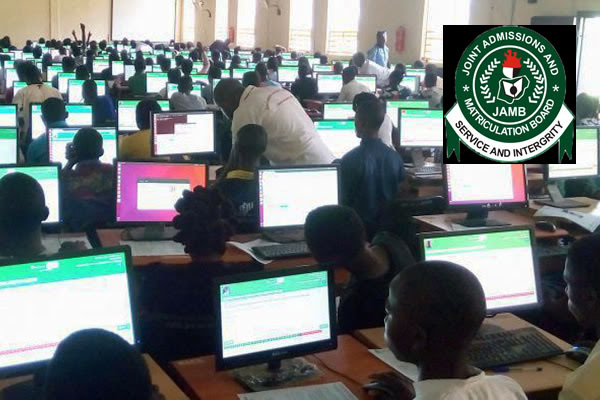
The Congress of University Academics (CONUA) has raised concern over the recently released 2025 Unified Tertiary Matriculation Examination (UTME) results, describing it as a reflection of the worsening state of education system.The President of CONUA, Niyi Sunmonu, ina statement released to newsmen in Abuja on Wednesday said the results exposed a “deep-rooted crisis” in the sector.
The Joint Admissions and Matriculation Board (JAMB) revealed that out of over 1. 96 million candidates who sat for the UTME, only 0.79 per cent (12,414 candidates) scored 300 and above.According to JAMB, around 21per cent (334,560 candidates) scored between 200 and 249; a staggering 74 per cent (over 1.5 million candidates) scored below 200, and over 26 per cent failed to score up to 140.Sunmonu identified shortcomings in curriculum delivery, quality of teaching, infrastructure, and student familiarity with computer-based testing as major contributors to the poor performance.“The limited number of high performers and the overwhelming concentration of candidates in the lower score brackets indicate widespread systemic failures.“With the development, universities may struggle to maintain academic standards with fewer qualified entrants.“Students from underserved regions, already at a disadvantage, face even steeper barriers to access tertiary education.“Most critically, the country risks further depletion of its human capital base,” he said.Sunmonu called on education stakeholders, including the Federal Ministry of Education, state governments, and regulatory agencies to urgently revamp the curriculum to reflect 21st-century competencies.He added that investment in comprehensive teacher training and accountability mechanisms, improved access to learning resources and infrastructure in all regions will help the sector.He advocated for the strengthening of remedial education programmes like pre-degree and JUPEB to support underprepared but capable students.Sunmonu also called for increased autonomy in university admissions, allowing institutions to design flexible interventions for students with potential who may not have met traditional cut-off marks.“While this year’s UTME results are worrying, they also serve as an opportunity to realign our priorities and reinforce our collective commitment to rebuilding Nigeria’s education system from the foundation,” he said. (NAN)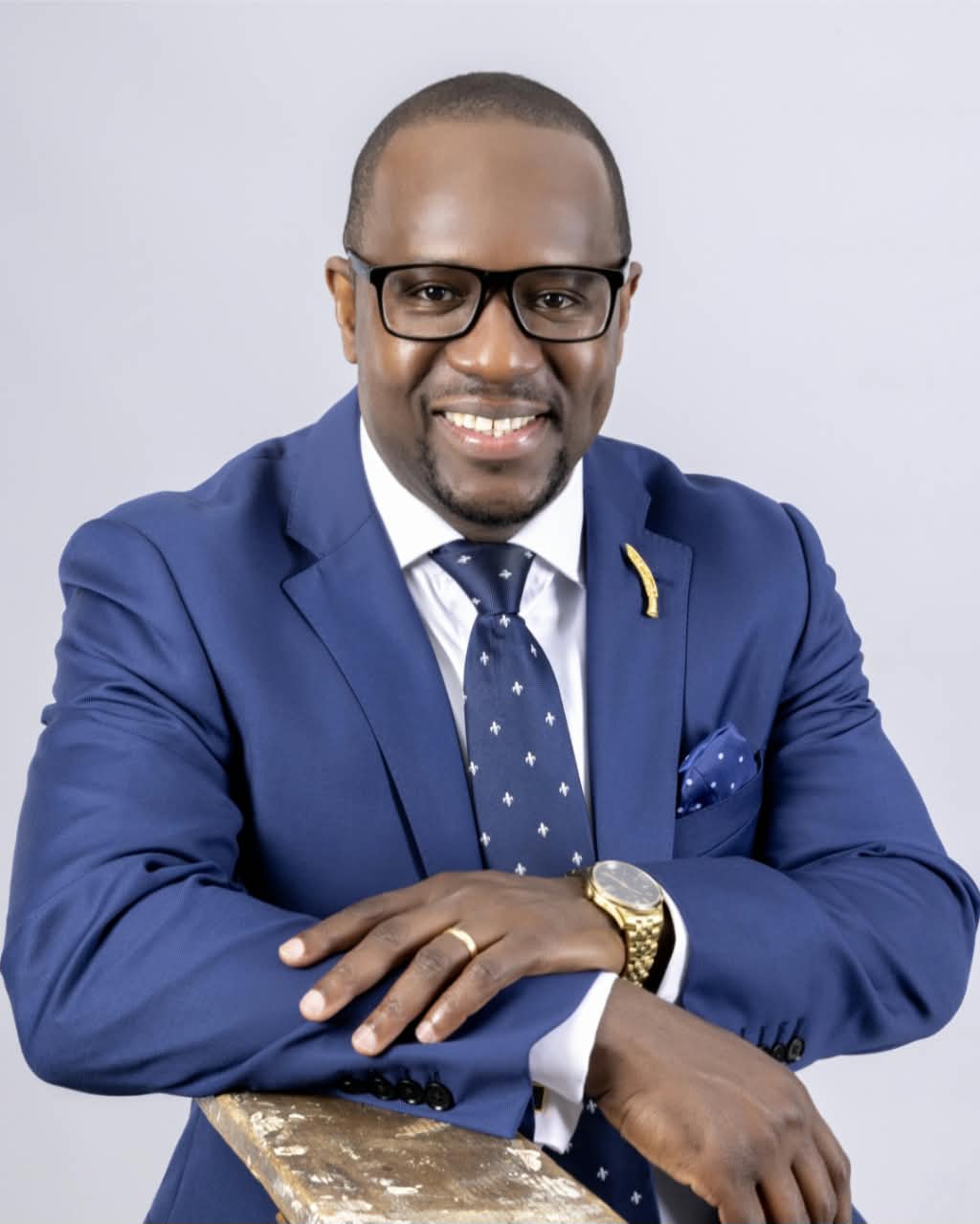
By David Torough, Abuja
The founder of Menroi Rural Priority Organisation, Professor Kohol Iornem has challenged leaders of the National Union of Benue State Students (NUBESS) in the Diaspora to prioritise service delivery, accountability and measurable achievements over the mere pursuit of leadership positions.
Kohol, a Professor of Business Management and John Maxwell Certified Leadership Speaker, Trainer and Coach, gave the charge while delivering a keynote address at the inaugural NUBESS Diaspora Leadership Conference held virtually on November 14, 2026.
Speaking on the theme, “The Essence of Leadership: Making Today’s Opportunities the Foundation for Tomorrow’s Leadership,” he maintained that occupying an executive position does not automatically make one an effective leader, stressing that leadership credibility comes from problems solved, initiatives introduced and lasting improvements achieved.
“A position gives you authority, but your actions give you credibility. Your achievements give you a legacy,” he said.
Prof. Kohol urged chapter presidents to adopt a 90-day leadership challenge involving identifying students’ needs, developing practical solutions, mobilising resources and implementing measurable projects. He also stressed transparency in managing association funds and advised executives to document their achievements as evidence of their leadership experience.
Addressing factionalism and declining student participation in NUBESS activities, the professor recommended neutral mediation and urged leaders to make the association more attractive through scholarships, bursaries, entrepreneurial training, employability skills and career development opportunities.
He also pledged to facilitate entrepreneurial training and connect NUBESS leaders with Benue indigenes in the Diaspora to support student-focused initiatives.
Professor Kohol holds an MBA and PhD from Cardiff Metropolitan University, United Kingdom, and is a Fellow of Advance HE. He currently teaches Business Management at the London College of Contemporary Arts and serves as Director of Programmes at the London Graduate School.
A former Senior Lecturer at Regent College London, he is a member of the British Academy of Management and Fellow of the Institute of Management Consultants. He is also a published author, with his book, A Social Science Student’s Guide to Surviving Your PhD, published by Open University Press.
Beyond academia, Prof. Kohol served as President of Mzough U Tiv United Kingdom (MUTUK) from 2019 to 2023 and founded Menroi Rural Priority Foundation and Mzehemen u Tiv Foundation to promote rural development and improve opportunities for disadvantaged communities in Nigeria.
The conference, convened by NUBESS Diaspora President, Rt. Comr. Tsaha Ernest, in collaboration with the union’s Director of Inter-Camp Affairs, Rt. Comr. Iorwa Timothy Avalumun, also featured Dr Ejeh Sunday of the University of Abuja, who spoke on rebuilding NUBESS through accountability and leadership beyond office positions.
By Raphael Atuu, Abuja
As Barrister Henry Okeke Says The gathering provided another opportunity for Nigerians to reflect on the political ideals, leadership.
Stakeholders in the Nigeria Project have called for renewed commitment to national unity, peaceful coexistence, responsible leadership and national cohesion as Nigeria continues to navigate its changing political landscape.
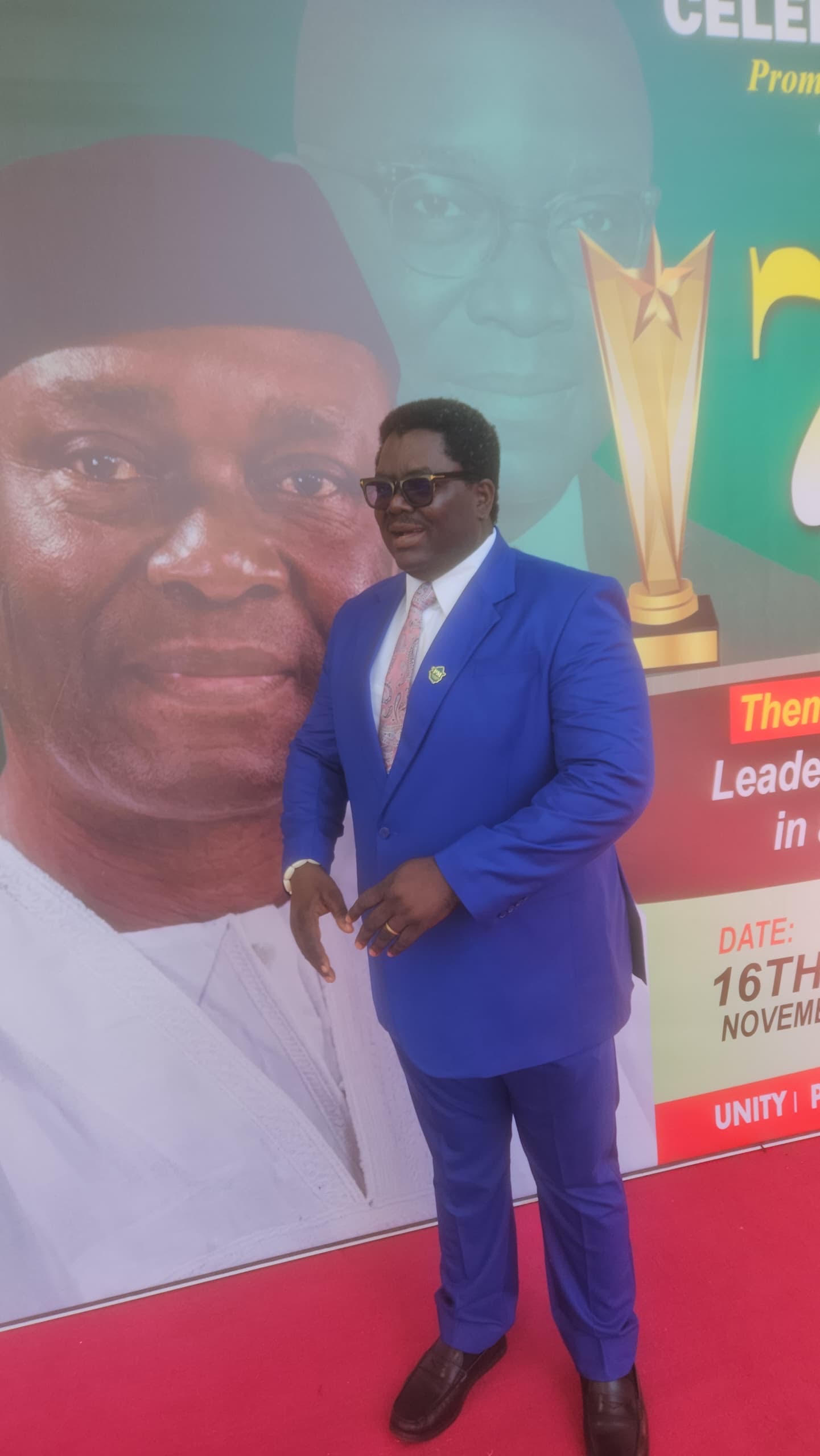
The call was made at the 7th Dr. Nnamdi Azikiwe Annual Award Lecture held in Abuja to commemorate the posthumous 122nd birthday anniversary of Nigeria’s first President, Dr.
Nnamdi Azikiwe.The annual lecture, which attracted stakeholders from different sectors of the country, focused on the theme: “Preserving the Unity of Leadership, Peace and National Cohesion in a Changing Political Landscape.”
Speaking on the significance of the occasion, one of the participants Barrister Henry Okeke said the gathering provided another opportunity for Nigerians to reflect on the political ideals, leadership philosophy and enduring contributions of the late nationalist to the development of Nigeria.
He noted that Dr. Azikiwe, popularly known as Zik of Africa, remained an important figure in Nigeria’s political history whose vision of a united, prosperous and independent nation should continue to inspire present and future generations.
According to him, the challenges confronting Nigeria require leaders and citizens to embrace dialogue, tolerance, patriotism and collective responsibility rather than allow political, ethnic and other differences to undermine the country’s unity.
He further stressed that the ideals of Zikism, which promote nationalism, unity, intellectual development, self-determination and service to humanity, remain relevant to contemporary Nigeria.
“I believe in the Zikism philosophy because the vision of Dr. Nnamdi Azikiwe was built around a united Nigeria where every citizen, irrespective of background, could contribute to national development,” he said.
He urged Nigerians, particularly political leaders, to draw lessons from the life and leadership principles of the late statesman by placing national interest above personal and political considerations.
The participant also maintained that preserving Nigeria’s unity requires deliberate efforts from government, political parties, traditional institutions, civil society organisations and ordinary citizens.
He said the annual lecture should not merely serve as a ceremonial gathering but should provide an avenue for meaningful discussions and practical solutions to the country’s leadership and developmental challenges.
Dr. Nnamdi Azikiwe remains one of Nigeria’s foremost nationalists and founding fathers, having played a significant role in the struggle for independence and the political evolution of the country.
The annual award lecture continues to provide a platform for celebrating his legacy and encouraging Nigerians to uphold the principles of national unity, peace, justice and democratic leadership. said the gathering provided another opportunity for Nigerians to reflect on the political ideals, leadership philosophy and enduring contributions of the late nationalist to the development of Nigeria.
He noted that Dr. Azikiwe, popularly known as Zik of Africa, remained an important figure in Nigeria’s political history whose vision of a united, prosperous and independent nation should continue to inspire present and future generations.
According to him, the challenges confronting Nigeria require leaders and citizens to embrace dialogue, tolerance, patriotism and collective responsibility rather than allow political, ethnic and other differences to undermine the country’s unity.
He further stressed that the ideals of Zikism, which promote nationalism, unity, intellectual development, self-determination and service to humanity, remain relevant to contemporary Nigeria.
“I believe in the Zikism philosophy because the vision of Dr. Nnamdi Azikiwe was built around a united Nigeria where every citizen, irrespective of background, could contribute to national development,” he said.
He urged Nigerians, particularly political leaders, to draw lessons from the life and leadership principles of the late statesman by placing national interest above personal and political considerations.
The participant also maintained that preserving Nigeria’s unity requires deliberate efforts from government, political parties, traditional institutions, civil society organisations and ordinary citizens.
He said the annual lecture should not merely serve as a ceremonial gathering but should provide an avenue for meaningful discussions and practical solutions to the country’s leadership and developmental challenges.
Dr. Nnamdi Azikiwe remains one of Nigeria’s foremost nationalists and founding fathers, having played a significant role in the struggle for independence and the political evolution of the country.
The annual award lecture continues to provide a platform for celebrating his legacy and encouraging Nigerians to uphold the principles of national unity, peace, justice and democratic leadership.
By Orjime Moses Abuja
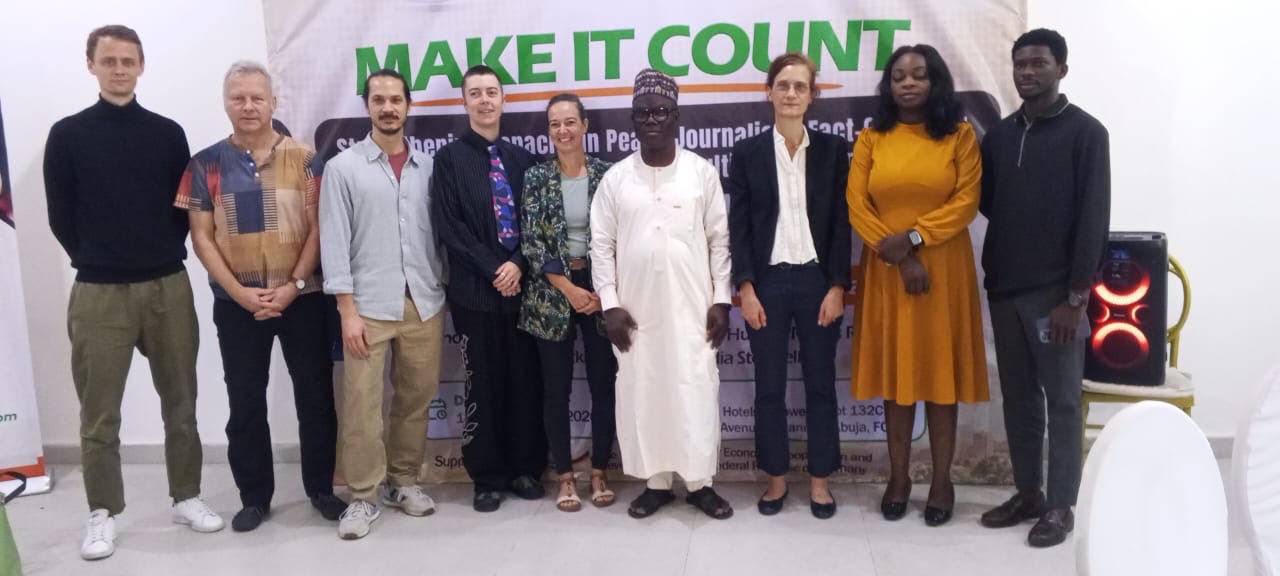
As Nigeria prepares for the 2027 general elections, the Resource Centre for Human Rights and Civic Education (CHRICED) has commenced a six-day media training programme for 36 journalists aimed at strengthening fact-checking, peace journalism and responsible reporting.
The Executive Director of CHRICED, Dr Ibrahim M.
Zikirullahi said the training was designed to equip media professionals with the skills to counter misinformation, disinformation and inflammatory narratives capable of undermining democratic stability and public trust.Zikirullahi stated this on Monday at the opening of the training programme, organised by CHRICED Radio and Television in collaboration with Germany based WeltFilme, with support from the Federal Ministry for Economic Cooperation and Development (BMZ) of Germany, in Abuja.
He said the quality of information available to citizens would play a critical role in determining the credibility of the 2027 general elections, warning that election periods often witness increased misinformation and attempts to manipulate public opinion.
According to him, journalists and media organisations have a responsibility to ensure that citizens make informed electoral choices based on verified information rather than falsehoods.
“Through responsible reporting, rigorous fact-checking, and ethical journalism, the media can help ensure that citizens make informed choices based on facts rather than falsehoods,” he said.
He explained that participants would receive training in peace journalism, fact-checking, investigative reporting, human rights reporting, source verification, multimedia storytelling and television production.
The CHRICED executive director described the competencies as essential for journalists navigating an increasingly complex information environment while maintaining professional integrity and public trust.
He urged participants to use the training to strengthen their professional capacity and contribute to peaceful campaigns, credible elections, human rights protection and democratic governance.
Also speaking, the Head of Development Cooperation at the German Embassy in Nigeria, Dr Karin Jansen, said a free, independent and diverse media landscape remained essential to democratic governance.
Jansen, who welcomed the 36 participants drawn from CHRICED, independent media organisations and media houses across Nigeria, said journalists had an important role in informing citizens, shaping public debate and holding institutions accountable.
She expressed concern over the growing spread of fake news and disinformation, stressing that fact-based and responsible journalism was increasingly important in strengthening public trust.
She said peace journalism could help address conflicts and social tensions by promoting balanced reporting, accommodating different perspectives and explaining the underlying causes of conflicts.
“Peace journalism can help address these challenges by promoting balanced reporting, giving space to different perspectives and encouraging a better understanding of the underlying causes of conflict,” she said.
Jansen explained that the Make It Count project, supported by BMZ, was part of Germany’s efforts to strengthen independent media, freedom of expression and human rights-based journalism in Nigeria.
She added that the initiative placed particular emphasis on improving journalists’ capacities in television journalism, peace-sensitive reporting and technical production.
The German diplomat encouraged participants to share experiences, build professional networks and apply the knowledge acquired to improve reporting in their respective organisations and communities.
The six-day training, holding from November 16 to 21 at Rollins Hotels and Towers, Gwarinpa, Abuja, is expected to strengthen journalists’ capacity to produce accurate, balanced and impactful reports.




Kohol tasks NUBESS Leaders on Service, Accountability, Legacy
ShareBy David Torough, Abuja The founder of Menroi Rural Priority Organisation, Professor Kohol Iornem has challenged leaders of the National...

Stakeholders Celebrate Zikism at 7th Nnamdi Azikiwe Annual Award Lecture in Abuja.
ShareBy Raphael Atuu, Abuja As Barrister Henry Okeke Says The gathering provided another opportunity for Nigerians to reflect on the...
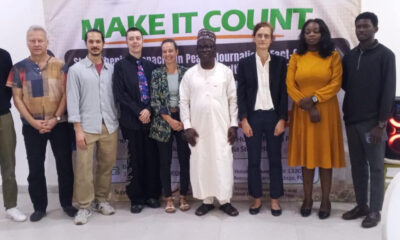

2027 Elections: CHRICED Trains 36 Journalists To Combat Fake News, Promote Peaceful Polls
ShareBy Orjime Moses Abuja As Nigeria prepares for the 2027 general elections, the Resource Centre for Human Rights and Civic...

Livestock Ministry Defends Abuja Headquarters Acquisition, Insists Due Process Was Followed
ShareBy Raphael Atuu, Abuja The Federal Ministry of Livestock Development has defended the acquisition of its headquarters building located along...
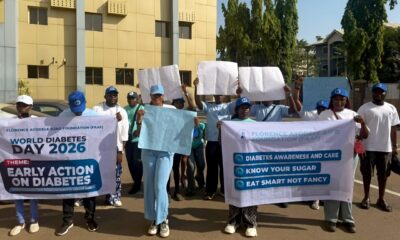

World Diabetes Day: FAAF Advocates Early Detection, Affordable Care
ShareBy David Torough, Abuja The Florence Ayodele Ajao Foundation (FAAF) has called for increased awareness and early detection of diabetes...


WHO Recommends Multiple Daily Insulin Injections to Manage Type 1 Diabetes
ShareThe World Health Organisation has recommended that people with type 1 diabetes receive insulin injections several times per day, with...
Benue Begs Newly Inducted Doctors to Return Home, Tackle Shortage of Medical Personnel
ShareFrom Attah Ede, Makurdi The Benue State Government has told the newly inducted medical doctors of Benue origin to return...
World Diabetes Day: Nigeria Must Fix Food Environment to Curb Diabetes Burden, Says CAPPA
ShareFrom Mike Tayese, Yenagoa As the world marks World Diabetes Day 2026 on November 14, under the theme “Early Action...

Pope Says Inca Heartland ‘Suffering’ as Villages Empty
SharePope Leo XIV warned Saturday that the heartland of the ancient Inca Empire was “suffering,” as the remote, poverty-stricken communities...
Pope Says Inca Heartland ‘Suffering’ as Villages Empty
SharePope Leo XIV warned Saturday that the heartland of the ancient Inca Empire was “suffering,” as the remote, poverty-stricken communities...