
POLITICS
2026: Group Wants APC Governorship Ticket Zoned to Osun West


The Progressive Front (TPF) in Osun, a political group, has called for the zoning of the next governorship ticket in the All Progressive Congress (APC) to Osun West for the 2026 election.
The TPF state’s coordinator, Mr Ajijola Ayodele , made the call at a news conference at the Nigeria Union of Journalist (NUJ), Osun Council Secretariat in Osogbo on Thursday.
Ayodele said Osun West Senatorial District had been instrumental in advancing the party’s vision and objectives in spite of no previous privilege of holding the exalted position in the state .
He said that the zone had wholeheartedly backed progressive candidates from other districts, defying all obstacles in previous governorship elections to ensure victory
” I want to say that since inception of the state, Osun West had not gotten the privilege to serve as governor despite its enormous roles in the party.
“Also, zoning the position to Osun West would be a demonstration of inclusivity and fairness within the APC, aligning with the party’s progressive ideals,” Ayodele said.
The TPF coordinator, urged the leadership of the party including President Bola Tinubu, Chief Bisi Akande, Alhaji Abdulahi Ganduje, the National Secretary of APC and Sen. Ajibola Basiru to urgently convene a meeting to unanimously agree on zoning the ticket to Osun West Senatorial District.
He further said that such meeting would make the party to be focused ahead of the primary and rally support of members in other districts to ensure success at the poll.
Ayodele, however, said that TPF was committed to the unity and progress of the party ahead of the 2026 election. (NAN)
By David Torough, Abuja
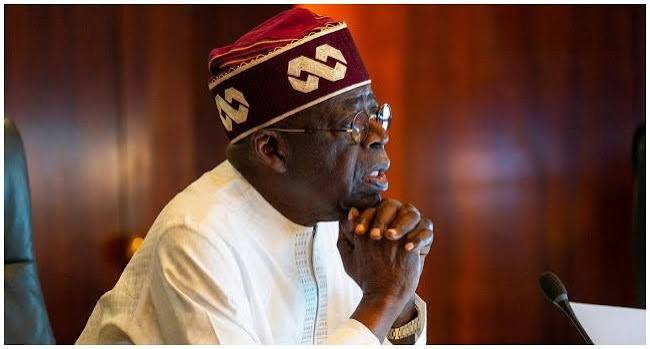
President Bola Tinubu has signed the Appropriation (Amendment) (No. 4) Bill, 2025, extending the implementation period of the 2025 budget from September 30, 2026, to December 31, 2026.
The amendment was passed by the Senate and the House of Representatives on Tuesday, September 29, 2026, before being transmitted to the President for assent.
According to a statement issued on Wednesday by Bayo Onanuga, Special Adviser to the President on Information and Strategy, the extension will give Ministries, Departments and Agencies (MDAs) additional time to complete ongoing capital projects.
The statement said the move would ensure that funds already appropriated are fully utilised without disrupting critical government programmes.
“The extension gives Ministries, Departments and Agencies more time to complete ongoing capital projects,” the statement said.
“It ensures that funds already appropriated are fully put to work for Nigerians, without disrupting critical programmes.”
Tinubu also commended the leadership and members of the National Assembly for what the statement described as the prompt consideration of the amendment.
The president said the development demonstrated continued cooperation between the Executive and Legislative arms of government in the interest of the country.
The amendment therefore allows the Federal Government to continue implementing the 2025 budget until December 31, 2026, instead of the earlier September 30 deadline.
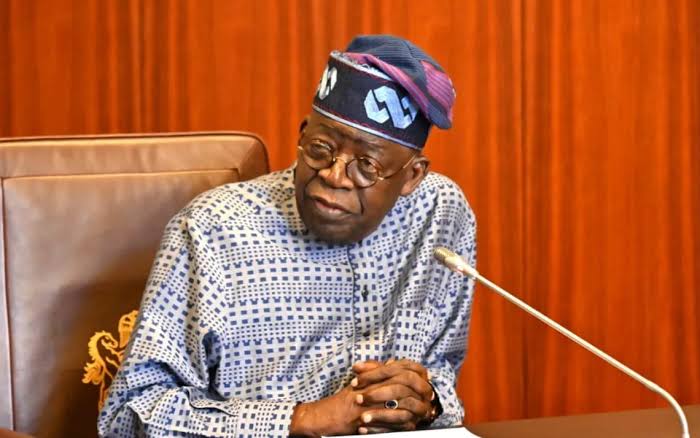
President Bola Tinubu has submitted the 2026 Statutory Budget Proposal of the Niger Delta Development Commission (NDDC) to the House of Representatives for consideration and passage.
This is contained in a letter dated Aug.
20, 2026, addressed to the Speaker of the House of Representatives, Rep. Abbas Tajudeen and read by the Deputy Speaker, Rep. Benjamin Kalu at plenary on Tuesday in Abuja.In the letter, Tinubu said that the budget was prepared by the Minister of Niger Delta Development in line with the provisions of Section 121 of the 1999 Constitution.
According to him, the proposal was based on the NDDC’s revenue and expenditure forecasts and it aligned with the fiscal and developmental policies of the Federal Government and the Renewed Hope Agenda.
He said that the proposal also took into consideration the 2024–2026 Economic Recovery Growth Plan as well as key assumptions of the 2026 Appropriation Act of the Federal Government.
The President said the NDDC had prioritised programmes aimed at improving youth empowerment, energy and power supply, education, industrial and enterprise development, health and security.
He also listed increased agricultural productivity among the commission’s priorities, saying the interventions were intended to lift a significant number of citizens out of poverty.
Tinubu urged the House to give the proposal consideration and ensure its timely passage.
“I look forward to the timely passage of the 2026 Statutory Budget Proposal of the NDDC by the House of Representatives,” he said. (NAN)
By David Torough, Abuja
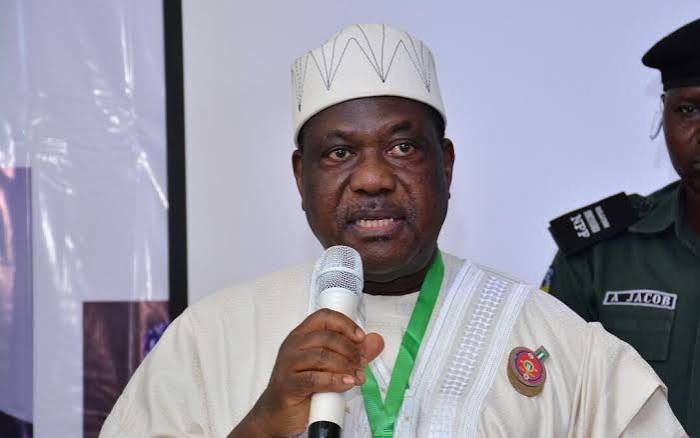
The Secretary to the Government of the Federation, Sen. George Akume, has charged Ministries, Departments and Agencies (MDAs) to translate the findings of the 2026 Transparency and Integrity Index (TII) into concrete improvements in their operations in order to strengthen accountability and public trust.
He gave the charge while delivering the keynote address at the presentation of the 2026 Transparency and Integrity Index held at the Auditorium of the Federal Ministry of Finance, Abuja.
The SGF said the administration of President Bola Tinubu, remains committed to open, accountable and responsible governance, stressing that public institutions must ensure that their policies, programmes and actions are transparent, visible and understandable to Nigerians.
According to him, the Index has become a vital instrument for assessing accountability, openness and ethical standards across government institutions, while providing MDAs with clear benchmarks to identify areas of strength and gaps requiring improvement.
He urged heads of MDAs to integrate the findings and indicators of the Index into strategic planning, performance management, budget priorities, procurement processes, staff training and digital disclosure rather than allow the report to become another document left unused.
“The report should not sit on the shelf and should inform management decisions, budget priorities, procurement processes, staff training, digital disclosure, and how you communicate with the public,” he said.
Akume emphasised that transparency should be viewed as an institutional asset rather than an administrative burden, noting that integrity must be embedded in the procedures and culture of public institutions through clear policies, proper record-keeping, effective oversight, ethical leadership and consequences for wrongdoing.
He further tasked MDAs to take advantage of technology by ensuring that their websites and data portals provide accurate, timely and user-friendly information, including current budget, contract and service information, to enable citizens to effectively engage government and track the utilisation of public resources.
The SGF explained that the 2026 TII assesses public institutions in five critical areas comprising fiscal transparency, open procurement and contracting, human resources and inclusion, control of corruption and citizens’ engagement, adding that the initiative complements existing public service reforms, anti-corruption measures and Nigeria’s Open Government Partnership commitments.
He noted that the ultimate objective of transparency and integrity should go beyond institutional rankings to building public institutions that Nigerians can understand, engage with and hold accountable, while safeguarding public resources and improving service delivery.
“The Federal Government remains fully committed to this goal. We will continue building institutions that are transparent, accountable, professional and responsive to the needs of the people,” the SGF said.
Akume commended the Bureau of Public Service Reforms (BPSR) and the Centre for Fiscal Transparency and Public Integrity (CeFTPI) for sustaining the initiative, while calling for stronger collaboration among government, civil society, professional bodies, development partners and the media in strengthening transparency and bringing corruption to its knees.



FG Moves to Automate Teachers’ Awards, Ends Manual Selection Process
ShareBy Tony Obiechina, Abuja The federal government has digitalised the selection process for the 2026 President’s Teachers’ and Schools’ Excellence Awards (PTSEA),...
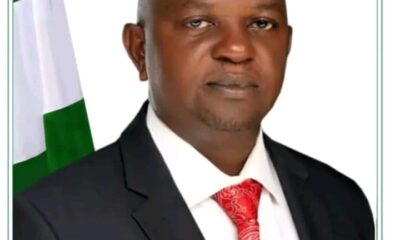

Utsev Leads Nigerian Delegation to World Water Congress in Glasgow
ShareBy David Torough, Abuja Minister of Water Resources and Sanitation, Engr. Prof. Joseph Terlumun Utsev, will on Saturday, October 3,...


BBNaija Season 11: Keivo Becomes Second Housemate to be Disqualified
ShareKeivo has become the second Big Brother Naija housemate to be disqualified from Season 11. This follows his physical altercation...


Mofe-Damijo Envisions Bright Future for Nigeria at 66
ShareVeteran actor and public speaker, Richard Mofe-Damijo, has expressed optimism about Nigeria’s future, describing the country as a work in...


My Wife Paid $20k for Her Surgery Herself, Peller Fires Back at Carter Efe
ShareNigerian content creator and streamer, Peller, has fired back at Carter Efe after the streamer compared their relationships while praising...


I Didn’t Want to be in the Spotlight – Tems
ShareGrammy-winning Nigerian singer Temilade Openiyi, popularly known as Tems, has revealed that despite wanting musical success, she was uncomfortable with...
Nigeria at 66: Which Way Nigeria?
ShareBy Tochukwu Jimo Obi Sixty six years after independence, Nigeria should be asking itself a question that can no longer...
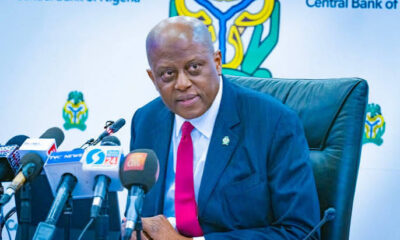

Nigeria at 66: Booming Banks, Struggling Nation, Where Is the Promised Prosperity?
ShareBy Blaise Udunze As Nigeria celebrates 66 years of independence, it must ask whether the country has delivered the prosperity...


Nigeria at 66: Leaders are Human, But Accountability is Non-negotiable
ShareBy Aderonke Ojediran As Nigeria marks its 66th Independence anniversary, the debate over leadership, public trust and accountability remains central...


Oborevwori Orders Julius Berger to Fix Washed-Out East-West Road at Agbarho
ShareFrom Francis Sadhere, Delta Delta State Governor, Rt. Hon. Sheriff Oborevwori, has directed Julius Berger Nigeria Plc to immediately commence...