
NEWS
2027: Benue People Are Not ‘Shenanigans’, Alia Owes You No Apology, Ex-Ambassador Tells Ortom

From Attah Ede, Makurdi
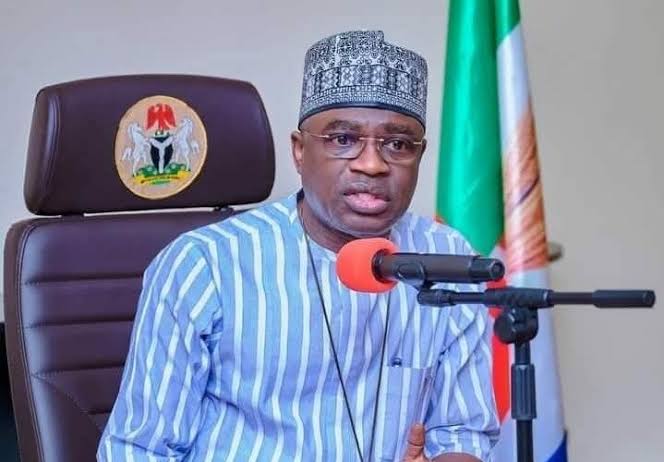
A former Nigerian Ambassador to Namibia, Terhemen Tarzoor, has criticized former Benue State Governor Samuel Ortom over his reported comments about Governor Hyacinth Alia, the Catholic Church and the state’s finances, urging him to exercise restraint in his public engagements ahead of the 2027 general elections.
Tarzoor, a former Speaker of the Benue State House of Assembly, said political disagreements should not be allowed to degenerate into personal attacks against the governor or derogatory remarks about the people of Benue State.
Speaking with journalists in Makurdi on Thursday, the former ambassador described Ortom’s reported remarks during a television programme last week, in which he allegedly referred to Alia as a “419” and a “fake Reverend Father” and described some Benue people as “shenanigans”, as inappropriate and condemnable.
He maintained that political differences did not justify the use of language capable of undermining the office of the governor or diminishing the dignity of the people who elected political leaders into public office.
Tarzoor, who is the Benue State Coordinator of the Renewed Hope Initiative (RHI) campaign for President Bola Tinubu ahead of the 2027 elections, said Ortom should be mindful of the implications of his public comments about the incumbent governor.
“My take is that the former governor is not in the position to call the number one citizen 419. He has no right to call him that,” he said.
While acknowledging Ortom as an elder brother whom he respected, Tarzoor expressed concern that political disagreements were increasingly being expressed in ways he believed could heighten tensions in the state.
He also faulted the former governor’s reported comparison of Alia’s administration with the Catholic Church’s parish system, arguing that the analogy appeared to question the church’s financial accountability mechanisms without sufficient understanding of its administrative structure.
“As a Knight of St. John International, I want to disabuse his mind and the minds of people who listened to that programme that there is a high level of accountability in the Catholic Church,” Tarzoor said.
He explained that the Catholic Church maintained administrative and accountability structures involving priests, church councils, elders and lay faithful, which, according to him, provided oversight and ensured accountability in the management of church affairs.
“There is no Catholic priest that can just earn money and spend at ease in the Catholic Church. I therefore say Ortom does not have the equipage to pontificate on such a subject matter,” he added.
Tarzoor urged political leaders to exercise caution when commenting on religious institutions, warning against statements that could be interpreted as attacks on their administrative practices.
The former lawmaker also challenged what he described as an unfair comparison between Ortom’s eight-year administration and Alia’s government, which he said had been in office for just over three years.
He argued that any meaningful assessment of the two administrations should take into account their respective periods in office, the resources available to them and their development priorities before conclusions were drawn about their performances.
Tarzoor further condemned Ortom’s reported description of some Benue people as “shenanigans”, saying such language was unbecoming of a political leader who had previously benefited from the electorate’s support.
“I see that as repugnant. I see that as unbefitting of a personality who has benefited enormously from the votes of Benue people all his life,” he said.
He urged the former governor to distinguish between disagreements with the incumbent administration and respect for the people of the state, stressing that political criticism should be expressed with decorum.
“If he has issues, he should apply the right language, apply decorum in the manner to address matters. That is the only legacy we can leave for our children, those yet unborn, and not to talk down on someone in the person of the governor because you are bitter,” Tarzoor said.
On Wike’s reported comments concerning federal allocations to Benue State and the need for the state government to disclose its revenue and expenditure, Tarzoor questioned what he described as the minister’s selective focus on the state’s finances.
He asked whether the FCT minister had made similar demands for financial disclosures from other states, including Nasarawa, Rivers and Kano, arguing that calls for transparency should be consistent and not directed at one state alone.
“Has he spoken about the one coming to Nasarawa, or the one going to Rivers State? Has he published the one in Rivers? Has he published the one in Kano?” he asked.
Tarzoor, however, acknowledged that public revenue and expenditure were legitimate matters of public interest, but insisted that demands for financial information should be pursued through appropriate channels and applied consistently across the country.
He maintained that Alia’s administration was open to scrutiny and urged interested members of the public to use established legal mechanisms to obtain relevant government records.
“Governor Hyacinth Alia is open to all criticisms. The law is clear on freedom of information. You test it; the records will be there for you to see,” he said.
The former ambassador cautioned against what he described as uncoordinated demands for financial information, arguing that government officials should be allowed to concentrate on governance while legitimate enquiries were handled through established procedures.
He also urged the media to promote accountability by seeking accurate information from relevant government agencies rather than relying solely on exchanges among political actors.
Tarzoor’s comments come amid heightened political activities ahead of the 2027 general elections, with disagreements over governance, public accountability and political leadership increasingly featuring in the debate in Benue State.
By Tony Obiechina, Abuja
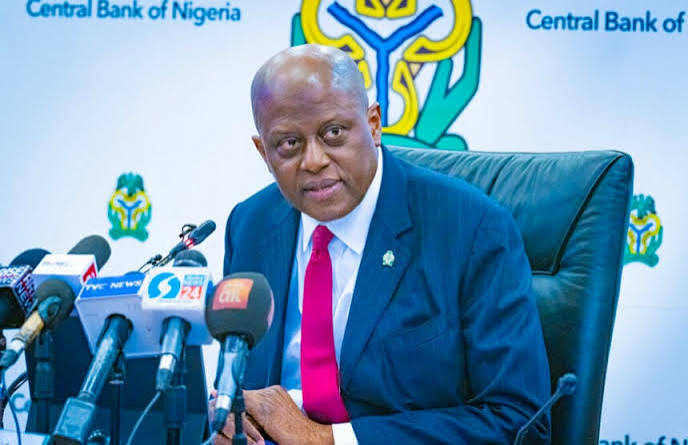
The Central Bank of Nigeria (CBN) has introduced a comprehensive regulatory framework for non-security virtual assets service providers (VASPs), including stablecoins and deposit money tokens dealers, as part of its sustained regulatory measures to strengthen its oversight of emerging digital financial services in the country.
This was contained in the Bank’s circular with Ref.
No PSP/DIR/PUB/CIR/001/004 dated November 5, 2026 and signed by its Director.Payments System Policy Department, Musa Jimoh, indicated that the new regulations established licensing, authorisation and supervisory requirements for virtual asset issuers and service providers operating in or targeting the Nigerian market and were designed to promote responsible innovation, strengthen the integrity of the financial system and provide an appropriate regulatory framework for emerging digital payment instruments.
Under the new framework titled ‘Regulations for the Operations of Non-Security Virtual Assets in Nigeria’, stablecoin issuers, virtual asset service providers and other regulated operators will be subject to requirements covering licensing, capital adequacy, reserve backing, liquidity and redemption arrangements.
While also prescribing standards for corporate governance, risk management, internal controls, cybersecurity and operational resilience, the framework also directed the operators to comply with requirements for safeguarding customer assets, making appropriate disclosures and establishing effective complaints management systems.
In addition, the framework also introduced measures to address financial crime risks associated with digital asset transactions, including anti-money laundering and counter-terrorist financing obligations, sanctions screening, transaction monitoring and blockchain analytics.
The framework also mandates virtual asset service providers to comply with the Travel Rule and conduct due diligence on counterparties, particularly other virtual asset service providers involved in transactions.
The latest regulations apply to individuals and organisations conducting regulated activities in or from Nigeria, directing such activities at Nigerian customers or undertaking operations that could materially affect the country’s payment system, financial system, foreign exchange market or financial stability.
According to the apex bank the requirements could apply irrespective of whether an operator maintains a physical presence in the country, which implies that foreign virtual asset operators targeting Nigerian customers or undertaking activities with material implications for the country’s financial system may also fall within the regulatory framework.
The CBN clarified, however, that the new regulations did overrule the statutory responsibilities of the Securities and Exchange Commission (SEC) or other competent authorities, stressing that activities involving security virtual assets, securities, investment contracts and other capital-market products would remain subject to the applicable capital-market regulatory framework.
The framework further provides that where an activity involves both non-security virtual assets and matters under another regulator’s jurisdiction, operators are required to obtain the relevant approvals from each competent authority.
The apex bank mandated all the affected financial institutions, issuers, service providers, operators and other stakeholders to familiarize themselves with the regulations and ensure strict compliance with the applicable licensing, prudential, operational, reporting and technology requirements.
As a deterrent to abuses, the framework also provides for regulatory enforcement, administrative sanctions and orderly wind-down arrangements for operators unable to continue their regulated activities.
From Sylvia Udegbunam, Enugu
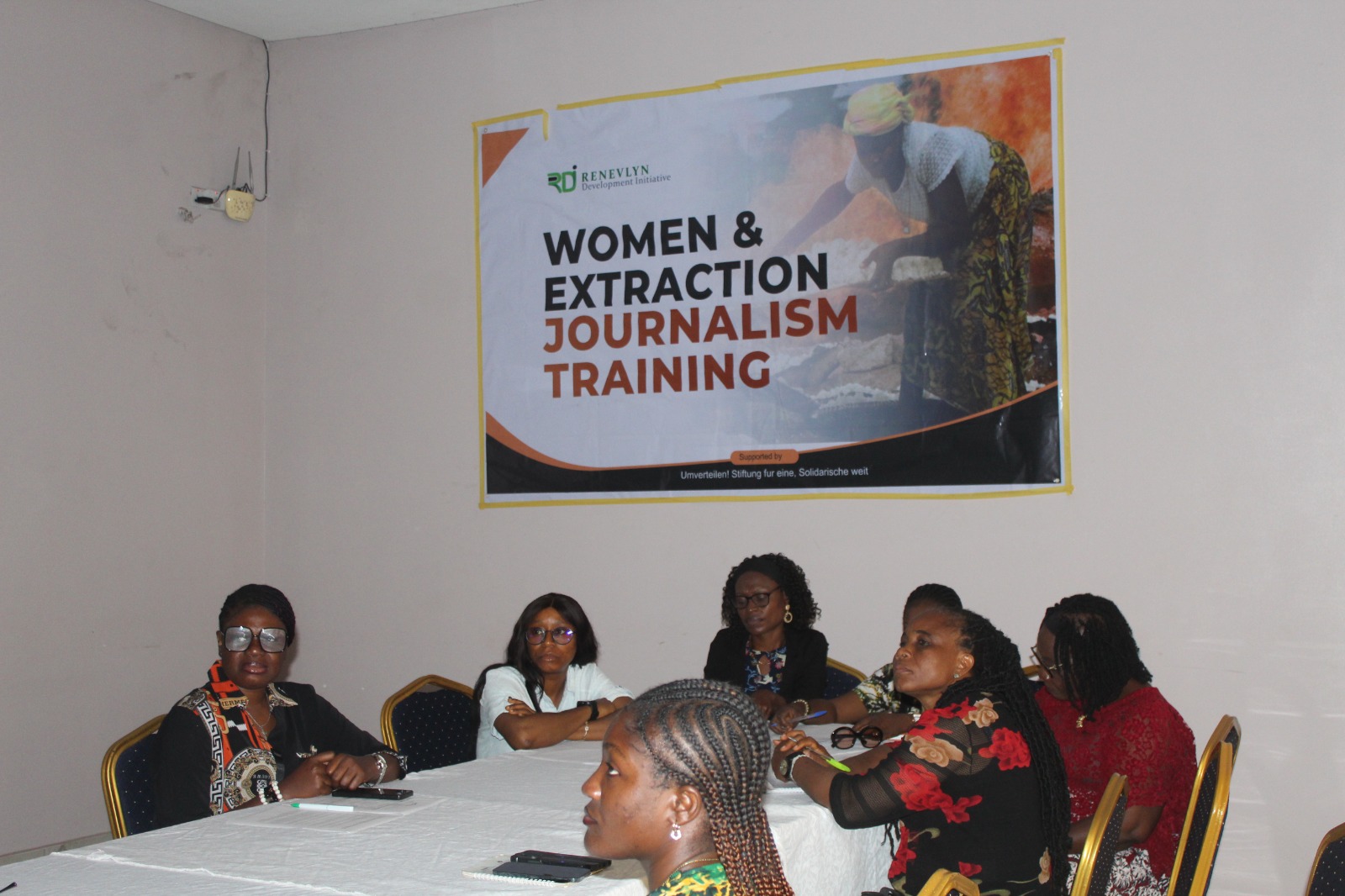
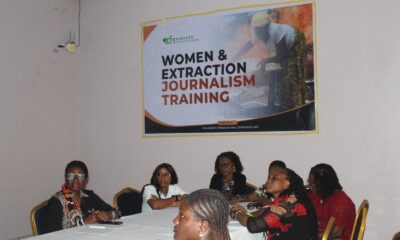
A non-governmental organisation, Renevlyn Development Initiatives, has called on women journalists in Enugu State to intensify investigative and gender-sensitive reporting on the environmental and socio-economic impacts of extractive activities on women in host communities.
The Executive Director of the organisation, Philip Jakpor, made the call during a one-day training on Agenda for Women and Extractive Journalism held at Hotel Sylvia, Independence Layout, Enugu, with the theme, “Empowering Women Journalists for Effective Reporting of Extractive Impacts in Nigeria.
”Jakpor stressed that discussions on extractive activities in Nigeria, particularly in Enugu State, would remain incomplete without addressing the devastating environmental consequences of coal mining.
He noted that women in host communities bear a disproportionate burden of mining activities because of their roles as caregivers, providers and major users of natural resources, including land and water.
He regretted that despite bearing much of the consequences of environmental degradation, women are often excluded from decision-making processes and policies concerning extractive activities in their communities.
He therefore urged female journalists to adopt gender-sensitive reporting approaches that amplify, document and adequately present the experiences of affected women.
Earlier, the Project Officer of Renevlyn Development Initiatives, Tracy Ohovwore, acknowledged the contributions of journalists in drawing attention to environmental challenges but observed that the specific experiences of women affected by extractive activities remained largely underreported.
She raised concerns over pollution in Iva Valley, Akwuke, Onyeama, Okpara and Awhum, alleging that the Ekulu and Nyaba rivers, which residents depend on for domestic water, had been contaminated by wastewater containing heavy metals, including arsenic, cadmium, lead and mercury.
Also speaking, the Executive Director of New Life Community Care Initiative (NELCCI), Mrs Florence Ifeanyi Aneke, said environmental degradation undermines community development by threatening livelihoods, food security, healthcare, education and access to clean water.
She added that pollution and land destruction could expose women to serious health risks, including reproductive health challenges, while increasing the economic hardship faced by families.
Aneke called on the Enugu State Government to harness the state’s natural resources in ways that create economic opportunities without destroying the environment or imposing further hardship on host communities.
She also advocated compensation for affected communities, particularly women and persons with disabilities, while urging the government to ensure their active participation in decisions concerning extractive activities.
In her contribution, a journalist, Ebere Ekeopara, shared her experiences growing up in a coal-mining community, highlighting poor remuneration for miners, health hazards and the impact of mining activities on women and family livelihoods.
She urged journalists to go beyond routine reporting through sustained investigative journalism that identifies environmental hazards, establishes institutional responsibilities and examines available interventions for affected communities.

By Tony Obiechina, Abuja
The Chairman of the Revenue Mobilisation, Allocation and Fiscal Commission (RMAFC), Dr. Mohammed Bello Shehu has charged Directors and Heads of Departments (HODs) to demonstrate commitment, accountability and professionalism in the discharge of their duties to ensure the successful implementation of the Performance Management System (PMS) in the Commission.
The Chairman gave the charge at the signing of Performance Contracts by Directors and Heads of Departments at the Commission’s headquarters in Abuja.
He described the exercise as more than the signing of official documents, noting that it represented a covenant of accountability and a commitment to delivering on the Commission’s strategic objectives through improved productivity and measurable results. He also noted that the initiative aligned with the Federal Government’s Renewed Hope Agenda under President Bola Tinubu, which prioritises institutional efficiency, good governance and improved service delivery.He explained that the PMS represents a deliberate shift from routine administrative activities to a result-oriented system that measures institutional and individual performance against clearly defined objectives. He noted that the Commission had recorded significant progress towards its implementation through the development of a dedicated IT platform, organisation-wide staff training, capacity building for PMS champions, management sensitisation sessions and change management initiatives.
He emphasised that the system was not designed to be punitive but to empower officers, clarify responsibilities, identify capacity gaps and promote fairness in performance assessment. He therefore urged Directors and HODs to ensure that departmental targets and key performance indicators were realistic, measurable, time-bound and aligned with the Commission’s strategic objectives.
Shehu assured staff of management’s commitment to providing the necessary support and enabling environment, while urging all officers to embrace the initiative and make accountability, professionalism and improved service delivery their guiding principles.
The Chairman of the Personnel Matters Committee (PMC) and Federal Commissioner representing Cross River State, Ntufam Eyo-Nsa Whitley, described staff as the driving force behind the success of the Commission, urging them to demonstrate discipline, diligence, emotional intelligence and dedication to their responsibilities. He encouraged officers to take the performance management exercise seriously and give their best towards achieving the Commission’s objectives.
He further urged staff to support one another, embrace the reform process and avoid attitudes that could undermine teamwork and institutional progress. Hon Ntufam called on the PMS champions to demonstrate commitment and provide guidance to their colleagues, stressing that collective responsibility, discipline and effective implementation would ensure the success of the initiative.
In his address, the Secretary to the Commission, Comrade Tosin Adeyanju, described the signing ceremony as a significant milestone in the Commission’s history, marking the transition from intention to action, planning to execution, and traditional performance evaluation to a modern, data-driven performance management system. He appreciated the Chairman’s leadership and the Commissioners’ support, while acknowledging the critical roles of Directors and HODs in driving the transformation.
He urged management staff to take ownership of their performance agreements and ensure regular engagement, feedback and monitoring to achieve the desired results. He stressed that the success of the PMS would depend not merely on signing the contracts but on the Commission’s ability to translate agreed targets into improved productivity, efficiency and measurable institutional achievements.
The Director overseeing the Administration and Human Resource Department, Alhaji Ahmed Rufai Gidado, explained that the Commission had undertaken a series of activities towards the implementation of the Performance Management System and that the signing of the performance contracts represented a major milestone in the process, marking the transition from preparatory activities to the implementation phase.
In his lecture on The Role of Performance Management in Public Sector Transformation, Mr. Nwachukwu John, Head of Economy Team Performance Management at the Office of the Head of the Civil Service of the Federation (OHCSF), commended RMAFC for the progress recorded in adopting the PMS framework. He noted that the Commission’s commitment demonstrated its readiness to embrace public service reforms and align individual responsibilities with institutional and national development objectives.
He explained that the PMS was designed to connect the responsibilities of individual officers with departmental targets, the Commission’s strategic plan and the Federal Government’s priorities. He urged Directors and HODs to ensure that performance contracts were cascaded to other levels of staff through regular engagement and feedback, emphasising that the system was a productivity tool rather than a promotion exercise.



CBN Introduces New Regulatory Framework for Non-Security VASPs, others
ShareBy Tony Obiechina, Abuja The Central Bank of Nigeria (CBN) has introduced a comprehensive regulatory framework for non-security virtual assets...

Group tasks Women Journalists on Reporting Impact of Coal Mining in Enugu
ShareFrom Sylvia Udegbunam, Enugu A non-governmental organisation, Renevlyn Development Initiatives, has called on women journalists in Enugu State to intensify...

RMAFC Chairman Tasks Directors, Others on Accountability, Productivity
ShareBy Tony Obiechina, Abuja The Chairman of the Revenue Mobilisation, Allocation and Fiscal Commission (RMAFC), Dr. Mohammed Bello Shehu has...


NDLEA Secures 18 Convictions, Arrests 130 Suspects in Kaduna
ShareThe National Drug Law Enforcement Agency (NDLEA), Kaduna State Command, said it secured 18 convictions and arrested 130 suspects for...
Gen Z No Longer Think for Themselves, Ayra Starr’s Mother Blames Social Media
ShareNene Aderibigbe, mother of Nigerian singer Ayra Starr, has criticised the influence of social media on Gen Z, claiming that...


Davido, Chioma Arrive in Style for Zlatan, Davita’s Wedding in Morocco
ShareNigerian music star, Davido, and his wife, Chioma Adeleke, have arrived in style in Marrakesh, Morocco, for the wedding celebration...


Lessons from the 2023 Presidential Elections: Obi Vs Wike
ShareBy Sunday Adelaja My goal in this article is to go beyond promoting a particular candidate like I did in...
Certificates Without Jobs: The Uncomfortable Reality of Nigeria’s Education System
ShareBy Idris Rufai Welcome to Nigeria, where young people are highly educated, professionally qualified and, unfortunately, increasingly experienced in the...


FG Generates N33tn Revenue in 10 Months – Oyedele
ShareBy Tony Obiechina, Abuja The Federal Government generated N33tn in revenue between January and October 2026, while about 90 per...


Terrorists Flee Strongholds, Military Block New Bases – DHQ
ShareBy David Torough, Abuja The Defence Headquarters (DHQ) has dismissed reports and suggestions of a ceasefire with Boko Haram terrorists,...