
BUSINESS
FG Signs $1.3bn Sold Minerals Refinery Deal With AFC

By David Torough, Abuja
Nigeria moved to reposition its economy at the weekend with the signing of a landmark $1.3 billion alumina refinery agreement, even as escalating tensions in the Middle East threaten to send global oil prices soaring above $100 per barrel.
In Abuja, the Federal Government and the African Finance Corporation (AFC) sealed a Memorandum of Understanding to jointly finance three strategic mining projects, a $1.
3 billion alumina refinery, a nationwide geoscience mapping initiative and the establishment of a special investment vehicle to unlock mineral assets.Minister of Solid Minerals Development, Dele Alake, described the agreement as “a landmark deal” that would transform the mining sector, deepen local value addition and significantly increase its contribution to Gross Domestic Product.
The refinery is designed to process approximately one million tonnes of bauxite annually using a modern Bayer-process flowsheet, supported by an on-site gas-fired cogeneration plant for steam and electricity. It is projected to operate for about 20 years at 95 per cent utilisation, producing an estimated 19 million tonnes of alumina over its lifespan.
Economic projections indicate an annual GDP contribution of $1.2 billion, over $25 billion in total economic value across the project lifecycle, and about $8 billion in foreign exchange earnings.
Executive Secretary of the Solid Minerals Development Fund, Fatima Shinkafi, described the transaction as the largest in the fund’s history, noting that the $1.3 billion capital expenditure signals renewed investor confidence in Nigeria’s mining reforms.
Beyond the refinery, the partners will embark on a comprehensive geoscience mapping exercise to generate credible data on Nigeria’s mineral deposits, long seen as a major constraint to large-scale investment. A joint strategic investment vehicle will also be created to accelerate exploration and development once mapping and feasibility studies are completed.
The signing ceremony was witnessed by AFC President and CEO, Samaila Zubairu, alongside senior government officials, reinforcing the administration’s push to diversify the economy away from crude oil and tap into deposits of bauxite, lithium, gold, iron ore and rare earth minerals.
However, while Nigeria seeks to reduce dependence on oil revenues, developments in the Middle East could once again underscore the economy’s vulnerability to global energy shocks.
Analysts predict oil prices will jump sharply when markets open following US and Israeli strikes against Iran, raising fears of a prolonged regional conflict. Brent crude, which traded above $72 on Friday, could surge to between $85 and $90 per barrel in early trading, according to energy analysts — with the possibility of breaching $100 if tensions escalate.
At the centre of concern is the Strait of Hormuz, the strategic maritime corridor that handles roughly 20 per cent of global oil consumption. While not formally closed, major shipping companies are reportedly suspending transit due to soaring insurance costs and security risks.
Energy consultancy Rystad Energy warned that a prolonged blockade could remove between eight and 10 million barrels per day of crude supply from global markets — a gap analysts say would be difficult to offset even with strategic reserves held by OECD countries.
The last comparable price spike occurred at the onset of the Russo-Ukrainian War, when crude surged above $100 per barrel, triggering global inflationary pressures.
Economists caution that sustained high oil and gas prices could dampen growth, raise inflation, and hurt sectors such as aviation, maritime transport and tourism. Gas markets are also expected to react strongly, given Qatar’s key role in global liquefied natural gas exports.
The potential energy shock presents a delicate balance for oil-importing nations and major economies heading into election cycles, as higher fuel costs threaten consumer confidence and economic stability.
For Nigeria, the refinery deal signals a long-term strategy to diversify and industrialise its solid minerals sector. Yet in the short term, the nation — like much of the world — may once again feel the ripple effects of turbulence in the global oil market.

The International Monetary Fund (IMF) has endorsed Nigeria’s ongoing bank recapitalisation drive.
It said that stronger capital buffers are cushioning the financial system against external shocks and strengthening resilience amid intensifying global uncertainties.
Tobias Adrian, Financial Counsellor and Director of the Monetary and Capital Markets Department of the IMF, said this during the Global Financial Stability Report presentation.
He stated this during the IMF/World Bank Spring Meetings in Washington DC on Tuesday.
Adrian said that robust fiscal positions remained critical for emerging markets to withstand volatile global capital flows.
He said this would reduce exposure to sudden market reversals, and maintain macroeconomic stability under uncertain financial conditions.
He stressed the growing importance of bank recapitalisation during the periods of heightened financial stress globally.
Adrian said that building a well-capitalised banking sector remained essential to sustaining global financial stability, particularly as economies confront persistent uncertainty.
He also said that tightening financial conditions, and evolving risks across international capital markets was crucial for economic sustenance.
According to him, the benefits of bank recapitalisation become most evident during stress periods, as stronger capital positions enable financial institutions to absorb shocks, sustain lending activities, and support broader economic stability across markets.
Adrian said that ensuring debt sustainability and maintaining stronger fiscal positions are foundational to IMF engagement with countries, particularly across Sub-Saharan Africa, where tailored programmes address diverse economic challenges and vulnerabilities.
On capital flows to Sub-Saharan Africa, he said: “I have observed the ongoing Middle East conflict have triggered an outsized reaction, with movements roughly twice as large as those recorded during early stages of Ukraine crisis.”
Adrian said that in spite of the significant shifts in capital flow volumes, price reactions have remained relatively contained, reflecting broadly healthy global risk appetite.
He also called for continued investor confidence across financial markets in spite of prevailing geopolitical tensions worldwide.
Jason Wu, Assistant Director in the Monetary and Capital Markets Department at the IMF, said that the capital flows to emerging markets are increasingly driven by debt rather than foreign direct investment and equity.
He said that the raising concern was about long-term financial stability outlook globally.
Wu said that countries with stronger fiscal positions generally enjoy improved access to international markets and lower borrowing costs.
He also underscored the need for sustained fiscal reforms to guard against sudden capital outflows.
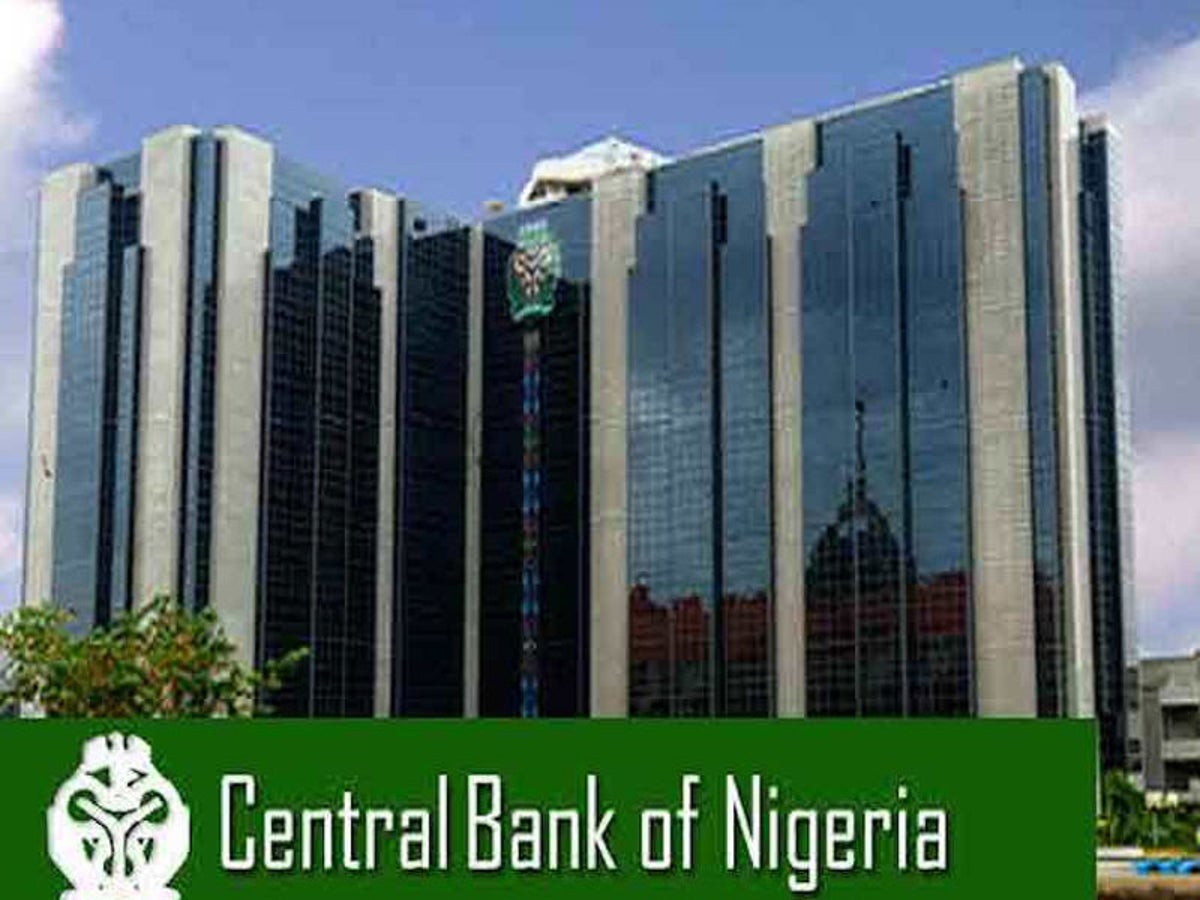
The Central Bank of Nigeria has proposed the establishment of a mediation panel to serve as the first point of resolution for loan-related disputes, reducing immediate recourse to courts in secured lending transactions.
The proposal was contained in a circular issued on Tuesday, inviting stakeholders to comment on draft guidelines for the establishment of a Mediation and Dispute Resolution Panel under the Secured Transactions in Movable Assets framework.
The circular was signed by the CBN’s Acting Director of the Development Finance Advisory Department, P.
I. Oluikpe.“The Panel shall, to the exclusion of any court of law or body in Nigeria, exercise first instant jurisdiction to hear and determine any dispute arising from the operation and application of the Act,” the apex bank stated.
The bank said the initiative was part of efforts to strengthen the financial ecosystem and improve the resolution of disputes arising from lending backed by movable assets.
It added, “The Central Bank of Nigeria is developing guidelines and modalities for the operation of a Mediation and Dispute Resolution Panel.”
According to the circular, the panel is designed to provide “a specialised, cost-effective platform for resolving disputes arising from creation, perfection and enforcement of security interests in movable assets.”
The move is anchored on the Secured Transactions in Movable Assets Act, 2017, which established the panel as the first recourse for mediation and settlement of disputes between creditors and borrowers.
The CBN noted that the objective of the guidelines is to ensure a structured, efficient system for managing disputes while boosting confidence in movable-asset-backed lending.
“The key objective of the MDRP guidelines is to establish a clear and standardised procedure for managing STMA-related disputes, while ensuring transparency, fairness and efficiency,” the CBN said.
The guidelines state that the panel will adopt alternative dispute resolution mechanisms, with a focus on preserving relationships between the parties and ensuring a quicker resolution of disputes.
It also stated that the panel is expected to deliver decisions within 90 days of the first hearing of any petition before it.
Under the proposed framework, parties to a dispute must consent to the panel’s jurisdiction and demonstrate that they made efforts to resolve the issues through informal means before escalation.
“Parties shall demonstrate that they had made efforts to resolve the dispute through other informal means such as negotiations before escalation to the Panel,” the document added.
The guidelines further stipulate that disputes eligible for mediation must involve a valid security agreement, include a mediation clause, and be registered with the National Collateral Registry.
The panel will comprise professionals from law, banking, finance, and dispute resolution, each with at least 10 years’ experience.
The CBN said it would appoint 30 members, from which panels of three persons would be constituted on a rotational basis.
Each panel will be headed by a chairperson and supported by a secretariat responsible for administration, case management, scheduling and documentation.
The mediation process will involve the submission of claims and supporting documents, administrative review, and scheduled hearings, which may be conducted in person, virtually, or through a hybrid arrangement.
The guidelines also state that the panel’s decisions will be legally binding and enforceable in court as consent judgments.
“The award shall be legally binding on the parties and enforceable in court as a consent judgment or consent award,” the document stated.
However, parties retain the right to appeal decisions on limited grounds relating to law or mixed law and fact, subject to specified timelines.
The framework emphasises confidentiality, noting that proceedings and information shared during mediation sessions must be protected.
Funding for the panel will come from CBN subventions, administrative fees paid by disputing parties, and contributions from other sources.
The bank said it was seeking stakeholder input as part of its inclusive policymaking process.
“Comments should be submitted not later than 9th October 2026,” the circular stated.
The development comes about a month after the CBN directed banks to limit access to certain banking services for large borrowers with non-performing loans, in a move aimed at strengthening credit discipline and protecting financial system stability.
In a letter dated March 12, 2026, and signed by the Director of Banking Supervision, Olubukola Akinwunmi, the apex bank instructed lenders to tighten restrictions on such obligors.
The CBN stated that borrowers whose facilities have been classified as non-performing and captured in the Credit Risk Management System or any licensed private credit bureau would be barred from obtaining new credit.
It added that the measure was designed to curb loan defaults and improve overall risk management across the banking sector.
By Tony Obiechina, Abuja
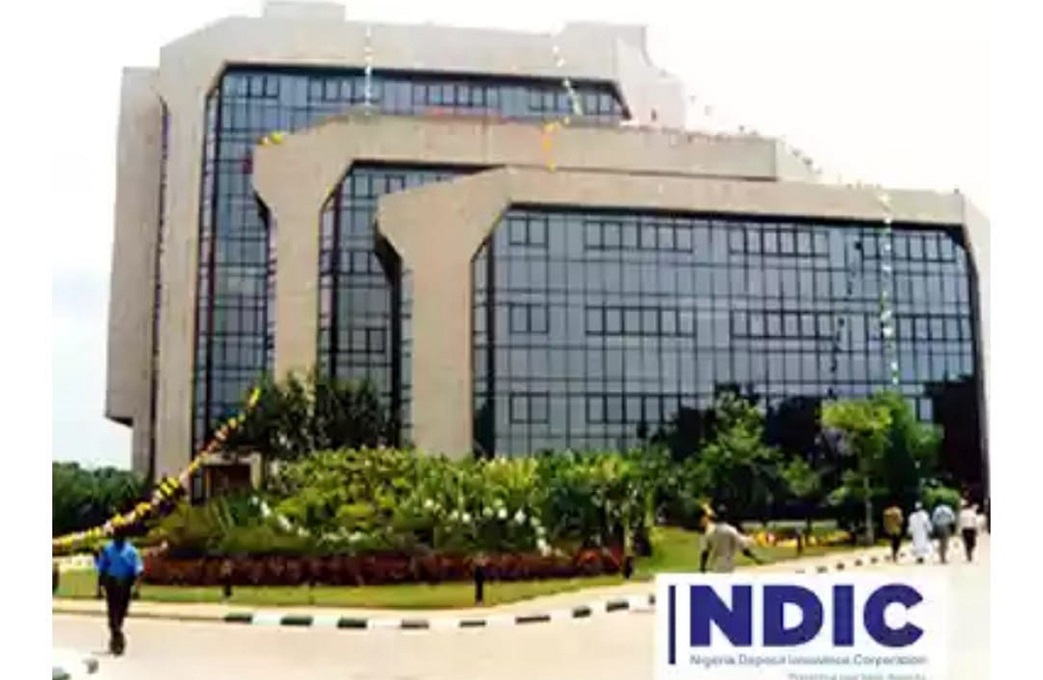
The Nigeria Deposit Insurance Corporation (NDIC) has concluded the process of liquidating 89 closed Microfinance Banks (MFBs) and Primary Mortgage Banks (PMBs) following their successful acquisition by new owners under the Purchase and Assumption (P&A) resolution model executed by the Corporation.
The 89 closed banks were part of the 179 MFBs and 4 PMBs whose banking licenses were revoked by the Central Bank of Nigeria (CBN) on May 22nd and 23rd, 2023.
Through the Purchase and Assumption agreements, 89 new eligible institutions were issued licenses by the CBN, to acquire the assets and liabilities of the defunct banks and have since commenced operations under new names.In order to legally conclude the liquidation process in accordance with the provisions of its enabling Act and other relevant laws, the NDIC in its capacity as the Liquidator of the defunct banks, will be presenting applications to various Judicial divisions of the Federal High Court to obtain orders of dissolution for the closed banks and to release the Corporation as Liquidator.
This was contained in a statement issued by Hawwau Gambo, Head, Communication and Public Affairs of the NDIC on Wednesday.
The list of the defunct banks and assuming new banks include, Mouau Vasmucs Microfinance Bank LIMITED; New owners Movasco-op Microfinance Bank Limited; Eduek Microfinance Bank Limited; Mint Microfinance Bank Limited; Ini Microfinance Bank Limited; Uforo microfinance Bank Limited
Nsehe Microfinance Bank Limited and Vista Microfinance Bank Limited
Zawadi Microfinance Bank Limited
Zitra Microfinance Bank Limited


Mutfwang Holds Close Door with Former State Governors
ShareFrom Jude Dangwam, Jos Plateau State Governor, Caleb Mutfwang has convened a strategic meeting with former governors of the state towards addressing the security challenges bedevilling the state. The meeting held...

Lobi Stars Trim Squad to Push for Promotion
ShareThe Nigerian National League (NNL) side, Lobi Stars Football Club of Makurdi, has trimmed its squad and retained a few quality players to push for promotion to the...


Pope Criticises ‘Tyrants’ Who Spend Billions on Wars after Trump Spat
SharePope Leo has criticised leaders who spend billions on wars and said the world was “being ravaged by a handful of tyrants” in unusually forceful comments during a...


Nigerian Men Scared of Bold, Confident Women, Phyna Claims
ShareFormer Big Brother Naija winner, Josephine Otabor, popularly known as Phyna, has claimed that she is still single because Nigerian...

Residents Decry Persistent Power Outage in Abuja Community
ShareBy Raphael Atuu, Abuja Residents of Waru District in Apo, within Nigeria’s Federal Capital Territory, are raising the alarm over what they...
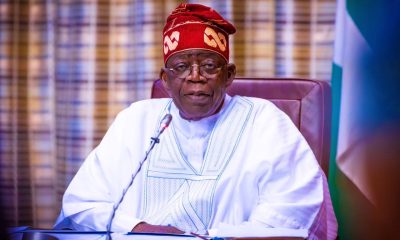

2027: Tinubu Meets Coordinators, Renews Plea for Unity, Rule of Law
ShareBy David Torough, Abuja President Bola Tinubu has called for unity, resilience and renewed commitment to nation-building, urging Nigerians to...


Gunmen Abduct 14 UTME Candidates in Benue Enroute Exams Centre
ShareFrom Attah Ede, Makurdi A wave of concern has trailed the ongoing Unified Tertiary Matriculation Examination (UTME) nationwide following the...


Army Honours Fallen Heroes as Brig. Gen. Braimah, Others Laid to Rest in Maiduguri
ShareFrom Muhammad Muhammad Al-amin, Maiduguri The Nigerian Army has conducted a solemn burial ceremony for Brigadier General Oseni Braimah, Captain...
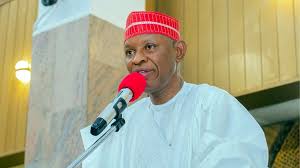

Yusuf Congratulates Abubakar on Election as Int’l Academy of Food Science, Technology Fellow
ShareFrom Rabiu Sanusi, Kano The Governor of Kano State, Abba Yusuf has congratulated Professor Hafiz Abubakar on his election as...
NCA Urges Christians to Exercise Restraint amid ‘Rising Religious Provocations’
ShareFrom Agbo Emmanuel, Kaduna Chairman, Northern Christian Association (NCA) Rev. Joseph John Hayab has called on believers across Nigeria to...