
NEWS
A Tale of Two Cries: Listening to the Consumer, Protecting the Child

By Matthew Ma
Before I departed from the United States upon completing my PhD, one of my esteemed professors called me over for a final conversation. With a serious expression, he implored me, “Please, when you return to Africa, teach your people to avoid becoming what we are today.
” Intrigued by his strong sentiment, I inquired about the reasons behind his perspective.He began to elaborate, painting a vivid picture of the struggles many face in American society.
“Have you noticed how difficult it is for many to thrive in this country?” he asked. He spoke about a pervasive culture of fear where individuals feel increasingly constrained and hesitant to voice their opinions or question authority. “The legal system, once a protector of rights, has now become a source of anxiety,” he explained, describing how people can be taken to court over even the smallest misunderstandings or disagreements.His concerns extended beyond legal matters; he observed a moral decline in which individuals often act impulsively without considering the broader implications. “There’s a pervasive disregard for consequences,” he lamented, signaling a societal shift from accountability to a more self-serving mentality.
Similarly, he noted the alarming trend in education, expressing concern about the content being introduced to children at increasingly younger ages. “The material being presented in schools today is often more suited for adults than young minds,” he remarked. His observation underscores the potential erosion of innocence and the critical responsibility adults have in guiding children.
The professor also reflected on the role of religious institutions in society, which, in his view, had progressively lost their influence as moral arbiters. “The Church, once a bastion of moral guidance, has been stifled by the fear of litigation, leaving it unable to instill the values needed to navigate a complex world,” he argued. As he concluded, he shared a somber observation: American society seemed to be spiraling into unmanageability, and he harbored a deep desire for us in Africa to learn from this trajectory. Now that I have returned to Nigeria, I am starting to understand the gravity of his words.
For instance, I recently encountered two highly controversial issues that have reminded me about my final conversation with my professor. The first concerns a woman who made a bold assertion regarding a type of bread that purportedly remained fresh for an astonishing month without any signs of spoilage. This claim, however, prompted considerable legal backlash.
The company behind the bread took great offense to her statements and subsequently filed a defamation lawsuit against her. As a result, she has found herself at the police station and is now embroiled in a court case that will ultimately determine the validity of her assertions. This situation has sparked intense discussions across various online platforms, drawing numerous perspectives from different online lawyers.
Some argue that she crossed a line, suggesting that her public remarks could damage the company’s reputation and that she should face legal repercussions. On the other hand, others contend that she has the right to express her opinions about the product, provided she does not explicitly name the brand in her critiques. This online debate underscores the tension between freedom of speech and the protection of corporate interests, making it a compelling case to follow as it unfolds in court.
The second case involved a distressed woman who found herself at the center of controversy after voicing her concerns about a children’s storybook that depicted graphic cruelty. In a video I watched on Senator Natasha Akpoti’s Facebook page, the woman expressed deep unease about the themes in the book, which she believed were unsuitable for young readers. Feeling a sense of responsibility, she raised alarms regarding the content, fearing it could adversely affect children’s emotional well-being. However, her actions led to unexpected backlash; instead of receiving support, she faced threats of legal action from unnamed parties, even after she had removed related videos and content from her social media accounts.
At the center of the bread issue and the moral and cultural narratives in children’s stories lies a pressing question that troubles me. Who is safeguarding the Nigerian public—and according to what standards? Both instances highlight a weak or inconsistently enforced consumer protection framework. Whether regarding our food choices or the intellectual nourishment provided to our children, there must be clear safeguards in place.
Agencies such as the National Agency for Food and Drug Administration and Control (NAFDAC) and the Standards Organization of Nigeria (SON) are established for this purpose. Yet, public confidence often falters when concerns are dismissed, delayed, or inadequately addressed.
When a loaf of bread remains remarkably fresh far beyond what is expected, the reaction should not be fear but rather a call for scientific transparency. Consumers have the right to know: What preservatives are used? Are they within safe limits? Are labeling and disclosure standards being upheld?
The second case regarding children’s story narratives delves into a distinct yet equally sensitive area of discussion: the impact of cultural formation and moral education on young minds. Stories play a crucial role in shaping how children think, behave, and perceive their surroundings and the societal structures around them.
This malleable stage of development makes children particularly susceptible to the themes and morals embedded within the narratives they consume, either through books or other media. When parents or educators voice concerns about the narratives that children are exposed to, these worries should not be dismissed lightly or considered trivial.
Rather, they raise significant and complex questions that deserve thorough exploration. For instance, who holds the authority to determine what constitutes appropriate or suitable material for children? Are these decisions guided by cultural norms, educational standards, or other influences? Furthermore, when examining imported versus locally produced materials, do these stories authentically reflect the values, beliefs, and traditions of the society in which children are being raised, or do they present a skewed perspective influenced by external narratives?
A more profound concern arises when reactions to such issues seem selective or disproportionate. All too often, ordinary citizens who voice legitimate concerns find themselves ignored, ridiculed, or even intimidated. Nonetheless, history reveals that many public health breakthroughs originate from observations made by non-experts—individuals who notice that something seems amiss.
While the bread seller may lack a laboratory, her experience, instincts, and proximity to the product should be taken seriously. Therefore, when whistleblowers or concerned citizens are met with intimidation instead of constructive engagement, it creates a chilling effect.
The justice system plays a critical role in this context—not only through its actions but also through public perception: Are complaints addressed impartially? Are corporations and institutions held to the same standards as individuals? Is due process transparent and credible? When citizens perceive that voicing concerns could result in harassment rather than meaningful investigation, trust diminishes rapidly.
We need to handle important issues with care, particularly those impacting public safety or ethical standards. However, we should approach these situations with caution. In today’s world, characterized by the rapid dissemination of viral videos and heightened public outrage, it is all too easy to shift from mere suspicion to outright condemnation without fully comprehending the context or the facts.
Businesses, much like individuals, deserve to be treated fairly and justly. The consequences of unverified claims can be severe, potentially leading to lasting damage to a brand’s reputation, financial stability, and employee morale. This harm extends beyond the corporation itself; it can also ripple through the community and the broader economy.
Therefore, while it is crucial to take public concerns seriously and address them promptly, any conclusions drawn must be rooted in credible scientific evidence and thorough investigation, rather than unfounded speculation or hearsay. This approach can safeguard the integrity of businesses while still addressing the legitimate concerns of the public.
Nigeria often operates in a reactive regulatory mode, often waiting for public outrage before acting. Both situations underscore the need to shift to a proactive stance. This shift must involve the Ministry of Education and its regulatory agencies, which need to adopt a more forward-thinking approach rather than simply responding to crises as they arise.
It is crucial to implement essential mechanisms, such as thorough vetting processes, clear content standards, and regular evaluations of approved materials, to ensure that what enters classrooms and homes aligns with developmental and ethical expectations. Thus, the ministry must firmly denounce any attempts to suppress legitimate concerns through threats or intimidation, as such actions erode public trust and distract from the core issue: the well-being of children.
In conclusion, the narratives of these two women, each presenting unique perspectives on distinct issues, may initially seem unrelated. However, a deeper examination reveals that both situations intersect around a pivotal question that affects society at large: Is the Nigerian system adequately designed to protect its citizens, or is it merely an apparatus for managing crises after they manifest? Upon closer examination, we can see that while the topics of food safety and the nature of children’s content might appear to operate in separate spheres, they are intricately linked through their profound impact on human well-being and dignity.
The right to safe consumption extends not only to physical nourishment but also to the intellectual safety of children exposed to various forms of media. Ensuring that children have access to healthy content is as crucial as guaranteeing that the food they consume is safe and nutritious. Until institutions are willing to foster an environment of consistency, transparency, and accountability, these pressing concerns will not remain isolated incidents. Instead, they will remain as pervasive symptoms of deeper systemic issues that require immediate attention. Addressing these challenges with a holistic mindset is imperative to create a society where the rights and well-being of every individual are genuinely prioritized and protected.
Lastly, what I find particularly troubling in both situations is the presence of intimidation. Any form of intimidation directed at citizens not only instills fear but also sets a dangerous precedent with far-reaching implications. This behavior undermines the vigilance essential to a healthy democracy. It threatens to erode the foundations of public accountability that we depend on to hold officials and institutions responsible for their actions. When individuals feel threatened or coerced, it stifles their willingness to speak out, advocate for their rights, or engage in public discourse, all of which are vital for safeguarding democratic principles.
The urgent question we must consider as Nigerians is whether our society is becoming increasingly unmanageable, reflecting trends seen in America. As I return home, I notice that Nigeria is indeed following a similar trajectory. I am witnessing a gradual decline in our social cohesion, governance, and public trust, which echoes developments observed in America over the years.
Therefore, if we do not remain vigilant and proactive in addressing these issues, we risk facing conditions even more challenging than those experienced by the American populace. The time for action is now; we cannot afford complacency in the face of potential crises that threaten to disrupt our social fabric.
Rev. Ma, S.J., is a Jesuit priest and a public policy analyst. He currently writes from Abuja, Nigeria.
From Agbo Emmanuel, Kaduna
The Kaduna State Government has issued a firm directive for the immediate acceleration and completion of the Nnamdi Azikiwe Western Bypass, declaring ongoing delays “completely unacceptable” in the wake of repeated fatal accidents along the corridor.
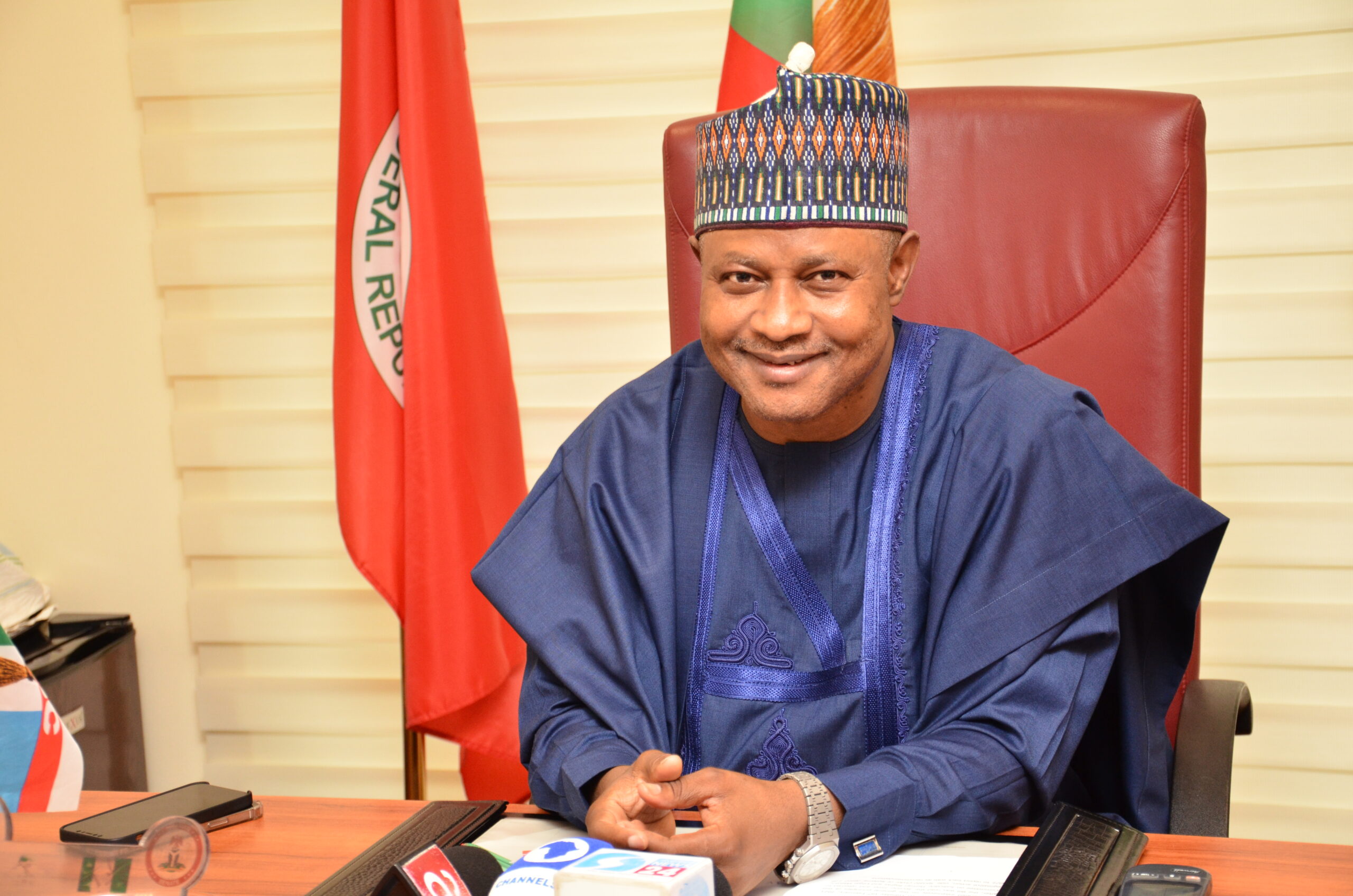
The decision followed an emergency stakeholders’ meeting convened at the instance of Governor Uba Sani, who expressed grave concern over the rising number of crashes on the 21.
5-kilometre expressway stretching from Command Junction through the bypass to Mando Roundabout.Addressing journalists after the meeting, the Commissioner for Information & Culture, Mallam Ahmed Maiyaki, conveyed the Governor’s deep concern and urgency:
“His Excellency is profoundly disturbed by the tragic loss of lives recorded on this highway.
No level of progress can justify the continued loss of even a single life. This situation is intolerable, and decisive action must be taken immediately.”The high-level meeting brought together critical stakeholders, including representatives of the Federal Ministry of Works, the Federal Road Safety Corps (FRSC), KASTELEA, the main contractor Dangote Industries, subcontractors Tata & Sao, and leadership of transport unions such as NARTO, NURTW, and ACCOMORAN.
Maiyaki noted that although the project was awarded in 2021, prior to the current administration, progress had been sluggish until Governor Uba Sani personally intervened.
“Since the Governor’s direct engagement, we have seen a marked improvement in the pace of work. However, progress alone is not enough—timely completion is now non-negotiable.”
According to updates from the Federal Controller of Highways and contractors, approximately 19 kilometres of the road have been completed. Despite the official delivery timeline of December 2026, the Governor has now issued a clear directive for an earlier completion date.
“His Excellency has made it unequivocally clear: this project must be delivered ahead of schedule. Any further delay will not beOK tolerated.”
To ensure strict compliance, the government has established a multi-agency task force to monitor construction and enforce safety measures around the clock, particularly during the rainy season.
The task force, chaired by the Permanent Secretary of the Ministry of Public Works, includes the FRSC, KASTELEA, Federal Ministry of Works officials, contractors, community representatives, traditional leaders, and transport unions. The Ministry of Information has been mandated to lead an aggressive public awareness and behavioral change campaign.
Maiyaki underscored that unsafe road use has been a major contributing factor to the accidents, noting that several high-risk crossing points have been identified.
“Beyond infrastructure, human behaviour remains a critical challenge. We are working closely with communities to enforce safer road usage. Recklessness on our roads must stop.”
He further stressed that both construction standards and road usage must align with global best practices:
“We are committed to ensuring that this road meets international safety standards—not just in design, but in how it is used.”
The government’s intervention follows mounting pressure from community leaders and youth groups, who have described the situation along the bypass as a “serious public safety emergency” with far-reaching economic and social consequences.
With the new directive and enforcement mechanisms in place, the Kaduna State Government says it is determined to restore safety, accelerate delivery, and ensure that the Western Bypass serves its intended purpose without further loss of life.
By Tony Obiechina, Abuja
Lagos, Rivers and Kaduna states have emerged as Nigeria’s most indebted subnational governments, according to the latest data released by the National Bureau of Statistics (NBS), highlighting intensifying fiscal pressures across the country’s tiers of government amid a rising national debt profile.
The NBS, in its Nigeria Q4 2025 Domestic and External Debt Report published on Monday, disclosed that Lagos State continues to dominate the debt landscape, recording N1.
22trn in domestic debt alongside $1.17bn in external obligations.The figures reinforce Lagos’ position not only as Nigeria’s commercial hub but also as the most leveraged state, reflecting its extensive infrastructure financing needs and large-scale economic commitments.
Rivers State ranked second in domestic debt with N378.81bn, underscoring its continued reliance on borrowing to support expenditure, particularly in a volatile revenue environment tied to oil receipts. Kaduna State, meanwhile, stood out on the external debt front with $684.29m, placing it among the most exposed states to foreign currency liabilities.
The broader national picture points to a steady escalation in public debt. Nigeria’s total debt stock rose to N159.28trn (approximately $110.97bn) in the fourth quarter of 2025, up from N153.29trn ($103.94bn) recorded in the preceding quarter.
This represents a 3.90 per cent increase quarter-on-quarter, reflecting sustained borrowing at both federal and subnational levels to bridge fiscal gaps and fund critical expenditures.
A closer look at the composition of the debt shows that external borrowings stood at N74.43trn, accounting for 46.73 per cent of the total, while domestic debt reached N84.85trn, representing 53.27 per cent. The near-even split highlights Nigeria’s dual dependence on local and foreign financing sources, even as exchange rate pressures continue to elevate the cost of servicing external debt.
Beyond the top three states, the report identified several other sub-nationals with significant debt burdens. Bauchi State recorded $220.57m in external debt and N156.05bn domestically, while Delta State posted $63.42m in external obligations alongside N248.83bn in domestic debt. Enugu State also featured prominently, with $99.88m in external debt and N157.60bn in domestic borrowings.
In contrast, some states maintained relatively low debt profiles. Jigawa State reported the least domestic debt at N1.60bn, followed by Ondo State with N8.42bn.
On the external side, the Federal Capital Territory recorded the lowest exposure at $26.80m, with Zamfara State following at $41.93m, suggesting varying fiscal strategies and borrowing capacities across the federation.
The growing debt burden has become a focal point of concern for policymakers, economists and citizens alike, particularly as debt servicing obligations continue to absorb a significant share of government revenues.
Analysts warn that this trend could constrain fiscal flexibility and limit the government’s ability to respond to economic shocks or invest in long-term development priorities.
Economic analysts note that while Lagos, Rivers and Kaduna’s positions as leading debtor states partly reflect their economic size, population and development ambitions, the scale of their obligations raises important questions about debt sustainability at the subnational level.
They argue that without commensurate growth in internally generated revenue and more efficient public spending, the reliance on borrowing could heighten fiscal risks over time.
As Nigeria continues to navigate a complex economic environment marked by inflationary pressures, exchange rate volatility and constrained revenues, the trajectory of public debt, particularly at the state level, is expected to remain a critical issue for fiscal policy and economic stability.
From Rabiu Sanusi, Kano
Kano State Governor, Alhaji Abba Kabir Yusuf has lauded the House Prosperity and Empowerment-Cash Transfer program for achieving significant milestones in transparency, operational efficiency, and beneficiary outreach across the state.
He made the statement when reviewing the Minister of Humanitarian Affairs and Poverty Reduction, Dr.
Bernard M. Doro at Government House Kano on Monday.In a statement issued by the Chief Press Secretary to the Governor, Mustapha Muhammad on Monday, Governor Yusuf disclosed that the programme recorded 609,013 beneficiaries within the state.
He further revealed that citizens living below the poverty threshold received a total of N48,276,150,000 through the initiative.
“This achievement reflects the programmes far-reaching commitment to poverty alleviation, social inclusion, and economic empowerment,” the Governor stated.
Yusuf, who was represented by his Chief of Staff, Dr. Sulaiman Wali Sani urged beneficiaries to view the support not merely as temporary assistance, but as a seed and a catalyst for growth.
He expressed appreciation to Minister Dr. Bernard Doro for his visionary leadership, dedication, and consistent support toward the implementation of the National Social Safety Net Project-Scale Up (NA SSP-SU).
The Minister of Humanitarian Affairs and Poverty Reduction, Dr. Bernard Doro, informed the Governor that he was leading a delegation from the Ministry to meet with stakeholders and beneficiaries to assess the progress of the programme.
The minister noted that the volume of funds received by Kano citizens exceeds the combined total of four other states, and he commended the state government for maintaining transparency throughout the process.
In her welcome address, the State Commissioner for Women Affairs, Children and Persons with Special Needs, Hajiya Amina Abdullahi (HOD), confirmed that the programme is proceeding smoothly and noted that beneficiaries have expressed immense gratitude for the gesture.

Ekiti 2026: Tight Security at Oyebanji Campaign Flag-off
ShareThere is tight security at the Ekiti Parapo Pavilion, Ado-Ekiti, venue of the flag-off of re-election campaign of Gov. Biodun...

Kano ADC Candidate Forum Demands INEC Chairman Resignation over Alleged Partisanship
ShareFrom Rabiu Sanusi, Kano The African Democratic Congress (ADC) Candidate Forum in Kano State has called for the immediate resignation...
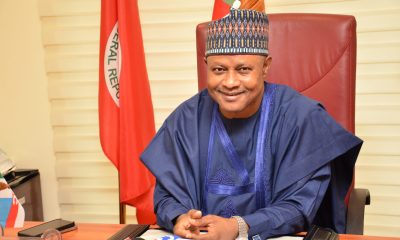

Uba Sani Orders Immediate Completion of Western Bypass
Share From Agbo Emmanuel, Kaduna The Kaduna State Government has issued a firm directive for the immediate acceleration and completion of...

Lagos, Rivers, Kaduna States Emerge Nigeria’s Most Indebted Sub-nationals
ShareBy Tony Obiechina, Abuja Lagos, Rivers and Kaduna states have emerged as Nigeria’s most indebted subnational governments, according to the...

Yusuf Commends Success of Cash Transfer Programme in Kano
ShareFrom Rabiu Sanusi, Kano Kano State Governor, Alhaji Abba Kabir Yusuf has lauded the House Prosperity and Empowerment-Cash Transfer program...
Enugu North Stakeholders Pay Appreciation Visit to Mbah
ShareFrom Sylvia Udegbunam, Enugu Stakeholders from Enugu North Senatorial District on Sunday paid a thank-you visit to Enugu State Governor,...


Enugu Police Rescue Kidnapped Victim, Arrest Suspect
ShareFrom Sylvia Udegbunam, Enugu The Enugu State Police operatives attached to the Anti-Kidnapping Sub-Unit of the Violent Crime Response Unit...


WHEN HELL TAKES OVER PARADISE:
ShareA REVIEW OF IYORWUESE HARRY HAGHER’S A PORTRAIT OF PARADISE James Tar Tsaaior A Portrait of Paradise is a pulsating,...
Giwa Inspects Facilities Ahead Police Constables Recruitment in Enugu
ShareFrom Sylvia Udegbunam, Enugu The Commissioner of Police, Mamman Bitrus Giwa on 27th April 2026, visited the Police Detective College...


Troops Apprehend IPOB/ESN Suspect, Recover IEDs in Imo
ShareTroops of 82 Division and Joint Task Force South East (OPUK) have apprehended a suspected member of the Indigenous People...