
NEWS
Project Gazelle 2: Commending Better Terms; Demanding Greater Transparency

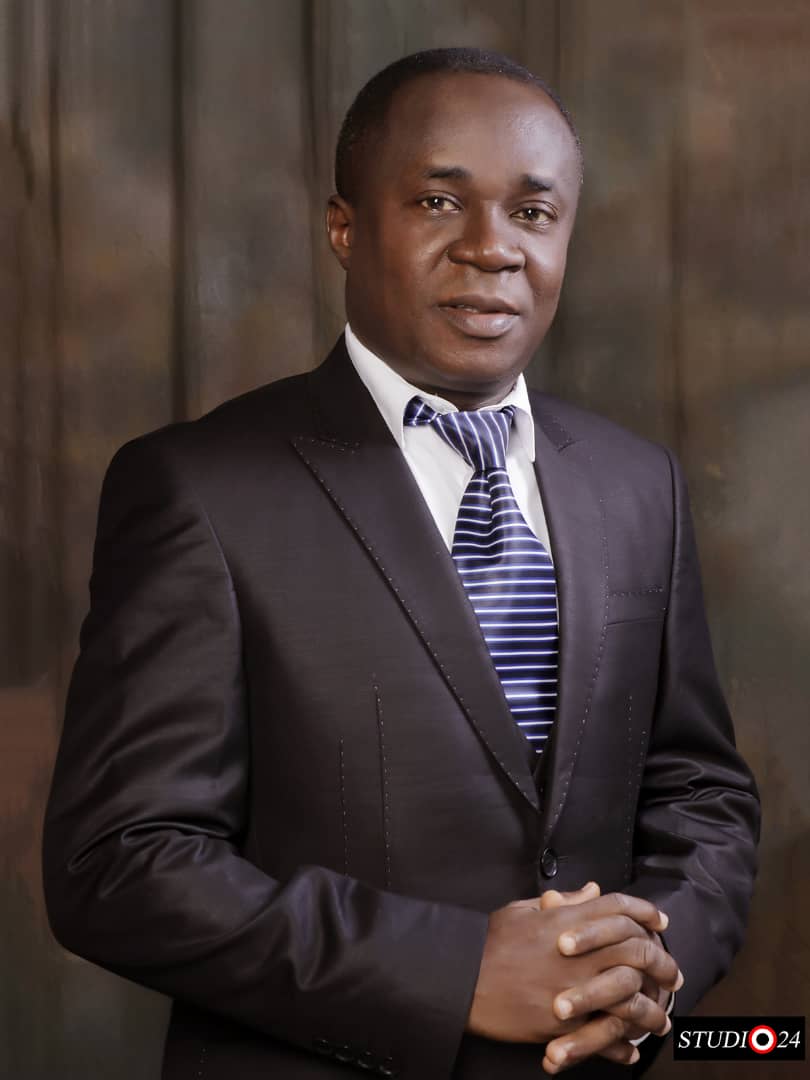
By Uche Uwaleke
The decision of the National Economic Council (NEC) to approve the refinancing of the US$3.3 billion Project Gazelle Pre-Export Finance Facility through a new US$4.5 billion facility, christened Project Gazelle 2, marks an important development in Nigeria’s public finance management.
If properly implemented, the restructuring has the potential to reduce financing costs, improve liquidity, strengthen the country’s external reserves and create additional fiscal space for government priorities. These are commendable objectives.However, while the improved financial terms deserve recognition, they should not overshadow the equally important issues of transparency, accountability and legislative oversight that have trailed Project Gazelle since its inception.
Refinancing an opaque arrangement on better commercial terms is certainly an improvement, but it is not a substitute for full public disclosure. A better deal must also be a more transparent deal.
To appreciate the significance of the recent decision, it is necessary to understand what Project Gazelle represents.
Project Gazelle is a crude oil pre-export finance facility originally arranged by the Nigerian National Petroleum Company Limited (NNPCL) in 2022 and concluded in 2023. Under the arrangement, NNPCL secured a US$3.3 billion loan from Afreximbank backed by future crude oil production. To repay the facility, Nigeria committed 90,000 barrels of crude oil per day between 2024 and 2029, amounting to 164.25 million barrels over the repayment period.
The loan reportedly carried an annual interest rate of about 11.85 percent and was collateralized by future crude oil sales.
From the outset, the transaction generated widespread concerns not least because of the structure of the transaction itself.
One of the major issues was the limited public disclosure surrounding the agreement. Important details regarding the loan documentation, repayment structure, crude oil collateral arrangements, revenue flows and the precise obligations assumed by the country were not readily available for public scrutiny.
The involvement of an offshore Special Purpose Vehicle (SPV), Project Gazelle Funding Limited, reportedly incorporated in the Bahamas, further heightened concerns regarding transparency, accountability and the possibility of revenue leakages.
These concerns were reinforced by the Central Bank of Nigeria’s Q4 2023 Economic Report, which indicated that NNPCL’s remittances to the Federation Account had declined significantly due to prior financial obligations, including crude-backed financing arrangements.
Since revenues accruing to the Federation Account belong to the Federal Government, the thirty-six states and the 774 local governments, any financing arrangement that directly affects those inflows inevitably raises important constitutional and fiscal questions.
Against this backdrop, the recent announcement by the Federal Government that the refinancing has been negotiated on considerably more favourable terms represents a significant improvement.
According to the FG, the volume of pledged crude oil has been reduced from 90,000 barrels per day to 78,750 barrels per day- a reduction of 12.5 percent. Consequently, an additional 11,250 barrels per day will now be available to the Federation, thereby improving future revenue inflows while still providing access to an additional US$3 billion in liquidity.
This is a sensible and pragmatic outcome. Reducing the amount of future crude production tied up as collateral while simultaneously lowering financing costs reflects stronger financial negotiation.
It demonstrates that the present administration recognizes the importance of balancing immediate financing needs with the long-term protection of Nigeria’s oil revenues.
Nevertheless, better pricing alone cannot resolve the fundamental governance issues associated with crude-backed borrowing.
The first and perhaps most urgent requirement is complete transparency. Nigerians deserve to know the full details of Project Gazelle 2. The FG should publish the principal terms of the refinancing arrangement, including the loan agreements, crude oil collateral schedules, repayment timelines, interest obligations, security arrangements, revenue flow mechanisms and the identities of all entities involved in the transaction.
Transparency strengthens public confidence, improves investor credibility and reduces unnecessary speculation.
Secondly, the FG should commission an independent forensic audit of Project Gazelle and all other crude-backed financing arrangements entered into over the years. Such an audit should determine the actual proceeds received, the utilization of the funds, the outstanding obligations, compliance with contractual terms and the overall fiscal impact on the Federation Account.
Independent verification would provide clarity and help establish stronger standards for future resource-backed financing.
Thirdly, NNPCL should institute regular monthly public reporting on the utilization of proceeds and the current repayment status of all crude-backed loans. Such reporting should disclose the volume of crude delivered, outstanding balances, repayments made and the impact on Federation Account inflows. Continuous disclosure is essential for accountability and prudent fiscal management.
Equally important is the constitutional role of the National Assembly. It goes without saying that any borrowing arrangement that commits future national oil production and materially affects revenues accruing to the Federation Account should be subjected to legislative scrutiny and approval.
The National Assembly must have the opportunity to examine the repayment obligations, evaluate the fiscal implications for all three tiers of government and ensure that the transaction represents value for money.
Such oversight is not an unnecessary bureaucratic hurdle; it is an essential safeguard against excessive encumbrance of national assets and future public revenues.
Finally, Nigeria must address the underlying challenge that makes crude-backed borrowing a recurring financing option in the first place notably inadequate crude oil production.
The country’s oil reserves are substantial. Nigeria possesses about 37 billion barrels of proven crude oil reserves compared to the United States’ estimated 50 billion barrels.
Yet while the United States currently produces about 13 million barrels per day, Nigeria’s production has hovered around 1.5 million barrels per day, often below its OPEC allocation. In effect, Nigeria possesses roughly three-quarters of America’s proven reserves but produces only about one-eighth of America’s daily output.
This striking disparity underscores the urgent need to increase crude oil production. Tackling oil theft, securing critical infrastructure, attracting fresh upstream investment, streamlining regulatory processes and improving operational efficiency should remain national priorities.
It is a no-brainer that higher production would generate additional revenues, reduce pressure to rely on crude-backed borrowing and strengthen the country’s overall fiscal resilience.
Undoubtedly, Project Gazelle 2 represents an improvement over its predecessor. Lower pledged crude volumes, improved financing terms and additional liquidity constitute meaningful gains for the Nigerian economy. These achievements deserve recognition.
However, the true measure of success will not be the size of the facility or the attractiveness of its commercial terms alone.
It will depend on whether the Government seizes this opportunity to institutionalize transparency, strengthen legislative oversight, improve public accountability and ensure that Nigeria’s petroleum resources are managed openly and prudently for the benefit of all citizens.
All said, a better deal should also be a more transparent deal. Only then can Project Gazelle 2 become not merely a refinancing exercise, but a defining example of responsible and accountable resource-backed financing in Nigeria.
Prof Uche Uwaleke, a Financial Economist, is the Director of the Institute of Capital Market Studies at the Nasarawa State University Keffi and President of the Capital Market Academics of Nigeria
Former Nigerian international squash player, Longdi Dasbak, on Monday has called for increased efforts to encourage girls to take up squash, saying female participation in the sport remains very low.
Dasbak made the call on Monday during the second edition of the Squash Premier League at the Moshood Abiola National Stadium, Package B, in Abuja.
The week-long tournament, themed “Breeding the Next Generation of Champions,” began on Monday and will end on Aug.
8.Dasbak described the league as a positive initiative that would significantly contribute to grassroots development and the growth of squash in Nigeria.
“I would say this is a very good development, especially for grassroots squash, because that is where every successful sport begins.
“We want to develop young players who will take the game to the next level while making squash more popular across the country. This league is another important way of promoting the sport,” she said.
She said that participation had increased considerably since the league was introduced in 2025, adding that the growing number of children taking part showed that awareness of the sport was improving.
“The first edition did not attract this number of participants, but now you can see many more children taking part. That shows awareness is increasing, and I believe it is a very positive development,” she said.
Dasbak, who participated as one of the instructors at the coaching and officiating clinic organised by the tournament, said it was her first time that she will be speaking at the event.
She said she established the Dasby’s Sports Development Association in Plateau to create opportunities for girls, particularly those from less privileged backgrounds, to participate in sports.
According to her, the association also runs Dasby’s Squash Academy, where boys and girls aged six years and above receive training, with special emphasis on encouraging female participation.
“Female participation in squash is still very low, and we have very few women actively playing the sport. That inspired me to establish the foundation in Plateau State,” she said.
Dasbak said the academy currently has more than 35 young players and expressed optimism that it would continue to expand.
She added that although some parents were initially reluctant to allow their daughters to participate in sports, sustained advocacy had helped to change their mindset.
“Even girls from families that can afford sports programmes are welcome. We bring everyone together because every girl deserves an opportunity,” she said.
On government support for squash, Dasbak said the sport had yet to receive the desired level of attention compared to more popular sports.
“I wouldn’t say squash is receiving the desired attention from the government. Football naturally gets more attention, but squash also deserves greater support,” she said.
She stressed that creating greater public awareness remained essential to attracting more participants to the sport.
Dasbak identified inadequate funding, the high cost of equipment and transportation as major challenges confronting grassroots squash development.
“There are many challenges. Government cannot do everything alone, so individuals and corporate organisations have important roles to play in supporting initiatives like this,” she said.
She said that her foundation was not only focused on sports development but also on empowering girls through life skills that would enable them to become self-reliant.
According to her, she travelled to Abuja with 10 players for the competition and appealed to corporate organisations, philanthropists and other well-meaning Nigerians to support grassroots sports development.
“Our most urgent need right now is sponsorship. With adequate support, we will be able to reach more children and provide greater opportunities for them through sports,” she said.
Dasbak is the founder of Dasby’s Squash Academy for boys and girls aged six years and above, as well as the Dasby’s Sports Development Association, a Plateau-based initiative dedicated to empowering girls through sports.
Manchester United have made striker Chido Obi-Martin available for a loan move this summer following a mixed pre-season assessment, with the club preferring a continental European destination over a physical domestic EFL loan.
Red Devils manager Michael Carrick and the coaching staff feel the young Dane is not quite ready for regular senior minutes in the Premier League.
According to a report from Tipsbladet, Manchester United favour sending him to a continental European club rather than a Championship side to ensure a proper developmental style and high playing time without excessive physical risks.
Recall that forwards like Benjamin Šeško, Matheus Cunha, and Bryan Mbeumo sit ahead of him in the current senior pecking order.
Obi featured in pre-season for Man Utd during their 5-0 win over Rosenborg for 30 minutes as a substitute, although he didn’t travel with the squad for their recent win over Atletico Madrid.
Chido Obi-Martin joined Manchester United towards the end of 2024 after leaving Arsenal’s youth academy and has quickly established himself as one of the club’s brightest attacking prospects.
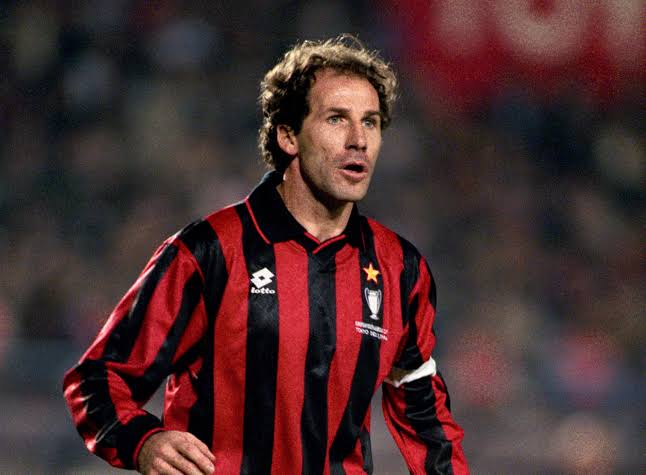
Thousands of people gathered on the streets of Milan on Tuesday for the funeral of legendary defender Franco Baresi.
The 66-year old died last week after a period of ill health.
Regarded as one of the greatest defenders to play the game, Baresi captained Milan for 15 seasons, making 719 appearances and scoring 33 goals.
The centre-back won 18 trophies with the Rossoneri: six Serie A titles, three Champions Leagues, four Italian Super Cups, three Uefa Super Cups and two Club World Cups.
He was capped 81 times by Italy and was part of the squad which won the 1982 World Cup.
He played and was captain in the 1994 final, which Italy lost to Brazil.Baresi was made honorary president of Milan in 2020, and his number six shirt was retired when he finished his playing career.
The funeral service was held at Sant’Ambrogio Basilica and club greats including Paolo Maldini, Marco van Basten, Clarence Seedorf, Roberto Baggio and Alessandro Costacurta were in attendance.
The current AC Milan squad is in Australia on a pre-season tour but some first-team players not involved did attend, including USA forward Christian Pulisic.
AC Milan will pay tribute to their former captain ahead of their friendly match against Inter on Wednesday.




Tinubu Approves Salary Increase for 250,000 Armed Forces Personnel
ShareBy David Torough, Abuja President Bola Tinubu has unveiled a major package aimed at strengthening Nigeria’s armed forces through improved...

Campaign Council Denies Adeleke’s Attack on Tinubu
ShareFrom Ayinde Akintade, Osogbo The Imole Campaign Council has slammed the misinterpretation and falsification of Governor Ademola Adeleke’s clarion call...
Lawmaker Seeks National, Global Action on Cross River Landslide
ShareFrom Ene Asuquo, Calabar The member representing Akpabuyo/Bakassi/Calabar South Federal Constituency and Chairman of the House of Representatives Committee on...


Allow Young People Takeover Governance, Abbas Tells Aged Politicians
ShareBy Ubong Ukpong, Abuja House of Representatives Speaker, Rt. Hon. Abbas Tajudeen, on Tuesday, told aged politicians and political heavy...
2027: Radda’s Chief of Staff Urges APC Stakeholders to Close Ranks
ShareFrom Rabiu Sanusi, Kano The Chief of Staff to the Katsina State Governor, Hon. Abdulkadir Mamman Nasir, has called on...


2027 Election: Only Tinubu ‘ll Win Rivers — Wike
ShareBy Laide Akinboade, Abuja Minister of the Federal Capital Territory (FCT), Nyesom Wike, on Tuesday declared that President Bola Tinubu...
Ex-International Advocates Greater Female Participation in Squash
ShareFormer Nigerian international squash player, Longdi Dasbak, on Monday has called for increased efforts to encourage girls to take up...
Man United Ready To Loan Out Chido Obi
ShareManchester United have made striker Chido Obi-Martin available for a loan move this summer following a mixed pre-season assessment, with...

Mourners Line Streets of Milan for Legend Baresi’s Funeral
ShareThousands of people gathered on the streets of Milan on Tuesday for the funeral of legendary defender Franco Baresi. The...

Tinubu Hails Team Nigeria’s 24-medal Commonwealth Games Haul
SharePresident Bola Tinubu has congratulated Team Nigeria on its impressive performance at the Commonwealth Games in Glasgow, Scotland. Tinubu also...