
NEWS
Telecom Vandalism: The Human Cost of Nigeria’s Network Disruptions

By Usman Aliyu
Going into labour in Benin City, Edo, Grace Osagie anticipated calling her husband, but unexpected phone issues left her completely isolated from him when she needed him most.
Nine months pregnant, she repeatedly tried to make calls, but the mobile network was unavailable.
Unable to reach her husband or obtain medical assistance by phone, she eventually relied on a passerby for help.Osagie attributed the outage to a dispute involving youths in her community who allegedly demanded money from operators of a nearby telecommunications site, leading to the shutdown of its base station.
What should have been a routine call for assistance became a frightening reminder of what happens when communication infrastructure fails at a critical moment.
For Rahmat Saadu, a computer analyst in Abuja, the consequences were professional. A disruption to fibre-optic and mobile connections prevented her from delivering work to an international employer before a deadline, threatening an income dependent on reliable internet access.
In Benin City, investigative journalist Jethro Ibike could not upload a report after a telecommunications site reportedly lost power following the theft of diesel and inverter batteries.
In Enugu, a surgeon, Dr Emeka Nwosu, could not reach a consultant during a medical emergency, an experience he attributed to fibre-optic cable vandalism.
These four accounts, drawn from engagements with the individuals, illustrate how damage to telecommunications infrastructure can extend far beyond a broken cable or stolen battery.
The consequences can include delayed medical assistance, lost income, failed business transactions and interrupted access to essential services.
As Nigeria becomes increasingly dependent on mobile communications and internet connectivity, infrastructure vandalism is no longer merely an operational problem for telecommunications companies. It is a public safety, economic and development concern.
The Nigerian Communications Commission (NCC) disclosed in August that more than 5,000 fibre-optic cable-cut incidents were recorded nationwide in the first half of 2026, many linked to road construction, excavation and related civil works.
NCC Chief Executive Officer, Aminu Maida, warned that damaged cables could result in failed calls, stalled payments, interrupted services and missed opportunities.
Maida urged contractors, telecommunications operators, government agencies and regulators to coordinate before excavation begins.
The problem extends beyond damaged fibre. Telecommunications companies also contend with the theft of generators, batteries, diesel, cables and other equipment needed to keep base stations operational.
NCC data reported in April showed that 656 power assets – 152 generators and 504 batteries – were stolen from telecommunications sites in 2025.
There were also 1,344 diesel-theft incidents and 49 cases classified as vandalism and sabotage. A further 64 batteries and 17 generators were reportedly stolen in January and February 2026.
The impact can be considerable. A stolen component may disable a site that depends on backup power during electricity outages, while damage to a fibre route can disrupt connectivity across several locations.
In Edo, the Nigeria Security and Civil Defence Corps (NSCDC) has reported substantial damage to telecommunications infrastructure between 2024 and 2026.
Suleiman Mohammed, head of the Critical National Infrastructure Unit at the state command of the NSCDC, said MTN recorded more than 500 vandalisation incidents involving its facilities during the period. IHS recorded 350 vandalisation spots.
Mohammed said Airtel recorded a case involving damage to fibre-optic cables across 150 locations, affecting a route spanning approximately 300 kilometres during the period, attributing the damage to road construction.
The NSCDC boss advocated stronger collaboration, prompt reporting of vandalism and a “Call Before You Dig” approach to excavation.
For residents and businesses affected by outages, however, the distinction between a severed cable and a vandalised base station offers little comfort. The result may be the same: a failed call, a lost customer or an inaccessible service.
Gbenga Adebayo, chairman of the Association of Licensed Telecommunications Operators of Nigeria (ALTON), identifies two major sources of damage: construction-related incidents and deliberate theft.
He cautions against assuming that every incident is intentional, arguing that much of the damage caused during road construction is avoidable through better coordination.
“No contractor of the government who is receiving a government contract will go with his flowers to go and remove or destroy infrastructure.”
According to him, damage often results from inadequate coordination rather than deliberate sabotage.
“Fibre-optic cables may run alongside water pipes, power lines and other underground utilities. Where accurate maps are unavailable or operators are not consulted before excavation, construction crews can sever cables without knowing what lies beneath the ground.”
Adebayo said the “Call Before You Dig” principle should become standard practice. Contractors should notify infrastructure owners before excavation, announce planned works and agree on protective measures or relocation where necessary.
He cited consultations with infrastructure stakeholders before some government projects in Lagos as a model that should be adopted more consistently across the country.
Deliberate theft presents a different challenge. According to Adebayo, vandals target diesel, batteries, cables and electronic components that can be sold, while people familiar with network infrastructure may collaborate with outsiders to steal equipment.
He also warned that insider sabotage and restrictions on access to telecommunications sites, including those arising from disputes over revenue collection, can interrupt services.
When engineers cannot reach a base station to maintain equipment or restore service, the disruption may spread to other locations dependent on it.
“The financial burden on operators includes replacing stolen equipment, repairing cables and deploying engineers. Resources that could have expanded coverage or upgraded networks are instead diverted to restoring damaged infrastructure.
“The money we would have used in expanding networks is what we are using to repair networks,” Adebayo said.
He added that operators must contend with unreliable electricity, fuel costs, backup power systems, logistics and security expenses.
Karl Toriola, Chief Executive Officer of MTN Nigeria, has similarly highlighted the cost of maintaining telecommunications services, citing power, fuel, replacement capital expenditure and recurring infrastructure damage among the pressures facing the industry.
“The consequences extend beyond operators. Repeated disruptions can undermine businesses that depend on connectivity and delay investment in underserved areas,” he noted.
For Saadu, the cost was work she could not deliver on time, resulting in the loss of a high-paying remote job. For Nwosu, it was difficult to reach a consultant needed to carry out a successful surgical procedure. In both cases, damage to infrastructure elsewhere threatened livelihoods.
The National Association of Telecom Subscribers of Nigeria (NATCOMs) has called on security agencies to intensify surveillance and tackle vandalism in Nigeria’s telecommunications sector, valued at $76 billion.
Its president, Deolu Ogunbanjo, described the situation as worrying, particularly because telecommunications infrastructure has been designated Critical National Information Infrastructure (CNII).
He cited the protection of oil and gas infrastructure by Tantita Security Services Nigeria Limited as a possible model for safeguarding telecommunications assets, warning that persistent attacks would continue to contribute to poor services.
The Federal Government’s 2024 CNII designation was intended to strengthen protection for critical telecommunications assets. Yet continuing reports of theft and cable damage suggest that designation alone has not resolved the problem.
Adebayo acknowledged efforts by the Office of the National Security Adviser, the NSCDC, the police and other stakeholders, including interventions in cases where landlords or communities blocked access to sites. He said prosecutions were being pursued in some cases but called for stronger enforcement.
“Where we have issues of wilful damage, if you damage it, you must fix it,” he said, advocating consequences for deliberate vandalism and damage caused by failure to follow established procedures.
The objective, he argued, should be not only to punish offenders after an outage but also to deter future damage.
Some of the most consequential losses do not appear on telecommunications companies’ balance sheets.
A failed call to a doctor, an emergency contact that does not go through, or a journalist unable to transmit a report may not be recorded as a direct cost of vandalism. Yet each can affect safety, income, access to information and public confidence.
Adebayo warned that persistent infrastructure damage could also undermine Nigeria’s digital transformation ambitions. Government digital services, online businesses and efforts to expand broadband access all depend on reliable networks.
“If you destroy communication infrastructure, it is as basic as destroying your own home economy,” he said.
Tobe Okigbo, MTN Nigeria’s chief corporate services and sustainability officer, also drew attention to government actions that can disrupt services, including restrictions on site access or interference during disputes over levies and revenue collection.
Adebayo advocates a “whole-of-society approach”, arguing that telecommunications infrastructure should be treated as a shared public interest because millions depend on it, even when privately owned.
“Communities can report suspicious activity around telecommunications sites, while buyers of used batteries, cables and other equipment can ask about their origin.
“Contractors should notify operators before excavation, and government agencies should ensure that public works are properly coordinated,” the ALTON chair said.
The NSCDC has similarly urged residents to report vandalism and theft promptly so security personnel can respond.
Mohammed said the “Call Before You Dig” initiative offers a practical way to reduce construction-related damage. But prevention must be matched by consequences for deliberate theft, sabotage and negligence.
For people whose lives are disrupted when a network goes down, these measures are not abstract policy proposals.
They can mean the difference between reaching help and being stranded, earning an income and losing an opportunity, or completing an urgent task and missing a deadline.
Osagie’s experience during labour captures the stakes most starkly. A mobile connection may seem like an everyday convenience until it becomes the only available means of reaching someone who can help.
As Adebayo emphasised, “Ownership, ownership, ownership” is key. Safeguarding the network is a collective duty; therefore, anyone causing intentional or preventable damage must be held accountable, and the infrastructure must be repaired immediately.(NAN)

By Tony Obiechina, Abuja
The Nigerian Economic Summit Group (NESG) has said that 74.4 per cent of households recognise the government’s right to collect taxes, although trust in tax authorities remains relatively low, with a score of 2.
01 out of four points.In a survey conducted by NESG, which covered 18,000 households and 9,097 businesses across the 36 states and the Federal Capital Territory (FCT), it discovered that 67.
2 per cent of households had encountered informal levies imposed by non-government groups or individuals at least once.It equally showed that 13.9 per cent of businesses had been asked to pay charges they considered illegal, raising concerns about the burden of multiple payments on households and businesses.
According to the survey, the findings which were presented in Abuja during a plenary session at the 32nd Nigerian Economic Summit (NES#32), examined how the government could rebuild public trust, ensure fairness and encourage voluntary tax compliance.
The session, titled: “Rethinking the Tax Contract: Building Trust, Fairness and Compliance”, brought together government officials, civil society representatives and technology experts to discuss how the tax system could better serve both the government and taxpayers.
The survey also revealed a gap in tax knowledge between households and businesses. While 40 per cent of households had a moderate understanding of tax laws, 80 per cent of businesses said they were aware of the laws.
The survey also identified concerns about unequal tax burdens, differences in the use of digital tax services and limited access to channels for reporting complaints as other problems requiring attention.
The NESG said improving tax compliance would require more than forcing people to pay. It called for simpler procedures, better communication, fair administration and clear evidence that tax revenue was being used to improve people’s lives.
Speaking at the session, the Executive Secretary of the Joint Revenue Board, Olusegun Adesokan, said ongoing reforms were aimed at building a tax system based on fairness, equal treatment, accountability and transparency.
He said that the government was working to harmonise taxes collected by state and local authorities to reduce the difficulties businesses and individuals face when dealing with multiple levies.
He revealed that 20 states have adopted the proposed harmonised tax framework, while the legislation was being reviewed in another 17 states.
Adesokan also pointed to the introduction of uniform presumptive tax regulations by the Minister of Finance, saying that the rules were designed to ensure more consistent treatment of taxpayers across the country.
He remarked that presumptive taxation generally provides a simplified way of calculating tax for businesses, particularly small operators who may not have complete financial records.
Adesokan reiterated that improving the independence of state revenue authorities was another important part of the reform process.
Of the 37 subnational tax authorities assessed, Adesokan said 15 were fully autonomous, 15 were partly autonomous, while seven had no autonomy.
By Elijah Oguche, Abuja
The National Agency for Food and Drug Administration and Control (NAFDAC) has destroyed counterfeit, banned, adulterated and unwholesome products valued at over ₦8 billion seized across the North-Central zone.
The products were destroyed on Thursday in Lafia, Nasarawa State, during an exercise led by the agency as part of efforts to protect public health and prevent dangerous products from reaching consumers.
NAFDAC Director-General, Prof. Mojisola Adeyeye, who disclosed this at the event, said the confiscated items were recovered from manufacturing facilities, sales outlets, markets and motor parks.
Adeyeye, represented by the agency’s North-Central Coordinator, Joseph Edor, said most of the seized products were prohibited alcoholic beverages packaged in sachets and containers of less than 200 millilitres.
She explained that the restriction on alcoholic drinks packaged in sachets and small containers, including glass bottles below 200 millilitres, was introduced because their affordability, availability and portability made them easily accessible to young people and underage schoolchildren.
“Research has shown that early exposure to alcohol affects the brain and other vital organs such as the liver and kidneys,” she said.
The NAFDAC boss warned that early alcohol consumption could disrupt brain development, cause brain damage, impair students’ academic performance, reduce productivity and contribute to various health conditions.
She said the ban and enforcement operations were intended to curb alcohol abuse and addiction while reducing the health risks associated with the consumption of prohibited products.
Adeyeye noted that the destroyed items also included expired and counterfeit medicines, unwholesome food products and cosmetics.
She reaffirmed NAFDAC’s commitment to safeguarding public health, noting that the agency was established under Decree No. 19 of 1993, as amended, to ensure that regulated products manufactured, imported, distributed and sold in Nigeria meet required standards of quality, safety and efficacy.
She also commended law enforcement agencies, sister agencies and other stakeholders for their cooperation with NAFDAC, particularly in intelligence sharing and providing security during enforcement operations.
Speaking at the event, the NAFDAC Coordinator in Nasarawa State, Dr. Gyani Stephen, said the destruction exercise was not intended to target or hurt traders but to protect public health and save lives.
He warned traders involved in the sale of fake and prohibited products to stop the practice or face the full weight of the law.
In his remarks, the Nasarawa State Commander of the National Drug Law Enforcement Agency (NDLEA), CN Saidu Daniel, represented by Yakubu Awoh, praised NAFDAC for its efforts to protect Nigerians from dangerous products.
Daniel said allowing the seized products into circulation could have put millions of lives at risk and adversely affected the mental health of many people.
By Tambaya Julius, Abuja
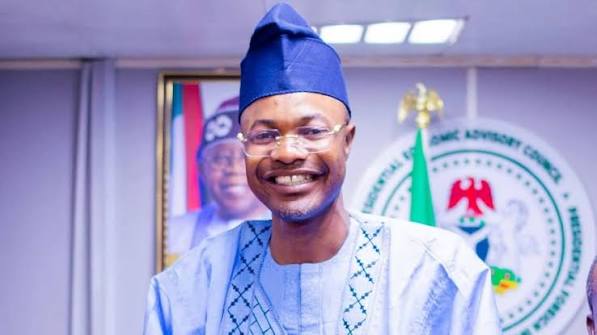
The Independent Corrupt Practices and Other Related Offences Commission (ICPC) has arraigned Adeniyi Adeyemi, who allegedly posed as director-general of the controversial ‘Presidential Foreign Investment Promotion Council (PFIPC)’, on 22 counts of forgery and impersonation before an Abuja High Court.
The arraignment on Thursday, followed the withdrawal of an earlier eight-count charge after a review by the Attorney-General of the Federation (AGF).
The earlier case was struck out by a Federal High Court in Abuja on October 12, after the Federal Government sought to discontinue the proceedings.
Director of Public Prosecutions of the Federation, Rotimi Oyedepo, had told the court that the review found that the alleged offences fell within the jurisdiction of the FCT High Court, rather than the Federal High Court, where the police initially filed the charges.
The prosecution subsequently filed a fresh charge before the FCT High Court.
In the new charge, the ICPC accused Adeyemi of forging a letter dated March 8, 2024, purportedly signed by Femi Gbajabiamila, Chief of Staff to the President, appointing him director-general of the PFIPC.
The commission alleged that he used forged documents to present the purported agency as a legitimate government institution and gain access to government facilities and official processes.
The charges include the alleged forgery of an executive order purportedly establishing the agency and a legislative instrument bearing the titles of the Presidential Economic Advisory Council and the PFIPC.
Adeyemi was also accused of forging a document addressed to the Accountant-General of the Federation, seeking approval for the agency to operate within the government’s financial reporting structure.
Other allegations concern documents purportedly submitted to the National Information Technology Development Agency (NITDA) to obtain a domain name for the agency.
The ICPC further alleged that Adeyemi sought more than N27 billion to establish the purported agency and N3.8 billion for personnel costs by presenting forged documents to the Minister of Finance and Coordinating Minister of the Economy.
The commission also accused him of giving N210,000 to Aminu Abdullahi, an assistant chief technical officer in the Office of the Secretary to the Government of the Federation, to facilitate the allocation of office space without official authorisation.
In another count, Adeyemi allegedly paid N300,000 to Ogaba Harry, an officer in the Office of the Chief Economic Adviser to the President, to facilitate the release of two official vehicles: a Prado sport utility vehicle and a Land Cruiser.
The ICPC further accused him of obtaining N20 million from Oyekunle Gbenga, managing director of Divine Dopacy Nigeria Limited, under the pretext of a project facilitation loan for a purported N2.8 billion contract to furnish and renovate the official residence of the PFIPC director-general.
The alleged offences, which reportedly occurred between 2024 and 2026, are punishable under relevant provisions of the Penal Code, the Advance Fee Fraud and Other Fraud Related Offences Act, and the Corrupt Practices and Other Related Offences Act.
Adeyemi denied the allegations and claimed that Gbajabiamila collected N400 million through a proxy in connection with his appointment letter to the purported agency.
He pleaded not guilty to all 22 counts.
Following his plea, Fatima Bardi, counsel to the ICPC, urged the court to fix a date for the commencement of trial.
Adeyemi’s counsel, Ibrahim Angulu, subsequently made an oral application for bail.
However, the presiding judge, Halilu Yusuf, directed him to file a formal written application.
Angulu accepted the directive but requested an early hearing, citing his client’s prolonged detention and health concerns.
He told the court that Adeyemi had spent 155 days in detention and had a medical report from the police clinic where he received treatment.
The judge adjourned the case until November 9 for trial and possible hearing of the bail application.


Telecom Vandalism: The Human Cost of Nigeria’s Network Disruptions
ShareBy Usman Aliyu Going into labour in Benin City, Edo, Grace Osagie anticipated calling her husband, but unexpected phone issues...
Over 74.4 Per Cent of Households Back Govt’s Right to Collect Taxes, says NESG
ShareBy Tony Obiechina, Abuja The Nigerian Economic Summit Group (NESG) has said that 74.4 per cent of households recognise the...
NAFDAC Moves Against Fake Products, Destroys N8bn Seizure
ShareBy Elijah Oguche, Abuja The National Agency for Food and Drug Administration and Control (NAFDAC) has destroyed counterfeit, banned, adulterated...

ICPC Accuses Fake Investment Agency DG of N30.8bn Request From FG
ShareBy Tambaya Julius, Abuja The Independent Corrupt Practices and Other Related Offences Commission (ICPC) has arraigned Adeniyi Adeyemi, who allegedly...

WAHO, ECOWAS Stakeholders Move to Harmonise Nursing, Midwifery Accreditation Standards Across West Africa
ShareBy David Torough, Abuja The West African Health Organisation (WAHO) has convened a three-day regional workshop in Abuja to finalise...
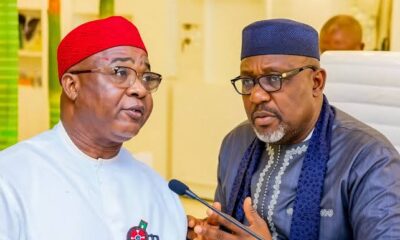

Okorocha Hails Court Victory as APC Insists Uzodimma Remains Candidate
ShareBy Tambaya Julius, Abuja Former Imo State Governor, Rochas Okorocha, has described a Federal High Court judgment recognising him as...


TRIBUTE: CHIEF GABRIEL GBAYAN, A LEGACY OF SERVICE TO BADMINTON
Share The late Chief Gabriel Gbayan was a distinguished sports administrator who served as a Two times Chairman of the...


Court Dismisses Emeka Ike’s N10bn Suit against Wike’s Aide
ShareThe Federal High Court in Abuja on Wednesday dismissed a N10bn fundamental rights suit filed by Nollywood actor Emeka Ike...
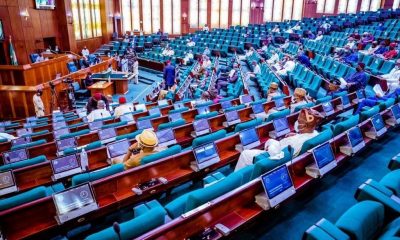

Reps Threaten to Arrest Telecom CEOs Over Poor Network Services
ShareBy Ubong Ukpong, Abuja The House of Representatives on Wednesday threatened to issue warrants of arrest against chief executives of...


A Guide to IFRS S1 and S2 Sustainability Implementation (4)
ShareBy Innocent Okwuosa The implementation of IFRS S1 and S2 must not be approached strictly from a regulatory compliance perspective....