
NEWS
NAFDAC Moves Against Fake Products, Destroys N8bn Seizure

By Elijah Oguche, Abuja
The National Agency for Food and Drug Administration and Control (NAFDAC) has destroyed counterfeit, banned, adulterated and unwholesome products valued at over ₦8 billion seized across the North-Central zone.
The products were destroyed on Thursday in Lafia, Nasarawa State, during an exercise led by the agency as part of efforts to protect public health and prevent dangerous products from reaching consumers.
NAFDAC Director-General, Prof. Mojisola Adeyeye, who disclosed this at the event, said the confiscated items were recovered from manufacturing facilities, sales outlets, markets and motor parks.
Adeyeye, represented by the agency’s North-Central Coordinator, Joseph Edor, said most of the seized products were prohibited alcoholic beverages packaged in sachets and containers of less than 200 millilitres.
She explained that the restriction on alcoholic drinks packaged in sachets and small containers, including glass bottles below 200 millilitres, was introduced because their affordability, availability and portability made them easily accessible to young people and underage schoolchildren.
“Research has shown that early exposure to alcohol affects the brain and other vital organs such as the liver and kidneys,” she said.
The NAFDAC boss warned that early alcohol consumption could disrupt brain development, cause brain damage, impair students’ academic performance, reduce productivity and contribute to various health conditions.
She said the ban and enforcement operations were intended to curb alcohol abuse and addiction while reducing the health risks associated with the consumption of prohibited products.
Adeyeye noted that the destroyed items also included expired and counterfeit medicines, unwholesome food products and cosmetics.
She reaffirmed NAFDAC’s commitment to safeguarding public health, noting that the agency was established under Decree No. 19 of 1993, as amended, to ensure that regulated products manufactured, imported, distributed and sold in Nigeria meet required standards of quality, safety and efficacy.
She also commended law enforcement agencies, sister agencies and other stakeholders for their cooperation with NAFDAC, particularly in intelligence sharing and providing security during enforcement operations.
Speaking at the event, the NAFDAC Coordinator in Nasarawa State, Dr. Gyani Stephen, said the destruction exercise was not intended to target or hurt traders but to protect public health and save lives.
He warned traders involved in the sale of fake and prohibited products to stop the practice or face the full weight of the law.
In his remarks, the Nasarawa State Commander of the National Drug Law Enforcement Agency (NDLEA), CN Saidu Daniel, represented by Yakubu Awoh, praised NAFDAC for its efforts to protect Nigerians from dangerous products.
Daniel said allowing the seized products into circulation could have put millions of lives at risk and adversely affected the mental health of many people.

By Tony Obiechina, Abuja
The National Insurance Commission has called for improved claims settlement, stronger risk management, and greater accountability in Nigeria’s insurance industry following the enactment of the Nigerian Insurance Industry Reform Act 2025.
The commission said the new legislation would strengthen policyholder protection, improve institutional risk management, and restore public confidence in the insurance sector.
The Chief Executive Officer of NAICOM, Olusegun Ayo Omosehin, stated this on Thursday in Abuja at a capacity-building workshop organised for staff of the Nigeria Deposit Insurance Corporation on the implications of NIIRA 2025 for Group Life Assurance and other insurance policies
Omosehin, who was represented by Gbenga Jayesimi, described the enactment of the law as a significant demonstration of the country’s commitment to building a modern, trusted, and inclusive insurance industry.
He said the legislation offered an opportunity to strengthen insurance operations while supporting economic stability, social protection, and financial sector development.
According to him, effective implementation would determine the success of the reforms.
“You will all agree that the true success of NIIRA 2025 will depend on implementation, and NAICOM recognises that implementation must be guided by a collaborative and consultative approach involving all stakeholders,” he said.
He said the commission would issue appropriate regulations and guidelines, strengthen risk-based supervision, and improve oversight of market conduct.
Other priorities, he said, included promoting consumer awareness and financial literacy, supporting responsible technological innovation, and ensuring effective compliance monitoring and enforcement.
Omosehin said NAICOM would continue to engage insurance operators, brokers, professional bodies, employers, public institutions, and development partners to ensure the objectives of the Act produced measurable results.
He explained that the reforms were expected to encourage stronger institutional risk management, clearer accountability structures, and more efficient claims and benefits administration.
The NAICOM boss specifically urged organisations such as the NDIC to reassess their insurance arrangements in line with the new regulatory requirements.
He noted that the corporation maintained several insurance policies, including Group Life, Group Personal Accident, Health, Property, and Liability insurance.
He said NIIRA 2025 provided an opportunity for the institution to review the adequacy of its coverage, improve policy administration, and ensure compliance with contemporary regulatory standards.
On Group Life Assurance, Omosehin described the policy as an important component of workers’ welfare and social protection.
He said millions of employees in the public and private sectors depended on the scheme to provide financial security for their families in the event of death.
However, he identified challenges involving policy administration, premium remittances, documentation, record management, and claims settlement as factors that had sometimes undermined public confidence in the insurance business.
He said the new legislation was designed to address such shortcomings by strengthening policyholder protection and improving the regulatory framework.
The Act, according to him, also seeks to reinforce financial soundness through improved corporate governance, risk management practices, and supervisory oversight.
It is also expected to encourage digital transformation, innovation, and new insurance business models capable of extending coverage to underserved populations.
Earlier, a consultant with New World International Learning Solutions, Olusoji Adeniran, said the training was designed to expose NDIC personnel to emerging developments in insurance, banking, and public service administration.
Adeniran said the organisers expanded the programme to address new challenges in the financial sector and changes in the country’s regulatory and economic environment.
He said the training would also expose participants to international practices and enable them to compare Nigeria’s insurance and financial sector operations with those of other countries.
“We felt there was a need for us to upgrade the learning because we gave them some learning tips about a year or two ago.
“And so, this time around, we are expanding the focus due to new challenges in insurance and other banking activities and laws that are coming up nowadays. That is why we are here again,” he said.
He added that the programme would address contemporary issues, including technological innovations, new tax laws, subsidy reforms, and challenges confronting the banking sector.
Adeniran urged the participants to take the workshop seriously, saying the knowledge acquired would help them remain competitive with their counterparts in other countries.
Also speaking, the Assistant Director, Human Resource Department of NDIC, Salome Akoh, described the training as timely, noting that continuous staff development was essential to the corporation’s operations.
She said the reform of the insurance industry made it necessary for the corporation’s personnel to understand the new provisions and their implications for its insurance policies.
“We know that one of the things that keeps the organisation going is the training and retraining of staff.
“For NDIC, it is very crucial because knowledge is wealth. We need to know about the current happenings, most especially as the Act was reformed last year,” she said.
Akoh said Group Life Assurance remained particularly important to government institutions because of its role in protecting employees and their families.
She said the corporation needed to understand whether the new law had expanded the scope of coverage and what adjustments might be required to bring its insurance arrangements in line with the reforms.
She added that the training would equip staff with knowledge of current insurance policies, their operational implications, and possible amendments required to meet emerging regulatory standards.
By Attah Ede, Makurdi
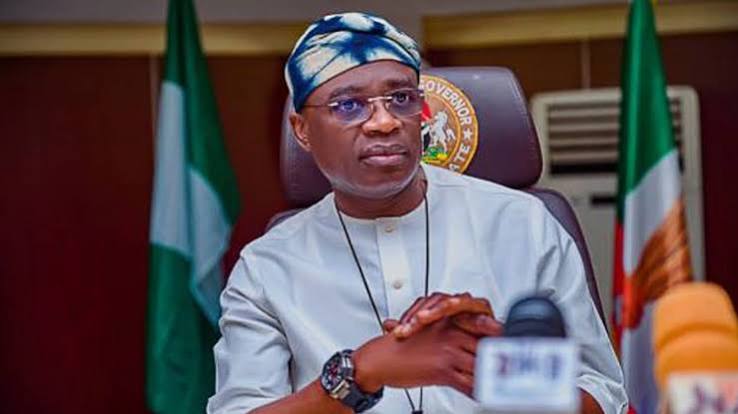
Benue State Governor, Rev. Fr. Hyacinth Alia, has called on residents of the state to throw their weight behind President Bola Tinubu and all candidates of the All Progressives Congress (APC) in the 2027 general elections.
Alia made the call on Thursday in Gboko during the flag-off of the APC campaigns for the Tinubu/Shettima presidential ticket and the Alia/Ode governorship ticket.
The governor, who expressed appreciation to party members and supporters for their impressive turnout, described the rally as a strong demonstration of confidence in APC-led governments at the federal and state levels.
He assured party candidates awaiting judicial clearance that they would receive their campaign flags as soon as the courts granted the necessary clearance. He also congratulated former Governor Gabriel Suswam on his court victory, describing him as a formidable supporter of the party whose ticket had been restored through the judicial process.
Alia urged party members to remain united, insisting that the APC in Benue was one indivisible political family without factions or internal divisions.
“We are APC, and it is from bottom to top and from top to bottom. There’s no core inside. There are no strata inside here,” he declared.
He also appealed to members of other political parties to support President Tinubu, arguing that the President had demonstrated commitment to delivering the dividends of democracy.
Highlighting his administration’s achievements, Alia attributed progress in infrastructure, education, healthcare, agriculture and industrial development to the support and cooperation of the Federal Government.
He disclosed that Benue’s tertiary teaching hospital had become a major healthcare destination for patients from neighbouring states, including Ebonyi, Nasarawa, Cross River, Kogi and Taraba.
The governor also said his administration had transformed primary healthcare facilities across the state and introduced significant improvements in the education sector.
According to him, the state government is paying tuition fees for pupils and students in public schools from Basic One to Basic Nine.
On infrastructure, Alia said his administration had embarked on several road projects, particularly in rural communities, to improve connectivity, facilitate the movement of agricultural produce and stimulate economic activities.
He added that improved agricultural activities were already yielding positive indications of increased food production across the state.
The governor further disclosed that five industries had been established in Benue with the support of the Federal Government.
Commending Tinubu for his support in addressing insecurity, Alia said the improved security situation had enabled many internally displaced persons to return to their ancestral communities and resume farming activities.
He described his administration’s relationship with the Federal Government as cordial and productive, noting that the partnership had strengthened the state’s capacity to implement development projects.
Looking ahead to 2027, Alia promised to construct more roads and establish an airport in the state if re-elected.
Earlier, the APC National Vice-Chairman, North Central, Mr. M’zau Rijau, who represented the party’s National Chairman, Prof. Nentawe Yilwatda, urged Benue residents to vote massively for the APC in the forthcoming elections.
Rijau said Tinubu had demonstrated commitment to the development of the North Central region, particularly Benue State.
He also expressed confidence that Alia would secure re-election, citing what he described as the governor’s impressive performance in office.
Similarly, former Benue State Governor, Senator Gabriel Suswam, described the rally as evidence of unprecedented support for Alia and the APC in the state.
He urged party supporters to remain committed to securing victory for Tinubu, Alia and other APC candidates in 2027.
Suswam also defended the economic reforms introduced by the Tinubu administration, acknowledging that they had brought initial hardships but insisting that they were necessary for the country’s long-term economic development.
He said the reforms required courage and sacrifice, adding that their benefits would ultimately be enjoyed by future generations.
Recalling his tenure as governor, Suswam said his administration had struggled to pay workers’ salaries and execute major infrastructure projects because of inadequate financial resources.
He argued that the current reforms had improved the financial capacity of governments to meet their obligations and execute development projects.
Citing regular salary payments and the construction of underpasses in Benue as examples, the former governor said improved government revenue had created opportunities for more infrastructure development.
He therefore urged Nigerians to support Tinubu’s re-election bid to enable him to consolidate the reforms.
Also speaking, former Deputy Governor, Chief Stephen Lawani, commended Alia for what he described as his impressive performance and urged party members to work towards his re-election.
Lawani congratulated Suswam on his court victory and described the rally as successful.
He cautioned supporters against being distracted by political criticism, urging them to remain focused on securing victory for the APC in 2027.
In his remarks, Senator Barnabas Gemade declared that Benue would support Tinubu and Alia in the forthcoming elections.
Gemade praised Alia’s performance, noting that the governor had executed projects across different parts of the state.
He expressed confidence that the APC would record a decisive victory in Benue, insisting that party stakeholders, elders, women and youths were united behind the President and the governor.
By David Torough, Abuja
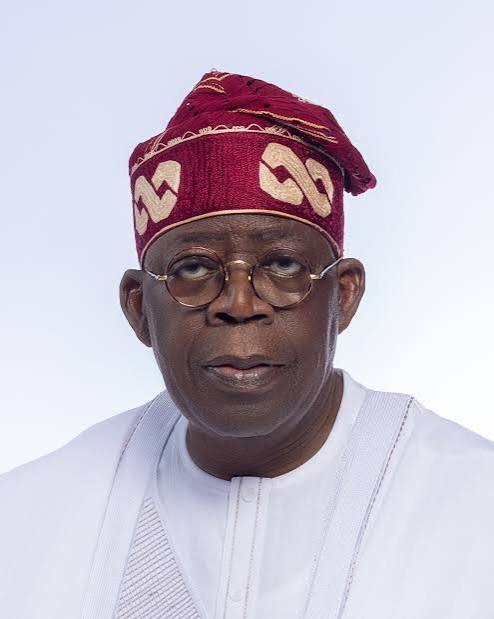
President Bola Tinubu has unveiled fresh measures to reduce the cost of transportation across Nigeria, targeting an approximately 40 per cent reduction in fares on participating routes between 2027 and 2031, alongside plans to deploy 300 Compressed Natural Gas (CNG)-powered buses under the National Affordable CNG Transit Programme (NACTP).
The initiative, which forms part of the administration’s Renewed Hope Agenda 2.
0, is being strengthened through an agreement with Yutong, a leading global bus manufacturer, to supply the initial fleet and establish a CNG bus assembly plant in Nigeria.The agreement, signed in Lagos on Thursday with the Presidential Initiative on Compressed Natural Gas and Electric Vehicles (Pi-CNG & EV), provides for the delivery of 300 buses, with the first 100 expected to arrive in Lagos by the end of December. Subsequent units will be assembled locally through YP Automobiles Bus Assembly at the former Leyland Automotive plant in Ibadan, Oyo State.
The President said the local assembly arrangement would help revive Nigeria’s automotive industry, reduce dependence on imported vehicles, facilitate technology transfer and create employment opportunities for Nigerian engineers, technicians and other skilled workers.
In a statement, Tinubu said his administration was determined to ease the financial burden of transportation on households, particularly workers, traders, parents and other Nigerians who spend a significant portion of their daily earnings commuting.
“I know the burden of transport fares and how much less you have left for your family when you return home. It is a burden I am determined to ease,” the President said.
He explained that the approximately 40 per cent fare-reduction target would be achieved through collaboration with state governments and transport operators, supported by the deployment of affordable CNG-powered commercial buses and expansion of refuelling infrastructure.
Tinubu maintained that the benefits of cheaper fuel for transport operators must translate into lower fares for passengers, stressing that the ultimate measure of the programme’s success would be the amount Nigerians save on daily transportation.
The President cited existing interventions in several states and the Federal Capital Territory as evidence of the programme’s potential, noting that CNG-powered buses had already reduced fares on some routes, while others offer free or heavily subsidised services.
Among the examples highlighted was the Enugu-Nsukka route, where fares previously costing as much as N4,000 have dropped to N1,600 on participating CNG buses. He also cited affordable N50 bus rides in Borno State and free CNG-powered bus services in Kaduna.
In Oyo State, the deployment of CNG buses to Pacesetter Transport reportedly reduced fares on the Lagos-Ibadan route from approximately N8,000 to N3,200. Similarly, the introduction of 100 buses in Enugu reduced fares on the Enugu-Nsukka route from about N2,500 to N1,500.
Kaduna State also deployed 100 buses, which reportedly provided free transportation to approximately 3.2 million passengers within their first year of operation.
To sustain and expand the programme, the Federal Government is also prioritising investments in gas distribution and refuelling facilities. The President’s directive for additional CNG refuelling infrastructure nationwide, supported by the Midstream and Downstream Gas Infrastructure Fund (MDGIF), Pi-CNG & EV and private-sector investors, is expected to strengthen the network.
The interventions include the deployment of Mobile Refuelling Units (MRUs) to improve access to CNG, particularly as the number of gas-powered commercial vehicles increases.
Tinubu said state governments were also stepping up procurement of CNG buses, while private investors were expanding refuelling facilities to support the transition.
He urged Nigerians to embrace the country’s abundant natural gas resources as an alternative to expensive petroleum-based transportation, describing the initiative as an important step towards lowering the cost of living and strengthening domestic manufacturing.
The President also defended the removal of the petrol subsidy, insisting that the country could not return to a system he said allowed fraudulent claims to enrich middlemen at the expense of ordinary citizens.
“We cannot afford to return to the days when fraudulent subsidy claims enriched middlemen while ordinary Nigerians struggled,” he said.
Acknowledging the economic sacrifices Nigerians had made since the introduction of his administration’s reforms, Tinubu assured citizens that the government remained focused on improving living conditions through investments in infrastructure, manufacturing and affordable public transportation.
He said the objective was to ensure that Nigerians spend less on commuting, retain more of their earnings and have greater resources available for food, education and other household needs.
With the proposed Yutong investment, expansion of CNG infrastructure and growing participation of state governments and private operators, the Federal Government is seeking to establish a more affordable and sustainable mass-transit system across the country.



INEC Urges South-South Youths to Shun Electoral Violence Ahead 2027 Polls
ShareBy Orjime Moses, Abuja The Independent National Electoral Commission (INEC) has urged youths in the South-South to shun electoral violence,...
Nigeria’s Politics of Fear: Who Profits When Democracy Bleeds?
ShareBy Jude Dike Nigeria is approaching another general election, but something more troubling than the contest for political power is...
NAICOM Wants Improved Claims Settlement, Risk Management
ShareBy Tony Obiechina, Abuja The National Insurance Commission has called for improved claims settlement, stronger risk management, and greater accountability...

2027: Alia Mobilises Benue for Tinubu, APC Candidates
ShareBy Attah Ede, Makurdi Benue State Governor, Rev. Fr. Hyacinth Alia, has called on residents of the state to throw...

FG Targets 40 Per Cent Drop in Transport Fares
ShareBy David Torough, Abuja President Bola Tinubu has unveiled fresh measures to reduce the cost of transportation across Nigeria, targeting...
A Right to Life, But at What Cost?
ShareBy Oluwaleye Adedoyin Grace What is the value of a constitutional right that citizens struggle to enjoy? In Nigeria, the...
Bayelsa Oil Communities Accuse Renaissance of Withholding Contract Plan
ShareFrom Mike Tayese, Yenagoa More than 100 Oil-Producing Communities in Bayelsa, and their Representatives, has accused Renaissance Africa Energy Company...


Police Declare 25-Year-Old Okada Rider Missing in Lokoja
ShareFrom Joseph Amedu, Lokoja The Kogi State Police Command has declared a 25-year-old commercial motorcyclist, Siraka Auwal, missing. Auwal, a...
African Ministers Establish Common Communication Front, Revive Annual Continental Meetings
ShareBy David Torough, Abuja African Ministers of Information have called for a coordinated continental communication framework to combat misinformation, strengthen...
Delta Targets Higher Oil Production, Improved Host Community Benefits
ShareThe Delta Government has pledged to boost oil production, improve host community benefits and sustain peaceful operations in the state’s...