
Business News
FG Woos Diplomatic Community to Boost Investment Inflows into Nigeria


By Tony Obiechina, Abuja
The Federal Government through the Nigerian Investment Promotion Commission is seeking the support of the Diplomatic Community to galvanize the much-needed investment inflows into the Nigerian economy.
To this end, the NIPC management team led by the Executive Secretary, Saratu Umar, hosted an interactive Business Dinner with members of the diplomatic community, weekend.
According to her, the session marks the continuity and yet, a new beginning, of a culture of consulting with the international community, a critical stakeholder in the investment promotion ecosystem of Nigeria.
She said the NIPC is critical to promoting economic growth, creating jobs, and generating wealth for Nigerians as well as facilitating development.
This mandate, she stated, is made very compelling if the Commission is to set the nation on the path of sustainable progression towards becoming a more prosperous nation.
She told members of the diplomatic corps that Nigeria is a resource rich country with great potential and a compelling investment haven, with opportunities that are too numerous to count.
“The fact that these opportunities are yet to be fully harnessed, presents astounding opportunity for investment, and this brings on the role of investment promotion to attract Foreign Direct Investment (FDI) and mobilize Local Direct Investment (LDI) for mutual benefits to both the investor and their home countries on one side as well as to Nigeria, on the other.
“The global FDI market over the last decade has become very competitive and versatile where the investment promotion thrust of successful jurisdictions with the largest global market share of FDI inflows are driven by effective, efficient and performance driven Investment Promotion Agencies (IPAs).
“With over 170 IPAs worldwide competing to channel FDI to their different countries, a compelling imperative is established that NIPC is positioned to ensure that Nigeria gets a fair share of this global market.
“The commencement of the Africa Continental Free Trade Area (AFCTA) also makes it imperative for Nigeria to enhance its investment promotion drive, in order to remain the constant preferred investment destination of choice,” the NIPC Boss said.
She said the NIPC recognizes the role of the diplomatic community as critical stakeholders in investment promotion, being that economic diplomacy is one of the pillars of the mandate undertaken by Diplomats in host countries.
Umar said based on this mandate, not only do Diplomats assist in delivering marketing messages to target groups of potential investors, they will also manage relationships and provide the relevant information required for investors to make informed investment decisions.
“We thank the diplomatic community for this mutually beneficial service to both the host Country, in this case, Nigeria, as well as to their home countries. We also acknowledge that diplomats and international development partners have successfully channeled the views of investors about the investment climate of our great country by working in tandem, to meet mutually beneficial goals especially through their support in policy advocacy.
“All of these, remind us that Investment promotion rests on good teamwork between the National Invest Promotion Agency (in this case NIPC), the embassies/diplomatic missions, and other stakeholders to ensure a win-win situation,” she added.
As NIPC strategizes to increase national attractiveness and branding, to position Nigeria as a constant preferred investment destination of choice, she stated that strategies to deepen the investment promotion drive of Nigeria and the day-to-day problem-solving for established and incoming investors are being put in place by the Commission.
“Indeed, the central and strategic role of the NIPC in the coordination of all investment promotion is being activated to ensure Nigeria’s investment promotion drive is given traction to onboard investments into the different sectors of the Nigerian Economy.
“A well-coordinated investment promotion ecosystem under the leadership of the NIPC as mandated by its establishment Act, is being developed to ensure Government and non-government investment promotion players can undertake mutually reinforcing and complementary roles to attract, retain and grow investment in Nigeria,” she added.
She called on all stakeholders in the investment promotion ecosystem to work in synergy and complement the NIPC’s mandates and competences to facilitate a national investment promotion campaign under the Nigerian Investment Promotion Masterplan and the National Investment Promotion Coordination Framework being developed by the NIPC.






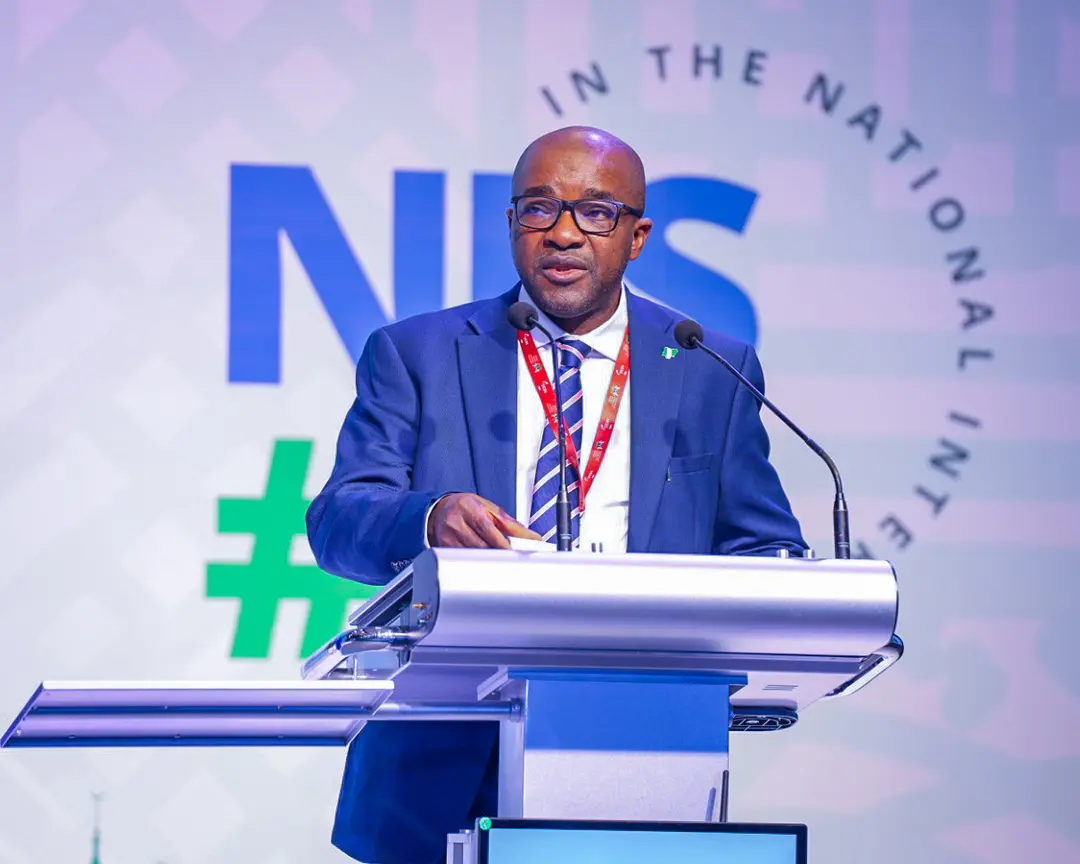
Chairman, Nigerian Economic Summit Group (NESG), Olaniyi Yusuf has urged the Federal Government to translate economic reforms into tangible results, including job creation, increased productivity and improved living standards.
Yusuf made the call on Monday in Abuja at the 32nd Nigerian Economic Summit (NES32), themed “Growth That Works: Delivering Jobs, Productivity and Shared Prosperity”.
He said Nigeria’s economic reforms had created an opportunity to strengthen the foundations for socio-economic development, in spite of the pressures on households and businesses.
“Our responsibility now is to ensure that reforms translate into stronger enterprises, better jobs, more productive workers, rising incomes, improved living standards and shared prosperity,” Yusuf said.
He said recent measures, including petroleum subsidy removal, foreign exchange reforms, fiscal restructuring and banking sector reforms, were necessary to address economic distortions.
However, he said macroeconomic stabilisation alone would not automatically translate into broad-based economic growth or improved citizens’ welfare.
Yusuf said households needed decent jobs, stronger purchasing power, and improved security and reduced poverty, while businesses required lower production costs, reliable electricity and affordable financing.
According to him, Nigeria must sustain economic stabilisation while prioritising practical measures to improve productivity and expand economic opportunities.
He said the summit’s theme reflected the need to measure economic success by the quality of jobs created, business competitiveness and the extent to which prosperity reached Nigerians.
Yusuf identified productivity, human capital development and resilience as key priorities for achieving sustainable and inclusive economic growth.
He said investments in education, healthcare, nutrition and relevant skills would improve workers’ productivity and prepare young Nigerians for employment.
The NESG chairman also called for improved infrastructure, predictable regulations, fair competition and an efficient legal system to encourage private investment and business expansion.
Yusuf said Nigeria’s economic performance presented a mixed picture, with improvements in some macroeconomic indicators alongside persistent challenges affecting businesses and households.
He noted that real Gross Domestic Product (GDP) grew by 4.43 per cent year-on-year in the second quarter of 2026, compared with 3.89 per cent in the first quarter.
Yusuf, however, expressed concern over persistent food inflation, high production costs, unreliable electricity, expensive financing and inadequate infrastructure.
According to him, a slowdown in inflation does not necessarily mean that goods have become affordable, as households continue to grapple with elevated prices.
Yusuf urged policymakers to prioritise productive investments, effective public expenditure and measures to address poverty, food insecurity and gaps in access to essential services.
He also called for stronger links between education and employment through technical and vocational training, digital skills and industry relevant learning.
The NESG chairman identified agriculture, agro-processing, manufacturing, construction, tourism and digital services as sectors with opportunities to expand productive employment.
He said the private sector remained central to Nigeria’s economic transformation but required an enabling environment to invest, produce and create jobs.
Yusuf urged businesses to invest in technology, workforce skills, local supply chains and export competitiveness, while calling on the government to improve infrastructure and ensure regulatory predictability.
He emphasised the need to assess the actual impact of reforms rather than merely documenting policies introduced or activities undertaken.
Yusuf said commitments arising from the summit should include clear institutional responsibilities, realistic timelines, measurable indicators and periodic reviews to ensure accountability.
He called on the government, businesses, development partners and other stakeholders to work together to translate economic stability into investment, productivity, employment and shared prosperity.
Yusuf said the ultimate test of the summit would be whether its deliberations produced tangible improvements in the lives of farmers, manufacturers, entrepreneurs and young people seeking decent jobs.
He urged participants to develop practical solutions and measurable commitments that would continue to deliver results beyond the summit.
By Tony Obiechina, Abuja
The Development Bank of Nigeria Plc (DBN) has launched DAWN: DBN Action for Women in Nigeria, unveiled its Impact Report and presented MSME Data Assets at the seventh edition of Annual Lecture held in Abuja.
DBN, in a statement on Thursday, said while delivering a welcome address, its Managing Director and Chief Executive Officer, Dr Tony Okpanachi, said the central challenge was no longer reforms themselves but ensuring benefits reach businesses at end of the chain.
He asked how to make sure benefits reach traders in Onitsha, fabricator in Aba, farmer in Kebbi and young founder in Yaba, noting that MSMEs accounted for about half of Nigeria’s GDP and more than eight in every ten jobs, adding that when reform works for MSMEs it works for most Nigerians.
He explained that reform becomes prosperity only when entrepreneurs can act on it whether through long tenor loans to buy equipment, banks willing to take risk or skills and records needed to grow.
He said working through Participating Financial Institutions DBN provides longer term funding, partial credit guarantees through subsidiary Impact Credit Guarantee Limited and capacity building including Entrepreneurship Training Programme.
He disclosed that as at December 2025 DBN had disbursed a cumulative N1.4 trillion to MSMEs through 84 Participating Financial Institutions creating about 1.6 million jobs nationwide.
Under the new five year strategy, the Bank aims to reach more than two million MSMEs with deliberate targets for women led businesses, youth led businesses and underserved states.
On DAWN, Okpanachi said finance alone had not enabled enough women-led businesses to scale.
He said initiative brings together financing, guarantees and credit support, technical assistance, outcome linked grants and market linkages delivered through banks, microfinance institutions, fintechs, aggregators, cooperatives and direct channels.
Its priority sectors are agriculture and exports, healthcare, arts and creatives, technology and green business.
He said DAWN is about moving gender focused lending beyond intention and turning access into opportunity.
On the sidelines of the lecture DBN and African Development Bank held a signing ceremony of AfDB DBN 61 million United States dollars Gender Line of Credit development that reinforces Bank commitment to women led enterprises.
Okpanachi urged Participating Financial Institutions to extend lending into sectors and states where access to finance has been limited, policymakers and regulators to measure reform by what changes for business at end of chain and MSMEs to formalise, keep good records and use support now available.
The Vice President as Special Guest of Honour was represented by Dr Fred Iklaga Senior Technical Adviser in the Office of Special Adviser to the President on Economy.
Keynote speakers were Chief Executive Officer of MTN Nigeria, Dr Karl Toriola, and Chairman of Nigeria Sovereign Investment Authority, Dr Segun Ogunsanya.
Fireside chat featured Chief Executive Officer of Sterling Bank Abubakar Suleiman, manufacturing and trade entrepreneur Mrs Omoyemi Chukwurah and by video Kola Masha of Babban Gona.
The Secretary to the Government of Federation, represented by Augusta Warren Bekaredebo, said 2026 tax reforms would bring relief to many small businesses expressing optimism that a lot of businesses will be smiling by next year because they will be exempted from tax.
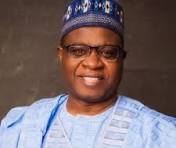
Alh. (Dr) Umaru Kwairanga, Group Chairman, Nigerian Exchange Group (NGX Group), has been named as the Top10 Magazine’s Man of the Year 2026. He emerged from among many other distinguished personalities in a multi-stage rigorous selection and screening process.
He succeeds Alh. Nasiru Haladu Danu, OFR, Chairman of Casiva Ltd, who was the magazine’s Man of the Year for 2025. He joins a club of distinguished Nigerians who have won the crown since the inception of the award over 10 years ago, with Dr. Herbert Wigwe, the late Group Managing Director of Access Bank, as the pioneer winner of the award in 2016. Also on the magazine’s roll of honour are Umar Abdullahi, Chairman, Cosgrove Group (2020); Chief Samuel Onyishi, Chairman of Peace Mass Transit (PMT) and Founder of Maduka University (2022); Muhammad Nami, former Chairman, Federal Inland Revenue Service, FIRS (2023), Senator George Akume (2024), among others.In a letter conveying Alhaji Kwairanga’s selection as the Man of the Year 2026, the Board of Editors of the Magazine said it was in recognition of his towering leadership as custodian of Nigeria’s capital market, his role in driving national economic development, his championship of corporate governance, transparency, integrity and influence that defined Nigeria’s economic narrative in 2026. These, the givers of the award said, clearly stand him out as a man of excellence worthy of celebration, “hence the decision of our management to accord you this special recognition as the Top10 Magazine’s Man of the Year 2026,” the letter said.
In a year marked by economic reforms, market volatility and renewed investor search for trust and transparency, Dr. Kwairanga stood tall as a symbol of stability, integrity and visionary leadership. Under his watch, the Nigerian Exchange has emerged as one of Africa’s best performing markets, restoring investor confidence, attracting foreign inflows and providing capital for enterprise growth that creates jobs for millions of Nigerians.
As overseer of NGX Regulation, he has championed board accountability, shareholder protection, ESG compliance and global best practices, elevating Nigerian corporate governance to world standard. His influence goes beyond the trading floor of Marina. He is a trusted counsel to regulators, a respected voice in the Presidency’s economic circle, a bridge between the private sector and government, and a mentor to a generation of investors and entrepreneurs who see in him the embodiment of ethical capitalism.
A man of unblemished integrity, quiet philanthropy and profound intellect, Dr. Kwairanga represents the best of Northern and Nigerian leadership – humble yet powerful, principled yet pragmatic, traditional yet globally minded. In a nation in search of role models who prove that one can be successful without cutting corners, powerful without being oppressive and wealthy without losing humanity, Alhaji Kwairanga stands as a beacon.
“For his towering leadership as custodian of Nigeria’s capital market, his role in driving national economic development, his championship of corporate governance and transparency, his integrity and influence that defined Nigeria’s economic narrative in 2026, the Board and Management of the Top10 Magazine unanimously select Alh. (Dr.) Umaru Kwairanga as Man of the year 2026”, stated publishers of the Top10 Magazine.
The Top10 Magazine is a monthly publication established over ten years ago as a platform to celebrate excellence and people of excellence from all human endeavours.
The Top10 Man of the Year Award was also instituted the same year as an annual award by the magazine as the highest honour reserved annually for one distinguished Nigerian whose leadership, integrity, influence and national impact have defined the year.
This year’s recipient, Alhaji Umaru, a man of untainted character and impeccable reputation, is renowned for his unwavering commitment to success. Dr. Kwairanga has 25 years’ cognate experience in the banking, pensions, investment, manufacturing and commercial sectors. He has served previously as a Council member of the Nigerian Stock Exchange and is currently a Council member of the Institute of Directors of Nigeria; and an active director on the boards of many quoted/listed and unquoted companies including Ashaka Cement Plc where he served for over ten years, first as a director and later as chairman of the Board. He is currently the GMD/CEO of Finmal Finance Services Limited.
He is a Fellow of Chartered Institute of Stockbrokers, Fellow of Certified Pension Institute Nigeria (2005) and Fellow of Institute of Directors of Nigeria. He is Chairman – Commerce, Trade and Investment subcommittee of Gombe State transition committee.
Dr. Kwairanga has a B.Sc (Hons) Business Administration (1991) and MBA (1995) both from University of Maiduguri and M.Sc. Finance & Governance from Liverpool John Moores University (2007).
Mr. Tony Iji, Publisher/Editor-In-Chief of the Top10 Magazine, said the award will be presented to Alhaji Umaru at the Top10 Magazine’s Annual Excellence Awards night slated for November 22, 2026 which will be graced by crème de la crème of the society.
To mark this high-profile event, the magazine is putting together a special award edition to celebrate him and other awardees. The edition which will comprehensively chronicle his achievements, leadership journey, and contribution to Nigeria’s capital market and the economy in general.




2027: FOOG Women Coordinator Urges Nigerians to Support Tinubu’s Re-election Bid
ShareBy Francis Sadhere, Warri Chief (Mrs) Esther Orighomisan Okotie-Eboh, Coordinator of Felix Omagbemi Ogbe Group (FOOG) Women Support Group for...


Troops Neutralise 217 Terrorists, Rescue 349 Kidnap Victims, Arrest 333 Suspects in Oct
ShareBy David Torough, Abuja The Armed Forces of Nigeria (AFN) say troops neutralised 217 terrorists and other criminals, rescued 349...


2027: Tompolo Mobilises Support for Tinubu in Ogun, says Economy Stabilising
ShareThe Grand Patron of the PBAT Door-to-Door Movement, Government Ekpemupolo, has called on the people of Ogun State to massively...

Henry Okeke Commends Mbah for Clearing Pension Arrears in Enugu
ShareBy Raphael Atuu, Abuja Barrister Henry Nnanna Okeke, a member of the Governing Council of Enugu State Polytechnic, Iwollo, has...


2027: ADC Urges ECOWAS to Insist on Credible Elections in Nigeria
ShareThe National Chairman of the African Democratic Congress (ADC), Sen. David Mark, has urged the Economic Community of West African...


Obi Promises Emergency Measures on Security, Corruption, Poverty
SharePresidential candidate of the Nigeria Democratic Congress (NDC), Peter Obi, has promised emergency measures to tackle insecurity, corruption, hunger and...


Why I Chose Music over Football – Mr Eazi
ShareAfrobeats star Mr Eazi has claimed that English club Chelsea FC wanted to sign him before they signed former Super...


Court Grants Odumodublvck’s Lawyer Prayer for Adjournment
ShareAn Abuja High Court sitting in Life Camp on Thursday, granted another adjournment in the assault trial of a rapper,...


RMD Makes History as PAO Conference Keynote Speaker
ShareVeteran Nollywood actor Richard Mofe-Damijo, popularly known as RMD, is set to become the first male motion-picture practitioner to deliver...
Telecom Vandalism: The Human Cost of Nigeria’s Network Disruptions
ShareBy Usman Aliyu Going into labour in Benin City, Edo, Grace Osagie anticipated calling her husband, but unexpected phone issues...