
Business News
FG Woos Diplomatic Community to Boost Investment Inflows into Nigeria


By Tony Obiechina, Abuja
The Federal Government through the Nigerian Investment Promotion Commission is seeking the support of the Diplomatic Community to galvanize the much-needed investment inflows into the Nigerian economy.
To this end, the NIPC management team led by the Executive Secretary, Saratu Umar, hosted an interactive Business Dinner with members of the diplomatic community, weekend.
According to her, the session marks the continuity and yet, a new beginning, of a culture of consulting with the international community, a critical stakeholder in the investment promotion ecosystem of Nigeria.
She said the NIPC is critical to promoting economic growth, creating jobs, and generating wealth for Nigerians as well as facilitating development.
This mandate, she stated, is made very compelling if the Commission is to set the nation on the path of sustainable progression towards becoming a more prosperous nation.
She told members of the diplomatic corps that Nigeria is a resource rich country with great potential and a compelling investment haven, with opportunities that are too numerous to count.
“The fact that these opportunities are yet to be fully harnessed, presents astounding opportunity for investment, and this brings on the role of investment promotion to attract Foreign Direct Investment (FDI) and mobilize Local Direct Investment (LDI) for mutual benefits to both the investor and their home countries on one side as well as to Nigeria, on the other.
“The global FDI market over the last decade has become very competitive and versatile where the investment promotion thrust of successful jurisdictions with the largest global market share of FDI inflows are driven by effective, efficient and performance driven Investment Promotion Agencies (IPAs).
“With over 170 IPAs worldwide competing to channel FDI to their different countries, a compelling imperative is established that NIPC is positioned to ensure that Nigeria gets a fair share of this global market.
“The commencement of the Africa Continental Free Trade Area (AFCTA) also makes it imperative for Nigeria to enhance its investment promotion drive, in order to remain the constant preferred investment destination of choice,” the NIPC Boss said.
She said the NIPC recognizes the role of the diplomatic community as critical stakeholders in investment promotion, being that economic diplomacy is one of the pillars of the mandate undertaken by Diplomats in host countries.
Umar said based on this mandate, not only do Diplomats assist in delivering marketing messages to target groups of potential investors, they will also manage relationships and provide the relevant information required for investors to make informed investment decisions.
“We thank the diplomatic community for this mutually beneficial service to both the host Country, in this case, Nigeria, as well as to their home countries. We also acknowledge that diplomats and international development partners have successfully channeled the views of investors about the investment climate of our great country by working in tandem, to meet mutually beneficial goals especially through their support in policy advocacy.
“All of these, remind us that Investment promotion rests on good teamwork between the National Invest Promotion Agency (in this case NIPC), the embassies/diplomatic missions, and other stakeholders to ensure a win-win situation,” she added.
As NIPC strategizes to increase national attractiveness and branding, to position Nigeria as a constant preferred investment destination of choice, she stated that strategies to deepen the investment promotion drive of Nigeria and the day-to-day problem-solving for established and incoming investors are being put in place by the Commission.
“Indeed, the central and strategic role of the NIPC in the coordination of all investment promotion is being activated to ensure Nigeria’s investment promotion drive is given traction to onboard investments into the different sectors of the Nigerian Economy.
“A well-coordinated investment promotion ecosystem under the leadership of the NIPC as mandated by its establishment Act, is being developed to ensure Government and non-government investment promotion players can undertake mutually reinforcing and complementary roles to attract, retain and grow investment in Nigeria,” she added.
She called on all stakeholders in the investment promotion ecosystem to work in synergy and complement the NIPC’s mandates and competences to facilitate a national investment promotion campaign under the Nigerian Investment Promotion Masterplan and the National Investment Promotion Coordination Framework being developed by the NIPC.







Sunbeth Treenuts and Sesame Limited, a subsidiary of Sunbeth Agro HoldCo, announces the completion of its acquisition of UAC of Nigeria Plc’s 73.29% shareholding in Livestock Feeds Plc, following approval from Nigeria’s Securities and Exchange Commission.
The completion establishes Sunbeth as the majority shareholder of Livestock Feeds Plc and marks the beginning of a new phase focused on preserving the company’s heritage, strengthening its operations and supporting its long-term growth.
Sunbeth’s immediate priority is to support business continuity, working closely with the Board, management and employees to strengthen operations and maintain dependable service to customers and partners.
Commenting on the completion, Peeyush Karnani, Chief Strategy Officer of Sunbeth Agro HoldCo, said:
“Livestock Feeds is an established business with a proud heritage, trusted brands and longstanding relationships across Nigeria’s livestock industry. We recognise the responsibility that comes with becoming its majority shareholder.
“Our approach is to build on these foundations. Our immediate focus is continuity, operational stability and supporting the people and partnerships behind the business. We intend to combine Sunbeth’s strength in sourcing soya and other key feed ingredients with Livestock Feeds’ manufacturing expertise and established distribution network to improve supply reliability, strengthen competitiveness and create sustainable value for all shareholders.
“This acquisition also provides an important foundation for Sunbeth’s long-term strategy to build an integrated protein business spanning animal nutrition, poultry and cattle production, and meat processing. We will pursue this strategy through disciplined, phased investment, with a clear focus on strengthening Livestock Feeds and supporting the growth of Nigeria’s livestock industry.”
Sunbeth has also announced the appointment of five new directors to the Board of Livestock Feeds Plc, effective 17 November 2026.
The newly appointed directors are Mr Sam Okuwlehi, Mr Seyi Ebenezer, Professor Franklin Nnaemeka Ngwu, PhD, Mrs Mary Mulili, and Mr Farrukh Siddiqui. They will join three existing directors who will continue to serve on the Board: Mr Joseph I.D. Dada, Mr Adegboyega Adedeji, and Mr Abayomi Adeyemi.
Employees remain central to the company’s future. Sunbeth intends to work collaboratively with the Livestock Feeds team, drawing on its experience and knowledge as the business enters its next phase.
For customers, distributors and suppliers, the priority is to sustain trusted relationships, maintain product quality and strengthen supply reliability. Future improvements will be introduced through a structured and carefully managed process.
As majority shareholder, Sunbeth is committed to supporting sound governance, operational resilience and disciplined investment to build lasting value for Livestock Feeds Plc and all its shareholders.
By Tambaya Julius, Abuja
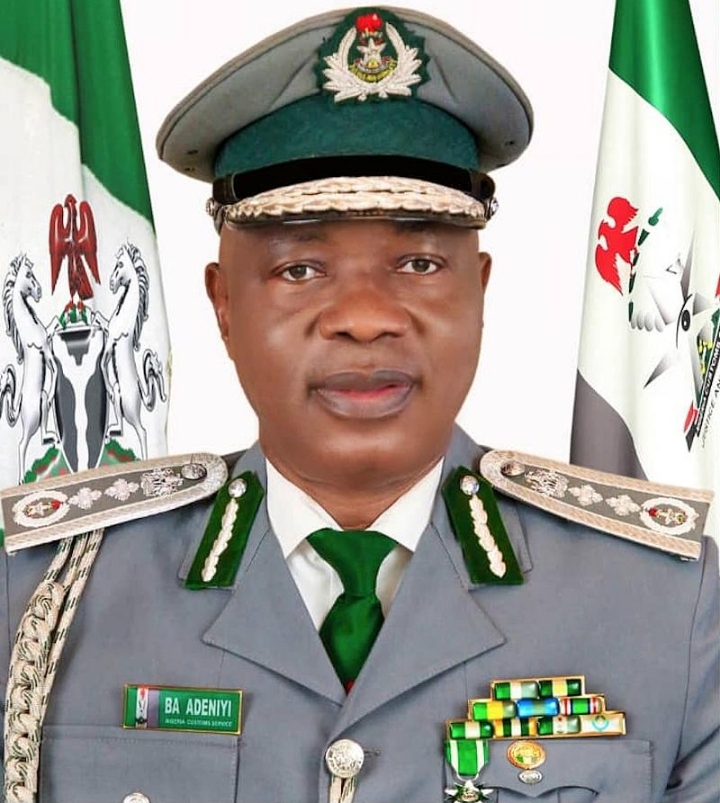
The Comptroller-General of the Nigeria Customs Service (NCS), Bashir Adewale Adeniyi, has called on officers and men of the Customs Police Unit (CPU) to uphold discipline, professionalism and integrity, stressing that accountability must begin within the Service.
Adeniyi made the call while delivering the keynote address at the inaugural Customs Police Summit 2026, held at the NAF Conference Centre and Suites, Abuja.
The summit, with the theme, “Reimagining Customs Policing: Learning From the Past, Responding to the Present, and Preparing for the Future,” brought together customs personnel and representatives of security and law enforcement agencies to discuss ways of strengthening the unit and preparing it for emerging enforcement challenges.
The Customs boss, who is also the Chairperson of the World Customs Organization (WCO) Council, said the Service must first demonstrate the discipline and integrity it expects from traders and members of the public.
He described the Customs Police Unit as a critical part of the Service’s internal control system, noting that its responsibility goes beyond investigating misconduct to ensuring that officers exercise their powers within the confines of the law.
According to him, the unit, formally inaugurated in July 2019, was established to investigate erring personnel, prevent crime and promote compliance, guided by the principle that no officer is above the law.
He said the experience of the Service over the years had reinforced three important lessons: integrity must begin at home, enforcement powers must be exercised responsibly, and effective policing requires cooperation among relevant institutions.
The Comptroller-General expressed concern over the growing sophistication of criminal networks, which he said were increasingly exploiting legitimate trade routes and digital platforms to move illicit goods, including firearm components, narcotics, counterfeit medicines, protected wildlife and proceeds of illegal activities.
He maintained that tackling these threats required more than aggressive enforcement, calling instead for smarter, intelligence-driven operations supported by technology and international best practices.
Adeniyi pointed to several World Customs Organization instruments, including the SAFE Framework, Authorised Economic Operator (AEO) Programme, advance rulings, Time Release Study and Revised Kyoto Convention, as important tools for promoting compliance, facilitating legitimate trade and reducing opportunities for corruption.
He also highlighted the role of technology and data management in strengthening customs operations, citing the B’Odogwu platform, which integrates declarations, valuation, risk management and AEO processes.
He added that the INTERPOL Data Centre at Customs Headquarters had provided the Service with access to global criminal databases, while the Nigeria Customs Service Act 2023 had strengthened the legal foundation for intelligence-led operations, joint border activities and mutual administrative assistance.
The CGC identified Consolidation, Collaboration and Innovation as the three pillars that must shape the future of customs policing.
He explained that consolidation would require stronger operational procedures, improved investigations, properly documented cases for prosecution and continuous professional development of personnel.
He called for closer working relationships with the Nigeria Police Force, Armed Forces, National Drug Law Enforcement Agency (NDLEA), National Agency for Food and Drug Administration and Control (NAFDAC), Department of State Services (DSS), Independent Corrupt Practices and Other Related Offences Commission (ICPC), Nigeria Agricultural Quarantine Service (NAQS), neighbouring countries and border communities.
He also encouraged the Service to take advantage of emerging technologies, including artificial intelligence, advanced scanners, geospatial tools and electronic cargo tracking, to improve investigations and strengthen enforcement operations.
Adeniyi urged participants to use the summit to develop practical recommendations, including a Customs Police doctrine based on the NCS Act 2023 and Revised Arusha Declaration, improved protocols for joint operations and evidence management, guidelines for the responsible use of artificial intelligence in investigations, and better training and welfare for CPU personnel.
Addressing officers of the unit, he reminded them that their red berets represented the confidence Nigerians placed in the Service and must therefore be worn with discipline, restraint and pride.
He stressed that integrity remained the greatest badge of honour for every customs officer.
The Acting Provost Marshal of the NCS, Deputy Comptroller TS Sanusi, described the summit as an important step towards strengthening the institutional capacity and repositioning the Customs Police Unit.
Sanusi said the unit was established to provide a dedicated structure for maintaining discipline, investigating misconduct and ensuring compliance with professional standards among personnel and stakeholders.
He observed that the Service could not effectively enforce laws and regulate international trade without having strong mechanisms to promote discipline and accountability within its own ranks.
He added that the increasing challenges of transnational organised crime, illicit financial flows, corruption and emerging security threats had made the work of the Customs Police Unit more important.
The Acting Provost Marshal expressed appreciation to the Comptroller-General for his leadership, support and approval of funds for the inaugural summit, noting that the gesture reflected management’s commitment to strengthening the unit.
He also recognised the contributions of former Provost Marshals and personnel who helped establish the unit’s operational structures and professional standards.
Sanusi urged serving personnel to lead by example, insisting that discipline must begin with them if they were to earn the respect and confidence required to enforce it among others.
In his remarks, Assistant Comptroller-General of Customs at Headquarters, MS Shuaibu, called for a renewed approach to customs policing, with greater emphasis on professionalism, intelligence gathering and institutional accountability.
Shuaibu said the summit provided an opportunity to reflect on the unit’s achievements, address existing challenges and develop strategies to respond to changing global trade patterns and security threats.
He acknowledged the unit’s contributions to internal discipline, investigation of infractions and the protection of the Service’s interests, but stressed the need to continually improve its operational capacity.
He identified intelligence gathering, surveillance, risk analysis, inter-agency cooperation and modern investigative techniques as key areas requiring attention.
The ACG further emphasised that the exercise of police powers must be guided by respect for human rights and due process, warning that enforcement must never become an excuse for unjust treatment.
He urged officers to remain firm but lawful, courageous but responsible, and impartial in carrying out their responsibilities.

A graduate of the University of Maiduguri, Shianya Ebwaseh, said the Nigerian Education Loan Fund (NELFUND) helped improve her Grade Point Average (GPA) to 3.50 through financial support that enabled her to concentrate on her studies.
Ebwaseh, who graduated from the Department of Zoology, Faculty of Life Sciences, said this in an interview on Monday in Maiduguri.
She said financial difficulties had previously affected her academic performance, as she struggled to meet her daily needs while pursuing her degree.
The graduate said she resorted to selling fried chips and groundnuts on campus to support herself, sometimes missing lectures because of the time and energy required to run the business.
According to her, the introduction of NELFUND’s student loan scheme relieved her financial burden through tuition support and a monthly N20,000 upkeep allowance.
“Before NELFUND, I struggled with my GPA because of financial challenges. I sometimes missed lectures after spending hours frying and packaging chips for sale.
“But when NELFUND came, I stopped the business and concentrated on my studies. My GPA improved to 3.50, which is Second Class Upper,” she said.
Ebwaseh said the financial support also enabled her to attend lectures regularly, purchase learning materials and prepare adequately for tests and examinations without constant worries about money.
She added that her examination scores improved significantly after she began receiving the support, attributing the change to increased concentration and financial stability.
The graduate, who said she accessed the scheme in her third year, described the application process as simple and encouraged other eligible students to apply.
She also said the programme had helped financially disadvantaged students remain in school, particularly those whose parents could not afford tuition fees and upkeep.
Ebwaseh appealed to the Federal Government to sustain the initiative, emphasising that withdrawing the support could expose many students to financial difficulties and possible dropout.
She said the scheme had given beneficiaries an opportunity to pursue their academic ambitions with fewer financial distractions.(NAN)




WPRF Delegates Leaving Nigeria with Positive Impressions, Says Customs CG
ShareBy Tambaya Julius, Abuja The Comptroller-General of the Nigeria Customs Service (NCS), Adewale Adeniyi, has said delegates attending the World...
Customs Suspends Training at Two Colleges over Recruitment Concerns
ShareBy Tambaya Julius, Abuja The Nigeria Customs Service (NCS) has temporarily suspended training activities at its two training colleges to...


INEC Shelves Comprehensive Voters’ Register Clean-Up
ShareBy Orjime Moses, Abuja The Independent National Electoral Commission (INEC) has said it will no longer conduct a comprehensive clean-up...
Protect The President, But Do Not Punish the People
ShareNo one disputes it: the security of the President of the Federal Republic of Nigeria cannot be compromised. Not for...

Shettima to Moniepoint: Provide Affordable Loans for Businesses
ShareBy Tony Obiechina, Abuja Vice-President Kashim Shettima has tasked Moniepoint Microfinance Bank to expand access to affordable loans for farmers,...

NDC Expresses Deep Sorrow over Bayelsa Boat Mishap
ShareFrom Mike Tayese, Yenagoa The Bayelsa State Chapter of the Nigeria Democratic Congress (NDC) has expressed deep sorrow over the...

INEC Releases 86,931 New PVCs for Collection in Kogi
ShareFrom Joseph Amedu, Lokoja A total of 86,931 PVCs for eligible registrants during the second phase registration exercise by the...
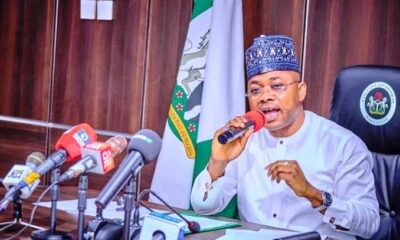

Ododo Approves Extension of Retirement Age for Health Professionals
ShareFrom Joseph Amedu, Lokoja Kogi state Governor, Ahmed Ododo has approved extension of the retirement age for eligible skilled clinical...
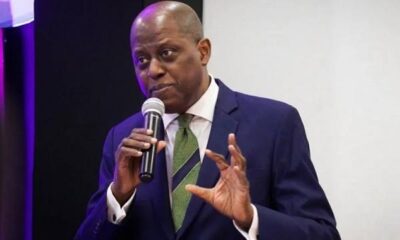

CBN Seeks Fair Representation in ECOWAS Monetary Union
ShareBy Tony Obiechina, Abuja The Governor of the Central Bank of Nigeria (CBN), Olayemi Cardoso, has called for equity, fairness...


DAILY ASSET 10TH Annual Awards: Alia, Baze Varsity, Iornem Others Confirm Attendance
ShareBy Donald Andoor, Abuja Governor of Benue State, Rev Fr Hyacinth Iormem Alia, has confirmed attendance and participation at DAILY...