
Uncategorized
ADVERTORIAL: The 42nd Annual General Meeting of the Association of Public Health Physicians of Nigeria (APHPN).

Wednesday, March 11, 2026
COMMUNIQUÉ ISSUED AT THE END OF THE 42ND ANNUAL GENERAL MEETING AND SCIENTIFIC CONFERENCE OF THE ASSOCIATION OF PUBLIC HEALTH PHYSICIANS OF NIGERIA (APHPN) HELD FROM 9TH–13TH FEBRUARY 2026 MUHAMMAD INDIMI CONFERENCE CENTRE, UNIVERSITY OF MAIDUGURI, BORNO STATE
Conference Theme:
“Healing in the Crossfire: Health Under
Threat – Delivering Health Services in
Conflict and Crisis.”
PREAMBLE
The Association of Public Health Physicians of Nigeria
(APHPN) convened its 42nd Annual General Meeting
and Scientific Conference in Maiduguri, Borno State,
bringing together over 300 public health physicians,
policymakers, humanitarian actors, development partners,
and academics from across Nigeria.
The conference theme reflects both global and national realities: fragile and conflict-affected settings account for a disproportionate burden of maternal and child mortality, infectious disease outbreaks, malnutrition, gender-based violence, and mental health disorders. In Nigeria, overlapping insecurity in the North-East, North- West, North-Central and other regions has resulted in displacement, weakened health systems, and widening inequities.
Through plenary lectures, keynote address, policy dialogues, and scientific abstract presentations, participants examined strategies for delivering Reproductive, Maternal, Newborn, Child, Adolescent, Elderly Health plus Nutrition (RMNCAEH+N) services, strengthening health systems, addressing gender-based violence, integrating mental health and psychosocial support, responding to epidemics, and protecting healthcare workers in conflict and crisis settings.
KEY OBSERVATIONS
1. Conflict as a determinant of poor health outcomes:
Conflict and insecurity continue to undermine health
system functionality across several regions of Nigeria.
Destruction of infrastructure, disruption of supply chains,
displacement of health workers, and weakened surveillance
systems have contributed to increased maternal and
neonatal mortality, low immunization coverage in insecure
areas, rising malnutrition, outbreaks of communicable
diseases, escalating mental health disorders and increasing
incidence of emerging and re-emerging diseases.
2. Women, children, adolescents, the elderly, and internally displaced populations bear a disproportionate burden of poor health outcomes in crisis settings, including heightened exposure to gender-based violence and psychosocial distress.
3. Delivering RMNCAEH+N in conflict settings remains fragile: The North-East remains emblematic of a protracted humanitarian health crisis. States in the North-East continue to report some of the poorest RMNCAEH+N indicators nationally. In several LGAs previously affected by insurgency, over half of health facilities were rendered non-functional at the peak of the crisis.
Although recovery efforts are ongoing, service delivery remains dependent on mobile outreach, task-shifting, community health volunteers, and humanitarian partnerships. Innovative interventions such as the Safer Birth Bundle of Care in Borno State demonstrate the potential of continuous quality improvement even in fragile settings.
4. Mental Health Crisis in Conflict and Fragile Settings: There is a substantial but under-recognised burden of trauma, depression, anxiety, and post-traumatic stress
disorders in conflict-affected populations. Mental health services remain underfunded and poorly integrated into primary health care.
Health workers themselves experience burnout and secondary trauma in insecure environments
5. Violence Against Health Workers: Violence against healthcare workers and attacks on health facilities continue to undermine service delivery, threatening service continuity. Insecurity limits workforce retention, discourages rural posting and compromised emergency response capacity.
6. Weak Health Information Systems in Crisis Contexts: Poor data systems at national, subnational, and local government levels limit evidence-based planning, resource allocation and epidemic response in fragile settings.
Conflict-sensitive surveillance systems remain inadequate
7. Climate change as a health risk multiplier: Climate change is compounding insecurity-related vulnerabilities, contributing to malnutrition, vector-borne diseases, Lassa fever outbreaks and other epidemic risks, and displacement.
The health sector’s adaptation strategies remain insufficient
8. Emerging and context-specific public health concerns— including Lassa fever outbreaks reported in Bauchi State, Buruli ulcer outbreaks in Benue State, HIV burden in certain states, like Taraba, and increasing recognition of Vitamin D deficiency as silent epidemic among the upper class with increasing risk of bone disorders, metabolic diseases, immune dysfunction, depression, and cardiovascular conditions—require public health advocacy, public enlightenment, strengthening surveillance and coordinated policy response.
9. Health Governance and Workforce Policy Concerns: Recent workforce policy developments like the creation of a Public Health Officer (PHO) cadre in Lagos State without adequate stakeholder consultation risks fragmentation, duplication of roles, and disruption of established public health structures if not guided by broad stakeholder consultation.
RECOMMENDATIONS
The Association makes the following recommendations:
A. Strengthening Health Systems in Conflict Settings
1. Federal and State Governments should
institutionalise conflict-sensitive health planning and
integrate humanitarian-development approaches into
state health strategies.
2. Increase investment in rebuilding and protecting
health infrastructure in conflict-affected regions.
3. Establish mechanisms to safeguard healthcare
workers and enforce protections consistent with
international humanitarian principles.
4. Develop retention incentives and security support
systems for frontline health workers.
B. RMNCAEH+N Continuity in Crisis
5. Scale up adaptive service delivery models, including
mobile outreach, community-based interventions, and
task-shifting frameworks.
6. Expand quality improvement initiatives such as the
Safer Birth Bundle of Care in high-mortality states.
7. Ensure uninterrupted immunisation and nutrition
services in hard-to-reach communities.
C. Gender-Based Violence and Mental Health
Integration
8. Integrate comprehensive GBV services — including
clinical management of rape, psychosocial support, and
referral pathways — into primary health care.
9. Mainstream Mental Health and Psychosocial Support
(MHPSS) into state health plans and humanitarian
response frameworks.
10. Provide structured psychosocial support and
trauma care for health workers in insecure environments.
D. Data, Surveillance, and Epidemic Preparedness
11. Strengthen health information systems and
conflict-sensitive surveillance mechanisms at all levels.
12. Establish multi-sectoral Technical Working Groups
(TWGs) for Lassa fever and other emerging epidemics
in high-burden states.
13. Improve integration of genomic, spatial, and
environmental data for diseases such as Buruli ulcer.
E. Climate-Resilient Health Systems
14. Recognise climate change as a public health
emergency and integrate climate adaptation into health
infrastructure planning.
15. Develop climate–health early warning systems and
promote renewable energy transition in health facilities.
F. Public Health Workforce Governance
16. Withdraw the circular establishing the PHO cadre
in Lagos State and engage stakeholders in developing
coherent public health workforce reforms.
G. Emerging Public Health Priorities
17. APHPN should engage in intensive public health
enlightenment, screening and supplementation for
high-risk populations and advocacy towards policy
formulation to address the silent epidemic of vitamin D
deficiency in Nigeria.
18. Strengthen cross-border and migratory surveillance
for neglected tropical diseases and infectious disease
threats
CONCLUSION
Nigeria cannot achieve health equity or Universal Health
Coverage without addressing the realities of conflict,
insecurity, climate vulnerability, and systemic fragility.
Healing in the crossfire demands resilient systems,
protected health workers, integrated services, and
sustained political commitment.
The Association of Public Health Physicians of Nigeria reaffirms its commitment to advancing evidence-based policies and collaborative action to safeguard the health of all Nigerians, even in times of crisis.
APPRECIATION
The Association expresses profound gratitude to the
Government and people of Borno State, development
partners, humanitarian agencies, academic institutions,
and all participants who contributed to the success of the
conference.
Dr. Terfa Simon Kene Dr. Augustine Ajogwu
President Secretary General
Date: 9/03/26


By David Torough, Abuja
President Bola Tinubu has unveiled a major package aimed at strengthening Nigeria’s armed forces through improved welfare and enhanced defence capability, approving a substantial salary increase for military personnel while reaffirming support for indigenous defence production.
The President approved a pay rise of between 30 and 80 per cent for approximately 250,000 personnel of the Armed Forces of Nigeria, with the new salary structure taking effect from September 1, 2026.
According to a statement by the Special Adviser to the President on Information and Strategy, Bayo Onanuga, the salary adjustment is structured to favour junior personnel, with the highest percentage increases going to the lower ranks.
Under the new arrangement, officers above the rank of colonel—including brigadier-generals, major-generals, lieutenant-generals and generals—will receive a 30 per cent increase, while personnel from colonel to warrant officer will earn a 50 per cent raise. Soldiers from private to staff sergeant will benefit from an 80 per cent increase.
The new pay package will increase the military’s annual wage bill from N660 billion to N924 billion, representing an additional N264 billion in government spending.
President Tinubu said the salary review reflects his administration’s appreciation of the sacrifices made by troops in the fight against terrorism, banditry and kidnapping, stressing that personnel welfare and military modernisation remain central to his security agenda.
“The men and women who help to keep us safe in our homes must be supported and appreciated,” the President said, pledging continued investment in modern weapons, technology and other operational capabilities to enable the armed forces to effectively protect lives and property across the country.
Meanwhile, the Chief of Army Staff, Lieutenant General Waidi Shaibu, has called for deeper collaboration between the Nigerian Army and indigenous defence manufacturers to strengthen national security and reduce dependence on foreign military equipment.
Receiving the management of Proforce Group during a courtesy visit to the Army Headquarters in Abuja, Shaibu described the indigenous defence company as a source of national pride and urged greater local production to support the Army’s ongoing expansion from eight to 12 divisions.
He identified areas requiring stronger collaboration, including Counter-Improvised Explosive Device systems, ground-penetrating radar, foliage-penetrating surveillance technology, signal intelligence, facial recognition, unmanned systems and dark web exploitation to enhance intelligence-driven operations against criminal and terrorist groups.
The Proforce Group Managing Director, Ade Ogundeyin, reaffirmed the company’s commitment to advancing indigenous defence technology, noting that local manufacturing improves operational security, shortens logistics timelines and provides faster technical support for the Armed Forces of Nigeria.
The latest initiatives underscore the Federal Government’s twin strategy of improving troop welfare while building a stronger domestic defence industry to enhance the country’s security architecture.

By Tony Obiechina, Abuja
The Securities and Exchange Commission (SEC) has commenced the implementation of a fully electronic registration process for capital market operators, enabling designated regulatory services to be completed entirely online as part of efforts to modernise Nigeria’s capital market and improve regulatory efficiency.
The Commission, in a statement issued on Wednesday, said the new electronic registration (e-Registration) platform, deployed through its ePortal, marks another milestone in its digital transformation agenda and its drive to build a technology-driven regulatory environment.
According to the SEC, the platform allows Capital Market Operators (CMOs) to complete designated registration processes online, covering application submission, regulatory review, approvals and communication of decisions, thereby eliminating manual processing for the services included in the current phase.
The Commission said the initiative is expected to simplify regulatory interactions, reduce administrative bottlenecks, shorten processing timelines and provide applicants with greater visibility into the status of their applications.
It added that the migration to a fully digital registration system would improve operational efficiency while strengthening regulatory oversight through standardised workflows, electronic documentation, secure digital record management and enhanced audit trails.
“The new platform represents a major step towards creating a seamless digital regulatory ecosystem that enhances operational efficiency while strengthening regulatory effectiveness,” the Commission said.
The SEC explained that the e-Registration platform aligns with its strategic objective of leveraging technology to improve market efficiency, enhance the ease of doing business and deliver better services to stakeholders.
According to the regulator, beyond improving efficiency, the platform will enhance the integrity of regulatory processes by reducing delays associated with paper-based documentation and improving the quality of regulatory data for decision-making.
It noted that the digital platform would also provide a stronger foundation for regulatory analytics and future innovations aimed at improving oversight of Nigeria’s capital market.
The Commission said the implementation is being carried out in phases to ensure a smooth transition for market participants while maintaining the stability and integrity of regulatory processes.
It clarified that the current phase is limited to post-registration services for existing Capital Market Operators, adding that applications for the registration of new entrants into the Nigerian capital market are not yet covered.
According to the SEC, the commencement of electronic processing for new registration applications will be announced at a later date.
The Commission urged all Capital Market Operators to familiarise themselves with the new platform and comply with implementation timelines to ensure a seamless transition to the electronic registration process.
It said the initiative forms part of its broader modernisation agenda designed to improve regulatory efficiency, strengthen market infrastructure, enhance transparency and support the continued growth, resilience and global competitiveness of Nigeria’s capital market.
The SEC reaffirmed its commitment to implementing reforms that promote innovation, improve regulatory service delivery and reinforce investor confidence in Nigeria’s capital market.
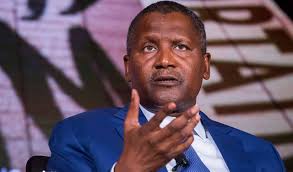
Africa’s richest man, Aliko Dangote, plans to donate one-third of his wealth to charity as part of his succession plan, his daughter, Halima Dangote, has revealed.
Halima, a trustee of the Aliko Dangote Foundation, disclosed the arrangement in an interview with Bloomberg published on Tuesday, saying the billionaire had secured his family’s support to dedicate 33 per cent of his estate to philanthropy.
According to the Bloomberg Billionaires Index, Dangote’s net worth is estimated at $35.
1 billion, meaning one-third of his current fortune would amount to about $11.7 billion if maintained at that level.Explaining the decision, Halima said her father considers philanthropy central to his legacy and has embedded it into the family’s long-term succession plans.
“He sort of put all the structure in place whereby we focus a lot on health and education. He actually donated 25 per cent to the foundation. If you look at it, it is what we call in Sharia Code in Islam; it means he has donated 33 per cent of his whole inheritance to his foundation,” she said.
“That is how important it is to him because philanthropy needs to be in existence generation after generation.
“So giving back is part and parcel of what we do. We believe we’re here, that our business is successful because of the giving back and because of the philanthropic aspect. That is why the 33 per cent is important.
“And that is why he made an announcement and he asked myself, my two sisters and his mother to sign under that will that he is able to give that 33 per cent to humanity.”
The planned donation builds on Dangote’s existing philanthropic work through the Aliko Dangote Foundation, established in 1994.
According to Halima, the foundation was endowed with $1.25 billion about a decade ago and has since received an additional $700 million in funding.
She said about 70 per cent of the foundation’s spending is directed to Nigeria, while 20 per cent supports projects across Africa and the remainder funds initiatives in other parts of the world.
The foundation’s interventions span health, education, nutrition and humanitarian relief, and include partnerships with the Bill & Melinda Gates Foundation and state governments in northern Nigeria that contributed to the eradication of wild poliovirus in Africa.
Dangote’s planned charitable commitment comes amid growing global attention on billionaire philanthropy. While the proposed 33 per cent allocation falls short of the 50 per cent threshold commonly associated with the Giving Pledge, it would rank among the largest philanthropic commitments ever announced by an African billionaire.
Earlier this year, TIME magazine named Dangote among the world’s most influential philanthropists in its inaugural TIME100 Philanthropy list, recognising his charitable work through the Aliko Dangote Foundation, which spends more than ₦50 billion annually on programmes across Africa.




Tinubu Approves Salary Increase for 250,000 Armed Forces Personnel
ShareBy David Torough, Abuja President Bola Tinubu has unveiled a major package aimed at strengthening Nigeria’s armed forces through improved...

Campaign Council Denies Adeleke’s Attack on Tinubu
ShareFrom Ayinde Akintade, Osogbo The Imole Campaign Council has slammed the misinterpretation and falsification of Governor Ademola Adeleke’s clarion call...
Lawmaker Seeks National, Global Action on Cross River Landslide
ShareFrom Ene Asuquo, Calabar The member representing Akpabuyo/Bakassi/Calabar South Federal Constituency and Chairman of the House of Representatives Committee on...


Allow Young People Takeover Governance, Abbas Tells Aged Politicians
ShareBy Ubong Ukpong, Abuja House of Representatives Speaker, Rt. Hon. Abbas Tajudeen, on Tuesday, told aged politicians and political heavy...
2027: Radda’s Chief of Staff Urges APC Stakeholders to Close Ranks
ShareFrom Rabiu Sanusi, Kano The Chief of Staff to the Katsina State Governor, Hon. Abdulkadir Mamman Nasir, has called on...


2027 Election: Only Tinubu ‘ll Win Rivers — Wike
ShareBy Laide Akinboade, Abuja Minister of the Federal Capital Territory (FCT), Nyesom Wike, on Tuesday declared that President Bola Tinubu...
Ex-International Advocates Greater Female Participation in Squash
ShareFormer Nigerian international squash player, Longdi Dasbak, on Monday has called for increased efforts to encourage girls to take up...
Man United Ready To Loan Out Chido Obi
ShareManchester United have made striker Chido Obi-Martin available for a loan move this summer following a mixed pre-season assessment, with...
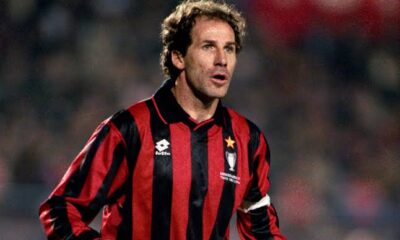

Mourners Line Streets of Milan for Legend Baresi’s Funeral
ShareThousands of people gathered on the streets of Milan on Tuesday for the funeral of legendary defender Franco Baresi. The...


Tinubu Hails Team Nigeria’s 24-medal Commonwealth Games Haul
SharePresident Bola Tinubu has congratulated Team Nigeria on its impressive performance at the Commonwealth Games in Glasgow, Scotland. Tinubu also...