
Agriculture
Agropartnerships Reaffirms Commitment to Nigeria’s Agri-business Value Chain Dev’t

By Joseph Amah, Abuja
Agrictech platform, Agropartnerships, a subsidiary of a value chain development firm Farmforte, has restated its commitment to the sustainable development of the Agri-business value chain in Nigeria.
The company made this known while assuring investors of the total safety of their investments in the business, amidst new pay-out cycle timelines.
Restoring investor confidence in a statement, Co-founder and Co-CEO, Agropartnerships, Uyi Osayimwense assured that the company will not waver from its vision to foster collaborative development in the agri-business ecosystem, leveraging innovation to enable progress for everyone across the value chain.
“We take full responsibility for the unexpected, delayed cycle pay-outs, experienced by many of our partners in recent weeks and we have taken all the necessary measures to ensure that we do not see a repeat of this incident, while ensuring everyone gets their payout eventually. We appreciate the huge trust and confidence reposed in us and want to assure every investor that their funds are safe with the business, while we work on achievable timelines to clear all pending and outstanding payouts” said Uyi.
Commenting on the impact of the challenge and the commitment to satisfying all partners, co-CEO Agropartnerships, Osazuwa Osayi described the period as a challenging phase that the company has learned from to be better.
“The team of experts that we have brought on board, our critical analysis of major gaps alongside the unflinching loyalty that you have shown through this period, have strongly helped us navigate this season, “he said.

Unstable electricity supply and rising fuel prices are placing significant strain on frozen food businesses in Lagos, as traders struggle to cope with higher operating costs and reduced customer patronage.
The traders, who spoke with in separate interviews on Wednesday, said the combined effect of unstable power supply and expensive fuel had increased their operating costs and reduced profit margins.
Frozen food businesses rely heavily on constant electricity to preserve items such as chicken, turkey, fish, and other perishable products.
However, irregular power supply has forced traders to depend on generators, which run on fuel, thereby increasing operational expenses.
There has been a nationwide drop in power generation due to insufficient gas supply.
Consequently, the country’s power sector, largely dependent on gas-fired plants, has been hit by disruptions in gas supply worsened by pipeline maintenance challenges and liquidity constraints.
Chika Oluehi, owner of Chika Frozen Foods at Ijora-Olopa, said he now factors electricity and fuel costs into his pricing to remain in business.
“Before now, a carton of turkey sold for about N85,000, but it now goes for between N105,000 and N110,000.
“A carton of chicken that used to sell for about N39,000 to N41,000, now sells for N46,000. We have to calculate our margins carefully to avoid losses,” he said.
Oluehi added that storage capacity determines how traders cope with electricity challenges.
“Suspending my frozen food business is not an option for me because of my storage facilities.
“When there is no electricity, we use fuel to power generators, but the generator does not fully carry the freezer. It only chills it and does not completely prevent spoilage,” he said.
Oluehi added that he had resorted to alternative energy sources to reduce losses.
“Where I live, I sometimes have light, and I also use a solar freezer. It helps, but it still depends on electricity, so it is not a complete solution,” he said.
According to him, the rising cost of fuel also affects the transportation of frozen foods from suppliers to markets.
“When fuel prices go up and there is no power, we spend more transporting these frozen foods.
“Once fuel increases, prices automatically rise, and customers cannot buy as much as they used to.
“Imagine having 10 customers and five stop buying, while the remaining five reduce the quantity they purchase. The business will eventually suffer,” he said.
Another trader, Mojisola Kazeem of MJ Frozen Foods in Surulere, said she had temporarily halted selling frozen items due to the cost of fuel and electricity.
“I had to pause it. I cannot cope with the electricity situation and the cost of fuel.
“Hopefully, when things return to normal, I can pick up from where I stopped,” she said.
Similarly, a fish seller in Mushin, Bose Adeyemi, said she now reduces the quantity she stocks to avoid spoilage.
“Without steady electricity, keeping large quantities is risky. If light goes off and fuel is expensive, you may lose everything.
“I now buy in small quantities even though it reduces profit,” she said.
A cold-room operator in Agege, Sulaiman Adebayo, said many traders now share storage space to cut electricity costs.
“Some traders cannot afford to run generators alone, so they rent space in cold rooms. But even cold-room owners are increasing prices because of fuel,” he said.
Adebayo noted that the situation had reduced customer patronage.
“Customers complain that frozen foods are too expensive. Many now buy smaller portions, and some switch to alternatives,” he said.
Yetunde Afolabi, a soft drink seller at Yaba Market, said poor electricity supply had affected her sales because customers prefer chilled drinks.
“People will not buy soft drinks when they are hot. Once there is no light, the drinks lose their chill, and customers walk away.
“Some of them even open the cooler, check the bottle, and drop it back when it is not cold enough.
“I spend money on fuel to run my generator, but I cannot keep it on all day because fuel is expensive. When I switch it off, the drinks become warm, and I lose sales,” she said.
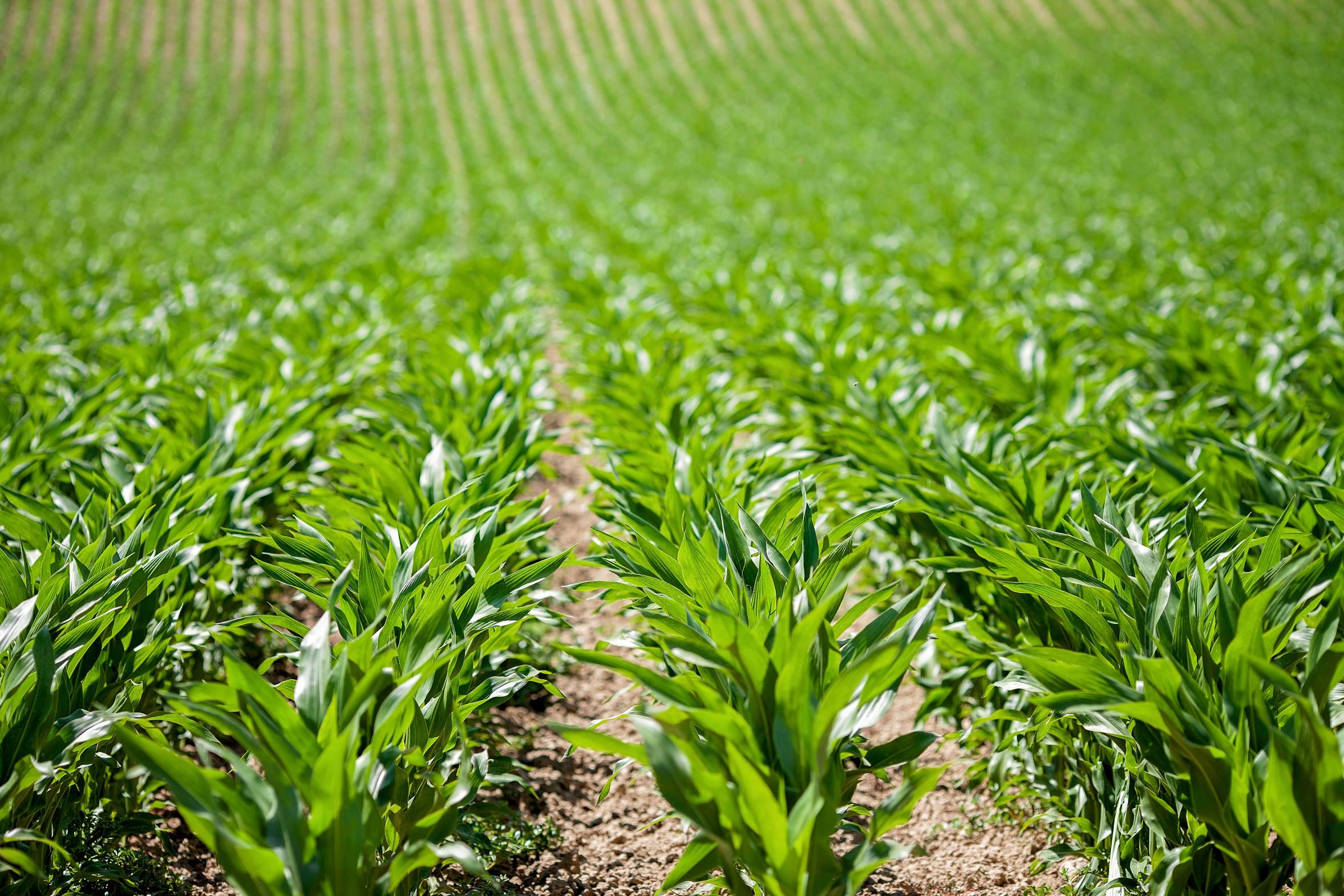
The Federal Government has called for more partnerships with private sector operators in the transformation of the Correctional Farm Centres into highly productive agricultural hubs.
Minister of Interior Dr. Olubunmi Tunji-Ojo, stated yesterday in Abuja at a stakeholder dialogue on Optimising Correctional Farm Centres and Public-Private Partnership (PPP) Pathways for Inmate Reformation, organised by Hope Behind Bars Africa (HBBA), in collaboration with the Nigerian Correctional Service, with funding support from the European Union/International IDEA.
Tunji Ojo, represented by the Permanent Secretary, Federal Ministry of Interior, Dr.
Magdalene Ajani said these partnerships are the engines that would drive the scale of change needed, modernise infrastructure, and enrich rehabilitation programmes in the Nigerian Correctional Service (NCS).He said: “It is an undeniable reality that government resources alone cannot fully unlock the vast potential lying dormant within our correctional system.
“The chest scale of the vision we hold calls for a synergy of strength. This is where the Public Private Partnership (PPP) transitions from being a mere policy option to an indispensable strategic imperative.
“PPP is a powerful vehicle for sustaining development, allowing us to fuel government policy, leadership, and oversight with the private sector’s innovation, operational efficiency, and capital. When structured with intention and integrity, these partnerships create shared values.
“Nigeria is a nation blessed with immense agricultural potential; our correctional farm centres can and should be transformed into highly productive agricultural hubs.”
In her opening remarks, Funke Adeoye, Executive Director, Hope Behind Bars Africa (HBBA), said through one of the projects of the organisation-Farming Justice Project, that HBBA has been working to reposition correctional farm centres as structured, rehabilitation-focused agricultural hubs that contribute to food security within and outside prison while strengthening correctional productivity and reintegration outcomes.
Adeoye pointed out that her organisation has integrated reformation with agriculture to achieve multiple outcomes, such as addressing food insecurity within custodial centres, equipping inmates with practical skills, and reducing reoffending, which remains at the heart of the criminal justice system’s purpose.
Commenting on the implementation of the Farming Justice Project, she said, “We are currently working across multiple custodial centres, including Dukpa Custodial Centre, Kuje Custodial Centre, Kirikiri Female Custodial Centre, and Oko Custodial Centre.
“Within these facilities, residents are actively engaged in structured mind-reformation training, covering behavioural change, financial literacy, crop cultivation, and the cultivation of second chances.
“They are also participating in structured agricultural production, growing crops such as pepper, okra, watermelon, ugu, green pepper, and sweet corn.
“We have established fish ponds, the latest of which is at Kuje Custodial Centre.
“To date, the project has reached direct beneficiaries across multiple centres: in Edo State, 95 residents and 5 officers; in Abuja, 222 residents and 18 officers; and in Lagos, 448 individuals.
“Beyond these direct participants, the indirect impact is even more remarkable; families, local communities and supply chains are all experiencing the ripple effects of increased food production, skill transfer, and entrepreneurship.”
She disclosed that the goal of the project is to transform correctional agriculture from an under-utilised function into a structured pathway for rehabilitation, reintegration, and national development.
Adeoye, therefore, reiterated the need for partnerships that would drive innovative solutions, transform lives, and help in the realisation of the true essence of the correctional system.
In his welcome address, Sylvester Ndidi Nwakuche, Controller General, Nigerian Correctional Service (NCS), said the NCS currently operates 18 farm centres and 10 cottage industries, covering a total landmass of approximately 10,000 hectares across the country.
Nwakuche said the Service runs 12 agricultural projects, five piggery projects, nine fishery projects, and 11 poultry projects across its facilities in Nigeria.
He said: “These activities are not only vital for supporting inmate welfare and contributing to food production, but also serve as a practical platform for skills acquisition and vocational training.
“By aligning our programmes with market realities, we can ensure that inmates acquire relevant employable skills that will enable them to reintegrate successfully into society upon release.”
ActionAid Nigeria and other stakeholders have faulted the proposed N1.45 trillion allocation to the Federal Ministry of Agriculture and Food Security (FMAF) in the 2026 budget.
The stakeholders include the Smallscale Women Farmers Organisation in Nigeria (SWOFON), the Community of Agriculture Non-State Actors (COANSA), and Young Farmers in Nigeria (YoFiN).
They made their position known at a news conference in Abuja on Tuesday while presenting an analysis of the Federal Government’s proposed 2026 agriculture budget.
The conference reviewed funding priorities under the National Agrifood Systems Investment Plan (NASIP 2025–2027) and the National Agricultural Technology and Innovation Policy (NATIP 2022–2027).
It also reflected recommendations from the National Stakeholders Consultative Meeting on the 2026 agriculture budget.
The stakeholders recommended that the National Agricultural Development Fund (NADF) be granted first-line charge status and included as a statutory allocation to enable it to effectively fulfil its mandate.
The joint presentation was delivered by Wakilat Okeji of SWOFON, Gift Adamu of YoFiN, and Tosin Zuberu and Dr Gbenga Arokoyo of COANSA.
Okeji said the 2026 Appropriation Bill proposed N1.45 trillion for the FMAF, representing 2.48 per cent of the total proposed N58.47 trillion national budget.
She said that when combined with the allocation to the Ministry of Livestock Development, the agriculture sector’s share rises slightly to 2.59 per cent.
According to her, this represents a decline compared to 2025 when the agriculture sector accounted for 4.62 per cent of the federal budget.
“The reduction is reflected in overall planned expenditures to MDAs within NASIP and NATIP programme areas, whose total allocation declined by 15.26 per cent from N10.497 trillion in 2025 to N8.896 trillion in the 2026 proposal,” she said.
Arokoyo also recommended that the National Agricultural Development Fund be granted first-line charge status and included as a statutory allocation.
He said the fund’s current allocation of N94.14 billion, representing 99.46 per cent of its total budget, raises concerns about fiscal balance, sectoral equity, and strategic impact.
Arokoyo noted that N89.09 billion of the allocation is concentrated in a single project, the Renewed Hope Fertiliser Support Programme (RH-FSP).
“While fertiliser support is important, such disproportionate spending on one input risks undermining the broader Renewed Hope Agenda and fails to address structural constraints facing smallholder farmers,” he said.
He recommended reducing the allocation to the RH-FSP to N10 billion and redirecting the remaining funds to other critical areas with broader impact.
These include improving access to affordable credit, targeted support for women and youth farmers, scaling labour-saving technologies, expanding access to diverse farm inputs, and reducing post-harvest losses.
Other priority areas include investment in processing and storage facilities, farmer training programmes, improved market access, and strengthened agricultural extension services.
Arokoyo also called for increased investment in irrigation development and Climate Resilient Sustainable Agriculture (CRSA), also known as agroecology.
He noted that CRSA was essential for building resilience against climate shocks and ensuring long-term food security.
According to him, a more balanced and diversified investment strategy would strengthen accountability and maximise the developmental impact of the NADF.
Zuberu added that Nigeria might struggle to achieve food and nutrition security if funding is not properly prioritised and implemented promptly in key agricultural areas.
He listed priority areas to include extension services, credit access, support for women and youth farmers, irrigation development, labour-saving technologies, and climate-resilient agricultural practices.



APC Convention: FG Shutsdown Secretariat, Orders Workers Stay at Home
ShareBy David Torough, Abuja Ahead of the All Progressives Congress (APC) national convention in Abuja, the Federal Government has ordered...
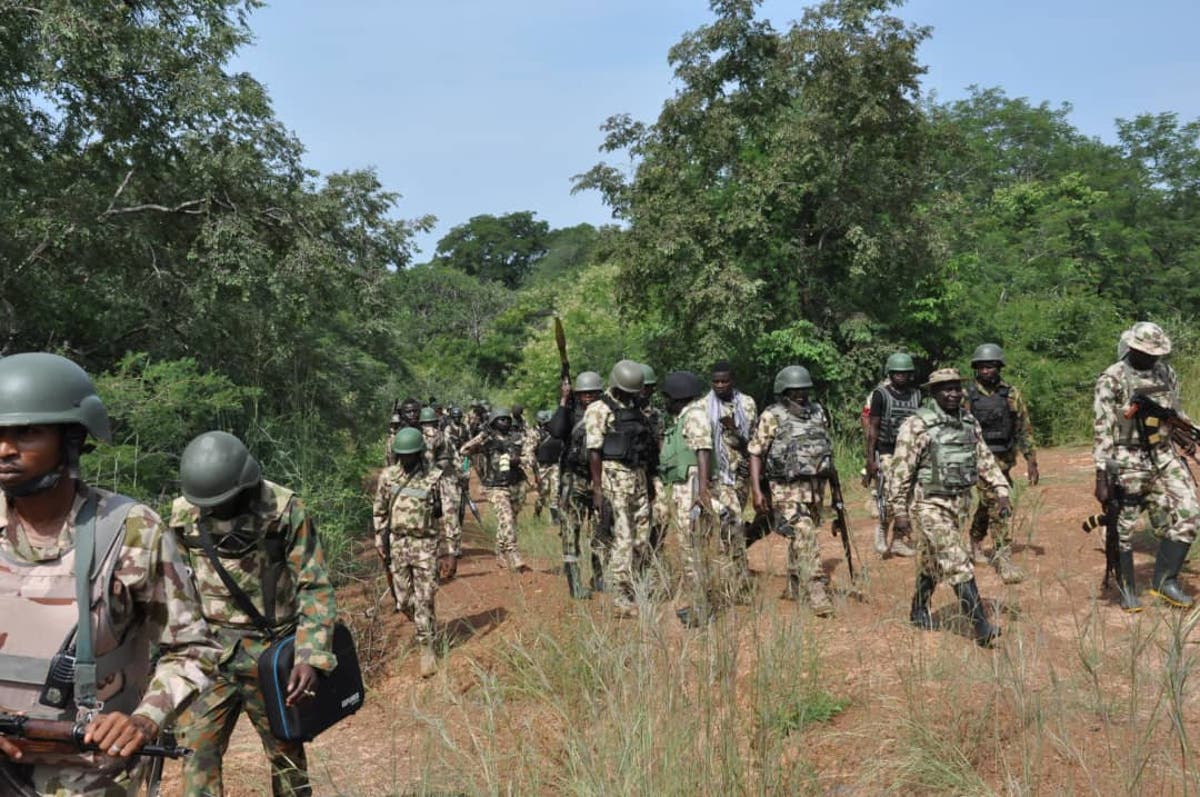
Soldiers Eliminate Six Bandits in Sokoto, Zamfara, Kebbi
ShareTroops of Sector 2, Operation FANSAN YAMMA, have intensified coordinated offensives against terrorist enclaves across Sokoto, Zamfara, and Kebbi states, killing at least six suspected bandits and recovering arms...


IOC Bars Transgender Athletes from Women’s Olympic Events
ShareThe International Olympic Committee has announced a new policy limiting eligibility for the female category at Olympic events to biological...


Out of School Children Climb to 273m Globally – UNESCO
ShareThe number of children and young people out of school worldwide has climbed to 273 million, the UN Educational Scientific and Cultural...


FAAN Outlines Airport upgrades, Private Funding Push
ShareThe Managing Director of the Federal Airports Authority of Nigeria, Olubunmi Kuku, has outlined efforts to bridge long-standing infrastructure deficits at Lagos airports. Kuku spoke...
Kano Takes Over quintuplets After Mother Dies
ShareFrom Aliyu Askira, Kano The woman who gave birth to quintuplets at Murtala Muhammad Specialist Hospital, Kano, Hafsat Yusuf has...


Capital Importation Hits $6,443bn in Q4 2025 – NBS
ShareBy Tony Obiechina, Abuja Nigeria’s total capital importation in Q4 2025 stood at US$6,443.48 million, higher than US$5,089.16 million recorded...


Tinubu Unveils New Transport Plan, Adds EVs to CNG Initiative
ShareBy David Torough, Abuja President Bola Tinubu has approved the expansion of the Presidential Initiative on Compressed Natural Gas (PiCNG)...
Tella Extends Leverkusen Contract Till 2031
ShareBayer Leverkusen have announced that Nathan Tella has extended his contract with the club until 2031, showing their long-term commitment...


Neymar Superior to Messi, Cristiano Ronaldo, Mbappe — Cafu
ShareBrazil legend and two-time World Cup winner Cafu has backed Neymar to lead Brazil to the 2026 World Cup, making...