
NEWS
Beyond Survival: Building A Healthier Nigeria For A Longer Life

By Yussuf Mubaraq Damilare
What does it mean to live a long life if access to basic medical care remains a struggle? What good is medical advancement if millions of people cannot afford the treatment they need? These questions should be at the heart of Nigeria’s conversation about healthcare, life expectancy and national development.
For many Nigerians, the challenge is not simply living longer; it is having a fair opportunity to live a healthy life.
From families struggling to pay hospital bills to communities where essential medical services remain difficult to access, the quality and availability of healthcare continue to shape people’s chances of survival.According to World Bank data, Nigeria’s life expectancy at birth was approximately 54.6 years in 2024. This figure represents a population-level estimate, not a prediction of how long any individual will live, but it highlights the importance of improving the conditions that enable people to survive and thrive. The World Health Organization also estimated Nigeria’s healthy life expectancy at birth at 54.1 years in 2023, reflecting the need to consider not only longevity but also the years people spend in good health.
When Healthcare Becomes a Matter of Survival
A healthcare system should not be judged solely by the number of hospitals it operates or the medical equipment it possesses. Its real value lies in whether people can obtain timely, affordable and effective treatment when they need it.
In Nigeria, the cost of healthcare can discourage people from seeking medical attention early. Some postpone consultations until their symptoms become severe, while others rely on self-medication or incomplete treatment because professional care is financially out of reach. In such circumstances, conditions that might have been managed successfully can progress into serious complications.
The consequences extend beyond the individual patient. Illness can deprive families of income, interrupt children’s education, increase caregiving responsibilities and push vulnerable households deeper into poverty. When preventable disease and premature death become widespread, the effects are felt throughout society.
Improving life expectancy must therefore begin with a simple principle: healthcare should be accessible before a medical problem becomes a crisis.
Preventive Healthcare: The Missing Priority
One of the most effective ways to improve population health is to prevent disease or identify it early. Yet preventive healthcare often receives less attention than the treatment of established illness.
High blood pressure, diabetes and other chronic conditions may remain undetected for years. Without regular screening and appropriate management, they can contribute to heart disease, stroke, kidney damage and premature death. Infectious diseases, maternal complications and childhood illnesses also require sustained attention through immunisation, early diagnosis and accessible treatment.
Nigeria must place greater emphasis on routine health checks, community health education, maternal and child health services, and affordable access to essential medicines. Primary healthcare centres should be equipped not merely to receive patients but to prevent illness, detect health risks and provide continuous care.
Prevention is not a substitute for hospitals or specialist treatment. Rather, it complements them by reducing avoidable suffering and helping people receive the right care at the right time.
Beyond Hospitals: Addressing the Wider Causes of Poor Health
Life expectancy is influenced by much more than what happens inside a hospital. Access to clean water, adequate sanitation, nutritious food, safe housing, education and a healthy environment also shapes the risk of disease and premature death.
A child living in an environment with unsafe drinking water faces different health risks from a child with reliable sanitation. Likewise, an adult who cannot afford nutritious food or essential medication may struggle to manage a chronic condition, even when medical advice is available.
This means that improving life expectancy requires cooperation across sectors. Health authorities must work alongside institutions responsible for education, water and sanitation, housing, food security and environmental protection.
Public awareness is equally important. People need reliable information about healthy diets, physical activity, tobacco avoidance, responsible alcohol use and the importance of seeking professional care. However, health education must be accompanied by practical opportunities to make healthier choices.
It is unreasonable to expect individuals to maintain healthy lifestyles when nutritious food is unaffordable, safe recreational spaces are unavailable or medical services are beyond their means.
Investing in Healthcare Is Investing in Nigeria’s Future
Government action remains essential to building a healthier nation. Adequate and transparent health financing, stronger primary healthcare, improved working conditions for healthcare professionals and expanded health insurance coverage should be central priorities.
Health insurance can help protect households from the financial shock of illness, but coverage must translate into actual access to quality services. Patients need functioning facilities, qualified personnel, essential medicines and respectful treatment.
Nigeria must also address the retention of skilled healthcare workers. Doctors, nurses, laboratory scientists, pharmacists and other professionals are vital to the delivery of effective healthcare. Supporting their training, welfare and career development is important for strengthening services across the country.
Technology offers additional opportunities. Telemedicine, digital health records and community-based screening can improve access to information and services, particularly in underserved areas. Such innovations, however, must be supported by reliable infrastructure and must not replace essential in-person care where it is needed.
Ultimately, healthcare expenditure should be viewed as an investment in human capital. Healthy people are better able to learn, work, care for their families and contribute to national productivity.
Measuring Progress Beyond the Number of Years
A rise in life expectancy would represent progress, but it should not be the only measure of success. A society must also consider whether people can live those additional years with dignity, independence and reasonable freedom from preventable illness.
Healthy life expectancy provides an important complementary measure because it considers the years people can expect to live in full health. The distinction matters: extending life without addressing disability, untreated chronic disease or poor access to long-term care leaves part of the public-health challenge unresolved.
Nigeria should therefore measure progress through a broader set of outcomes, including preventable deaths, maternal and child survival, control of chronic diseases, access to essential services and the financial burden of medical treatment. Nigerian political analysis
These indicators can help policymakers determine whether investments are reaching the people who need them most.
A National Commitment to Longer, Healthier Lives
The responsibility for improving life expectancy is shared, but it is not equal. Government must provide leadership, finance essential services and ensure accountability. Healthcare institutions must deliver safe and effective care. Communities and individuals must be supported to make informed decisions about their health.
The media also has a role to play by promoting accurate health information, challenging harmful misconceptions and keeping public attention focused on preventable illness and healthcare inequality.
Nigeria’s future should not be defined by how many people struggle to survive conditions that could have been prevented, detected early or treated effectively. It should be defined by the strength of its healthcare system and the opportunities it creates for people to live healthy and productive lives.
Beyond survival lies a more ambitious goal: a country where a person’s chance of living longer is not determined by their income, postcode or ability to pay hospital bills.
Building that country will require sustained investment, evidence-based policies and a commitment to equity. Longer life expectancy is not merely a statistical achievement. It is a reflection of whether a nation protects its people, values their wellbeing and gives every generation a fair chance at a healthier future.
By David Torough, Abuja
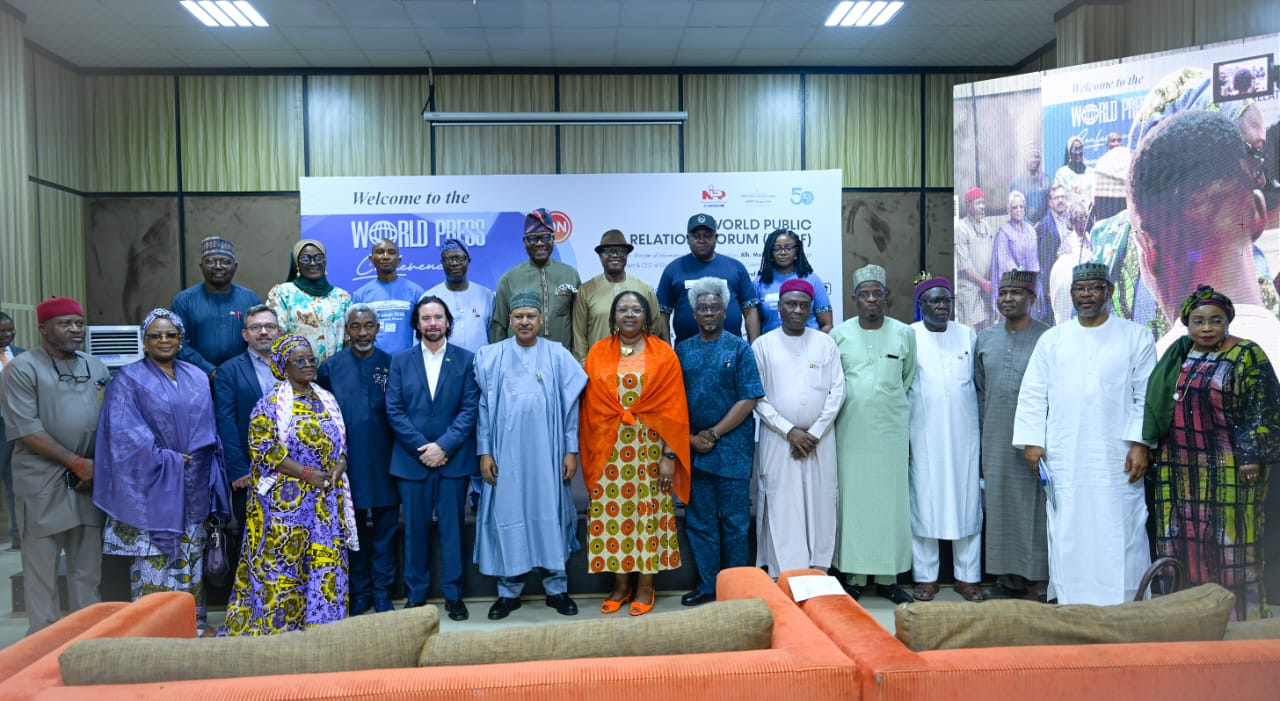
The Federal Government has declared its readiness to host the 2026 World Public Relations Forum (WPRF), assuring the international community of Nigeria’s capacity to deliver a successful event.
The Minister of Information and National Orientation, Mohammed Idris, gave the assurance on Wednesday, at a world press conference in Abuja, ahead of the Forum scheduled for November 15–22, with President Bola Tinubu serving as Chief Host.
Over 126 countries and leading international institutions are expected to participate.Idris described the Forum as an opportunity to showcase Nigeria’s capacity and strengthen its role in global communication discourse.
He thanked the Global Alliance for Public Relations and Communication Management and the African Public Relations Association (APRA) for selecting Nigeria to host the global and continental gatherings simultaneously. He noted that Nigeria is the first country in West Africa and the second in Africa to host the WPRF.
“On behalf of the Federal Government of Nigeria, and particularly His Excellency, President Bola Ahmed Tinubu, who is the Chief Host of the historic 2026 World Public Relations Forum, I wish to express our profound appreciation to the Global Alliance for Public Relations and Communication Management and the African Public Relations Association for the confidence reposed in Nigeria,” the Minister said.
Speaking on the theme, “Responsible Communication: The Voice of the World,” Idris said the rapid transformation of the information ecosystem through digital platforms, artificial intelligence and emerging technologies had heightened concerns around misinformation, disinformation and declining public trust. He urged public relations professionals to uphold truth, accuracy, transparency, ethical standards and the public interest.
“Public relations professionals must recognise that their responsibility goes beyond managing reputations or promoting institutional interests. They have a duty to uphold truth, accuracy, transparency, ethical standards and the public interest,” he stated.
The Minister also highlighted the Federal Government’s support for the establishment of the UNESCO Category 2 International Media and Information Literacy Institute (IMILI) in Abuja, describing it as a strategic intervention to equip citizens, particularly young people, with the skills to identify misleading information and navigate the digital environment responsibly.
He stressed that government communication must go beyond explaining policies to listening to citizens, addressing legitimate concerns and providing credible information that builds public trust.
“For governments, communication must be a two-way process. It must not only explain policies and programmes but also listen to citizens, address legitimate concerns and provide accurate information that enables people to make informed decisions,” he said.
Idris said the Ministry was working with NIPR and relevant institutions to coordinate protocol, security, logistics, hospitality and stakeholder engagement for the Forum. He welcomed delegates to Nigeria and urged them to explore the country’s cultural heritage, hospitality and economic opportunities.
“The 2026 World Public Relations Forum is an opportunity for Nigeria to demonstrate its capacity, strengthen its international partnerships, and help shape the future of responsible communication. We are ready, our doors are open, our people are welcoming, and the Federal Government stands firmly behind this important undertaking,” the Minister declared.
Earlier, the President of the Nigerian Institute of Public Relations (NIPR), Dr Ike Neliaku, commended Idris for his support during Nigeria’s bid and preparations for the Forum. He recalled the Minister’s directive to the team to secure the hosting right and praised the contributions of government agencies and Ministry officials.
“You said, ‘Go, don’t come back without result.’ You gave us that marching order, and we made sure that we started it from there,” Neliaku recalled.
The Secretary-General of APRA, Dr Omoniyi P. Ibietan, described Nigeria’s hosting of the WPRF alongside the 37th APRA Conference as a historic opportunity for Africa to strengthen its collective voice and influence global communication discourse. He commended the Minister’s leadership and support, noting the importance of the continent’s participation.
“We want to speak with one voice as a continent,” Ibietan said.
The President and Chief Executive Officer of the Global Alliance for Public Relations and Communication Management, Professor Justin Green, disclosed that more than 126 countries were expected at the Forum, alongside representatives of the United Nations, World Bank, African Union and European Commission.
He praised President Tinubu and Minister Idris for their support, describing the Minister’s commitment as crucial to bringing the event to Nigeria.
“Your minister, your minister, because without him, this event would not be happening,” Green declared.
By David Torough, Abuja
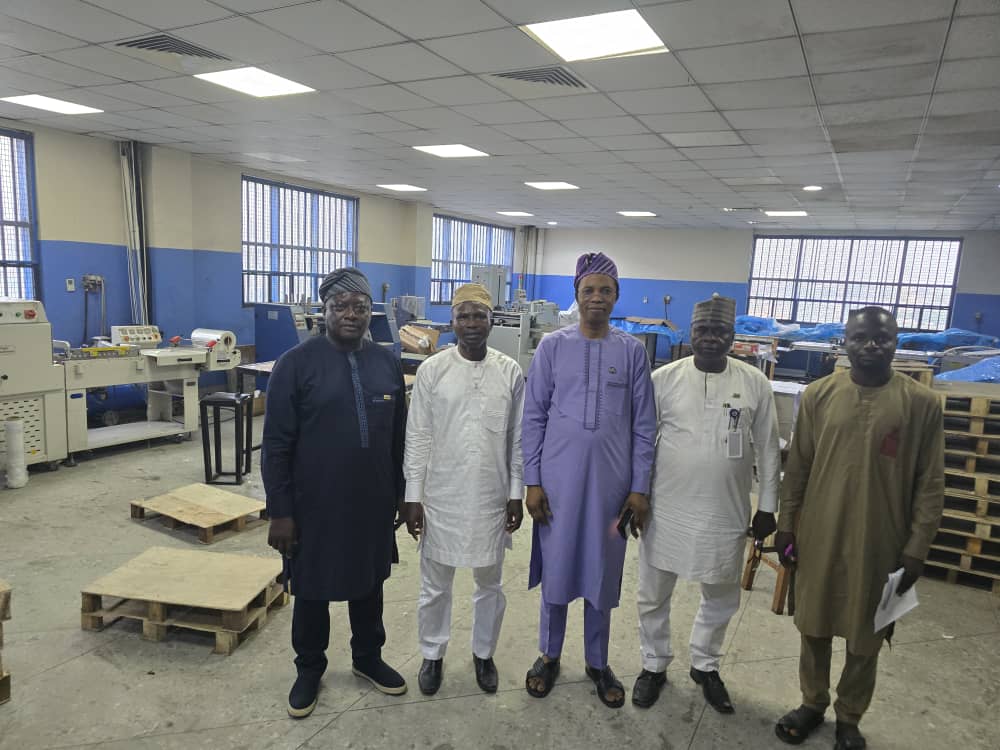
The Chartered Institute of Professional Printers of Nigeria (CIPPON) has renewed its call on the Federal Government to introduce targeted incentives for the printing industry, enforce local content policies and establish the Office of the Printer General of the Federation (PGF), following an assessment visit to the state-of-the-art facilities of Marvelous Mike Press Limited in Abuja.
The call followed an inspection tour by the Industrial Development and Export Concessions (IDEC) Committee of CIPPON, led by the Institute’s President, Koko T.
Clement, alongside the Ex-Officio, Dr. Samson Omoniyi Adesoye, and members of the Industry, Trade and Investment Committee, headed by Suleiman Usman Olowoniyi.The visit formed part of CIPPON’s nationwide assessment of printing facilities to determine the industry’s investment capacity and identify operators eligible for available industrial development and export concessions.
At Marvelous Mike Press Limited, the delegation was received by the company’s Managing Director, Printer Michael Akinola, who conducted the team around the facility and showcased its extensive production infrastructure and advanced printing technologies.
The delegation expressed amazement at the scale of investment and technological sophistication deployed by a single Nigerian-owned printing company without significant government incentives.
The facilities inspected demonstrated the industry’s capacity to handle large-scale printing, packaging and security document production to international standards.
Speaking after the inspection, CIPPON President, Koko Clement, described the investment as a strong indication that Nigeria possesses the resources, technology and professional expertise required to meet its domestic printing needs and compete effectively in the international market.
He said the experience had strengthened the Institute’s resolve to intensify its engagement with the Federal Government, particularly on the need to ensure that educational books and other government-related printing jobs are undertaken within Nigeria.
“What we have witnessed at Marvelous Mike Press is beyond imagination. The scale of investment by a single Nigerian entrepreneur, without government incentives, demonstrates the enormous capacity and readiness of our printing industry. If government recognises and supports this capacity, there will be no justification for taking our educational book printing jobs outside the country,” Koko stated.
He expressed concern that despite its enormous economic potential, employment opportunities and contribution to national development, the printing industry has continued to receive inadequate attention in government incentive programmes, concessions and industrial interventions.
According to him, the facilities visited possess modern technologies capable of producing millions of copies of books, packaging materials and security documents while meeting internationally recognised quality standards.
Koko further disclosed that Nigerian printing companies are already undertaking substantial printing and packaging contracts for other African countries, demonstrating their competitiveness and readiness to serve wider regional markets.
“This is not just about printing. We have facilities in Nigeria handling high-volume printing and packaging assignments for other African countries with precision and quality comparable to the best in the world. Nigerian printers are not asking government to create capacity for them.
“We already have the technology, expertise, manpower and investment. What we need is the right policy framework and political will to unlock this potential,” he said.
The CIPPON President explained that retaining printing contracts within Nigeria would generate far-reaching economic benefits beyond the printing companies themselves. Such a policy, he noted, would stimulate demand for locally produced paper, printing inks, finishing materials and packaging products, thereby strengthening several interconnected industries.
He maintained that the initiative would advance the local content objectives of President Bola Ahmed Tinubu’s Renewed Hope Agenda while reducing capital flight, conserving foreign exchange and expanding employment opportunities for Nigerian youths.
In a major policy recommendation, CIPPON urged President Bola Ahmed Tinubu to consider establishing the Office of the Printer General of the Federation (PGF) or the Printers Commission of Nigeria (PCN) to provide institutional leadership, coordination and effective regulation of the country’s printing industry.
The Institute believes that such an institution would provide a dedicated government framework for developing printing policies, promoting local production, protecting domestic printing jobs, coordinating industry stakeholders and strengthening the entire printing value chain.
“The establishment of the Printer General of the Federation will give the Federal Government a focused institutional structure for coordinating printing policies, enforcing local printing requirements, protecting employment and ensuring that printing contracts generated in Nigeria are retained for Nigerian printers. This is the missing link in building a productive and globally competitive printing economy,” Koko added.
CIPPON also called on the Federal Ministry of Education, the Universal Basic Education Commission (UBEC), Tertiary Education Trust Fund (TETFund) and all state governments to immediately strengthen the implementation of local content policies by ensuring that educational books at primary, secondary and tertiary levels are printed in Nigeria.
The Institute stressed that the country stands to save billions of naira in foreign exchange, create hundreds of thousands of employment opportunities, expand the operations of local paper mills, stimulate ink and packaging manufacturing, and accelerate economic growth if printing activities are domiciled within the country.
Koko therefore appealed to the Federal Government to recognise the printing industry as a strategic pillar of national industrialisation and give Nigerian printers the necessary policy support to maximise its potential.
“Printing in Nigeria is a huge economic opportunity. It can save billions of naira in foreign exchange, create jobs for our youths, revive our paper mills, strengthen manufacturing and grow the national economy. It is time for government to believe in Nigerian printers and give them the opportunity to handle the country’s printing needs. Nigerian printing jobs must remain in Nigeria for Nigerians,” he declared.
Meanwhile, CIPPON disclosed that the IDEC assessment exercise would continue across other printing facilities nationwide as part of efforts to identify investments and operators that can benefit from the scheme.
The Institute consequently appealed to printing companies and individual practitioners who have invested in modern printing equipment and machinery to contact the CIPPON President to initiate the necessary IDEC assessment processes and procedures.
The Institute reaffirmed its commitment to promoting investment, strengthening professional standards, expanding local printing capacity and positioning Nigeria as a major printing and packaging hub in Africa.

By David Torough, Abuja
A call has been made on the Nigerian Government to engage prominent Nigerian Christian leaders, including the Founder and Presiding Bishop of Living Faith Church Worldwide, Bishop David Oyedepo, alongside his spiritual sons, Pastor David Ibiyeomie, Dr Paul Enenche and Pastor Korede Komaiya, to explore how their institutions could contribute to addressing some of Nigeria’s development challenges.
The call, contained in an opinion article titled “Why the Nigerian Government Must Invite Bishop David Oyedepo and His Spiritual Sons Immediately,” argues that the churches led by the four clerics have established institutional structures and community-based initiatives that could provide useful lessons for national development.
According to the article, the ministries have made contributions in areas such as education, healthcare, transportation, employment generation, infrastructure development, poverty reduction and human capital development.
It noted that their respective church organisations operate transportation arrangements that enable worshippers and other participants to attend services and programmes without paying transport fares, describing the initiative as an example of organised social support.
The article also highlighted their investments in education, particularly the establishment of primary and secondary schools as well as universities, with modern learning facilities aimed at developing academic excellence and character among young Nigerians.
On healthcare, it cited medical outreaches, financial assistance for patients, support for surgeries and sponsorship of individuals requiring specialised medical treatment outside Nigeria as some of the interventions attributed to the ministries.
The opinion further drew attention to scholarship programmes operated by the churches, arguing that educational support has created opportunities for young people from disadvantaged backgrounds to acquire professional qualifications and improve their economic circumstances.
It also identified electricity generation and infrastructure development as areas where the religious institutions have demonstrated capacity, pointing to their investments in uninterrupted power arrangements, roads, pedestrian bridges and water facilities within their operational environments.
On employment, the article claimed that the four church organisations collectively provide jobs for more than 300,000 people, describing them as significant employers whose activities extend beyond religious services into administration, education, healthcare, hospitality, logistics and other sectors.
It further argued that their large-scale conventions and international conferences attract participants from different parts of the world, creating economic opportunities for hotels, transport operators, traders, food vendors and other businesses in host communities.
Beyond physical infrastructure and economic activities, the article emphasised the role of religious institutions in social transformation, particularly through counselling, moral instruction, family development, entrepreneurship training and programmes aimed at discouraging destructive lifestyles.
It maintained that these activities could offer useful insights into addressing social challenges, strengthening families and promoting responsible citizenship.
The article also acknowledged the importance of resource management, institutional discipline and long-term planning, arguing that the sustainability of large religious organisations could provide useful case studies for public administrators and development practitioners.
It therefore proposed that the Federal Government initiate a structured engagement with Bishop Oyedepo and the other three clerics to examine their institutional experiences, identify transferable practices and explore possible areas of collaboration in national development.
The proposed engagement, according to the article, should not be politically motivated or limited to ceremonial recognition, but should focus on practical discussions around education, healthcare delivery, employment, infrastructure, social welfare, entrepreneurship and community development.
It concluded that Nigeria could benefit from drawing lessons from successful non-governmental institutions, faith-based organisations and private-sector initiatives, particularly where their experiences offer approaches that can complement existing public development programmes.
The proposal comes amid continuing national conversations about the role of religious organisations, private institutions and civil society in supporting government efforts to improve living conditions and expand development opportunities across the country.



FG Hosts World Public Relations Forum as Delegates from over 126 Countries Set to Attend
ShareBy David Torough, Abuja The Federal Government has declared its readiness to host the 2026 World Public Relations Forum (WPRF),...

CIPPON Urges FG to Protect Nigerian Printing Industry
ShareBy David Torough, Abuja The Chartered Institute of Professional Printers of Nigeria (CIPPON) has renewed its call on the Federal...


FG Urged to Engage Bishop Oyedepo, Spiritual Sons Leadership Models on National Development
ShareBy David Torough, Abuja A call has been made on the Nigerian Government to engage prominent Nigerian Christian leaders, including...

Regional Devt Ministry Trains Commissions’ Officers on Digital Quarterly Reporting Template
ShareBy David Torough, Abuja The Ministry of Regional Development has commenced a capacity-building training programme for desk officers from the...


Actress Ademoye Rejects Apology over Movie Demonetization
ShareNollywood actress and filmmaker, Bimbo Ademoye, has rejected an apology from a man who filed a copyright claim against her...


Army Rescues 21 Kidnap Victims after Gun Battle with Terrorists in Niger
ShareBy David Torough, Abuja Troops of the Nigerian Army’s 18 Brigade have rescued 21 kidnapped victims following a fierce gun...


CBN Digitalises Fiscal Data Reporting Across 36 States, FCT
ShareBy Tony Obiechina, Abuja The Central Bank of Nigeria (CBN) has commenced the digitalisation of sub-national fiscal data reporting across...


NNPC Audit: Kyari Denies N210trn Missing Funds
ShareBy David Torough, Abuja Former Group Chief Executive Officer of the Nigerian National Petroleum Company Limited (NNPCL), Mele Kyari, has...

2027: APC Bets on Reforms, Unveils Tinubu’s Blueprint
ShareBy Eddy Ochigbo, Abuja The All Progressives Congress (APC) has unveiled an ambitious four-pillar manifesto for President Bola Tinubu’s proposed...


Troops Neutralise over 60 Terrorists, Rescue70 Kidnap Victims in One Week
Share By David Torough, Abuja The Armed Forces of Nigeria (AFN) have neutralised more than 60 terrorists and rescued at...