
COVER
Boat Mishap:NIWA Lists Human Error, Drugs as Major Causes

From Joseph Amedu, Lokoja
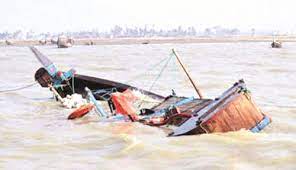
Managing Director, National Inland Waterways Authority (NIWA), Bola Oyebanji has identified human error, use of drugs and disregard for rules and regulations as the major causes of boat mishaps in past three years.
Oyebanji who disclosed this while fielding questions from the members of the House Representatives Committee on NIWA who were on oversight function to the headquarters of the authority in Lokoja, stated that the NIWA was committed to the safety of the Nigerians using water transportation .
The Managing Director pointed that the 99 percent of the mishaps on the waterways was a result of human error, noting that research has shown that the operators are committing avoidable mistakes which could not have caused havoc.
He stated that some of the operators live on drugs to influence their activities which make them high and eventually make grievous mistakes.
Oyabanji added that some operators are repugnant to following rules and regulations.
He said a wooden boat carrying 150 to 200 passengers is a recipe for disaster.
He lamented that the Transportation Code requires revalidation because the operators have not been following, stressing that use of life jackets for instance, is ignored.
He stated that the N30,000 penalty stipulated in the code has not helped.
The Chairman, House Committee on NIWA , Mr. Ojema Ojotu who led the seven-member committee to Lokoja explained that the inland waterways are an integral part of Nigeria’s transportation framework, offering immense potential for enhancing connectivity, reducing road congestion, and stimulating economic growth.
“As representatives of the people, it’s our duty to ensure that this potential is harnessed effectively for the benefit of all Nigerians.
“This visit provides us the platform to scrutinize critical areas such as operational efficiency, safety on our waterways, infrastructure development, and the overall management of resources allocated to NIWA.
“We recognize the unique challenges associated with managing waterways, including the recurring issues of boat mishaps, flooding in vulnerable regions along the waterways, and the demand for modernized infrastructure such as inland ports and navigable channels.
“As we deliberate today, it is imperative to consider how these challenges can be addressed to enhance safety, efficiency, and economic viability.
“The strategic importance of inland ports cannot be overstated, especially in fostering internal and regional trade and serving as vital links in our national logistics chain.
“Similarly, the dredging of waterways remains key to unlocking the full potential of our inland transportation system, ensuring seamless connectivity and uninterrupted operations.
“Additionally, there is a need for human capacity development and procure essential operational equipment, such as boats, to enhance safety enforcement, ensure rapid emergency responses, and deliver efficient services. While government funding remains critical, it is evident that traditional financing models may not suffice to meet the infrastructure and capacity building demands of NIWA’s mandate.
“Therefore, it is imperative to think outside the box and explore alternative financing options, including public private partnerships, concessional arrangements, and innovative funding mechanisms.
“These approaches can bridge funding gaps and drive impactful infrastructural development. AS we engage with NIWA’s leadership and review their activities, let us remain focused on identifying practical solutions to the pressing issues facing the inland waterways sector.”This committee will continue to advocate for policies and budgetary allocations that align with national priorities and promote sustainable development”, the chairman stated.
By Tony Obiechina, Abuja
The Development Bank of Nigeria Plc (DBN) has launched DAWN: DBN Action for Women in Nigeria, unveiled its Impact Report and presented MSME Data Assets at the seventh edition of Annual Lecture held in Abuja.
DBN, in a statement on Thursday, said while delivering a welcome address, its Managing Director and Chief Executive Officer, Dr Tony Okpanachi, said the central challenge was no longer reforms themselves but ensuring benefits reach businesses at end of the chain.
He asked how to make sure benefits reach traders in Onitsha, fabricator in Aba, farmer in Kebbi and young founder in Yaba, noting that MSMEs accounted for about half of Nigeria’s GDP and more than eight in every ten jobs, adding that when reform works for MSMEs it works for most Nigerians.
He explained that reform becomes prosperity only when entrepreneurs can act on it whether through long tenor loans to buy equipment, banks willing to take risk or skills and records needed to grow.
He said working through Participating Financial Institutions DBN provides longer term funding, partial credit guarantees through subsidiary Impact Credit Guarantee Limited and capacity building including Entrepreneurship Training Programme.
He disclosed that as at December 2025 DBN had disbursed a cumulative N1.4 trillion to MSMEs through 84 Participating Financial Institutions creating about 1.6 million jobs nationwide.
Under the new five year strategy, the Bank aims to reach more than two million MSMEs with deliberate targets for women led businesses, youth led businesses and underserved states.
On DAWN, Okpanachi said finance alone had not enabled enough women-led businesses to scale.
He said initiative brings together financing, guarantees and credit support, technical assistance, outcome linked grants and market linkages delivered through banks, microfinance institutions, fintechs, aggregators, cooperatives and direct channels.
Its priority sectors are agriculture and exports, healthcare, arts and creatives, technology and green business.
He said DAWN is about moving gender focused lending beyond intention and turning access into opportunity.
On the sidelines of the lecture DBN and African Development Bank held a signing ceremony of AfDB DBN 61 million United States dollars Gender Line of Credit development that reinforces Bank commitment to women led enterprises.
Okpanachi urged Participating Financial Institutions to extend lending into sectors and states where access to finance has been limited, policymakers and regulators to measure reform by what changes for business at end of chain and MSMEs to formalise, keep good records and use support now available.
The Vice President as Special Guest of Honour was represented by Dr Fred Iklaga Senior Technical Adviser in the Office of Special Adviser to the President on Economy.
Keynote speakers were Chief Executive Officer of MTN Nigeria, Dr Karl Toriola, and Chairman of Nigeria Sovereign Investment Authority, Dr Segun Ogunsanya.
Fireside chat featured Chief Executive Officer of Sterling Bank Abubakar Suleiman, manufacturing and trade entrepreneur Mrs Omoyemi Chukwurah and by video Kola Masha of Babban Gona.
The Secretary to the Government of Federation, represented by Augusta Warren Bekaredebo, said 2026 tax reforms would bring relief to many small businesses expressing optimism that a lot of businesses will be smiling by next year because they will be exempted from tax.
By Tambaya Julius, Abuja
The Nigeria Labour Congress (NLC) has threatened possible nationwide industrial action following the failure of talks with the Federal Government over workers’ welfare, petrol prices and other outstanding labour demands.
The warning came after a meeting between the government and organised labour at the Ministry of Labour in Abuja on Thursday, October 22, ended without an agreement.
The congress has given the Federal Government until Tuesday, October 27, to make meaningful progress on the issues, warning that its relevant organs would decide the next line of action if the next meeting fails to produce concrete commitments.
The NLC has also directed its affiliates, state councils and civil society allies to begin mobilising members for possible nationwide action.
In a statement issued after the meeting, the NLC Acting General Secretary, Benson Upah, expressed disappointment over what he described as the government delegation’s lack of preparedness for the negotiations.
According to the congress, organised labour presented its demands in good faith but left the meeting without any concrete commitments from the government.
The demands include a reduction in petrol prices to 2024 levels, renegotiation of the national minimum wage, implementation of agreed tax relief measures and resolution of the terms of settlement involving the Joint Health Sector Unions (JOHESU).
The congress also called for the resolution of issues raised by the Joint Public Service Negotiating Council (JPSNC) over peculiar allowances, wage awards and hazard allowances.
The NLC said the government delegation lacked the necessary authority to engage meaningfully on the issues presented by labour representatives.
“The meeting between the Federal Government and organised labour, convened at the Ministry of Labour in Abuja on 22nd October 2026, has ended without resolution,” the statement said.
It added that the Minister of Labour requested that the meeting be adjourned until October 27 to allow the government to prepare adequately for further discussions.
The preparations, according to the statement, would include bringing relevant ministers and heads of departments and agencies to the negotiating table.
The congress said it remained open to dialogue but would not accept continued delays in addressing workers’ concerns.
“We will report back to our organs, and if no meaningful progress is made on Tuesday, the relevant organs of the NLC will decide the next line of action,” it said.
The labour body urged workers and members of the public to remain calm while the negotiations continue, even as it directed its affiliates and allies to prepare for possible industrial action.
“However, we urge all affiliates of NLC and TUC; all state councils and our civil society allies to be alert and start mobilising for a possible action across the nation while we hope that the tenets of our demands are met by the government,” the statement added.
The October 27 meeting is expected to provide another opportunity for both sides to address the outstanding issues and prevent a possible escalation of the dispute.
However, the NLC’s decision to begin mobilisation suggests that tensions could rise if the next round of talks fails to produce meaningful progress.
The Federal Road Safety Corps (FRSC) has barred its personnel from escorting politicians during campaigns for the 2027 general elections.
Zonal Commanding Officer, RS6, ACM Abimbola Owolabi, gave the directive during her maiden visit to the Cross River Command in Calabar on Wednesday.
Owolabi said patrol vehicles and sirens must not be used for political activities or private engagements, including weddings and funeral processions.
She directed officers deployed to campaign venues to focus exclusively on traffic management to prevent congestion and road crashes.
The zonal head warned personnel against leading political convoys or providing escorts for politicians, stressing that official vehicles must not be used for unauthorised purposes.




WAHO, ECOWAS Countries Move to Tackle Health Worker Shortages, Brain Drain Through Regional Retention Plan
ShareBy David Torough, Abuja The West African Health Organization (WAHO) has called for stronger regional collaboration and practical policy interventions...

Ekpo Empowers Women, Supports Hospital Patients at 50
ShareBy Tambaya Julius, Abuja The All Progressives Congress (APC) flag bearer for Karu/Gitata Constituency in the Nasarawa State House of...


Ebola: Bayelsa Activates Emergency Response
ShareFrom Mike Tayese, Yenagoa The Bayelsa state government has intensified disease surveillance and emergency preparedness following reports of an Ebola...

FG Disburses N38.93bn to Tertiary Institutions
ShareBy Tony Obiechina, Abuja The Federal Government has disbursed N38.93 billion to 166 public tertiary institutions nationwide under the Needs...

Mbah Unveils Multi-billion Naira Pharmaceutical Company in Enugu
ShareFrom Sylvia Udegbunam, Enugu Governor Peter Mbah of Enugu State has commissioned Anchorage Pharmaceutical Industries Limited, a multi-billion naira pharmaceutical...
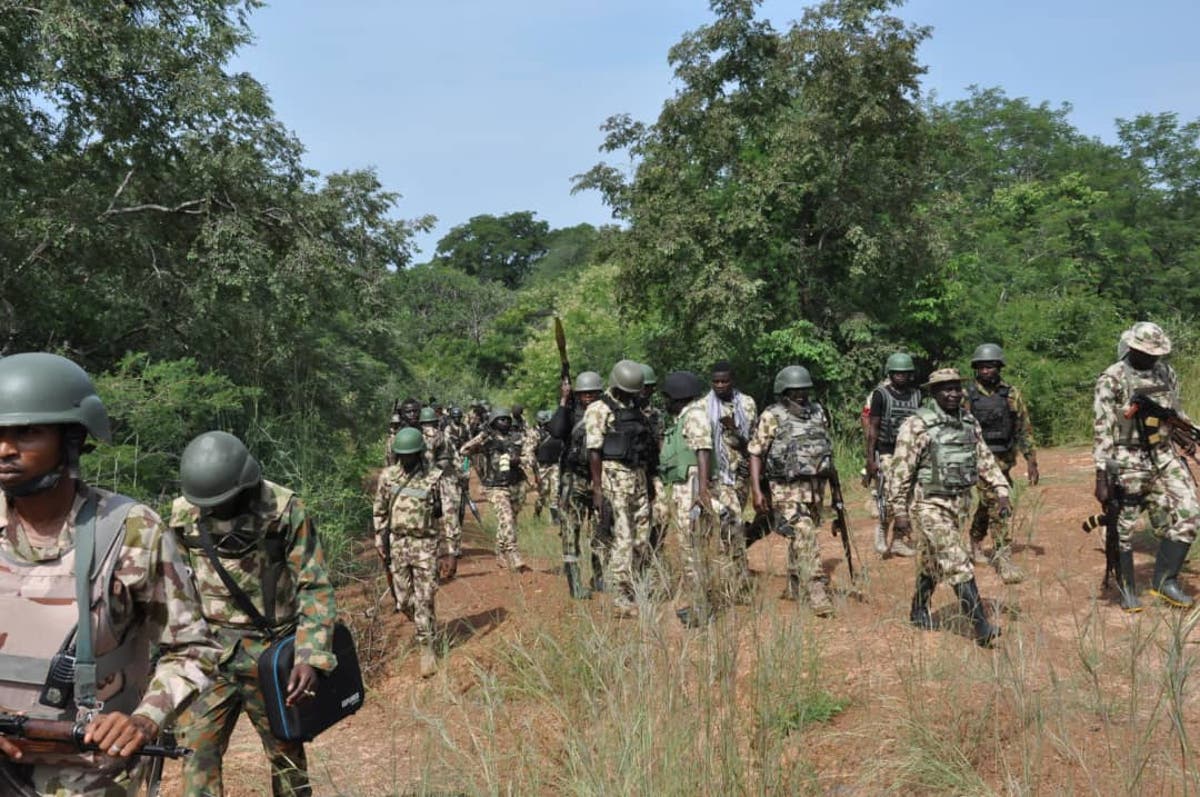
Troops Rescue Three Kidnap Victims in Kebbi
ShareTroops of Sector 2, Operation FANSAN YAMMA, have rescued three kidnapped victims following an operation in Sakaba Local Government Area...


Troops Neutralise Six Terrorists, Arrest 11 Suspected Collaborators in Borno
ShareTroops of the Nigerian Army have neutralised six terrorists, arrested 11 suspected collaborators and received the surrender of a Jama’atu...

JPMorgan’s Entry into Nigeria: Turning Global Finance into a National Development Opportunity
ShareBy Uche Joe Uwaleke The proposed establishment of JPMorgan Merchant Bank Nigeria Limited presents Nigeria with an important opportunity to...

Commissioner Hails Akwa Ibom Governor over Peace Initiatives
ShareVeteran Sports Journalist and Commissioner for Sports Development in Akwa Ibom State, Paul Bassey, has hailed the state Governor, Pastor...

Kogi Probes Mega Electronic Store Inferno
ShareFrom Joseph Amedu, Lokoja The Kogi State Government has commenced investigation into the fire incident that gutted Pee Links, a...