
NEWS
Buhari’s 60th Independence Anniversary Speech

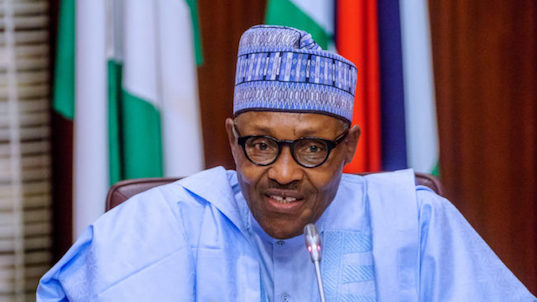
INDEPENDENCE DAY ADDRESS BY HIS EXCELLENCY, MUHAMMADU BUHARI, PRESIDENT OF THE FEDERAL REPUBLIC OF NIGERIA ON THE OCCASION OF NIGERIA’S SIXTIETH INDEPENDENCE ANNIVERSARY, THURSDAY 1ST OCTOBER 2020
Fellow Nigerians
I speak to you today as your President and fellow citizen on this epoch occasion of our country’s 60th independence Anniversary.
As President, I wish to renew my appreciation to Nigerians for entrusting me with your hopes and aspirations for a better and greater Nigeria.2. Today, it is my unique privilege to re-commit myself to the service of this great country of great people with profound diversities and opportunities. We are bound by destiny to be the largest and greatest black nation on earth.
3. At this stage in our nationhood it is important that we reflect how we got here to enable us work TOGETHER to get to where we aspire to be as a strong indivisible nation, united in hope and equal in opportunity.
4. On October 1st 1960 when Prime Minister Alhaji Abubakar Tafawa Balewa received the constitutional instruments symbolizing Nigeria’s independence, he expressed his wish that having acquired our rightful status as an independent sovereign nation, history would record that the building of our nation proceeded at the wisest pace.
5. This optimism was anchored on the peaceful planning, full and open consultation and harmonious cooperation with the different groups which culminated in Nigeria emerging as a country without bitterness and bloodshed.
6. Our founding fathers understood the imperative of structuring a National identity using the power of the state and worked towards unification of Nigerians in a politically stable and viable entity.
7. That philosophy guided the foundation that was laid for our young nation of 45 million people with an urban population of approximately 7million occupying an area of 910,768 square kilometers. These demographics led to development challenges for which major efforts were made to overcome.
8. Today, we grapple with multiple challenges with a population exceeding 200million occupying the same land mass but 52% residing in urban areas.
9. Sixty years of nationhood provides an opportunity to ask ourselves questions on the extent to which we have sustained the aspirations of our founding fathers. Where did we do the right things? Are we on course? If not where did we stray and how can we remedy and retrace our steps?
10. Upon attaining independence, Nigeria’s growth trajectory was anchored on policies and programmes that positively impacted on all sectors of the economy. However, this journey was cut short by the 30-months of civil war.
11. We came out of the civil war with a focus on reconstruction, rehabilitation and reconciliation that enabled the country to put in place world class development structures and a strengthened public service that well served the government. This positive trajectory continued with a return to democratic government which was truncated by another round of military rule.
12. For a cumulative 29 of our 60 years existence as a nation, we have been under military rule.
13. My summary of our journey so far as a nation is necessary to appropriately chart where we need to go and how to get there TOGETHER.
14. Today, I am aware that our economy along with every single economy in the world is in crisis. We still face security challenges in parts of the country, while our society suffers from a high loss of moral rectitude which is driven by unbridled craving for political control.
15. An underlying cause of most of the problems we have faced as a nation is our consistent harping on artificially contrived fault-lines that we have harboured and allowed unnecessarily to fester.
16. In addition, institutions such as civil service, police, the judiciary, the military all suffered from a general decline.
17. We need to begin a sincere process of national healing and this anniversary presents a genuine opportunity to eliminate old and outworn perceptions that are always put to test in the lie they always are.
18. The stereotype of thinking of ourselves as coming from one part of the country before seeing ourselves as Nigerians is a key starting point to project us on the road to our deserved nation’s evolution and integration.
19. To start this healing process, we are already blessed with the most important asset any nation requires for such – OUR PEOPLE – and this has manifested globally in the exploits of Nigerians in many fields.
20. It has been demonstrated time and time again that Nigerians in the diaspora frequently excel in science, technology, medicine, sports, arts and many other fields.
21. Similarly, the creativity, ingenuity and resourcefulness of the Nigerian at home have resulted in globally recognized endeavours.
22. I am convinced that if we pursue our aspirations TOGETHER we would be able to achieve whatever we desire. That informed our adopting the theme TOGETHER to mark this epochal event.
23. Together we can change our condition for the better and more importantly, together we can do much more for ourselves and for our country.
24. I chose the path of self-reflection because this is what I do on a daily basis and I must confess that at most times, I always felt the need for a collective reflection as I know that the foundation for a solid future which this administration is laying can only be sustainable if there is a collective commitment by Nigerians.
25. Nigeria is not a country for Mr. President, any ruling or opposition party but a country for all of us and we must play our part, irrespective of challenges we face, to make this country what we desire.
26. To achieve this, we must focus our minds, TOGETHER as a people, on ways of resolving the identified critical challenges that underlie our present state. These include:
a. Evolving and sustaining a democratic culture that leaves power in the hands of the people;
b. Supporting the enthronement of the rule of law, demanding accountability of elected representatives and contributing to good governance;
c. Increasing our commitment to peaceful co-existence in a peaceful, secure and united Nigeria;
d. Harnessing and Optimizing our tremendous human and natural resources to attain our goal of being in the top twenty economies of the world and in the process;
e. Lifting 100 million Nigerians out of poverty in 10 years;
f. Strengthening institutions to make them stronger in protecting National Interests; and
g. Imbibing tolerance in diversity.
27. I am a firm believer in transparent, free, fair and credible elections as has been demonstrated during my period as a democratically elected President.
28. The recent build-up and eventual outcome of the Edo State elections should encourage Nigerians that it is my commitment to bequeath to this country processes and procedures that would guarantee that the people’s votes count.
29. The problems with our electoral process are mainly human induced as desperate desire for power leads to desperate attempts to gain power and office.
30. Democracy, the world over and as I am pursuing in Nigeria, recognizes the power of the people. However, if some constituencies choose to bargain off their power, they should be prepared for denial of their rights.
31. This call is made more urgent if we realise that even after a transparent, free, fair and credible election, desperation leads to compromising the judiciary to upturn legitimate decisions of the people.
32. It is necessary to, therefore support the enthronement of the rule of law by avoiding actions which compromise the judiciary.
33. Fellow Nigerians, our history has shown that we are a people that have the capacity to live peacefully with one another.
34. As a government, we remain committed to our constitutional oath of securing the lives and properties of the citizenry. I, however, call on the citizenry to also support government by providing the necessary community level intelligence in addressing these challenges.
35. In moving forward together, it is important to strengthen our economy to provide sustainable means of livelihood for as many Nigerians as possible so as to eradicate absolute poverty from our midst.
36. I want to re-emphasize my dedication and commitment, a dedication and commitment that propelled my public service career and informed my quest to continually seek for an opportunity to improve the lives of Nigerians, set the country on the path of prosperity and lead the country to a better future.
37. This administration has been focused on rebuilding and laying the foundations for a sustainable Nigeria. Of course, we have met and are still meeting the challenges inherent in any rebuilding initiative – more so that of a nation like Nigeria that has undergone avoidable levels of deprivation – but can be surmounted if we all work together.
38. I wish to re-iterate that our people and our spirit of excellence remains our most important asset.
39. In this wise, the need to return to our age-old ethical and high moral values would be necessary and this informed my launching of the National Ethics and Integrity Policy on Monday 28th September, 2020.
40. The policy would not implement itself and the first contact of the visibility of its implementation is the Public Service whose on-going reforms would be expected to be sustainable and give a radical re-direction in providing services to all Nigerians.
41. Fellow Nigerians, in addition to public health challenges of working to contain the spread of the Coronavirus, we have suffered a significant drop in our foreign exchange earnings and internal revenues due to 40 per cent drop in oil prices and steep drop in economic activities, leading to a 60 per cent drop in government revenue.
42. Our government is grappling with the dual challenge of saving lives and livelihoods in face of drastically reduced resources.
43. In this regard, sustaining the level of petroleum prices is no longer possible. The government, since coming into office has recognized the economic argument for adjusting the price of petroleum. But the social argument about the knock-on effect of any adjustment weighed heavily with the government.
44. Accordingly, in the last three years, we have introduced unprecedented measures in support of the economy and to the weakest members of our society in the shape of:
a. Tradermoni
b. Farmermoni
c. School Feeding Programme
d. Job creation efforts
e. Agricultural intervention programmes
45. No government in the past did what we are doing with such scarce resources. We have managed to keep things going in spite of the disproportionate spending on security. Those in the previous Governments from 1999 – 2015 who presided over the near destruction of the country have now the impudence to attempt to criticize our efforts.
46. In the circumstances, a responsible government must face realities and take tough decisions.
47. Petroleum prices in Nigeria are to be adjusted. We sell now at N161 per litre. A comparison with our neighbours will illustrate the point;
a. Chad which is an oil producing country charges N362 per litre
b. Niger, also an oil producing country sells 1 litre at N346.
c. In Ghana, another oil producing country, petroleum pump price is N326 per litre.
48. Further afield, Egypt charges N211 per litre. Saudi Arabia charges N168 per litre. It makes no sense for oil to be cheaper in Nigeria than in Saudi Arabia.
49. Fellow Nigerians, to achieve the great country we desire, we need to solidify our strength, increase our commitment and encourage ourselves to do that which is right and proper even when no one is watching.
50. Fellow Nigerians, let us collectively resolve to continue our journey beyond the sixty years on the clear understanding that as a nation we are greater together than being smaller units of nationalities. By the special grace of God we shall come through any transient challenges.
51. It is my sincere hope that by the end of this anniversary on September 30th 2021, we will all be proud of taking this individual and collective self-assessment for the progress of our great Nation.
Long Live the Federal Republic of Nigeria.
God Bless us all. Thank you.



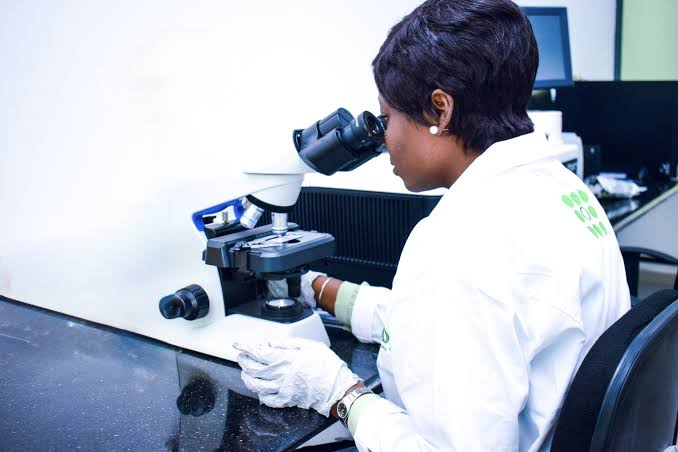
The Federal Government said it has established 10 radio diagnostic centres to enhance diagnosis and treatment of diseases in the country.
Coordinating Minister of Health and Social Welfare, Dr Ali Pate, said this during a courtesy visit to Gov.
Bala Mohammed, on Monday in Bauchi.He said that the centres were established through the Medical and Diagnostic Services (MEDSERVE) initiative, and the Nigeria Sovereign Investment Authority (NSIA).
Pate said that the Bauchi centre, located at the Abubakar Tafawa Balewa University Teaching Hospital (ATBUTH), was among the 10 projects initiated in the last two years.
“Two years ago, we laid the foundation for the first one here in Bauchi, a world-class radio-diagnostic centre, the facility has been completed, and all the 10 facilities all over Nigeria have been completed.
“This marks the largest expansion of health infrastructure and equipment in Nigeria’s history,” he said.
Pate said that the Bola Tinubu administration also completed three world-class cancer centres as part of efforts to expand specialised healthcare services.
He said that Bauchi would host the first inauguration, followed by another centre in Ibadan, while the remaining centres would be commissioned subsequently.
The minister highlighted that the projects demonstrated Tinubu’s commitment to revitalising Nigeria’s health sector through modern diagnostic equipment, infrastructure, quality healthcare services, training and research.
Pate said that the federal government would continue to collaborate with state governments, to improve healthcare delivery across the country.
According to Pate, plans are underway for the establishment of a major multi-specialty hospital in each of the six geopolitical zones.
Also, Taiwo Oyedele, Minister of Finance and Coordinating Minister of the Economy, said the diagnostic centre demonstrated how the federal government’s economic reforms were being translated into tangible development projects.
He said that the reforms were aimed at stabilising the macro-economy, restoring investor confidence and strengthening institutions to create an enabling environment for more development projects.
Oyedele underscored the importance of collaboration between the federal and state governments in delivering infrastructure and improving the welfare of Nigerians.
“We will continue to work with Bauchi state and with every state to turn macroeconomic stability into tangible outcomes for our people; better healthcare, better infrastructure and a more productive economy,” he said.
Responding, Mohammed commended Tinubu for approving the establishment of two army formations in Alkaleri and Tafawa Balewa Local Government Areas of the state.
He said the federal government’s security intervention had contributed significantly to the restoration of peace and the return of displaced persons to their communities.
Mohammed acknowledged other federal government interventions in the state, including the establishment of the University of Health Sciences and the Federal Medical Centre Misau.
“We cannot play politics with health and education. We cannot play politics with services.
“We are very grateful to Mr President for what he has done for Bauchi, particularly in the areas of health and security,” he said.
Mohammed said that the diagnostic centre would complement the state government’s efforts to provide quality and affordable healthcare services to residents.
He also assured support of the federal government’s initiatives aimed at improving the welfare of Nigerians. (NAN)
By Tambaya Julius, Abuja
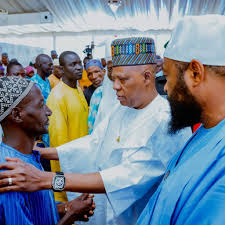
The Federal Government has assured families of the 37 suspected miners who died in the custody of the Nigeria Security and Civil Defence Corps (NSCDC) in Niger State that it will investigate the incident and ensure that anyone found culpable faces the law.
Vice President Kashim Shettima gave the assurance on Monday during a condolence visit to Minna, where he conveyed President Bola Tinubu’s sympathies to Governor Mohammed Bago, the bereaved families and the people of Niger State.
The 37 men died on September 17 after they were detained by the NSCDC over alleged illegal mining.
The circumstances surrounding their deaths have yet to be established.
Shettima announced a Federal Government donation of ₦250 million to support the families of the deceased.
According to him, President Tinubu had ordered a comprehensive investigation into the incident, resulting in the constitution of a 10-member independent investigative committee and the suspension of officers linked to the case pending the outcome of the probe.
Describing the deaths as “a blot on our national conscience,” Shettima said the government’s responsibility to protect citizens does not end when they are taken into custody.
“No parent should receive a body when they are waiting for a son to come home,” he said.
The Vice President said the government would not prejudge the investigation but would ensure that the circumstances surrounding the deaths are fully established and those responsible identified.
“On President Tinubu’s directive, an independent investigative panel has been constituted to establish the facts, determine responsibility and lay the foundation for justice and closure,” he said.
Shettima stressed that being in custody does not strip anyone of their right to protection by the state.
“A citizen deprived of liberty remains entitled to the protection of the state. No allegation, however grave, diminishes that entitlement. No uniform confers immunity from accountability,” he said.
He added that anyone found culpable would be made to answer before the law.
“We owe justice to every soul lost, answers to every bereaved family and due process to every person under investigation. Whoever is found culpable must answer before the law.
Our duty to you outlives this visit,” the Vice President said.
The investigative committee is expected to determine the circumstances surrounding the deaths and recommend measures to prevent a recurrence.
The committee is chaired by retired Deputy Director-General of the Department of State Services, Jonathan Kure, while former Director-General of the Nigerian Law School, Prof. Isa Hayatu Chiroma, SAN, serves as secretary.
Shettima said the incident should also serve as a reminder to law enforcement agencies of their duty to protect human dignity while enforcing the law.
“We have come to you today without the togas of partisan politics. We come as sympathisers, as parents, as uncles and aunts, as brothers and sisters, and, above all, as leaders entrusted with your protection,” he said.
“We have come to share your grief, to hear your concerns, to stand beside the bereaved and to reaffirm our obligation to protect every citizen, without distinction or exception.”
The Vice President commended Governor Bago for supporting the search for justice and providing assistance to those affected.
“Every victim deserves dignity, every survivor deserves care, and every family deserves the truth,” he said.
He also prayed for God’s mercy on the deceased and strength for their families to bear the loss.
Governor Bago thanked Shettima for visiting Niger State on behalf of President Tinubu, describing the visit as a demonstration of empathy and solidarity with the affected families.
He noted that both Tinubu and Shettima were outside the country when the incident occurred, with the President on annual leave and the Vice President representing Nigeria at the United Nations General Assembly.
Bago said the President’s message had been clearly conveyed to the bereaved families and the people of the state.
He, however, stressed that the immediate purpose of the visit was to mourn with the families and offer condolences.
“Your message has been delivered clearly to the families and the people of Niger State that upon your return, insha Allah, you are here today. You have made it; we thank you,” the governor said.
Also speaking, the governor’s Principal Private Secretary, Emmanuel Umar, said the deaths had left the affected families, communities and the entire state in grief.
Umar said Shettima’s visit showed that the President stood with the affected families, adding that the Vice President came not only in his official capacity but also as a leader sharing in the pain of the people.
After the Niger State visit, Shettima proceeded to Maiduguri, Borno State, where he condoled with Governor Babagana Zulum over the death of his sister, Amina (Inna) Zulum.
The Vice President prayed for Allah to grant her Aljana Firdaus and give the family the fortitude to bear the loss.
By Racheal Abujah
When Nigeria gained independence on Oct. 1, 1960, it held immense promise.
Sixty-six years later, healthcare delivery remains deeply polarised.
Brilliant achievements in medical training and crisis control are consistently undermined by chronic underfunding, broken infrastructure, critical staffing shortages, and severe inequities.
Nigeria eradicated smallpox in 1980, made significant progress against diseases such as river blindness and polio, expanded immunisation and built institutions that became important centres of medical education, research and specialist care.
But progress has not always been sustained. For millions of Nigerians, healthcare remains a financial burden, while many primary healthcare facilities still struggle with electricity, water, equipment, medicines and skilled personnel.
President Bola Tinubu sounded upbeat about the healthcare sector during his address on Nigeria’s 66th Independence Anniversary.
“We will continue to strengthen primary healthcare, basic education, and the essential public services poorer,’’ he said.
Analysts argue that Nigeria’s health story is one of neither failure nor uncomplicated success. It is a story of achievement, interrupted progress, and repeated attempts at reform.
In the early post-independence years, health development focused heavily on tertiary institutions and urban centres.
Experts say University College Hospital, Ibadan, and teaching hospitals in Lagos, Zaria, and Enugu became key centres for medical training and specialist care.
Yet many rural communities remained poorly connected to formal healthcare.
A major shift came under the late Prof. Olikoye Ransome-Kuti, Minister of Health from 1985 to 1993.
Ransome-Kuti championed primary healthcare, prevention, immunisation, maternal and child health and community participation.
Former Health Minister Prof. Eyitayo Lambo, who also served as a Regional Adviser on Health Economics at WHO/Africa Region, later described Ransome-Kuti as a reformer and change agent whose contribution left a lasting mark on Nigeria’s health system.
The philosophy was simple: healthcare should begin in the community, not only when a patient reaches a teaching hospital.
Economic difficulties, the Structural Adjustment Programme and years of military rule, however, placed pressure on public institutions.
The depreciation of the naira increased the cost of medicines and equipment, while health-worker migration became increasingly visible.
The return to democracy in 1999 brought renewed efforts to reform healthcare.
In 2001, African leaders adopted the Abuja Declaration, committing countries to allocate at least 15 per cent of their annual budgets to health.
Nigeria subsequently enacted the National Health Act of 2014, establishing the Basic Health Care Provision Fund (BHCPF), and the National Health Insurance Authority Act of 2022.
The BHCPF was designed as a dedicated financing mechanism for primary healthcare and Universal Health Coverage.
Its current platform reports 8,309 PHC facilities directly funded across the 36 states and the FCT, 1,296 facilities revitalised and more than 20 million Nigerians enrolled in health insurance.
Yet financing remains one of the sector’s biggest challenges. The 2026 Federal Budget allocated N2.48 trillion to health.
Dr Ipalibo Banigo, Chairman of the Senate Committee on Health, Secondary and Tertiary, has called for stronger domestic health financing and supported efforts to increase the statutory BHCPF allocation from one to two per cent of the Consolidated Revenue Fund.
The household burden remains substantial.
WHO reported that household out-of-pocket spending accounted for about 72 per cent of Nigeria’s current health expenditure in 2023, linking the way healthcare is financed to whether people receive care early, delay treatment or miss it altogether.
For a family facing cancer, kidney disease, complicated pregnancy, trauma or prolonged hospitalisation, treatment costs can quickly become an economic crisis.
Nigeria’s health financing system also relies on government revenue, insurance, private spending and external assistance.
The WHO/ African Health Observatory health-system profile notes that donor funding remains part of this financing mix, highlighting the importance of strengthening sustainable domestic financing.
The primary healthcare system remains the foundation of any attempt to achieve Universal Health Coverage.
The Federal Government says more than 3,000 PHCs have been revitalised under the current administration, while the latest N32.9 billion BHCPF disbursement supports more than 8,300 facilities through performance-based financing.
But the real test is what happens inside those facilities.
In August, the current Minister of State for Health and Social Welfare, Dr Iziaq Salako, said between 60 per cent and 70 per cent of Nigeria’s primary and tertiary health facilities experienced frequent power outages or had no electricity, while about 40 per cent of functional PHCs had no electricity access.
The consequences can be particularly serious for women and children.
Salako said more than 70,000 frontline health workers had been retrained towards a target of 120,000, while Nigeria had also been advocating managed migration arrangements that would require destination countries to contribute to training and workforce development in source countries.
Salako said the Presidential Initiative for Unlocking the Healthcare Value Chain and the pharmaceutical sector executive order were intended to reduce dependence on imported health commodities and increase local production.
Nonetheless there are concerns about brain drain and other related issues.
“But training alone cannot resolve the “Japa” challenge. Remuneration, safety, equipment, housing, working conditions and career progression remain important considerations in retaining professionals.
“COVID-19 exposed weaknesses in Nigeria’s laboratory capacity, supply chains and access to essential medical commodities. It also prompted investments in preparedness,’’ a health analyst said.
Dr Simeon Agwale, a renowned virologist and Chief Executive Officer of Innovative Biotech, said the COVID-19 pandemic exposed how vulnerable countries could become when global supply chains were disrupted.
He said for Nigeria, strengthening local manufacturing was therefore becoming increasingly important for health security, economic resilience and pandemic preparedness.
Agwale also noted that climate change was adding another layer to the country’s health challenges.
“Flooding, extreme heat, changing patterns of infectious diseases, food and water insecurity, as well as damage to health infrastructure, can affect communities and put additional pressure on health services.
“WHO describes climate change as a threat to health systems and a factor that can undermine the gains already made in public health?”
He said building climate-resilient healthcare in Nigeria would require ensuring that health facilities could continue to function during floods and heatwaves.
“It would also require stronger surveillance for climate-sensitive diseases and greater protection of water, sanitation and food systems,’’ he said.
Under Coordinating Minister of Health and Social Welfare Prof. Muhammad Pate, the Federal Government introduced the Nigeria Health Sector Renewal Investment Initiative, implemented through a Sector-Wide Approach.
The strategy seeks to reduce fragmentation, strengthen primary healthcare, improve financing and increase accountability.
Pate reported in 2025 that health insurance coverage had risen from about six to seven per cent two years earlier to 12 per cent, driven partly by mandatory insurance and the Vulnerable Groups Fund.
He also called for greater investment by states and Local Governments in health, water, sanitation and nutrition.
Pate said the reform agenda had also produced more than 21 strategic health policies, expanded health infrastructure and strengthened digital health systems.
It is experts’ view that Nigeria is not held back by a lack of health policies, but by the critical gaps in implementing them.
For any future strategy to succeed, experts say funding must move past bureaucracy and directly reach the frontlines where it can tangibly transform a patient’s experience.
By embracing predictable domestic financing, fostering community ownership, and using robust data to target resources where they are needed most, policymakers can build a healthcare system that truly serves its people.
Stakeholders say the path forward does not lie in copying foreign models, but in forging a resilient, sustained framework uniquely tailored to Nigeria’s size and realities.(NAN)




Portuguese Football Federation Backs Ronaldo to Continue with Portugal
ShareThe Portuguese Football Federation has reaffirmed its support for Cristiano Ronaldo’s continued involvement with the national team, with president Pedro...
A Nation Divided as Ronaldo Left with Big Decision on Portugal Future
ShareAs Lionel Messi prepares to get a hero’s farewell for his successful international career, Cristiano Ronaldo’s could have ended with...

FG Establishes 10 Radio Diagnostic Centres to Boost Healthcare Service Delivery
ShareThe Federal Government said it has established 10 radio diagnostic centres to enhance diagnosis and treatment of diseases in the...

Customs Auctions 22,175 Litres of Seized Petrol for N32.1m
ShareBy Tambaya Julius, Abuja The Nigeria Customs Service (NCS) has auctioned 22,175 litres of Premium Motor Spirit (PMS) seized by...


NNPCL: Accounting for Fuel Subsidy
ShareBy Uddin Ifeanyi I am not an accountant, so my opinion on the NNPCL’s recently released 2025 annual financial report...

Can ECOWAS Parliament Turn Climate Commitments into Regional Action?
ShareBy Mark Longyen West Africa’s climate crisis is becoming harder to separate from the region’s familiar struggles with poverty, displacement,...

2027 Elections: INEC Voter Register Hits 103m
ShareBy Tambaya Julius, Abuja The Independent National Electoral Commission (INEC) said Nigeria’s voter register has risen to more than 103...

Niger 37: FG Pledges Accountability Over Deaths of Miners in NSCDC Custody
ShareBy Tambaya Julius, Abuja The Federal Government has assured families of the 37 suspected miners who died in the custody...


11-year-old Girl Found Dead in Suleja Well, Church Guard Arrested
ShareFrom Dan Amasingha, Minna The disappearance of 11-year-old Christabel Albert after she left home for a birthday celebration has ended...

Jonathan Receives Bayelsa East APC Candidates
ShareFrom Mike Tayese, Yenagoa Former President of Nigeria, His Excellency, Dr. Goodluck Ebele Jonathan, has commended the quality, experience and...