
BUSINESS
Customs Seeks Media Partnership to Drive Trade Modernisation Reforms

By Tambaya Julius, Abuja
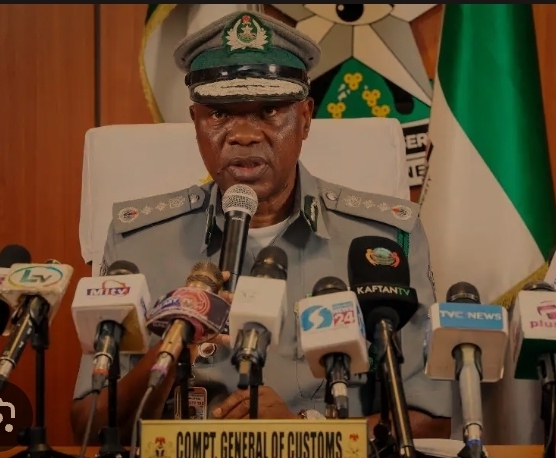
The Nigeria Customs Service (NCS) has stepped up efforts to accelerate its digital transformation drive, urging journalists and media organisations to play a more active role in creating awareness and promoting public understanding on Trade Modernisation Project (TMP).
The Comptroller-General of Customs, Adewale Adeniyi, made the call during a three-day training workshop for journalists held in Abuja over the weekend.
The workshop, themed “Enhancing Media Knowledge, Awareness and Understanding of Customs Modernisation Project,” was designed to strengthen trade facilitation, improve revenue generation, and reinforce border security across the country.
The Comptroller-General of Customs, Adewale Adeniyi, who was represented by the Deputy Comptroller-General of Customs, Timi Bomodi, said the Service was deliberately repositioning itself to align with the realities of modern global trade, which increasingly depends on technology, transparency, efficiency, and data-driven systems.
Adeniyi said the Nigeria Customs Service was committed to repositioning itself in line with the realities of modern global trade, where technology and data-driven systems now define operational success.
He explained that the Trade Modernisation Project remains one of the most strategic pillars of the Service’s reform agenda.
According to him, the project is expected to transform customs operations through the deployment of digital platforms, integrated systems, and automated procedures capable of improving trade facilitation, enhancing border security, and boosting government revenue generation.
Adeniyi noted that the Nigeria Customs Service is determined to build a modern customs administration that aligns with international best practices and global standards.
He said the reforms are designed to eliminate bureaucratic bottlenecks and inefficiencies that have long affected trade processes in the country.
“The Trade Modernisation Project is a comprehensive technology-driven initiative aimed at creating a seamless trading environment for importers, exporters, and other stakeholders,” he said.
He further explained that automation and digital integration would significantly reduce delays associated with cargo clearance, improve transparency in customs operations, and strengthen accountability across the system.
“Through the deployment of modern digital platforms, automation of procedures, and integration of systems, we are building a Customs Service that is efficient, transparent, and globally competitive,” he stated.
The Customs boss stressed that technology and infrastructure alone would not guarantee the success of the modernisation agenda without the active support and understanding of stakeholders, particularly the media.
He described the workshop as a deliberate effort to ensure journalists gain deeper knowledge of customs reforms and the operational objectives of the Trade Modernisation Project.
“The media remains an important bridge between institutions and the public, especially in communicating complex policy initiatives to citizens and stakeholders,” he said
“As key partners in national development, the media shape narratives, influence perception, and provide the platform through which policies and reforms are interpreted and understood,” he added.
Adeniyi also commended Trade Modernisation Project Limited for supporting the implementation of the initiative and partnering with the Nigeria Customs Service to advance institutional reforms.
He described the collaboration as essential to achieving sustainable innovation within the Service and ensuring the successful implementation of the modernisation programme.
According to him, the current Customs administration remains committed to building a technology-driven institution capable of responding effectively to the demands of modern trade and national development.
“Let me assure you that this administration will sustain efforts towards building a Customs Service that is efficient, transparent, technology-driven, and responsive to the needs of the nation,” he said.
In his address, the National Public Relations Officer (POR) of the Nigeria Customs Service, Abdullahi Maiwada, said the workshop was carefully designed to deepen journalists’ understanding of the Trade Modernisation Project and improve engagement between the Service and the media.
Maiwada explained that the training would provide participants with better insight into customs modernisation processes, digital transformation initiatives, and ongoing reforms within the Service.
“This workshop is carefully designed to enhance media knowledge, deepen understanding, and strengthen awareness of the Nigeria Customs Service Trade Modernisation Project,” he said.
He added that improved media awareness would contribute significantly to public education, transparency, and informed reporting on customs-related issues in Nigeria.
By Eze Okechukwu, Abuja
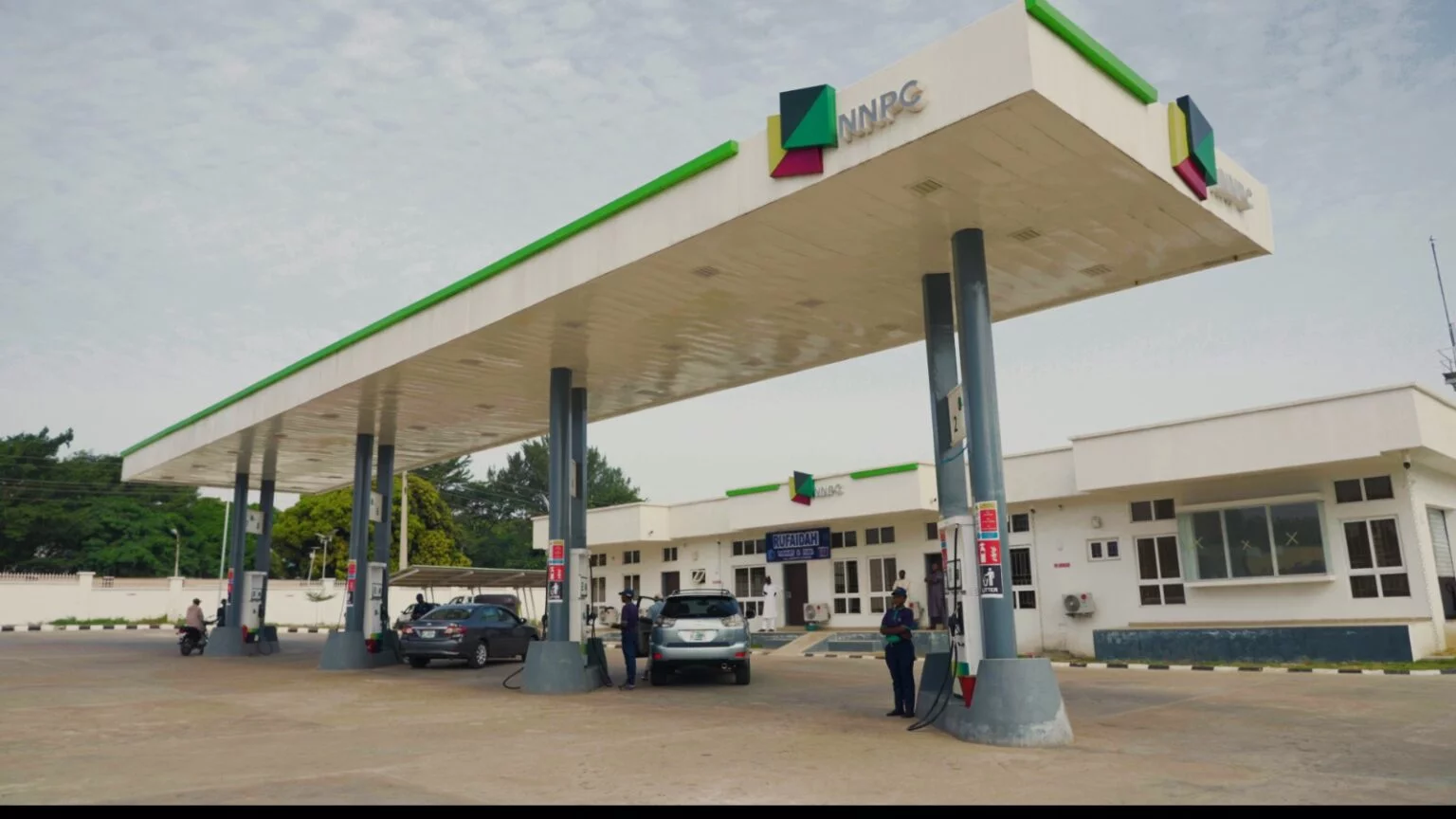
The Federal Ministry of Finance has heaped blames on the Nigerian National Petroleum Company Limited (NNPCL) over its inability to answer queries raised against it in the 2021 to 2023 Oil and Gas Sector Audit report by the Nigeria Extractive Industry Transparency Initiative (NEITI), saying the Oil Company could not make available the necessary financial records it would have used to respond to the queries.
Declaring this yesterday during an interrogation by the Senate Committee on Public Accounts at the National Assembly following several financial infractions raised against the Ministry in the NEITI audit findings, the Permanent Secretary of the Ministry, Raymond Omachi said that if the Nigeria National Petroleum Company Limited (NNPCL) had availed them the documents, he would have been in a better position to answer the questions with ease.
However, one of the infractions contained in the report was the pre – export financing for $3billion loan taken in 2012 to settle subsidy payment which according to NEITI, the recovery of the loan from monthly Federation revenue proceeds under pre -export financing and project eagle agreement remained unclear.
Another query raised against the Ministry by NEITI was that “In 2021, the sum of $722.6 million was paid to NNPC by Nigeria Liquified Natural Gas (NLNG) as dividend and interest earned by the federation but was neither remitted to the federation account nor properly accounted for.
In the report also, NEITI observed that in 2021 none of the refineries was operational despite N200 billion spent on them. The ministry couldn’t answer it and couldn’t also give a clean bill to the $221.283million overhead costs incurred by NAPIMS in 2021.
In his response to the queries , the Permanent Secretary said the Ministry was not directly involved in all the dealings or transactions and that the agencies involved, particularly the NNPCL has refused to cooperate with it in terms of accurate records.
“We don’t have direct involvement in all the issues raised and required provision of financial records from the affected agencies, particularly NNPCL, NUPRC etc but we couldn’t get them.
“In resolving the financial issues, we have engaged a reputable external audit firm; Arthur Andersen LLP, to carry out a forensic audit on all the transactions for the required reconciliation “, he said.
But the Committee chaired by Senator Ibrahim Hassan Dankwabo (Gombe North) took him up on when the report on the forensic audit would be ready after extending it twice; 6 months to one year but he insisted that NNPCL and NUPRC should be made to be at the same session with Ministry of Finance over the issues, to enable all parties chart a common cause in relation to the issue.
“I know you have enormous powers that you can use to compel these agencies to appear before us. We are having challenges bringing them to the table so that we can resolve these issues.
“We in the Federal Ministry of Finance are ready to come and sit with them here, so that you can hear directly from them and obtain the necessary explanations and clarifications”, he stated.
But the Chairman of the Committee told the permanent secretary to arrange the meeting with the affected agencies as issues involved are not only being followed in Nigeria but internationally.
“I will like you to review the internal report and arrange a meeting involving the Ministry of Finance, the NUPRC, NNPC and any other agency whose participation is necessary to resolve the issues we have raised.
“As you are aware, these issues are being followed by the international community. They are not matters confined to Nigeria; they are in the public domain and are being monitored by people across the world.
“Therefore, if there are records or issues that need to be clarified and properly put in order, we should do so in the interest of our country. All of us have no other country except Nigeria”, he said.
Nigeria’s crude oil production fell by four per cent month-on-month in July, but the country still met its Organisation of Petroleum Exporting Countries quota for the third consecutive month, latest data from the Nigerian Upstream Petroleum Regulatory Commission has shown.
The commission’s latest production figures showed that Nigeria pumped an average of 1.
505 million barrels per day of crude oil in July, slightly above its OPEC quota of 1.5 million barrels per day.When condensate production of about 170,000 barrels per day is included, the country’s total crude and condensate output stood at 1.
67 million barrels per day during the month.The July performance, however, represented a decline from the 1.735 million barrels per day recorded in June, translating to a reduction of about 65,000 barrels per day, or 3.75 per cent.
The NUPRC disclosed the figures in a statement issued on Wednesday by its Head of Media and Corporate Communications, Eniola Akinkuotu.
The statement read, “Nigeria has for the third consecutive month met and exceeded its OPEC quota of 1.5mbpd. In the month of July 2026, Nigeria produced 1.505mbpd of crude oil and 0.17mbpd of condensate, bringing the combined daily production to 1.67mbpd.
“Although Nigeria met its OPEC quota in the month of July, the statistics show that on a month-on-month basis, production fell by 4 per cent.”
According to the commission, daily combined crude and condensate production fluctuated between a low of 1.57 million barrels per day and a peak of 1.78 million barrels per day in July.
“Daily average production was 1.67 million barrels per day, comprising both crude oil (1.505 million bopd) and condensate (0.17mbpd),” the commission said.
Despite the July decline, Nigeria has maintained crude production above its 1.5mbpd OPEC quota for three consecutive months.
The country’s combined crude and condensate production has increased since the beginning of the year, according to NUPRC’s month-on-month data.
Production stood at 1.459 million barrels per day in January, before rising to 1.483mbpd in February. It subsequently increased to 1.564mbpd in March, 1.663mbpd in April, 1.701mbpd in May and 1.735mbpd in June.
July therefore marked the first monthly decline after the steady increase recorded in the first half of the year.
Compared with January, however, July’s combined production of 1.67mbpd was about 211,000 barrels per day, or 14.5 per cent, higher.
The NUPRC attributed the July decline principally to operational challenges at the Erha and Akpo fields, which affected production during the month.
“These disruptions constrained production volumes and contributed significantly to the overall reduction in national crude oil output,” the commission said.
It added that production activities at other oil-producing assets remained relatively stable despite the disruptions.
“Despite the challenges encountered, production operations across other producing assets remained relatively stable, with operators implementing measures aimed at maintaining production efficiency and minimising the impact of operational constraints,” the regulator said.
It said routine production and crude evacuation activities were also largely sustained across the industry.
The commission added that operators and other stakeholders were working to resolve the affected production facilities and restore lost capacity.
“Industry stakeholders remain focused on addressing the identified operational issues, restoring affected production capacity and strengthening asset reliability to support improved performance in subsequent months,” it said.
The breakdown of production by terminals and streams showed that Forcados Terminal recorded an average output of 322.34kbpd in July, making it the largest producing stream listed by the commission.
It was followed by Bonny Terminal, which recorded 303.72kbpd.
Qua Iboe Terminal ranked third, with average production of 158.02kbpd of crude oil and condensates, while Escravos Oil Terminal recorded 131.41kbpd.
The Bonga stream ranked fifth among the leading producing terminals, with an average of 100.23kbpd of crude oil.
The Federal Government and NUPRC have identified increased crude oil production as important to government revenue, foreign exchange earnings and investment in the upstream sector.

The Managing Director of Chevron Nigeria Limited, Jim Swartz, has highlighted key areas that would sustain Nigeria’s energy transition growth pathway.
Swartz, is of the opinion that strong collaboration and partnership are key to sustain the country’s energy needs.
Speaking at the just-concluded 49th Nigerian Annual International Conference and Exhibition (NAICE) in Lagos, Swartz, said no one player can deliver the scale of projects required to achieve the goals set by the country alone.
He declared that Collaboration is essential because no single company, institution, or stakeholder can address the opportunities and challenges of the intersector alone.
And technology will remain a key driver of safer operations, stronger performance, and the future that we will deliver. For Nigeria, the opportunity is significant.The conference with the theme “Thriving in the Evolving Global Energy Landscape: Collaborative Growth and Resilience,” focused on how Nigeria can compete for capital and sustain production amid global volatility.
The managing director listed four pillars he believed are essential to define a resilient energy future.
These include continued investment, enabling long-term policies, competitive local capacity development, and strong partnerships.
He continued, “Building a resilient energy future requires continued investment, enabling policies that are resilient for the long-term, local capacity development that’s competitive and durable as well, and strong partnerships across governments, regulators, industry, and the technical community,”.
He said Chevron has invested in Nigeria for more than six decades, noting the company’s role in building the foundation of the industry and in developing technical capacity.
The firm therefore called for stronger collaboration across government, regulators and industry operators as the foundation for building a resilient oil and gas sector that can deliver growth, jobs and energy security for Nigeria.


Babangida: Why I Could Not Save Vatsa From Coup Conviction
ShareBy Dan Amasingha,Minna. Former Military President, General Ibrahim Badamasi Babangida (rtd.), has broken his silence on one of the most...

FG Inaugurates New NSIWC Board, Tasks Members on Fair Wages, Productivity
ShareBy David Torough, Abuja The Federal Government has inaugurated a new Board of the National Salaries, Incomes and Wages Commission...


Nigeria’s Celebrity Golfer, Leo Edochie Shines at London’s Shire
ShareBy Julius Tambaya, Abuja Chief Leo Edochie, Nigeria’s number one celebrity golfer turned heads with a jaw-dropping appearance at The...

Fadahunsi, Osun and the Price of Political Rhetoric
ShareBy Willie Adegbite A video clip has placed Senator Francis Fadahunsi at the centre of a political firestorm. In it,...
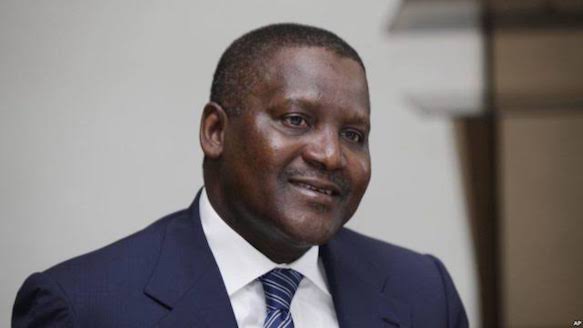
What Investing in Africa Means to Aliko Dangote
ShareBy Ehi Braimah When conversations turn to investment in Africa, one name consistently dominates the discussion: Aliko Dangote. Over the...


It’s not Tinubu’, Femi Kuti Reveals Nigeria’s Real Problem
ShareAfrobeat legend, Femi Kuti has claimed that President Bola Tinubu is not the major problem facing Nigeria. He argued that...


Brain Jotter Cries out after Harassment by Lagos Touts
ShareNigerian content creator, Brain Jotter, has cried out on social media after being harassed by Lagos touts, popularly known as...


Ayra Starr’s Mother Promotes ‘Starr Girl’ Album on Lagos Streets
ShareThe mother of Afrobeats star, Oyinkansola Aderibigbe, popularly known as Ayra Starr, Nene Aderibigbe, has promoted her daughter’s forthcoming ”Starr...

Int’l Youth Day: Alia Lauds Youths for Support, Pledges More Opportunities
ShareFrom Attah Ede, Makurdi Benue State Governor, Rev Fr Hyacinth Alia has commended youths of the State for their tremendous...


Finance Ministry Blames NNPCL for Failure to Answer $3b, $722m NEITI Queries
ShareBy Eze Okechukwu, Abuja The Federal Ministry of Finance has heaped blames on the Nigerian National Petroleum Company Limited (NNPCL)...