
POLITICS
Electronic Transmission of Results not same as e-Voting – Senate

By Eze Okechukwu, Abuja
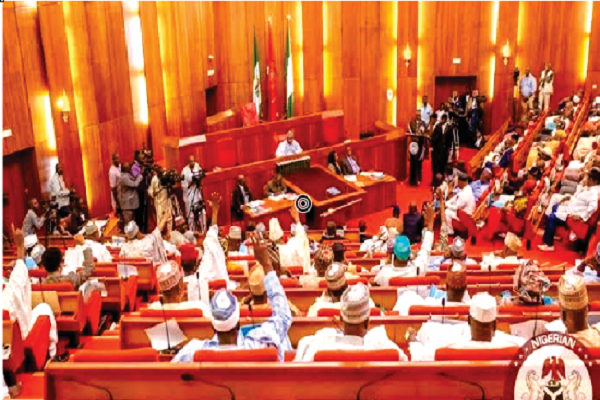
The Senate has cleared the air on real time electronic transmission of results, clarifying that the technology does not translate to e-voting as believed in some quarters, stressing that the Independent National Electoral Commission (INEC) lacks the capacity to conduct e-voting at present.
According to the Senate, INEC Result Viewing Portal (IReV) “is not an e-voting platform, but a platform when the election results that have been manually counted and declared at the polling units are uploaded and publicised.
”The Chairman, Senate Ad-hoc Panel Review of the 2026 Electoral Bill, Senator Adeniyi Adegbonmire who made the clarifications on Arise News Channel yesterday, explained the difference between the electronic transmission of election results in real time and e-voting system.
Recall the senate had constituted the adhoc panel to review the report of its Committee on Electoral Matters; harmonise divergent views and address grey areas identified during the exercise. The exercise led to the appointment of Adegbonmire to lead the 7-man panel.
“People need to understand what real-time means. Real-time transmission can only happen if the INEC adopts an e-voting system. For now, INEC does not have the capability for e-voting. Maybe in two or three years, we can adopt e-voting. But as of today, INEC has not put an e-voting system in place.”
“This is the misconception that the media has brought into play. The provision you keep emphasising says the presiding officer will first fill the result manually in Form EC8A. It is the Form EC8A that has been filled manually and will be transmitted to IReV. If we change ‘transmit’ to ‘upload’ in the Electoral Bill, 2026, will it change anything? The answer is No.
Adegbonmire, a Senior Advocate of Nigeria and Chairman, Senate Committee on Judiciary, Human Rights and Legal Matters further explained the misconception about IReV, maintaining that IReV “is not a voting platform but a platform meant to publicise election results already declared by the presiding officers at polling units across the federation.
“It is important, first of all, to understand what IReV does because there is a lot of misconception about it or deliberate misrepresentation of what it stands for. The Senate never said INEC should not use IReV for the 2027 elections. So, what is IReV? It is software developed by INEC to publicise results by INEC.
“IReV is not an e-voting platform as some people think. This is the misinformation some people are peddling. They keep saying when I want to see my vote. But in reality, IReV is a platform meant to publicise election results already declared at the polling units.
“This is not an emotional argument. I heard people say the version of the House of Representatives should be adopted. It is a sheer misconception. What does the version say? It simply says the presiding officer shall electronically transmit the result from each polling unit to the IReV portal in real time and such transmission shall be done after Form EC8A has been signed by the presiding officer and countersigned by the candidate or polling agent at the polling unit.”
He also explained that IReV, as an electronic platform to display election results, had “a pattern of working, and the National Assembly cannot change the software by mere legislation. It was a sheer misconception to conclude that the Senate declined the use of IReV for the transmission of election results.”
“Whether we call it upload, transfer, or transmission, as far as it says IReV must be used, it will be used in the manner it was configured. That is the point I am making. You must first manually write out the figure. After you have written out the figure at the polling unit, then you can upload, transfer or transmit depending on the nomenclature we want to use.
“When you have not complied with the proper filling of Form EC8A, you cannot transfer, transmit or upload it. That is what people must understand. When you talk about transmission, it has nothing to do with the sanctity of the voting process. If you are given ballot paper to thumb print, it is counted manually after the election. It is not IReV or BVAS that count ballots. Vote count is manually done.
“In my own case, for instance, I come from Akure. I vote in Akure. All the electoral materials are brought into Akure two to three days before the election. They are kept in the Central Bank of Nigeria (CBN). The night before, they start transporting them to different locations across the state. In Ondo State, there are places where one has to travel for eight hours to get there. In some cases, they have to use boats to get to the riverine areas.
“This means voting cannot start at the time nationwide. In Akure, voting can start at 10:00 a.m. In other parts of the state, voting may not start until 2:00 p.m., even some at 4:00 p.m. in some cases. Most likely, they will finish the vote count by 10:00 p.m.
“In Akure, for instance, the presiding officers will upload election results at polling units at 4:00 p.m. because voting is concluded as scheduled. In Arugbo Ijaw, however, voting kicks off at 4:00 p.m. This is the reality in the country, and we must take it into consideration in our reforms. The truth of the matter is that you are not going to see how you voted on the IReV because it is not an e-voting platform
“What the Senate has done is that we do not want a situation in which somebody will come and say this man ought to have uploaded this result at 2:00 p.m. You and I know that it is not every time you put something on the Internet that will go through freely. If we are not careful, the smallest thing will spark an issue.
“If somebody said the election result was declared at 2:00 p.m, how did you put it on IReV at 7:00 p.m.? They will simply assume that the election results must have been rigged. The media need to be careful how you report all these issues.”

By David Torough, Abuja
The Independent National Electoral Commission has commenced an investigation into allegations of unauthorised access to its Continuous Voter Registration database following the publication of information relating to a candidate in a recent political party primary election in the Federal Capital Territory.
In a statement issued on Tuesday, the National Commissioner and Chairman of the Information and Voter Education Committee, Mohammed Haruna, said the commission was treating the matter with utmost seriousness.
“The attention of the Independent National Electoral Commission has been drawn to allegations currently circulating on social media and in some sections of the media regarding the alleged unauthorised access to the Commission’s Continuous Voter Registration database and the subsequent publication of information on a candidate in the recent primaries of a political party in the Federal Capital Territory.
“The Commission takes this allegation seriously and has immediately commenced a thorough investigation to establish the facts surrounding the incident,” the statement read.
INEC explained that as part of the ongoing nationwide CVR exercise, authorised registration officers were granted controlled access to specific components of the registration system to enable them to carry out voter registration, transfer requests and updates to voter records.
According to the commission, such access is strictly limited to official duties and is withdrawn once the exercise concludes.
Haruna disclosed that preliminary findings from the commission’s audit trail had helped identify the user account through which the information was accessed.
“The audit trail from the preliminary investigation has enabled the Commission to identify the user account through which the information was accessed. Accordingly, relevant personnel have been questioned, and all units connected with the incident are cooperating fully with the investigation,” it said.
The commission added that it was examining all technical, administrative and operational aspects of the matter to determine responsibility and establish whether any internal access-control procedures were violated.
INEC, however, said its preliminary findings showed there was no external breach of its systems.
“Preliminary findings from the Commission’s audit trail so far indicate that there was no external breach of the CVR database, no hacking incident, and no unauthorised external access to the Commission’s ICT infrastructure.
“Rather, the information in question was accessed through valid user credentials assigned to personnel participating in the ongoing CVR exercise but released without authority,” the statement added.
The commission stressed that the incident involved the retrieval of a specific voter record and did not suggest any compromise of the wider voter registration system or the personal information of more than 90 million registered voters.
“The incident under investigation relates to the retrieval of a specific voter record and does not indicate any compromise of the Commission’s broader voter registration infrastructure or the personal data of over 90 million registered voters,” the statement said.
INEC reaffirmed its commitment to protecting voter information and maintaining the integrity of its electoral systems.
“The Commission wishes to state categorically that it takes the security, confidentiality and integrity of voter data with the utmost seriousness and remains committed to transparency, institutional integrity, and the protection of voters’ personal information,” it said.
The commission also revealed that the Department of State Services had independently commenced an investigation into the matter.
“Furthermore, the Department of State Services, on its own accord, has commenced an independent investigation into the matter. The Commission will continue to cooperate fully with all relevant security agencies and will not hesitate to refer any person found culpable for appropriate legal action,” the statement added.
INEC urged members of the public and the media to avoid speculation while investigations continue, assuring that its findings and any actions taken would be made public in due course.
Actor, Emeka Ike, had said he is prepared to take action against Lere Olayinka, media aide to the Minister of the Federal Capital Territory, Nyesom Wike, over the alleged exposure of his personal data from the portal of the Independent National Electoral Commission.
Ike, a native of Imo State, contested the House of Representatives seat for the AMAC/Bwari Federal Constituency in the Federal Capital Territory under the Nigerian Democratic Congress and lost.
Olayinka recently came under criticism after sharing what appeared to be Ike’s voter information via an INEC administrative webpage.
On his X handle on Saturday, Olayinka wrote that Ike was formerly a registered voter in Imo State before transferring his registration to the FCT.
Olayinka attached two images to the post, which many users said contained details obtained from INEC’s administrative login portal.
Some of the personal information in the screenshots included Ike’s application number, registration centre, Voter Identification Number, profile picture, name, and date of application.
Reacting during an appearance on Channels Television’s The Morning Brief on Tuesday, Ike described Olayinka’s action as shocking and the height of political rascality.
By Tambaya Julius, Abuja
Every community benefits from individuals who are willing to shoulder responsibility, listen attentively, and work consistently towards shared progress.
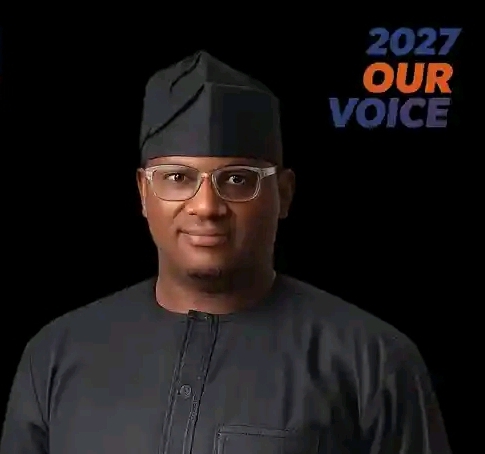
Nasarawa State Gitata/Karu Constituency, one of the notable figures who has risen through years of dedicated involvement is Dr.
Abraham Habu Ekpo. Known for his calm disposition, thoughtful leadership style, and genuine interest in grassroots welfare, he represents a generation of leaders shaped by service, experience, and a desire for meaningful development.As communities evolve, expectations rise.
People want leaders who understand local challenges and who can represent them with insight and clarity. Dr. Ekpo’s background, community relationships, and development-focused outlook have positioned him as a leader whose story is worth telling not as a figure of political persuasion, but as an individual whose values and aspirations offer insight into the direction many communities hope to take.Dr. Ekpo’s journey began within the rich cultural heritage of the constituency he is to represent. Growing up in an environment defined by unity, resilience, and strong moral values, he cultivated a deep respect for community ties. His early years exposed him to both the strengths and the struggles of everyday families an experience that shaped his understanding of leadership not as authority, but as responsibility.
He has always placed a strong emphasis on education, mentorship, and steady development. These core values continue to influence his decisions and guide the way he relates with people across villages, wards, and communities in Gitata and Karu. Those who know him personally often describe him as approachable, disciplined, and consistent in his character.
Public service, for Dr. Ekpo, has never been about prestige. Instead, it has been driven by a desire to contribute meaningfully to the growth and wellbeing of his constituency. Over the years, he has participated in community engagement programmes, contributed to local initiatives, and supported youth-focused activities aimed at empowering the next generation.
His involvement has helped him gain a practical understanding of the challenges facing the constituency from infrastructure gaps to education shortcomings, security, limited healthcare access, and the need for greater economic opportunities. Because of this experience, his approach to public service remains grounded, realistic, and centred on long-term progress rather than short-term promises.
One of Dr. Ekpo’s defining qualities is his preference for dialogue over confrontation. He believes strongly that communities grow when people work together, share ideas, and build consensus. This collaborative approach has enabled him to maintain positive relationships with traditional authorities, youth groups, community elders, and local organisations.
His Leadership Style is Characterised By:
Active listening.
Transparency in communication.
Inclusive decision-making.
Respect for diverse perspectives.
A calm and diplomatic attitude towards conflict resolution.
These traits have earned him public acceptance and recognition as a stabilising figure someone capable of bringing people together even during challenging times.
While Dr. Ekpo’s leadership profile is shaped by personal qualities, it is equally driven by a forward-looking development vision for the constituency to serves. His outlook emphasises practical, community-centred priorities that address the needs of residents.
- Enhancing Local Infrastructure
Dr. Ekpo places strong emphasis on improving infrastructure as a foundation for economic growth. Accessible water remain essential to improving daily life and supporting local commerce. His interest lies in ensuring that infrastructure projects are sustainable, properly maintained, and beneficial to the widest number of Gitata and Karu communities.
- Strengthening Educational Opportunities
Education remains one of the cornerstones of Dr. Ekpo’s development thinking. He envisions a constituency where schools are well-equipped, teachers receive adequate support, and young people are encouraged to pursue academic and vocational pathways. Through engagement with both public and private partners, he believes more can be done to uplift educational outcomes across Gitata/Karu.
- Improving Healthcare Access
Healthcare challenges continue to affect many rural and semi-urban communities. Dr. Ekpo’s vision includes supporting efforts to strengthen community health centres, expand outreach services, and promote health awareness programmes. His focus is on ensuring that families have dependable access to medical care without facing unnecessary obstacles.
- Expanding Youth Empowerment Initiatives
Recognising the potential of young people, he is committed to supporting initiatives that enhance skills, entrepreneurship, and employment opportunities. His approach emphasises practical training, digital literacy, and strategic partnerships that wil open new doors for youth across diverse fields.
- Encouraging Peacebuilding and Enhancing Security
Dr. Ekpo’s commitment to unity is reflected in his consistent outreach to various cultural, religious, and social groups. By promoting dialogue and mutual respect to strengthen social harmony across the constituency.
By Laide Akinboade, Abuja
The Zenith Labour Party (ZLP) has endorsed its National Chairman, Chief Dan Nwanyanwu, as the party’s consensus presidential candidate for the 2027 general election.
The endorsement was announced at a meeting of party stakeholders at the weekend, in Abuja , who unanimously expressed confidence in Nwanyanwu’s leadership capacity and vision for Nigeria.
In his acceptance speech, Chief Nwanyanwu thanked party members for the confidence reposed in him and pledged to provide purposeful leadership if elected President of the Federal Republic of Nigeria.
“I must thank you for believing in me and for the confidence you have in my ability. I assure you that I will make good use of this mandate,” he said.
The ZLP presidential candidate outlined key priorities that would form the foundation of his administration, including national unity, security, anti-corruption reforms, energy development, industrialization, and youth empowerment.
Nwanyanwu identified national unity as the foremost challenge confronting Nigeria, arguing that ethnic and religious divisions have weakened the country’s cohesion over the years.
According to him, his administration would prioritize inclusive governance, restore citizens’ confidence in the nation, and implement policies aimed at strengthening patriotism and national integration.
“Our diversity ought to be a source of strength, but it has been poorly managed. My government will treat national unity as an emergency and take urgent steps to restore trust among Nigerians,” he stated.
The ZLP candidate described the current security situation as alarming and pledged to adopt a more decisive approach to tackling terrorism, banditry, kidnapping, and other criminal activities.
He promised to strengthen security agencies through improved funding, modern technology, and enhanced welfare packages for personnel.
Nwanyanwu also advocated the establishment of state and community policing structures, arguing that Nigeria’s centralized policing system is inadequate for a country of its size and population.
“If elected, I will equip and direct all security agencies to decisively confront insurgents and criminals. Those arrested will be prosecuted swiftly, while their collaborators and sponsors will also face the full weight of the law,” he said.
On corruption, Nwanyanwu promised a zero-tolerance policy, noting that corruption remains one of the greatest obstacles to Nigeria’s development.
He pledged to strengthen anti-corruption institutions, improve transparency in public finance management, and establish preventive mechanisms to curb the diversion of public resources.
“My administration will review existing anti-corruption laws to make agencies more proactive and effective. We will ensure accountability across all sectors of government,” he declared.
Chief Nwanyanwu criticized the country’s poor electricity supply despite its abundant natural resources and promised comprehensive reforms in the energy sector.
He advocated greater private-sector participation, investment in renewable energy, modernization of the national grid, and the exploration of Nigeria’s vast coal deposits as part of a broader strategy to improve power generation.
“Nigeria cannot achieve meaningful development without adequate electricity. My government will explore all available energy options to ensure stable and affordable power supply for citizens and businesses,” he said.
The ZLP flagbearer also unveiled plans to promote industrialization by improving the ease of doing business, supporting local manufacturing, and attracting foreign direct investment.
He pledged to create an enabling environment for entrepreneurs and small businesses through easier access to finance, improved infrastructure, and business-friendly policies.
Nwanyanwu stressed that empowering young entrepreneurs would be central to reducing unemployment and stimulating economic growth.
“Our young people possess enormous talent and creativity. Government must provide the environment and support needed for them to create opportunities rather than wait endlessly for jobs,” he said.
Chief Nwanyanwu concluded by expressing confidence that Nigeria can overcome its
Error Icon
Address not found
Your message wasn’t delivered to editorial@dailyasset.ng because the address couldn’t be found, or is unable to receive mail.
The response from the remote server was:
550 No Such User Here




Alia Appoints New Acting Head of Service in Benue
ShareFrom Attah Ede, Makurdi Benue State Governor, Rev Fr .Hyacinth Alia has approved the appointment of Dr. Ihu Eunice Ogbenyi as new Acting Head of Service (HoS)...
Oshonaike Hails Steady Progress of Nigerian Table Tennis Players
ShareSeven-time Olympian Olufunke Oshonaike said Nigerian table tennis players are making steady progress in spite of the challenges they face in competing...

Poland Bans Smartphones in Primary Schools
SharePoland plans to ban mobile phones in all primary schools from next academic year under draft legislation approved by the government on Tuesday. The...
Reps Minority Picks Ugochinyere as New Leader
ShareBy Ubong Ukpong, Abuja Following the defection of the former minority Leader of the House of Representatives, Kingsley Chinda, the minority caucus has nominated Hon. Ikenga...
Kano Revokes Private School Licences over Sexual Abuse
ShareFrom Aliyu Askira, Kano The Ungogo Local Government Area of Kano State has withdrawn the licences of all private schools within its jurisdiction following allegations that...


CBN Approves Regular Commercial Operations for Abbey Mortgage Bank
ShareBy Tony Obiechina, Abuja Abbey Mortgage Bank Plc, one of Nigeria’s longest‑standing primary mortgage banks, has secured regulatory approval from...


Owo Church Massacre: Court Sentences Four to Death for Terrorism
ShareBy David Torough, Abuja More than three years after the gruesome attack on St. Francis Xavier Catholic Church, Owo, Ondo...

Terrorists Abduct Adelabu’s Sister, Twin Sons, kidnap Six Students in Zamfara
ShareBy Eze Okechukwu, Abuja and Ifeanyichukwu Nwannah, Gusau The nation’s worsening insecurity came into sharp focus on Wednesday, as separate incidents of...


Nigeria Customs, World Bank Launch Two-Week Post Clearance Audit to Boost Revenue, Trade Compliance
ShareBy Tambaya Julius, Abuja The Nigeria Customs Service (NCS), in partnership with the World Bank Group, has commenced a two-week...


Court Suit halted Planned Demolition in Abuja
ShareBy Laide Akinboade, Abuja Residents of Kampala Street, Wuse II, Abuja, have formally notified the Abuja Metropolitan Management Council (AMMC)...