
BUSINESS
FG Releases N12.7bn to Provide Smart Meters in Barracks

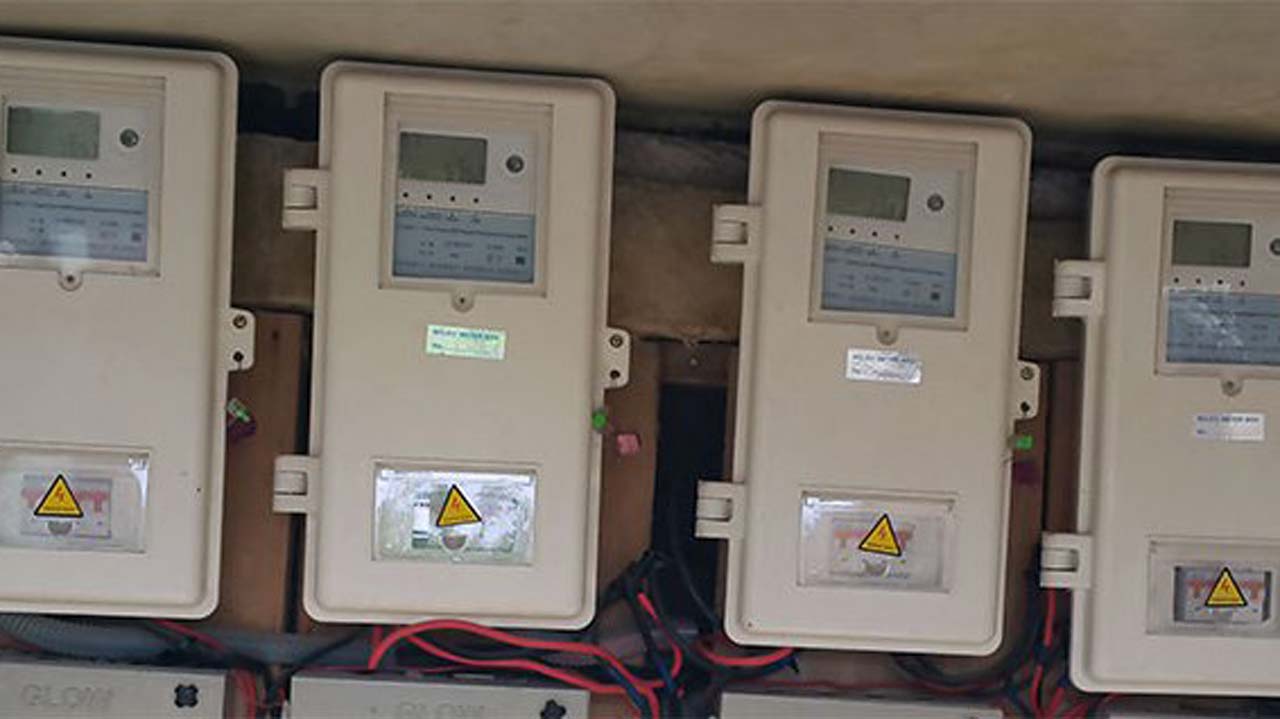
The Minister of Power, Mr Adebayo Adelabu, says the Federal Government has released N12.7 billion to provide meters in Army barracks across the country.
The amount is from the N40 billion earmarked for the mass metering project.
Mr Bolaji Tunji, Special Adviser, Strategic Communication and Media Relations to the Minister, said this in a statement in Abuja on Monday.
He quoted the minister as saying this during the flag off of the metering exercise at the Headquarters of the 9th Brigade of the Nigerian Army, Ikeja Military Cantonment.
He said the exercise would be in phases with the Ikeja cantonment being the first phase of the exercise.
He said that the current exercise would last for six weeks before the second phase begins.
“Mass metering in army formations nationwide will enable us know what is being consumed on a monthly basis in order to ensure appropriate billings and ease collections.
”The overall intention is to eliminate and make estimated billing a thing of the past,” the Minister said, indicating that
the current exercise is part of President Bola Tinubu’s renewed hope agenda to ensure regular supply of electricity to army formations nationwide.
“This is one of Mr. President’s objectives as contained in the renewed hope agenda to ensure that electricity supply to the armed forces is prioritised and they do not suffer, especially in the enjoyment of public utilities,” he said.
Adelabu said the smart meters being installed are tamper-proof and would eliminate energy theft.
He said that it would be difficult to by- pass the meter which also comes with an app where customers can get statements of their consumption on a monthly basis.
He said that the meter allows interconnectivity between grid and off grid solar power supply.
The minister said that part of the energy blue print for the country was also to build off grid power sources such as solar energy for military barracks located in remote areas without grid supply.
He said that where there is grid supply, there would be an interchange between the grid and solar supply if not satisfied with the number of hours supplied by the Distribution Companies (DISCOs).
”Beyond metering, we have to prioritise electricity supply to the barracks,” he said.
Adelabu said the metering project would be extended to all military formations in the country with the objective of providing 24 hours power supply to the barracks.
Also speaking, Mr Ashade Olatunbosun, Chief Executive Officer of De Haryor Global Services, said that the second phase of the project would begin in Abuja and Enugu, simultaneously.
He said that military formations across the 11 DisCos would benefit from the exercise.
“Army formations in Jos, Abuja, Ibadan, Enugu, Kaduna, Ikeja and Eko DisCos will benefit from the exercise,” he said.
Speaking earlier, Maj.-Gen. A. Adetuyi, Commander, 9th Brigade, Nigerian Army, Ikeja, said that the Federal Government metering initiative was timely as the brigade headquarters has been getting epileptic power supply over time.
Adetuyi said that on investigation, he found out that the brigade was only being given three hours of electricity daily and on some days they do not even get supplies.
”We have tried to resolve this and we have even involved the state government without any result.
”We also discovered that we were always being given estimated bills, though we would not have minded if power supply was regular,” he said.

The first female pilot of the Nigeria Customs Service (NCS), Nafisat Balogun, has secured a commercial multi-engine pilot licence in the United States of America.
The NCS spokesperson, Abdullahi Maiwada, made this known in a statement made available to newsmen on Sunday in Abuja.
Maiwada said that following the feat, the Superintendent of Customs was honoured at a ceremony organised by the Nigeria Customs Technical Hangar Service recently.
He said Balogun’s achievement marked a historic milestone as she became the first female pilot in the NCS, a field dominated by men.
He described her resilience, discipline and determination as a motivation for officers to strive for success and leverage new opportunities within the service.
Speaking at the celebration, the Managing Director of the Customs Technical Hangar Service, Captain Kuhi Mbaya, described Balogun’s journey as inspiring and transformative.
Mbaya described her achievement as a pride to the service, noting that the officer rose from being a cabin attendant to a fully-fledged commercial pilot.
“This is a great achievement not only for her but for the entire service,” he said.
Mbaya said that her accomplishment had set a precedent in the service and reflected the evolving opportunities within it.
“For the first time, we now have a female pilot in the NCS. She has set a record and it is important that we celebrate and recognise this milestone,” he said.
He urged women to take Balogun’s accomplishment as a charge to pursue their ambitions in specialised fields without fear, as barriers were being broken for them to thrive.
“This achievement shows that there are no limits. The glass ceiling has been shattered, and with determination and consistency, more women can achieve their dreams,” Mbaya said.
He also commended the Comptroller-General of Customs (C-G), Bashir Adeniyi, for his leadership and constant support for gender inclusion within the service.
Responding, Balogun thanked the NCS for believing in her capacity and supporting her to achieve the feat.
She reaffirmed her commitment to discharge her duties diligently and to continue to serve with dedication, integrity and professionalism.
Recall that in 2024, the NCS announced Balogun as making history as the first female pilot in the service, rising from a cabin crew member to a trailblazer in aviation.

The International Monetary Fund (IMF) has endorsed Nigeria’s ongoing bank recapitalisation drive.
It said that stronger capital buffers are cushioning the financial system against external shocks and strengthening resilience amid intensifying global uncertainties.
Tobias Adrian, Financial Counsellor and Director of the Monetary and Capital Markets Department of the IMF, said this during the Global Financial Stability Report presentation.
He stated this during the IMF/World Bank Spring Meetings in Washington DC on Tuesday.
Adrian said that robust fiscal positions remained critical for emerging markets to withstand volatile global capital flows.
He said this would reduce exposure to sudden market reversals, and maintain macroeconomic stability under uncertain financial conditions.
He stressed the growing importance of bank recapitalisation during the periods of heightened financial stress globally.
Adrian said that building a well-capitalised banking sector remained essential to sustaining global financial stability, particularly as economies confront persistent uncertainty.
He also said that tightening financial conditions, and evolving risks across international capital markets was crucial for economic sustenance.
According to him, the benefits of bank recapitalisation become most evident during stress periods, as stronger capital positions enable financial institutions to absorb shocks, sustain lending activities, and support broader economic stability across markets.
Adrian said that ensuring debt sustainability and maintaining stronger fiscal positions are foundational to IMF engagement with countries, particularly across Sub-Saharan Africa, where tailored programmes address diverse economic challenges and vulnerabilities.
On capital flows to Sub-Saharan Africa, he said: “I have observed the ongoing Middle East conflict have triggered an outsized reaction, with movements roughly twice as large as those recorded during early stages of Ukraine crisis.”
Adrian said that in spite of the significant shifts in capital flow volumes, price reactions have remained relatively contained, reflecting broadly healthy global risk appetite.
He also called for continued investor confidence across financial markets in spite of prevailing geopolitical tensions worldwide.
Jason Wu, Assistant Director in the Monetary and Capital Markets Department at the IMF, said that the capital flows to emerging markets are increasingly driven by debt rather than foreign direct investment and equity.
He said that the raising concern was about long-term financial stability outlook globally.
Wu said that countries with stronger fiscal positions generally enjoy improved access to international markets and lower borrowing costs.
He also underscored the need for sustained fiscal reforms to guard against sudden capital outflows.
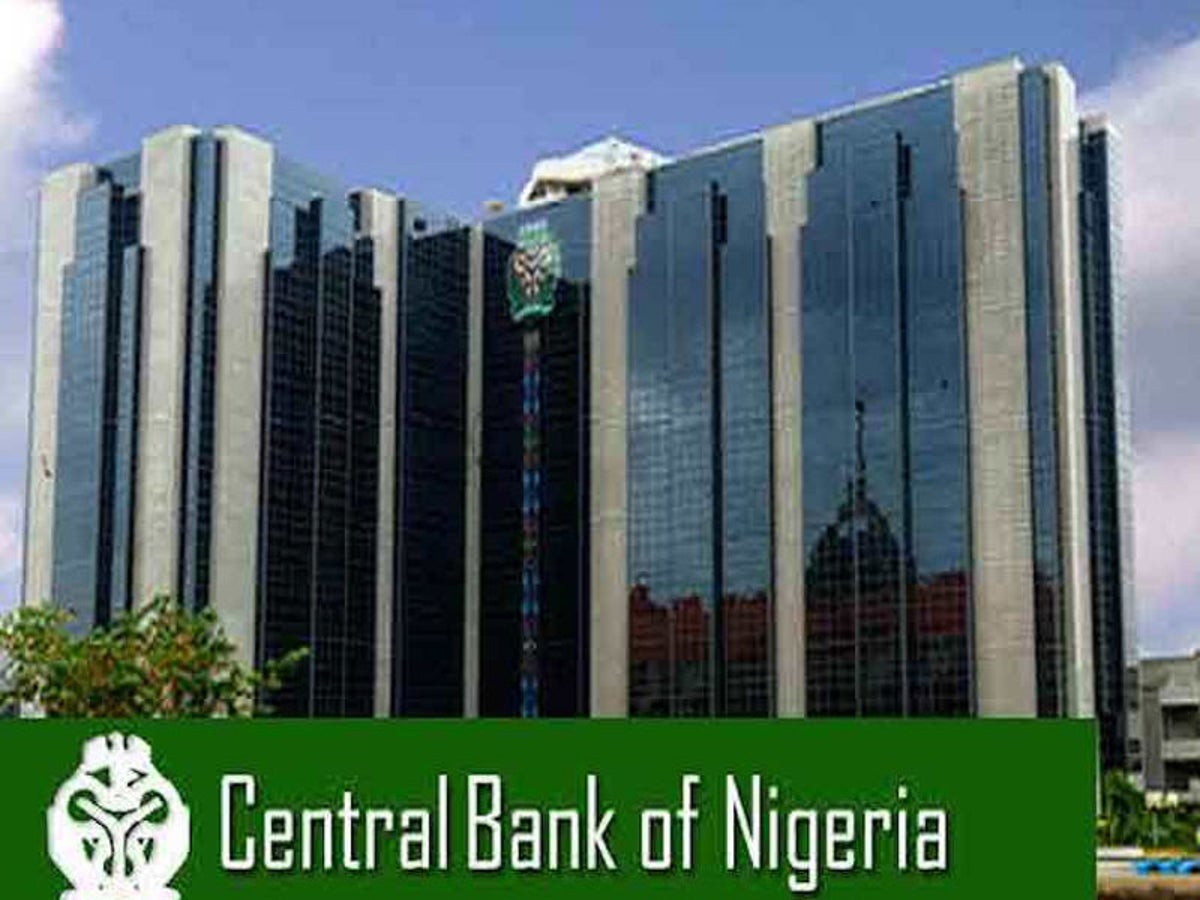
The Central Bank of Nigeria has proposed the establishment of a mediation panel to serve as the first point of resolution for loan-related disputes, reducing immediate recourse to courts in secured lending transactions.
The proposal was contained in a circular issued on Tuesday, inviting stakeholders to comment on draft guidelines for the establishment of a Mediation and Dispute Resolution Panel under the Secured Transactions in Movable Assets framework.
The circular was signed by the CBN’s Acting Director of the Development Finance Advisory Department, P.
I. Oluikpe.“The Panel shall, to the exclusion of any court of law or body in Nigeria, exercise first instant jurisdiction to hear and determine any dispute arising from the operation and application of the Act,” the apex bank stated.
The bank said the initiative was part of efforts to strengthen the financial ecosystem and improve the resolution of disputes arising from lending backed by movable assets.
It added, “The Central Bank of Nigeria is developing guidelines and modalities for the operation of a Mediation and Dispute Resolution Panel.”
According to the circular, the panel is designed to provide “a specialised, cost-effective platform for resolving disputes arising from creation, perfection and enforcement of security interests in movable assets.”
The move is anchored on the Secured Transactions in Movable Assets Act, 2017, which established the panel as the first recourse for mediation and settlement of disputes between creditors and borrowers.
The CBN noted that the objective of the guidelines is to ensure a structured, efficient system for managing disputes while boosting confidence in movable-asset-backed lending.
“The key objective of the MDRP guidelines is to establish a clear and standardised procedure for managing STMA-related disputes, while ensuring transparency, fairness and efficiency,” the CBN said.
The guidelines state that the panel will adopt alternative dispute resolution mechanisms, with a focus on preserving relationships between the parties and ensuring a quicker resolution of disputes.
It also stated that the panel is expected to deliver decisions within 90 days of the first hearing of any petition before it.
Under the proposed framework, parties to a dispute must consent to the panel’s jurisdiction and demonstrate that they made efforts to resolve the issues through informal means before escalation.
“Parties shall demonstrate that they had made efforts to resolve the dispute through other informal means such as negotiations before escalation to the Panel,” the document added.
The guidelines further stipulate that disputes eligible for mediation must involve a valid security agreement, include a mediation clause, and be registered with the National Collateral Registry.
The panel will comprise professionals from law, banking, finance, and dispute resolution, each with at least 10 years’ experience.
The CBN said it would appoint 30 members, from which panels of three persons would be constituted on a rotational basis.
Each panel will be headed by a chairperson and supported by a secretariat responsible for administration, case management, scheduling and documentation.
The mediation process will involve the submission of claims and supporting documents, administrative review, and scheduled hearings, which may be conducted in person, virtually, or through a hybrid arrangement.
The guidelines also state that the panel’s decisions will be legally binding and enforceable in court as consent judgments.
“The award shall be legally binding on the parties and enforceable in court as a consent judgment or consent award,” the document stated.
However, parties retain the right to appeal decisions on limited grounds relating to law or mixed law and fact, subject to specified timelines.
The framework emphasises confidentiality, noting that proceedings and information shared during mediation sessions must be protected.
Funding for the panel will come from CBN subventions, administrative fees paid by disputing parties, and contributions from other sources.
The bank said it was seeking stakeholder input as part of its inclusive policymaking process.
“Comments should be submitted not later than 9th October 2026,” the circular stated.
The development comes about a month after the CBN directed banks to limit access to certain banking services for large borrowers with non-performing loans, in a move aimed at strengthening credit discipline and protecting financial system stability.
In a letter dated March 12, 2026, and signed by the Director of Banking Supervision, Olubukola Akinwunmi, the apex bank instructed lenders to tighten restrictions on such obligors.
The CBN stated that borrowers whose facilities have been classified as non-performing and captured in the Credit Risk Management System or any licensed private credit bureau would be barred from obtaining new credit.
It added that the measure was designed to curb loan defaults and improve overall risk management across the banking sector.



OPay Leads Conversation on Africa’s Next Financial Frontier at Fintech Summit 2026
Share OPay, a leading financial technology company in Nigeria, took center stage as the Headline Sponsor of the inaugural BusinessDay...

2027: Tinubu, INEC Working Against Opposition – Adebayo
ShareWhile many political actors insist that only a united front can unseat the ruling party, Prince Adewole Adebayo of the...


Agbomhere Declares Interest for Etsako Federal Constituency Seat
ShareBy Eze Okechukwu, Abuja Blessing Agbomhere, has declared his interest to represent the Etsako Federal Constituency, Edo State, under the platform of the All Progressives Congress...


Gov Alia Keeps Going to Abuja to Get Things for Benue People – Aide
ShareThe Technical Adviser to Benue State Governor on Media, Publicity and Strategic Communication, Solomon Iorpev, spoke with our correspondent, Attah...

Sule Seeks Increased Dangote’s Investments in Nasarawa
ShareThe Governor of Nasarawa State, Abdullahi Sule, has urged the Dangote Group to scale up its investments by leveraging the state’s...
LBHF Tournament Honours Edun at 70 with Thrilling Bouts
ShareThe Lagos Boxing Hall of Fame (LBHF) monthly tournament returns on Saturday, celebrating founder Wale Edun’s 70th birthday marked on Monday, April...


Tinubu Hails Nigerian-American Basketball Star Anosike on Historic Feats in China
SharePresident Bola Tinubu has congratulated Nigerian-American basketball star Ejimofor Anosike of the Hong Kong Bulls for his outstanding performance in the 2026...


NEMA Begins Massive Sensitisation on 2026 Flood Prediction in Anambra, Ebonyi, Enugu
ShareFrom Sylvia Udegbunam, Enugu The National Emergency Management Agency (NEMA) has concluded arrangements for a massive sensitisation in some council areas...

Kogi Pledges Support for Fight against Malaria
ShareFrom Joseph Amedu, Lokoja The Kogi State Government has assured residents of its commitment to providing the support and enabling environment needed to eliminate malaria in the state. Kogi State Commissioner for Health, Dr. Abdulazees Adeiza,...


FCT Teachers Suspend Strike
ShareThe Nigeria Union of Teachers (NUT), Federal Capital Territory (FCT), has suspended the ongoing strike by primary and secondary school...