
NEWS
FG Sets June 17 for Digital Switchover Inauguration


The Minister of Information and National Orientation, Alhaji Mohammed Idris, said the Federal Government’s Digital Switchover (DSO) project is ready for commissioning on June 17.
Idris disclosed this on Wednesday in Abuja while speaking with newsmen after assessing DSO facilities put in place by the Nigerian Communications Satellite Ltd.
(NIGCOMSAT) in partnership with National Broadcasting Commission (NBC).The DSO project, managed by the NBC, is Nigeria’s nationwide transition from analog to digital terrestrial television broadcasting.
The project aims to improve broadcast quality, boost the digital economy, and free up spectrum for broadband.
The minister described the completion of the DSO project as an indication that President Bola Tinubu had fulfilled his promise in carrying out reforms across the sectors, especially the broadcast industry.
“I think this is a new dawn for our country. The promise that President Bola Tinubu made that he is going to reform all sectors and we are seeing this reform in action in the broadcast industry.
“You recall that for many years, Nigerians have been grappling with this idea of the digital switchover. In other words, moving our transmissions from the analogue to the digital.
“Now this has happened and is ready to be inaugurated by June 17, this year,” he said.
According to him, while going around the facilities, many of the channels have already been unbundled here.
“This is going to bring a lot of advantages to all the broadcasters, the viewers, and everybody that advertises.
“Now science is at play. I mean, if you are now viewing any particular station, you know who is viewing what, how many people are viewing.”
The minister said that the standard measurement that was absent in the previous experiments was now being made available.
According to him, this will help advertisers to make informed decisions about what programming is it that people are watching, and what is it that Nigerians want to watch across all the demographics.
“So, it’s easy for you to now say, I want to put an advert on this channel or I want to put it on this channel. Who are you targeting?”
The minister lauded the collaboration between NIGCOMSAT, NBC and the Ministries of Communication and Information and National Orientation for making the initiative happen.
He also thanked President Tinubu for providing all the resources required to deliver the project to Nigerians.
“It’s been such a shame in the past that Nigeria has not been able to achieve this. But now the digital switchover is here.
“Everybody now can watch whatever he wants to watch in real time and painlessly. Free TV everywhere for everybody.
“This will enable viewers, advertisers, and everybody to now take informed decisions about what he views on any particular channel.
“I think this is a great thing that is happening. And we know that by the time that we return here on June 17, when this is going to be officially unveiled to Nigerians, Nigerians will really be very happy about it.”
The Managing Director/ CEO of NIGCOMSAT, Jane Egerton-Idehen, attributed the success of the DSO project to the strong collaboration among relevant agencies and support given to NIGCOMSAT by the President.
The Director-General of the NBC, Charles Ebuebu, said the commission had considered emerging technologies while designing digital terrestrial television broadcasting.
“The younger population like things on their mobile devices. That’s why we have put this there.
“We have also gone by way of satellites. So, rather than restricting content to just eight cities. We are all over Nigeria and beyond,” the NBC D-G said.
According to him, NBC is updating the list of channels. We are going to have 100 channels by the day of launch. And even more because more content producers are talking to us.
“We are also bringing up content. We have six regional studios around the country.
“You don’t have to travel to Lagos or Abuja or Kano to develop your content. You just go to the nearest regional studio and develop,” he said.

Ghana says it will evacuate 300 citizens from South Africa following a recent wave of protests against foreign nationals.
Foreign Minister Samuel Okudzeto Ablakwa said in a post on X on Tuesday that the Ghanaian president had granted approval for their “immediate evacuation”.
He said the “distressed” Ghanaians had registered at the country’s embassy in Pretoria to be rescued in response to an advisory by the foreign ministry “Following the latest wave of xenophobic attacks”.
Last week, South African authorities denied that anyone had been attacked, saying the widely circulated videos were fake.
On Monday, South African President Cyril Ramaphosa said the recent “protests and criminal acts directed at foreign nationals” did not reflect government policy, describing them as “isolated acts of criminality”.
He added that South Africa would “regulate migration, secure our borders and enforce our laws”.
Thousands of South Africans joined protests against illegal immigration, demanding the mass deportation of undocumented foreign nationals. Protesters say illegal immigration has had an impact on jobs, housing and crime.
On Tuesday, the Ghanaian embassy in South Africa advised nationals to be highly cautious and prioritise their safety by avoiding public gatherings and shut their shops or businesses in the port city of Durban ahead of a protest planned on Wednesday.
Ghana and Nigeria have recently summoned the South African envoys to their respective countries over the mistreatment and harassment of their citizens.
Ghana has also written to the African Union (AU) asking it to discuss the issue, saying it posed a “serious risk to the safety and wellbeing” of Africans in South Africa.
South Africa responded by saying it had “nothing to hide”. The government has condemned the circulation of what it called “fake videos and images” described by some as recordings of attacks on foreign nationals.
Other countries that have warned their citizens in South Africa include Kenya, Malawi, Lesotho and Zimbabwe.
According to official figures, South Africa is home to more than three million foreigners, or about 5% of the population, but there are believed to be many more without papers.
Xenophobia has long been an issue in the country and has been accompanied by occasional outbursts of deadly attacks.
Fresh data from the Nigerian Midstream and Downstream Petroleum Regulatory Authority has shown that the Dangote Petroleum Refinery & Petrochemicals exported an estimated 1.66 billion litres of refined petroleum products in April 2026.
This came amid mounting tensions in the Middle East and fears of possible disruption to global fuel supply routes following the growing conflict involving the United States and Iran.
An analysis of the NMDPRA’s April 2026 fact sheet showed that the country exported about 513 million litres of Premium Motor Spirit, popularly called petrol; 534 million litres of Automotive Gas Oil, also known as diesel; and 615 million litres of aviation fuel within the month under review.
The Dangote refinery is the only major functional refinery in Nigeria that currently produces enough refined petroleum products for both local consumption and export.
This is the first month the refinery has exported such a high volume of petroleum products, especially jet fuel and diesel, indicating the significance of the 650,000-barrel-per-day plant in Lekki, Lagos State.
The combined export volume translates to approximately 55.4 million litres daily. The development comes as the international oil market faces fresh uncertainty over the security of the Strait of Hormuz, a critical global oil shipping route, following the failure of the United States and Iran to agree on a peace deal.
Industry experts said the rising geopolitical uncertainty had significantly boosted demand for refined petroleum products from alternative suppliers such as Nigeria, especially as Europe, Africa, and parts of Asia scramble for more secure fuel sources.
The NMDPRA document showed that local refineries operated at an average capacity utilisation of 99.12 per cent in April, with the Dangote refinery accounting for the overwhelming share of production.
The regulator stated that the refinery achieved 100 per cent capacity utilisation “for most of the days in April.” The report also indicated that domestic refineries received 18.37 million barrels of crude oil in April, up from 13.11 million barrels recorded in March.
Findings further showed that the refinery maintained strong export momentum despite increased domestic supply obligations. According to the fact sheet, average daily petrol production stood at 53.6 million litres, while 40.7 million litres were supplied locally and 17.1 million litres were exported daily. Similarly, diesel production averaged 23.6 million litres daily, with exports accounting for 17.8 million litres per day, more than double the domestic supply volume of 8 million litres daily. For aviation fuel, exports stood at 20.5 million litres daily, compared to the domestic supply of 2.6 million litres per day.
The strong aviation fuel export performance comes weeks after reports emerged that domestic airline operators threatened to shut down over the rising cost of the fuel.
There are reports that Nigeria has become a net petrol exporter for the first time in decades due to rising output from the Dangote refinery. The refinery had earlier exported about 434 million litres of petrol in March after domestic production exceeded local consumption levels.
The latest figures underscore Nigeria’s gradual transition from a major importer of refined petroleum products to an export hub within Africa. It was observed that jet fuel exports may rise further if instability in the Middle East continues to disrupt traditional supply chains serving Europe and other regions.
The Middle East accounts for a substantial share of global aviation fuel exports, with the Strait of Hormuz serving as a strategic transit corridor for crude oil and refined petroleum products. The prolonged disruption in the region has tightened global fuel supply and pushed up prices internationally.
The NMDPRA report also revealed that Nigerians consumed an average of 51.1 million litres of petrol daily in April, slightly above the 50 million litres benchmark estimated by the regulator. Diesel consumption stood at 17.3 million litres daily, while aviation fuel consumption averaged 2.5 million litres per day.
Despite increased local refining activity, petrol prices remained elevated across the country. The regulator attributed prevailing prices partly to international crude oil costs, which averaged $120.55 per barrel during the month, while gasoline costs stood at $1,074.97 per metric tonne.
The refinery, with a nameplate capacity of 650,000 barrels per day, is expected to play a central role in Nigeria’s energy security and foreign exchange earnings as global fuel trade patterns shift amid geopolitical tensions.
As the Nigerian refinery exports petrol, the NMDPRA has continued to issue licences for the importation of petrol.
From Jude Dangwam, Jos
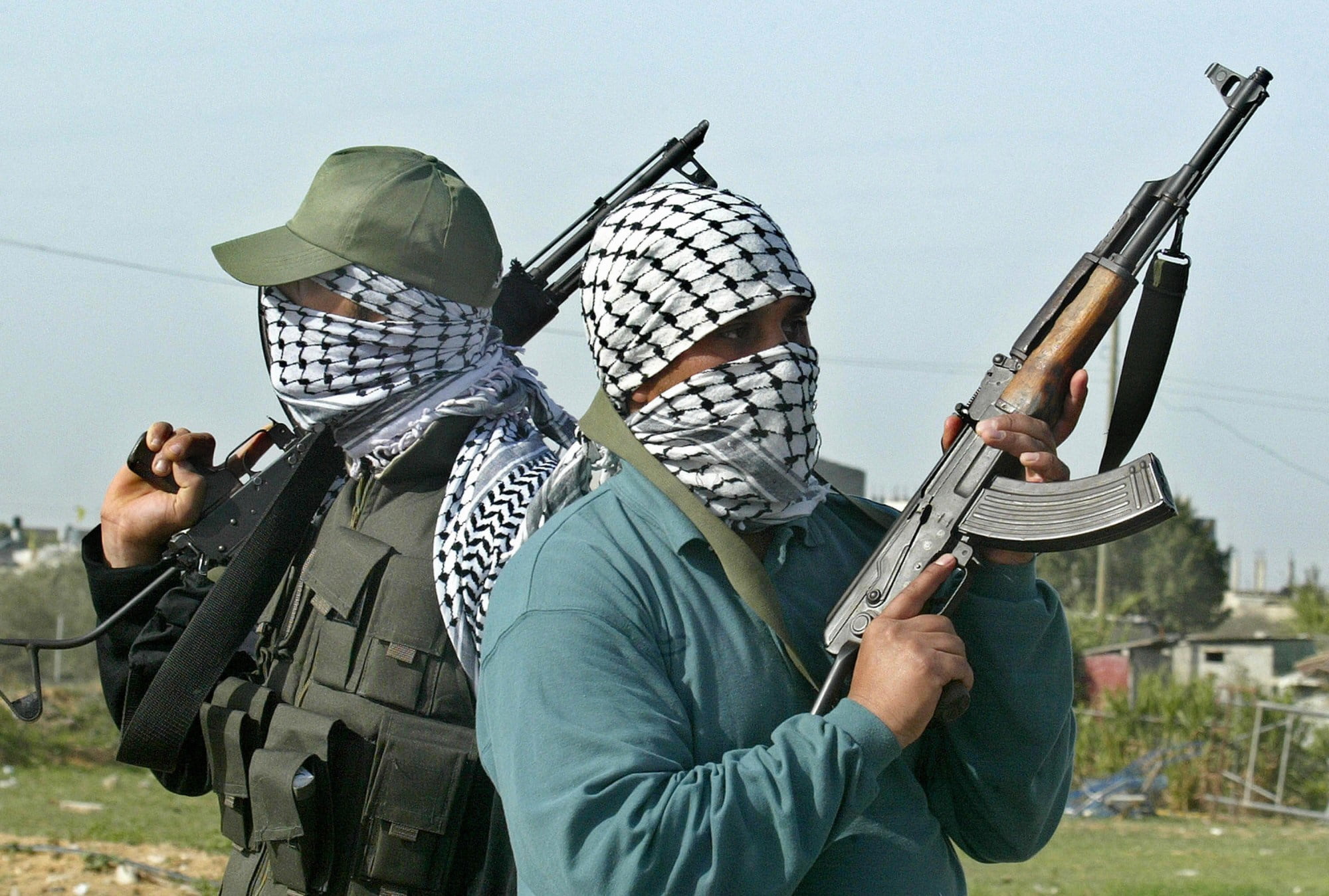
Gunmen have killed a young couple, Iliya Gyang, 30, and his pregnant wife, Grace, 25, in a fresh attack at Angwan Ishaku community in Barkin Ladi Local Government Area of Plateau State.
The incident, which occurred on Wednesday evening, also left two other persons injured, while the attackers reportedly fled the scene immediately after the assault.
A resident of the community, Kacholom Ayuba, confirmed the incident to journalists, saying it occurred at about 5:30 p.
m.The Berom Youth Moulders Association (BYM) also confirmed the attack in a statement issued by its National Publicity Secretary, Rwang Tengwong, describing it as gruesome and inhumane.
According to the statement, the assailants, who arrived on a motorcycle, opened fire on the victims and other residents before escaping through a route leading toward settlements in Fass along the Rakung-Sho road.
It explained that Gyang was killed while working on his farm close to his residence, while his wife was shot and died instantly at the scene.
The husband, who sustained serious gunshot injuries, was later confirmed dead after being rushed to a hospital.
The association further disclosed that the deceased couple left behind one-year-old twin boys, now orphaned by the attack.
The group noted that the incident occurred barely two days after Governor Caleb Mutfwang visited Barkin Ladi Local Government Area and held a town hall meeting with stakeholders on the security situation in the area.
It also said the attack came a day after a State Security Council meeting where the government announced new measures aimed at addressing persistent killings and destruction of farmlands across Plateau communities.
BYM said the latest attack showed that perpetrators of violence were still bent on destabilising peace efforts in the state despite ongoing interventions by government and security agencies.
Describing the killings as “barbaric, wicked, and inhumane,” the association called for intensified security operations in affected communities.
It urged the military and other security agencies to carry out coordinated raids in identified flashpoints to flush out criminal elements.
The group also appealed to the Plateau State Government to provide support for the orphaned twins left behind by the deceased couple.
BYM extended its condolences to the bereaved families and prayed for strength to bear the loss.



Antiquity Protection Unit, Panacea for Museum’s Risk Management
ShareBy Tahirm Zakari According to ICOM, Museum is not-for-profit, permanent institution in the service of society that researches, collects, conserves, interprets, and...
U-17 WWCQ: Flamingos Step Up Preparation for Guinea Clash
ShareNigeria’s Flamingos will take on Lakeside Queens in a friendly match in Ikenne on Thursday as they intensify preparations for their 2026...
Ghana Evacuates 300 from South Africa over Anti-immigrant Protests
ShareGhana says it will evacuate 300 citizens from South Africa following a recent wave of protests against foreign nationals. Foreign Minister Samuel Okudzeto Ablakwa said in a post on X on Tuesday that the...

FG Sets June 17 for Digital Switchover Inauguration
ShareThe Minister of Information and National Orientation, Alhaji Mohammed Idris, said the Federal Government’s Digital Switchover (DSO) project is ready for commissioning...
FG Launches CNG, EV Northern Corridor in Kano
ShareThe Federal Government through the Presidential Initiative on Compressed Natural Gas and Electric Vehicles (Pi-CNG & EV), is set to inaugurate the...
Kano Warns Pilgrims against Taking Kola-nut to Saudi Arabia
ShareFrom Rabiu Sanusi, Kano The Kano State Pilgrims Welfare Board has called on all intending pilgrims from the state to strictly comply with the rules and regulations...

Dangote Exports 1.66bn Litres Fuel During US-Iran War
ShareFresh data from the Nigerian Midstream and Downstream Petroleum Regulatory Authority has shown that the Dangote Petroleum Refinery & Petrochemicals...
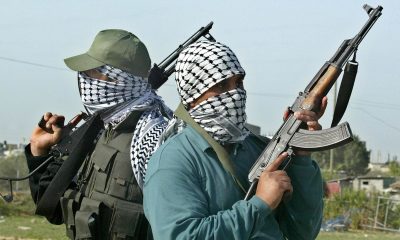

Gunmen Defy Security Measures, Strike in Plateau Again
ShareFrom Jude Dangwam, Jos Gunmen have killed a young couple, Iliya Gyang, 30, and his pregnant wife, Grace, 25, in...

FG Averts Showdown, Approves Workers’ 40 Per Cent Allowance
ShareBy Tony Obiechina, Abuja The Federal Government has officially approved the long-awaited 40 per cent peculiar allowance for federal civil...
Abducted Nasarawa Varsity Students Regain Freedom
ShareStudents of the Faculty of Engineering, Nasarawa State University, Gudi Campus, who were abducted by gunmen have been released. The Nasarawa State Police Command disclosed this on Tuesday,...