
NEWS
FG Urged to Engage Bishop Oyedepo, Spiritual Sons Leadership Models on National Development


By David Torough, Abuja
A call has been made on the Nigerian Government to engage prominent Nigerian Christian leaders, including the Founder and Presiding Bishop of Living Faith Church Worldwide, Bishop David Oyedepo, alongside his spiritual sons, Pastor David Ibiyeomie, Dr Paul Enenche and Pastor Korede Komaiya, to explore how their institutions could contribute to addressing some of Nigeria’s development challenges.
The call, contained in an opinion article titled “Why the Nigerian Government Must Invite Bishop David Oyedepo and His Spiritual Sons Immediately,” argues that the churches led by the four clerics have established institutional structures and community-based initiatives that could provide useful lessons for national development.
According to the article, the ministries have made contributions in areas such as education, healthcare, transportation, employment generation, infrastructure development, poverty reduction and human capital development.
It noted that their respective church organisations operate transportation arrangements that enable worshippers and other participants to attend services and programmes without paying transport fares, describing the initiative as an example of organised social support.
The article also highlighted their investments in education, particularly the establishment of primary and secondary schools as well as universities, with modern learning facilities aimed at developing academic excellence and character among young Nigerians.
On healthcare, it cited medical outreaches, financial assistance for patients, support for surgeries and sponsorship of individuals requiring specialised medical treatment outside Nigeria as some of the interventions attributed to the ministries.
The opinion further drew attention to scholarship programmes operated by the churches, arguing that educational support has created opportunities for young people from disadvantaged backgrounds to acquire professional qualifications and improve their economic circumstances.
It also identified electricity generation and infrastructure development as areas where the religious institutions have demonstrated capacity, pointing to their investments in uninterrupted power arrangements, roads, pedestrian bridges and water facilities within their operational environments.
On employment, the article claimed that the four church organisations collectively provide jobs for more than 300,000 people, describing them as significant employers whose activities extend beyond religious services into administration, education, healthcare, hospitality, logistics and other sectors.
It further argued that their large-scale conventions and international conferences attract participants from different parts of the world, creating economic opportunities for hotels, transport operators, traders, food vendors and other businesses in host communities.
Beyond physical infrastructure and economic activities, the article emphasised the role of religious institutions in social transformation, particularly through counselling, moral instruction, family development, entrepreneurship training and programmes aimed at discouraging destructive lifestyles.
It maintained that these activities could offer useful insights into addressing social challenges, strengthening families and promoting responsible citizenship.
The article also acknowledged the importance of resource management, institutional discipline and long-term planning, arguing that the sustainability of large religious organisations could provide useful case studies for public administrators and development practitioners.
It therefore proposed that the Federal Government initiate a structured engagement with Bishop Oyedepo and the other three clerics to examine their institutional experiences, identify transferable practices and explore possible areas of collaboration in national development.
The proposed engagement, according to the article, should not be politically motivated or limited to ceremonial recognition, but should focus on practical discussions around education, healthcare delivery, employment, infrastructure, social welfare, entrepreneurship and community development.
It concluded that Nigeria could benefit from drawing lessons from successful non-governmental institutions, faith-based organisations and private-sector initiatives, particularly where their experiences offer approaches that can complement existing public development programmes.
The proposal comes amid continuing national conversations about the role of religious organisations, private institutions and civil society in supporting government efforts to improve living conditions and expand development opportunities across the country.
By David Torough, Abuja
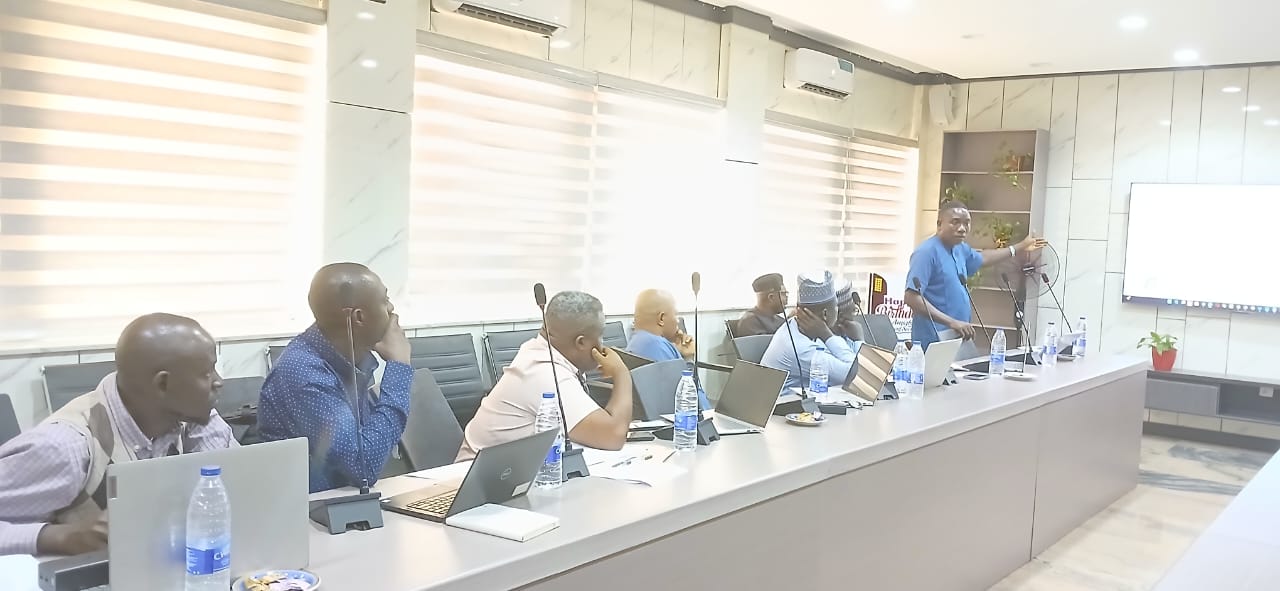
The Ministry of Regional Development has commenced a capacity-building training programme for desk officers from the seven Regional Development Commissions on the revised Quarterly Reporting Template and the newly introduced Regional Development Commissions (RDC) Quarterly Reports Application.
Declaring the training open at the Permanent Secretary’s Conference Room, 10th Floor, Federal Secretariat, Phase I, Abuja, the Permanent Secretary, Dr Mary Ogbe, emphasised the importance of accurate, timely and transparent reporting in strengthening institutional accountability and monitoring the performance of the Regional Development Commissions.
Dr Ogbe noted that the Ministry submits quarterly performance reports to the Central Results Delivery Coordination Unit (CRCDU) of the Office of the Special Adviser to the President on Policy and Coordination, highlighting the Commissions’ contributions to implementing President Bola Ahmed Tinubu’s Renewed Hope Agenda across the regions.
She explained that the revised reporting template was developed to address recurring challenges associated with previous submissions, including inconsistencies in reporting formats, incomplete financial information, inadequate supporting evidence and delays in submission.
According to her, the revised template harmonises the CRCDU reporting requirements with the Commission’s quarterly performance templates and the Harmonised Performance Bond Matrix, thereby ensuring consistency, accuracy and alignment with the Presidential Reporting Blueprint.
The Permanent Secretary further disclosed that the revised template now provides for comprehensive reporting on project and programme implementation, including appropriated funds, contract sums, releases, expenditure, physical progress, percentage of completion, challenges and recommendations, alongside verifiable supporting documents such as geotagged photographs, letters of award and completion certificates.
A major highlight of the initiative is the introduction of the RDC Quarterly Reports App, a digital platform designed to simplify the reporting process, enhance data accuracy and improve the timely submission of quarterly reports by the Commissions.
Dr Ogbe explained that the application will enable each Commission to prepare and submit its reports online, validate financial figures, upload supporting evidence and transmit submissions securely using individual submission keys.
She added that the platform will also enable the Ministry to consolidate submissions into a unified report and provide the Honourable Ministers and the Permanent Secretary with access to a live dashboard to monitor submission status.
She charged the participating desk officers to take full advantage of the training and ensure that the knowledge acquired translates into improved reporting practices within their respective Commissions.
The Permanent Secretary particularly stressed the need for accurate financial reconciliation, credible project documentation, strict adherence to reporting deadlines and effective communication between the Commissions and the Ministry.
She disclosed that the first quarterly returns under the new reporting arrangement would cover the fourth quarter of 2026, urging the desk officers to safeguard their respective submission keys and share the knowledge acquired with their management and colleagues.
Dr Ogbe reiterated that effective reporting goes beyond routine administrative documentation, describing it as a critical instrument for demonstrating the value of public resources, strengthening government decision-making, promoting accountability and showcasing the developmental impact of the Regional Development Commissions across the country.
The training is expected to equip participants with the practical skills required to complete the revised reporting template accurately, reconcile financial information, provide credible supporting evidence and effectively utilise the newly introduced digital application.
The initiative underscores the Ministry of Regional Development’s commitment to strengthening institutional capacity, promoting transparency and accountability, and ensuring effective monitoring and evaluation of development projects and programmes across Nigeria’s regions.

By Tony Obiechina, Abuja
The Central Bank of Nigeria (CBN) has commenced the digitalisation of sub-national fiscal data reporting across the 36 states of the federation, the Federal Capital Territory (FCT) and 774 Local Government Areas (LGAs) to improve the accuracy, reliability and timeliness of economic data used for monetary and fiscal policy decisions.
The initiative is designed to replace the largely manual system of collecting and processing fiscal information with a digital platform that will standardise data submissions, strengthen validation procedures and facilitate more frequent reporting by state and local governments.
The CBN also plans to transition the Sub-National Fiscal Survey from its existing twice-yearly reporting arrangement to a more sustainable quarterly data submission system, providing policymakers with more current information on government revenues, expenditures, financing requirements and fiscal pressures.
Speaking at a Sub-National Fiscal Statistics Stakeholders’ Engagement held in Abeokuta, Ogun State, the Director of the CBN’s Statistics Department, Dr Usman Moses Okpanachi, said the exercise was part of the bank’s broader efforts to strengthen Nigeria’s economic data architecture and improve evidence-based policymaking.
Okpanachi explained that reliable, timely fiscal statistics are essential for effective economic management because they enable governments and policymakers to assess public-sector financial activities and understand their implications for aggregate demand, liquidity, borrowing conditions, and inflation.
He noted that the quality of fiscal information available to policymakers was particularly important as the CBN strengthened its forward-looking, data-dependent monetary policy framework and moved towards a more explicit inflation-targeting regime.
According to him, the existing manual approach to the Sub-National Fiscal Survey had presented several operational challenges, including delays in data submission, logistical difficulties, validation constraints and lengthy processing periods.
He said the digital platform would address these shortcomings by providing a more structured reporting framework, simplifying data submissions, standardising entries and improving the monitoring of returns and traceability of corrections.
The initiative is also expected to strengthen the information chain between fiscal transactions undertaken by Ministries, Departments and Agencies (MDAs), state governments and local government authorities and the production of reliable economic statistics for national policy decisions.
Okpanachi stressed that the adoption of technology would not eliminate the need for proper financial record-keeping, reconciliation and professional judgement, urging state and local government authorities to ensure that the digitalisation process was supported by sound institutional practices.
He called on participating governments to prioritise timely submission, data integrity and continuity by ensuring that fiscal information was properly validated and reconciled before transmission.
The CBN director also urged states and local governments to appoint designated focal officers responsible for coordinating the reporting process and maintaining institutional continuity, particularly as trained personnel deploy the new system across their respective institutions.
He said the success of the initiative would be measured by improvements in the completeness and consistency of fiscal returns, faster submissions, stronger validation processes and the availability of more reliable information for economic decision-making.
The CBN, he added, would continue to provide technical and operational support through its branches nationwide and the Statistics Department to ensure effective implementation of the digital reporting framework.
The nationwide stakeholders’ engagement, which commenced on October 26, 2026, is expected to cover the remaining states by December 4, while the FCT is scheduled to participate in the exercise on December 9 and 10.
As of November 6, 2026, the CBN had conducted the exercise in 16 states and their respective local governments, with the bank reporting strong government support and attendance reaching 100 per cent in almost all the states visited.
The practical sessions are designed to equip fiscal officers with the necessary skills to operate the digital questionnaire, understand data validation requirements and carry out submission and correction procedures through the platform.
Following the training, participating officers are expected to transfer the knowledge acquired to other relevant personnel within their institutions and commence the submission of fiscal returns electronically.
The Statistics Department will subsequently consolidate the outcomes of the nationwide exercise into a national implementation report.
The digitalisation programme forms part of the CBN’s broader data architecture and institutional transformation agenda, with implications for fiscal planning, budgeting and policy evaluation at the state and local government levels.
Beyond improving the quality of sub-national fiscal statistics, the initiative is expected to provide the CBN and other relevant authorities with more timely information on government financial activities, strengthening the statistical foundation for monetary policy formulation, financial stability assessment and broader fiscal and economic management.
By David Torough, Abuja
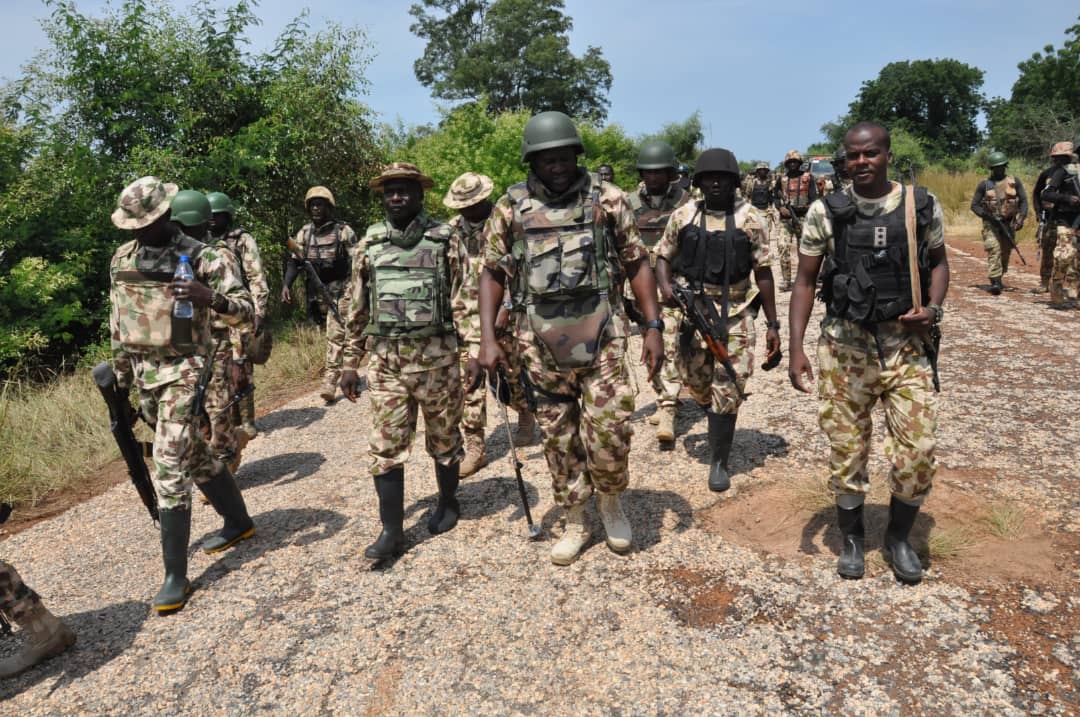
The Armed Forces of Nigeria (AFN) have neutralised more than 60 terrorists and rescued at least 70 kidnapped victims across various theatres of operation during a week-long offensive against terrorists, bandits and kidnappers between October 30 and November 5, 2026.
The operations, conducted across the country’s six geopolitical zones, also resulted in the arrest of dozens of suspected terrorists, collaborators and criminal elements, the recovery of weapons and ammunition, and the surrender of several terrorist fighters and their family members.
According to a press briefing issued on November 6 by the Director of Defence Media Operations, Major General Michael Onoja, troops recorded significant successes in operations targeting terrorist strongholds, kidnapping networks and criminal logistics channels.
In the North East, troops of Operation HADIN KAI dealt heavy blows to terrorists in Borno and Yobe States, killing 58 terrorists during separate encounters at Buni Yadi in Gujba Local Government Area of Yobe State and Bitta in Gwoza LGA of Borno State.
The military said 48 terrorist bodies were recovered following an attempted attack on Buni Yadi, alongside 42 AK-47 rifles, five PKT machine guns, four general-purpose machine guns, a 60mm mortar and other military equipment.
At Bitta, troops recovered seven terrorist bodies after repelling another attempted infiltration, seizing four AK-47 rifles, an RPG tube, four RPG bombs, a PKM machine gun and a radio.
Three additional terrorist bodies were recovered around Apama and Jauro Bashir along the withdrawal route of the fleeing fighters.
The operation also recorded the surrender of 12 terrorist fighters and family members between November 2 and 4 in Bama and Gwoza LGAs of Borno State. The surrendering individuals reportedly cited sustained military pressure and disagreements between rival JAS and ISWAP factions.
Troops also arrested 50 suspected terrorists, collaborators and logistics suppliers across the theatre and rescued a female abductee who escaped from the Mandara Mountains.
In the North West, troops of Operation FANSAN YAMMA rescued 18 kidnapped victims in separate operations in Kebbi State, including seven victims abandoned by fleeing terrorists following a military pursuit and four others rescued after troops responded to an ambush.
Troops also rescued seven kidnapped persons during operations around Geso and Ayan Geso in Zamfara State, while two kidnapping and cattle-rustling suspects were arrested in Kaduna State. Another suspected terrorist was apprehended at a clinic in Kagarko LGA while seeking treatment for gunshot wounds.
In the North Central, troops of Operation WHIRL STROKE neutralised five suspected kidnappers in separate engagements in Benue and Kogi States.
Two kidnappers were killed during an encounter around Edimogbo Forest, while three others were neutralised during an operation in Obele Forest. Troops recovered six AK-47 rifles, 19 magazines, thousands of rounds of ammunition and other equipment from the operations.
The troops also rescued six civilians, including a baby, during a response to a kidnapping incident at Jeb Jeb Village in Karim Lamido LGA of Taraba State.
Additionally, a wanted member of the Konyo Boys bandit group was arrested in Takum LGA, Taraba State, while a terrorist, his wife and two children surrendered to troops in Kogi State with an AK-47 rifle, ammunition and a radio.
Further operations led to the arrest of a suspected terrorist logistics supplier and a suspected gunrunner in Kogi and Benue States respectively.
Meanwhile, troops of Operation SAVANNAH SHIELD rescued 18 kidnapped victims in Niger and Kwara States. Fifteen victims were rescued following an encounter with bandits around Rijiyan Nagwamatse in Kontagora LGA of Niger State, while three others escaped from their captors in Lema-Ndeji Forest in Kwara State.
The operation also led to the neutralisation of two Ansaru terrorists in Nanu Village, Kaiama LGA of Kwara State, and the recovery of two AK-47 rifles, seven magazines, three RPG bombs, 33 motorcycles and ₦4.105 million, among other items.
In the South East, troops of Operation UDO KA rescued one kidnapped victim in Abia State following an attack by gunmen on a residential compound in Umunneochi LGA.
Troops also recovered a pump-action rifle, a damaged hunting rifle and 13 cartridges during a search operation in Anambra State.
In a separate development, troops of Operation ENDURING PEACE arrested a suspected terrorist in Kanam LGA of Plateau State during a stop-and-search operation. An AK-47 magazine and a round of 7.62mm Special ammunition were recovered from the suspect.
The Defence Headquarters said the week-long operations also resulted in the recovery of substantial quantities of weapons, ammunition, motorcycles, communication equipment and other logistics used by criminal groups.
However, the military disclosed that an officer, a soldier and a civilian hunter lost their lives in the course of the operations, while wounded personnel were receiving attention.
The Chief of Defence Staff, General Olufemi Olatunbosun Oluyede, commended troops for their courage, resilience and sacrifices, while appreciating the contributions of other security agencies.
He urged traditional rulers, community leaders and residents to strengthen cooperation with security agencies by providing credible intelligence on suspicious movements and activities.
The CDS also called on citizens to deny criminal groups access to logistics and other forms of support, avoid mob action and refrain from spreading misinformation and disinformation.
The Armed Forces reiterated their determination to sustain ongoing offensive operations until lasting peace, security and stability are restored across the country.




FG Urged to Engage Bishop Oyedepo, Spiritual Sons Leadership Models on National Development
ShareBy David Torough, Abuja A call has been made on the Nigerian Government to engage prominent Nigerian Christian leaders, including...

Regional Devt Ministry Trains Commissions’ Officers on Digital Quarterly Reporting Template
ShareBy David Torough, Abuja The Ministry of Regional Development has commenced a capacity-building training programme for desk officers from the...


Actress Ademoye Rejects Apology over Movie Demonetization
ShareNollywood actress and filmmaker, Bimbo Ademoye, has rejected an apology from a man who filed a copyright claim against her...


Army Rescues 21 Kidnap Victims after Gun Battle with Terrorists in Niger
ShareBy David Torough, Abuja Troops of the Nigerian Army’s 18 Brigade have rescued 21 kidnapped victims following a fierce gun...


CBN Digitalises Fiscal Data Reporting Across 36 States, FCT
ShareBy Tony Obiechina, Abuja The Central Bank of Nigeria (CBN) has commenced the digitalisation of sub-national fiscal data reporting across...


NNPC Audit: Kyari Denies N210trn Missing Funds
ShareBy David Torough, Abuja Former Group Chief Executive Officer of the Nigerian National Petroleum Company Limited (NNPCL), Mele Kyari, has...


2027: APC Bets on Reforms, Unveils Tinubu’s Blueprint
ShareBy Eddy Ochigbo, Abuja The All Progressives Congress (APC) has unveiled an ambitious four-pillar manifesto for President Bola Tinubu’s proposed...


Troops Neutralise over 60 Terrorists, Rescue70 Kidnap Victims in One Week
Share By David Torough, Abuja The Armed Forces of Nigeria (AFN) have neutralised more than 60 terrorists and rescued at...


Accident Victims’ Remembrance Day: FRSC Records 7,156 Crashes, 3,445 Deaths
ShareThe Federal Road Safety Corps (FRSC) has recorded 7,156 road traffic crashes, resulting in 3,445 deaths and 22,292 injuries across...


Mutfwang Inaugurates State-owned Security Outfit, Operation Rainbow
ShareFrom Jude Dangwam, Jos Plateau State Governor, Caleb Manasseh Mutfwang, has inaugurated 353 operatives of the state-owned security outfit, Operation...