
NEWS
From Reform to Shared Prosperity: The Real Test of Nigeria’s Economic Recovery

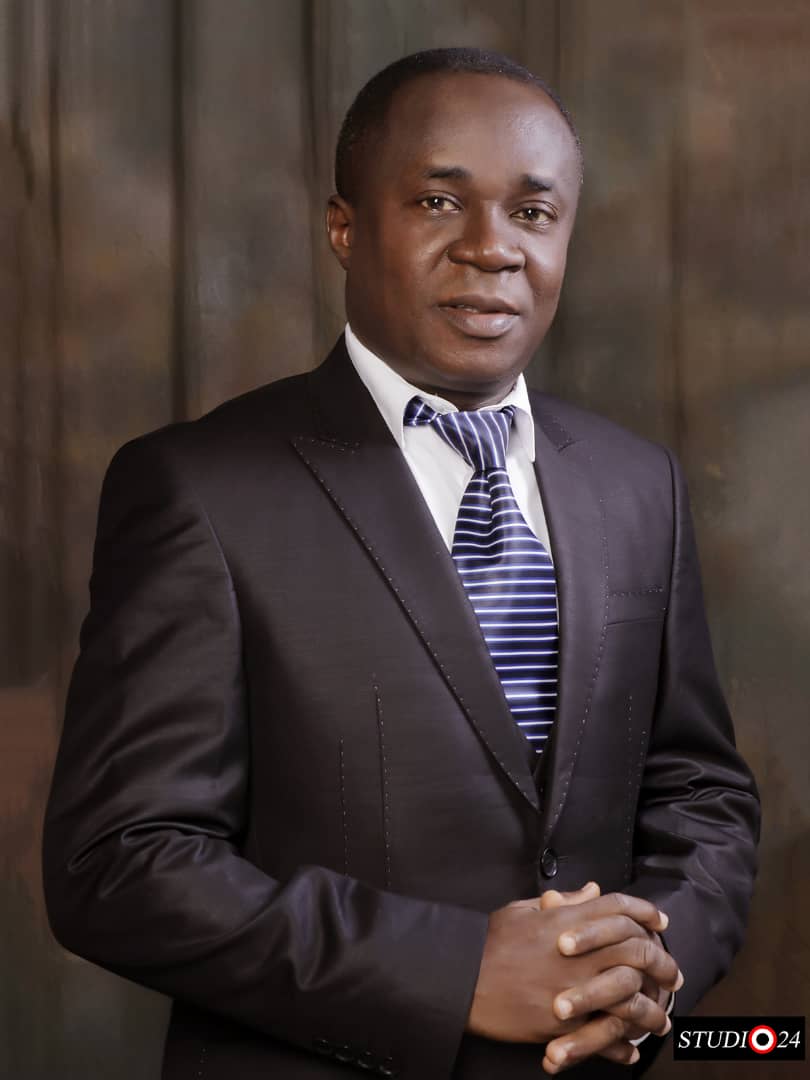
Prof Uche Uwaleke
President Bola Ahmed Tinubu’s 66th Independence Anniversary address, delivered against the backdrop of persistent economic hardship and heightened public expectations, raises an important question about the next phase of Nigeria’s economic journey: how does a country move from economic stabilization to shared prosperity? The President’s declaration that the age of reform has done its work and that the age of prosperity must now begin is both timely and consequential.
It recognizes, at least in principle, that the success of economic reforms cannot be measured solely by improvements in macroeconomic indicators but by their capacity to improve the material conditions of ordinary Nigerians.To appreciate the significance of this transition, it is necessary to acknowledge the circumstances in which the administration assumed office in May 2023. The economy was already experiencing serious structural and macroeconomic difficulties, including fiscal pressures, weak revenue mobilization, exchange rate distortions, inadequate investment and declining purchasing power. Years of policy inconsistencies, dependence on crude oil revenues, inefficient subsidies and insufficient investment in productive capacity had left the economy vulnerable. The country was drifting, and the need for difficult corrective measures was evident.
The removal of the petrol subsidy and the unification of the foreign exchange market, alongside other fiscal and monetary adjustments, represented a significant departure from the previous policy framework. These measures were not without substantial costs. Their immediate consequences included sharp increases in transportation, food and production costs, while inflationary pressures further eroded household incomes. For many Nigerians, the economic adjustment has been less an abstract policy exercise than a daily struggle to afford food, pay rent, meet school fees and access healthcare.
Nevertheless, a fair assessment must recognize that the reforms have contributed to addressing some of the distortions that constrained the economy. As the President indicated in his address, improvements in foreign exchange market stability, external reserves, government revenue and economic growth suggest that the economy is on a path of recovery. The reported contribution of both oil and non-oil sectors to growth, alongside the expansion of non-oil exports, provides grounds for cautious optimism. The reforms have helped create a more sustainable basis for economic management, although the durability of these gains will depend on policy consistency, institutional discipline and the capacity to expand productive activity.
The key challenge has therefore changed. It is no longer sufficient to demonstrate that the economy is growing or that macroeconomic indicators are improving. The more pressing task is to ensure that the benefits of growth are widely distributed and that economic recovery translates into improved living standards. This is the real test of the President’s transition from reform to prosperity.
Perhaps the most immediate priority is to bring down the cost of living, as the President rightly identified. The sustainable way to achieve this is not through price controls or temporary administrative interventions that distort markets, but by reducing the cost of producing, processing, transporting and distributing goods and services. Nigeria must move decisively from an economy in which too much attention is paid to managing the consequences of high prices to one in which the underlying causes of high production costs are systematically addressed.
Food inflation deserves particular attention because food accounts for a substantial proportion of household expenditure, especially among low-income families. Nigeria possesses considerable agricultural potential, yet its food production system remains constrained by low mechanization, inadequate irrigation, insecurity in farming communities, poor rural roads, limited storage, high post-harvest losses and insufficient access to affordable finance. The result is a paradox in which a country with extensive arable land and a large agricultural workforce struggles to make food affordable to its citizens.
The President’s commitment to expanding mechanized irrigation, improving access to seeds and fertilizer, supporting mechanization and investing in storage and transportation is therefore important. However, these commitments must be translated into a coordinated national agricultural productivity programme with measurable targets, clear institutional responsibilities and adequate funding. The emphasis should be on raising output per hectare, increasing multiple cropping, improving yields, reducing post-harvest losses and strengthening the linkages between farmers, agro-processors and domestic markets.
A particularly useful intervention would be the revival, in a modernized form, of the Directorate of Food, Roads and Rural Infrastructure, popularly known as DFRRI, established during the administration of General Ibrahim Babangida. The underlying logic of the programme was to bring development closer to rural communities by addressing the interconnected challenges of food production, rural access and basic infrastructure. Its relevance today lies in the recognition that national development cannot be achieved by concentrating investment in major urban centres while rural communities, where much of the country’s agricultural production takes place, remain disconnected from markets and essential services.
A renewed DFRRI-type programme should not simply reproduce the institutional arrangements of the past. It should be redesigned as a community-centred rural productivity and infrastructure initiative, jointly implemented by federal, state and local governments, with clear accountability mechanisms and measurable outcomes. Its priorities should include feeder roads, small-scale irrigation, rural electrification, water supply, produce aggregation centres, storage facilities, primary healthcare access and market infrastructure.
Such a programme could accelerate grassroots development by connecting farming communities to markets, reducing transportation costs, improving access to agricultural inputs and creating employment through rural infrastructure projects. It would also provide a practical means of ensuring that economic recovery reaches communities that may otherwise remain disconnected from the benefits of national growth. The emphasis must be on functional infrastructure and productive assets rather than politically distributed projects that have little lasting economic value.
Beyond agriculture, the cost of energy remains a major constraint on domestic production. Manufacturers, small businesses and service providers continue to face high operating costs arising from unreliable electricity supply and dependence on alternative energy sources. The expansion of gas infrastructure, renewable energy, embedded generation and reliable grid supply must therefore become an integral component of the prosperity agenda. A reduction in energy costs would improve industrial competitiveness, encourage domestic production, reduce dependence on imported goods and create opportunities for employment.
The same logic applies to transportation and logistics. The completion of strategic roads, railways, ports and inland logistics infrastructure should be prioritized according to their economic returns and their capacity to reduce the cost of moving people and goods. A well-connected agricultural or industrial production centre can generate substantially greater economic value than an isolated project with limited linkages to productive activity. Infrastructure investment must consequently be evaluated not only by the amount spent or kilometres constructed but also by its contribution to productivity, trade and employment.
Industrialisation must occupy a central position in the transition to shared prosperity. Nigeria cannot sustainably address unemployment and poverty without expanding the productive sectors of its economy. The country needs a deliberate strategy to deepen domestic manufacturing, strengthen agro-processing, develop industrial clusters and encourage the production of goods for which Nigeria has a viable competitive advantage. This requires more than incentives and policy declarations. It demands reliable energy, efficient ports, affordable long-term finance, predictable taxation, effective trade facilitation and a stable regulatory environment.
The President’s emphasis on jobs and enterprise is particularly relevant in a country with a large and youthful population. The challenge is not merely to create more jobs, but to create productive, reasonably remunerated and sustainable employment. This requires stronger links between education and the labour market, expansion of technical and vocational training, apprenticeships, entrepreneurship support and investment in sectors capable of absorbing labour at scale. Young Nigerians should not be compelled to regard migration as their principal pathway to economic advancement. The domestic economy must offer credible opportunities to build careers, establish businesses and accumulate wealth.
However, while the structural reforms required to achieve prosperity are being implemented, the government must recognise that millions of Nigerians cannot wait indefinitely for the benefits of future growth. Social protection is therefore an indispensable component of the transition. The President’s commitment to strengthening support for vulnerable households is appropriate, but the conditional cash transfer programme, which constitutes one of the administration’s principal poverty reduction interventions, requires a fundamental redesign to improve transparency, targeting and public confidence.
Cash transfers can provide temporary relief and protect vulnerable households from severe economic shocks. Their effectiveness, however, depends on the credibility of beneficiary identification, the integrity of payment systems, the adequacy of transfer amounts and the ability to monitor outcomes. A programme whose beneficiaries cannot be independently verified, or whose selection and payment processes are insufficiently transparent, risks excluding deserving households, creating opportunities for abuse and weakening public trust.
I recommend that the government should replace the existing approach with a more transparent, independently verifiable and better-targeted social protection framework. A strengthened social register should be regularly updated and linked, with appropriate privacy safeguards, to credible data from relevant government institutions. Community-based verification should complement digital identification to ensure that people in remote and underserved communities are not excluded simply because they lack formal documentation or digital access.
The payment architecture should permit traceability, independent audit and public reporting of aggregate programme performance. Clear eligibility criteria, accessible grievance redress mechanisms and periodic impact assessments should be institutionalized. Transfers should also be designed to complement, rather than substitute for, programmes that improve livelihoods, including skills acquisition, agricultural support, primary healthcare, nutrition and access to education. The objective should be to move vulnerable households from temporary income support towards greater economic security and self-reliance.
Another critical requirement is stronger coordination between fiscal and monetary authorities. The achievement of shared prosperity cannot be the responsibility of one institution or one policy instrument. Equally important is the collaboration of federal, state and local governments. The President’s prosperity agenda cannot succeed if it remains largely a federal government programme. States and local governments are closest to many of the services and productive activities that determine the welfare of citizens. Agriculture, primary healthcare, basic education, rural roads, markets, sanitation and local economic development require effective intergovernmental cooperation.
The increased fiscal resources available to subnational governments should be translated into visible improvements in service delivery and productive infrastructure. States should develop economic programmes around their comparative advantages, whether in agriculture, manufacturing, tourism, solid minerals or services, while local governments should be empowered to address community-level infrastructure and development priorities. Intergovernmental fiscal transfers should be accompanied by transparent budgets, measurable performance indicators, procurement accountability and independent monitoring.
There is also a compelling case for a more deliberate focus on the informal sector, which provides livelihoods for a large number of Nigerians. Simplified business registration, affordable digital payment systems, micro-insurance, access to working capital, vocational training and basic social protection can help informal enterprises become more productive and resilient. Formalization should be encouraged through benefits and accessible services rather than excessive regulatory burdens. A more productive informal sector would contribute to employment, household income, domestic demand and government revenue.
The President’s declaration that the objective is not merely to manage poverty more efficiently but to defeat it is a desirable statement. Its realization, however, requires a shift from a predominantly macroeconomic conception of recovery to a comprehensive productivity and human development agenda. The government must measure progress through indicators that speak directly to the lives of citizens: changes in real household income, food affordability, employment quality, poverty levels, school attendance, healthcare access, business survival and the reliability of essential infrastructure.
These indicators should be regularly published and independently assessed so that the public can evaluate whether the promised transition is taking place. Economic communication should move beyond aggregate growth figures to explain how reforms are affecting households, what corrective measures are being taken where outcomes fall short and how public resources are being deployed to accelerate inclusive development.
All said, the President’s 66th Independence Anniversary address presents an opportunity to redefine the social contract between government and citizens. Nigerians have endured significant economic adjustments, and the expectation of a tangible improvement in their welfare is legitimate. The government must now demonstrate that the sacrifices associated with reform are producing durable benefits and that the recovery is not confined to financial statistics or the balance sheets of institutions.
At 66, Nigeria has an opportunity to turn economic stabilization into a new development compact centred on productivity, jobs, affordability and human dignity. The President has articulated the destination. The task before his administration and the wider Nigerian state is to establish the policies, institutions and implementation mechanisms that will take the country there.
Prof Uche Uwaleke is the Director of the Nasarawa State University Institute of Capital Market Studies and President of the Capital Market Academics of Nigeria.
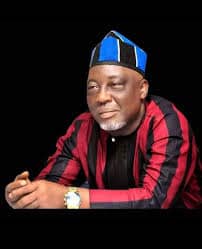
By Cleopas Agada
For seven years in the National Assembly, what has Benue South actually felt? For a man who rose to national prominence on the back of a national tragedy, Senator Abba Moro’s continued stay in the Senate has become a symbol of recycling, stagnation and non-performance.
Benue South, the Idoma nation, deserves more than a senator whose name is more associated with press statements than with projects, more associated with Abuja politics than with home development.
The Immigration Saga That Nigeria Cannot Forget
We cannot write the story of Abba Moro without writing the darkest chapter.
On March 15, 2014, as Minister of Interior under President Goodluck Jonathan, Abba Moro presided over the infamous Nigeria Immigration Service recruitment exercise.Young Nigerians, tens of thousands of unemployed graduates desperate for a job, were gathered in stadiums across the country. In their desperation, they paid N1,000 each for application. The organization was chaotic, inhumane and deadly. At the end of that day, over 20 innocent Nigerian youths died in stampedes in Abuja, Port Harcourt, Minna and other centres. Scores were injured.
It was a national scandal that drew international condemnation. Families are yet to recover. Till today, that tragedy remains a permanent stain on his public service record.
Seven Years of What Exactly?
Since 2019 when he went to the Senate, and now serving his second term (2019-2027), the question on the streets of Otukpo, Oju, Obi, Ado, Okpokwu, Apa, Agatu, Ohimini and Ogbadja is simple: Where are the dividends?
DAVID MARK vs ABBA MORO: THE REAL SCORECARD
To understand Abba Moro’s failure, look at what he inherited and what he did with it:
- The Otobi-Akpa Dam Legacy vs Failure:
Senator David Mark initiated the Dam at Otobi-Akpa as one of his greatest legacy projects. The purpose was clear: It was to stop the sufferings of the people from hardship faced from lack of water in Otukpo and its environs. It is even big enough to generate power for the area if it is completed and commissioned.
Today, the Federal Government is really not making further payments on that contract. The project is abandoned, contractor has left site. Otukpo people are back to buying water from tankers.
What has Abba Moro, as Senate Minority Leader who sits on budget committees, done to push for its completion? No motion. No lobbying. No budget insertion. He allowed a multi-billion naira legacy that would have solved water and power for Otukpo to die.
- The Oweto/Loko Bridge Legacy vs Failure:
David Mark lobbied for the Oweto/Loko Bridge which today serves as a gateway between the North and the South and opened up Agatu to the rest of Nigeria. Before this bridge, Agatu was hitherto a closed enclave. Today, economic activities flourish in Oweto market and other markets in Agatu.
What did Abba Moro do to consolidate? Nothing. No link roads from Oweto to interior Agatu. No federal market infrastructure. No strong voice to attract security intervention despite herdsmen killings in Agatu, Apa and Oju. The bridge is there, but the dividends that should follow are missing.
- Federal University of Health Sciences, Otukpo (FUHSO) vs No New Institution:
David Mark attracted FUHSO, bringing development, jobs and students to Otukpo. In seven years, Abba Moro cannot point to one new federal institution, cannot even secure a Teaching Hospital for FUHSO, and cannot attract one transformative signature project that has changed the economic fortune of Zone C. - Federal Jobs vs Handouts:
Mark used his position as Senate President to give Idoma sons and daughters federal appointments and national visibility.
Abba Moro’s model is handouts: motorcycles, grinding machines and N20,000. Our youths need jobs, functional skills acquisition centres linked to industries, and federal appointments. Compare to a fresher like Senator David Jimkuta of Taraba South who in less than two years empowered over 1,000 constituents with cars, motorcycles, refrigerators and business tools. Benue South has one of the highest rates of unemployment in the North Central.
- Legislative Silence and Disconnected Leadership:*
In the 9th and 10th Assembly, his legislative contributions have been largely pedestrian. No landmark bill for the economic liberation of Benue South, no strong advocacy that has brought federal intervention to killings in Apa, Agatu and Oju. A senator should be at home, but Abba Moro’s politics is Abuja-centric.
THE JUDGEMENT TABLE FOR EVERY IDOMA SON AND DAUGHTER*
DAVID MARK ACHIEVEMENTS ABBA MORO FAILURES
FUHSO: Established Federal University in Otukpo No Institution: No new federal institution in 7 years
Oweto/Loko Bridge: Opened up Agatu, gateway North-South, boom in Oweto market Failed to Consolidate: No link roads, no security for Agatu/Apa
Otobi-Akpa Dam: Initiated dam to stop water hardship in Otukpo, big enough to generate power Abandoned Dam: FG stopped payments, contractor left, Otukpo back to tanker water. No motion from Minority Leader to revive it
Federal Appointments: Gave Idoma jobs and national voice Handouts: Motorcycles and N20k, no jobs
Respected Zone C Nationally Abuja Press Statements
Benue South Needs a New Voice
The Idoma nation is blessed with brilliant, younger, more dynamic leaders. Idoma Renaissance, led by Johnson Ogwuche and Philip Okoh, has made it clear: “It is no longer business as usual. Any non-performing lawmaker will not be voted back.”
2027 is not far. Senator Abba Moro has served as Minister and two terms in Senate. It is time to go home, rest, and allow a new generation with fresh ideas, clean hands, and genuine love for the land to take Zone C to the promised land.
Benue South cannot afford another four years of motion without movement.
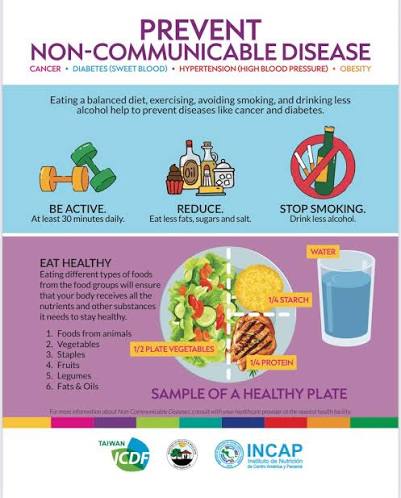
The Coordinating Minister of Health and Social Welfare, Prof. Muhammad Pate, said Non-Communicable Diseases (NCDs) have become one of the fastest-growing segments of Nigeria’s disease burden, requiring urgent health system readiness.
Pate said this on Thursday in Abuja at the unveiling of a book on Nigeria’s NCDs and health reforms, organised by the Health Reform Foundation of Nigeria (HERFON).
He said hypertension, diabetes, cardiovascular diseases, stroke, sickle cell disease, cancers and neurological conditions were increasing due to lifestyle changes and an ageing population.
The minister said Nigeria’s health reforms began more than 20 years ago, culminating in the National Health Act, with significant progress recorded in the last three years.
He said the Maternal and Neonatal Mortality Reduction Innovation Initiative (MAMI) had reduced maternal deaths by 22 per cent and newborn deaths by 10 per cent.
He added that a recent mini Demographic and Health Survey showed increased skilled birth attendance, antenatal care and contraceptive prevalence.
Pate said that malaria incidence had dropped to 15 per cent, the lowest in 20 to 30 years, based on survey statistics, but said HIV, tuberculosis and maternal mortality remained challenges.
He said the Federal Government, through the Health Sector Renewal Investment Initiative, had strengthened governance by bringing federal, state and local governments, civil society and the private sector together.
Pate said the federal health budget allocation had increased to six per cent from about three to four per cent previously, while states were being encouraged to increase their funding.
According to him, the government had expanded the primary healthcare system, retrained nearly 80,000 frontline health workers in three years and doubled admission quotas for medical and nursing students.
Pate said three of six world-class tertiary centres had been commissioned in Azare, Enugu and Benin.
He added that 10 world-class diagnostic centres equipped with MRI, CT scanners and catheterisation laboratories had been completed in partnership with MedServe and the Nigeria Sovereign Investment Authority (NSIA), including two recently completed in Ibadan and Bauchi.
He further added that the Federal Executive Council had recently approved more than N268 billion for major infrastructure projects at the National Hospital, Abuja.
Pate said the government was promoting prevention through the National Health Promotion Policy and the Know Your Numbers campaign, which had reached 10 million Nigerians with checks for blood pressure, blood sugar, cholesterol and prostate-specific antigen.
He said the government had also introduced Medipool, a group purchasing organisation, to ensure the availability of quality, affordable medicines at primary healthcare centres and improve treatment compliance for hypertension and diabetes.
Pate said affordability remained critical because NCDs required lifelong treatment, noting that more than seven million Nigerians had been added to health insurance in the last three years through the National Health Insurance Authority (NHIA).
He added that local pharmaceutical manufacturing was being expanded through the Presidential Initiative for Unlocking the Healthcare Value Chain (PVAC).
Pate commended HERFON and the book’s authors for providing analysis and recommendations to guide Nigeria’s response to NCDs.
Also speaking, the Chairman of HERFON’s Board of Trustees, Alhaji Idris Muhammed, said the foundation advocated better healthcare for Nigerians through policy advocacy, capacity building and evidence generation at local, state and national levels.
He said HERFON had a presence in all 36 states and the Federal Capital Territory (FCT) and had contributed to major health sector achievements, including the enactment of the National Health Act, 2014.
Muhammed said the book was the product of months of review by more than 70 subject experts from Nigeria, South Africa, the Middle East, the United Kingdom and the United States.
“The book tells us where we are, what we are doing wrong and what we must do right to stem the tide of NCDs,” he said.(NAN)
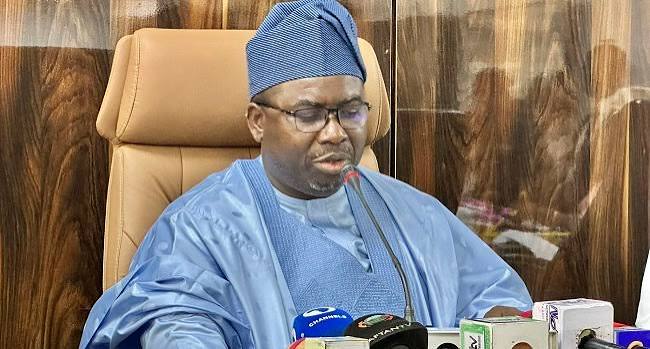
The Independent National Electoral Commission (INEC) has reaffirmed its commitment to strengthen collaboration with the National Orientation Agency (NOA), security agencies and other relevant stakeholders to ensure credible, peaceful and transparent general elections in 2027.
The Chairman of INEC, Prof.
Joash Amupitan, gave the assurance on Thursday in Abuja at the commencement of the Nationwide Grassroots Mobilisation for the 2027 General Election, organised by NOA.The theme of the campaign was, “Your Vote, Your Voice, Our Future: Say No to Apathy, Vote Buying and Violence”.
Amupitan said the forthcoming general election offered the country an opportunity to demonstrate its democratic progress and establish its readiness to conduct elections that would command national and international confidence.
“The upcoming 2027 general election presents us with an opportunity to demonstrate to Africa and the world that Nigerian democracy has matured beyond measure.
According to him, Nigeria must use the election to demonstrate its preparedness in electoral administration, technological development and operational transparency.
Amupitan said INEC was committed to strengthening its institutional capacity and improving the systems required to deliver credible elections across the country.
He said that achieving the objective would require cooperation between the electoral commission, NOA, security agencies, civil society organisations and patriotic Nigerians.
The INEC chairman identified technology as a critical component of the electoral process, explaining that the commission is strengthening its technical infrastructure to protect electoral data and improve the efficiency of election administration.
He said that the large number of registered voters and the geographical challenges associated with conducting elections across Nigeria made the effective application of technology indispensable.
Amupitan said that there had been occasions when Nigerians waited several days for election results to be announced, adding that INEC is working to prevent such delays through improved technological arrangements.
He said the commission had secured the procurement of additional bimodal voter accreditation systems to strengthen its capacity to accredit voters during the 2027 general election.
He said that INEC was also expanding hardware redundancy and deploying additional equipment to ensure that technological challenges did not disrupt electoral operations.
The chairman said the equipment was being delivered, tested and configured ahead of the elections as part of measures to strengthen the commission’s operational readiness.
Amupitan acknowledged public concerns over the technological challenges experienced during the 2023 general elections, saying INEC is taking steps to address the issues and improve its systems.
He said the commission was working to ensure that accreditation equipment and other technological facilities were sufficiently available across the country before the next presidential election.
According to him, improving the reliability of electoral technology remains central to the commission’s efforts to strengthen public trust and ensure that every eligible voter can participate without unnecessary difficulties.
The INEC chairman also identified the protection of polling-unit results as a non-negotiable aspect of the commission’s transparency framework.
He said that the commission was strengthening the electronic transmission and publication of polling-unit results, including the uploading of Form EC8A, to promote transparency and allow citizens to verify electoral outcomes.
Amupitan said comprehensive cybersecurity measures were being deployed to protect INEC’s networks, data transmission channels and digital systems against cyberattacks and unauthorised interference.
He said that technological advancement had introduced new challenges, particularly with the emergence of artificial intelligence and other sophisticated digital tools that could potentially be exploited to undermine electoral credibility.
The chairman said that the proper use of Form EC8A would help safeguard the accuracy, authenticity and reliability of results recorded at polling units.
He said the initiative was being implemented in compliance with Section 29 of the Electoral Act 2026 and was designed to improve the transparency and integrity of political parties’ candidate nomination procedures.
According to him, the digital process will help prevent discrepancies between candidates who emerged from party primaries and the names subsequently submitted to the commission for elections.
He said that following the conclusion of party primaries, the details of nominated candidates were being uploaded to the portal to ensure that the commission maintained accurate records of candidates selected through the recognised party processes.
Amupitan said the digital system would also allow INEC to reflect changes arising from successful appeals after party primaries, thereby ensuring that only duly recognised candidates are included in the nomination process.
He said that the initiative was intended to address past challenges involving the substitution of candidates, arbitrary exclusions and disputes over party nominations.
The INEC chairman said strengthening digital nomination procedures would improve accountability, reduce administrative errors and reinforce confidence in the electoral system.
In his keynote address, Malam Lanre Issa-Onilu, Director-General of NOA, said the agency was committed to helping Nigerians understand the electoral process and appreciate their responsibilities as citizens.
According to him, civic education must be presented in ways that make participation in elections understandable and relevant to the everyday lives of Nigerians.
He said that voter apathy weakened democratic representation by allowing a smaller proportion of citizens to determine decisions that affected the wider population.
The NOA boss also condemned electoral violence, noting that it threatens lives, silences voters and damages relationships within communities long after elections have ended.
He said that political competition should never be allowed to result in the loss of lives or the destruction of peaceful relationships among Nigerians.
He further cautioned against allowing political disagreements to destroy the bonds between neighbours, emphasising that peaceful coexistence remains essential to national unity and democratic development.
Issa-Onilu also urged Nigerians to reject financial inducements capable of influencing their electoral choices, stressing that the country’s collective future should not be determined by temporary personal benefits.
He said that convictions would guide the grassroots mobilisation campaign as the agency intensified efforts to educate citizens on the importance of responsible political participation.
The NOA director-general called on stakeholders, community leaders and other relevant institutions to support the campaign by promoting peaceful conduct, voter awareness and respect for democratic principles.
He said that the success of the 2027 general elections would depend on INEC’s preparedness, and also on the willingness of citizens to participate responsibly and reject practices capable of undermining electoral credibility.(NAN)




Senator Abba Moro: It is Time to Go Home
ShareBy Cleopas Agada For seven years in the National Assembly, what has Benue South actually felt? For a man who...

NCDs Fastest-growing Disease Burden in Nigeria — Pate
ShareThe Coordinating Minister of Health and Social Welfare, Prof. Muhammad Pate, said Non-Communicable Diseases (NCDs) have become one of the...

2027: Adeleke Inaugurates Aare Asejere’s Campaign Council
ShareFrom Ayinde Akintade, Osogbo The Governor of Osun State, Senator Ademola Adeleke, yesterday charged newly inaugurated members of the Osun...

INEC Seeks Stakeholders’ Collaboration for Credible, Peaceful Elections
ShareThe Independent National Electoral Commission (INEC) has reaffirmed its commitment to strengthen collaboration with the National Orientation Agency (NOA), security...

Reps Reject Child Marriage, Demand Protection of Girl Child
ShareBy Ubong Ukpong, Abuja The House of Representatives on Thursday unanimously called for urgent and coordinated actions to protect Nigerian...


Court Awards N125, 000 Cost against Odumodublvck
ShareAn Abuja High Court on Wednesday awarded N125, 000 against a rapper, Tochukwu Ojogwu, popularly known as “Odumodublvck”, for asking...


Hunger Changed My Mind, Timini Egbuson on Embracing YouTube movies
ShareNollywood actor Timini Egbuson has reflected on his changing perception of YouTube movies, joking that he might have struggled financially...


Peller Announces Livestream with Peter Obi
SharePopular Nigerian TikTok streamer, Hamzat Adelaja, popularly known as Peller, has announced an upcoming livestream with the presidential candidate of...

Nigeria’s inflation drops from 15.39 Per Cent to 14.63 Per Cent in September
ShareBy Tony Obiechina, Abuja The National Bureau of Statistics (NBS) on Thursday disclosed that Nigeria’s inflation has eased from 15.39...


Senate Oders Investigation into Corps Member’s Death in Enugu
ShareBy Tambaya Julius, AbujaThe Senate has ordered an investigation into the death of a National Youth Service Corps (NYSC) member,...