
Foreign News
German police arrest 4 suspects in explosive ATM burglaries

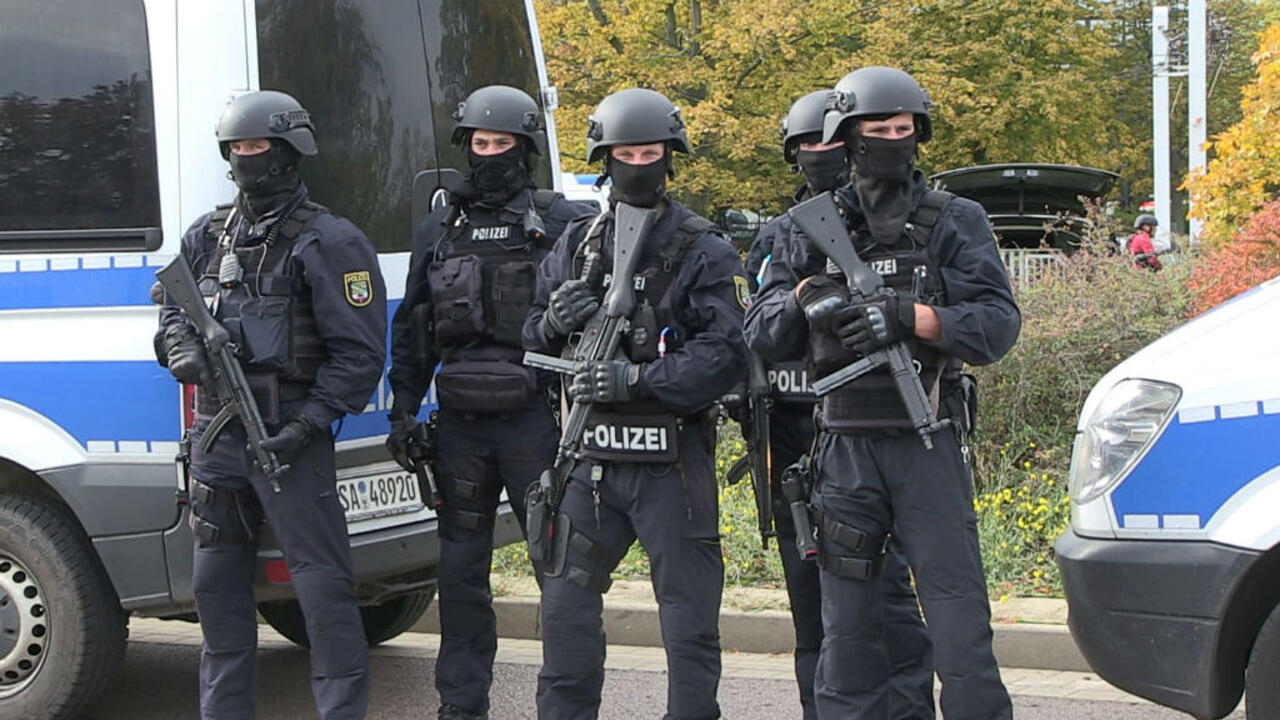
German police arrested four suspected ATM cash machine burglars in the Netherlands after an extensive investigation.
Bavarian Interior Minister Joachim Herrmann announced on Thursday that the men are suspected of having used explosives to blast open ATMs in at least six locations in Germany since April.
Those kinds of brazen ATM burglaries have made major headlines across Germany, but police have struggled to track down the perpetrators.
The crimes are often believed to be carried out by Dutch criminal groups.
The four arrested suspects are between the ages of 25 and 30 and reside in the Netherlands, according to Bavarian state police.
More than 100 police officers, prosecutors and magistrates were involved in the investigation, including authorities in the Netherlands and across southern Germany.
The joint investigation has spent months looking into the rash of explosive cash machine crimes.
According to police, during the arrest and search operation in the Netherlands on Wednesday, nine properties were searched.
Herrmann said authorities “have succeeded in striking another serious blow against an unscrupulous gang of ATM burglars.”
He said evidence seized during the raids would be “meticulously analysed” in hopes of identifying other suspects or accomplices.

Senegal’s parliament has approved a new law doubling to 10 years the maximum prison term for sexual acts by same-sex couples and criminalising the “Promotion” of homosexuality.
A total of 135 MPs voted in favour, zero against and three abstained.
The next step will be for the president to sign it, then it will become law.The legislation, which was a campaign promise of President Bassirou Diomaye Faye and Prime Minister Ousmane Sonko, was sent to parliament after a wave of arrests over alleged same-sex relationships, already banned under Senegalese law.
The government spokesman dismissed international criticism of the bill, arguing that the move reflected the views of Senegalese people.
“The majority of Senegalese do not accept homosexuality. Our culture rejects it and we are firmly opposed to it,” said Amadou Moustapha Ndieck Sarré.
Some conservative activists in Senegal have long demanded harsher penalties.
The movement And Sàmm Jikko Yi, which campaigns to defend what it calls Senegalese moral values, has repeatedly urged authorities to adopt stricter legislation criminalising homosexual acts. Its leaders argue the law is necessary to protect Senegalese cultural and religious norms.
However, rights groups warn the move could worsen discrimination and violence against sexual minorities. Human Rights Watch researcher Larissa Kojoué said the proposed changes were worrying.
“Criminalising same-sex conduct and arresting people for their sexual orientation violates multiple internationally protected rights, including equality and non-discrimination.”
She added that such measures risked exposing people who were already stigmatised to “violence and fear.”
Alioune Tine, founder of the think-tank Afrikajom Center, said that the current climate could worsen social tensions. “If it is true that social concerns must be addressed, [the law] also has to respect human rights and protect public-health policies.”
Others have pointed out that same-sex relationships are a part of life and cannot be abolished by a law.
“Most of the same-sex relationships were hidden anyway. There are even people who are married in the society and who are still entertaining a safe-sex relationship because of the norm and the cultural norm in that society,” Senegal LGBTQ Association head and medical doctor Charles Dotou said.
All that will happen is “people will be hiding more, it will create more fear and people will be scared to live normally in that community. So there will be an exodus of people, particularly people who were already exposed so that that creates a bit of chaos in society,” Dr Dotou added.
The toughening of Senegal’s law follows a wave of arrests last month over alleged same-sex relationships. Police detained 12 men – among them two public figures and a prominent journalist.
Some supporters of the tougher legislation say they have concerns about HIV transmission, although it has long been scientifically established that people of any sexuality can contract and spread the illness.
Experts warn that further criminalising same-sex relations could vilify gay people living with HIV to the point that they shy away from receiving the vital medical care they need.
Senegal has been praised for its efforts to control HIV. Between 42,000 and 44,000 people are living with the virus in the country, with a national prevalence of about 0.3% among adults, one of the lowest rates in West Africa, according to the health ministry.
At the Fann University Hospital in Dakar, the executive secretary of the National Council for the Fight Against Aids (CNLS) – the body that has coordinated the country’s HIV response for decades – is worried about the situation with LGBTQ+ people.
“We have managed to control the HIV epidemic and we are moving towards eliminating Aids as a public health problem in Senegal,” Dr Safiétou Thiam said. “But what is happening now risks undermining the results of 30 to 35 years of efforts in the fight against the disease.”
Ousmane Sonko, the longtime firebrand opposition leader appointed prime minister in 2024, had told lawmakers the bill would punish what it describes as “acts against nature” with fines of up to 10,000,000 CFA francs ($17,600; £13,000) and prison sentences ranging from five to 10 years, compared with the current one- to five-year terms in the Muslim-majority country.
Several other African countries have also introduced tough new laws against the LGBTQ+ community in recent years.
In September last year, Burkina Faso’s transitional parliament approved a bill banning homosexual acts, following its neighbour Mali in 2024.
In 2023, Uganda voted in some of the world’s harshest anti-homosexual legislation meaning that people engaging in same-sex relationships can be sentenced to death in certain circumstances.
Ghana is also planning to re-introduce an anti-homosexual bill that activists say threatens basic human rights, safety and freedom.
Madagascar’s military ruler Col Michael Randrianirina has dissolved the government unexpectedly, dismissing the prime minister and the entire cabinet, according to a statement from his spokesperson.
“The government has ceased its functions” it said, adding that Randrianirina will appoint a new prime minister “in line with the provisions stipulated by the constitution”.
No reason was given for the move.
Randrianirina seized power last October from Andry Rajoelina, following weeks of youth-led protests on the Indian Ocean Island. Rajoelina had been elected president for a third term in a disputed poll in 2023.
The demonstrations were over persistent power and water shortages, culminating in the army siding with the demonstrators.
Randrianirina has pledged to call new elections within two years. Last December, the regional bloc, the Southern African Development Community (Sadc), directed Madagascar’s military authorities to submit a roadmap for restoring democracy including plans for fresh elections by the end of February.
But in a surprise on Monday, Randrianirina sacked his entire government and assigned permanent secretaries to run ministries’ day-to-day operations until a new cabinet is formed.
Randrianirina has not explained the motivation for the mass sackings, but leaders of the Gen Z movement, whose grassroots mobilisation helped bring the military leader to power, have called for more inclusiveness in the transition process and greater representation in decision-making structures.
Activist groups, calling themselves Gen Z and Gen Y movements, had recently issued a 72-hour ultimatum for Randrianirina’s resignation, citing frustration with his performance, local media reported.
Businessman Herintsalama Rajaonarivelo had been appointed prime minister in October in an effort to bridge the divide between military leadership and civilian government.
The the Gen Z movement leaders rejected his appointment at the time, saying it was made in a “non-transparent” manner and “without consultation”.
The group demanded to know how Rajaonarivelo was selected given what it said were his connection to the previous government.
They then said that the decision “runs contrary to the desired structural change” the movement was seeking.
Monday’s dissolution of the government could mark a significant shift in the country’s political landscape with the military leader seeking to establish a new administration.
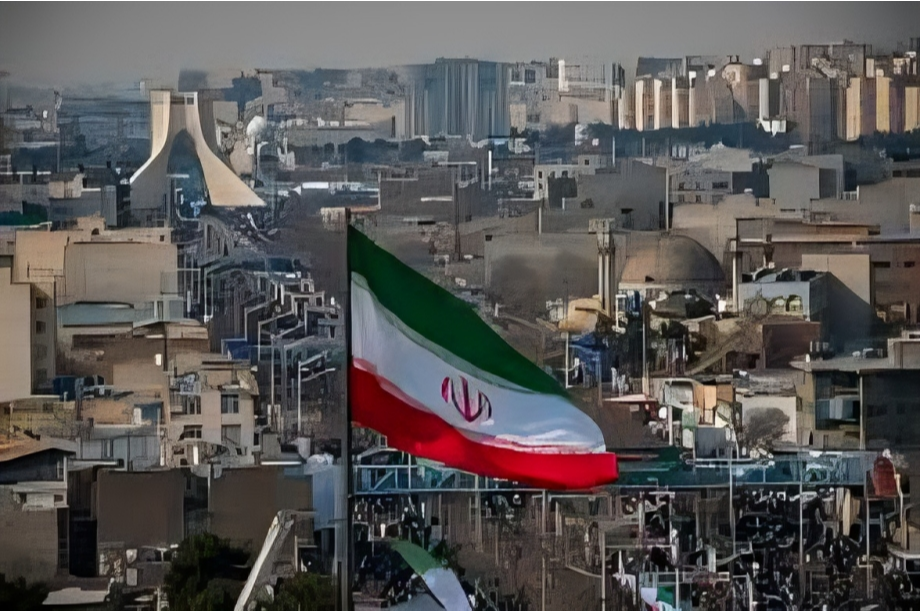
Iran has named Mojtaba Khamenei as the country’s new Supreme Leader following the killing of his father, Ali Khamenei, according to state media reports cited by Al Jazeera.
The decision was announced on Sunday by the Assembly of Experts, the clerical body responsible under Iran’s constitution for selecting the country’s supreme leader.
In a statement circulated by state media, the Assembly said Mojtaba Khamenei was chosen after what it described as a “decisive vote.
” It called on citizens to remain united and support the new leader.The statement urged Iranians, “especially the elites and intellectuals of the seminaries and universities,” to pledge allegiance to the leadership and help preserve national unity.
The appointment comes days after the death of Ali Khamenei, who had served as Iran’s Supreme Leader since 1989.
He was reportedly killed on February 28 during a joint military operation by the United States and Israel targeting leadership sites in Tehran amid escalating regional tensions.
His death sparked intense speculation over who would succeed him, with Mojtaba widely seen as one of the leading contenders despite concerns within parts of Iran’s political and religious establishment about the possibility of a hereditary succession.
A mid-ranking cleric, Mojtaba Khamenei is believed to maintain strong ties with the Islamic Revolutionary Guard Corps and has long been regarded as an influential figure behind the scenes in the Islamic Republic’s political structure.
Before the announcement, Donald Trump publicly opposed the prospect of Mojtaba becoming Iran’s leader, reportedly describing him as a “lightweight” and suggesting he should not play a role in determining the country’s leadership.
Under Iran’s constitution, the Assembly of Experts holds the authority to appoint the Supreme Leader, the highest political and religious authority in the country, with ultimate control over state policy, the military and the judiciary.
Mojtaba Khamenei’s appointment marks one of the most significant political transitions in Iran in decades and comes at a time of heightened tensions in the Middle East following the killing of his father.



Military Repels Attacks, Neutralizes Terrorists, Rescues Kidnap Victims in Nationwide Operations
ShareBy David Torough, Abuja The Armed Forces of Nigeria have recorded multiple operational successes across the country between March 7...
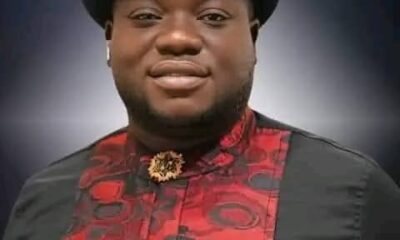

PDP Commissions New Secretariat in Bayelsa, Holds State Elective Congress
ShareFrom Mike Tayese, Yenagoa All is set for the leadership of the People’s Democratic Party (PDP) in Bayelsa State to...
Benue Security Trust Fund Bill Passes Second Reading
ShareThe Benue State Security Trust Fund Bill, 2026, passes second reading on Thursday at the Benue State House of Assembly. Leading the debate, Thomas Dugeri, the Majority Leader, emphasised that the bill sought...
Over 20 Schools Set for Third Athletics School Games in Lagos
ShareNo fewer than 20 schools are set to participate in the third edition of the Athletics School Games (TASG), a grassroots athletics competition for school children scheduled to be held in Lagos. The...

Senegal Approves Tougher Anti-gay Law as Rights Groups Raise Concerns
ShareSenegal’s parliament has approved a new law doubling to 10 years the maximum prison term for sexual acts by same-sex couples and criminalising the...
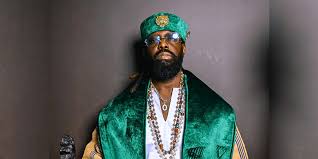

Have Children Out of Wedlock, Marriage Doesn’t Work – Timaya
ShareNigerian singer, Timaya has shared his opinion on having children out of wedlock and marriage. The Dem Mama crooner sparked...
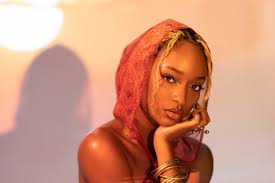

Ayra Starr Picks Wizkid, Tiwa Savage, Rema as Goats of Afrobeats
ShareNigerian singer, Ayra Starr has named her greatest Afrobeats artistes of all time, otherwise called “Afrobeats Big 3.” In a...

Leprosy Mission Boosts Patient Care in Niger with 25 Electronic Beds
ShareFrom Daniel Amasingha, Minna. As part of efforts to improve the treatment and welfare of leprosy patients, the Leprosy Mission Nigeria (TLMN) has...


NNPCL Cuts Petrol Pump Price by N100 in Lagos, N95 in Abuja
ShareThe Nigerian National Petroleum Company Limited has reduced the pump price of petrol at its retail outlets to N1,130 per...
Abaribe, Umeh, Kingibe, Six Others Dump Parties, Boost ADC Rank in Senate
ShareBy Eze Okechukwu, Abuja Amid Opposition turmoil, no fewer than nine senators from different political parties formally announced their defection...