
NEWS
Israel to Support Benue Schools with Innovative Technology

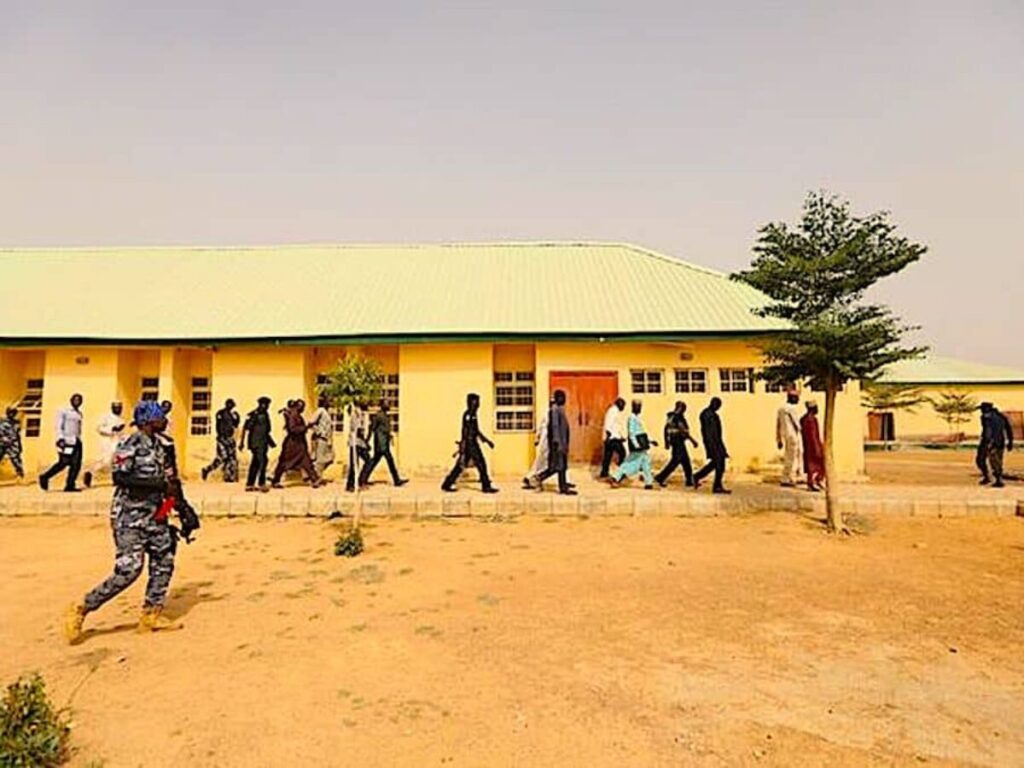
The Israeli Ambassador to Nigeria, Michael Freeman, says Israel will support the Benue Government to provide innovative technology in its schools.
Freeman made the promise on Friday when he and Gov. Hyacinth Alia visited the Bureau for Education and Quality Assurance (BEQA) headquarters in Makurdi.
The envoy promised his country’s support for the education of Benue children.
He commended the bureau for its efforts towards improving the quality of education in the state.
Alia, in his remarks, said that the bureau was established in line with his administration’s vision for the education sector.
The governor commended BEQA Director-General (D-G) Dr Terna Francis and his team for their hard work and all that the bureau achieved in a short time.
Francis said that the visit was a follow-up on the ongoing discussion with the ambassador on Israeli’s support in the area of neurtechnology for enhanced monitoring and evaluation.
The D-G who identified poor learning outcomes among learners said it was partly attributed to truancy on the part of teachers as a result of poor monitoring.
“The technology, when deployed, will help in enhancing monitoring without necessarily having to be physically present in the field as well as improve teaching and learning outcomes.
“The visit underscores the governor’s commitment to enhancing quality education at the basic and post-basic levels in the state.
“The development is expected to further boost the quality of education in the state,” he said.
Francis took the team round the offices on inspection and explained the role of BEQA in boosting the quality of education in the state.
Daily Asset reports that BEQA is saddled with the responsibility of monitoring, evaluation and standardization of basic and post-basic schools in Benue.
Reports further says that the D-G has so far visited about 1,680 schools in the last 15 months of his stewardship. (NAN)

Researchers with the Pan American Health Organisation (PAHO), a sub-agency of the World Health Organisation (WHO) said nearly 470 million people across North and South America have at least one neurological disorder,
According to a new study published in The Lancet Regional Health Americas, the figure represents two in five people living in the Americas and includes conditions such as migraine, stroke, epilepsy and Alzheimer’s disease
PAHO, in a statement on Wednesday stated that neurological disorders affect the brain, spinal cord and peripheral nerves and can impair movement, memory, learning, communication and behaviour,
The study also found that age-adjusted death rates have declined since 1990, meaning more people now survive these conditions and require access to long-term care and support services.
However, not all people living in the Americas can access this care.
They found nearly a fourfold difference between countries with the highest and lowest burden – based on a measure of years of life lost to disease.
Countries with the highest burden included Haiti, Guyana and Suriname, while countries with the lowest burden included Colombia, Peru and Argentina.
The disparities in care access reflect differences in exposure to risk factors as well as persistent gaps in access to prevention, diagnosis, treatment, rehabilitation and long-term care.
In terms of risk factors, PAHO said a significant share of neurological health loss can be prevented by controlling or avoiding high blood pressure, diabetes, obesity, tobacco use and harmful environmental exposures.
In 2023, these conditions were responsible for an estimated 1.1 million deaths and 37.5 million disability-adjusted life years (DALYs), a measure that combines years of life lost due to premature death and years lived with illness or disability.
Together, they accounted for about 12 per cent of the total burden from no communicable diseases and injuries in the Americas.
The study found that a substantial share of neurological health loss in the Americas could be prevented by reducing exposure to modifiable risk factors.
High blood pressure was the leading risk factor for stroke, while elevated blood glucose levels contributed significantly to the burden of Alzheimer’s disease and other dementias.
Researchers also identified environmental exposures, particularly lead and air pollution, as important contributors to several neurological conditions.
“Many neurological disorders share risk factors with other noncommunicable diseases,” Dr. Anselm Hennis, Director of PAHO’s Department of Noncommunicable Diseases and Mental Health and co-author of the study, said.
“Improving prevention and control of high blood pressure, diabetes, obesity, tobacco use, and harmful environmental exposures could deliver major benefits for brain health across the region.”
“Protecting brain health starts long before the first symptoms appear,” Renato Oliveira, Chief of PAHO’s Mental Health Unit and co-author of the study, added.
“Investing in prevention and risk-factor control can help reduce the burden of neurological disorders while also lowering the risk of other non-communicable diseases that share the same determinants.”
The authors conclude that addressing the growing burden of neurological disorders will require stronger prevention efforts, integrating neurological care into primary health care, and expanding access to rehabilitation, long-term care, and disability support services.
With populations across the Americas aging rapidly, these investments will be critical to reducing disability and improving quality of life in the decades ahead.
By David Torough, Abuja
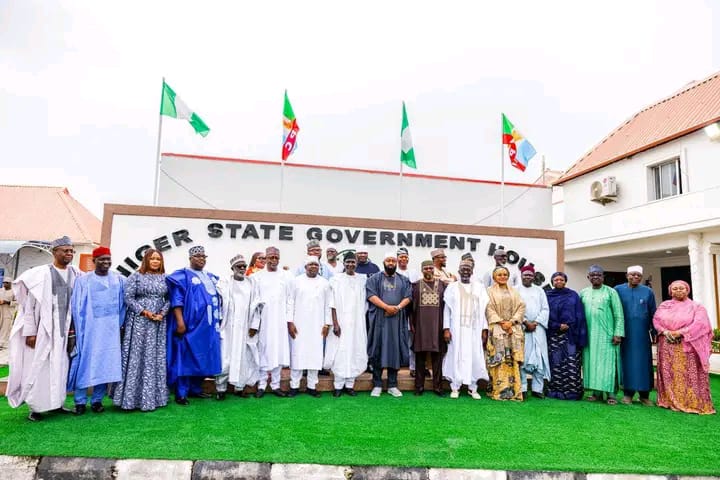
Governor of Niger State, Mohammed Umaru Bago, has expressed the readiness of his administration to partner with the North Central Development Commission (NCDC) in addressing the developmental challenges confronting the North Central region.
Governor Bago gave the assurance Tuesday when he received the Governing Board and Management of the NCDC on an advocacy visit at the Government House, Minna.
He described the establishment of the Commission by President Bola Ahmed Tinubu as a visionary intervention aimed at ensuring balanced and inclusive development across the country in line with the Renewed Hope Agenda.
The Governor congratulated the Governing Board and Management on their appointments and assured them of the full support and cooperation of the Niger State Government in delivering the Commission’s mandate.
As part of the State’s commitment, Governor Bago announced that his administration would provide a liaison office for the Commission in Niger State and offer other necessary logistical support to facilitate its operations.
He further stressed the need for Governors of the North Central region to work closely with the Commission in developing coordinated strategies to tackle insecurity, rehabilitate communities affected by violence, address flooding, bridge infrastructure deficits, reduce unemployment and promote sustainable economic growth.
Earlier, Chairman of the North Central Development Commission, Barr. Cosmas Akighir, commended Governor Bago for his transformative leadership and commitment to the development of Niger State through investments in infrastructure, agricultural mechanisation, security and economic development.
He explained that the Commission was embarking on advocacy visits across the region to strengthen collaboration with state governments and other critical stakeholders in order to effectively implement its mandate.
According to him, Niger State occupies a strategic position within the North Central region owing to its vast landmass, enormous agricultural potential, abundant water resources and hydropower assets, all of which present significant opportunities for regional transformation.
Akighir emphasised that security remains a major priority for the Commission, noting that lasting agricultural development and effective utilisation of the region’s abundant water resources for irrigation and food production can only be achieved in a peaceful environment. He added that unlocking these opportunities would generate employment for thousands of young people across the region.
In his remarks, the Managing Director and Chief Executive Officer of the Commission, Dr. Cyril Yiltsen Tsenyil, said the pioneer Board and Management fully appreciate the enormous responsibility entrusted to them and have deliberately focused on establishing sound governance structures, developing a comprehensive regional development framework and engaging stakeholders across the North Central zone.
He stated that while government funding remains important, the Commission is equally committed to creating frameworks that will attract private sector investment into critical sectors such as infrastructure, agriculture, energy, transportation, healthcare, education, mining and regional connectivity.
Dr. Tsenyil described Niger State as occupying a unique and strategic position in Nigeria’s development landscape, with immense potential for agro-processing, value chain development, food security and employment generation.
He disclosed that the Commission is interested in partnering with the Niger State Government to harness these comparative advantages by supporting initiatives in agriculture, irrigation, rural access roads, agro-processing zones, energy development and industrialisation.
The Managing Director also expressed the Commission’s heartfelt condolences to the Government and people of Niger State over the recent banditry and criminal attacks that claimed lives, displaced communities and destroyed property.
He assured Governor Bago that the Commission stands ready to collaborate with the State Government and other relevant stakeholders in supporting efforts aimed at restoring peace, rebuilding affected communities and promoting social and economic rehabilitation.
Dr. Tsenyil further emphasised that the Commission was established not to replace or compete with state governments, but to complement their efforts, bridge critical development gaps and add value to ongoing development initiatives.
He also informed the Governor that the Commission is finalising plans for a North Central Stakeholders’ Summit, which will bring together governments, development partners, the private sector, traditional institutions, civil society organisations and other stakeholders to collectively shape the region’s development agenda. He invited Niger State to actively participate in the summit.
The visit culminated in the presentation of a copy of the North Central Development Commission (Establishment) Act and the maiden edition of the NCDC News Gazette to Governor Bago by the Chairman of the Commission, Barr. Cosmas Akighir.

From Rabiu Sanusi Kano
The Minister of Education, Dr. Ma’aruf Tunji Alausa, has commended Kano State Governor, Alhaji Abba Kabir Yusuf, for his administration’s bold reforms in the education sector, particularly the recruitment of 8,588 teachers to improve the quality of teaching and learning across the state.
This was contained in a statement issued by the Governor’s Spokesman, Sunusi Bature Dawakin Tofa, on Tuesday.
Speaking during the presentation of appointment letters to the newly recruited teachers at the Sani Abacha Indoor Stadium, Kano, the Minister described the exercise as a significant milestone in the state’s drive to reposition education and address the shortage of qualified teachers in public schools.
Dr. Alausa said the recruitment of 4,900 newly employed teachers alongside the absorption of 3,688 Better Education Service Delivery for All (BESDA) teachers under the ABBA Gida-Gida programme demonstrates the Kano State Government’s strong commitment to expanding access to quality education and improving learning outcomes.
He noted that sustained investment in education remains critical to national development and commended the Kano State Government for prioritising the sector through strategic interventions that will have lasting impact on future generations.
In his remarks, Governor Abba Kabir Yusuf described the distribution of appointment letters as another major milestone in his administration’s declaration of a state of emergency in the education sector.
The Governor said the recruitment would help bridge the shortage of qualified teachers in public schools and further improve the standard of education across the state.
Governor Yusuf recalled that his administration allocated 31 percent of the 2026 budget to the education sector, noting that the investment has continued to yield positive results, with Kano emerging as the best-performing state in this year’s NECO examination.
He also expressed appreciation to President Bola Ahmed Tinubu for suspending the proposed increase in NECO examination fees, describing the decision as a welcome relief that will make education more affordable and accessible to Nigerian students.
Governor Yusuf urged the newly employed teachers to uphold the ethics of the teaching profession by demonstrating dedication, discipline and professionalism in the discharge of their responsibilities.
Earlier, the Commissioner for Education, Gwani Ali Haruna Makoda, said the recruitment forms part of the government’s comprehensive reforms aimed at revitalising education in Kano State and ensuring that every child has access to qualified teachers.
Also speaking, the Executive Chairman of the Kano State Universal Basic Education Board (SUBEB), Malam Kabir Yusuf Kabir, reaffirmed the Board’s commitment to supporting the government’s policies and programmes designed to improve the quality of basic education across the state.




Over 450m People in Americas Living with Neurological Disorders – WHO
ShareResearchers with the Pan American Health Organisation (PAHO), a sub-agency of the World Health Organisation (WHO) said nearly 470 million...


Veekee James Opens up on Childhood Financial Survival, Family Loss
ShareNigerian fashion designer Veekee James, has spoken up on some of the experiences that shaped her childhood, revealing that she...

Niger Gov Welcomes Partnership with NCDC Regional Devt
ShareBy David Torough, Abuja Governor of Niger State, Mohammed Umaru Bago, has expressed the readiness of his administration to partner...


Women Have No Business Getting Married in Their 20s – Toke Makinwa
ShareMedia personality and actress, Toke Makinwa, has claimed that it is not ideal for women to get married in their...


Cardi B Breaks Silence on Rumours Linking Her with Okoye
ShareAmerican rapper Cardi B has reacted to growing speculation surrounding her friendship with Super Eagles goalkeeper Maduka Okoye, following recent...
Ghost Workers, IPPIS Fraud, and Lessons from the N941m Forfeiture
Share By Nafisat Bello “Ghosts are supposed to haunt abandoned buildings, not government payrolls. They do not possess bank accounts, collect...

Minister Commends Yusuf on Education Transformation, Others
ShareFrom Rabiu Sanusi Kano The Minister of Education, Dr. Ma’aruf Tunji Alausa, has commended Kano State Governor, Alhaji Abba Kabir...


NDIC Begins Payment to Depositors of 46 Failed MfBs
ShareThe Nigeria Deposit Insurance Corporation (NDIC) has begun paying insured deposits to customers of the 46 recently failed microfinance banks....

Troops Rescue 16 Kidnap Victims, Nab Terrorist Logistics Suppliers
ShareThe Nigerian Army says its troops have rescued 16 kidnapped victims, apprehended suspected terrorist logistics suppliers and informants, and recovered...
Army Commissions Ten Unit SNCOs Quarters in Gusau
ShareFrom Ifeanyichukwu Nwannah, Gusau. In a continuous effort to improve the welfare and living conditions of Nigerian Army personnel, the...