
BUSINESS
Moniepoint Makes CB Insights’ Fintech 100 List


Moniepoint Inc, a leading digital financial service provider, has been listed among the top 100 Financial Technology (Fintech) companies in the sixth annual CB Insights’ Fintech 100 ranking.
Mr Tosin Eniolorunda, the Group Chief Executive Officer, Moniepoint Inc, via a statement on Monday in Lagos, said the company’s listing was for the second year in a row.
The News Agency of Nigeria (NAN) reports that CB Insights is regarded by top industry analysts as one of the most trusted source for technology market insights.
According to Eniolorunda, the Fintech 100 includes a mix of companies at different stages of maturity, product development, and funding.
He noted that the CB Insights’ research team selected these Fintech 100 winners from a pool of over 19,000 private companies, including applicants and nominees.
Eniolorunda said these companies were chosen based on factors including equity funding, investor profiles, business relationships, research and development activity.
Others, he stated, were news sentiment analysis, competitive landscape, proprietary Mosaic scores, as well as tech novelty and market potential.
Eniolorunda described the recognition as a testament to the company’s efforts in enhancing financial inclusion and transforming the lives of millions across the continent.
“We are honoured to be recognised by CB Insights as one of the top 100 fintech companies of 2023.
“Our team has worked tirelessly to deliver innovative solutions that empower individuals and businesses across Africa with accessible, efficient, and secure digital financial services.
“This listing validates our unwavering commitment towards powering dreams and driving financial happiness for everyone.
“It is also a strong reflection on our momentum in terms of growth, innovation and making a real difference in the marketplace,” he said.
Mr Chris Bendtsen, Lead Fintech Analyst, CB Insights, said this year’s Fintech 100 was shaping the future of real-time payments, spend management automation, embedded finance, and more.
“Together, they are not only increasing the pace of innovation, but launching new products and features to revolutionise the industry as a whole.
“I cannot wait to see what this cohort accomplishes next,” he said. (NAN)
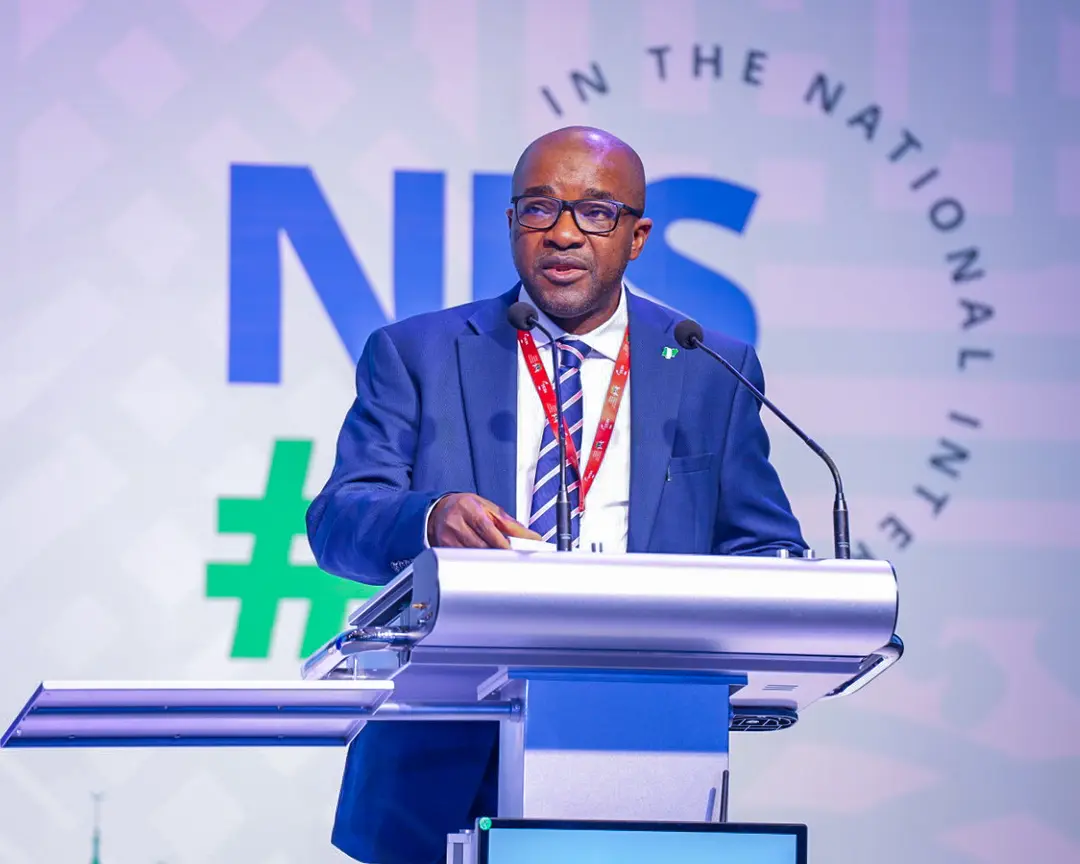
Chairman, Nigerian Economic Summit Group (NESG), Olaniyi Yusuf has urged the Federal Government to translate economic reforms into tangible results, including job creation, increased productivity and improved living standards.
Yusuf made the call on Monday in Abuja at the 32nd Nigerian Economic Summit (NES32), themed “Growth That Works: Delivering Jobs, Productivity and Shared Prosperity”.
He said Nigeria’s economic reforms had created an opportunity to strengthen the foundations for socio-economic development, in spite of the pressures on households and businesses.
“Our responsibility now is to ensure that reforms translate into stronger enterprises, better jobs, more productive workers, rising incomes, improved living standards and shared prosperity,” Yusuf said.
He said recent measures, including petroleum subsidy removal, foreign exchange reforms, fiscal restructuring and banking sector reforms, were necessary to address economic distortions.
However, he said macroeconomic stabilisation alone would not automatically translate into broad-based economic growth or improved citizens’ welfare.
Yusuf said households needed decent jobs, stronger purchasing power, and improved security and reduced poverty, while businesses required lower production costs, reliable electricity and affordable financing.
According to him, Nigeria must sustain economic stabilisation while prioritising practical measures to improve productivity and expand economic opportunities.
He said the summit’s theme reflected the need to measure economic success by the quality of jobs created, business competitiveness and the extent to which prosperity reached Nigerians.
Yusuf identified productivity, human capital development and resilience as key priorities for achieving sustainable and inclusive economic growth.
He said investments in education, healthcare, nutrition and relevant skills would improve workers’ productivity and prepare young Nigerians for employment.
The NESG chairman also called for improved infrastructure, predictable regulations, fair competition and an efficient legal system to encourage private investment and business expansion.
Yusuf said Nigeria’s economic performance presented a mixed picture, with improvements in some macroeconomic indicators alongside persistent challenges affecting businesses and households.
He noted that real Gross Domestic Product (GDP) grew by 4.43 per cent year-on-year in the second quarter of 2026, compared with 3.89 per cent in the first quarter.
Yusuf, however, expressed concern over persistent food inflation, high production costs, unreliable electricity, expensive financing and inadequate infrastructure.
According to him, a slowdown in inflation does not necessarily mean that goods have become affordable, as households continue to grapple with elevated prices.
Yusuf urged policymakers to prioritise productive investments, effective public expenditure and measures to address poverty, food insecurity and gaps in access to essential services.
He also called for stronger links between education and employment through technical and vocational training, digital skills and industry relevant learning.
The NESG chairman identified agriculture, agro-processing, manufacturing, construction, tourism and digital services as sectors with opportunities to expand productive employment.
He said the private sector remained central to Nigeria’s economic transformation but required an enabling environment to invest, produce and create jobs.
Yusuf urged businesses to invest in technology, workforce skills, local supply chains and export competitiveness, while calling on the government to improve infrastructure and ensure regulatory predictability.
He emphasised the need to assess the actual impact of reforms rather than merely documenting policies introduced or activities undertaken.
Yusuf said commitments arising from the summit should include clear institutional responsibilities, realistic timelines, measurable indicators and periodic reviews to ensure accountability.
He called on the government, businesses, development partners and other stakeholders to work together to translate economic stability into investment, productivity, employment and shared prosperity.
Yusuf said the ultimate test of the summit would be whether its deliberations produced tangible improvements in the lives of farmers, manufacturers, entrepreneurs and young people seeking decent jobs.
He urged participants to develop practical solutions and measurable commitments that would continue to deliver results beyond the summit.

From Dan Amasingha, Minna.
Angry vehicle owners on Sunday staged a peaceful protest at the NNPC Mega Station along the Western Bypass in Minna, Niger State, over the alleged three-month shutdown of the facility’s Compressed Natural Gas (CNG) dispensing service.
The protesters, who accused the station’s management of failing to address the persistent shortage, said the development had frustrated the Federal Government’s initiative to promote CNG as a cheaper alternative to Premium Motor Spirit (PMS), popularly known as petrol.
They lamented that despite investing hundreds of thousands of naira and, in some cases, over ₦1 million to convert their vehicles to run on CNG, they had been unable to access the product in the state capital for months.
Findings indicated that a component of the station’s CNG dispensing equipment had reportedly developed a fault but had allegedly remained unrepaired, leaving motorists who rely on the alternative fuel with little choice but to return to the more expensive petrol.
The persistent outage, the protesters said, had not only undermined the economic benefits of converting their vehicles but had also imposed additional financial burdens on vehicle owners already grappling with rising transportation and fuel costs.
Speaking during the protest, one of the motorists, Engr. Israel Ogbonnaya, described the situation as discouraging, alleging that repeated visits to the station to obtain explanations from the management had yielded no meaningful response.
“It is so discouraging that for three months now, the CNG station at NNPC Minna has not functioned. Imagine that since January, some people did conversion and have not recovered their money,” he said.
Ogbonnaya expressed disappointment that motorists had allegedly received no satisfactory explanation regarding the prolonged breakdown.
“The CNG broke down, nobody has spoken to us. We have come here several times demanding answers from the management, and nobody is talking.
“So, for now, we want to bring the attention of Nigerians and those in authority to the situation in Minna.
CNG is the heartbeat of the President. He commissioned a committee to look into this scheme, and these people are taking us for granted,” he added.
Another protester, Mohammed Doko Saidu, questioned the rationale behind encouraging motorists to convert their vehicles to CNG without ensuring the availability of adequate dispensing facilities to meet demand.
Saidu disclosed that he had spent more than ₦1 million converting his vehicle, only to discover that the product was unavailable in Minna.
“The frustrating aspect of all is that I just installed CNG, spending over a million naira, without a single gas in Minna; hoping that it is going to be fixed today, it is going to be fixed tomorrow, and up till this moment, there is nothing.
“Nobody is saying anything. The station is just lying fallow. In short, I had to disconnect some of the cylinders installed in my car because there is no gas.
What kind of government are we in? It is frustrating,” he said.
The protesters called on the NNPC Mega Station’s management and other relevant stakeholders to urgently repair the faulty equipment and restore CNG supply to Minna.
They warned that failure to resolve the problem could trigger another protest involving a larger number of aggrieved motorists, including commercial tricycle operators who also depend on CNG to reduce their operating costs.
The motorists maintained that the prolonged unavailability of the product had defeated the purpose of the conversion programme, forcing them to bear the cost of installing CNG systems while continuing to spend more on petrol.
The development raises concerns among affected motorists over the reliability of CNG supply infrastructure and the need for prompt maintenance of facilities established to support the Federal Government’s alternative-fuel initiative.
Efforts to obtain comments from the manager of the NNPC Mega Station were unsuccessful as of press time, while attendants on duty declined to speak on behalf of the management.
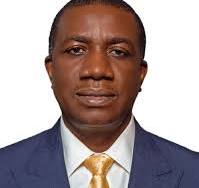
By Tony Obiechina, Abuja
The Development Bank of Nigeria Plc (DBN) has launched DAWN: DBN Action for Women in Nigeria, unveiled its Impact Report and presented MSME Data Assets at the seventh edition of Annual Lecture held in Abuja.
DBN, in a statement on Thursday, said while delivering a welcome address, its Managing Director and Chief Executive Officer, Dr Tony Okpanachi, said the central challenge was no longer reforms themselves but ensuring benefits reach businesses at end of the chain.
He asked how to make sure benefits reach traders in Onitsha, fabricator in Aba, farmer in Kebbi and young founder in Yaba, noting that MSMEs accounted for about half of Nigeria’s GDP and more than eight in every ten jobs, adding that when reform works for MSMEs it works for most Nigerians.
He explained that reform becomes prosperity only when entrepreneurs can act on it whether through long tenor loans to buy equipment, banks willing to take risk or skills and records needed to grow.
He said working through Participating Financial Institutions DBN provides longer term funding, partial credit guarantees through subsidiary Impact Credit Guarantee Limited and capacity building including Entrepreneurship Training Programme.
He disclosed that as at December 2025 DBN had disbursed a cumulative N1.4 trillion to MSMEs through 84 Participating Financial Institutions creating about 1.6 million jobs nationwide.
Under the new five year strategy, the Bank aims to reach more than two million MSMEs with deliberate targets for women led businesses, youth led businesses and underserved states.
On DAWN, Okpanachi said finance alone had not enabled enough women-led businesses to scale.
He said initiative brings together financing, guarantees and credit support, technical assistance, outcome linked grants and market linkages delivered through banks, microfinance institutions, fintechs, aggregators, cooperatives and direct channels.
Its priority sectors are agriculture and exports, healthcare, arts and creatives, technology and green business.
He said DAWN is about moving gender focused lending beyond intention and turning access into opportunity.
On the sidelines of the lecture DBN and African Development Bank held a signing ceremony of AfDB DBN 61 million United States dollars Gender Line of Credit development that reinforces Bank commitment to women led enterprises.
Okpanachi urged Participating Financial Institutions to extend lending into sectors and states where access to finance has been limited, policymakers and regulators to measure reform by what changes for business at end of chain and MSMEs to formalise, keep good records and use support now available.
The Vice President as Special Guest of Honour was represented by Dr Fred Iklaga Senior Technical Adviser in the Office of Special Adviser to the President on Economy.
Keynote speakers were Chief Executive Officer of MTN Nigeria, Dr Karl Toriola, and Chairman of Nigeria Sovereign Investment Authority, Dr Segun Ogunsanya.
Fireside chat featured Chief Executive Officer of Sterling Bank Abubakar Suleiman, manufacturing and trade entrepreneur Mrs Omoyemi Chukwurah and by video Kola Masha of Babban Gona.
The Secretary to the Government of Federation, represented by Augusta Warren Bekaredebo, said 2026 tax reforms would bring relief to many small businesses expressing optimism that a lot of businesses will be smiling by next year because they will be exempted from tax.




2027: FOOG Women Coordinator Urges Nigerians to Support Tinubu’s Re-election Bid
ShareBy Francis Sadhere, Warri Chief (Mrs) Esther Orighomisan Okotie-Eboh, Coordinator of Felix Omagbemi Ogbe Group (FOOG) Women Support Group for...

UN, EU Seek Trust, Technology to Strengthen Africa’s Counter-Terrorism Fight
ShareUN Deputy Secretary-General Amina Mohammed, has called for stronger intelligence sharing, public trust and responsible use of emerging technologies to...


University of Agriculture, Orerokpe Bill, Passes Third Reading in Senate
ShareThe University of Agriculture, Orerokpe Bill, sponsored by Senator Ede Dafinone, representing Delta Central Senatorial District, has passed through its...


Ishowo Urges Kwara to Convert KWASUED to Medical Varsity
ShareA Kwara based Public Affairs Analyst, Comrade Ishowo Olanrewaju, weekend called on the Kwara State government to urgently convert the...

NESG Chairman Urges Shift from Economic Reforms
ShareChairman, Nigerian Economic Summit Group (NESG), Olaniyi Yusuf has urged the Federal Government to translate economic reforms into tangible results,...


Yakubu Receives Fellowship Of Nigerian Institute Of Town Planners
ShareBy Raphael Atuu, Abuja TPL Chief Amb Hon. Stephen Shekwonce Yakubu, the District Head (Hakimi of Garki Shekwope), had his...


Much Ado About the PBAT Door-to-Door Movement
ShareBy Catherine Agbo In the unfolding drama of Nigerian political discourse, few things excite the commentary circuit quite like a...


WAHO, ECOWAS Countries Move to Tackle Health Worker Shortages, Brain Drain
ShareBy David Torough, Abuja The West African Health Organization (WAHO) has called for stronger regional collaboration and practical policy interventions...

Afreximbank’s Net Income Rises 24 Per Cent to $813.5 Million in Nine Months
ShareThe African Export-Import Bank (Afreximbank) and its subsidiaries have reported a 24 per cent increase in net income for the...

Wike-Led FCTA Committed to Quality Healthcare, Stronger Medical Institutions – Mahmoud
ShareBy Laide Akinboade, Abuja The Minister of State, Federal Capital Territory (FCT), Dr. Mariya Mahmoud, has reaffirmed the commitment of...