
NEWS
NCC Disowns Website that Offers to Unblock SIMs


By Joseph Amah, Abuja
The Nigerian Communications Commission (NCC) has warned Nigerians whose Subscriber Identity Module (SIM) cards were barred from making calls to beware of a viral website offering to unblock their lines.
The agency issued the disclaimer in a statement signed by Ikechukwu Adindu, its public affairs director.
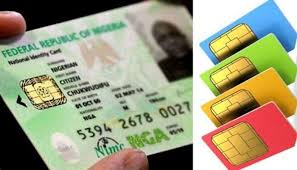
Last week, the federal government directed telecommunication companies to bar outgoing calls on all unlinked lines.Unlinked lines are SIM cards not yet linked with NIN. So far, around 72 million unlinked SIM cards have been affected by the NIN-SIM linkage policy.
According to the statement, the commission said that affected SIMs will not be unbarred by the service providers until they are linked with the national identification numbers (NINs) of the SIM holders.The NCC said the warning became necessary in view of the viral weblink (https://bit.ly/NCC-Sim-Unbar-Gov-Ng) being circulated on social media and some websites. It added that the link and accompanying narrative represent patent misinformation and disinformation designed to mislead the general public about the SIM cards that are barred from making calls, due to non-linkage with NIN at the set deadline.
The “misleading, viral” website also displays the NCC logo and promises members of the public that by clicking the web link and following further instructions in that regard, subscribers with barred SIM cards can unbar such SIMs across mobile networks without a valid NIN. The commission urged members of the public to disregard the website.
“For the avoidance of doubt, the NCC wishes to state categorically that it never issued such statement, directing subscribers or indicating that subscribers can unbar their SIM without a NIN,” the NCC said.
“As such, the originators and peddlers of the spurious message were out to mischievously mislead unsuspecting members of the public and should, therefore, be disregarded in its entirety. “The NCC is the national regulatory authority for telecommunications in Nigeria, and it is co-driving the process of the NIN-SIM linkage with the National Identity Management Commission (NIMC) as directed by the Federal Government. “The Commission will not, under any circumstance, act contrary to Federal Government’s directive to MNOs to bar SIMs cards not linked to NINs at the expiration of the last deadline given for the NIN-SIM linkage exercise.”
Having disclaimed the false viral message, the NCC informed affected telecom subscribers on how they can get their SIMs actively connected to make calls. First, for subscribers that have not registered for their NIN, what to do is to get their SIM registered at accredited centres across the country and then link the NIN with their SIM cards through channels provided by their service providers.
Secondly, for subscribers with registered NINs, what to do is simply to go and link the NIN with their SIMs through channels provided by their service providers. The NCC also said that it is not recruiting at the moment. According to the agency, the advertisement indicating there is ongoing recruitment at NCC, which is circulating on Twitter, and through polymediation, may have been diffused to other social media networks, is a “scam” and should be disregarded.





By Cleopas Agada
For seven years in the National Assembly, what has Benue South actually felt? For a man who rose to national prominence on the back of a national tragedy, Senator Abba Moro’s continued stay in the Senate has become a symbol of recycling, stagnation and non-performance.
Benue South, the Idoma nation, deserves more than a senator whose name is more associated with press statements than with projects, more associated with Abuja politics than with home development.
The Immigration Saga That Nigeria Cannot Forget
We cannot write the story of Abba Moro without writing the darkest chapter.
On March 15, 2014, as Minister of Interior under President Goodluck Jonathan, Abba Moro presided over the infamous Nigeria Immigration Service recruitment exercise.Young Nigerians, tens of thousands of unemployed graduates desperate for a job, were gathered in stadiums across the country. In their desperation, they paid N1,000 each for application. The organization was chaotic, inhumane and deadly. At the end of that day, over 20 innocent Nigerian youths died in stampedes in Abuja, Port Harcourt, Minna and other centres. Scores were injured.
It was a national scandal that drew international condemnation. Families are yet to recover. Till today, that tragedy remains a permanent stain on his public service record.
Seven Years of What Exactly?
Since 2019 when he went to the Senate, and now serving his second term (2019-2027), the question on the streets of Otukpo, Oju, Obi, Ado, Okpokwu, Apa, Agatu, Ohimini and Ogbadja is simple: Where are the dividends?
DAVID MARK vs ABBA MORO: THE REAL SCORECARD
To understand Abba Moro’s failure, look at what he inherited and what he did with it:
- The Otobi-Akpa Dam Legacy vs Failure:
Senator David Mark initiated the Dam at Otobi-Akpa as one of his greatest legacy projects. The purpose was clear: It was to stop the sufferings of the people from hardship faced from lack of water in Otukpo and its environs. It is even big enough to generate power for the area if it is completed and commissioned.
Today, the Federal Government is really not making further payments on that contract. The project is abandoned, contractor has left site. Otukpo people are back to buying water from tankers.
What has Abba Moro, as Senate Minority Leader who sits on budget committees, done to push for its completion? No motion. No lobbying. No budget insertion. He allowed a multi-billion naira legacy that would have solved water and power for Otukpo to die.
- The Oweto/Loko Bridge Legacy vs Failure:
David Mark lobbied for the Oweto/Loko Bridge which today serves as a gateway between the North and the South and opened up Agatu to the rest of Nigeria. Before this bridge, Agatu was hitherto a closed enclave. Today, economic activities flourish in Oweto market and other markets in Agatu.
What did Abba Moro do to consolidate? Nothing. No link roads from Oweto to interior Agatu. No federal market infrastructure. No strong voice to attract security intervention despite herdsmen killings in Agatu, Apa and Oju. The bridge is there, but the dividends that should follow are missing.
- Federal University of Health Sciences, Otukpo (FUHSO) vs No New Institution:
David Mark attracted FUHSO, bringing development, jobs and students to Otukpo. In seven years, Abba Moro cannot point to one new federal institution, cannot even secure a Teaching Hospital for FUHSO, and cannot attract one transformative signature project that has changed the economic fortune of Zone C. - Federal Jobs vs Handouts:
Mark used his position as Senate President to give Idoma sons and daughters federal appointments and national visibility.
Abba Moro’s model is handouts: motorcycles, grinding machines and N20,000. Our youths need jobs, functional skills acquisition centres linked to industries, and federal appointments. Compare to a fresher like Senator David Jimkuta of Taraba South who in less than two years empowered over 1,000 constituents with cars, motorcycles, refrigerators and business tools. Benue South has one of the highest rates of unemployment in the North Central.
- Legislative Silence and Disconnected Leadership:*
In the 9th and 10th Assembly, his legislative contributions have been largely pedestrian. No landmark bill for the economic liberation of Benue South, no strong advocacy that has brought federal intervention to killings in Apa, Agatu and Oju. A senator should be at home, but Abba Moro’s politics is Abuja-centric.
THE JUDGEMENT TABLE FOR EVERY IDOMA SON AND DAUGHTER*
DAVID MARK ACHIEVEMENTS ABBA MORO FAILURES
FUHSO: Established Federal University in Otukpo No Institution: No new federal institution in 7 years
Oweto/Loko Bridge: Opened up Agatu, gateway North-South, boom in Oweto market Failed to Consolidate: No link roads, no security for Agatu/Apa
Otobi-Akpa Dam: Initiated dam to stop water hardship in Otukpo, big enough to generate power Abandoned Dam: FG stopped payments, contractor left, Otukpo back to tanker water. No motion from Minority Leader to revive it
Federal Appointments: Gave Idoma jobs and national voice Handouts: Motorcycles and N20k, no jobs
Respected Zone C Nationally Abuja Press Statements
Benue South Needs a New Voice
The Idoma nation is blessed with brilliant, younger, more dynamic leaders. Idoma Renaissance, led by Johnson Ogwuche and Philip Okoh, has made it clear: “It is no longer business as usual. Any non-performing lawmaker will not be voted back.”
2027 is not far. Senator Abba Moro has served as Minister and two terms in Senate. It is time to go home, rest, and allow a new generation with fresh ideas, clean hands, and genuine love for the land to take Zone C to the promised land.
Benue South cannot afford another four years of motion without movement.
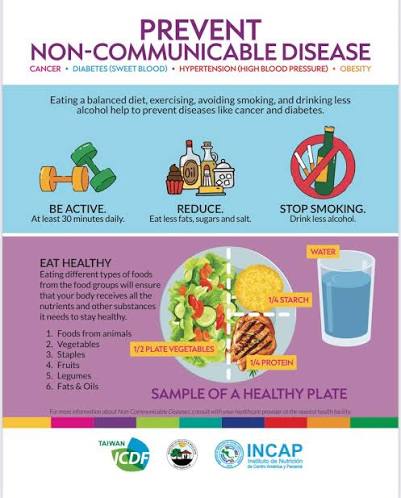
The Coordinating Minister of Health and Social Welfare, Prof. Muhammad Pate, said Non-Communicable Diseases (NCDs) have become one of the fastest-growing segments of Nigeria’s disease burden, requiring urgent health system readiness.
Pate said this on Thursday in Abuja at the unveiling of a book on Nigeria’s NCDs and health reforms, organised by the Health Reform Foundation of Nigeria (HERFON).
He said hypertension, diabetes, cardiovascular diseases, stroke, sickle cell disease, cancers and neurological conditions were increasing due to lifestyle changes and an ageing population.
The minister said Nigeria’s health reforms began more than 20 years ago, culminating in the National Health Act, with significant progress recorded in the last three years.
He said the Maternal and Neonatal Mortality Reduction Innovation Initiative (MAMI) had reduced maternal deaths by 22 per cent and newborn deaths by 10 per cent.
He added that a recent mini Demographic and Health Survey showed increased skilled birth attendance, antenatal care and contraceptive prevalence.
Pate said that malaria incidence had dropped to 15 per cent, the lowest in 20 to 30 years, based on survey statistics, but said HIV, tuberculosis and maternal mortality remained challenges.
He said the Federal Government, through the Health Sector Renewal Investment Initiative, had strengthened governance by bringing federal, state and local governments, civil society and the private sector together.
Pate said the federal health budget allocation had increased to six per cent from about three to four per cent previously, while states were being encouraged to increase their funding.
According to him, the government had expanded the primary healthcare system, retrained nearly 80,000 frontline health workers in three years and doubled admission quotas for medical and nursing students.
Pate said three of six world-class tertiary centres had been commissioned in Azare, Enugu and Benin.
He added that 10 world-class diagnostic centres equipped with MRI, CT scanners and catheterisation laboratories had been completed in partnership with MedServe and the Nigeria Sovereign Investment Authority (NSIA), including two recently completed in Ibadan and Bauchi.
He further added that the Federal Executive Council had recently approved more than N268 billion for major infrastructure projects at the National Hospital, Abuja.
Pate said the government was promoting prevention through the National Health Promotion Policy and the Know Your Numbers campaign, which had reached 10 million Nigerians with checks for blood pressure, blood sugar, cholesterol and prostate-specific antigen.
He said the government had also introduced Medipool, a group purchasing organisation, to ensure the availability of quality, affordable medicines at primary healthcare centres and improve treatment compliance for hypertension and diabetes.
Pate said affordability remained critical because NCDs required lifelong treatment, noting that more than seven million Nigerians had been added to health insurance in the last three years through the National Health Insurance Authority (NHIA).
He added that local pharmaceutical manufacturing was being expanded through the Presidential Initiative for Unlocking the Healthcare Value Chain (PVAC).
Pate commended HERFON and the book’s authors for providing analysis and recommendations to guide Nigeria’s response to NCDs.
Also speaking, the Chairman of HERFON’s Board of Trustees, Alhaji Idris Muhammed, said the foundation advocated better healthcare for Nigerians through policy advocacy, capacity building and evidence generation at local, state and national levels.
He said HERFON had a presence in all 36 states and the Federal Capital Territory (FCT) and had contributed to major health sector achievements, including the enactment of the National Health Act, 2014.
Muhammed said the book was the product of months of review by more than 70 subject experts from Nigeria, South Africa, the Middle East, the United Kingdom and the United States.
“The book tells us where we are, what we are doing wrong and what we must do right to stem the tide of NCDs,” he said.(NAN)
The Independent National Electoral Commission (INEC) has reaffirmed its commitment to strengthen collaboration with the National Orientation Agency (NOA), security agencies and other relevant stakeholders to ensure credible, peaceful and transparent general elections in 2027.
The Chairman of INEC, Prof.
Joash Amupitan, gave the assurance on Thursday in Abuja at the commencement of the Nationwide Grassroots Mobilisation for the 2027 General Election, organised by NOA.The theme of the campaign was, “Your Vote, Your Voice, Our Future: Say No to Apathy, Vote Buying and Violence”.
Amupitan said the forthcoming general election offered the country an opportunity to demonstrate its democratic progress and establish its readiness to conduct elections that would command national and international confidence.
“The upcoming 2027 general election presents us with an opportunity to demonstrate to Africa and the world that Nigerian democracy has matured beyond measure.
According to him, Nigeria must use the election to demonstrate its preparedness in electoral administration, technological development and operational transparency.
Amupitan said INEC was committed to strengthening its institutional capacity and improving the systems required to deliver credible elections across the country.
He said that achieving the objective would require cooperation between the electoral commission, NOA, security agencies, civil society organisations and patriotic Nigerians.
The INEC chairman identified technology as a critical component of the electoral process, explaining that the commission is strengthening its technical infrastructure to protect electoral data and improve the efficiency of election administration.
He said that the large number of registered voters and the geographical challenges associated with conducting elections across Nigeria made the effective application of technology indispensable.
Amupitan said that there had been occasions when Nigerians waited several days for election results to be announced, adding that INEC is working to prevent such delays through improved technological arrangements.
He said the commission had secured the procurement of additional bimodal voter accreditation systems to strengthen its capacity to accredit voters during the 2027 general election.
He said that INEC was also expanding hardware redundancy and deploying additional equipment to ensure that technological challenges did not disrupt electoral operations.
The chairman said the equipment was being delivered, tested and configured ahead of the elections as part of measures to strengthen the commission’s operational readiness.
Amupitan acknowledged public concerns over the technological challenges experienced during the 2023 general elections, saying INEC is taking steps to address the issues and improve its systems.
He said the commission was working to ensure that accreditation equipment and other technological facilities were sufficiently available across the country before the next presidential election.
According to him, improving the reliability of electoral technology remains central to the commission’s efforts to strengthen public trust and ensure that every eligible voter can participate without unnecessary difficulties.
The INEC chairman also identified the protection of polling-unit results as a non-negotiable aspect of the commission’s transparency framework.
He said that the commission was strengthening the electronic transmission and publication of polling-unit results, including the uploading of Form EC8A, to promote transparency and allow citizens to verify electoral outcomes.
Amupitan said comprehensive cybersecurity measures were being deployed to protect INEC’s networks, data transmission channels and digital systems against cyberattacks and unauthorised interference.
He said that technological advancement had introduced new challenges, particularly with the emergence of artificial intelligence and other sophisticated digital tools that could potentially be exploited to undermine electoral credibility.
The chairman said that the proper use of Form EC8A would help safeguard the accuracy, authenticity and reliability of results recorded at polling units.
He said the initiative was being implemented in compliance with Section 29 of the Electoral Act 2026 and was designed to improve the transparency and integrity of political parties’ candidate nomination procedures.
According to him, the digital process will help prevent discrepancies between candidates who emerged from party primaries and the names subsequently submitted to the commission for elections.
He said that following the conclusion of party primaries, the details of nominated candidates were being uploaded to the portal to ensure that the commission maintained accurate records of candidates selected through the recognised party processes.
Amupitan said the digital system would also allow INEC to reflect changes arising from successful appeals after party primaries, thereby ensuring that only duly recognised candidates are included in the nomination process.
He said that the initiative was intended to address past challenges involving the substitution of candidates, arbitrary exclusions and disputes over party nominations.
The INEC chairman said strengthening digital nomination procedures would improve accountability, reduce administrative errors and reinforce confidence in the electoral system.
In his keynote address, Malam Lanre Issa-Onilu, Director-General of NOA, said the agency was committed to helping Nigerians understand the electoral process and appreciate their responsibilities as citizens.
According to him, civic education must be presented in ways that make participation in elections understandable and relevant to the everyday lives of Nigerians.
He said that voter apathy weakened democratic representation by allowing a smaller proportion of citizens to determine decisions that affected the wider population.
The NOA boss also condemned electoral violence, noting that it threatens lives, silences voters and damages relationships within communities long after elections have ended.
He said that political competition should never be allowed to result in the loss of lives or the destruction of peaceful relationships among Nigerians.
He further cautioned against allowing political disagreements to destroy the bonds between neighbours, emphasising that peaceful coexistence remains essential to national unity and democratic development.
Issa-Onilu also urged Nigerians to reject financial inducements capable of influencing their electoral choices, stressing that the country’s collective future should not be determined by temporary personal benefits.
He said that convictions would guide the grassroots mobilisation campaign as the agency intensified efforts to educate citizens on the importance of responsible political participation.
The NOA director-general called on stakeholders, community leaders and other relevant institutions to support the campaign by promoting peaceful conduct, voter awareness and respect for democratic principles.
He said that the success of the 2027 general elections would depend on INEC’s preparedness, and also on the willingness of citizens to participate responsibly and reject practices capable of undermining electoral credibility.(NAN)




UBA Wins N156bn Debt Recovery Case Against Stallion Group
ShareThe Court on Friday ruled in the Bank’s favour on all issues and granted all its prayers. United Bank for...


Senator Abba Moro: It is Time to Go Home
ShareBy Cleopas Agada For seven years in the National Assembly, what has Benue South actually felt? For a man who...


NCDs Fastest-growing Disease Burden in Nigeria — Pate
ShareThe Coordinating Minister of Health and Social Welfare, Prof. Muhammad Pate, said Non-Communicable Diseases (NCDs) have become one of the...
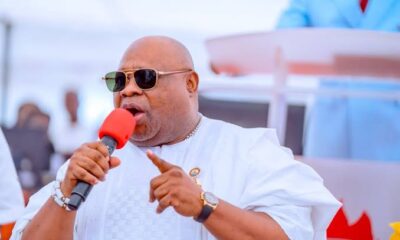

2027: Adeleke Inaugurates Aare Asejere’s Campaign Council
ShareFrom Ayinde Akintade, Osogbo The Governor of Osun State, Senator Ademola Adeleke, yesterday charged newly inaugurated members of the Osun...
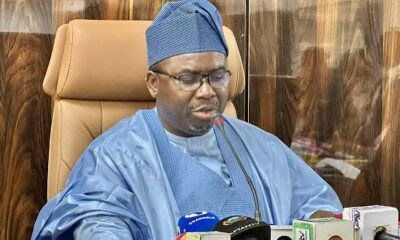

INEC Seeks Stakeholders’ Collaboration for Credible, Peaceful Elections
ShareThe Independent National Electoral Commission (INEC) has reaffirmed its commitment to strengthen collaboration with the National Orientation Agency (NOA), security...
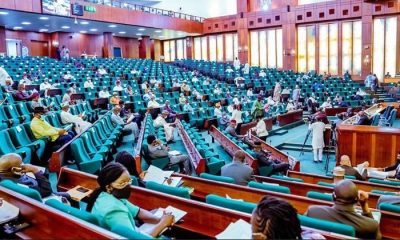

Reps Reject Child Marriage, Demand Protection of Girl Child
ShareBy Ubong Ukpong, Abuja The House of Representatives on Thursday unanimously called for urgent and coordinated actions to protect Nigerian...


Court Awards N125, 000 Cost against Odumodublvck
ShareAn Abuja High Court on Wednesday awarded N125, 000 against a rapper, Tochukwu Ojogwu, popularly known as “Odumodublvck”, for asking...


Hunger Changed My Mind, Timini Egbuson on Embracing YouTube movies
ShareNollywood actor Timini Egbuson has reflected on his changing perception of YouTube movies, joking that he might have struggled financially...


Peller Announces Livestream with Peter Obi
SharePopular Nigerian TikTok streamer, Hamzat Adelaja, popularly known as Peller, has announced an upcoming livestream with the presidential candidate of...

Nigeria’s inflation drops from 15.39 Per Cent to 14.63 Per Cent in September
ShareBy Tony Obiechina, Abuja The National Bureau of Statistics (NBS) on Thursday disclosed that Nigeria’s inflation has eased from 15.39...