
DEFENCE
Nigerian Army Moves to Enhance Capacity of Officers in Military Diplomacy


The Nigerian Army on Wednesday commenced a three-day capacity building workshop on Protocol and Liaison Duties to enhance the capacity of officers in protocol and liaison functions as well as military diplomacy.
The workshop with the theme, “Enhancing the Nigerian Army Protocol and Liaison Capability for Efficient Service Delivery,” was organised by the Army Headquarters’ Department of Special Services and Programmes.
Speaking at the opening, the Chief of Army Staff (COAS), Lt.-Gen. Faruk Yahaya, said the workshop was borne out of the need for more effective coordination of all Nigerian army liaison, special and ceremonial events as well as other organised programmes in line with best practices.
Yahaya said the establishment of the Directorate of Protocol in the Department of Special Services and Programmes had illustrated the desire to uphold international best practices and regulations in dealing with diplomatic protocol, precedence and etiquette.
According to him, the department so far has been able to take up laudable initiatives aimed at repositioning Nigerian Army’s protocol and liaison duties for optimal performance in support of operational goals.
“Its initiative to partner with the Ministry of Foreign Affairs and other accredited institutions to undertake specific courses for building personnel capacity on protocol and liaison duties in the Service is indeed a welcome idea.
“This initiative will help in developing the capacity for the newly established Directorate of Protocol to carry out its mandate professionally and efficiently during Nigerian Army international and domestic engagements.
“The increase in military-to-military bilateral contacts and engagements with friendly allies all over the world calls for better understanding of protocol functions in support of our strategic engagements,” he said.
The COAS said the current security environment was dynamic and characterised by uncertainty and complexity which required increased liaison with stakeholders at all levels.
This, according to him, calls for training and capacity development in protocol and liaison duties to facilitate various levels of engagements with internal and external partners.
He said the workshop was expected to develop the capacity of army personnel to conduct protocol duties in furtherance of army’s strategic and operational objectives.
Yahaya said the Nigerian Army would continue to act professionally in building all components of fighting power to demonstrate its readiness to fulfil its constitutional roles in the defence of Nigeria.
He acknowledged the competence exhibited by personnel during the Presidential and Gubernatorial Elections, pledging to continue to provide the right leadership and guidance for troops.
He also promised to sustain commitment towards the acquisition of more equipment and platforms to ensure that the war against insurgency, banditry and other violent crimes in the country was brought to an end.
He urged personal to continue to be professional in their conduct and portray the Nigerian Army as the pride of the nation.
The Chief of Special Services and Prigrammes (Army), Maj.-Gen. Emeka Onumajuru, said the army had increased interface with internal external interlocutors towards addressing national and sub-regional security challenges to fulfill its role.
Onumajuru said the purpose of the workshop was to build capacity of personnel across board on protocol and liaison duties to be able to carry out thier mandate professionally and efficiently.
He said it was envisaged that the workshop would provide a more appropriate avenue for relevant interaction among professionals in protocol and liaison.
“It is envisaged that this workshop will stimulate discussion on protocol and liaison issues in the army that will provide the basis for policy and procedural responses.
“Specifically, it would, among others, promote a deeper understanding of protocol and liaison issues, particularly as they support defence diplomacy, military geometric counters and bilateral army to army staff talk,” he said.
The keynote speaker and retired Nigerian Diplomat, Amb. Oluwole Coker, said military diplomacy was an important aspect of the diplomatic relations of any country, hence the need for capacity building of military officers in that regard.
Coker delivered a paper titled, “Building Strong Protocol Capacity for Enhanced Military Diplomacy and National Security: Strategic Option for the Nigerian Army.”
He said it was also necessary for officers responsible for internal activities of the army to be the best and knowledgeable in protocol and liaison responsibilities.
A discussant, Amb Akin Oyeteru, said protocol facilitates smooth interaction between officials, adding that the ultimate aim of pprotocol was the avoidance of unnecessary confrontation.
Oyeteru said protocol officers required knowledge to become valuable, adding that punctuality, politeness, trustworthiness and patience were core attributes of a protocol officer.
According to him, military diplomacy is a subset of defense diplomacy which has to do mainly with military attaches and the functions. (NAN)






By David Torough, Abuja
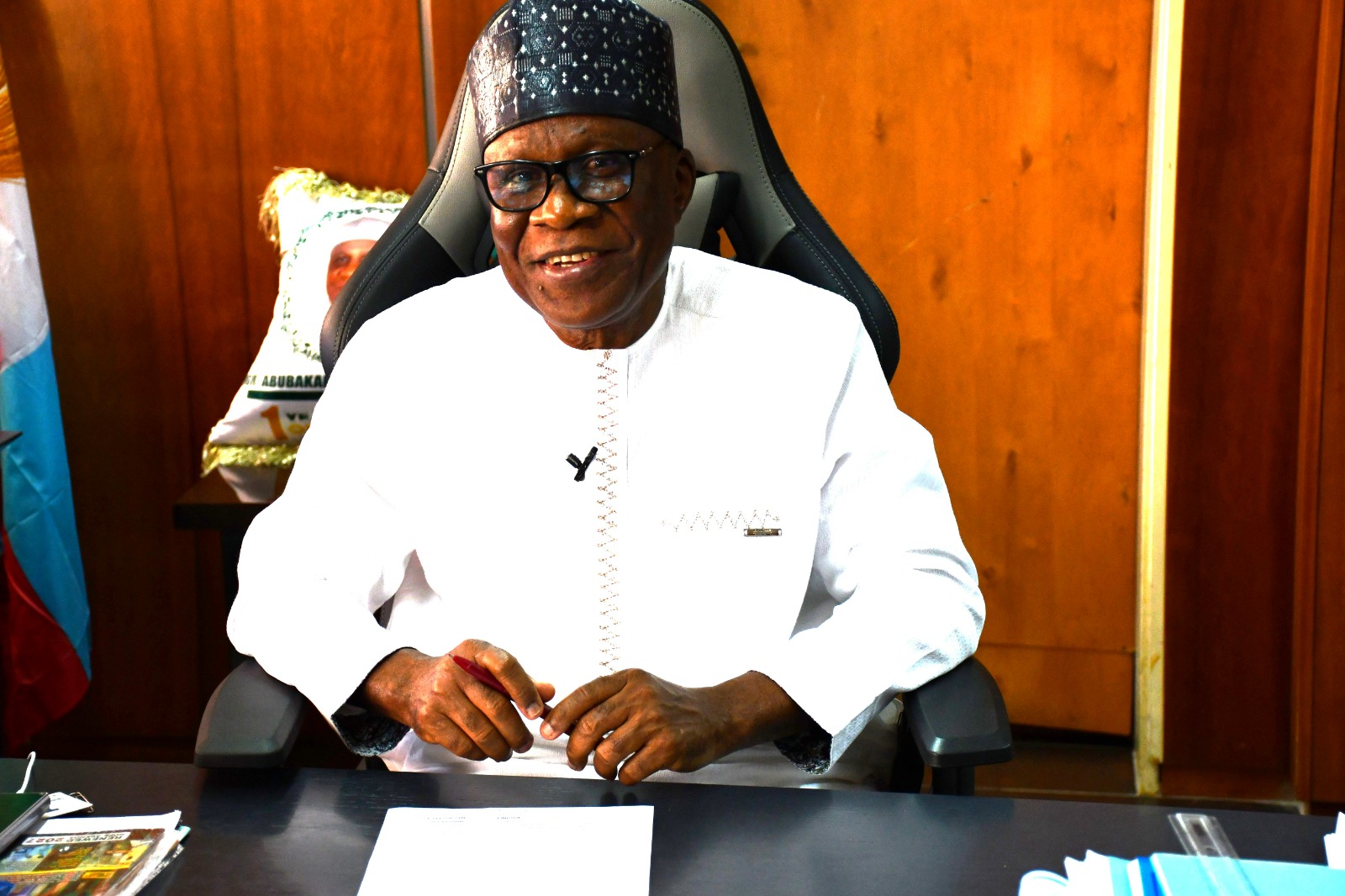
The Minister of Regional Development, Engr. Abubakar Momoh, has described the establishment of the Regional Development Commissions as one of President Bola Ahmed Tinubu’s best decisions towards addressing longstanding regional inequalities, accelerating inclusive national development and ensuring that every geopolitical zone benefits from targeted government interventions.
The Minister stated this at the weekend during an exclusive interview on the impact of the Regional Development Commissions on overall sub-national development and the Ministry’s role in coordinating their programmes and projects.
He explained that one of the Ministry’s major responsibilities is to coordinate the activities of the Regional Development Commissions to ensure that their interventions align with national policies and development priorities.
“The role of the Ministry and the Commissions is to intervene where there is a gap in any of the government agencies,” he said, noting that most regional development funds are domiciled with the Commissions.
Momoh observed that the Niger Delta Development Commission and the North East Development Commission, having existed for several years, have recorded considerable achievements in infrastructure and human capital development across their respective regions. He added that the two Commissions had executed several projects within the first three years of the present administration.
He further explained that the remaining five Regional Development Commissions were inaugurated in 2025 and commenced effective operations in February 2026. According to him, some of the Commissions have settled into their operations and are making efforts to deliver on their mandates within the limits of available financial resources.
However, the Minister expressed particular concern about the South-South Development Commission, which, he noted, does not yet have an operational office and has not fully submitted itself to the Ministry’s coordination framework.
The Minister expressed optimism that Nigerians should expect more from the Regional Development Commissions, noting that many of them have now settled into their operations and are positioning themselves to deliver on their respective mandates and make meaningful contributions to national development.
By David Torough, Abuja
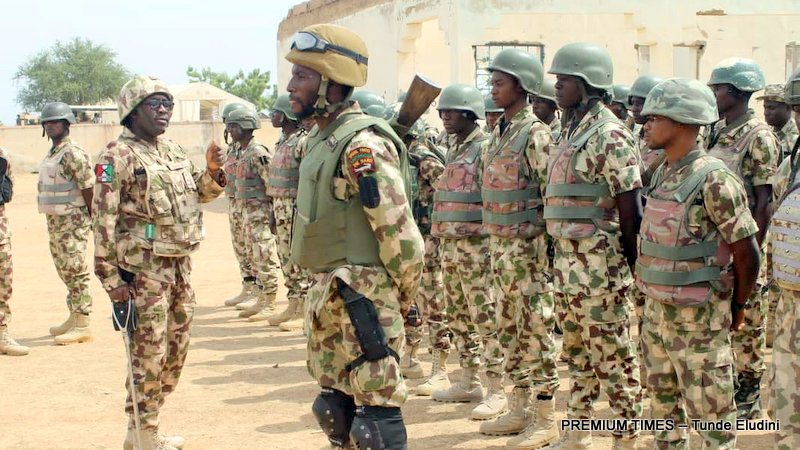
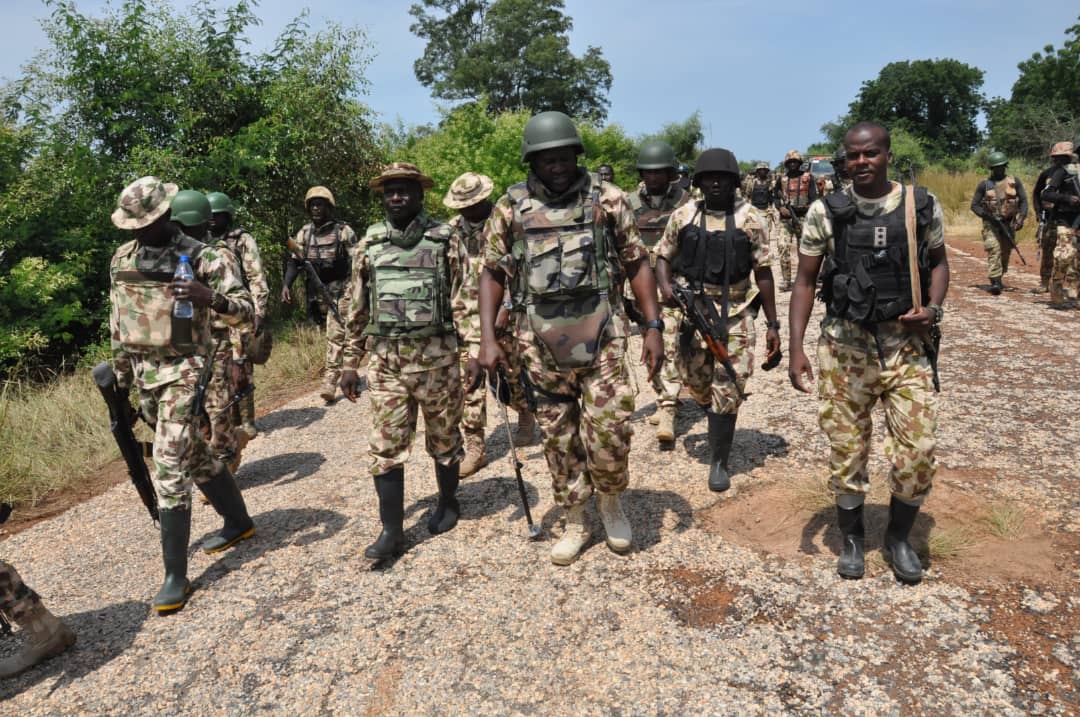
Troops of the Nigerian Army have arrested a suspected ammunition supplier and recovered 300 rounds of 7.62 x 39mm ammunition concealed in a sack of beans during an intelligence-led operation.
The operation, carried out at about 9:30 p.
m. on Tuesday, November 17, 2026, involved troops of the Atsawa Blocking Force working in collaboration with local vigilantes.The suspect, identified as 47-year-old Umaru Muhammad, a resident of Ashe Village, was intercepted following credible intelligence. A search of his belongings reportedly uncovered the ammunition, which had been concealed in a sack of beans in an apparent attempt to disguise its transportation as an ordinary commercial consignment.
According to a statement issued on Wednesday by the Acting Director of Army Public Relations, Colonel Appolonia Anele, preliminary interrogation indicated that the ammunition was allegedly intended for two individuals identified as Gimba and Dare, reportedly residents of Gori Village along the River Niger corridor in Lokoja Local Government Area of Kogi State.
The statement said the two individuals were described as local vigilantes, raising concerns about the possible infiltration or exploitation of community security structures by criminal ammunition supply networks.
However, the allegations remain subject to further investigation.
Other items recovered during the operation included a Bajaj motorcycle, a mobile telephone and ₦30,500 in cash.
Muhammad is currently in military custody as investigations continue to determine the extent of the suspected ammunition supply network and identify other individuals who may be connected to the alleged transaction.
The Army said the interception formed part of its sustained efforts to dismantle the logistics and ammunition supply chains supporting banditry, terrorism, kidnapping and other criminal activities across the country.
It added that troops would continue to intensify intelligence-driven operations and strengthen collaboration with local security stakeholders to prevent criminal groups from accessing weapons and other resources used to carry out attacks.
The Nigerian Army also urged members of the public to remain vigilant and report suspicious movements, particularly the transportation of concealed arms, ammunition and other prohibited items, to security agencies.
The military reiterated its commitment to protecting law-abiding citizens and restoring lasting peace and security across the country.
By David Torough, Abuja
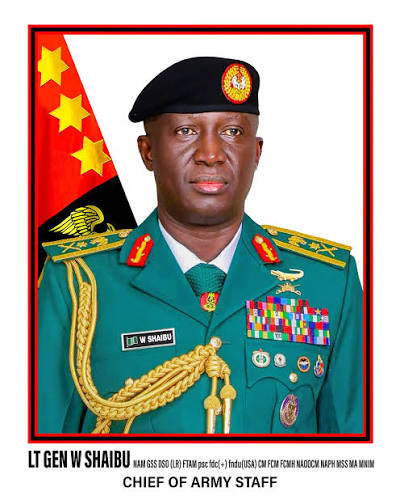
The Chief of Army Staff (COAS), Lieutenant General Waidi Shaibu, has commissioned 20 transit flats and a modern Officers’ Mess at Obienu Barracks in Bauchi State, reaffirming the Nigerian Army’s commitment to improving the welfare and living conditions of its personnel and their families.
The facilities were commissioned on Wednesday, November 18, 2026, as part of the Army’s ongoing efforts to strengthen personnel welfare, modernise its infrastructure and enhance operational readiness.
Speaking at the ceremony, General Shaibu said the Army’s modernisation drive extends beyond acquiring sophisticated military equipment and expanding formations to include investments in personnel welfare and improved living conditions.
He stressed that decent accommodation and a conducive environment were essential to boosting troops’ morale, promoting family stability and improving operational effectiveness, particularly as the Army continues to expand its capacity to tackle emerging security threats.
According to him, the newly commissioned 20 transit flats would address accommodation challenges faced by personnel deployed on postings, courses and temporary assignments.
He added that the modern facility, named the Lieutenant General Waidi Shaibu Officers’ Mess, features contemporary accommodation, a Hall of Fame and recreational facilities designed to encourage professional interaction, strengthen esprit de corps and promote institutional pride among officers.
The Army Chief commended the Nigerian Army Armoured Corps and other stakeholders for the successful execution of the projects, describing them as evidence of the military’s commitment to personnel welfare and prudent resource management.
He also urged personnel who would benefit from the facilities to ensure their proper maintenance to guarantee their sustainability and continued usefulness.
General Shaibu reiterated that the welfare of soldiers and their families remained a major priority of his leadership, assuring that investments in accommodation, healthcare, education and other welfare initiatives would continue alongside the Army’s modernisation and expansion programmes.
He maintained that a well-motivated, professionally trained and adequately supported force remained crucial to sustaining operational successes against terrorism, insurgency, banditry and other security threats facing the country.
The commissioning underscores the Nigerian Army’s growing emphasis on balancing military capability development with improved welfare infrastructure for its personnel.



Court Nullifies Omo-Agege’s NDC Senatorial Candidacy
ShareFrom Francis Sadhere, Delta The Federal High Court sitting in Warri, Delta State, has nullified the nomination of former Deputy...


APC Mourns 15 Supporters Killed In Zamfara Road Accident
ShareBy Orjime Moses, Abuja The All Progressives Congress (APC) has mourned 15 of its members and supporters reportedly killed in...
Ortom ‘Ranched’ Benue People in IDP Camps Instead of Cattle – Tondo
ShareFrom Attah Ede, Makurdi Former Benue State Commissioner for Lands and Survey, John Tondo, has criticised former Governor Samuel Ortom...

2027: INEC Chairman Seeks Stronger Security Cooperation Ahead Of Elections
ShareBy Orjime Moses, Abuja The Chairman of the Independent National Electoral Commission (INEC), Prof. Joash Ojo Amupitan, SAN, has called...


CBN Retains Interest Rate at 23 Per Cent
ShareBy Tony Obiechina, Abuja The Monetary Policy Committee (MPC) of the Central Bank of Nigeria (CBN) has retained the benchmark...


2027: Emovworho Warns Delta Politicians Against Exploiting Youths
ShareBy Orjime Moses, Abuja A concerned son of the Urhobo Nation, Austin Obule Emovworho, has warned political leaders in Delta...

Katsina Suspends Daura Emir, Orders Probe into Sexual Assault Allegation
ShareBy David Torough, Abuja The Katsina State Government has suspended all official engagements and travels of the Emir of Daura,...

Makarfi Chairs DAILY ASSET 10th Anniversary, Awards
ShareBy David Torough, Abuja Former Kaduna State Governor, Senator Ahmed Mohammed Makarfi, has accepted the invitation to chair the 10th...

Customs Unveils Novara to Spotlight Officers’ Challenges
ShareBy Tambaya Julius, Abuja The Nigeria Customs Service (NCS) has unveiled a 79-episode television drama series, Novara, to showcase the...

FCT Upgrades 20 PHCs Under World Bank-supported IMPACT Project
ShareBy Laide Akinboade, Abuja The Federal Capital Territory Administration (FCTA) has upgraded 20 Primary Health Centres (PHCs) across the territory...