
OPINION
Nigeria’s Socioeconomic Challenges and Lee Kuan Yew’s Antidotes

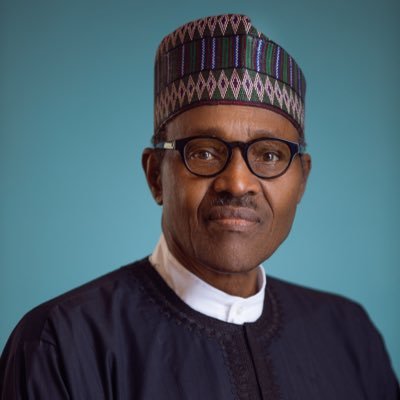
By Jerome-Mario Utomi
To move this nation forward both politically and socioeconomically, there are reasons for our leaders to visit Singapore as Nigeria has a lot of lessons to draw from the documented evidence of performance in the following areas; economy, infrastructure, job creation, electoral practices and fight against corruption, by Senior Minister Lee Kuan Yew, the pioneer Prime Minister of Singapore. A man that understood clearly that; public order, personal and national security, economic and social programmes, and prosperity is not the natural order of things but depends on the ceaseless efforts and attentions from an honest and effective government that the people elect and recognizes that it takes a prolonged effort to administer a country well and change the backward habits of the people.
Separate from the fact that Singapore as a country had in the past met with challenges Nigeria currently battles with, of which learning how they tackled and succeeded would be an important lesson for the nation at this critical moment, there exists yet another reason and it stems from the fact that “any personality who wants to grow in leadership must almost always scale and be open to learning. They must be molded by new experiences and to improve their leadership selves. In fact, leaders who scale do so regardless of background, skill and talent. Rather, they scale because they take deliberate steps to confront their shortcomings and become the leaders their organizations or nations need them to be. Instead of floundering, they learn to fly”.
Beginning with effective resource management, Singapore, under Lee’s administration was a country with a GDP of $3billion in 1965 which grew to $46billion in 1997, making it the 8th highest per capital GNP in the world according to the World Bank, In fact, it’s progress, is a reflection of the advances of the industrial countries-their inventions, technology, enterprise and drive, a united and a determined group of leaders, backed by practical and hard-working people who trust them made it possible, It is part of the story of a leader’s search for new fields to increase the wealth and well being of his people.
In the words of the Prime Minister Lee (as he then was), the country had no natural resources for MNCs to exploit. All it had were hard-working people, good basic infrastructure, and a government that was determined to be honest and competent. Our duty was to create livelihood for 2 million Singaporeans. The second part was to create a First World oasis in a Third World region. This was something Israel could not do because it was at war with its neighbours.
If Singapore could establish first world standards in public and personal security, health, education, telecommunications, transportation and services, it would become a base camp for entrepreneurs, engineers, managers and other professionals who had business to do in the region. This meant we had to train our people and equip them to provide First World standards of service. I believed this was possible, that we could reeducate and orientate our people with the help of schools, trade unions, community centres and social organisations. If the communists in China could eradicate all flies and sparrows, surely we could get our people to change their Third World habits.
‘We had one simple guiding principle for survival that Singapore had to be more rugged, better organised, and more efficient than others in the region. If we were only as good as our neighbours, there was no reason for businesses to be based here. We had to make it possible for investors to operate successfully and profitably in Singapore despite our lack of a domestic market and natural resources’.
Essentially, the crux of this piece is to use Singapore’s experience under Prime Minister Lee Kwan Yew to analyze and understand the essential ingredients of foresight in leadership and draw a lesson on how leadership decision making process involves judgment about uncertain elements, and differs from the pure mathematical probability process.
Another profound lesson was Lee’s explanation that; after grappling with the problems of unemployment in the country, he came to the recognition that the only way to survive was to industrialize. And just immediately, he concentrated on getting factories started. ‘Despite their small domestic market of 2 million, he protected locally assembled cars, refrigerator, air conditioners, radios, television sets, and tape-recorder, in the hope that they would later be partly manufactured locally.
There is certainly an ingrain lesson for the nation Nigeria to draw from this second position.
Considering the slow growing economy but scary unemployment levels in the country, the current administration in my opinion will continue to find itself faced with difficulty accelerating the economic life cycle of the nation until they contemplate industrialization, or productive collaboration with private organizations that has surplus capital to create employment.
On fight against corruption, he has this to say; we made sure from the day we took office that every dollar in revenue would be properly accounted for and would reach the beneficiaries at the grass root as one dollar, without being siphoned off along the way. So from the very beginning we gave special attention to the areas where discretionary powers had been exploited for personal gains and sharpened the instruments that could prevent, detect or deter such practices’.
We decided to concentrate on the big takers in the higher echelons and directed the CPIB on our priorities. But for the small fish, we set out to simplify procedures and remove discretion by having clear published guidelines, even doing away with the needs for permits and approvals in less important areas. As we ran into problems in securing convictions in prosecutions, we tighten the laws in stages. Brief and Simple!
To win, he advised that nations must recognize that ‘a precondition for an honest government is that a candidate must not need large sums to get elected, or it must trigger off the circle of corruption. Having spent a lot of money to get elected, winners must recover their costs and possibly accumulate funds for the next election as the system is self-perpetuating’.
In the face of these realities, I suggest in the interim that even if the managers of the political space called Nigeria refuses to make this trip, they should at the very least read Lee Kuan Yew’s leadership account contained in his book, entitled; From Third World To First, the Singapore’s Story; 1965-2010.
Utomi is the Programme Coordinator (Media and Policy), Social and Economic Justice Advocacy (SEJA), Lagos.



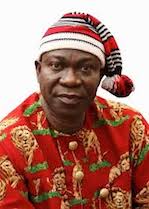





By Fatih Lawal‑Garu
A week before the United Nations International Day Against Drug Abuse and Illicit Trafficking, I walked into the PRNigeria Centre expecting nothing more than another ordinary newsroom assignment.
I had no idea that a simple instruction — “Put on your khaki; we’re heading out” — would pull me into an experience that would redefine my understanding of national service and the responsibility that comes with wearing the NYSC uniform.The PRNigeria Centre is not a typical newsroom. It is a place where ideas breathe, where books are born, and where young people are challenged to think beyond headlines.
Corps members do not just file reports; they write books, lead campaigns and contribute to national conversations. I had seen this culture firsthand through publications like Youth Service for National Stability, Diplomacy and Digital Innovation, and anti‑drug, anti‑smuggling campaigns. These works, authored by corps members, made me quietly determined to leave my own mark before my service year ends.But I did not expect that opportunity to arrive so suddenly.
Our destination was the NDLEA FCT Command, where Deputy Commander Aliyu Omama joined us before we proceeded to Parliament Secondary School and Government Secondary School, Apo. The mission was simple: educate students about the dangers of drug abuse under a campaign titled “Promoting Drug‑Free Schools: A Corper Initiative.”
The initiative was led by Abdulhameed Yushau Shuaib, a fellow Mass Communication graduate from Bayero University, Kano, serving at NITDA. Listening to him speak, I realised this was not just another awareness programme. It was a heartfelt intervention driven by a young Nigerian who refused to watch his peers fall victim to addiction, peer pressure and the deceptive glamour of drug use on social media.
What struck me most was his conviction. He was not complaining about the problem — he was confronting it.
Deputy Commander Omama delivered a message that was both sobering and necessary. He explained how drug abuse fuels domestic violence, armed robbery, kidnapping, banditry and other crimes that plague our society. He listed commonly abused substances — cannabis, cocaine, methamphetamine — using both scientific names and street slang the students recognised instantly.
Yet he did not present addiction as a dead end. He spoke about rehabilitation, recovery and reintegration, reminding the students that help exists, but prevention is always better than cure. His final message was simple: never experiment with drugs.
Representing NITDA’s Director General, Mrs Deborah Dada urged the students to reject drugs and embrace digital skills. She reminded them that technology offers limitless opportunities, which are far more rewarding than any temporary high. Her praise for Abdulhameed’s initiative underscored a powerful truth: national service is not about where you are posted, but what you choose to do with your posting.
Their engagement surprised me. They asked thoughtful questions, exchanged contacts, and expressed genuine interest in future programmes. I left the schools convinced that something meaningful had begun.
But the campaign was only halfway done.
Then came a competition that became a movement. An essay and quiz competition was announced across FCT schools. The response was overwhelming: 87 essays submitted. Editors reviewed each one carefully, screening out plagiarism and AI‑generated content to reward originality and genuine understanding.
On 26 June — the UN Day Against Drug Abuse — the grand finale took place at the PRNigeria Centre.
Ozor Kamsy of Federal Government Boys College, Wuye won the essay competition, followed by Arafat Ismail and Nafisat Abbas. Their presentations showed depth, clarity and a maturity far beyond their age.
The quiz competition was equally intense. Questions covered causes, consequences, prevention, rehabilitation and global efforts against drug abuse. As I watched, I realised how much I still had to learn.
Jamal Oyawoye of Badr Integrated School emerged winner, with Nicodemus Gideon and Salma Musa taking second and third place.
This is a campaign with a future. Partner organisations pledged to sustain the initiative. The Programme Coordinator of Youth Against Disaster Initiatives (YADI), Umar Farouk Bala, announced plans to expand future editions to include disaster preparedness, digital citizenship and public safety. NYSC representative, Mrs Rukayya Abu, praised the organisers and described Abdulhameed’s project as a shining example of meaningful national service.
Her words captured the essence of everything I had witnessed. The True Meaning of National Service.
Many young Nigerians see NYSC as a one‑year ritual — khaki, clearance, CDS, and monthly allowances. But my experience taught me something deeper. National service is not about the uniform. It is about the impact made while wearing it.
It is about recognising problems around us and choosing to act. It is about using our skills, creativity and passion to improve communities. It is about leaving behind footprints that outlive the service year.
That single instruction to wear my khaki took me beyond the newsroom and into a movement. It showed me the power of youth-led advocacy and reminded me that the true measure of NYSC is not the duration of service, but the difference made during it.
I arrived expecting a routine assignment. I left with a renewed understanding of responsibility, purpose and the transformative power of national service.
Fatih Lawal‑Garu is a Corps member serving in Abuja. Email: ibnkamilgaru1@gmail.com
What If Tomorrow Never Comes?
By Uzoma Ahamefule
Three days before my mother’s death, I made a terrible mistake that will perhaps haunt me for the rest of my life. From the moment I set my eyes on her coffin and her funeral began, the weight of this mistake became almost unbearable. My regrets overwhelmed me uncontrollably and I could not hold back tears until she was lowered six feet.
I feel compelled to publicly share this painful mistake, not to dwell on my regret, but in the hope that others might learn from it – especially those who underestimate the destructive consequences of such a blunder or who are still under its grip. If sharing this painful chapter of my life inspires even one person to take action today, then it will have served a meaningful purpose.
The consequences of such a mistake vary from person to person, and it is an error that many people around the world mistakenly consider to be insignificant or trivial and unworthy of serious concern. Indeed, at first glance, it appears ordinary and harmless. However, upon closer examination, it becomes clear that it is extremely dangerous, with the capacity to turn opportunities into regrets and potential into loss. It has altered the course of countless lives in a disruptive way, sometimes preventing individuals from reaching the highest levels in their careers and endeavours. One of the things that makes it lethal is that it creeps in silently and unnoticed. Once it has infiltrated the mind, it becomes ruthless and destructive, offering persuasive justifications that encourage delay, even when immediate action is both possible and necessary. Its consequences can sometimes be cruelly fatal. That thing is PROCRASTINATION. I don’t know how it may have affected you, but I am a victim of this monster, and the damage it has caused me is irreversibly painful.
On 3 December 2025, my mother concluded her earthly sojourn with grace and distinction at the venerable age of 106. I strongly believe that she transitioned to the eternal realm her soul had long anticipated. One month later, precisely on 3 January 2026, she was – in recognition to her great legacies cherished with the utmost devotion – laid to rest in a ceremony defined by dignity, restraint, and profound respect.
Shortly before her death, I called her. During this call, I joked with her as usual. Like many of our previous calls, it was filled with laughter. I teased her. I told her to get ready quickly because I was on my way home to pick her up for a party. She understood the joke, and we all burst into laughter, including my sister Chibuzo. It gladdened my heart. Life rarely grants us the privilege of knowing when we are saying our last goodbye to our loved ones.
My mother loved chicken. During that call, I promised to buy her some. However, I was trapped in the deceptive comfort of tomorrow, and kept on procrastinating, unaware that death was near. Three days passed while I remained entangled in that needless delay. Then, my phone rang, and it was my beloved sister, Chibuzo. Her voice carried a sorrow I will never forget. She delivered the devastating news in just a few words, ‘Our mother has joined our ancestors.’ Then she ended the call. The ordinary promise of an ordinary chicken I had made instantly became a haunting symbol.
It was shockingly cruel. The unfulfilled promise tortured me on the day of her burial, and made my tears uncontrollable. I was constantly blaming myself and felt terribly bad. The bad feeling was not because she had lacked, but because I had promised her something I never fulfilled, and death had mercilessly slammed that door forever. This knowledge and memory are aching and horrifying. My eyes are still filled with tears each time I remember this. I am so disappointed with myself. Procrastination is a bastard, and may thunder fire devil.
If you are reading this, please stop procrastinating. Whatever it is that you have been putting off, start to do it now. Call your parents, your siblings, your uncles, your nieces, your nephews, your friends etc. That call may seem ordinary today, but you never know, it could be a lifesaving call. It could be the conversation that heals a wounded relationship, restores a broken bond, or gives someone the reassurance the person desperately needs. Note that, the smallest action we postpone today could become the greatest regret we carry when the opportunity is gone.
Some people even procrastinate when it comes to their health. They notice warning signs in their body that require a doctor’s attention, but keep putting off the visit with flimsy excuses. By the time they finally act, a manageable problem has become life threatening. Many people know they need to exercise more, change their unhealthy habits and take better care of themselves, yet they keep saying, “I will start tomorrow.” Tomorrow becomes next week, then next month, and eventually another year, until the opportunity to change is no longer guaranteed. Whatever we carelessly postpone today may haunt us tomorrow.
In honour of our mother, we made the deliberate and principled decision to uphold her beliefs and modest lifestyle by holding a simple and dignified burial free from ostentation, in line with the core values of our family. This was a clear departure from the prevailing trend in Igbo land, where funerals often become elaborate displays of wealth. Accordingly, the undertakers were firmly instructed to refrain from any show behaviour or dancing with our mother’s coffin. Nevertheless, one truth was clear to everyone present, every guest was welcomed generously and left well catered for, in keeping with the enduring spirit of hospitality she embodied. Looking back today, all our family members are extremely happy, satisfied and proud of the choices we made.
During her funeral, many people who did not know about my personal relationship with my mum or what I was going through questioned my uncontrollable tears. To them, my mum was aged enough. Why the profound tears? Some people reading this might also say that my reason for crying so much was not enough. But anyone who knows it feels it.
Do not postpone for later or tomorrow what you can do now, because you may never have later and tomorrow may be too late. Even, what if tomorrow never comes at all, like it is in my case?
Please Mama, wherever you are, I beg for your forgiveness. I am devastated and deeply sorry. Continue to rest in peace, till we meet again. Adieu!
Uzoma Ahamefule, a concerned patriotic citizen, and a refined African traditionalist, writes from Vienna, Austria. Uzomaah@yahoo.com. +436607369050 (Please, WhatsApp messages only)
By Ukertor Gabriel Moti
The recent resurgence and continued anti-immigrant campaigns in South Africa, spearheaded by groups such as March and March and the Dudula Movement, has once again thrust Nigerians into the centre of a contentious continental debate.
Their central claim is both familiar and troubling: Nigerians are allegedly responsible for a disproportionate share of crime in South Africa and should therefore leave the country.
Such assertions have become potent political slogans, resonating with sections of the public frustrated by rising crime, unemployment and economic hardship.
Yet, while slogans may be emotionally persuasive, they are not substitutes for empirical evidence.Recent statistics released by South Africa’s Minister of Correctional Services, Dr. Pieter Groenewald, invite a more sober and evidence-based assessment of the issue.
According to official prison figures, approximately 84 per cent of inmates in South African correctional facilities are South African citizens, while foreign nationals account for about 16 per cent of the prison population.
Within that foreign-national population, Nigerians constitute approximately 8 per cent. These figures broadly correspond with data from the Department of Correctional Services, which similarly indicate that foreign nationals make up roughly 15–16 per cent of South Africa’s prison population.
Far from validating the widespread narrative that Nigerians are the primary drivers of crime in South Africa, these statistics expose the dangers of selective interpretation and collective stereotyping. They compel us to distinguish between evidence and prejudice, between criminal behaviour and national identity.
At the heart of this debate lies one of the most persistent errors in public discourse: the fallacy of collective guilt. In criminology and public policy, this is closely related to what statisticians describe as the ecological fallacy: drawing conclusions about an entire population based on the behaviour of only a fraction of its members.
No serious scholar would argue that because 84 per cent of South African prisoners are South Africans, South Africans as a people are inherently criminal. Such reasoning would rightly be condemned as irrational and prejudicial.
By the same token, it is equally indefensible to label Nigerians collectively as criminals because some Nigerians have committed offences. Crime is an individual act; nationality is a collective identity. Democratic societies punish individuals for crimes they commit, not entire communities for crimes committed by a few.
The statistics themselves also require careful contextualisation. It is essential to understand that Nigerians constituting approximately 8 per cent of foreign inmates does not mean that Nigerians account for 8 per cent of the entire prison population.
Rather, they represent only one segment of the foreign-national prison population. More importantly, imprisonment figures alone are insufficient to establish that any nationality is inherently more criminal than another.
Such a conclusion would require considerably more information, including the total Nigerian population residing in South Africa, arrest rates by nationality, conviction rates, the categories of offences committed, sentence lengths, and the distinction between immigration-related offences and serious violent crimes.
Without these critical denominators, sweeping conclusions are statistically unsound. Evidence-based policymaking depends not merely on raw numbers but on properly interpreted rates and contextual analysis.
The persistence of xenophobic narratives also reflects deeper governance challenges. South Africa continues to grapple with structural problems that include persistently high unemployment, severe income inequality, sluggish economic growth, organised crime, corruption and mounting pressure on public services. These realities understandably generate public frustration.
However, history demonstrates that where governments struggle to address structural socio-economic challenges, political actors often redirect public anger towards migrants, who become convenient scapegoats because they are politically vulnerable and highly visible.
This pattern is not unique to South Africa; it has appeared repeatedly across different regions of the world whenever economic anxiety intersects with identity politics.
Equally concerning is the selective deployment of statistics in public debate. Statistics, when divorced from context, can become powerful instruments of misinformation. If one simply announces that foreign nationals constitute 16 per cent of South Africa’s prison population, while deliberately omitting the fact that South Africans constitute the remaining 84 per cent, the public is likely to draw distorted conclusions.
Similarly, repeatedly highlighting crimes committed by Nigerians without acknowledging the overwhelming majority of law-abiding Nigerians who contribute positively to South African society reinforces stereotypes rather than promotes informed public understanding. Responsible public policy demands statistical honesty rather than selective presentation of evidence.
Indeed, crime itself has no nationality. Contemporary criminal enterprises increasingly operate across borders, involving individuals of different nationalities working within sophisticated transnational networks engaged in cybercrime, drug trafficking, human trafficking, financial crimes and money laundering.
No country possesses a monopoly on criminality, nor does any nationality possess immunity from criminal conduct. Consequently, effective law enforcement should focus on criminal behaviour and organised criminal networks rather than on nationality. The constitutional principle of equality before the law demands precisely such an approach.
Beyond domestic politics, the continued portrayal of Nigerians as criminals carries significant diplomatic implications. Nigeria and South Africa are Africa’s two largest economies and occupy pivotal positions in shaping continental affairs.
Together, they play indispensable roles in African Union reforms, regional peace and security, the implementation of the African Continental Free Trade Area (AfCFTA), continental investment and Africa’s broader diplomatic engagement with the rest of the world.
Persistent xenophobic rhetoric therefore extends beyond domestic political mobilisation; it weakens African solidarity, discourages cross-border investment, undermines regional integration and damages the international reputations of both countries. The costs of prejudice are borne not only by migrants but also by the broader project of African unity and economic transformation.
Several important policy lessons emerge from this analysis. Governments should prioritise evidence-based public communication by presenting crime statistics with adequate context to minimise public misunderstanding and prevent the manipulation of public opinion.
Law enforcement agencies should adopt intelligence-led policing strategies that target criminal networks regardless of nationality rather than relying on ethnic or national profiling. Immigration management must also distinguish clearly between undocumented migration and criminality, recognising that violations of immigration laws should not automatically be equated with violent or organised crime.
Furthermore, Nigeria and South Africa should deepen bilateral cooperation through enhanced intelligence sharing, extradition arrangements, cybercrime investigations and joint efforts against human trafficking and organised crime. Such collaboration offers a far more effective response to transnational crime than xenophobic mobilisation.
Equally important is the responsibility of universities, civil society organisations and the media to promote statistical literacy, challenge misinformation and foster balanced public discourse on migration and crime.
This debate transcends South Africa itself. It raises a profound question for the African continent: can Africa genuinely aspire to continental integration under the African Continental Free Trade Area while simultaneously allowing xenophobic nationalism to shape relations among Africans?
The vision articulated in the African Union’s Agenda 2063 is that of an integrated continent characterised by the free movement of people, goods, services and ideas. That vision cannot coexist with the indiscriminate criminalisation of fellow Africans based solely on nationality.
None of this should be interpreted as an attempt to excuse criminality. Every individual who violates the law, whether Nigerian, South African or of any other nationality, should be investigated, prosecuted and punished in accordance with the law. Justice demands nothing less.
However, justice equally demands that criminal responsibility remain individual rather than collective. The distinction between personal criminal liability and collective national identity lies at the very heart of constitutional democracy, sound criminology and evidence-based public policy.
The prison statistics released by South Africa’s correctional authorities therefore provide an important lesson. They neither absolve criminals nor validate xenophobic stereotypes.
Instead, they remind us that societies governed by evidence prosecute crime wherever it exists, while societies governed by prejudice risk confusing nationality with criminality.
The real challenge confronting South Africa is not the nationality of offenders but the quality of governance, the effectiveness of law enforcement and the political will to address the structural conditions that breed crime.
Crime must be confronted firmly and impartially, but prejudice must never be allowed to masquerade as public policy.

By Fransiscus Nanga Roka
UNICEF calls on the international community to take urgent action: Extreme heatwaves are no longer just an environmental problem. They have now reached a global human rights emergency.
The savagery of increasingly hot climate kills people, destroys ecosystems, dismantles admittance to clean water and undermines the absolute bases of wellbeing and home. But these deadly heatwaves also reveal a far more profound, systemic failing: the global failure to address climate justice, public health and political responsibility as interconnected struggles.Record shattering heatwaves, sometimes at temperatures beyond human tolerance levels are causing deadly heat strokes and respiratory distress leading to mass casualties.
These are not merely individual tragedies; these are collective catastrophes. Temperatures soar beyond 40°C (104°F) in much of the world, with heatstroke raising body temperatures to lethal levels and symptoms including dizziness, breathlessness but also organ failure and death.The informal workers, farm laborers, construction workers and motorcycle taxi drivers who are always the most vulnerable, have to spend time in the sweltering heat because they need money. The end result: no legal protections or access to healthcare, coupled with an agonizing choice for these workers: either risk severe heat exposure or lose their livelihoods and means to survive.
In contrast, urban poor communities without affordable electricity or air conditioning appliances have remained to suffer extreme indoor heat. The inconsistent accessibility to cooling technology provides a grim message, heatwaves are also an equal rights crisis. The marginalised have been priced out of thermal protection.
Droughts worsen with the extreme heat that saps groundwater and surface water resources in a merciless fashion. Elastic Protect is helping secure access to safe and clean drinking water for hundreds or possibly thousands, if not millions of people around the globe. Shortages in public sanitation facilities collapse and generate public outbreaks of waterborne disease offering deadly consequences to entire communities.
This multi level crisis not only threatens essential human rights to health, water and sanitation established in international law. The right to a dignified life also evaporates when the water is depleted, which contributes to health epidemics and society unrest.
And the answer is this crisis, at the root of it is political inertia, corporate greed. As fossil fuel corporations combined with state support and lax rules are remorselessly pressing ahead with fuelling the climate emergency (see below), Amnesty International and other human rights monitors have pointed to the dangerous implications of this exploitation. Profit motives triumph over planetary and human wellbeing, essentially chaining societies to horrific emissions that will lay vulnerable populations further at risk.
A global scale human rights emergency is a turning point to the reality of extreme heat, governments must act now and decisively. The senseless destruction of life and place wrought by ceaseless heat waves is not just an environmental frailty, but a direct violation of the rights to health, water, and to a dignified existence. As a result governments need to clearly define extreme heat as a human rights crisis, and seek to create national action plans that holistically manage the protection of their citizens, particularly the most disadvantaged.
Governments should first invest decisively in climate-resilient public services. This starts by developing and deploying high-precision heat early-warning systems capable of predicting imminent extreme temperature rises so that communities and authorities can be prepared. And, in parallel to such systems, there needs to be cooling centers available for vulnerable populations, particularly in cities and historically, disadvantaged areas where indoor heat exposure is untenable without air conditioning. These centers are critical for providing emergency refuge and life-saving assistance when the hottest temperatures hit. This should be complemented at the community level by outreach programs, trained to prevent, recognizing and treating heat illnesses. Frontline health workers should actively approach vulnerable groups belonging to them, such as the elderly, children and outdoor laborers, provide heat stress prevention education and offer treatment.
Providing equitable water opportunities is another cornerstone of a successful response; These curbs can include preventing over extraction and pollution at key water basins by enforcing regulations. Promote sustainable water management techniques, such as rainwater harvesting, groundwater recharge and efficient absorption approaches. Water policies must target poor, vulnerable people who suffer the greatest scarcity and create minimum standards for access to adequate clean water for drinking, sanitation, and hygiene. This is crucial to contain the proliferation of diarrheal diseases that in this way become endemic in drought and heat crises.
It is a moral and legal responsibility to protect informal and outdoor workers from extreme heat exposure. Working Hourspeak heat periods; provision of shaded rest areas and ready access to safe drinking water. If enforced these measures can relieve heat stress for millions who would otherwise have to continue working. Governments need to work with employer and labor organizations in order to monitor conditions and ensure compliance.
Phasing fossil fuel out of the energy system is a systemic, long-range solution to extreme heat because it addresses its underlying driver: climate change. Part of a just energy transition is to end subsidies that keep carbon intensive industries afloat, and hold corporations accountable for their emissions and human rights impacts. Investments should target scaling renewable energy infrastructure in places where the needs are greatest, especially on coastal peripheries and in drought-prone, more vulnerable areas of countries such as India and China; further developing robust electricity systems can better meet increased cooling capacity requirements and facilitate economic development while prioritizing low-emission sources.
Last but not least, climate governance needs to become transparent and equitable and anchored in human rights. Governments must involve marginalized communities in participatory policy-making processes that make climate action plans accountable to the affected. To avoid tackling existing injustices while building resilience for all, policies must be explicitly rooted in some recognition of social justice. Ensuring such inclusive governance is which will lead to sustainable, just and effective climate solutions.
In a nutshell, reversing the tide of this climate collision will require governments to take bold action across sectors, from protecting public health and ensuring water security to implementing labour protections energy transformation, and building justice in governance. These coordinated efforts are key, not only to saving lives today but also to ensuring the human rights of people today and generations to come in a world which is becoming increasingly unlivable.
Climate scientists define extreme heatwaves as avoidable humanitarian crises driven by political choices instead of natural disasters. As long as we close our eyes to the crushing devastation of this planetary fever on human rights, lives will be lost in their millions, social inequalities will widen and with them, dreams of health, water and sanitation as a universal right will blossom no more under the burning sun. It is time to face the climate killers causing this crisis. Who will step up to save mankind from the heat?
Fransiscus Nanga Roka, Faculty of Law University 17 August 1945 Surabaya and Managing Partner Law Firm Victorious Indonesia.


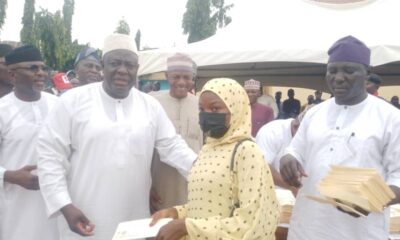

APC Chairman Urges Karu Women to Support Leaders With Proven Track Records
ShareBy Tambaya Julius, Abuja The Nasarawa State Chairman of the All Progressives Congress (APC), Dr. Aliyu Bello, has urged women...


South Korea, US Begin Exercises Next Week to Bolster Readiness against North’s Threats
ShareSouth Korean and US troops will begin their annual exercises next week to beef up readiness against North Korean threats,...
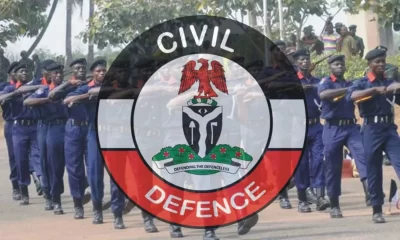

NSCDC Deploys 10,210 Personnel for 2026 Osun Election
ShareThe Nigeria Security and Civil Defence Corps (NSCDC) has deployed 10,210 personnel to reinforce security during Saturday’s Osun governorship election....
Over 270 Army Officers Sit for Senior Staff Course Qualifying Examination in Kaduna
ShareThe Nigerian Army has commenced the 2026 Senior Staff Course Qualifying Examination (SSCQE) for 274 officers at Jaji Military Cantonment,...


NAF Air Strike Kills 9 ISWAP Fighters, Top Commander in Borno
ShareThe Nigerian Air Force (NAF), has killed nine Islamic State West Africa Province (ISWAP) fighters in a precision air strike...


Troops Contain ISWAP Attack, Neutralize Terrorists, Recover Weapons in Borno
ShareBy David Torough, Abuja Troops of the Joint Task Force (North East) Operation HADIN KAI (OPHK) have successfully contained an...


Muslim World League Holds International Security Conference in Abuja as Tinubu Calls for Peace, Unity
ShareBy David Torough, Abuja The Muslim World League, in collaboration with the Jama’atu Izalatil Bidiah Wa Iqamatus Sunnah (JIBWIS), will...


Why OPay is Turning Savings into a National Movement
ShareBefore sunrise, tens of millions of Nigerians are already making financial decisions that will shape the rest of their day....


Dangote Takes 52.6m Barrels as Domestic Crude Supply Surges
ShareBy Tony Obiechina, Abuja The Dangote Petroleum Refinery emerged as the dominant beneficiary of Nigeria’s improved domestic crude supply in...

Osun Guber: ADC, Labour Raise the Alarm, Demand Free, Fair Election
ShareFrom Ayinde Akintade, Osogbo The race for the Osun State governorship has intensified ahead of Saturday’s election, as the African...