
POLITICS
NNPP Suspends Foundation Chairman, Aniegbunam

By Jude Opara, Abuja
The crisis rocking the New Nigeria Peoples Party (NNPP) deepened on Thursday, when the National Working Committee (NWC) announced the suspension of its founder, Dr. Boniface Aniegbunam.
Addressing the media at the party’s National Secretariat, acting National Auditor of the party, Barr.
Ladipo Johnson, who represented the acting National Chairman, Mallam Abba Kawu Alli said Aniegbunam does not have the power to singlehandedly reverse the decision of the NWC as ratified by the National Executive Committee (NEC).“You will all recall that recent events regarding the repositioning of our party and the discipline or otherwise of some of our members led to the expulsion of two members of the party, the suspension of about seven former state chairmen of our party, and the dissolution of the executive committees of nine state chapters of the party.
“Unfortunately, Dr. Boniface Onyebunum, one of the founders of our party, has arrogated to himself the right to solely reverse decisions of the National Working Committee, even those decisions that were ratified and adopted by the National Executive Committee, of the party.
“This is a situation that as a responsible National Working Committee, we cannot permit to persist.
“In line with our constitution, therefore, we have today suspended Dr. Boniface Okechukwu-Onyebunam and the National Publicity Secretary, Dr. Agbo Major, pending the determination of investigations by the disciplinary committee at the national level of the party”.
Johnson further explained that the party good the decision because the affected officers and their supporters have been also found to have engaged in anti party activities.
“Furthermore, the men and their suspended cohorts have under Article 39.27 been involved in anti-party activities and conduct which may likely have an adverse effect on the party or bring hatred, contempt, disrespect or ridicule to the party.
“They are also, we are reliably informed in the process of intentionally factionalizing the party together with some of the earlier suspended members, amongst other things”.
He regretted that those who were suspended refused to make use of the internal dispute resolution mechanisms available to them, but decided to create crisis in the party.
“Naturally, the gentleman, along with others that were earlier suspended, have access, in the first instance, to the disciplinary committee, which will invite them for fair hearing, and also an appeal procedure, which is clearly laid out under our constitution.
“We must state that this party is one and that we shall stand up to those who would like to bring it to disrepute. We must let the press know that there are only a few disgruntled, expelled and suspended members that have taken cover under Dr. Onyebunam and have seemingly pushed him to perform acts that are inimical to the growth of the party, and the operation of our constitution”.
By David Torough, Abuja
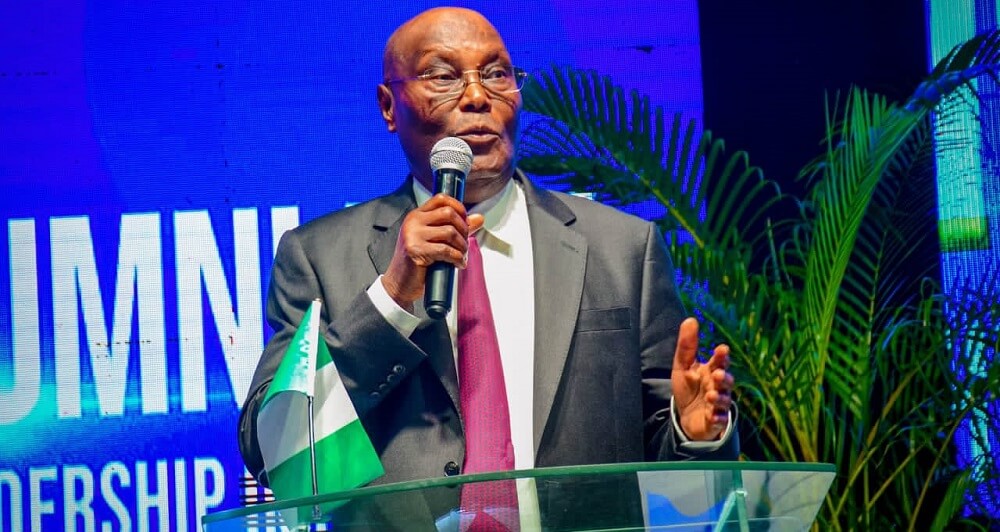
A fresh political confrontation erupted on Sunday between the Presidency and former Vice President Atiku Abubakar over the state of Nigeria’s economy and the role of religious leaders in holding the government accountable.
The Presidency mounted a robust defence of President Bola Ahmed Tinubu’s economic reforms, rejecting Atiku’s criticisms as outdated, misleading and politically motivated.
In a statement titled “Facts, Not Fear: A Point-by-Point Response to Atiku Abubakar on Nigeria’s Reform Journey,” it argued that the former vice president relied on economic data from 2024 while ignoring improvements recorded over the past two years.
According to the Presidency, the economy has shown significant recovery following the initial pains of key reforms, with Nigeria’s dollar-denominated Gross Domestic Product (GDP) rising from about $253 billion after exchange rate adjustments to approximately $377 billion, while the naira value of GDP increased from about ₦314 trillion to around ₦530 trillion.
The government also defended its borrowing profile, insisting that debt should be assessed in relation to the country’s economic capacity and the purpose for which loans are obtained. It maintained that Nigeria’s debt-to-GDP ratio remains below 40 per cent and that debt service-to-revenue has dropped from nearly 100 per cent in December 2022 to less than 60 per cent under the Tinubu administration.
On the controversial removal of fuel subsidy, the Presidency said the policy had significantly boosted revenues to states and local governments through the Federation Account Allocation Committee (FAAC), enabling greater investment in infrastructure, education, healthcare and social programmes.
It also rejected claims that its tax reforms were designed to overburden Nigerians, insisting instead that they seek to reduce taxes for low-income earners and small businesses while improving compliance among wealthier individuals and profitable companies.
Highlighting achievements in the social sector, the Presidency said over 3,000 primary healthcare centres had been upgraded, more than 78,000 frontline health workers retrained, while over 100 hospitals now provide free caesarean sections for indigent mothers. It added that more than 1.64 million students had benefited from the Nigerian Education Loan Fund (NELFUND), with over ₦303 billion disbursed.
The Presidency further dismissed Atiku’s allegation of an unaccounted ₦7.98 trillion oil windfall, describing the claim as analytically flawed and arguing that actual government earnings were affected by production shortfalls, production costs, revenue-sharing arrangements and forward crude sale commitments.
While acknowledging the hardships created by the reforms, it insisted they were necessary to correct longstanding structural distortions in the economy and expressed confidence that inflation would continue to ease as macroeconomic conditions improve.
However, Atiku rejected the government’s defence, describing it as an attempt to rewrite Nigeria’s economic realities. In a statement issued through his Senior Special Assistant on Public Communication, Phrank Shaibu, the presidential candidate of the African Democratic Congress (ADC) argued that official data contradict the administration’s claims.
He questioned the government’s assertion that workers’ welfare had improved, noting that the Federal Government had yet to fully implement the new minimum wage and had not paid the 40 per cent peculiar allowance expected to take effect from May 1, 2026.
Atiku also disputed the administration’s claims on public debt, citing Central Bank of Nigeria figures which, according to him, show that the Federal Government’s indebtedness to the apex bank rose from about ₦26.9 trillion when President Tinubu assumed office to over ₦40.38 trillion.
He argued that converting Ways and Means advances into Treasury Bills and bonds amounted to debt restructuring rather than repayment, while accusing the administration of continuing to accumulate fresh debt.
The former vice president also challenged the government’s explanation that fuel subsidy savings were financing NELFUND, recalling that the agency’s management had previously attributed part of its funding to recovered assets from the Economic and Financial Crimes Commission (EFCC).
He further blamed the administration’s borrowing pattern for rising debt servicing costs, saying excessive government borrowing had crowded out private sector investment and worsened economic conditions.
According to Atiku, soaring food prices, persistent inflation, business closures, unemployment, naira depreciation and rising poverty remain the realities confronting millions of Nigerians despite the government’s optimistic assessment.
The political exchanges also extended beyond economic issues, with Atiku condemning what he described as the Presidency’s attack on the Catholic Church and Cardinal John Onaiyekan following recent comments by Catholic bishops on the state of the nation.
He said Catholic bishops are not “political props, rented cheerleaders or praise singers” but moral leaders with a responsibility to speak truth to power irrespective of who occupies the Presidency.
Atiku accused the administration of intolerance towards dissent and urged government officials to address the concerns raised by the bishops instead of attacking respected religious leaders.
He maintained that the Catholic Church has historically defended the interests of the poor, oppressed and vulnerable, insisting that criticism from religious leaders should be seen as an opportunity for reflection rather than an act of hostility.
The former vice president called on the Presidency to apologise to Cardinal Onaiyekan, the Catholic Church and the country’s Catholic faithful, warning that attacks on independent voices undermine democratic values and do not diminish the economic hardships facing Nigerians.
From Attah Ede, Makurdi
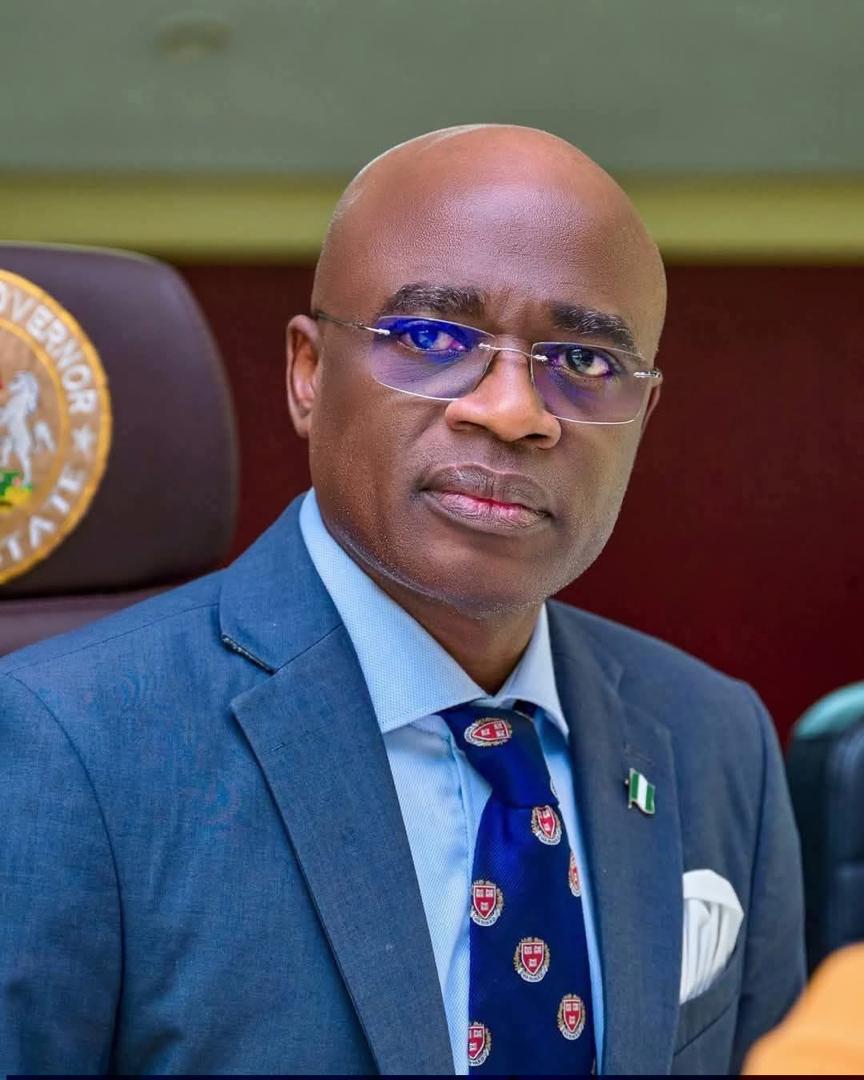
Benue State Governor, Rev. Fr. Hyacinth Alia has inaugurated the state’s Economic and Policy Advisory Team, with a charge on members to use their expertise to drive evidence-based governance and sustainable growth.
Members of the team includes; Nick Agule – Team Lead, Carolyn Okoh Folami – Co-Team Lead, Prof Naomi Onyeje Doki, Dr Andrew Ayabam, Dr Adukwu Emmanuel Ogbole, Patrick Okigbo and Dr Fanen Ade.
Others are; Alex Tarka, Dr Jane Asagh, Basil Jev, Dr Joseph Ogebe, Emmanuel Makeri, Micheal Oglegba, Theresa Nyitse and Prof Jerome Andohol – Secretary.
Speaking during the inauguration ceremony today at the Fr. Alia Hall, Benue State Emergency Management Agency, the governor congratulated the appointees and described their selection as a vote of confidence in their competence and experience.
He stated that the Advisory Team is central to his administration’s effort to strengthen strategic planning and speed up economic progress across the state.
“The constitution of this Advisory Team is our administration’s resolve to strengthen evidence-based governance, deepen strategic planning and speed up sustainable economic growth, ” he explained.
The Governor urged members to justify the confidence placed in them by dedicating their knowledge to the advancement of Benue State.
He further outlined high expectations for the body, which include that; members should offer objective, practical and forward-looking advice to help the government craft policies that create jobs, attract investment, boost internally generated revenue, improve public services and expand opportunities for residents.
He stressed recommendations must be rooted in credible data, rigorous analysis and innovation, and delivered with professionalism, integrity, patriotism, and accountability.
He said, “Let your recommendations be guided by credible data, rigorous analysis, innovation and undivided commitment to the welfare of the people of Benue State”.
While acknowledging the state’s challenges, the governor framed them as opportunities for transformation.
He called for collaborative work with stakeholders and creative solutions to build a more diversified, competitive, and resilient economy.
Alia pledged his administration’s support for the team, promising an enabling environment and careful consideration of its findings.
He pointed out the government’s continuing focus on inclusive growth, fiscal discipline, private-sector development, food security, youth empowerment and sustainable development.
By David Torough, Abuja
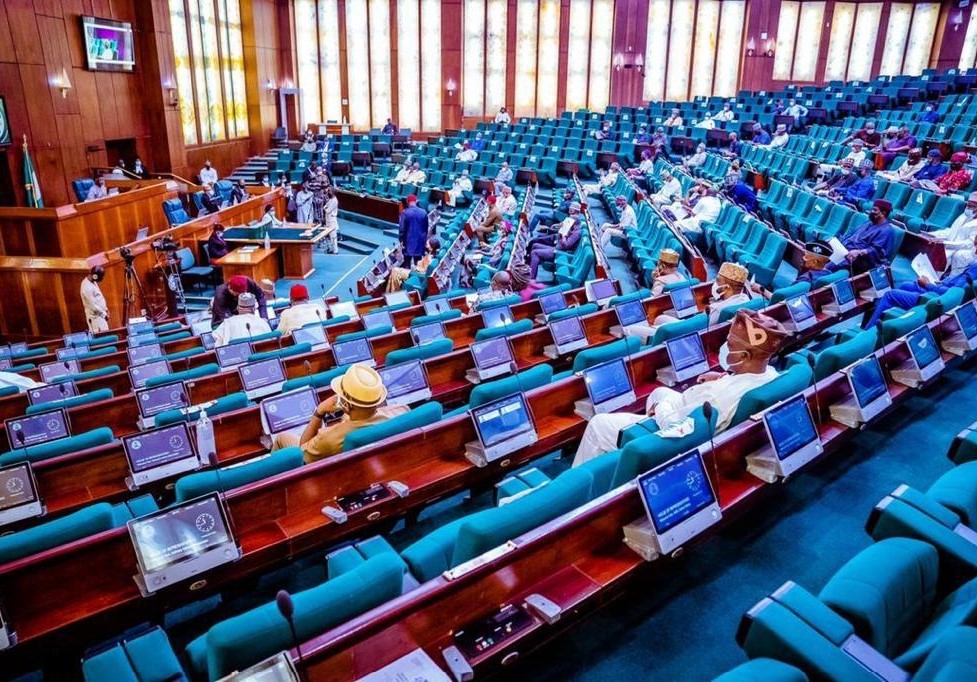
The House of Representatives Ad Hoc Committee investigating the controversial establishment and operations of the Presidential Foreign Investment Promotion Council (PFIPC) has declared the appointment letter presented by the council’s self-acclaimed Director-General, Adeniyi Adeyemi, as fake, saying its investigation uncovered an extensive network of forged government documents allegedly used to secure official recognition for the council.
Chairman of the committee, Hon. Yusuf Gagdi, disclosed the findings at the close of the panel’s public hearing in Abuja, stating that evidence from the Nigeria Police Force, the Office of the Head of the Civil Service of the Federation (HCSF), and other government institutions established that the appointment letter and other documents presented by Adeyemi were not authentic.
According to Gagdi, the Head of the Civil Service of the Federation, Didi Esther Walson-Jack, who appeared before the committee for the second time, confirmed that the purported appointment letter and the Establishment Act presented to her office were fake.
He said forensic analysis by the Nigeria Police also revealed that the signature on the disputed appointment letter did not correspond with authentic signatures from the Office of the Chief of Staff to the President, noting that the document was not even a forgery in the strict sense because there was no attempt to imitate the genuine signature.
The committee further established that the supposed Establishment Act used to facilitate the creation of the council lacked the statutory features of a valid Act of the National Assembly, including citation numbers, Gazette references and other security features, describing it as a mutilated and fabricated document.
Gagdi also alleged that investigations uncovered the creation of a fictitious Directorate of Administration and Support Services within the State House, an office he said does not exist but was referenced in documents submitted to several government agencies to obtain approvals.
According to the committee, no fewer than 19 fake State House documents were allegedly deployed to process official correspondences and secure recognition for the council.
The panel had earlier directed the Inspector-General of Police to produce Adeyemi after describing the establishment and operation of the council as a serious breach. However, Gagdi explained that the suspect could not appear before the committee because he is currently being held in police custody pursuant to a subsisting court order.
He said the committee would conclude the investigation with closed-door sessions involving the remaining agencies to clarify outstanding issues and ensure all parties are accorded a fair hearing before presenting its preliminary findings to the public next week.
The House had constituted the committee following concerns over the legal status, operational framework and budgetary appearance of the Presidential Foreign Investment Promotion Council, amid allegations that it was established without lawful authority.
Gagdi reaffirmed the committee’s commitment to a thorough, impartial and transparent investigation aimed at safeguarding the integrity of public institutions and ensuring accountability.


FG begins 2026 National Laureate Programme
ShareThe Tertiary Institutions National Laureate Committee has announced the commencement of the 2026 National Laureate Programme. The National Laureate Programme...
Still On Abubakar Malami, His Battles and Landmark Achievements
ShareBy Hajia Hadiza Mohammed As I stated in my previous article, some of my colleagues have queried my interest in...


Why Nigeria’s Births should not Worry Elon Musk
ShareBy Chinedu Moghalu Elon Musk has a gift for reducing significant anxiety to a sentence. “Nigeria alone had 4 million...
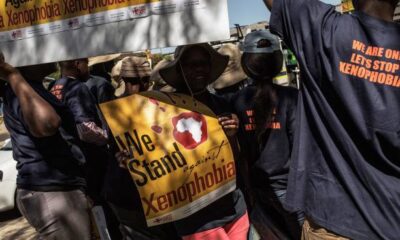

Neutralizing South Africa’s Xenophobic Excesses
ShareBy Chidi Amuta Nelson Mandela must be churning in his resting place. An exemplary life lived and a myth created...
Enugu Joint Security Operatives Rescue Abduction Victim
ShareFrom Sylvia Udegbunam, Enugu A joint security team comprising Police operatives, Forest Guards, and members of the Neighbourhood Watch Group...


Police Uncovers Two Illegal Arms Factories in Benue
ShareFrom Attah Ede, Makurdi Police in Benue State uncovered and destroyed two illegal firearm manufacturing factories, recovered three AK-47 rifles...


Troops Foil Bandits’ Attack, Rescue Nine Kidnap Victims in Zamfara
ShareFrom Ifeanyichukwu Nwannah, Gusau Troops of Sector 2, Operation FANSAN YAMMA, deployed at the Forward Operating Base (FOB) in Kasuwan...
The Fake DG Saga Holds a Mirror to All of Us
ShareBy Akin Fadeyi A man got tired of his wife’s alleged belligerent behaviour. She was never “available” and whenever she...


OPay is Okay: Trust Is Not Claimed – It Is Earned
ShareFor tens of millions of people across Nigeria, digital finance has changed everyday life. Paying bills, sending money, saving, and...


Wike Directs Immediate Demolition of Suspected Criminal Hideout in Abuja
ShareBy Laide Akinboade Abuja Minister of the Federal Capital Territory (FCT), Nyesom Wike has directed the immediate demolition of an...