
Health
NSIA-LUTH launches programme for children with cancer

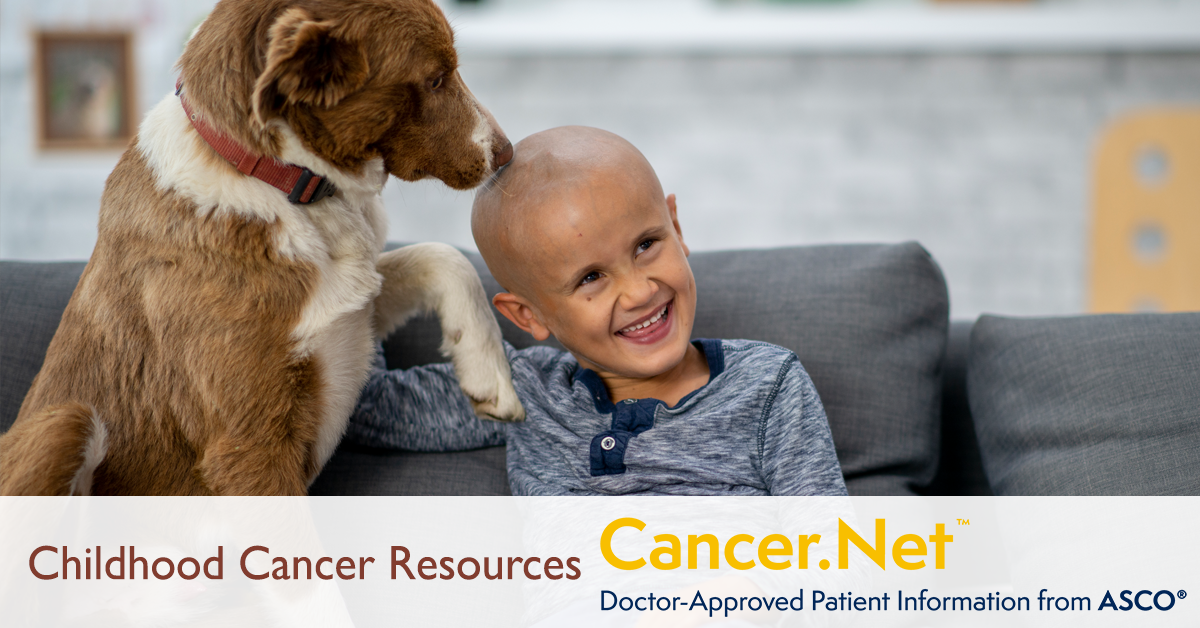
To provide specialised radiation therapy for children with cancer, the NSIA-LUTH Cancer Centre (NLCC) has launched a Paediatric Radiation Oncology Programme in Lagos.
The Centre Director of NLCC, Dr Lilian Ekpo, said during a media tour on Thursday that the pioneering initiative was designed to address the rising cases of cancer in children in sub-Saharan Africa.
The News Agency of Nigeria (NAN) reports that according to the World Health Organisation (WHO), childhood cancer incidence in sub-Saharan Africa is estimated at 56.
3 per million population.Current projections show that Africa will account for nearly 50 per cent of the global childhood cancer burden by 2050.
Ekpo said that this was what led the NLCC team to a significant step forward to confront this concern.
“The introduction of the Paediatric Radiation Oncology Program is our response to this pressing need.
“ It is an acknowledgement that children with cancer require specialized care that addresses their unique medical and emotional needs.
“ It signifies our unwavering commitment to improving the outcomes and quality of life for these young patients,” she said.
The director described the new medical service as a beacon of hope for children and their families who face the challenging journey of pediatric cancer.
“The project also represents a promise that the centre will make every child and every family who walks through its doors, a promise of hope, a promise of healing, and a promise of unwavering support.
“We have assembled a dedicated team of experienced radiation oncologists who are not only experts in their field but also compassionate individuals deeply committed to providing the best possible care for our young patients.
“Children are our most precious treasures, and their well-being is a shared responsibility.
“This programme underscores our dedication to this responsibility.
“It represents a promise that we make to every child and every family who walks through our doors, a promise of hope, a promise of healing, and a promise of unwavering support.
“Our journey to this point has been marked by tireless dedication, countless hours of planning, and unwavering determination.
“ Today, as we inaugurate this programme, we do so with immense pride, knowing that it carries the potential to positively impact the lives of countless children and their families,” Ekpo said.
She appreciated the LUTH and NSIA for their commitment to advancing cancer care in Nigeria.
During her presentation, a Clinical Radiation Oncologist, Dr Adebayo Joseph, stressed that 40 per cent of Nigerian cancer deaths could be prevented if patients were provided with the information and support they need to adopt healthy lifestyles.
According to her, the NLCC offers compassionate and comprehensive care at every stage of the patient’s journey.
This is as the centre understands the huge burden that a cancer diagnosis and its subsequent treatment places on the patient and their family.
“Hence, the highly experienced team made of radiation oncologists, medical physicists, radiotherapists, and oncology nurses provide the most feasible route to alleviate the situation by offering affordable, safe and proven treatment options’’.
Also, the Chief Medical Director of LUTH, Prof. Wasiu Adeyemo, commended the NLCC’s efforts and contributions of their selfless service to humanity, especially the children with cancer.
The CMD said the centre had once again demonstrated exemplary leadership in the treatment of cancer in the country, urging the team to continue thinking out of the box.
Adeyemo also promised to keep supporting the team.

From Joseph Amedu, Lokoja
The Chief Medical Director of the Federal Teaching Hospital, Lokoja, Professor Abdulrahman Shehu, has called for more investment in healthcare delivery
The Chief Medical Director particularly woos philanthropists, the Federal Government and the Kogi State Government to invest more in the health sector to improve healthcare delivery and strengthen hospital infrastructure.
Prof. Shehu made the call while interacting with members of the Correspondent’s Chapel of Nigeria Union of Journalists, Kogi State Council who were in his office to clarify some issues affecting the hospital on Friday.
The renowned medical practitioner who was represented by the Chairman, Medical Advisory Committee (CMAC) Dr Raphael Odekunle, said increased private-sector and philanthropic support would complement government efforts in providing modern facilities, medical equipment and other essential resources required for hospitals to deliver quality and affordable healthcare services.
The CMD, who spoke on efforts by the new management to reposition the hospital, said the administration was committed to improving infrastructure, enhancing service delivery and ensuring that healthcare workers remained responsive to patients’ needs.
He stressed that the management would continue to introduce reforms aimed at making services more accessible, efficient and patient-friendly.
Shehu urged patients experiencing difficulties in the course of receiving treatment to channel their complaints through the hospital’s Servicom platform, describing it as an effective avenue for prompt attention to their concerns.
According to him, the platform provides patients with an opportunity to report challenges encountered while accessing healthcare services, enabling the management to identify and address such issues without unnecessary delays.
To reduce the stress of moving between departments in search of medical services, the CMD disclosed that the hospital had introduced a clinical system that brings essential service units together in one location.
He explained that the arrangement accommodates revenue, pharmacy, laboratory and National Health Insurance Scheme (NHIS) units, allowing patients to access the services they need more conveniently.
Shehu said the management planned to extend the system to other parts of the hospital to further improve service delivery and minimise the difficulties patients encounter while seeking treatment.
He, however, appealed to the Federal Government to intervene in the hospital’s infrastructure, noting that improved facilities were necessary to bring its operations in line with the standards expected of a teaching hospital.
On the hospital’s wallet payment system, the CMD defended the arrangement, describing it as a measure designed to promote transparency, accountability and curb fraudulent practices.
He explained that the system enables the hospital to manage patients’ payments in an accountable manner while ensuring that funds are used to provide the required services.
Shehu acknowledged concerns over delays in refunding patients’ unspent balances, assuring that the management was working to remove the bottlenecks associated with the process.
“We are working on how best we can remove the bottlenecks associated with delays in refunding unspent money to patients,” he said.
The CMD also appealed to the Federal and Kogi State governments to intensify public awareness and encourage more residents to enrol in the National Health Insurance Scheme to improve access to healthcare.
He noted that measures were being put in place to ensure the availability of drugs under the scheme, while clarifying that not all medications were covered by the NHIS.
Shehu urged enrollees to familiarise themselves with the scheme’s drug coverage to avoid misunderstandings when accessing prescribed medications.
On emergency care, the CMD assured that the hospital would continue to prioritise saving lives, stressing that emergency cases were attended to before payment was demanded.
He said the hospital’s primary responsibility was to preserve lives, adding that financial considerations would not take precedence over urgent medical attention in emergency situations.
The CMD further pledged that the management would sustain the training and retraining of medical and non-medical personnel to improve professionalism, strengthen patient relations and ensure that patients received satisfactory care.
He expressed confidence that the ongoing reforms, combined with improved infrastructure and support from government and private benefactors, would enhance the hospital’s capacity to provide quality healthcare services to the people.
Earlier, the Chairman of the Correspondents’ Chapel of the Nigeria Union of Journalists (NUJ), Kogi State Council, Comrade Segun Ademola Salami, commended the management of the hospital for upgrading its facilities to enhance effective healthcare delivery to residents of Kogi State and Nigerians at large.
He urged the Chief Medical Director (CMD) not to relent in his efforts to ensure that the hospital lives up to its status as a teaching hospital through the provision of quality and accessible healthcare services.
Comrade Salami, however, appealed to the management to address the challenges patients encounter while accessing medical services at the facility.
By Eze Okechukwu, Abuja
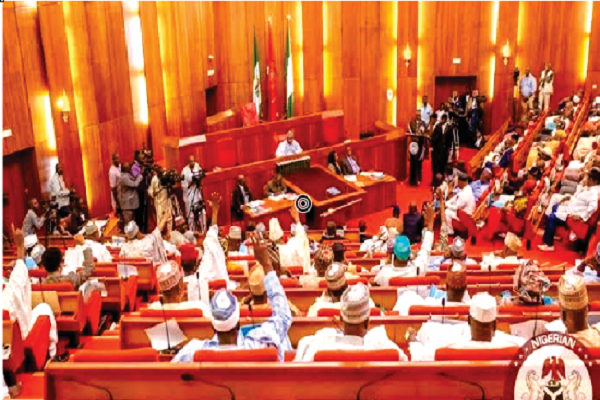
The Senate yesterday ordered mandatory health screening for every international passenger arriving Nigeria airports, seaports, land borders as Ebola resurfaces in the Democratic Republic of Congo with a scare case reported in the FCT.
The resolution followed an urgent motion by Senator Francis Fadahunsi, who warned that with Lassa fever already ravaging states, Nigeria cannot afford another outbreak.
“Protecting our entry points is far cheaper than managing Ebola,” Fadahunsi told the chamber.
Lawmakers insisted screening must be total and indiscriminate — no exemptions based on nationality or departure country because infected travellers can transit through safe-listed nations.
Senator Diket Plang raised the stakes further, demanding immediate funding for NCDC and Port Health Services, including release of withheld funds and emergency budget.
Senate President Godswill Akpabio said the Federal Government has started releasing Ebola response funds but ordered relevant committees to track every kobo.
“Ascertain whether the funds were released and judiciously utilised. Any outstanding debt must be released by the Finance Ministry without delay,” Akpabio directed.
By Laide Akinboade, Abuja
The Federal Government (FG), on yesterday confirmed one case of Ebola disease in the Federal Capital Territory (FCT), following laboratory confirmation.
Minister of Health and Social Welfare, Prof.
Muhammad Ali Pate, stated this while briefing journalists in Abuja.He said the patient, a woman, who was from Uganda, was admitted in Abuja and the diagnosis has been confirmed.
The statement reads, “The patient, a woman who recently arrived in Nigeria on an international flight from Uganda, was admitted to a private hospital in the FCT, where she received care for several days before the diagnosis was confirmed.
She is currently in isolation and receiving medical care.“The Federal Minister of Health and Social Welfare and NCDC are working closely with the FCT Health Services Secretariat and other relevant authorities to contain the infection and prevent further spread..
“Contact tracing has commenced with 44 close contacts identified presently, with public health teams identifying and monitoring people who may have been exposed, including healthcare workers, patients, caregivers and travel contacts. Surveillance has been intensified, and the hospital is receiving immediate support to strengthen infection prevention and control measures.
“The FG calls on all public and private healthcare facilities nationwide to be on high alert. Healthcare workers must maintain a high index of suspicion, promptly identify and isolate suspected cases, observe strict infection prevention and control measures, and immediately report suspected cases to public health authorities.
“What Nigerians Should Know and Do
Ebola spreads through direct contact with the blood or body fluids of someone who is sick with the disease or has died from it, or through contact with contaminated materials. A person with Ebola cannot spread the disease before symptoms begin”.
The Federal Government therefore advised residents to remain calm but vigilant.
“Remain calm but vigilant. There is no need for panic. Practise regular hand hygiene and avoid contact with the body fluids of anyone suspected to have Ebola.
Watch for symptoms, including fever, severe weakness, headache, vomiting and diarrhoea, particularly following possible exposure.
“Report any possible exposure immediately, even if you feel well. If you develop symptoms, avoid close contact with others and call public health authorities for guidance before visiting a healthcare facility.
” Cooperate with public health teams. Anyone contacted during contact tracing, including relevant airline passengers, should provide the necessary information and follow public health advice.
“Avoid rumours and stigma. Share only verified information from official health authorities” .
The Minister recalled, “Our Assurance to Nigerians. Nigeria successfully contained Ebola in 2014, and we have the experience and public health systems to respond to this case. However, containing Ebola requires everyone to play their part.
“The Federal Government, FCT authorities and other partners are working together to protect healthcare workers, patients and the wider public. Investigations are ongoing, and we will continue to provide accurate and timely information.
” We urge Nigerians to remain calm, stay vigilant and cooperate with public health authorities. Early detection, prompt reporting and everyone’s cooperation are critical to preventing further spread.
“The Government of Nigeria through the Presidential Taskforce on EVD and NCDC will continue to provide updates.
NCDC free call centre is available 24 hours a day, seven days a week. For information or to report a suspected case, please call NCDC toll-free number 6232″.




Ekpo Empowers Women, Supports Hospital Patients at 50
ShareBy Tambaya Julius, Abuja The All Progressives Congress (APC) flag bearer for Karu/Gitata Constituency in the Nasarawa State House of...

Ebola: Bayelsa Activates Emergency Response
ShareFrom Mike Tayese, Yenagoa The Bayelsa state government has intensified disease surveillance and emergency preparedness following reports of an Ebola...

FG Disburses N38.93bn to Tertiary Institutions
ShareBy Tony Obiechina, Abuja The Federal Government has disbursed N38.93 billion to 166 public tertiary institutions nationwide under the Needs...
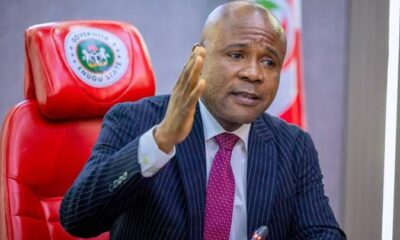

Mbah Unveils Multi-billion Naira Pharmaceutical Company in Enugu
ShareFrom Sylvia Udegbunam, Enugu Governor Peter Mbah of Enugu State has commissioned Anchorage Pharmaceutical Industries Limited, a multi-billion naira pharmaceutical...
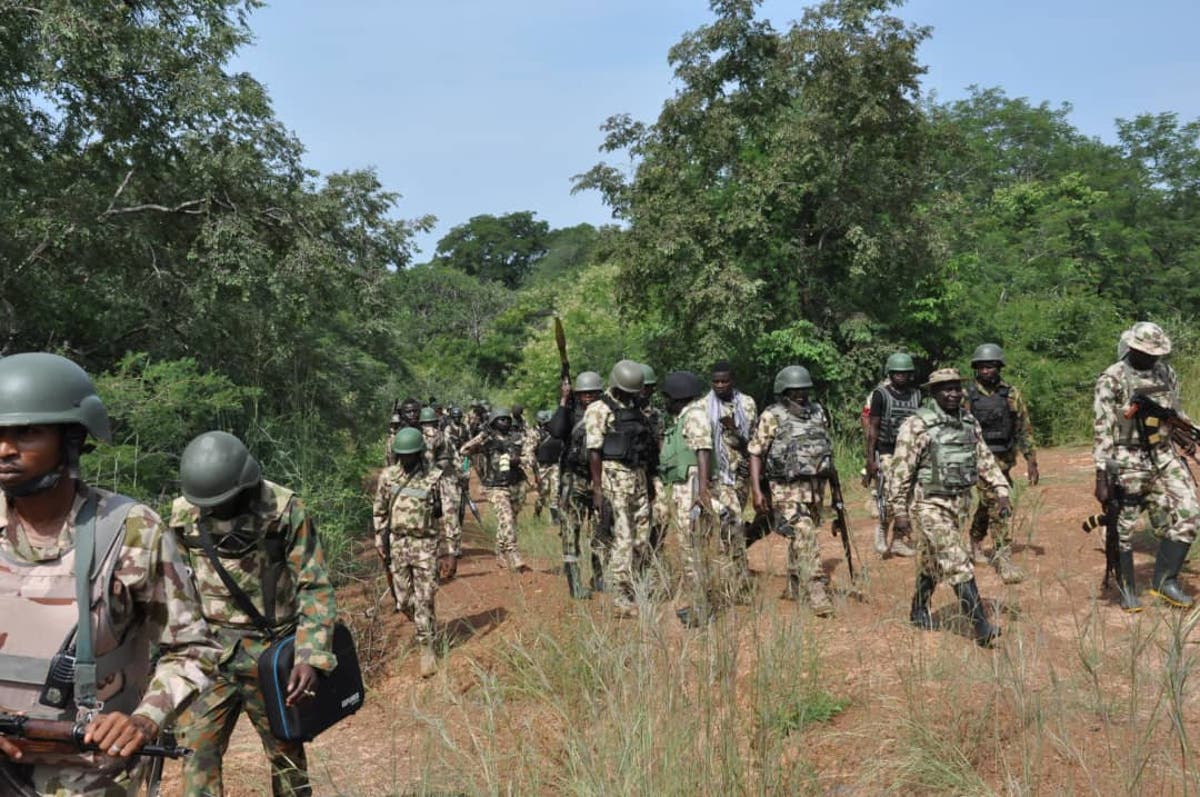
Troops Rescue Three Kidnap Victims in Kebbi
ShareTroops of Sector 2, Operation FANSAN YAMMA, have rescued three kidnapped victims following an operation in Sakaba Local Government Area...


Troops Neutralise Six Terrorists, Arrest 11 Suspected Collaborators in Borno
ShareTroops of the Nigerian Army have neutralised six terrorists, arrested 11 suspected collaborators and received the surrender of a Jama’atu...

JPMorgan’s Entry into Nigeria: Turning Global Finance into a National Development Opportunity
ShareBy Uche Joe Uwaleke The proposed establishment of JPMorgan Merchant Bank Nigeria Limited presents Nigeria with an important opportunity to...


Commissioner Hails Akwa Ibom Governor over Peace Initiatives
ShareVeteran Sports Journalist and Commissioner for Sports Development in Akwa Ibom State, Paul Bassey, has hailed the state Governor, Pastor...

Kogi Probes Mega Electronic Store Inferno
ShareFrom Joseph Amedu, Lokoja The Kogi State Government has commenced investigation into the fire incident that gutted Pee Links, a...

Delta Police Arrest School Bus Driver over Minor’s Kidnapping, Assault
ShareA 28-year-old school bus driver, Onome Ughagha, has been arrested by operatives of the Delta State Police Command for allegedly...