
NEWS
Ododo Approves Extension of Retirement Age for Health Professionals

From Joseph Amedu, Lokoja
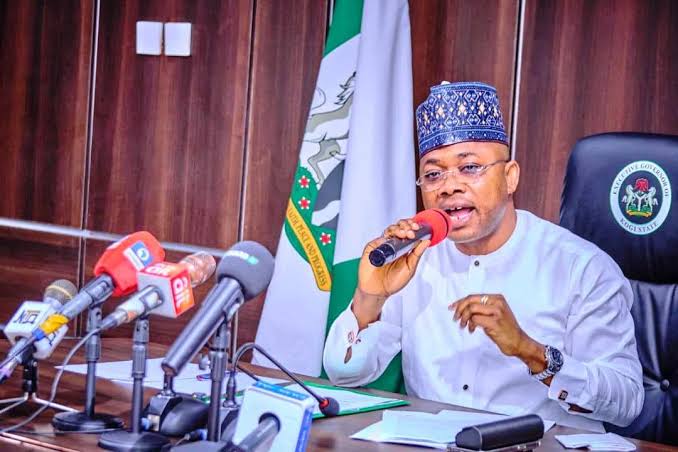
Kogi state Governor, Ahmed Ododo has approved extension of the retirement age for eligible skilled clinical health professionals in state-owned health institutions from 60 to 65 years, or from 35 to 40 years of service, whichever comes first.
The gesture is part of his administration’s deliberate efforts to improve the welfare of healthcare personnel, retain experienced professionals and ensure that the state continues to benefit from the expertise of skilled health workers.
The Commissioner for Information and Communications, Kingsley Fanwo, who announced this in a statement on Saturday, said the decision reflects Governor Ododo’s recognition of the invaluable contributions of healthcare professionals to the wellbeing of citizens and the need to create an enabling environment that encourages them to remain in service and give their best.
Fanwo disclosed that the Governor conveyed the approval through the Office of the Head of Service for formal communication and implementation across the affected health institutions.
Reacting to development, the State Head of Service, Hajiya Falilat Yusuf Musa applauded the Governor for the approval, describing it as a progressive workforce policy that recognises the value of experience, professional competence and the need to sustain critical manpower in the state’s healthcare system.
She said, “This is a commendable decision by His Excellency, Governor Ahmed Usman Ododo. It demonstrates his sensitivity to the needs of our healthcare professionals and his appreciation of the enormous contributions they make to the wellbeing of our people. Retaining experienced and competent personnel for longer years will strengthen our institutions, improve mentorship and ensure continuity in the delivery of essential services.”
According to the approved guidelines, the new retirement age applies to eligible skilled clinical health professionals in state-owned tertiary hospitals, general hospitals, cottage and comprehensive hospitals, primary healthcare centres and clinics.
The State Commissioner for Health, Dr. Abdulazeez Adams, also commended the Governor for the approval, describing it as a timely intervention that would boost morale among health professionals and further strengthen the state’s capacity to deliver quality healthcare.
He said, “This approval is a major boost to the health sector in Kogi State. Experienced clinical professionals remain invaluable to our healthcare system, particularly in mentoring younger practitioners, handling complex cases and sustaining quality service. Governor Ododo has demonstrated a clear understanding of the importance of keeping our skilled health personnel in service while they remain physically fit, professionally competent and productive.”
The policy is expected to strengthen the state’s healthcare workforce by retaining experienced personnel, promoting continuity in service delivery and allowing younger health professionals to benefit from the wealth of knowledge and practical experience accumulated by senior colleagues.
The Commissioner for Health said the development was consistent with the Ododo administration’s commitment to improving healthcare infrastructure, personnel welfare and access to quality medical services across the state.
“The Ododo administration has continued to invest in healthcare development as part of its determination to build a responsive health system, improve citizens’ wellbeing and ensure that residents have access to quality and affordable medical services” the commissioner said.
By Tony Obiechina, Abuja
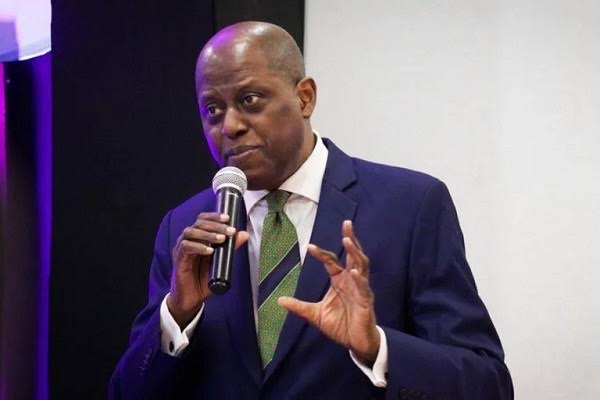
The Governor of the Central Bank of Nigeria (CBN), Olayemi Cardoso, has called for equity, fairness and proportional representation in the governance structure of the proposed ECOWAS Monetary Union.
He stressed that while regional solidarity and respect for the sovereign equality of member states must remain fundamental principles of the Union, these should be balanced against the financial commitments, responsibilities and risks borne by individual countries, particularly in determining their participation in decision-making and governance.
Cardoso made the call on Friday, November 20, 2026, while representing Nigeria at the Ministerial Session of the 6th Presidential Task Force Meeting on the ECOWAS Single Currency Programme in Abidjan, Côte d’Ivoire.
The Ministerial Committee of the ECOWAS Presidential Task Force comprises ministers of finance and central bank governors from member states.
Describing the meeting as a defining milestone in the region’s monetary integration process, Cardoso noted that recent deliberations had focused on critical aspects of the proposed Monetary Union’s institutional architecture, including the location of its institutions, leadership appointments, and the allocation of authority and responsibilities.
“The decisions we take today will shape the future of the Union for decades to come,” he told delegates.
He added that the decisions would influence the Union’s credibility among investors and development partners, its legitimacy in the eyes of citizens, and member states’ confidence that their financial commitments would be matched by meaningful representation in the institutions they are helping to establish.
The CBN governor reaffirmed Nigeria’s longstanding commitment to the ECOWAS Monetary Cooperation Programme and the establishment of the ECO single currency, citing the country’s substantial financial contributions, sustained technical support and willingness to make compromises in the broader interest of regional consensus.
“Nigeria has and will continue to demonstrate solidarity and fairness, respecting the sovereignty of other member states. We remain fully committed to the successful establishment of the ECO and to a Monetary Union that is credible, sustainable and beneficial to all Member States,” Cardoso said.
He, however, maintained that regional solidarity must go hand in hand with equity, arguing that countries with larger economies and greater financial responsibilities should receive fair consideration in the governance of the institutions they help finance and sustain.
“While bigger economies continue to take up the burden, they should also be considered to play a significant role because of the risk and systemic importance they have in the sub-region. Above all, such economies need to defend the huge contribution they make before their respective parliaments and civil society.
“Where obligations are shared but influence is not, arrangements may be agreed, but their long-term sustainability may be difficult to guarantee,” he added.
Reiterating Nigeria’s position, Cardoso emphasised that the country’s demand was not driven by a desire for dominance or entitlement, but by the responsibility associated with its position as West Africa’s largest economy and one of the principal contributors to the proposed Union.
He noted that Nigeria would commit substantial financial resources, reserves and institutional capital to the success of the Monetary Union. It was therefore reasonable, he argued, that the country’s responsibilities, accountability and participation in governance should reflect the scale of its commitments.
Cardoso urged delegates to approach the deliberations with openness, mutual respect and a willingness to compromise, expressing confidence that a balanced agreement could be reached through a shared commitment to building a strong, stable and prosperous Monetary Union.
He further stressed the need to ensure that every member state had a tangible stake in the Union’s success, warning against any arrangement in which countries bear significant obligations without a corresponding voice in governance.
The meeting, which focused on accelerating preparations for the phased introduction of the proposed ECO single currency from 2027, provided a platform for member states to deliberate on the institutional and governance frameworks required for the successful establishment of the ECOWAS Monetary Union.
By Donald Andoor, Abuja
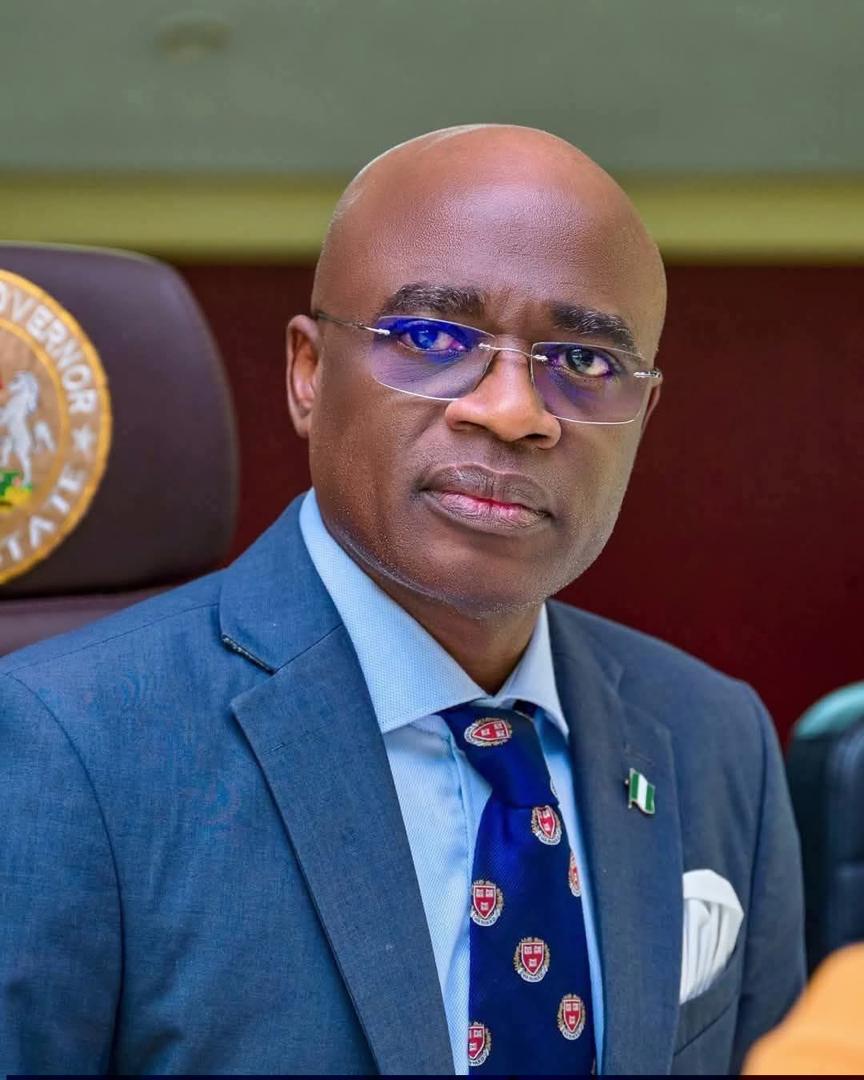
Governor of Benue State, Rev Fr Hyacinth Iormem Alia, has confirmed attendance and participation at DAILY ASSET 10th Annual Awards, which holds November 26 in Abuja.
The event, which takes place at NICON Luxury Hotel, Central Business District Abuja by 11.
00AM, will attract political and business leaders, professionals, government officials, traditional rulers, and numerous others.Alia who confirmed his participation to Daily Asset Publisher/Editor-in-Chief, Dr Cletus Akwaya, said he missed the annual event in the last two years due to other pressing state duties saying he was hopeful to attend this year’s event.
Third Republic Senator and Scholar, Prof David Iornem, who conveyed a letter of acceptance for the ‘Life Time Achievement Award” for which he was selected said he was appreciative of the Editorial Board for finding him worthy of the honour.
“I am deeply honoured by this recognition and grateful for the confidence reposed in me. I regard the nomination as a significant acknowledgement of my professional excellence and societal progress.
“I am pleased to formally acknowledge and accept the nomination” Iornem, the founder of numerous academic institutions in Nigeria and abroad said in a letter dated October 19, to the Newspaper’s Publisher/Editor-in- Chief, Dr Cletus Akwaya.
Another award nominee, President, Nigeria Association of Auctioneers, Engr Isibor Benjamin Abhulimen in his acceptance letter dated 17th November said “On behalf of Nigeria Association of Auctioneers(NAA), I am honoured to accept this ward recognition from Daily Asset” adding “I receive this recognition not merely as a personal achievement but also as an acknowledgment of the contribution of the Nigeria Association of Auctioneers and its members towards the advancement of professional auctioneering, transparency, accountability and effective management in Nigeria.”
The nation’s leading private university, Baze University, which was selected for the award of ‘University of the Year’ also indicated her interest to attend the high-profile event.
The Vice Chancellor, Prof Abiodun Adeniyi, who called the Publisher to convey the acceptance, said the University felt extremely honoured with the recognition.
Another award nominee, Dr Shaku Justin Orangoholga, who is the Chairman of Katsina-Ala LGA, Benue state also commended the Daily Asset Editorial board for finding him worthy for the award of Local Government Chairman of the Year.
He conveyed his willingness to attend and fully participate in the event.
The anniversary celebration, scheduled to be held at Nicon Luxury Hotel, Abuja on Thursday, will mark a decade of the newspaper’s contributions to credible journalism, public accountability, institutional growth and national development.
The Publisher, Dr Akwaya, a former Commissioner of Information in Benue State, said the 10th Anniversary was an opportunity to publicly show appreciation to all stakeholders who have over the years supported the newspaper organization from infancy to a maturity.
He solicited support from the public for the Newspaper’s next phase of development.

By Tony Obiechina, Abuja
The National Insurance Commission has called for improved claims settlement, stronger risk management, and greater accountability in Nigeria’s insurance industry following the enactment of the Nigerian Insurance Industry Reform Act 2025.
The commission said the new legislation would strengthen policyholder protection, improve institutional risk management, and restore public confidence in the insurance sector.
The Chief Executive Officer of NAICOM, Olusegun Ayo Omosehin, stated this on Thursday in Abuja at a capacity-building workshop organised for staff of the Nigeria Deposit Insurance Corporation on the implications of NIIRA 2025 for Group Life Assurance and other insurance policies
Omosehin, who was represented by Gbenga Jayesimi, described the enactment of the law as a significant demonstration of the country’s commitment to building a modern, trusted, and inclusive insurance industry.
He said the legislation offered an opportunity to strengthen insurance operations while supporting economic stability, social protection, and financial sector development.
According to him, effective implementation would determine the success of the reforms.
“You will all agree that the true success of NIIRA 2025 will depend on implementation, and NAICOM recognises that implementation must be guided by a collaborative and consultative approach involving all stakeholders,” he said.
He said the commission would issue appropriate regulations and guidelines, strengthen risk-based supervision, and improve oversight of market conduct.
Other priorities, he said, included promoting consumer awareness and financial literacy, supporting responsible technological innovation, and ensuring effective compliance monitoring and enforcement.
Omosehin said NAICOM would continue to engage insurance operators, brokers, professional bodies, employers, public institutions, and development partners to ensure the objectives of the Act produced measurable results.
He explained that the reforms were expected to encourage stronger institutional risk management, clearer accountability structures, and more efficient claims and benefits administration.
The NAICOM boss specifically urged organisations such as the NDIC to reassess their insurance arrangements in line with the new regulatory requirements.
He noted that the corporation maintained several insurance policies, including Group Life, Group Personal Accident, Health, Property, and Liability insurance.
He said NIIRA 2025 provided an opportunity for the institution to review the adequacy of its coverage, improve policy administration, and ensure compliance with contemporary regulatory standards.
On Group Life Assurance, Omosehin described the policy as an important component of workers’ welfare and social protection.
He said millions of employees in the public and private sectors depended on the scheme to provide financial security for their families in the event of death.
However, he identified challenges involving policy administration, premium remittances, documentation, record management, and claims settlement as factors that had sometimes undermined public confidence in the insurance business.
He said the new legislation was designed to address such shortcomings by strengthening policyholder protection and improving the regulatory framework.
The Act, according to him, also seeks to reinforce financial soundness through improved corporate governance, risk management practices, and supervisory oversight.
It is also expected to encourage digital transformation, innovation, and new insurance business models capable of extending coverage to underserved populations.
Earlier, a consultant with New World International Learning Solutions, Olusoji Adeniran, said the training was designed to expose NDIC personnel to emerging developments in insurance, banking, and public service administration.
Adeniran said the organisers expanded the programme to address new challenges in the financial sector and changes in the country’s regulatory and economic environment.
He said the training would also expose participants to international practices and enable them to compare Nigeria’s insurance and financial sector operations with those of other countries.
“We felt there was a need for us to upgrade the learning because we gave them some learning tips about a year or two ago.
“And so, this time around, we are expanding the focus due to new challenges in insurance and other banking activities and laws that are coming up nowadays. That is why we are here again,” he said.
He added that the programme would address contemporary issues, including technological innovations, new tax laws, subsidy reforms, and challenges confronting the banking sector.
Adeniran urged the participants to take the workshop seriously, saying the knowledge acquired would help them remain competitive with their counterparts in other countries.
Also speaking, the Assistant Director, Human Resource Department of NDIC, Salome Akoh, described the training as timely, noting that continuous staff development was essential to the corporation’s operations.
She said the reform of the insurance industry made it necessary for the corporation’s personnel to understand the new provisions and their implications for its insurance policies.
“We know that one of the things that keeps the organisation going is the training and retraining of staff.
“For NDIC, it is very crucial because knowledge is wealth. We need to know about the current happenings, most especially as the Act was reformed last year,” she said.
Akoh said Group Life Assurance remained particularly important to government institutions because of its role in protecting employees and their families.
She said the corporation needed to understand whether the new law had expanded the scope of coverage and what adjustments might be required to bring its insurance arrangements in line with the reforms.
She added that the training would equip staff with knowledge of current insurance policies, their operational implications, and possible amendments required to meet emerging regulatory standards.



Ododo Approves Extension of Retirement Age for Health Professionals
ShareFrom Joseph Amedu, Lokoja Kogi state Governor, Ahmed Ododo has approved extension of the retirement age for eligible skilled clinical...


CBN Seeks Fair Representation in ECOWAS Monetary Union
ShareBy Tony Obiechina, Abuja The Governor of the Central Bank of Nigeria (CBN), Olayemi Cardoso, has called for equity, fairness...


DAILY ASSET 10TH Annual Awards: Alia, Baze Varsity, Iornem Others Confirm Attendance
ShareBy Donald Andoor, Abuja Governor of Benue State, Rev Fr Hyacinth Iormem Alia, has confirmed attendance and participation at DAILY...

Bayelsa Boat Mishap: Tinubu Donates N250m as Death Toll Rises to 29
ShareFrom Mike Tayese, Yenagoa The Federal Government has donated N250 million to support families of victims of the tragic boat...


Ashish Sabharwal, India’s Leading Surgeon, Who Drives Robotic Cancer Surgery At Apollo Hospital
ShareBy Cletus Akwaya, who was in India Nothing about him looks extraordinary. He is built of an average body frame,...


Recruitment Concerns: Customs Suspends Training at Two Colleges
ShareBy Tambaya Julius, Abuja The Nigeria Customs Service (NCS) has temporarily suspended training activities at its two training colleges to...


WPRF Delegates Leaving Nigeria with Positive Impressions – Customs CG
ShareBy Tambaya Julius, Abuja The Comptroller-General of the Nigeria Customs Service (NCS), Adewale Adeniyi, has said delegates attending the World...

INEC Urges South-South Youths to Shun Electoral Violence Ahead 2027 Polls
ShareBy Orjime Moses, Abuja The Independent National Electoral Commission (INEC) has urged youths in the South-South to shun electoral violence,...
Nigeria’s Politics of Fear: Who Profits When Democracy Bleeds?
ShareBy Jude Dike Nigeria is approaching another general election, but something more troubling than the contest for political power is...
NAICOM Wants Improved Claims Settlement, Risk Management
ShareBy Tony Obiechina, Abuja The National Insurance Commission has called for improved claims settlement, stronger risk management, and greater accountability...