
Uncategorized
PDP Supports Women’s Seats, Seeks 2027 Unity

The Peoples Democratic Party (PDP) has declared its support for a bill before the National Assembly seeking to reserve seats for women in the legislature.
PDP Acting National Chairman, Amb. Umar Damagum, made the commitment during a meeting of the party’s Board of Trustees (BoT) on Monday, ahead of its 102nd National Executive Committee (NEC) meeting scheduled for Tuesday in Abuja.
Reiterating the party’s commitment to women’s inclusion in governance, Damagum said it was no longer enough to have the 35 per cent affirmative action for women on paper; it must be translated into action.
“Recently, the National Assembly has been pushing forward with the liberation and inclusion of women in governance.
“You’ll recall that the Speaker of the House of Representatives sent a delegation led by the Minister of Women Affairs and the Chairperson of the House Committee on Women Affairs to visit the National Working Committee (NWC).
“Their mission was to engage us on the reserved seats bill.
“At that meeting, we gave our word that we will endorse the bill.
“We also remain committed to advancing women’s inclusion at all levels of leadership, in our party and in the country,” he said.
Damagum noted that although the PDP constitution already supported 35 per cent affirmative action, the time had come for actual implementation.
“Implementation is the true measure of commitment,” he said.
He added that as the party prepared for its national convention, meaningful representation of women must be ensured, not just in committees, but also in the election of national officers.
On party unity, Damagum stressed the need for cohesion ahead of the party’s national elective convention scheduled for Nov. 15–16.
“In times like this, unity is our strongest message to the nation, that a credible, vibrant, and dominant opposition is alive and ready to challenge the All Progressives Congress (APC),” he said.
He urged leaders to be mindful of the nation’s mood, warning that the choices made in the coming weeks would shape not only the PDP’s future, but the nation’s destiny.
Damagum also advised party leaders to close ranks following recent internal disagreements, especially over factional issues.
“We cannot afford internal cracks at such a critical time in our nation’s history.
“The sensitive matter of the national zoning committee must be handled with seriousness and inclusivity,” he said.
He described zoning as a pillar of balance and fairness in the PDP and urged members to treat it as such.
“This meeting gives us an opportunity to deliberate in the spirit of brotherhood, fairness, and patriotism.
“I trust our resolutions will be firm and our vision clear.”
In his remarks, PDP BoT Chairman, Sen. Adolphus Wabara, represented by BoT Secretary Sen. Ahmed Makarfi, emphasised the need for unity, sacrifice, and reconciliation if the PDP was to reclaim power in 2027.
Wabara noted that millions of Nigerians still pinned their hopes on the PDP, and that the party must demonstrate the collective capacity to lead, reconcile, and position itself effectively.
“Unity is not just a slogan; it is the lifeblood of any political organisation. Without unity, progress is stunted, and victory is elusive,” he said.
He also emphasised the spirit of sacrifice, saying reclaiming victory in 2027 would require more than words, it would require difficult choices for the greater good of the party and the Nigerian people.
Wabara urged the party to embrace reconciliation and inclusion, calling on elders to reach out to aggrieved members who had left the party.
“This does not mean abandoning our principles.
“It means applying wisdom and flexibility in how we enforce our rules. If necessary, we must adjust certain laws to accommodate genuine interests,” he clarified.
He warned against the dangers of exclusion, saying no political family could thrive on division.
With the national convention approaching in Ibadan, Wabara said now was the time for healing and fresh beginnings.
“The road to 2027 will not be easy. But if we unite, embrace sacrifice, and open our doors to reconciliation, the PDP will once again rise as the hope of Nigerians.
“Let us leave this meeting with determination, solidarity, and faith in our great party. Let us write the next chapter of the PDP, together,” he said.
By Tochukwu Jimo Obi
Sixty six years after independence, Nigeria should be asking itself a question that can no longer be postponed: what exactly has become of the great promise of our nation? A country blessed with enormous human and natural resources should not, at this stage of its journey, still be struggling with problems that ought to have become distant memories.
As we mark 66 years of independence, this should be more than another occasion for colourful ceremonies, patriotic speeches and celebrations. It is a time for sober reflection as a people, to examine where we are, where we ought to be and, most importantly, how best to move Nigeria forward.Undoubtedly, Nigeria is not where it used to be. There have been significant developments in different sectors of the economy and society, and successive administrations have introduced policies and programmes aimed at addressing the country’s challenges. However, we must also acknowledge that we are certainly not where we ought to be, considering the enormous human and natural resources available to us. A nation blessed with abundant natural resources, a large youthful population and considerable human capital should be able to provide a higher standard of living for its citizens.
At 66, Nigeria should have no reason to still be battling with inadequate power supply, dilapidated roads, massive unemployment and widespread hunger. These are challenges that have persisted for decades, despite the huge resources committed to addressing them. While some of our past and present leaders may have done, or may still be doing, their best, the reality remains that their efforts alone have not been enough to solve the numerous problems bedevilling the nation. What Nigeria requires is sustained commitment, effective institutions, accountability and policies that go beyond individual administrations.
Corruption and insecurity also continue to pose serious challenges to national development. Resources that should be channelled towards infrastructure, education, healthcare, job creation and other essential services can be undermined by corruption and poor accountability. Similarly, insecurity discourages investment, disrupts economic activities and threatens the lives and livelihoods of citizens. We cannot continue like this as a nation. There must be a collective determination to strengthen institutions, uphold the rule of law and confront the factors that continue to undermine national development.
Unfortunately, the people themselves appear to have become accustomed to many of these perennial problems. This has contributed to a situation where some citizens fail to demand accountability from leaders or make effective use of their democratic power during elections. Democracy gives citizens the opportunity to choose their representatives and to replace those whose performance does not meet their expectations. Elections should therefore be about competence, integrity, policies and the ability to serve the public interest, rather than personal loyalty or temporary benefits.
Sycophancy has also become increasingly visible in our political space. Some people praise leaders excessively for personal gain, defend actions they would ordinarily condemn and, in some cases, sell their votes during elections, only to complain about bad leadership afterwards. Citizens must understand that leadership and followership are interconnected. When voters trade their electoral power for immediate personal benefits, they may be contributing to a system that makes it more difficult to demand responsible governance later. The ballot should be treated as an important instrument for shaping the future of the country.
As Nigeria marks this 66th anniversary, our leaders at all levels must put the interest of the nation at the centre of their decisions and actions. Religious, political and ethnic considerations should not be allowed to take precedence over the collective interest of Nigeria. Diversity should be a source of strength rather than a reason for division. Those entrusted with public office must remember that political positions are temporary, while the consequences of decisions taken in office can affect generations yet unborn.
The people also have an important role to play in moving Nigeria forward. Citizens must obey the law, reject corruption, participate responsibly in elections, demand accountability and contribute positively to their communities. Professionals must give their best in their respective fields, young people must be encouraged to pursue productive opportunities, and the private sector must continue to contribute to economic development. Nation building cannot be left entirely to government. Every Nigerian has a responsibility to contribute to the Nigeria we desire.
At 66, the question, therefore, is not simply which way Nigeria, but what kind of Nigeria do we want to leave for the next generation? The answer lies in our collective willingness to change the things that have held us back, strengthen the institutions that sustain democracy and development, and place national interest above personal, political, religious and ethnic considerations. Nigeria has the resources, talent and potential to achieve greatness. What is required is the collective will to translate that potential into reality. As we celebrate 66 years of independence, let us renew our commitment to building a peaceful, prosperous and united nation. Nigeria shall be great again.
Tochukwu Jimo Obi, Obosi Anambra state.
By Tambaya Julius, Abuja
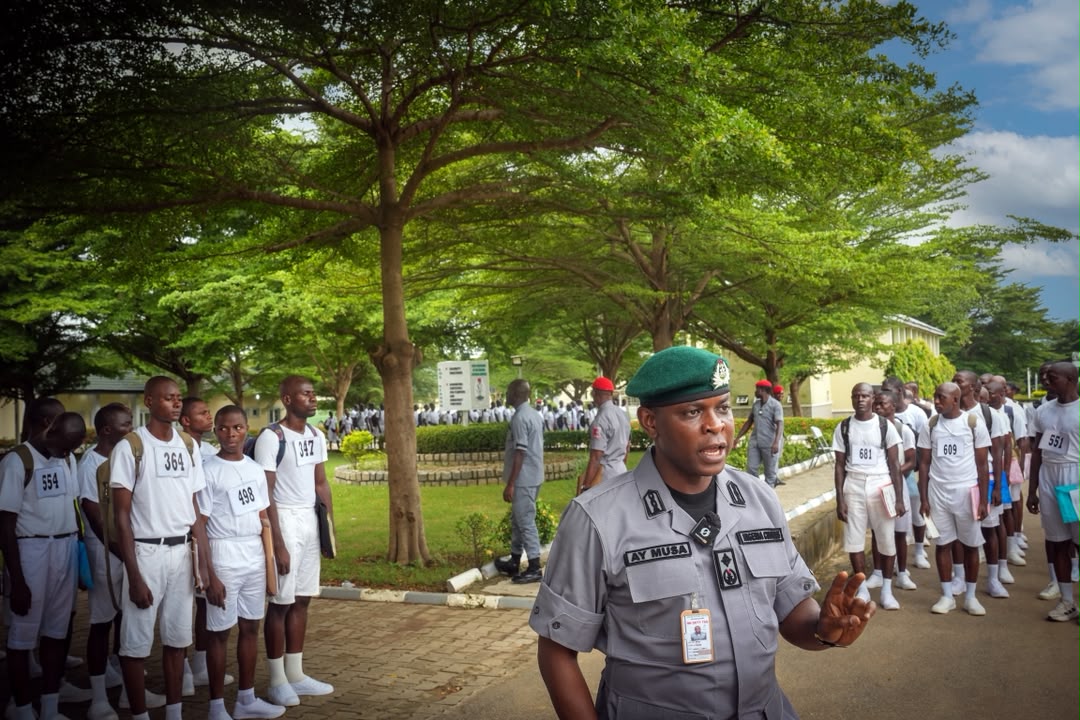
The Nigeria Customs Service (NCS) has concluded the final phase of its 2025 recruitment exercise, with nearly 3,000 shortlisted candidates undergoing screening in an exercise the Service said recorded improved coordination and efficiency.
The two-week exercise, held at the Training and Doctrine Command (TRADOC), Gwagwalada, Abuja, commenced on September 7 and ended on September 19, 2026.
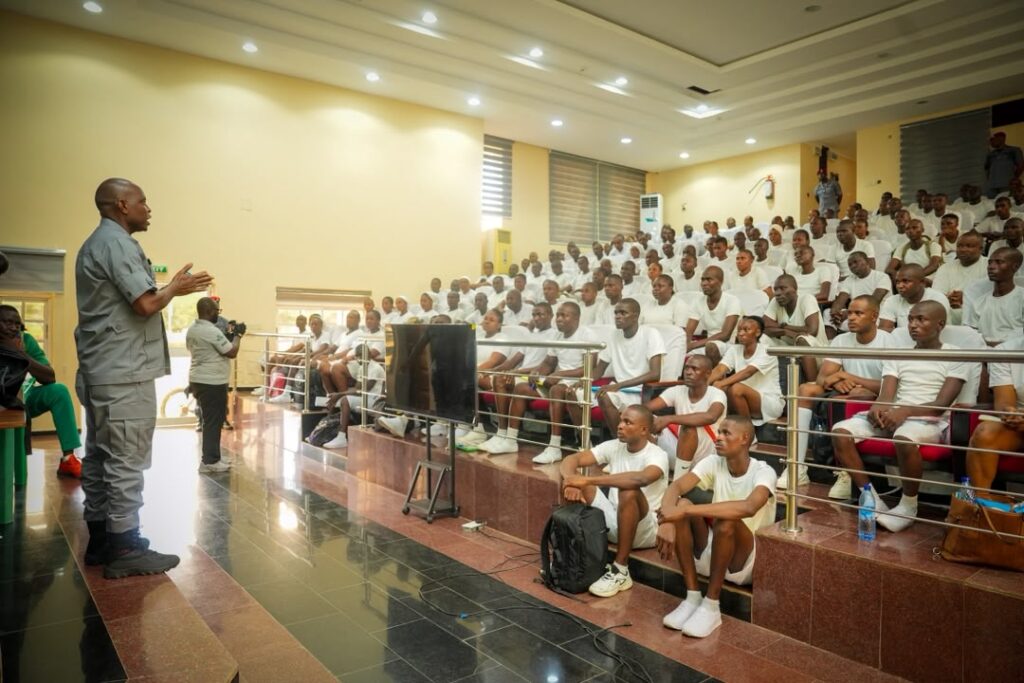
Candidates shortlisted for the Assistant Superintendent of Customs II (ASCII), Inspectorate and Customs Assistant cadres underwent documentation, physical fitness assessments and medical screening as part of the final stages of the recruitment process.
The exercise was conducted in batches, a measure introduced by the Service to reduce congestion and ensure smoother movement of candidates through the various screening points.
Speaking on the exercise, the Assistant Comptroller-General of Customs in charge of Human Resource Development, Frank Onyeka, said the Service had addressed challenges identified during the earlier phase of the recruitment process.
According to him, measures were introduced to improve coordination and reduce congestion at the screening centres.
“We have put measures in place to reduce congestion and ensure a smoother process this week. The gaps identified last week have been addressed, and we do not expect them to recur this week,” Onyeka said.
He urged candidates to remain disciplined and comply with the procedures established for the exercise.
The Service also introduced personalised screening forms as part of efforts to strengthen verification and minimise discrepancies in candidates’ records.
The Deputy Comptroller of Customs and member of the recruitment coordinating team, Adamu Musa, said each shortlisted candidate was provided with a form containing personal information and details required for the various stages of the screening.
He said the approach represented a departure from the previous system in which candidates received forms at the screening venue.
“Any candidate that has been shortlisted has a form designed especially for him, unlike in the past where you come, they issue you a form, and then some people along the way go and even change some of the records,” Musa explained.
According to him, the forms contained candidates’ names and other details covering sports, medical assessment, documentation and related requirements.
“So, once the candidate comes, you just verify what you already have from the system,” he added.
Musa said the new arrangement had made it easier for officials to authenticate candidates’ information while reducing opportunities for alterations and discrepancies.
The recruitment team also assessed candidates against established requirements, including age, physical fitness and drug screening.
Musa disclosed that candidates who test positive for hard drugs, exceed the stipulated age requirement or are found to have physical conditions that could affect their ability to perform their duties may be disqualified, subject to the final decision of the Service’s management.
He also stressed the importance of continuous recruitment and manpower development, noting that the expanding responsibilities of the Customs Service require personnel capable of responding to emerging challenges.
According to him, a well-trained workforce remains important to the Service’s responsibilities in national security, border protection, revenue collection and trade facilitation.
The Service also warned candidates and members of the public against relying on unverified information about the recruitment exercise.
Musa urged applicants to obtain recruitment updates only through the official communication channels of the Nigeria Customs Service, including its official website and verified social media platforms.
He warned that fraudsters could exploit the recruitment process by circulating fake announcements, misleading applicants or making unauthorised demands.
The warning comes as the Service moves towards the next stages of the recruitment process following the completion of the final screening exercise.
With the introduction of personalised forms, batch screening and tighter verification procedures, the NCS said it had strengthened the process to improve efficiency, reduce congestion and protect the integrity of the recruitment exercise.

Post Recapitulation: NAICOM Holds First Quarterly Staff Meeting
By Tony Obiechina, Abuja
The Commissioner for Insurance, Olusegun Ayo Omosehin, at the weekend presided over the Quarterly Staff General Meeting of the National Insurance Commission (NAICOM), the first such gathering since the successful conclusion of the insurance industry’s recapitalization exercise.
The meeting brought together management and staff to review the achievements recorded during the recapitalization programme and to align on the Commission’s strategic direction for the period ahead.
Participants also used the occasion to discuss issues bordering on staff welfare, institutional effectiveness, and the overall growth of the organization.
In their deliberations, the Commission reaffirmed its commitment to stronger regulation and supervision of the insurance sector, continuous capacity building for staff, and sustained operational excellence.
NAICOM said in a statement on Saturday that the resolutions reached at the meeting would help drive the emergence of a more resilient, competitive, and trusted insurance industry in the country.



Former Delta Governor Uduaghan Dies at 70
ShareFrom Francis Sadhere, Delta Former Governor of Delta State, Dr. Emmanuel Eweta Uduaghan, has died. Uduaghan, who governed the state...


Customs Opens Review for Disqualified Recruits, Flags 397 Applicants
ShareBy Tambaya Julius, Abuja The Nigeria Customs Service (NCS) has opened a review process for applicants disqualified during its recent...

World Bank Tasks FG, States on Sustainable Cash Transfers
ShareBy Tambaya Julius, Abuja The World Bank has urged the Federal Government and state governments to establish a sustainable social...

NDLEA Nabs 85-year-old Woman, Seizes 407kg Cannabis
ShareThe National Drug Law Enforcement Agency (NDLEA) has arrested an 85-year-old grandmother and five other suspected drug traffickers during coordinated...

Economy would’ve Collapsed without Tinubu’s Reforms, Says Shettima
ShareVice President Kashim Shettima has said Nigeria’s economy would have collapsed had President Bola Tinubu not taken what he called...


House of Reps Seeks 90-Day Fuel Reserve for Nigeria by 2027
ShareFrom Rabiu Sanusi, Kano The House of Representatives has backed plans to increase Nigeria’s strategic petroleum reserve from 20 days...

56,000 Candidates Register for 2026 Private WASSCE
ShareThe West African Examinations Council (WAEC) said no fewer than 56,000 candidates registered for the 2026 West African Senior School...


JAMB Warns Varsities Against Issuing Admission Letters
ShareThe Joint Admissions and Matriculation Board (JAMB) has warned universities against issuing admission letters to candidates, insisting that only admissions...
Beyond Survival: Building A Healthier Nigeria For A Longer Life
ShareBy Yussuf Mubaraq Damilare What does it mean to live a long life if access to basic medical care remains...

Jigawa to Increase Corps Members Allowance – Namadi
ShareThe Jigawa government has announced plans to increase monthly allowance for the National Youth Service Scheme (NYSC) members posted to...