
NEWS
PIA: FG Tasks Host Community Trusts on Utilisation of 3% Funds


The Federal Government has urged Host Community Development Trusts (HCDTs) in the Niger Delta to maximize the three per cent funds to ensure that communities reap the benefits of such funds.
The Petroleum Industry Act (PIA) 2021 mandates oil firms to set aside three per cent of its operational expenses for development of its host communities.
The Minister of State Petroleum Resources (Oil), Sen.
Heineken Lokpobiri, gave the charge during the KEFFESO Stakeholders Forum in Yenagoa, the Bayelsa capital.NAN reports that the theme for the event is “Envisioning Sustainable Community Development in Niger Delta Host Communities: Identifying Challenges and Actualizing The PIA Paradigm Shift.
According to Lokpobiri, in a bid to bring stability to the oil sector and to address the agitations occasioned by lack of development in host communities, the federal government enacted the PIA and set aside three per cent operational expenses by oil and gas firms for host communities development.
The Minister pointed out that infighting amongst stakeholders in host communities has made it difficult for oil bearing communities to access the funds accruing to the HCDTs.
He called on host communities to collaborate with the federal government and operating companies to ensure that oil production services are not disrupted, stating that host communities will be the eventual losers if oil production are disrupted.
“This KEFFESO Stakeholders Forum is to see how host communities can maximize the benefits from the Host Communities Trust Funds as prescribed by the PIA.
“I came to speak to them about taking ownership of oil and gas facilities that are located in different parts of the country.
“Any time there is disruption in oil production everybody loses, the federal government, oil production companies and the host communities.
“That is why I said it is important they take this message home, let them work with all stakeholders, the federal government, oil companies and host communities should work together.
“As stakeholders who have their respective stakes in oil and gas operations in the country, we should work together to ensure that we maximize the benefits of oil and gas.
“Don’t forget there is a global campaign against the continuation of production of fossil fuel.
“Fossils fuel will never go away. Fossil fuel will not have any value unless you bring it out of the ground or from the sea to the market that is why we need this collaboration,” he said.
According to him: “I want to recommend this KEFFESO model to all parts of the country that are into oil and gas that when you have sustained peace you will benefit.
In his remarks, the Executive Secretary of the Nigerian Content Development and Monitoring Board, NCDMB, Engr. Omotsola Ogbe reiterated the commitment of the Board to leverage on the provision of the NOCGIiC Act.
He equally said that the NCDMB’s Community Content Guidelines aim to ensure sustained community engagement and play the part vested on the Board and ensure that the community content is respected and recognized in the entire oil and gas value chain.
Represented by the Director Legal Services of the Board, Mr Naboth Onyesoh, commended the KEFFESO Host Community Development Trust.
First E & P and the Minister of State Petroleum Resources Oil towards the support government to the KEFFESO trust fund.
On his part, the MD/CEO of First E & P, Mr Ademola Adeyemi-Bero said the KEFFESO Stakeholders Forum is a veritable platform to discuss and strategize for a meaningful and sustainable future for host communities.
He noted that the forum marks a pivotal commitment of the company’s journey towards tackling the present challenges faced by the marginalized communities in the Niger Delta. (NAN)
From Francis Sadhere, Delta
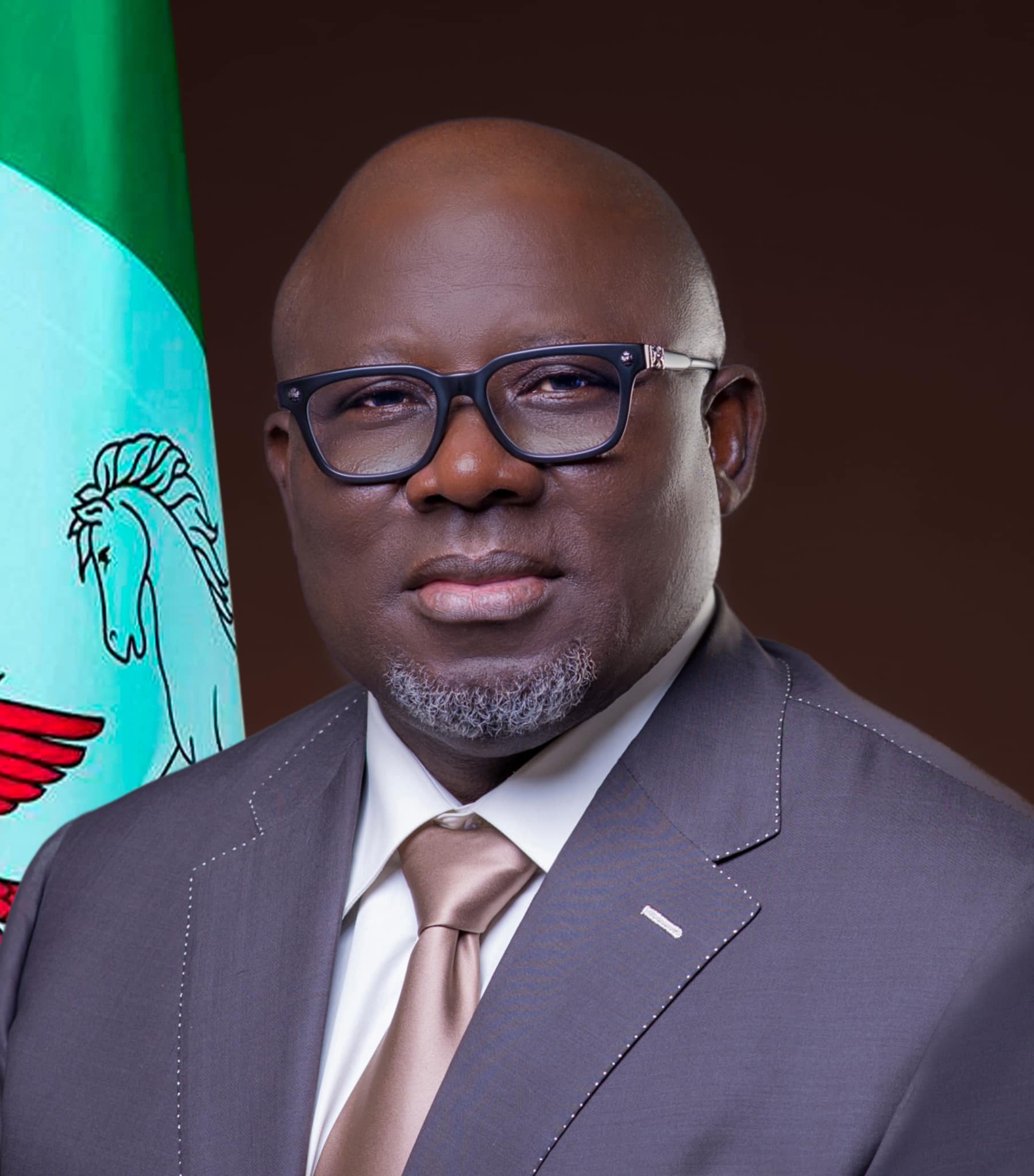
Delta State Governor, Rt. Hon. Sheriff Oborevwori, has urged civil service commissions across the country to prioritise continuous training and retraining of personnel to improve efficiency and strengthen public administration.
The Governor said regular capacity development was essential for building a competent workforce capable of responding to emerging administrative challenges and meeting the demands of modern governance.
Oborevwori made the call on Monday in Asaba while receiving members of the Federal Civil Service Commission, led by its Chairman, Prof.
Tunji Olaopa, on a courtesy visit.Represented by his Deputy, Sir Monday Onyeme, Ph.D., the Governor maintained that the effectiveness of government institutions depended largely on the quality, welfare and professional competence of their workforce.
He noted that rapid changes in global administrative practices had made continuous learning imperative for civil servants at both state and federal levels.
According to him, Delta State has continued to invest in the welfare and professional development of its workforce, a commitment he said had positioned the state’s civil service among the best in the country.
Oborevwori also called on the leadership of the National Council on Civil Service to encourage civil service commissions across the federation to embrace sustained manpower development.
He expressed delight that Delta State was hosting the 2026 edition of the National Council on Civil Service, describing the event as an opportunity to showcase the state’s commitment to excellence in public administration.
“We are very happy to host the 2026 edition of your National Council; Delta State likes to be first in everything, and our civil service stands among the best in the country because our personnel are properly trained and their welfare is prioritised,” he said.
The Governor added that keeping public institutions abreast of changing global standards required deliberate investment in continuous training and retraining.
“Things are changing rapidly across the globe, and continuous training and retraining remain the only path to keeping our institutions abreast of modern demands.
“I urge the leadership of the National Council to encourage civil service commissions across the federation to adopt this continuous learning approach,” he said.
Chairman of the Federal Civil Service Commission, Prof. Tunji Olaopa, commended the Oborevwori administration for hosting the national gathering.
Olaopa explained that the annual event features a targeted conference aimed at addressing contemporary issues in the civil service, advancing reforms and shaping the future of public administration in Nigeria.
He also applauded Governor Oborevwori for his performance and developmental strides across Delta State.
From Joseph Amedu, Lokoja
The Kogi State Government has defended the recent review of tuition fees at Prince Abubakar Audu University, Anyigba, (PAAU) saying that the Vice-Chancellor, Professor Salisu Usman acted in line with government directive.
Government also said that the review was part of a unified policy aimed at harmonising charges across all state-owned universities.
The Vice Chancellor of Prince Abubakar Audu University (PAAU), Anyigba, Prof. Salisu Ogbo Usman, and the Commissioner for Education, Hon. Wemi Jones, made this clarification on Monday while appearing before the Kogi State House of Assembly Committee on Education over a petition alleging an increase in school fees at PAAU and Kogi State Polytechnic, Lokoja.
The committee, chaired by Alhaji Idris Maikudi, also had Hon. Bode Ogunmola, representing Ogori-Magongo, and Hon. Abu Jibril, representing Ajaokuta State Constituency, in attendance.
Explaining the rationale behind the review, the Commissioner for Education said adjustments to school fees were never undertaken in isolation, noting that the state government usually sets up a committee to accommodate different interests whenever such a review becomes necessary, particularly in view of the administration’s free education policy.
Jones disclosed that a letter conveying the directive for the fee review was sent to PAAU as far back as 2024 but was not fully implemented at the time.
He said the current implementation was in line with a uniform fee structure for state-owned universities, which had already been adopted by other institutions in the state.
In his remarks, the Vice Chancellor, Prof. Usman, maintained that the university merely implemented the state government’s directive, stressing that his administration did not independently increase the fees.
He said his humble background had naturally made him sympathetic to the plight of students and parents, but added that as the head of an institution, he was obligated to operate within the provisions of the law and government policies.
The Vice Chancellor further argued that despite the review, fees charged by Kogi State universities remained considerably lower than those of neighbouring states.
He cited Edo, Ekiti, Ondo and Osun States as examples, where students studying Medicine and Law pay significantly higher fees, in response to questions from members of the committee.
Prof. Usman also highlighted the state government’s investment in sustaining Medical Sciences programmes, recalling that the Medical programme at PAAU collapsed in 2012, forcing students to be transferred to Ebonyi and Kaduna States to complete their studies.
He said the administration of Governor Ahmed Usman Ododo had addressed the challenge by putting structures in place to sustain medical training in two state-owned universities.
The Vice Chancellor urged students to take advantage of the Nigerian Education Loan Fund (NELFUND), revealing that 4,032 students of the university had been approved for the scheme, with N562 million cleared for payment.
He added that applications from another 600 students were being processed, while beneficiaries were also entitled to a monthly upkeep allowance of N20,000.
On the allegation involving Kogi State Polytechnic, Lokoja, the Rector, Prof. Salihu Sanusi Avidime, said he was not aware of any petition concerning an increase in fees, insisting that his administration had not raised school charges.
Rather, he explained that the institution had reduced accommodation fees following complaints by parents over accommodation challenges.
The Commissioner for Education corroborated the Rector’s position, describing the inclusion of the Polytechnic in the petition as strange and frivolous.
Meanwhile, the House Committee cautioned individuals and groups against submitting petitions to the Assembly without making themselves available to defend the allegations contained therein.
The committee observed that such practice amounted to a waste of legislative time and was unfair to institutions invited to respond to claims that had not been substantiated.
However, the lawmakers requested additional documents as part of efforts to conduct a thorough examination of the petition, assuring that the matter would be handled with due diligence and in accordance with legislative procedures in the interest of the institutions and students.
In their separate appeals, the National Chairman of the National Association of Kogi State Students (NAKOSS), Comrade Isiaka Amoto, and the President of the National Association of Nigerian Students (NANS), Adams Abdulrazaq, urged the lawmakers to prevail on Governor Ahmed Usman Ododo to reconsider the fees with a view to effecting a slight reduction to ease the financial burden on students and their parents.
By David Torough, Abuja
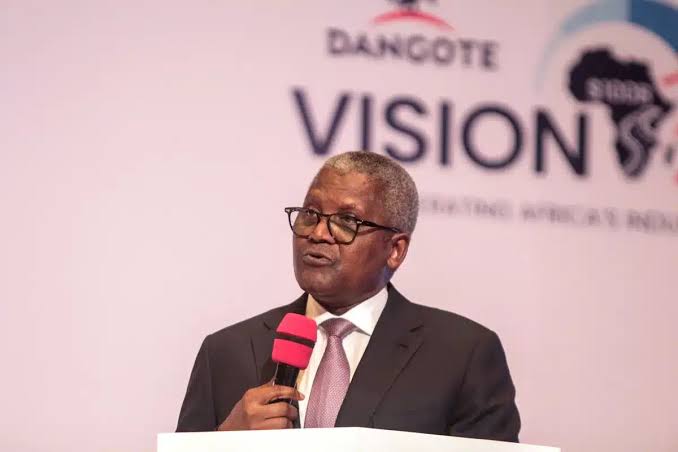
Dangote Group is considering expanding its industrial investments into Egypt as part of its broader pan-African growth strategy, opening new opportunities for economic cooperation between Nigeria and Egypt.
The development followed a visit by a high-level Egyptian delegation led by the Minister of Investment and Foreign Trade, Dr.
Mohamed Saleh, to the Dangote Industries complex in Lagos. The visit focused on identifying opportunities for industrial collaboration, investment partnerships and capacity development across key sectors.The delegation, which included officials from Egypt’s Ministry of Petroleum and executives from its oil and petrochemical industries, explored potential partnerships between Nigerian and Egyptian businesses, particularly in refining, petrochemicals, fertiliser production and manufacturing.
President and Chief Executive of Dangote Industries Limited, Aliko Dangote, described the engagement as a significant step towards strengthening African economic integration and accelerating industrial development across the continent.
He said the visit reflected the Group’s commitment to expanding African businesses beyond national borders and creating industries that generate value, employment and sustainable economic growth.
Dangote noted that the engagement also provided an opportunity to showcase the Group’s industrial capabilities while identifying areas where both countries could combine their expertise to strengthen production capacity.
Speaking during the visit, Saleh said Egypt was keen to translate existing diplomatic and business relations with Nigeria into practical investment opportunities and long-term industrial partnerships.
He explained that the visit followed previous engagements involving Dangote Group at the Alamein Economic Conference and other international investment forums hosted by Egypt.
According to the minister, Egypt was particularly interested in studying Dangote Group’s achievements in refining, petrochemicals, fertiliser production and related manufacturing operations to identify opportunities for cooperation.
Saleh emphasised that stronger private-sector partnerships would play a crucial role in deepening economic relations between both countries, attracting investment and expanding industrial production.
He added that combining the strengths and experiences of Nigerian and Egyptian businesses could unlock new opportunities for sustainable growth and shared prosperity.
The potential expansion into Egypt aligns with Dangote Group’s Vision 2030 agenda and reinforces its ambition to become a leading driver of industrialisation and economic development across Africa.




Youth and Human Development are my Priorities” – Hon Shekari
ShareHonourable Rijo Shekari is the aspirant contesting for the House of Representatives on the platform of the Peoples Democratic Party...


Oborevwori Calls for Continuous Training to Strengthen Civil Service
ShareFrom Francis Sadhere, Delta Delta State Governor, Rt. Hon. Sheriff Oborevwori, has urged civil service commissions across the country to...
Tuition Fees Review: Kogi Says PAAU VC Acted On Directive
ShareFrom Joseph Amedu, Lokoja The Kogi State Government has defended the recent review of tuition fees at Prince Abubakar Audu...
Post-evacuation: Nigeria’s Continuous Ebola Surveillance
ShareBy Folasade Akpan With Nigeria’s imported Bundibugyo Ebola patient now evacuated to Switzerland, the country’s health response has pivoted from...

Dangote Hosts Egyptian Delegation, Weighs Industrial Expansion
ShareBy David Torough, Abuja Dangote Group is considering expanding its industrial investments into Egypt as part of its broader pan-African...


State Police: NASS Secures Approval of 28 State Assemblies
ShareBy David Torough, Abuja The National Assembly has crossed a major constitutional hurdle in its bid to establish State Police...

FG Records 2,512 Terrorism Convictions, Moves against Collaborators
ShareBy David Torough, Abuja Nigeria has recorded 2,512 convictions in 11 phases of terrorism-related trials, as the Federal Government intensifies...


AHOBA Elects Ejeziem as Third President-General, Youngest in 24 Years
ShareBy David Torough, Abuja Ejeziem Chukwuemeka Joseph has been elected President General of the All Hallows Seminary Old Boys Association...

NOA, Speaker Mobilise Northwest against Drug Abuse, Domestic Violence
ShareThe National Orientation Agency (NOA) and the Speaker of the House of Representatives, Tajudeen Abbas, have launched a campaign against...

FG Calls for Stronger Agricultural Value Chains to Boost Food Security
ShareThe Federal Government has called for a stronger agricultural value chains, increased agro-industrialisation and improved market access to boost food...