
Economy
Plateau Approves N106bn Appropriation for 2022, Targets N24.1bn IGR

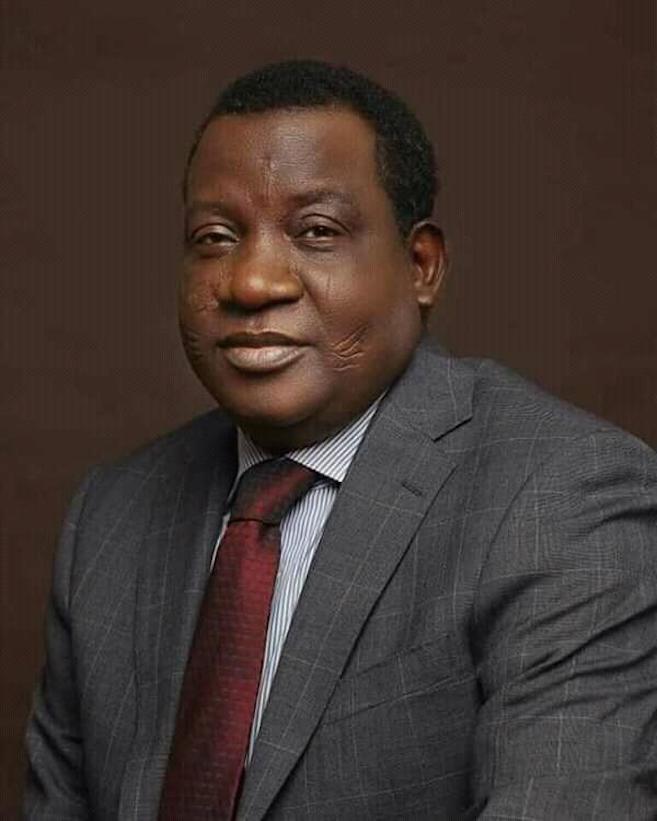
The Plateau Government has said that it would generate N24.1 billion, as Internally Generated Revenue (IGR) in 2022 Fiscal year.
State Commissioner for Budget and Economic Planning, Mr Sylvester Wallangko has said.
Wallangko disclosed this at a news briefing at the end of the state executive council meeting, on Wednesday at Government House, Jos.
He said the council also proposed to receive N75 billion from the Federation Account Allocation Committee (FAAC) in the same fiscal year to enable it to finance its projects.
He said that the council approved the budget proposal of N106.
8 billion for onward presentation to the Plateau House of Assembly for passage as 2022 appropriation bill.He explained that the capital expenditure being proposed on infrastructure is N30.5 billion, adding that there is a N40 billion reduction from the 2021 budget of N147.4 Billion.
He said that the proposal would ensure that projects proposed by Ministries, Departments and Agencies (MDAs) were realistic and implemented within the stipulated period.
Wallangko explained that the state government would not borrow money to fund its projects in 2022, following its realistic and implementable budget proposal, adding that it would ensure discipline to ensure the execution of projects.
“For 2022, whatever comes in as inflow would go out as outflow; so no room for borrowing from any bank to finance the projects that are earmarked by the different MDAs,” he said.
Speaking at the briefing, the Commissioner for information and Communication, Mr Dan Manjang, said that the Central Bank of Nigeria (CBN’s) Anchor Borrowers Scheme would launch a 700 hectares programme for wheat production in the state.
He explained that the programme which offered farmers loans would support wheat production in the wet season.
He urged farmers and youths in Plateau to take advantage of the opportunity of the state’s mandate to cultivate 20,000 hectares of improved variety of wheat.
He said a research was on-going to improve olive production saying that the state government was committed to boosting agriculture in the state and improve the welfare of its people.
Manjang lauded the peaceful conduct of the Oct. 9, local government elections in the state.
“This is the first time LGAs are transiting from an elected govt. to another one not marred by any upheaval.
“There was peace and tranquility as a result of security measures put in place,” he said.(NAN)







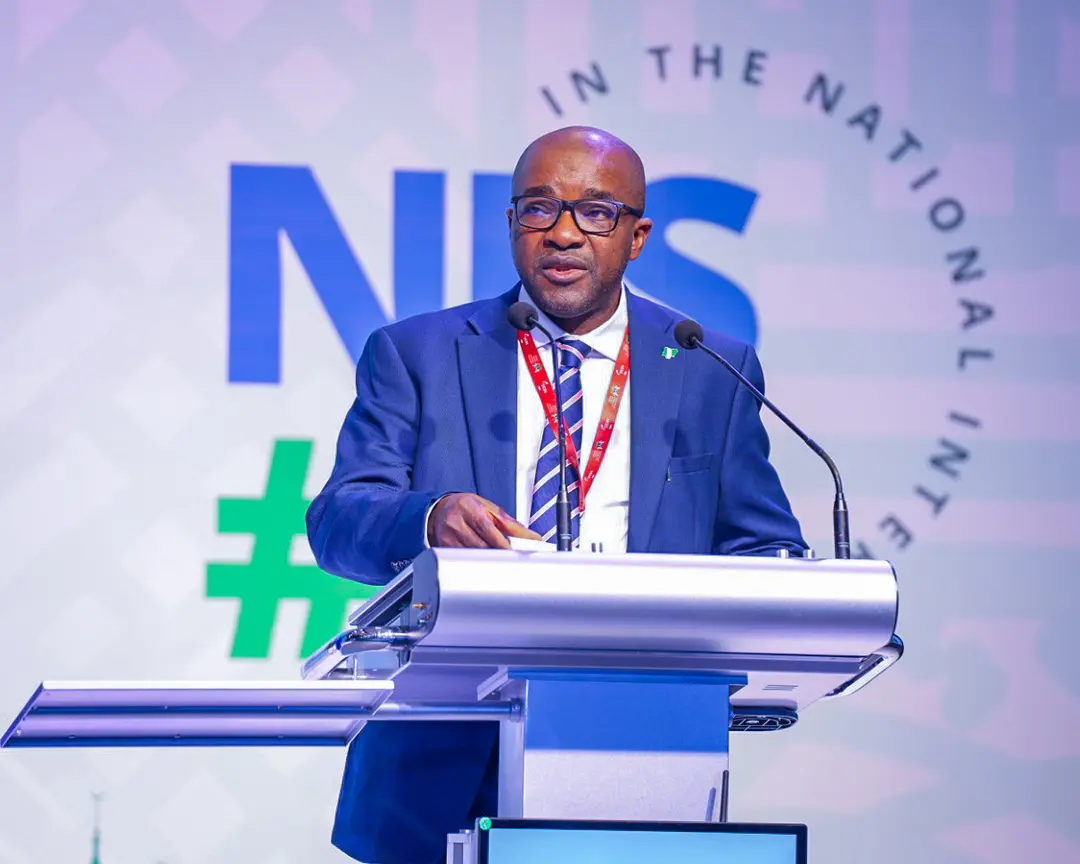
Chairman, Nigerian Economic Summit Group (NESG), Olaniyi Yusuf has urged the Federal Government to translate economic reforms into tangible results, including job creation, increased productivity and improved living standards.
Yusuf made the call on Monday in Abuja at the 32nd Nigerian Economic Summit (NES32), themed “Growth That Works: Delivering Jobs, Productivity and Shared Prosperity”.
He said Nigeria’s economic reforms had created an opportunity to strengthen the foundations for socio-economic development, in spite of the pressures on households and businesses.
“Our responsibility now is to ensure that reforms translate into stronger enterprises, better jobs, more productive workers, rising incomes, improved living standards and shared prosperity,” Yusuf said.
He said recent measures, including petroleum subsidy removal, foreign exchange reforms, fiscal restructuring and banking sector reforms, were necessary to address economic distortions.
However, he said macroeconomic stabilisation alone would not automatically translate into broad-based economic growth or improved citizens’ welfare.
Yusuf said households needed decent jobs, stronger purchasing power, and improved security and reduced poverty, while businesses required lower production costs, reliable electricity and affordable financing.
According to him, Nigeria must sustain economic stabilisation while prioritising practical measures to improve productivity and expand economic opportunities.
He said the summit’s theme reflected the need to measure economic success by the quality of jobs created, business competitiveness and the extent to which prosperity reached Nigerians.
Yusuf identified productivity, human capital development and resilience as key priorities for achieving sustainable and inclusive economic growth.
He said investments in education, healthcare, nutrition and relevant skills would improve workers’ productivity and prepare young Nigerians for employment.
The NESG chairman also called for improved infrastructure, predictable regulations, fair competition and an efficient legal system to encourage private investment and business expansion.
Yusuf said Nigeria’s economic performance presented a mixed picture, with improvements in some macroeconomic indicators alongside persistent challenges affecting businesses and households.
He noted that real Gross Domestic Product (GDP) grew by 4.43 per cent year-on-year in the second quarter of 2026, compared with 3.89 per cent in the first quarter.
Yusuf, however, expressed concern over persistent food inflation, high production costs, unreliable electricity, expensive financing and inadequate infrastructure.
According to him, a slowdown in inflation does not necessarily mean that goods have become affordable, as households continue to grapple with elevated prices.
Yusuf urged policymakers to prioritise productive investments, effective public expenditure and measures to address poverty, food insecurity and gaps in access to essential services.
He also called for stronger links between education and employment through technical and vocational training, digital skills and industry relevant learning.
The NESG chairman identified agriculture, agro-processing, manufacturing, construction, tourism and digital services as sectors with opportunities to expand productive employment.
He said the private sector remained central to Nigeria’s economic transformation but required an enabling environment to invest, produce and create jobs.
Yusuf urged businesses to invest in technology, workforce skills, local supply chains and export competitiveness, while calling on the government to improve infrastructure and ensure regulatory predictability.
He emphasised the need to assess the actual impact of reforms rather than merely documenting policies introduced or activities undertaken.
Yusuf said commitments arising from the summit should include clear institutional responsibilities, realistic timelines, measurable indicators and periodic reviews to ensure accountability.
He called on the government, businesses, development partners and other stakeholders to work together to translate economic stability into investment, productivity, employment and shared prosperity.
Yusuf said the ultimate test of the summit would be whether its deliberations produced tangible improvements in the lives of farmers, manufacturers, entrepreneurs and young people seeking decent jobs.
He urged participants to develop practical solutions and measurable commitments that would continue to deliver results beyond the summit.
By Tony Obiechina, Abuja
The Development Bank of Nigeria Plc (DBN) has launched DAWN: DBN Action for Women in Nigeria, unveiled its Impact Report and presented MSME Data Assets at the seventh edition of Annual Lecture held in Abuja.
DBN, in a statement on Thursday, said while delivering a welcome address, its Managing Director and Chief Executive Officer, Dr Tony Okpanachi, said the central challenge was no longer reforms themselves but ensuring benefits reach businesses at end of the chain.
He asked how to make sure benefits reach traders in Onitsha, fabricator in Aba, farmer in Kebbi and young founder in Yaba, noting that MSMEs accounted for about half of Nigeria’s GDP and more than eight in every ten jobs, adding that when reform works for MSMEs it works for most Nigerians.
He explained that reform becomes prosperity only when entrepreneurs can act on it whether through long tenor loans to buy equipment, banks willing to take risk or skills and records needed to grow.
He said working through Participating Financial Institutions DBN provides longer term funding, partial credit guarantees through subsidiary Impact Credit Guarantee Limited and capacity building including Entrepreneurship Training Programme.
He disclosed that as at December 2025 DBN had disbursed a cumulative N1.4 trillion to MSMEs through 84 Participating Financial Institutions creating about 1.6 million jobs nationwide.
Under the new five year strategy, the Bank aims to reach more than two million MSMEs with deliberate targets for women led businesses, youth led businesses and underserved states.
On DAWN, Okpanachi said finance alone had not enabled enough women-led businesses to scale.
He said initiative brings together financing, guarantees and credit support, technical assistance, outcome linked grants and market linkages delivered through banks, microfinance institutions, fintechs, aggregators, cooperatives and direct channels.
Its priority sectors are agriculture and exports, healthcare, arts and creatives, technology and green business.
He said DAWN is about moving gender focused lending beyond intention and turning access into opportunity.
On the sidelines of the lecture DBN and African Development Bank held a signing ceremony of AfDB DBN 61 million United States dollars Gender Line of Credit development that reinforces Bank commitment to women led enterprises.
Okpanachi urged Participating Financial Institutions to extend lending into sectors and states where access to finance has been limited, policymakers and regulators to measure reform by what changes for business at end of chain and MSMEs to formalise, keep good records and use support now available.
The Vice President as Special Guest of Honour was represented by Dr Fred Iklaga Senior Technical Adviser in the Office of Special Adviser to the President on Economy.
Keynote speakers were Chief Executive Officer of MTN Nigeria, Dr Karl Toriola, and Chairman of Nigeria Sovereign Investment Authority, Dr Segun Ogunsanya.
Fireside chat featured Chief Executive Officer of Sterling Bank Abubakar Suleiman, manufacturing and trade entrepreneur Mrs Omoyemi Chukwurah and by video Kola Masha of Babban Gona.
The Secretary to the Government of Federation, represented by Augusta Warren Bekaredebo, said 2026 tax reforms would bring relief to many small businesses expressing optimism that a lot of businesses will be smiling by next year because they will be exempted from tax.

By Ubong Ukpong, Abuja
The House of Representatives on Wednesday, summoned telecommunication operators in the country to appear before it over the present poor network services.
The Ad Hoc Committee investigating the persistent poor quality of telecommunication services in Nigeria gave the chief executive officers (CEOs) of major telecom operators seven days to appear before it and explain the deteriorating quality of network services across the country.
The committee issued the ultimatum at a public hearing in Abuja on Wednesday, directing the CEOs of MTN Nigeria, Airtel Nigeria, Globacom (Glo), Mafab Communications Ltd.
and other telecommunications service providers to appear before it on October 28, 2026.The resolution followed the adoption of two motions sponsored by Rep. Sunday Umeha and Rep Afam Ogene after the committee expressed displeasure over the failure of the invited telecom operators, including MTN and Mafab Communications, to honour previous invitations and appear before the lawmakers.
The committee directed the Nigerian Communications Commission (NCC) to ensure that all the affected operators comply with the invitation and appear before it at 2 p.m. on October 28 in Hearing Room 447 of the New Building of the National Assembly Complex, Abuja.
It also directed the operators to submit all relevant documents to the committee on or before the scheduled date and account for the persistent decline in service quality, which has continued to affect millions of subscribers and businesses across the country.
The lawmakers warned that any chief executive who failed to honour the invitation would face a possible summons for arrest to compel their appearance before the committee.
Speaking at the hearing, the committee’s Chairman, Rep. Olumide Osoba (APC-Ogun), said telecommunications services had become indispensable to Nigeria’s economy, extending beyond voice calls and internet access to critical commercial activities, including Point of Sale (POS) transactions.
Osoba noted that businesses, financial transactions and other essential services depended heavily on reliable telecommunications networks, making the persistent decline in service quality a matter of serious national concern.
He said the House constituted the ad hoc committee to investigate the recurring complaints by subscribers and determine the factors responsible for the poor quality of services provided by telecommunications operators.
The chairman, however, expressed concern that the invited chief executives had continued to evade direct engagement with the committee by offering various excuses or sending lower-ranking officials to represent them.
He said the practice undermined the purpose of the parliamentary investigation, stressing that the committee expected the chief executives, who were in a position to explain their companies’ operational challenges and commitments, to appear in person.
Also speaking, Rep. Ibe Osonwa expressed displeasure over what he described as the operators’ disregard for the House, despite the substantial revenue they generated from their operations in Nigeria.
Osonwa said it was unacceptable for companies benefiting from the Nigerian market to ignore invitations from the legislature, particularly when the purpose was to obtain explanations on issues directly affecting their customers and the wider economy.
He stressed that telecommunications operators had a responsibility to account for the quality of services delivered to Nigerians, adding that the House would not overlook any attempt to frustrate its investigation.
In his ruling, Osoba urged the NCC to ensure full compliance with the committee’s resolution, reiterating that the affected telecommunications operators must appear before the lawmakers on October 28 and provide the necessary explanations and documents.



2027: FOOG Women Coordinator Urges Nigerians to Support Tinubu’s Re-election Bid
ShareBy Francis Sadhere, Warri Chief (Mrs) Esther Orighomisan Okotie-Eboh, Coordinator of Felix Omagbemi Ogbe Group (FOOG) Women Support Group for...

UN, EU Seek Trust, Technology to Strengthen Africa’s Counter-Terrorism Fight
ShareUN Deputy Secretary-General Amina Mohammed, has called for stronger intelligence sharing, public trust and responsible use of emerging technologies to...


University of Agriculture, Orerokpe Bill, Passes Third Reading in Senate
ShareThe University of Agriculture, Orerokpe Bill, sponsored by Senator Ede Dafinone, representing Delta Central Senatorial District, has passed through its...


Ishowo Urges Kwara to Convert KWASUED to Medical Varsity
ShareA Kwara based Public Affairs Analyst, Comrade Ishowo Olanrewaju, weekend called on the Kwara State government to urgently convert the...
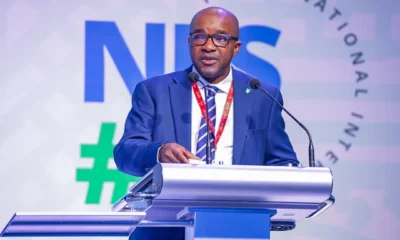

NESG Chairman Urges Shift from Economic Reforms
ShareChairman, Nigerian Economic Summit Group (NESG), Olaniyi Yusuf has urged the Federal Government to translate economic reforms into tangible results,...

Yakubu Receives Fellowship Of Nigerian Institute Of Town Planners
ShareBy Raphael Atuu, Abuja TPL Chief Amb Hon. Stephen Shekwonce Yakubu, the District Head (Hakimi of Garki Shekwope), had his...


Much Ado About the PBAT Door-to-Door Movement
ShareBy Catherine Agbo In the unfolding drama of Nigerian political discourse, few things excite the commentary circuit quite like a...


WAHO, ECOWAS Countries Move to Tackle Health Worker Shortages, Brain Drain
ShareBy David Torough, Abuja The West African Health Organization (WAHO) has called for stronger regional collaboration and practical policy interventions...

Afreximbank’s Net Income Rises 24 Per Cent to $813.5 Million in Nine Months
ShareThe African Export-Import Bank (Afreximbank) and its subsidiaries have reported a 24 per cent increase in net income for the...

Wike-Led FCTA Committed to Quality Healthcare, Stronger Medical Institutions – Mahmoud
ShareBy Laide Akinboade, Abuja The Minister of State, Federal Capital Territory (FCT), Dr. Mariya Mahmoud, has reaffirmed the commitment of...