
NEWS
Power Sector: Expert Warns of Grim Outlook


The Nigerian electricity sector is facing a grim outlook, says Mr Chinedu Bosah, the National Coordinator of the Coalition for Affordable and Regular Electricity (CARE).
Bosah raised the alarm on Wednesday in an interview .
He said it was essential to address the issues plaguing the industry.
According to him, the performance of Distribution Companies (DISCOs) in 2024 has been “abysmal.
”Bosah said the sector was marked by widespread consumer complaints about erratic power supply and sky-high electricity billing.
The energy expert criticised the DISCOs for prioritising profits over infrastructure investment, which had left the power supply system in disarray.
One of the significant issues affecting the sector, according to him, is the pervasive problem of estimated billing.
“Approximately 55 per cent of households connected to the national grid, around seven million, still lack meters.
“Meters, which should be provided free of charge by the DISCOs, have become an expensive commodity due to a profit-driven meter supply mechanism.
“In 2024, many consumers were forced to purchase prepaid meters at exorbitant prices from Meter Asset Providers (MAP), exacerbating the financial strain on households.
“This is a clear example of how the privatisation of the sector has turned it into a money-spinning venture at the expense of ordinary Nigerians,” he said.
The electricity tariffs have also soared, with Bosah warning that the current structure is becoming unaffordable for many Nigerians.
He compared the high Band A tariff to an “apartheid-styled” system, where only the wealthy could afford power, leaving the majority in darkness or consuming minimal electricity.
According to him, this is a stark reminder that electricity should be considered a basic right, not a privilege.
Bosah argued that the sector needed to shift away from privatisation and toward a more democratic control, where the needs of the people are prioritised over profits.
He also noted that vandalism of electricity infrastructure was another persistent issue, attributed to rising poverty and the lack of effective policing.
Bosah emphasised the need for stronger community engagement and democratic control over local security forces to protect critical power infrastructure.
“A significant factor contributing to the sector’s crisis is the shortage of gas for power generation.
“As a country rich in oil and gas resources, Nigeria should be investing more in gas exploration and transportation to ensure a steady and affordable supply for power plants.
“However, the government’s lack of investment and reliance on multinational companies have led to high gas prices, further compounding the sector’s challenges,” he explained.
Bosah called for a reduction in gas prices from $2.4 per MMBTU to below $1 per MMBTU to enable more power generation and improve the economy.
According to him, the Transmission Company of Nigeria (TCN), which manages the country’s electricity grid, has also faced severe shortcomings in 2024.
Bosah criticised the outdated infrastructure and frequent grid collapses, which left the nation in darkness for hours at a time.
“The most recent grid failure, which occurred on Dec. 11, marked the 12th collapse of the year.
“This highlighted the pressing need for modernisation and investment in the transmission network.
“The core issues in Nigeria’s power sector—neglect, lack of investment, and failed privatisation—have led to a system in disarray, with generating plants operating at a fraction of their installed capacity.
“Despite having the potential to generate 14,000MW of electricity, the country struggles to produce even 4,000MW on average, further illustrating the scale of the crisis,” he said.
He added that if public funds “currently being misallocated” were invested in the power sector, Nigeria could achieve affordable, uninterrupted power supply.
The solution, he insisted, was in nationalising the sector and placing it under the democratic control of workers and communities.
Bosah said without such a bold step, the sector would continue to suffer, with the current state of chaos and underperformance extending into 2025 and beyond. (NAN)



By Tambaya Julius, Abuja
The National Association of Government Approved Freight Forwarders (NAGAFF) has appealed to President Bola Tinubu to grant a one-year extension to senior officers of the Nigeria Customs Service (NCS) due to retire by December.
The association said the extension would help maintain stability in the service and the maritime sector while giving younger officers more time to prepare for the challenges of international trade.
The appeal was made in an open letter to the President titled, “The Matter of Mass Due Retirement of Seasoned Management Officers of Nigeria Customs Service.
” The letter was signed by NAGAFF Secretary-General, Geophrey Nwosu, and issued in Lagos on Wednesday.NAGAFF urged Tinubu to approve the extension in the national interest, warning that the simultaneous retirement of experienced officers could pose challenges for the service, which plays a key role in revenue generation, fiscal policy implementation and trade facilitation.
“Mr President, we write this letter to you from our strategic position in maritime trade and transportation at Nigeria gateways,” the association stated.
It expressed concern that the departure of several senior officers at once could disrupt operations and affect the smooth administration of the service.
While acknowledging the efforts of the Comptroller-General of Customs and his management team to place younger officers in strategic positions, NAGAFF said the proposed extension would give them more time to gain the experience needed to handle their new responsibilities.
“This underscores our worries, and to that extent, a one-year extension shall be most appropriate to stabilise young officers for challenges ahead,” the association stated.
It added that younger officers were willing and ready to take on greater responsibilities when called upon, but stressed the need for a smooth transition to ensure continuity.
The association also raised concerns over the influx of fake products into Nigeria, describing the country as a dumping ground for substandard goods.
“Mr President, we are speaking to you from the heartbeat of Nigeria’s economy. Nigeria is virtually a dumping ground for fake products,” it stated.
NAGAFF attributed the problem partly to lapses in the implementation of the National Single Window platforms, which it said had affected the statutory responsibilities of regulatory agencies at the ports.
It specifically cited the Standards Organisation of Nigeria (SON), the National Agency for Food and Drug Administration and Control (NAFDAC), and the National Environmental Standards and Regulations Enforcement Agency (NESREA), alleging that the agencies had been hindered from fully carrying out their duties.
According to the association, the Customs Service was working to tackle the problem through its longstanding relationships with freight forwarding practitioners at entry points across the country.
NAGAFF also commended Tinubu for removing the petroleum subsidy, expressing support for the administration’s economic reform agenda.
“All of us in the NAGAFF family are most grateful to you for having the courage to disengage and dismantle the petroleum subsidy regime. Remain strong at heart in the interest of Nigerians,” it stated.
The association reaffirmed its commitment to supporting the President’s efforts to revive the economy through effective trade facilitation and reforms.
The letter was copied to NAGAFF Founder, Dr Boniface Aniebonam; the Secretary to the Government of the Federation; the President of the Senate; and the Comptroller-General of Customs.
From Dan Amasingha, Minna
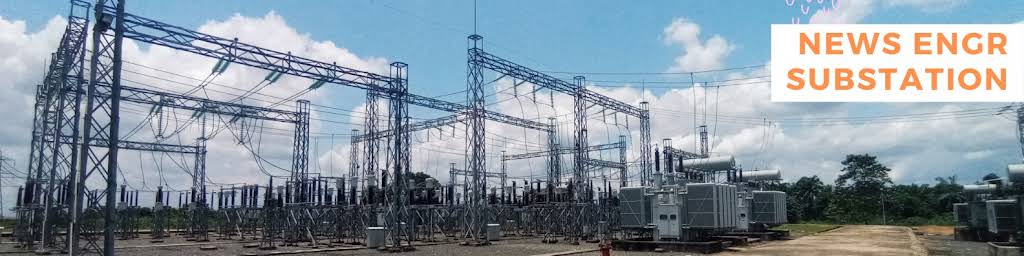
In a major bid to bolster renewable energy infrastructure in North-Central Nigeria, News Engineering Nigeria Limited, in partnership with India-based Mahashakti Energy, has formally declared interest in executing Niger State’s proposed 100-megawatt (MW) solar power project.
The multi-million-dollar clean energy initiative is slated to be funded by the Islamic Development Bank (IsDB).
The Managing Director and Chief Executive Officer of News Engineering, Lady Josephine Nwaeze, disclosed this during a strategic visit to Governor Mohammed Umaru Bago at the Niger State Liaison Office in Abuja.
Leading a joint delegation of both firms, Lady Nwaeze noted that the visit was designed to present the consortium’s technical capability, track record, and readiness to deliver the project in line with international best practices.
She praised the Bago-led administration for improving security and creating an enabling environment for private sector-driven development.
Presenting the consortium’s technical profile, Business Development Manager at News Engineering, Engr. Henry Akoji, highlighted the firm’s extensive footprint in Nigeria’s power sector. He revealed that News Engineering has successfully executed over 1,000 electrical installation projects nationwide, spanning high-voltage transmission lines, power distribution networks, and rural electrification infrastructure.
”Our renewable energy division has deployed over 100 solar mini-grid projects and distributed approximately 5,000 solar home systems across the country,” Akoji stated.
He emphasized the company’s end-to-end expertise in substation design, transmission line upgrades, project management, and technical capacity building.
Adding a global perspective, the Director of Mahashakti Energy, Ashok Kansal, highlighted his firm’s specialization in power loss reduction and sustainable grid management. Kansal pointed to successful interventions in India, where Mahashakti reduced aggregate technical and commercial (ATC) losses by 30 to 40 percent.
He assured the governor that the partnership would leverage cutting-edge technology in solar evacuation and distribution infrastructure to minimize energy losses and guarantee a stable power supply across Niger State.
Responding to the proposal, Governor Bago commended both entities for their presentation and demonstrated capacity. However, he emphasized that the state government would conduct rigorous due diligence and technical audits on their past projects before finalizing any contractual agreement.
The proposed 100MW solar initiative forms a cornerstone of Niger State’s broader strategy to bridge its energy deficit, drive industrialization, and expand electricity access.
The state government is expected to complete its technical evaluation before announcing a preferred partner for the Is isDB-backed project.
From Joseph Amedu, Lokoja
More than 100 members of the African Democratic Congress (ADC), Nigeria Democratic Congress (NDC), Peoples Democratic Party (PDP) and Social Democratic Party (SDP) have defected to the ruling All Progressives Congress (APC) in Onicha-Igo, Ofu Local Government Area of Kogi State.
The defectors declared their support for the re-election of President Bola Ahmed Tinubu and Kogi State Governor, Ahmed Usman Ododo, ahead of the 2027 general elections.
Receiving the new members at an event held in Ofu LGA on Wednesday, prominent APC stakeholders from Kogi East Senatorial District, led by Engineer Friday Michael (MON), alongside representatives of the Kogi State Deputy Governor, Comrade Joel Salifu Oyibo, highlighted the achievements of the Tinubu and Ododo administrations.
Michael, who is also the Chief Executive Officer of Good Shepherd Hospital, described the large turnout as evidence of growing support for the APC, expressing confidence that the party would record an overwhelming victory in the 2027 elections.
He said the defectors had chosen to join the ruling party because of what he described as the developmental strides of the current administrations.
“Those members of the opposition parties defecting to the APC today have seen the light in our party. They can see the good work the current administrations are doing, and they are optimistic that if President Bola Tinubu and Governor Usman Ododo are re-elected in 2027, they will witness more development across the board,” he said.
Welcoming the defectors, Michael assured them of equal treatment within the party, regardless of when they joined.
“As we welcome them into the APC family, they should be assured that they will receive equal treatment like other members. Our common goal is to ensure the re-election of President Tinubu and Governor Ododo so they can sustain their development agenda for the people of Kogi State and Nigeria at large,” he added.
He commended Governor Ododo’s performance in infrastructure, healthcare, education and civil service welfare, maintaining that discussions on power rotation could be considered after the governor completes a second term in 2031.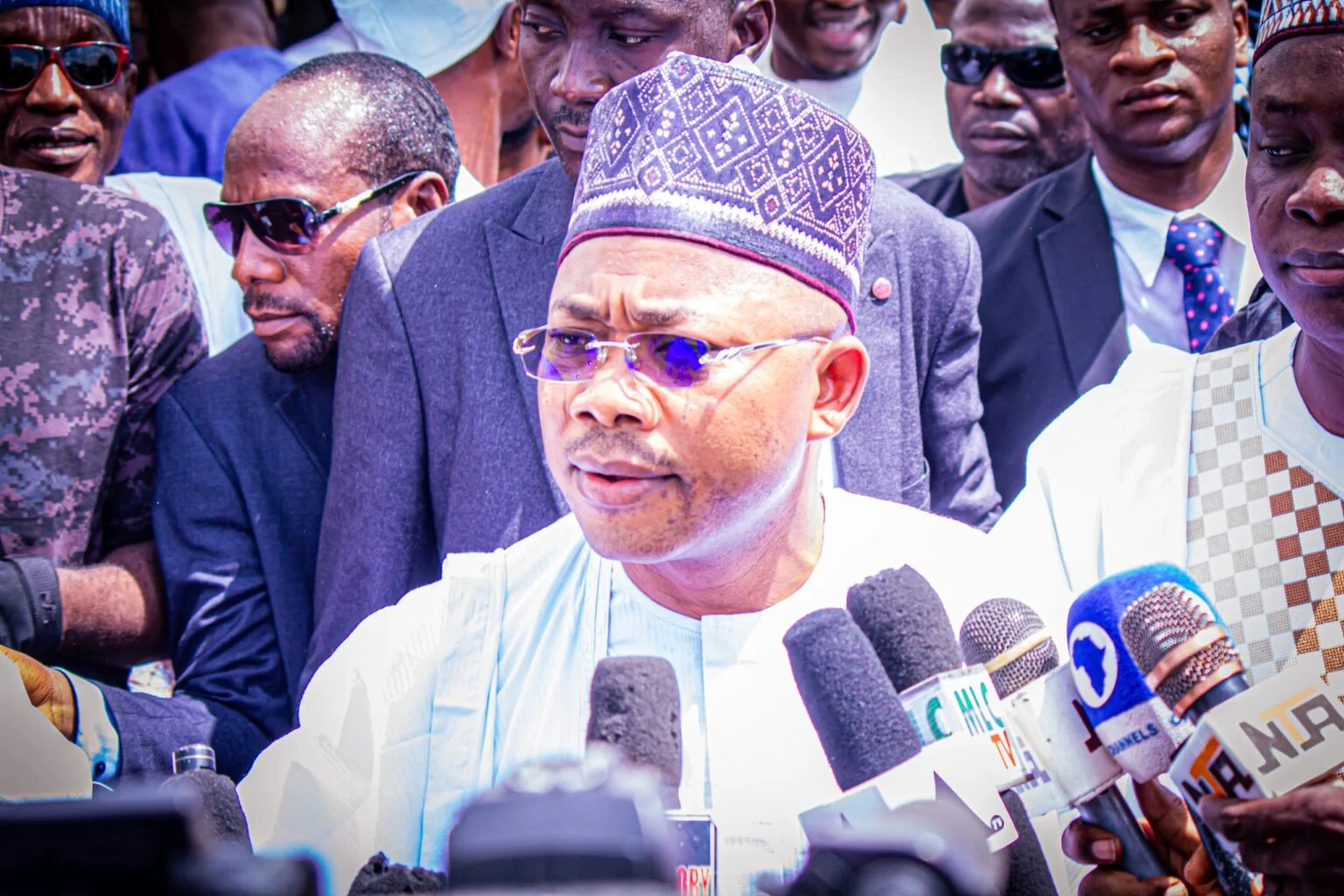
Michael also urged residents and eligible voters to remain committed to the APC, stressing that continuity in leadership was necessary to sustain development and improve the welfare of the people.
He said his political engagement was driven by a desire to strengthen the relationship between government and the grassroots, adding that cooperation among political leaders, community stakeholders and residents would help bring government programmes closer to the people.
Speaking on behalf of the Deputy Governor, his Director of Protocol, Daniel Abutu, emphasised the importance of grassroots mobilisation and sustained engagement in securing victory for the APC in 2027.
According to Abutu, effective grassroots mobilisation and constructive engagement were essential to building public confidence, strengthening the party’s structures and ensuring that communities benefited from the dividends of democracy.
The event also featured renewed calls for support for the APC’s Kogi East senatorial candidate, Joe Erico, and other party candidates ahead of the 2027 elections.
Participants stressed the need for unity, political participation and sustained grassroots engagement to advance the party’s interests.
The gathering underscored the role of grassroots political stakeholders in strengthening party structures, integrating new members and consolidating the APC’s support base across Kogi East and beyond.




NAGAFF Seeks One-Year Extension for Customs Officers Facing Retirement
ShareBy Tambaya Julius, Abuja The National Association of Government Approved Freight Forwarders (NAGAFF) has appealed to President Bola Tinubu to...

“It’s Not Debatable, We Can’t Go Back,” Mbah Backs Tinubu on Fuel Subsidy Removal
ShareFrom Sylvia Udegbunam Enugu Governor of Enug State, Dr. Peter Mbah, has doubled down in his support for the removal...
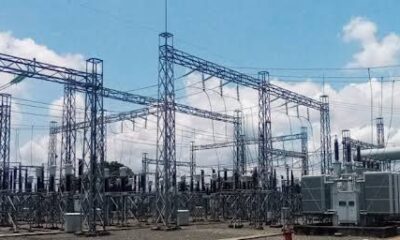

News Engineering, Indian Firm Partner for Niger State’s 100MW Solar Project
ShareFrom Dan Amasingha, Minna In a major bid to bolster renewable energy infrastructure in North-Central Nigeria, News Engineering Nigeria Limited,...

2027: Over 100 Opposition Members Defect to APC in Kogi
ShareFrom Joseph Amedu, Lokoja More than 100 members of the African Democratic Congress (ADC), Nigeria Democratic Congress (NDC), Peoples Democratic...


Custody Death: NSDC Detention Officer Breaks Down, Apologises over 37 Miners
Share From Dan Amasingha, Minna An Assistant Superintendent of Corps (ASC), Usman Isah Ndamaka, was moved to tears yesterday as...

Uduaghan: Bayelsa, South-South Govs Condole With Delta, Family
ShareBayelsa State Government and the South-South Governors Forum (SSGF) have extended their condolences to the government and people of Delta...


Delta Tops States in Liquidity Rating, Says Tilije
ShareFrom Francis Sadhere, Delta Delta State has emerged as the best-performing state in liquidity rating among Nigeria’s 36 states, Commissioner...

Wasted Years In The Printing Profession: Can Clement Koko’s Bold Leadership Usher In A New Dawn?
ShareAfter Years of Leadership Crises and Missed Opportunities, the New CIPPON President, Clement koko Takes the Battle to Paper Manufacturers...

Adeniyi, JAMB Registrar Seek Operational Synergy
ShareBy Tambaya Julius, Abuja The Nigeria Customs Service (NCS) and the Joint Admissions and Matriculation Board (JAMB) are considering areas...


NLC Suspends FCT Indefinite Strike
ShareThe Nigeria Labour Congress (NLC), Federal Capital Territory (FCT) Council, has suspended its indefinite strike and directed all affected workers,...