
Health
PWDs: CCD Urges MDAs in Lagos State to Fully Implement Disability Laws

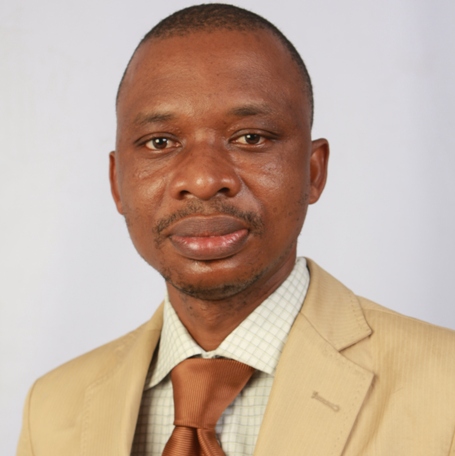
Ministries, Departments and Agencies of Lagos State are still struggling to implement the disability law of the state, the Centre for Citizens with Disabilities (CCD) says.
Mr David Anyaele, Executive Director, CCD, made the disclosure to the News Agency of Nigeria (NAN) on the sideline of the public presentation of a disability report in Lagos on Friday.
The report is: “Our Lagos, Our Disability Report 2020: An Assessment of Compliance by Public/Private Institutions on Lagos State Disability Law’’.
“ Persons with disabilities (PWDs) have generally been recognised as vulnerable members of the society and have consequently suffered discrimination, stigmatisation, denial of their rights and exclusion from the state planning and development.
“The main focus of this meeting is to make it public, findings of our study, the preliminary report on `Our Lagos, Our Disability Report 2020’.
“CCD with support from Ford Foundation is monitoring compliance of private and public institutions to the provisions of Lagos State Special Peoples Law.
“The study also explored the challenges of the Lagos State Office for Disability Affairs (LASODA) in implementing the law as well as the social context in which PWDs currently exist in Lagos state.
“ This is the third time we are publishing this report.
“Our findings show that line ministries, departments and agencies of Lagos State are still struggling to implement the disability law of the states,’’ he said.
“For instance, accessibility to public places and their services is one of the major highlighted challenges confronting PWDs in Lagos State.
“ Many of them are facing numerous environmental, institutional and attitudinal barriers in accessing public buildings, private institutions and their public services.
“The current study, which was done this 2020, showed that many of the ministries do not understand their roles and responsibilities.
“The only thing an average MDA understands about the implementation is ramp and we are saying, implementation beyond ramp or access beyond ramp.
“Also, discrimination is pervasive against persons with disabilities that are working in Lagos State.
“Even in government institutions, officials treat people with disabilities with this disdain and it is a worrisome situation for people with disabilities who are working in government offices.’’
According to Anyaele, the major issue, with regards to addressing the challenges of PWDs, is not the absence of laws, but essentially, the enforcement and implementation of the laws.
“Our findings indicate that the Governing Board of Lagos State Office for Disabilities Affairs (LASODA) is yet to be constituted.
“What that means is that the Lagos state governor will struggle much more to implement policies that will benefit people with disabilities.
“However, we discovered that the Lagos State Ministry of Education is doing its best to promote inclusive education but there is a limited number of qualified teachers that can support the process.
“ LASODA is struggling due to its inability to have qualified staff to handle most of their technical works.
“Therefore, there is limited knowledge of the law among peoples with disabilities, including the MDAS,’’ he said.
On some ways to address the situation , Anyaele said: “Our key recommendation includes that LASODA should take measures to work with line MDAs.
“To build capacity on their roles and responsibilities, design strategic framework for implementation of the law in line with specifics that are relevant to MDAs.
“ We also recommended for more awareness creation so that `Lagosians’ will know that it is a criminal offence to discriminate against persons with disabilities.
“They should know what discrimination and stigma are all about because it has been our way of life for centuries, people don’t know when discrimination occurs.
“ We recommended that LASODA be decentralized because having office at Alausa is not enough.
“We also ask that capacity of persons with disabilities be built on their rights and responsibilities, built on areas for capacity, for empowerment programmes and activities.
“This is so that the goal and objective of setting up the law will be actualised,’’ Anyaele said.
Also speaking, the General Manager of LASODA, Mr Oluwadamilare Ogundairo, said that LASODA was poised to be more committed in protecting the rights and potential of PWDs in the state.
“ There have been several forums where the citizens interact and give feedback to government and this feedback has consistently formed improvements and progress in the governance process and inclusion in disability affairs.
“Going forward, it would be enhanced. This is because LASODA is now going to be more proactive and accessible to the people.
“It is part of the THEMES agenda of the Lagos state government and this is just trying to ensure that persons with disability feel a sense of belonging in that agenda, going forward.
“ We are going to translate the THEMES agenda to people with disability and also how it impacts their life positively,’’ the LASODA GM said. (NAN)





A Consultant Psychiatrist, Prof. Taiwo Obindo has decried the cost of care and drugs for individuals undergoing treatment for various mental health conditions, calling for interventions to reverse the trend.
Obindo, also the immediate past President, Association of Psychiatrists of Nigeria (APN), made the call in an interview at the weekend in Lagos.
He said that those accessing care, especially mental healthcare services, were finding it difficult to keep up with the cost of treatment.
The psychiatrist frowned that the cost of healthcare in Nigeria generally had gone up, attributing the development to inflation, economic downturn and closure of some pharmaceutical companies.
He lamented that most of the pharmaceutical companies that produced some of the drugs had either downsized or relocated to other countries, leading to high cost of drugs/medications.
“The cost of healthcare in Nigeria generally has become so high, making it difficult for an average person to access the needed care.
“Most of the company’s manufacturing the drugs are not in the country and some of those here have either downsized or relocated to other countries – this has resulted in a quadruple of the price of drugs compared to the price before.
“Similarly, the rise in the prices of goods and services caused by the fuel subsidy removal and economic downturn in the country has continually resulted in an astronomical rise in the prices of drugs and hospital care.
“Individuals undergoing treatment for various mental health conditions, particularly those with substance use disorder are finding it difficult to keep up with the cost of treatment.
“This to a great extent affects the treatment outcomes, because many of the patients hardly adhere to medication and prescriptions due to financial incapability,” he said.
Speaking on the implications of the high cost of medication, particularly for mental health conditions, Obindo decried that the situation was taking a toll on the average patient.
He said that most of the patients, after seeing a doctor, end up not buying the prescribed drugs or buy what they could afford, leading to under-dose of the medication.
He explained that the situation could not only lead to relapse, but could make the patient come down with more complicated symptoms.
“Failure to adhere to prescriptions or under-dosing medication can have a lot of implications on the patient, his family and the economy at large.
“Apart from resulting in relapse, it can make the patient perpetually ill or even come down with more severe symptoms.
“Family relationships may be affected and productivity of the individuals may drop, affecting economic growth and development,” he said.
On measures to salvage the situation and ensure citizens had easy access to the needed healthcare, Obindo called for restructuring and expansion of the National Health Insurance Scheme (NHIS) to at least cover 80 per cent of the population.
He added that the scheme’s formularies should be reviewed and expanded to accommodate most mental healthcare medications, so that patients could access drugs when prescribed.
The psychiatrist also underscored the need for the government to not only subsidise importation of the drugs, but also support the pharmaceutical companies with incentives to aid their operations.
“It is the sole responsibility of the government to ensure that the citizens are in good health.
“Considering the cost of transportation, the fact that people in the rural areas will have to travel to urban cities to access mental healthcare adds to their cost of treatment. Some may resort to alternative medicine.
“This is where integrating mental healthcare fully into Primary Health Care becomes necessary, so that people can have access to care anywhere they are,” Obindo said.
By Folasade Akpan
In December 2025, the reported death of Nigerian Law School student Ayomiposi Ojajuni reignited concerns about the fragile state of students’ mental health in Nigeria.
He was allegedly barred from writing the Bar Final examinations at the Yola campus in Adamawa.
The incident, though still under investigation, has once again brought to the fore the intense academic pressure, emotional strain and limited psychological support systems confronting many young people in tertiary institutions.
Ojajuni, a graduate of Olabisi Onabanjo University, was said to have received a series of queries from the school authorities and later discovered he would not be allowed to sit for the professional examinations scheduled for the same day.
Indeed, available data underscores the urgency of the issue.
According to the World Health Organisation (WHO), one in every eight people globally lives with a mental health condition, with depression and anxiety among the leading causes of illness among adolescents and young adults.
In Nigeria, experts estimate that one in four young people may be experiencing some form of mental health challenge, yet access to care remains limited due to stigma, cost and shortage of professionals.
Against this backdrop, students across universities and professional schools face mounting pressures, including heavy academic workloads, financial constraints, family expectations, and social comparisons.
Experts say these factors can greatly affect mental wellbeing if not properly managed.
Sharing his experience, Mr Funbi Phillip, a law graduate of Lead City University, Ibadan, described the mental strain associated with studying law as one of the most demanding aspects of his academic journey.
According to him, the constant pressure to keep up with coursework, assignments, legal drafting and memorisation of numerous cases often felt overwhelming.
“The most challenging part for me was the mental pressure of having to keep up with heavy coursework, assignments, drafting briefs and memorising cases.
“It is a lot, but with consistency, it becomes manageable,” he said.
Phillip emphasised that effective time management was critical to navigating the demands of law school.
“I prioritise my time based on urgency. I make sure I handle continuous assessments before focusing on exams. Everything is about planning”.
He added that a turning point in his academic journey came when he shifted from rote memorisation to a deeper understanding of legal principles, noting that success in law school requires critical thinking, strong writing skills, time management and emotional resilience.
Similarly, students in other demanding disciplines report comparable experiences.
A pharmacy undergraduate, Ms Tiamiyu Omotayo of the same institution, said balancing academic expectations with personal wellbeing and career aspirations could be challenging.
According to her, practical exposure through internships helped her cope with the rigours of pharmacy education.
“The transition from theory to clinical practice is very important. It helps you appreciate what you have learned in class,” she said.
However, she noted that one of her biggest struggles was coping with unmet personal expectations regarding academic performance.
Omotayo said that although her results were good, they did not always align with the high standards she set for herself.
To manage stress, she said she deliberately took breaks and remained focused on her long-term goals, advising prospective students to pursue the profession out of passion rather than financial expectations.
Experts say such experiences are far from isolated.
Rev. Fr. Anthony Azuwike, Head of the Department of Private and Property Law at Veritas University, Abuja, said emotional distress among young people was becoming an increasing concern.
According to him, students are particularly vulnerable because they face academic demands alongside broader socio-economic challenges.
He identified parental expectations as a major source of stress, noting that the inability to meet such expectations often leaves young people feeling overwhelmed.
Azuwike also cited financial hardship, relationship challenges and health conditions as contributing factors.
He further pointed to policy gaps in Nigeria’s mental health framework.
While acknowledging the Mental Health Act signed in 2023 as a step forward, he noted that it does not fully decriminalise attempted suicide nationwide.
“The law recognises attempted suicide as a psychiatric emergency, which is progress.
“However, it does not explicitly decriminalise it, despite growing understanding that such cases require care rather than punishment,” he said.
He stressed that institutions have a duty to protect students’ wellbeing through accessible counselling services, confidentiality and supportive environments that discourage stigma.
Corroborating this view, mental health professionals highlight systemic challenges.
Mrs Rosemary Uwaleme, a mental health counsellor at Inspire Minds Services, said emotional distress among Nigerian undergraduates was widespread.
She attributed this to financial difficulties, unstable family backgrounds and limited access to support systems.
“Many students do not seek help because of stigma. There is also the issue of cost and the limited availability of services on campuses,” she said.
Uwaleme called for stronger counselling systems, increased awareness and regular training for mental health professionals within educational institutions.
In the same vein, psychologists emphasise preventive approaches.
Prof. Remi Alarape of the University of Ibadan urged tertiary institutions to establish robust mental health support systems to prevent students in distress from reaching breaking points.
“Without effective coping strategies, students may equate failure in examinations with failure in life. This can lead to deep emotional distress,” he said.
He advocated a culture that prioritises wellbeing alongside academic achievement and encourages open conversations about mental health.
Beyond institutions, civil society organisations are also stepping in.
The Dora-Care Behavioral Foundation recently organised a Mental Health First Aid outreach for students in Lagos, aimed at equipping young people with knowledge and basic support skills.
Its founder, Ms Akinyelure Feyikemi, said early awareness was key to building resilience among students.
“Equipping students with the tools to understand and support their mental health is crucial for raising a generation that is both academically capable and emotionally resilient,” she said.
Medical experts also underscore the link between mental and physical health.
Dr Joseph Ogba of the Federal Neuropsychiatric Hospital, Yaba, described mental health as fundamental to overall wellbeing.
“There is no physical health without mental health,” he said.
Similarly, Mr Lucky Jet, Head of the Child and Adolescent Occupational Therapy Unit at the hospital, encouraged peer support among students.
“If you notice changes in a friend, reach out. Support can make a significant difference,” he said.
As conversations around mental health continue to gain traction in Nigeria, stakeholders say more coordinated action is needed.
They stress that the incident involving Ojajuni should serve as a wake-up call for institutions, families and policymakers.
Ultimately, experts agree that academic excellence must not come at the expense of psychological wellbeing.
For many, the way forward lies in strengthening campus counselling systems, reducing stigma, expanding access to care and fostering a culture where seeking help is viewed as a sign of strength rather than weakness.
Only then can Nigeria’s education system produce not just academically successful graduates, but emotionally resilient individuals equipped to navigate life beyond the classroom. (NAN)

By Laide Akinboade, Abuja
World Health Organization (WHO), on Tuesday, said health is imperative and central for every society and for human development.
Dr. Pavel Ursu the World Health Organization (WHO) Representative to Nigeria, stated this when he led the walk for the commemoration of 2026 World Health Day, (WHD) in Abuja.
Ursu said, they kicked starts the day with ‘health walk’ because, physical exercise contributes to physical and mental health.
The theme for this year’s WHD, ‘Together for health. Stand with science’.
He stressed that 30 minutes of moderate physical exercise contributes to better physical and mental health.
According to the WHO boss, “The achievements which are grounded on science. And the 2026 World Health Day, is focusing on science.
“We started the day with a health walk. And we do that traditionally because, physical exercise is contributing to our physical and mental health”.
He said, “Today we celebrate not only the World Health Day as such, but also we celebrate the major achievements in human health.
“What I want to tell the Nigerians today is, first of all, to congratulate them with this very important day, which marks and emphasizes that health is central for everybody. Health is central for human development. Health is central for this generation and next generations.
“I would like to mention that 30 minutes of moderate physical exercise contributes to better health. There is a lot of scientific evidence that if everyone can be active for at least 30 minutes per day, that contributes to a stronger physical and mental health. This is why we started the day together with the colleagues from the Federal Ministry of Health, with our partners, with WHO staff, with Health Fellows to celebrate the day, to flag off the World Health Day 2026”.
He mentioned the series of events to mark the day, including a press conference at 2 p.m. here at the Ministry of Health.
Speaking about miss information in the sector, he said, “I would like to also mention that in today’s world, the information about health sometimes is confusing. There are too many channels. We are consuming that information from different influencers, from different channels, and not all the information is rigorous enough in terms of the evidence. So I’d like really to call for Nigerians to be responsible consumers of the information, making sure that they can assess the source of every single advice, making sure that advice comes from a trusted source. That is very important”.
Also speaking, the Minister of State for Health and Social Welfare, Iziaq Salako, reiterated the need for Nigerians to trust science and adhere strictly to professional health advice.
“We call on Nigerians to trust science and follow scientific advice because it is life-saving. What we have achieved globally and in Nigeria is largely due to evidence-based interventions,” Salako said.
He stressed that health remains central to national development and societal progress, urging citizens to prioritise healthy living and informed decision-making.
“Health is central to development, central to society, and central to both present and future generations. By following scientific guidance, we can advance health outcomes and save many lives,” he added



Grant Pardon to Henry Okah, Niger Delta Activists Tells Tinubu
ShareBy Raphael Atuu, Abuja Popular Niger Delta activist Nengi James OON, alongside other youths under the aegis of Advocates for...


NCoS Places Facility on Red Alert over Alleged Attack Threats in Niger
ShareFrom Dan Amasingha, Minna The Nigerian Correctional Service (NCoS) in Niger State has placed all custodial centres across the state on red...


FIBA WWC: D’Tigress Land in Tough Group B with France, Hungary, Korea
ShareNigeria’s D’Tigress will face France, Hungary, and Korea in Group B at the 2026 FIBA Women’s World Cup. The draw set up the D’Tigress for...


Pope Decries Wealth Inequality as He Roundup African Tour
SharePope Leo on Wednesday spoke out against wealth inequality in Africa urging believers to work to bridge the gap between rich and poor as he traversed oil-rich...

Edun, Dangiwa Resigned, not Sacked, Says Presidency
ShareThe Presidency on Wednesday said former Minister of Finance and Coordinating Minister of the Economy, Wale Edun, resigned from office and was not removed. It...
Cocoa, Coffee Farmers Seek Support amid Price Volatility
ShareAfrican Cocoa and coffee farmers are calling for urgent support from global stakeholders to mitigate the impact of price volatility, despite a promising outlook for the commodities on...


FAAC Shares N2.036trn March Revenue to FG, States, LGCs
ShareBy Tony Obiechina, Abuja A total sum of N2.036 trillion, being March 2026 Federation Account Revenue, has been shared to...


FG Unveils Aviation Sector Emergency Rescue Plan
ShareBy David Torough, Abuja The Federal Government has unveiled a set of emergency and long-term measures aimed at stabilising Nigeria’s...


CAN Denies Split, Says No Relief Funds Missing, Warns Against False Claims
ShareBy Laide Akinboade, Abuja The Christian Association of Nigeria (CAN) on Wednesday, denied alleged division within the Association along Northern...


NBA Makurdi Condemns Detention of Lawyer, Demands Immediate Action
ShareBy David Torough, Abuja The Nigerian Bar Association (NBA), Makurdi Branch, has strongly condemned the arrest and continued detention of...