
POLITICS
S’East Governors, APC Leaders, Stakeholders Endorse Tinubu for Second Term

From Sylvia Udegbunam, Enugu
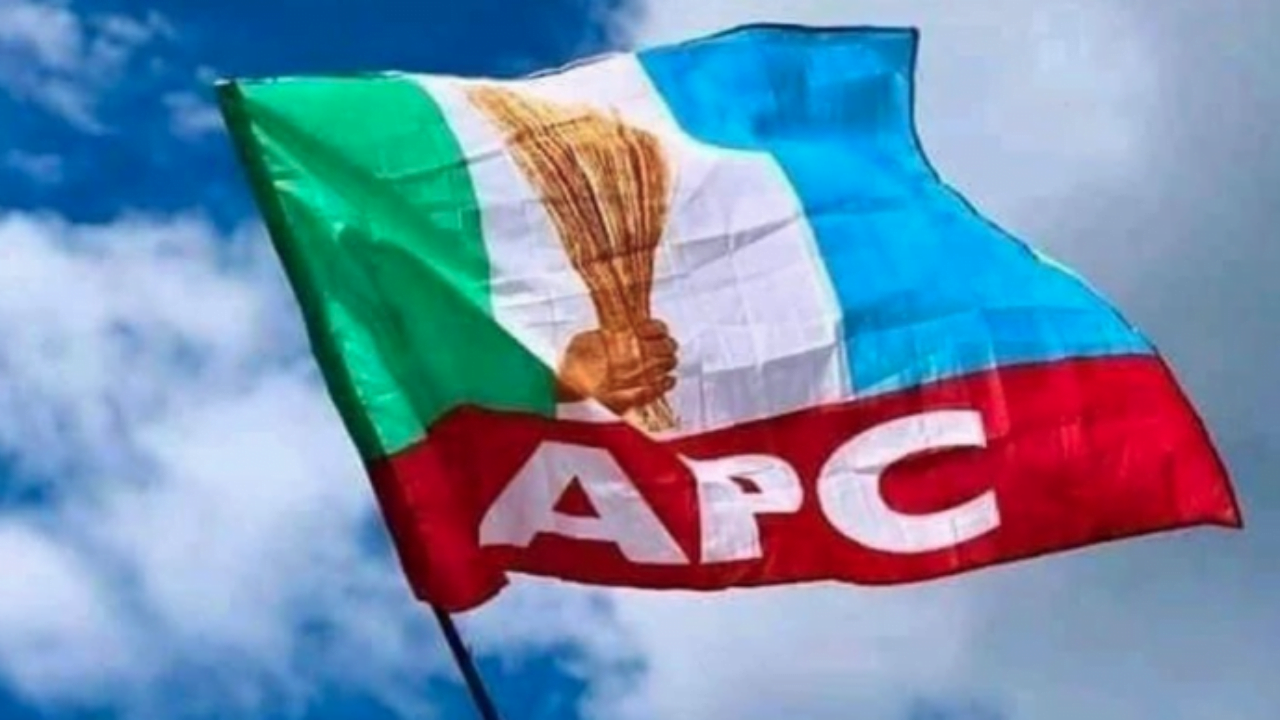
Stakeholders of the All Progressives Congress (APC) in the South East region have endorsed President Bola Ahmed Tinubu for a second term in office, saying that pragmatic politics based on bridge-building, partnership, and aligning with the centre to sustain the gains accruing from the president’ administration had become an imperative for the Igbo nation.
They vowed to mobilise massive votes for his re-election in the 2027 general election.
They committed to promoting a collective rather than any individual’s interest capable of dissipating Igbo vote and weakening the region’s bargaining power.
The endorsement was the climax of the South East APC Stakeholders’ Meeting, tagged “Izu Umunna), which held at the iconic Presidential Hotel, Enugu, where party leaders, governors, lawmakers, elders and critical stakeholders from across the zone reviewed the region’s political trajectory and resolved to align fully with the ruling party at the centre.
Speaking Saturday at the meeting, Governor of Imo State, Senator Hope Uzodinma, who doubles as the Chairman of the South East Governors’ Forum said President Tinubu had entrusted the political future of his re-election to the South East region, saying it was an honour and a responsibility.
According to Uzodinma, the South East could no longer afford political isolation, noting that the region’s meager contribution to APC’s victory in the 2023 presidential poll dealt a great blow to its bargaining power at the national level.
He said that while other zones contributed between 34 and 54 per cent of votes to the APC in 2023, the South East recorded about six per cent, a situation he described as politically unsustainable.
According to him, the political tide in the region has since changed, pointing to the growing strength of the APC in the South East when the party now controls three out of the five states, while its representation in the Senate had risen from six to eight senators, with region’s APC lawmakers in the House of Representatives had moved from eight to 23.
“These numbers give us hope, but they also give us a challenge,” Uzodimma said.
“The growth we see among leaders must reflect at the ballot box in 2027. Politics is pay as you earn. No zone can produce a president alone, and if we continue to vote provincially, we will remain on the sidelines of national power,” he added.
Governor of Enugu State, Dr. Peter Mbah, in his address, described the endorsement of President Tinubu and the increasing alignment of the South East with the APC as a “paradigm shift grounded in pragmatism.”
He said the region had moved from “standing at the crossroads of history to shaping history itself.”
Mbah said the decision to support Tinubu’s re-election was rooted in facts, vision and the tangible benefits already accruing to the region from alignment with the centre.
He cited federal projects such as the revival of the Eastern Railway corridor that is now receiving attention, gas and energy development initiatives in the region, and the approval of the concession of the Enugu Airport, which he said would position the state as an international gateway for the South East.
“The Renewed Hope Agenda is beyond a political slogan,” Mbah said. “It is about aligning vision at the centre with delivery at the states. These are not symbolic gestures but strategic decisions that show a federal leadership committed to inclusive governance.”
Also speaking, Governor Francis Nwifuru of Ebonyi State expressed confidence that by 2027 all governors in the South East would be members of the APC.
He urged party leaders to embrace reconciliation and sacrifice, noting that the influx of new members required effective internal management rather than further party building.
“I want to urge our leaders that we need to forgive one another and make a lot of sacrifices so that those that are joining us now will have a place in our party,” Nwifuru said.
The motion endorsing President Tinubu for a second term was formally moved by former Senate President, Senator Pius Anyim, and seconded by former President of the Senate, Senator Ken Nnamani, who described the decision as courageous and strategic.
He stressed that the complaint about margination could continue longer than necessary if the South East failed to play the right politics, likening it to crying in the rain.
“If you cry in the rain, nobody would notice you. If you want to avoid the rain, you must enter the shade,” he enjoined the South East people.
The meeting concluded with the presentation of a communique signed by the governors, party leaders, and stakeholders, who unanimously declared their total support for President Tinubu as the APC’s sole presidential candidate for the 2027 elections.
They rejected what they termed as ego-driven and divisive politics, suing for unity of purpose among political leaders and the wider Igbo population.
“The people of the South-East Zone categorically dissociate themselves from all activities motivated by the self-serving interests of any individual, however highly placed. We affirm that the progress of our zone and our great party cannot be achieved through narrow personal ambitions or actions that fracture collective unity.
“Any such conduct shall henceforth be regarded as contrary to our shared aspirations and will receive neither endorsement nor support from our zone.
“The political leadership of the South-East has resolved, in the supreme interest of Ndi Igbo, that never again will we allow personal ego and motivated actions to influence the fate of the Zone. in this regard, the South-East will join other zones in supporting the ruling party, wherein our leaders can effectively negotiate better representation and interests of our people,” they stated.
They urged Ndigbo within and outside Nigeria to embrace the APC as the most viable platform for advancing the region’s political and economic interests, warning that scattering votes across multiple parties had historically weakened the South East’s influence at the national level.
They further pledged to mobilise human, material and political resources to deliver bloc votes for Tinubu across the five South East states in 2027, with specific responsibilities assigned to governors for coordination and mobilisation within and across states.
Other prominent figures at the meeting included the Deputy Speaker of the House of Representatives, Rt. Hon. Benjamin Kalu; former Governors Ifeanyi Ugwuanyi and Ikedi Ohakim, among several senators, lawmakers and party elders from the zone.
From Attah Ede, Makurdi
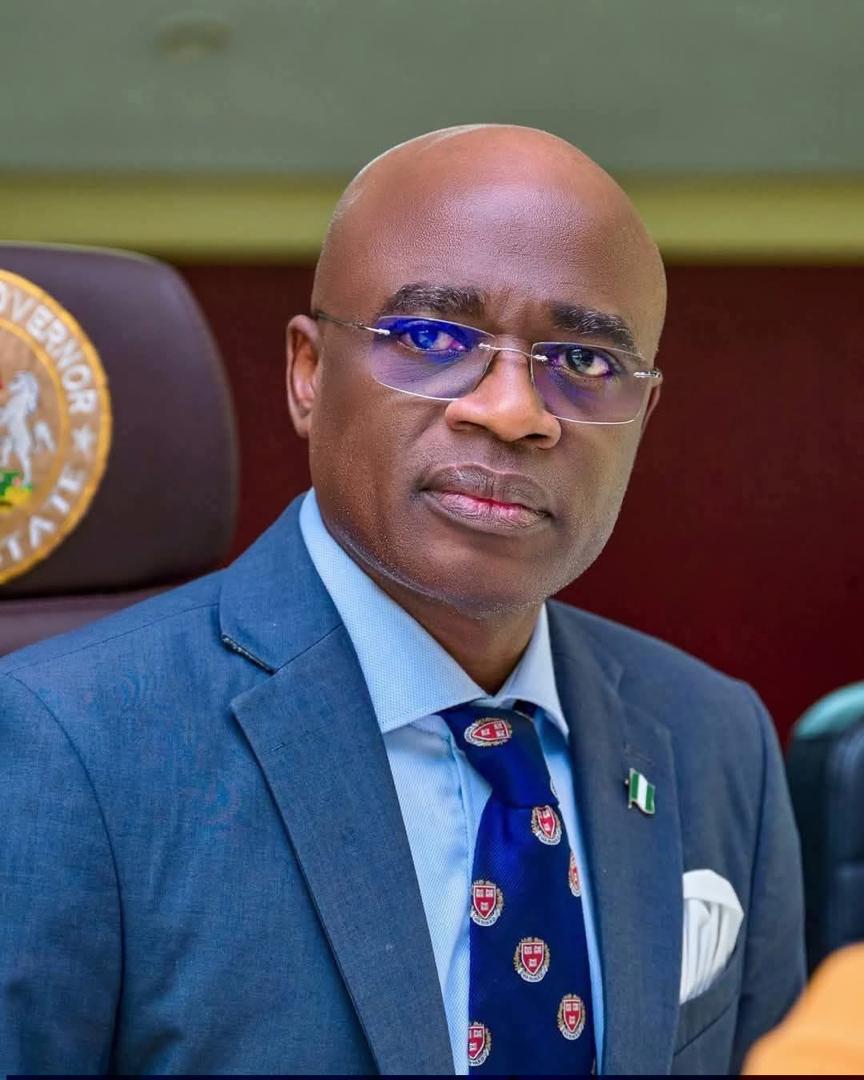
Benue State Governor, Rev. Fr. Hyacinth Alia has inaugurated the state’s Economic and Policy Advisory Team, with a charge on members to use their expertise to drive evidence-based governance and sustainable growth.
Members of the team includes; Nick Agule – Team Lead, Carolyn Okoh Folami – Co-Team Lead, Prof Naomi Onyeje Doki, Dr Andrew Ayabam, Dr Adukwu Emmanuel Ogbole, Patrick Okigbo and Dr Fanen Ade.
Others are; Alex Tarka, Dr Jane Asagh, Basil Jev, Dr Joseph Ogebe, Emmanuel Makeri, Micheal Oglegba, Theresa Nyitse and Prof Jerome Andohol – Secretary.
Speaking during the inauguration ceremony today at the Fr. Alia Hall, Benue State Emergency Management Agency, the governor congratulated the appointees and described their selection as a vote of confidence in their competence and experience.
He stated that the Advisory Team is central to his administration’s effort to strengthen strategic planning and speed up economic progress across the state.
“The constitution of this Advisory Team is our administration’s resolve to strengthen evidence-based governance, deepen strategic planning and speed up sustainable economic growth, ” he explained.
The Governor urged members to justify the confidence placed in them by dedicating their knowledge to the advancement of Benue State.
He further outlined high expectations for the body, which include that; members should offer objective, practical and forward-looking advice to help the government craft policies that create jobs, attract investment, boost internally generated revenue, improve public services and expand opportunities for residents.
He stressed recommendations must be rooted in credible data, rigorous analysis and innovation, and delivered with professionalism, integrity, patriotism, and accountability.
He said, “Let your recommendations be guided by credible data, rigorous analysis, innovation and undivided commitment to the welfare of the people of Benue State”.
While acknowledging the state’s challenges, the governor framed them as opportunities for transformation.
He called for collaborative work with stakeholders and creative solutions to build a more diversified, competitive, and resilient economy.
Alia pledged his administration’s support for the team, promising an enabling environment and careful consideration of its findings.
He pointed out the government’s continuing focus on inclusive growth, fiscal discipline, private-sector development, food security, youth empowerment and sustainable development.
By David Torough, Abuja
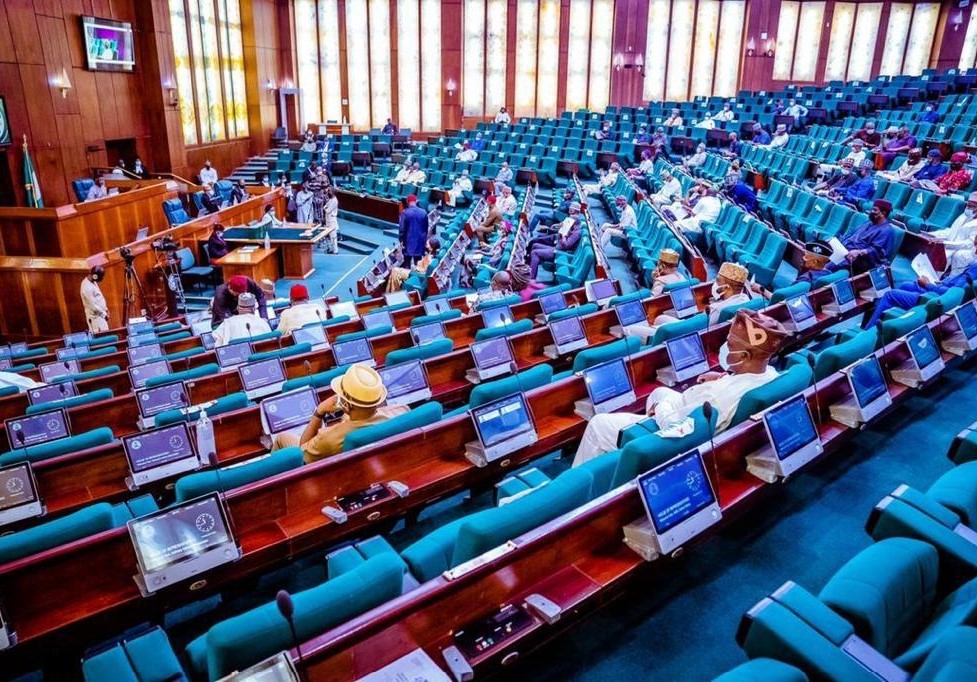
The House of Representatives Ad Hoc Committee investigating the controversial establishment and operations of the Presidential Foreign Investment Promotion Council (PFIPC) has declared the appointment letter presented by the council’s self-acclaimed Director-General, Adeniyi Adeyemi, as fake, saying its investigation uncovered an extensive network of forged government documents allegedly used to secure official recognition for the council.
Chairman of the committee, Hon. Yusuf Gagdi, disclosed the findings at the close of the panel’s public hearing in Abuja, stating that evidence from the Nigeria Police Force, the Office of the Head of the Civil Service of the Federation (HCSF), and other government institutions established that the appointment letter and other documents presented by Adeyemi were not authentic.
According to Gagdi, the Head of the Civil Service of the Federation, Didi Esther Walson-Jack, who appeared before the committee for the second time, confirmed that the purported appointment letter and the Establishment Act presented to her office were fake.
He said forensic analysis by the Nigeria Police also revealed that the signature on the disputed appointment letter did not correspond with authentic signatures from the Office of the Chief of Staff to the President, noting that the document was not even a forgery in the strict sense because there was no attempt to imitate the genuine signature.
The committee further established that the supposed Establishment Act used to facilitate the creation of the council lacked the statutory features of a valid Act of the National Assembly, including citation numbers, Gazette references and other security features, describing it as a mutilated and fabricated document.
Gagdi also alleged that investigations uncovered the creation of a fictitious Directorate of Administration and Support Services within the State House, an office he said does not exist but was referenced in documents submitted to several government agencies to obtain approvals.
According to the committee, no fewer than 19 fake State House documents were allegedly deployed to process official correspondences and secure recognition for the council.
The panel had earlier directed the Inspector-General of Police to produce Adeyemi after describing the establishment and operation of the council as a serious breach. However, Gagdi explained that the suspect could not appear before the committee because he is currently being held in police custody pursuant to a subsisting court order.
He said the committee would conclude the investigation with closed-door sessions involving the remaining agencies to clarify outstanding issues and ensure all parties are accorded a fair hearing before presenting its preliminary findings to the public next week.
The House had constituted the committee following concerns over the legal status, operational framework and budgetary appearance of the Presidential Foreign Investment Promotion Council, amid allegations that it was established without lawful authority.
Gagdi reaffirmed the committee’s commitment to a thorough, impartial and transparent investigation aimed at safeguarding the integrity of public institutions and ensuring accountability.
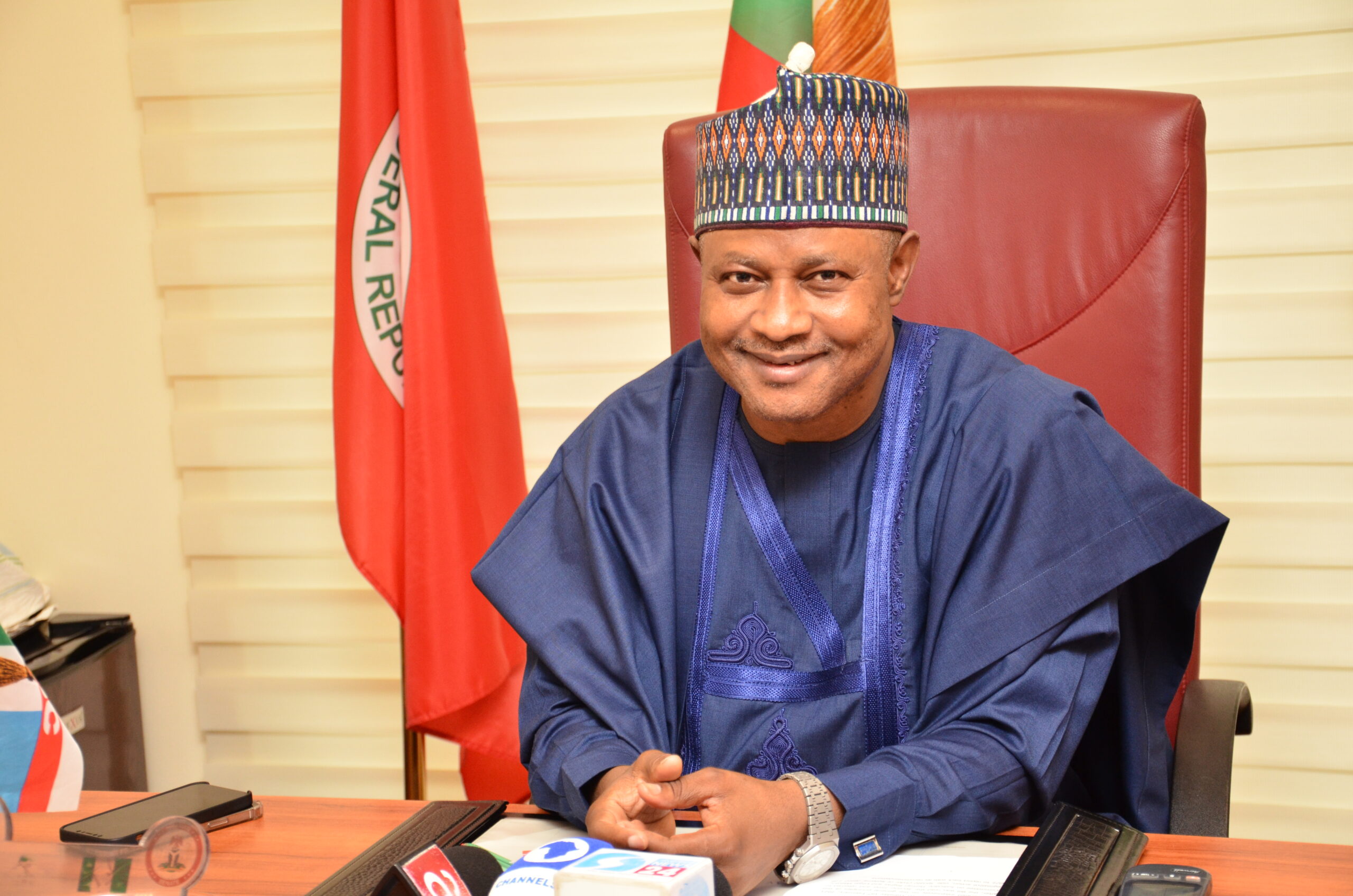
Kaduna State Governor, Uba Sani has nominated the Executive Chairman of the Kaduna State Internal Revenue Service, Jerry Adams, as his running mate for the 2027 governorship election.
Sani announced the nomination on Tuesday, describing it as a reaffirmation of his administration’s commitment to inclusion, justice, fairness, equity and equal opportunities for all Kaduna citizens.
He said the choice followed extensive consultations, deep reflection and prayers, stressing that it reflected values that had guided his administration since assuming office on May 29, 2023.
The governor said the nomination went beyond selecting a deputy governorship candidate, adding that it symbolised the determination to strengthen unity and deepen citizens’ sense of belonging.
According to him, Kaduna’s religious, ethnic and cultural diversity remains its greatest strength and should continue to unite, rather than divide the people.
Sani said his administration had spent over three years healing divisions and restoring public confidence through inclusive governance and equitable distribution of development projects.
He said investments in roads, schools, healthcare, water supply, agriculture and social protection had reached all 23 local government areas without discrimination.
The governor added that collaboration with traditional rulers, religious leaders, women, youths and community groups had strengthened peace and promoted shared development.
He said improved security had enabled farmers to return to their fields, businesses to expand and investments to grow across many communities.
Sani described Adams as an accomplished public servant and tax administrator who transformed the Kaduna State Internal Revenue Service through innovation, transparency and professionalism.
He said Adams’ leadership strengthened the state’s revenue generation, enabling greater investments in education, healthcare, infrastructure, agriculture and other critical sectors.
The governor also described Adams as a man of integrity, humility and competence, committed to peace, reconciliation and inclusive governance.
He said the nomination underscored his administration’s resolve to prioritise merit, competence and character in public leadership.
Sani urged Kaduna residents to embrace the development through the vision of a united states, rather than the lenses of religion, ethnicity or geography.
He pledged to continue building a peaceful, secure, just and prosperous Kaduna, expressing confidence that the administration would leave a stronger foundation for future generations.




NCS Wins Commonwealth Gold Award for Customs Cares Initiative
ShareBy Tambaya Julius, Abuja The Nigeria Customs Service (NCS) has earned international recognition after its flagship Corporate Social Responsibility (CSR)...


Lawyers Ask Sanwo-Olu To Suspend Onise Of Ise Appointment Over Pending Court Cases
ShareBy David Torough, Abuja A Lagos-based law firm, Law Pharm LP, has petitioned Lagos State Governor, Mr. Babajide Sanwo-Olu, urging...

Borrowing to Build: Reforming Nigeria’s Public Debt Architecture
ShareBy Uche Uwaleke Nigeria’s public debt has become one of the defining economic policy issues of our time. While debates...


Emulate Komaiyas Kingdom First Leadership Style, Ashimolowo Urges Leaders
ShareBy David Torough, Abuja The Senior Pastor of, Kingsway International Christian Centre (KiCC), Pastor Mathew Ashimolow has called on leaders...


Troops Neutralise Over 102 Terrorists, Rescue 393 Kidnap Victims, Arrest 345 Suspects in July
ShareBy David Torough, Abuja The Armed Forces of Nigeria (AFN) neutralised more than 102 terrorists and other criminal elements, arrested...

Kanye West, Former Assistant Settle Sexual Harassment Case
Share‘Supergirl’ hits N164m, ‘Moana’ earns N86m in West Africa ‘Supergirl’ and ‘Moana’ have recorded impressive box office performances, highlighting the...

Phyno Releases ‘Na Afa Nna’ Freestyle, Hints at Forthcoming Album
ShareNigerian rapper and songwriter, Chibuzor Nelson Azubuike, popularly known as Phyno, has released a new freestyle titled “Na Afa Nna.”...


Peter Okoye Calls Out Rudeboy for Shading Him amid Public Criticism
SharePeter Okoye, one-half of the defunct Nigerian Afrobeats duo, P-Square, has accused his twin brother, Rudeboy of always joining popular...


Singers BNXN, Asake Release First Collaborative Single ‘Eja Meja’
ShareNigerian music stars Daniel Benson, popularly known as BNXN and Ahmed Ololade, aka Asake, have released their first collaborative single...


Abuja Millennium Tower Costs N400b, Says Wike
ShareBy Laide Akinboade, Abuja The Minister of Federal Capital Territory (FCT), Nyesom Wike on Thursday explained that the cost of...